17 Animals That Can Survive Being Frozen Solid
Most creatures would perish instantly if their bodies turned into ice blocks, but nature has some remarkable exceptions. These extraordinary animals have evolved incredible survival mechanisms that allow them to literally freeze solid and then thaw back to life as if nothing happened.
The ability to survive complete freezing represents one of nature’s most impressive adaptations. Here is a list of 17 animals that can endure being frozen solid and live to tell the tale.
Wood Frogs
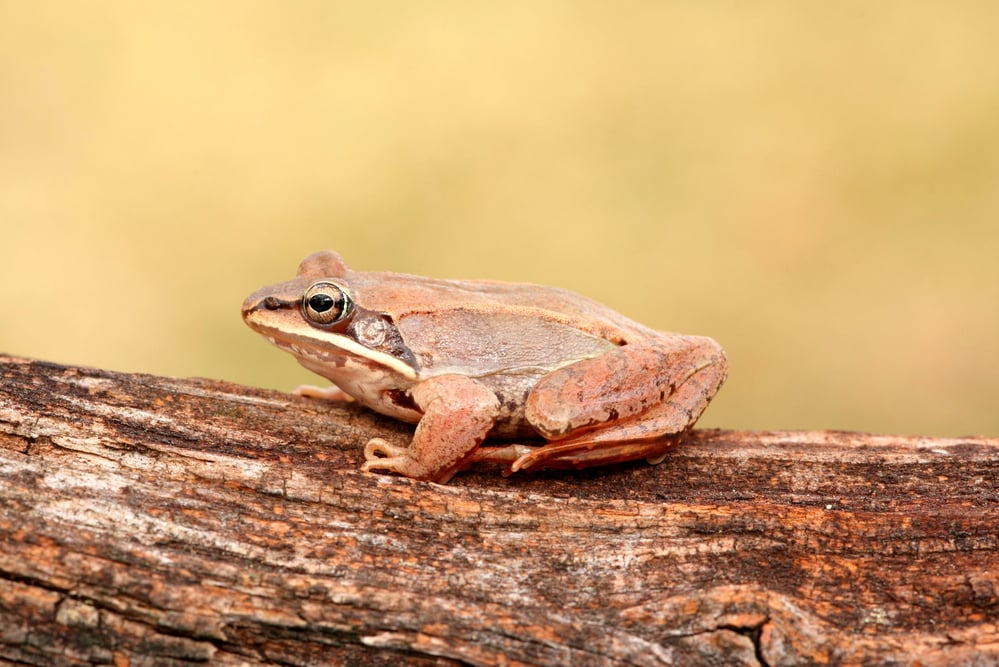
Wood frogs basically become frog-shaped ice cubes during winter, with up to 70% of their body water turning solid. They produce special antifreeze proteins and flood their cells with glucose, which acts like biological antifreeze to prevent fatal ice crystal formation. Come spring, these remarkable amphibians thaw out and hop away as if they just had a really long nap.
Arctic Ground Squirrels
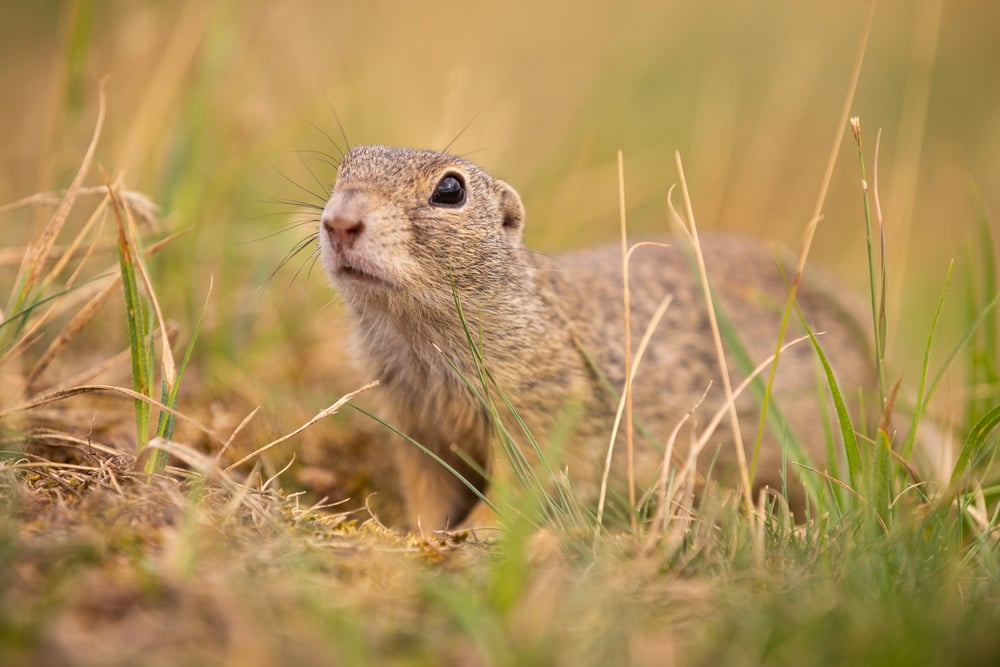
These tough little rodents can survive body temperatures that drop below the freezing point of water. Arctic ground squirrels enter a state called supercooling, where their blood actually becomes colder than ice without freezing. Their metabolism slows to almost nothing, and they can stay in this frozen state for up to eight months before warming up again.
Woolly Bear Caterpillars

The fuzzy larvae of Isabella tiger moths spend most of their lives as living ice blocks in the Arctic. These caterpillars can survive temperatures as low as -70°F by producing glycerol and other cryoprotectants that prevent ice damage. They might stay frozen for up to 14 years before finally completing their transformation into moths.
Tardigrades
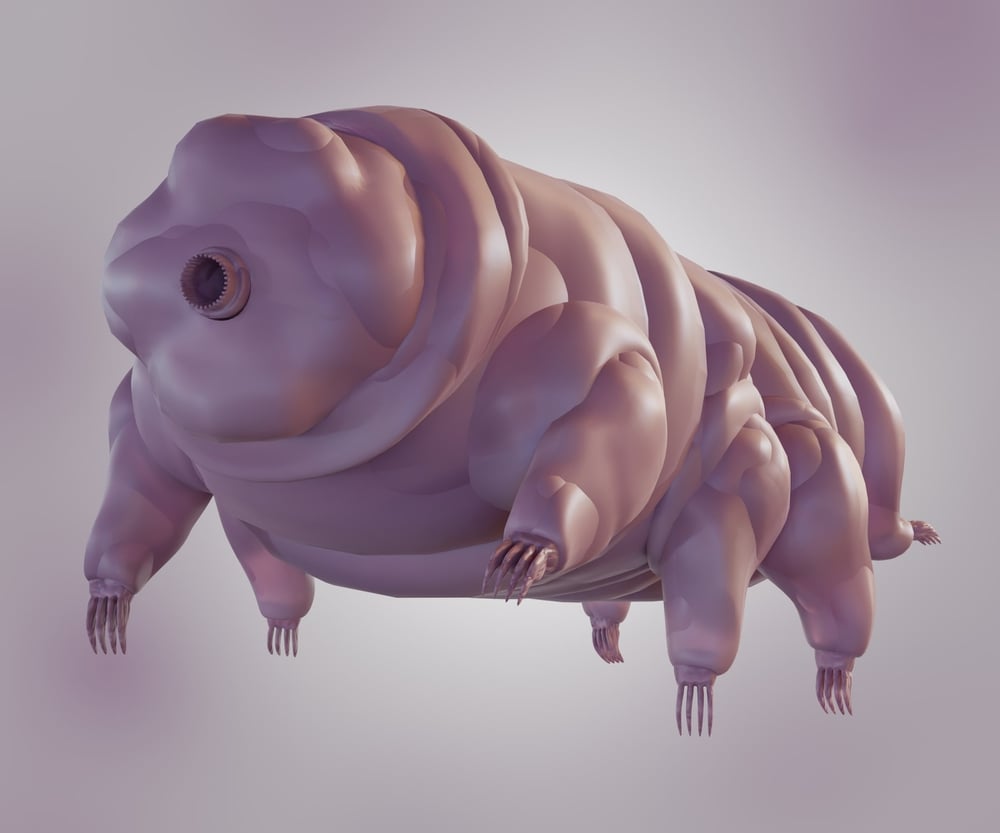
These microscopic ‘water bears’ are practically indestructible, surviving everything from the vacuum of space to being frozen solid. Tardigrades can withstand temperatures approaching absolute zero by entering a state called cryptobiosis, where they essentially pause all biological processes. They’ve been revived after being frozen for over 30 years, making them nature’s ultimate survivors.
Painted Turtle Hatchlings
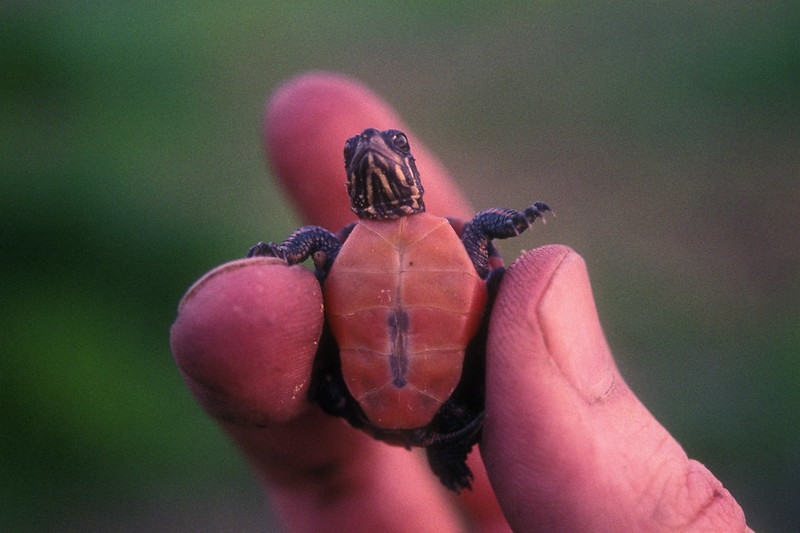
Baby painted turtles that hatch too late in the season get trapped in their nests through winter. These tiny reptiles survive by allowing their bodies to freeze while producing antifreeze compounds that protect their vital organs. Their hearts stop beating and they don’t breathe for months, yet they emerge perfectly healthy when temperatures rise.
Freeze-Tolerant Frogs
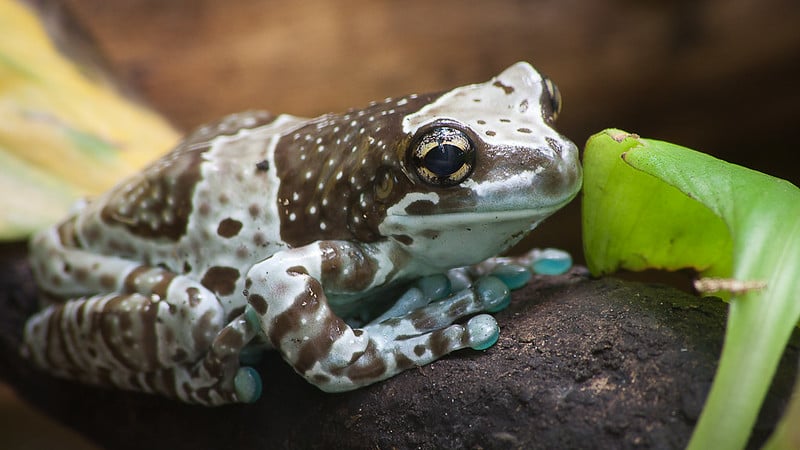
Several frog species beyond wood frogs have mastered the art of surviving as ice blocks. Spring peepers, chorus frogs, and gray tree frogs all use similar strategies of flooding their bodies with glucose and other protective chemicals. These amphibians can remain frozen for months before thawing out ready to breed.
Garter Snakes
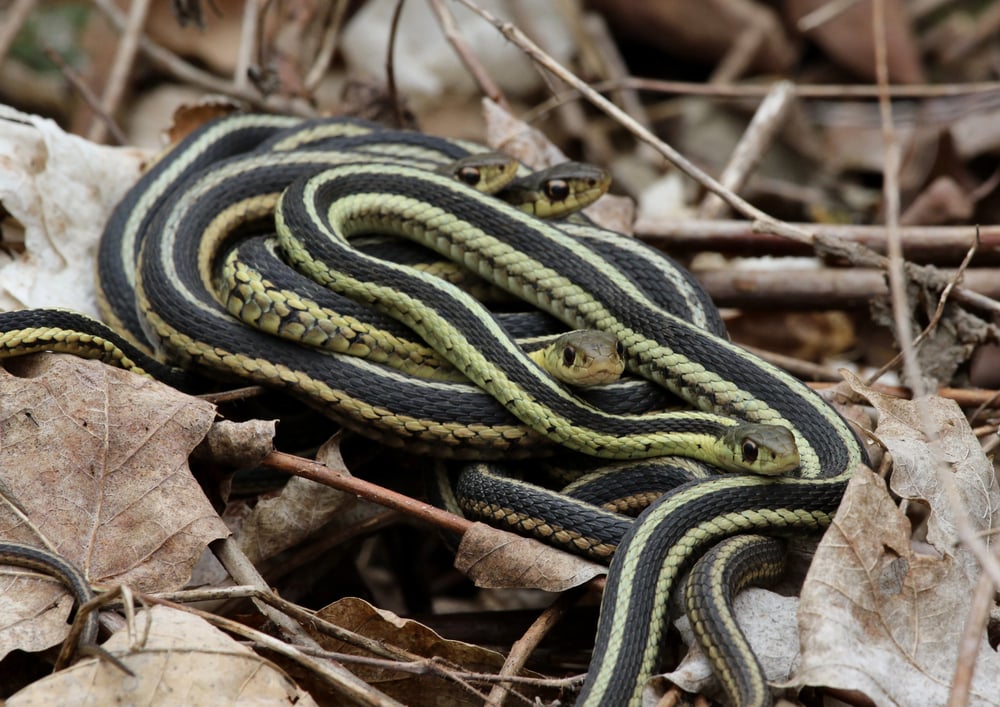
Some populations of garter snakes have evolved remarkable cold tolerance that borders on freeze survival. While they don’t become completely solid ice, they can survive having ice crystals form in their body fluids. These snakes produce antifreeze proteins and can remain nearly frozen for extended periods in their winter dens.
Alaskan Beetles
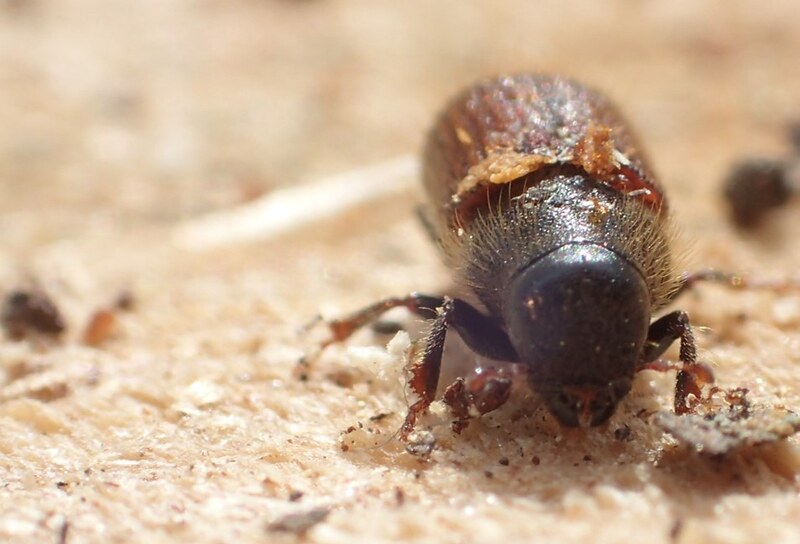
Several beetle species in Alaska routinely survive being frozen solid during the harsh winters. These insects produce antifreeze proteins and remove water from their bodies to prevent damaging ice formation. Some can survive temperatures below -100°F, making them among the most cold-hardy creatures on Earth.
Nematode Worms
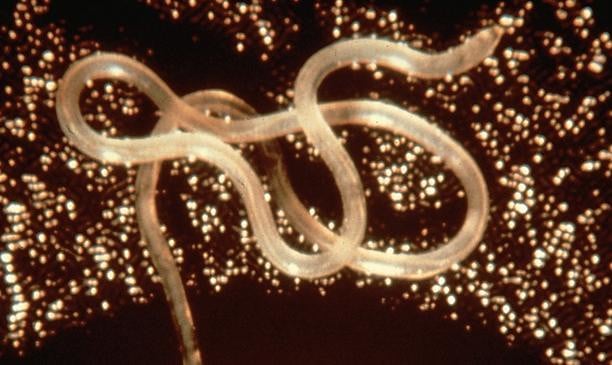
These microscopic roundworms are found everywhere from Arctic permafrost to Antarctic ice. Nematodes can survive complete freezing by replacing the water in their cells with protective compounds. Some have been revived after being frozen in permafrost for over 40,000 years, proving their incredible resilience.
Siberian Salamanders
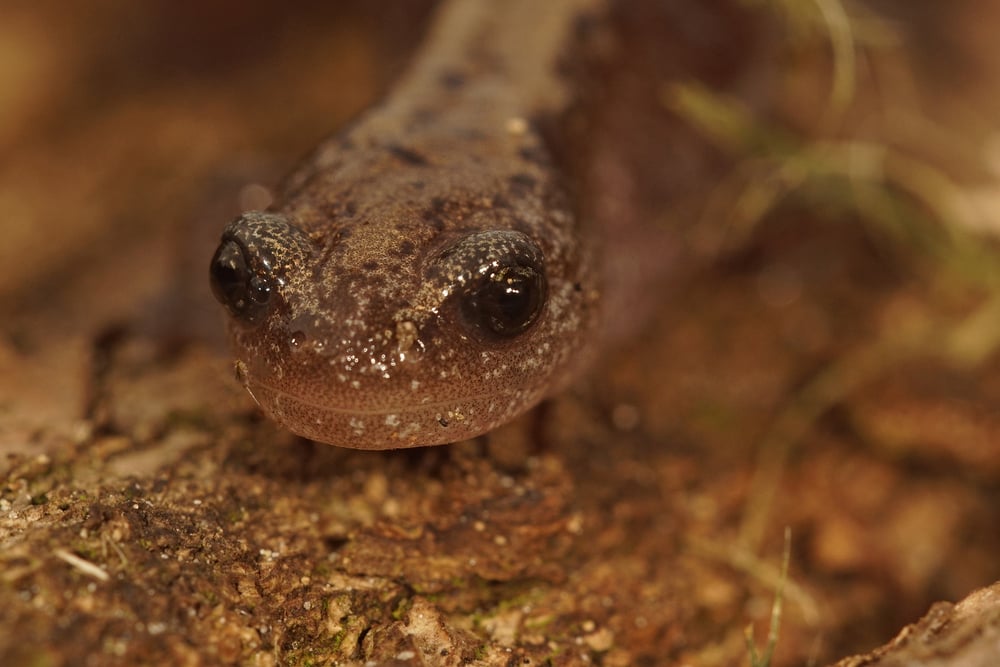
These remarkable amphibians hold the record for surviving the longest time frozen solid. Siberian salamanders can remain frozen in permafrost for decades and still come back to life when thawed. They produce powerful antifreeze compounds and can survive temperatures that would kill almost any other vertebrate.
Box Turtle Hatchlings
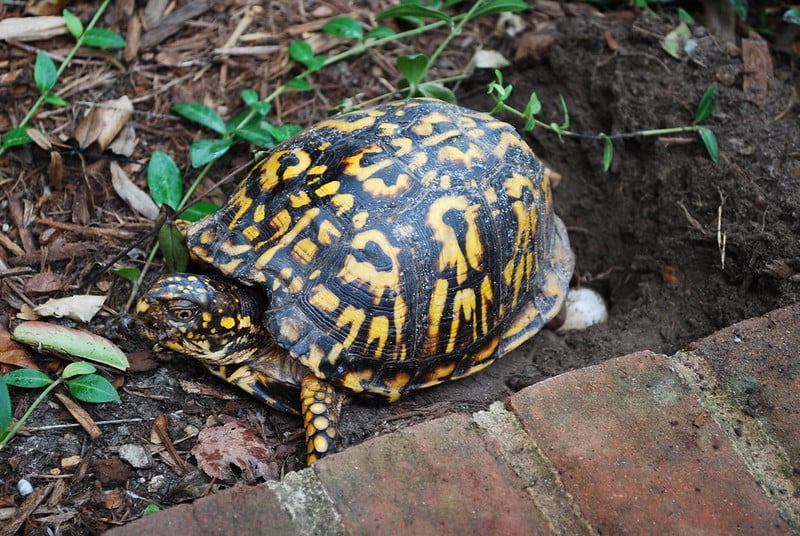
Young box turtles that don’t make it to suitable shelter before winter can survive being frozen in their shells. They produce antifreeze proteins and glucose to protect their organs while their bodies turn solid. These baby turtles essentially hibernate as ice blocks until spring arrives.
Arctic Flies
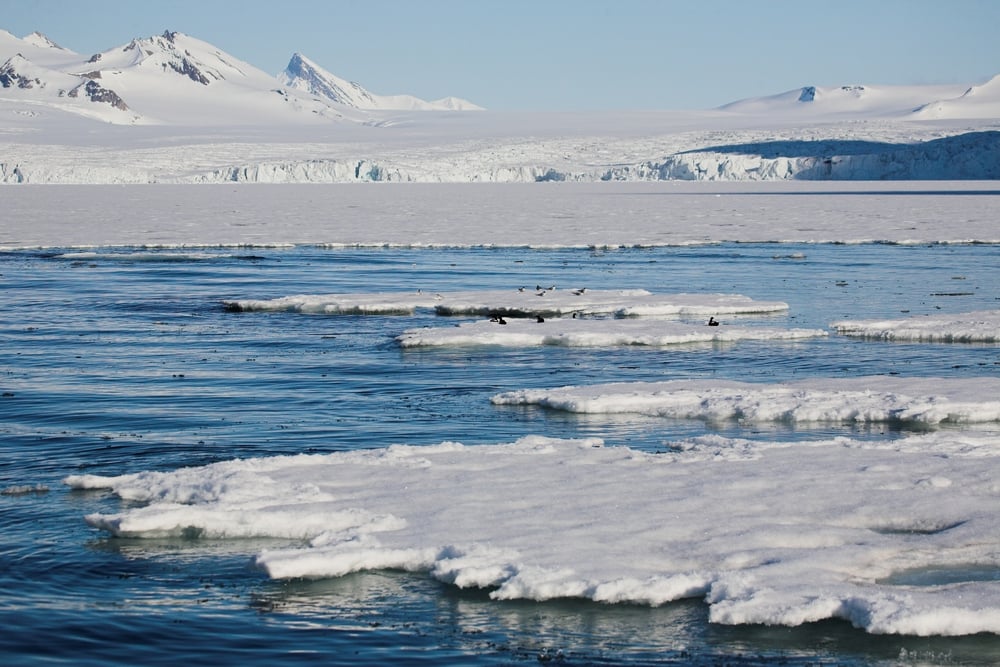
Several species of flies in the Arctic have evolved to survive complete freezing during winter months. These insects remove water from their bodies and produce antifreeze compounds that prevent fatal ice crystal formation. They can remain frozen for months before becoming active again when temperatures rise.
Spring Peepers
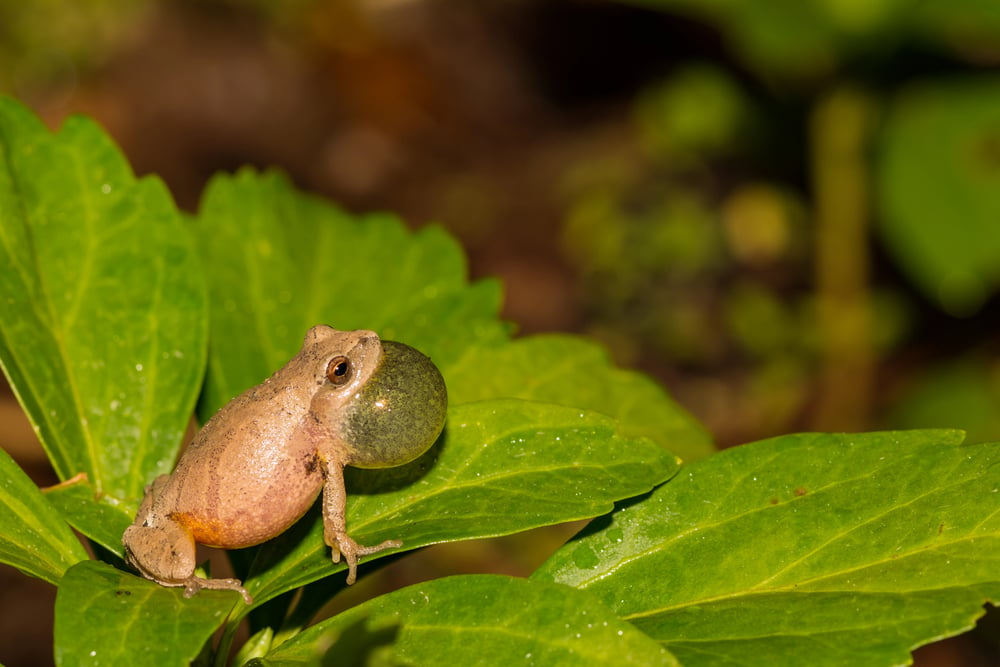
These tiny frogs are masters of freeze survival, routinely spending winters as solid ice blocks. Spring peepers can survive having up to 65% of their body water frozen by flooding their cells with glucose and other protective chemicals. Their hearts stop and they don’t breathe for months, yet they emerge ready to sing when spring arrives.
Freeze-Tolerant Turtles
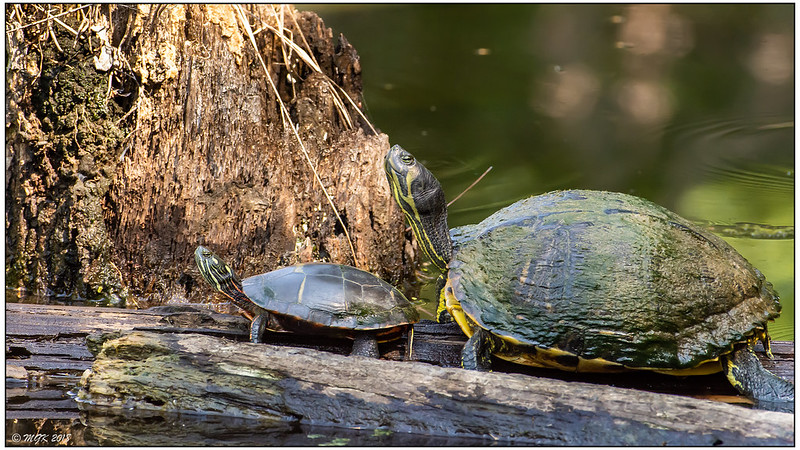
Beyond painted turtles, several other turtle species can survive partial or complete freezing. Blanding’s turtles and some box turtle populations have evolved similar adaptations that allow them to survive ice formation in their bodies. These reptiles essentially pause their lives during extreme cold spells.
Arctic Wasps
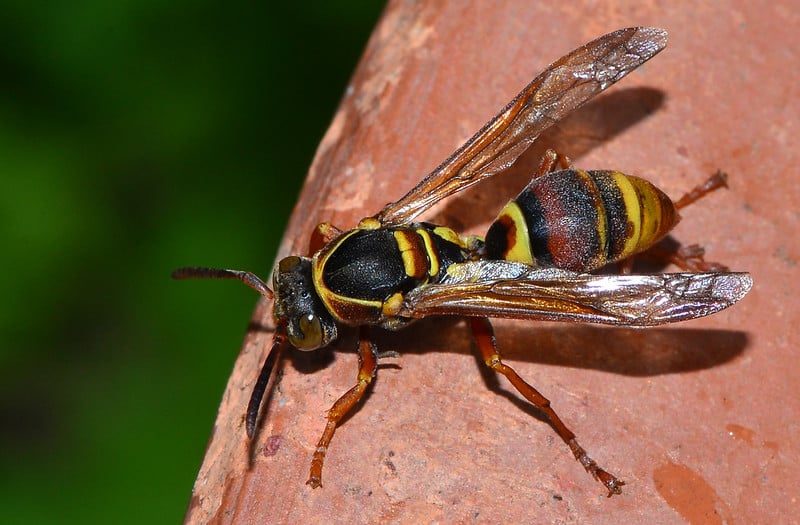
Some wasp species in northern regions can survive being frozen solid during winter hibernation. These insects produce antifreeze proteins and glycerol to protect their cells from ice damage. They remain motionless and frozen for months before warming up to continue their life cycles.
Chorus Frogs
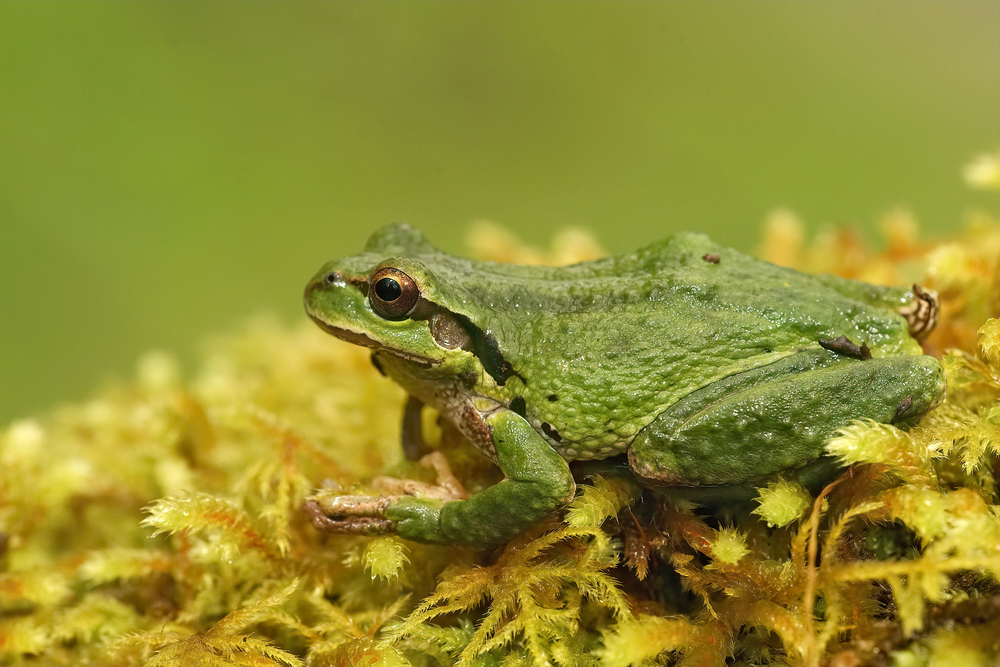
These small amphibians join the ranks of freeze-tolerant frogs with their ability to survive as ice blocks. Chorus frogs use glucose and other cryoprotectants to prevent fatal ice crystal formation in their cells. They can remain frozen for several months before thawing out to breed in spring pools.
Frozen Fish
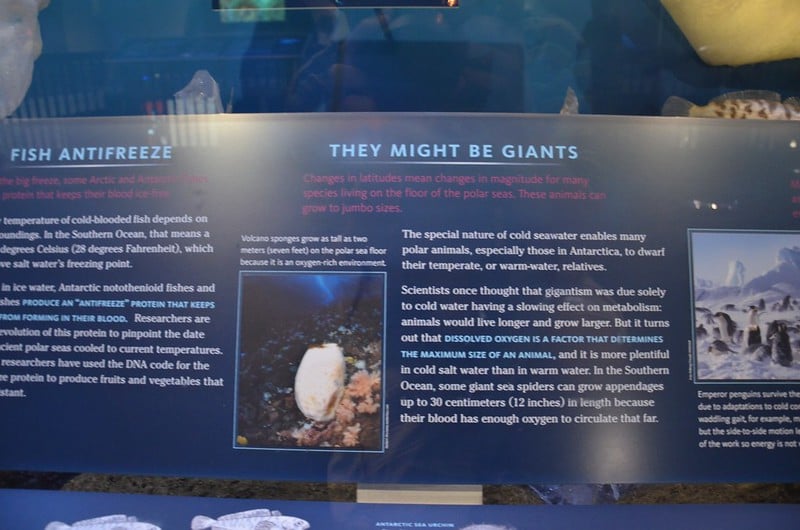
While most fish cannot survive freezing solid, a few species like the Antarctic notothenioid fish have evolved remarkable antifreeze adaptations. These fish produce antifreeze glycoproteins that prevent ice crystals from forming in their blood and tissues. They can survive in waters cold enough to freeze other fish solid.
Nature’s Ultimate Survivors
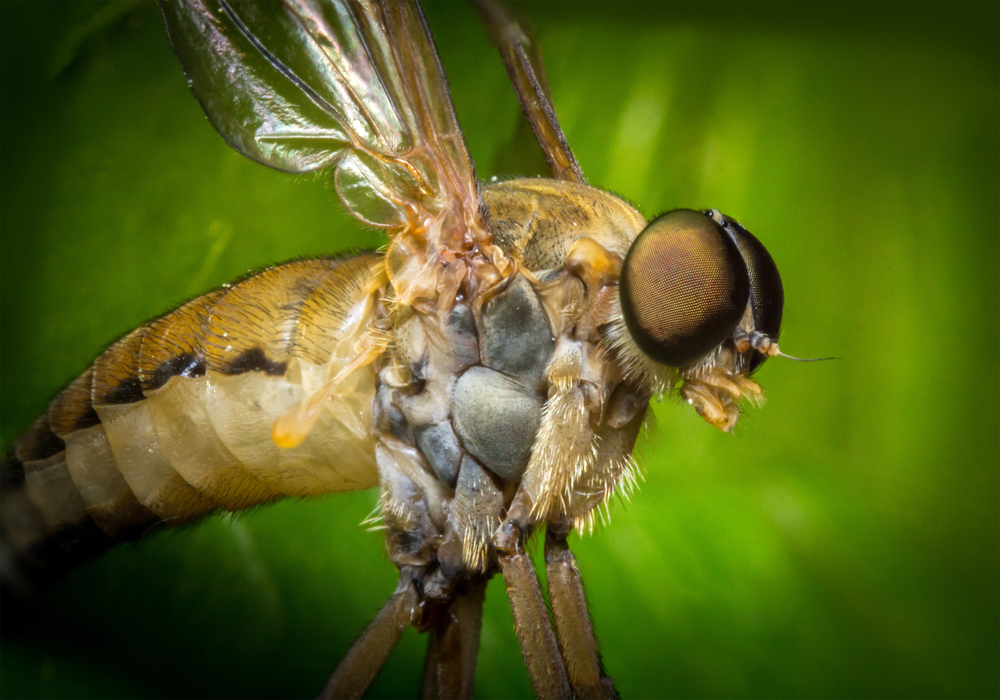
These incredible animals prove that life finds a way to persist even in the most extreme conditions imaginable. Their freeze-survival abilities have evolved over millions of years, creating biological antifreeze systems that put our best technology to shame. Understanding how these creatures cheat death through freezing continues to inspire new medical treatments and preservation techniques that could benefit humans in the future.
More from Go2Tutors!

- The Romanov Crown Jewels and Their Tragic Fate
- 13 Historical Mysteries That Science Still Can’t Solve
- Famous Hoaxes That Fooled the World for Years
- 15 Child Stars with Tragic Adult Lives
- 16 Famous Jewelry Pieces in History
Like Go2Tutors’s content? Follow us on MSN.