15 Fast Food Chains That Used to Be Different
Fast food chains are all about consistency today—you know exactly what to expect when you walk into a McDonald’s in any town. But dig back a few decades and many of these familiar names looked, operated, or even served food completely differently. Some were local favorites with entirely different menus, while others started as full-service restaurants or even roadside stands.
Things evolve quickly in the food world. Here is a list of 15 fast food chains that have taken quite a turn since their early days.
McDonald’s Was a Sit-Down BBQ Joint
Before the Golden Arches became a global powerhouse, McDonald’s was called McDonald’s Bar-B-Q and operated more like a drive-in diner. It had carhops, table service, and a menu with over 40 items including chili, tamales, and peanut butter sandwiches.
It wasn’t about speed—it was about variety. Ray Kroc saw the potential in streamlining the menu and focusing on just a few items done fast and cheap.
That decision reshaped fast food forever.
Taco Bell Had Burgers and Hot Dogs
When Glen Bell opened the first Taco Bell in the early ‘60s, it was more of a burger stand with tacos thrown in for fun. In fact, the original menu included hamburgers, hot dogs, and chili burgers alongside tacos for just 19 cents.
It was a testing ground to see what people would go for. Once he realized the tacos were flying out the window faster than anything else, the rest of the menu slowly faded out—and the taco empire was born.
KFC Used Real Plates and Silverware
The early Kentucky Fried Chicken locations weren’t grab-and-go joints—they were actual sit-down restaurants. Meals were served on porcelain plates, and you’d get proper silverware, not a flimsy plastic spork.
Colonel Sanders himself would often visit to ensure quality, and the idea was to provide homestyle Southern cooking in a restaurant setting. It wasn’t until franchising took over that the brand shifted to the paper-wrapped, bucket-based format we know today.
Burger King Let You Broil Your Own Meat
In the mid-1950s, some Burger King locations actually let customers cook their own burgers on an in-store broiler. The idea was that people could enjoy the novelty of flame-grilling their own food, kind of like an indoor picnic.
But as you can imagine, it wasn’t exactly efficient—or safe. The concept was short-lived, and Burger King shifted to broiling everything in the kitchen, still holding onto the ‘flame-grilled’ selling point without handing you the spatula.
Domino’s Delivered More Than Pizza
Domino’s started out with a broader delivery mission. Back in the 1960s, it wasn’t just about pizza—they delivered oven-baked sandwiches, lasagna, and even beverages.
But their delivery promise of ‘30 minutes or less’ made pizza the most practical item to focus on. Other menu items took too long to prep and often didn’t travel well.
So, the company trimmed the menu to just pizza and built a business model around it. Only years later did they slowly start adding more back.
Subway Had No Set Menu
When Subway opened in 1965 as ‘Pete’s Super Submarines’, there wasn’t a fixed menu hanging on the wall. Customers would walk in and just point at the ingredients they wanted—if they had them that day.
There were no pre-designed subs like the B.M.T. or the Cold Cut Combo. The idea of a ‘footlong’ didn’t even exist yet.
It was a very casual, build-it-yourself setup that felt more like a local deli than a franchise prototype.
Wendy’s Was Obsessed With Chili and Baked Potatoes
Wendy’s introduced chili and baked potatoes in the late 70s as healthier, heartier sides in a world of fries and onion rings. They weren’t just an afterthought—these items were featured heavily in ads and had their own prominent spot on the menu.
The baked potato even came in multiple versions, loaded with cheese, broccoli, or sour cream. While burgers eventually became the face of the brand, Wendy’s kept pushing those comfort sides longer than most chains would have.
Pizza Hut Looked Like a Cozy Diner
Walking into a 1980s Pizza Hut felt more like visiting a neighborhood diner than a fast food joint. You’d be greeted by deep red booths, stained-glass hanging lamps, and those iconic red cups everyone seems to remember.
People would stay and eat for an hour or more—there was no sense of rushing. It was a popular birthday party destination and often had arcade machines near the entrance.
Arby’s Was a High-End Roast Beef Stop
Arby’s started in 1964 as a premium alternative to burger chains. The focus was slow-roasted beef sandwiches served with a side of class.
Even the prices were higher than the competition. The interior decor featured wood accents and Western touches, and you might hear jazz or classical music over the speakers instead of top 40 hits.
It felt like the place you’d go if you wanted something more ‘grown-up’ than a burger and fries. Over time, the chain broadened its appeal and the upscale feel faded.
Hardee’s Focused on Fried Chicken
Hardee’s didn’t lean heavily on burgers in its first few decades. In fact, their fried chicken was a major selling point, especially in the Southern U.S.
You could get a full chicken dinner with biscuits and gravy, mashed potatoes, and coleslaw. For a while, they were competing more with KFC than with McDonald’s.
It wasn’t until Hardee’s merged with Carl’s Jr. and rebranded in the ‘90s that burgers became the centerpiece.
Carl’s Jr. Was a Single Hot Dog Cart
Carl’s Jr. started with Carl Karcher buying a hot dog cart in Los Angeles in 1941. He sold hot dogs, tamales, and chili dogs to factory workers for a dime.
No buildings, no drive-thrus—just street-side service. Over time, the cart turned into a full restaurant, then a second, and eventually a chain.
Burgers didn’t even show up until later, and the now-famous Western Bacon Cheeseburger was still decades away.
A&W Was a Root Beer Stand First
A&W started as a humble root beer stand in California during a World War I homecoming celebration. There were no burgers or fries, just ice-cold root beer served in frosty mugs by carhops.
It was wildly popular, and soon, more stands opened. Only after that success did the company begin adding food items.
The root beer is still a standout, but it once was the entire business.
Dairy Queen Only Sold Soft Serve
When Dairy Queen launched in 1940, it didn’t even have a grill. All they served was soft-serve ice cream—no Blizzards, no burgers, not even fries.
The original draw was the smooth, creamy texture of their soft serve, which was a novelty at the time. It wasn’t until the company began franchising that food was added, eventually turning DQ into the dessert-and-dinner combo spot we know today.
Jack in the Box Was Drive-Thru Only
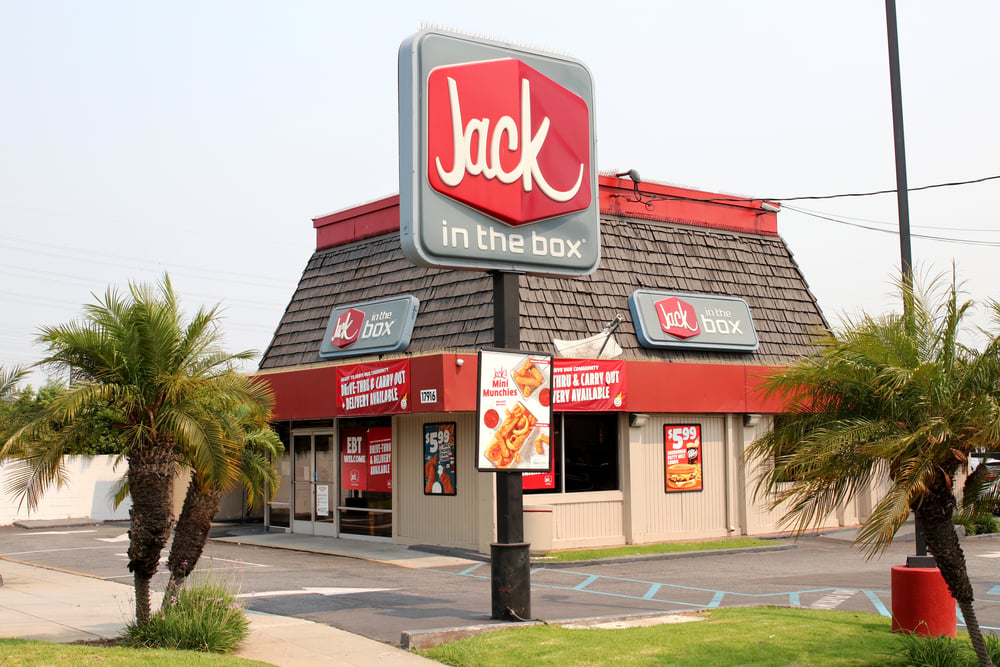
Jack in the Box was one of the first chains to fully embrace the drive-thru. There were no dining rooms or seating areas—just a speaker box, a small building, and a window.
You’d place your order through a two-way intercom, pick it up, and drive off. It was all about speed and efficiency, and in the 1950s, it felt futuristic.
It wasn’t until decades later that sit-down areas and indoor menus became standard.
Popeyes Tried to Copy KFC
Before it was Popeyes, the restaurant was called Chicken on the Run and aimed to compete with KFC’s milder Southern chicken. It didn’t work.
People weren’t interested in another KFC knockoff. Founder Al Copeland shut it down, reworked the recipe to be spicier and more Cajun, and relaunched it as Popeyes just a few months later.
That bold shift is what gave the brand its distinct identity—and what keeps it thriving today.
Reinvention on the Way to the Drive-Thru
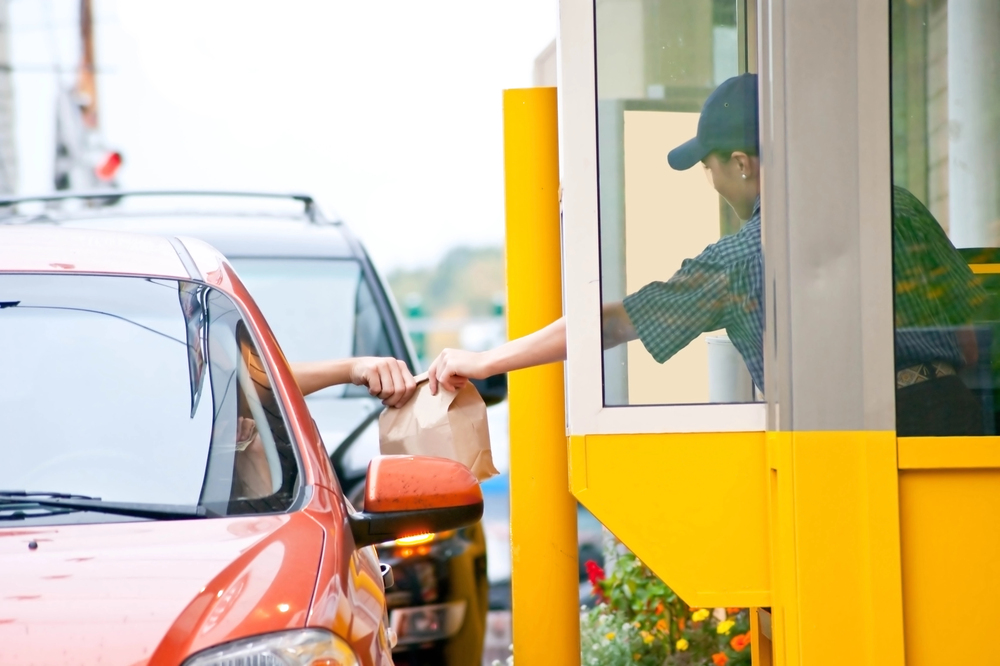
Fast food wasn’t always about convenience, speed, and carbon-copy menus. These chains tried different formats, foods, and styles before locking into what worked best.
That flexibility helped them survive and expand, but it also meant letting go of some of the charm and quirks that made them unique. Behind every combo meal and dollar menu is a story of trial, error, and total reinvention.
And knowing what these places used to be gives the present-day version a little more flavor.
More from Go2Tutors!

- The Romanov Crown Jewels and Their Tragic Fate
- 13 Historical Mysteries That Science Still Can’t Solve
- Famous Hoaxes That Fooled the World for Years
- 15 Child Stars with Tragic Adult Lives
- 16 Famous Jewelry Pieces in History
Like Go2Tutors’s content? Follow us on MSN.