Natural Phenomena That Happen Annually
Nature follows a cycle of rhythms that are repeated every year in a pattern of consistency. Before calendars and schedules became a part of our daily lives, nature’s own cycle of seasons had been going on in the background.
Some of these phenomena happen in the night sky, while others change our oceans, forests, and deserts into scenes that seem not of this world. While many of us are busy in our daily lives, in the midst of our technology and cities, these phenomena are still following their ancient rhythms.
If you take a moment to look, you can remember that our Earth is still moving in a pattern of consistency that has been in existence for thousands of years. Let’s take a closer look at some of the fascinating phenomena that happen every year and still capture our attention.
The Perseid Meteor Shower
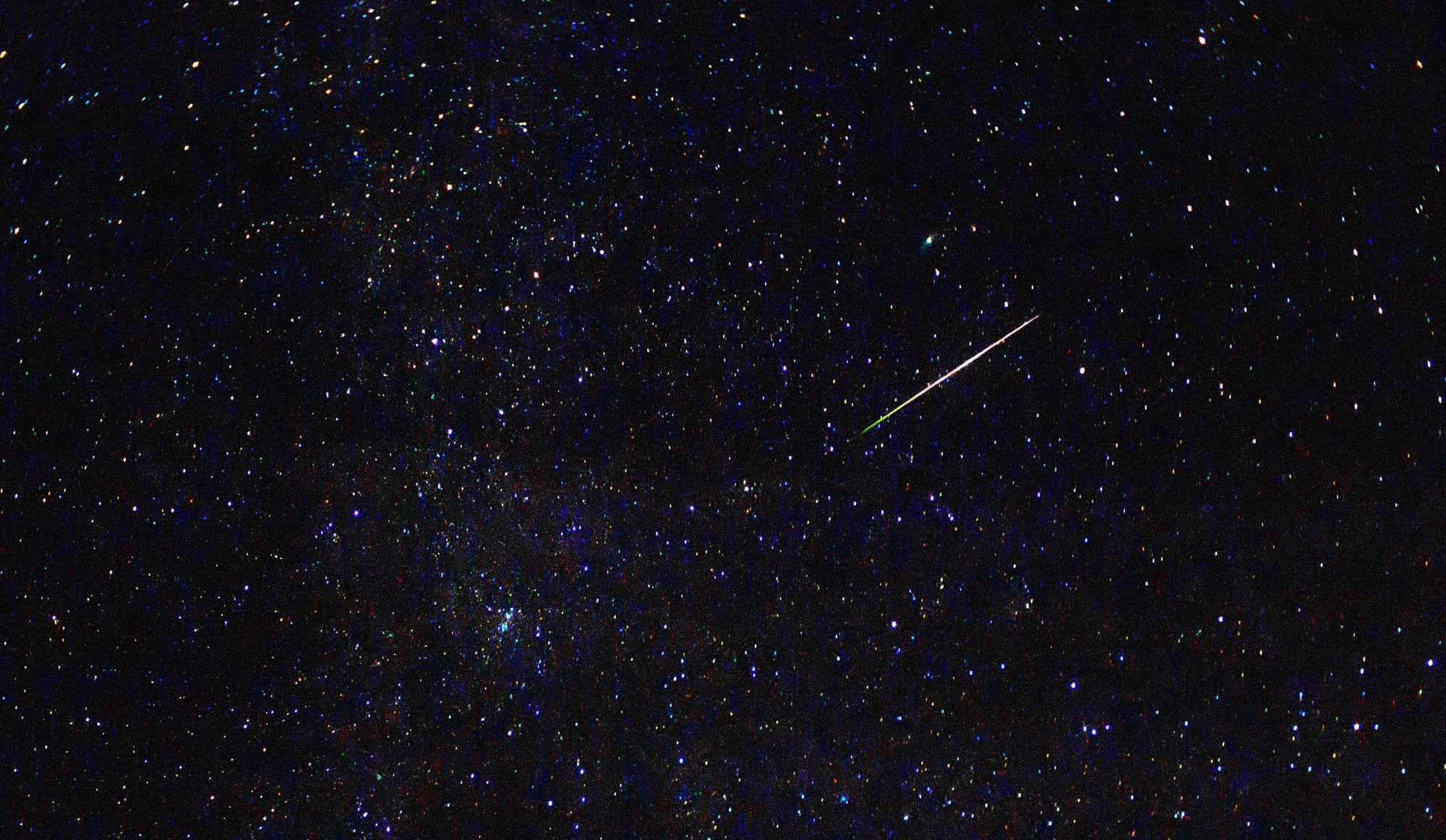
Every August, the Perseid meteor shower produces one of the most reliable celestial displays of the year. The phenomenon occurs when Earth travels through a trail of debris left behind by a passing comet.
As tiny fragments enter the atmosphere, they burn up and appear as bright streaks across the sky. Under clear, dark conditions, dozens of meteors can be visible each hour during the peak nights.
Some appear as quick flashes, while others leave glowing trails that linger for a moment before fading. The event has become a seasonal tradition for stargazers who gather in open areas far from city lights.
Watching the Perseids often feels like witnessing a quiet fireworks display created entirely by nature.
Monarch Butterfly Migration

The monarch butterfly migration is one of the most extraordinary journeys in the natural world. Each year, millions of monarchs travel from North America toward warmer regions in Mexico and California to escape the approaching cold.
What makes the migration remarkable is the scale and the distance. These delicate insects travel thousands of miles during the journey, guided by instinct and environmental cues.
When they reach their wintering grounds, the butterflies gather in dense clusters that cover tree branches in vibrant orange. The return of monarchs each year has become a symbol of nature’s resilience and precision.
Salmon Spawning Runs
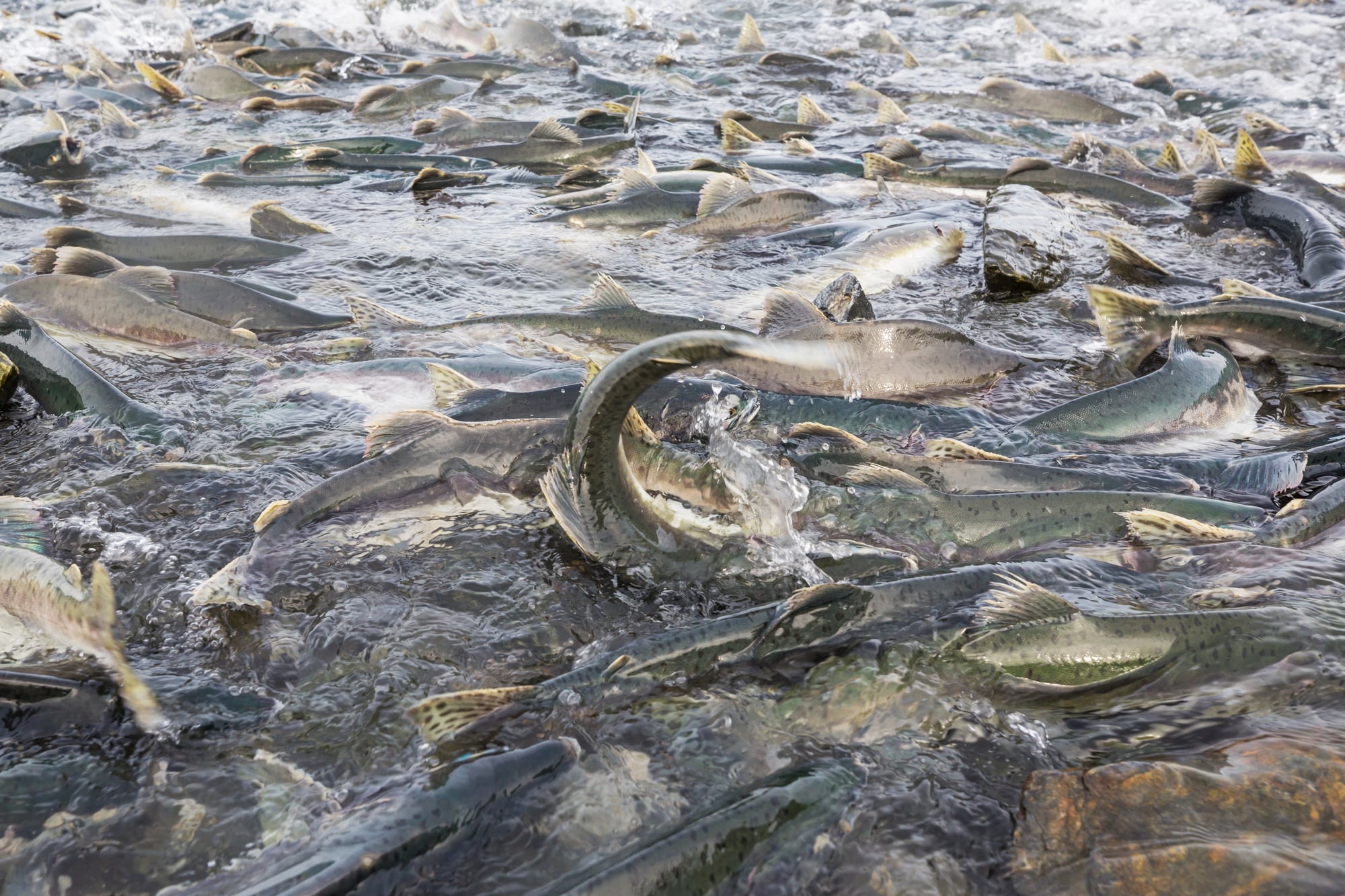
Across many rivers in North America and parts of Asia and Europe, salmon return from the ocean to freshwater streams every year to reproduce. This journey, known as the salmon run, is both dramatic and essential for the surrounding ecosystem.
Salmon swim upstream against powerful currents, often leaping over rocks and small waterfalls along the way. Their return provides food for bears, birds, and many other animals that depend on the seasonal arrival.
Entire landscapes come alive during this period as predators gather near rivers and streams. The annual cycle of salmon runs shows how interconnected natural systems can be.
The Northern Lights
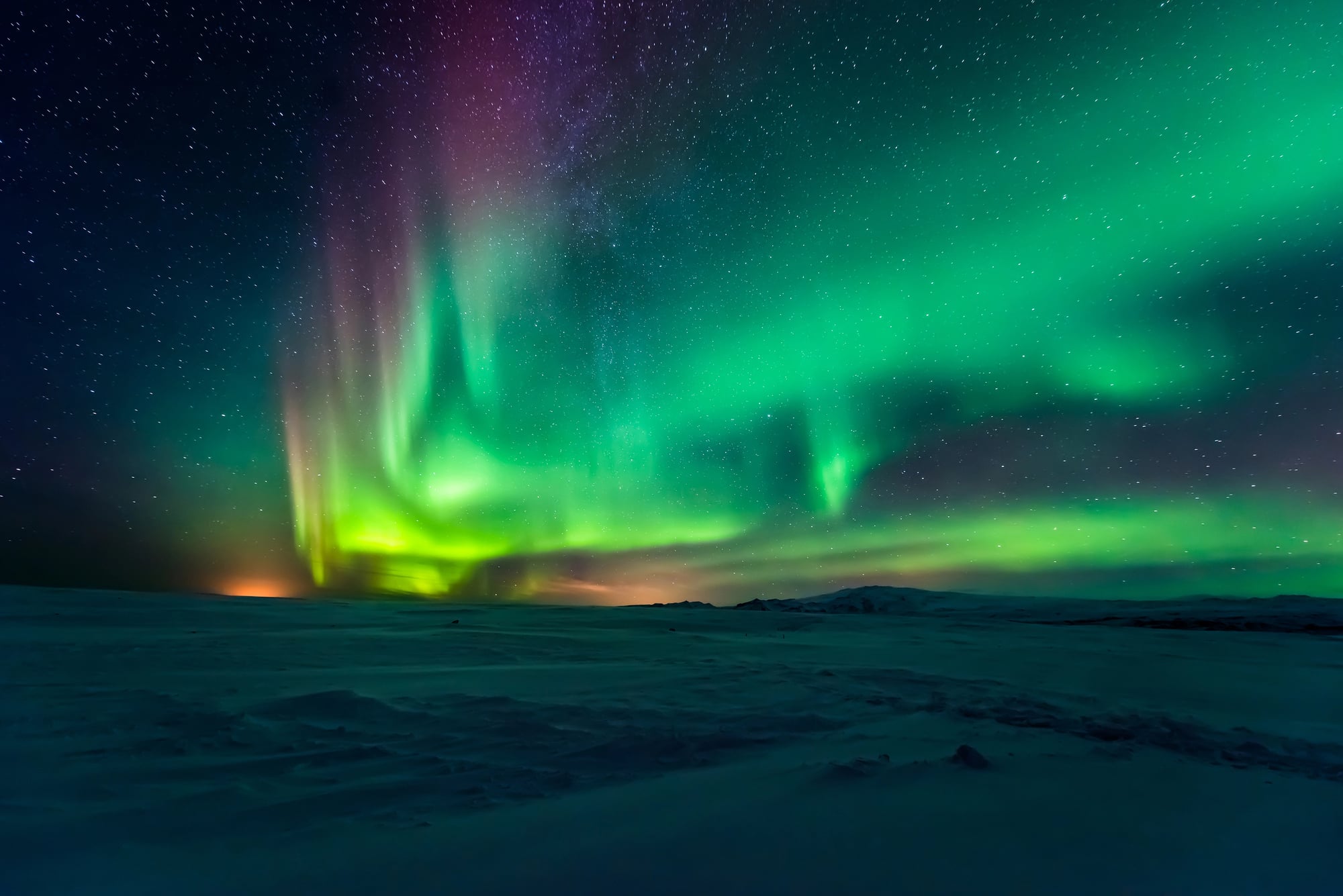
The Northern Lights, also called the aurora borealis, appear most frequently during darker months in high-latitude regions. These shimmering lights form when charged particles from the sun interact with gases in Earth’s upper atmosphere.
The result is a shifting display of color that can stretch across the night sky in waves and arcs. Green shades appear most often, though purple and red tones sometimes emerge as well.
While solar activity influences the intensity of the lights, the annual return of long winter nights makes the phenomenon more visible each year. For many people, seeing the aurora in person becomes a memorable life experience.
Firefly Synchronization

In certain forests around the world, fireflies gather during specific weeks each year to perform one of nature’s most mesmerizing displays. Large groups of these glowing insects begin flashing in synchronized patterns that illuminate the surrounding trees.
Scientists believe the synchronized flashes help fireflies attract mates during the breeding season. As the insects adjust their rhythm to match nearby flashes, the forest begins to pulse with waves of light.
The effect can feel almost magical, as though the landscape itself has begun blinking in perfect timing. These brief seasonal events draw visitors eager to witness the spectacle before it fades again.
Desert Wildflower Blooms

Deserts are often associated with dry landscapes and muted colors, yet some regions burst into life each year when conditions align. Seasonal rains combined with warm temperatures can trigger large-scale wildflower blooms across desert terrain.
Seeds that have remained dormant beneath the soil suddenly sprout, covering the ground with vibrant flowers. Hillsides that previously appeared empty transform into sweeping carpets of yellow, purple, and red.
These blooms can last only a few weeks before the desert returns to its usual appearance. Their brief beauty highlights how dramatic seasonal changes can be even in harsh environments.
The Great Wildebeest Migration
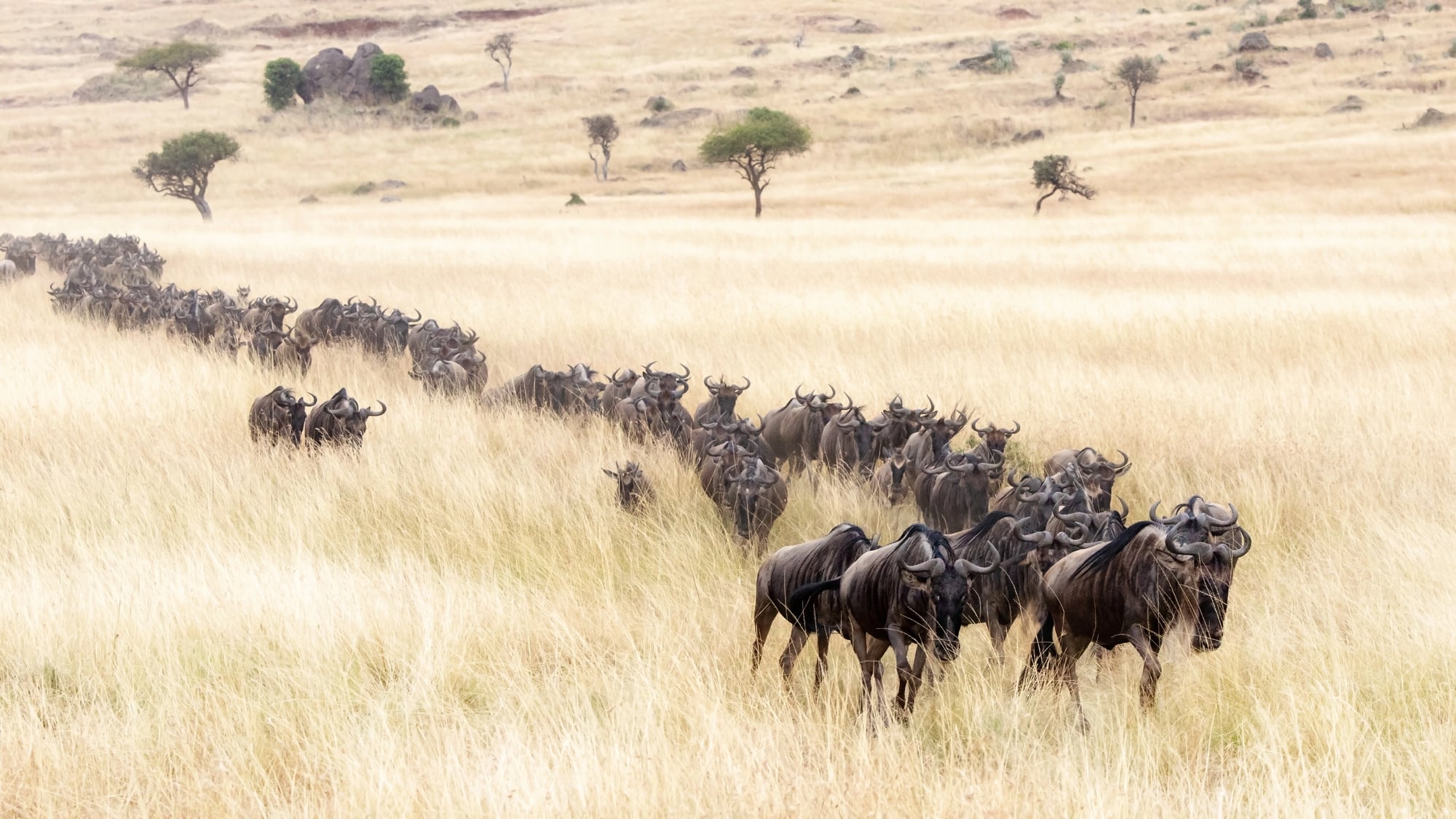
In East Africa, one of the largest wildlife migrations on Earth occurs every year across the Serengeti ecosystem. Millions of wildebeest, along with zebras and other grazing animals, travel across vast grasslands in search of fresh grazing areas after seasonal rains.
The movement creates an enormous wave of animals crossing plains and rivers as they follow the growth of new grass. River crossings become particularly dramatic as herds surge through the water while predators wait nearby.
This annual cycle supports a wide variety of wildlife and plays a vital role in maintaining the balance of the ecosystem.
Bioluminescent Plankton Blooms

Along certain coastlines, tiny marine organisms called plankton produce a glowing blue light when the water around them is disturbed. These seasonal blooms occur when environmental conditions allow the organisms to multiply in large numbers.
At night, waves crashing onto the shore can create streaks of bright blue light that appear almost electric against the dark ocean. Even footsteps in shallow water may leave glowing trails behind.
The phenomenon often surprises visitors who encounter it for the first time, turning an ordinary shoreline into a glowing natural display.
The Sardine Run

Off the coast of southern Africa, billions of sardines gather each year in massive schools that move along the shoreline. This annual event, known as the sardine run, attracts dolphins, seabirds, sharks, and other marine predators.
The dense schools of fish create dramatic scenes beneath the surface as predators circle and dive through the moving masses. From above, seabirds plunge into the water while dolphins herd the sardines into tight groups.
The spectacle highlights the intensity of natural food chains when large migrations bring animals together in one place.
Cherry Blossom Season
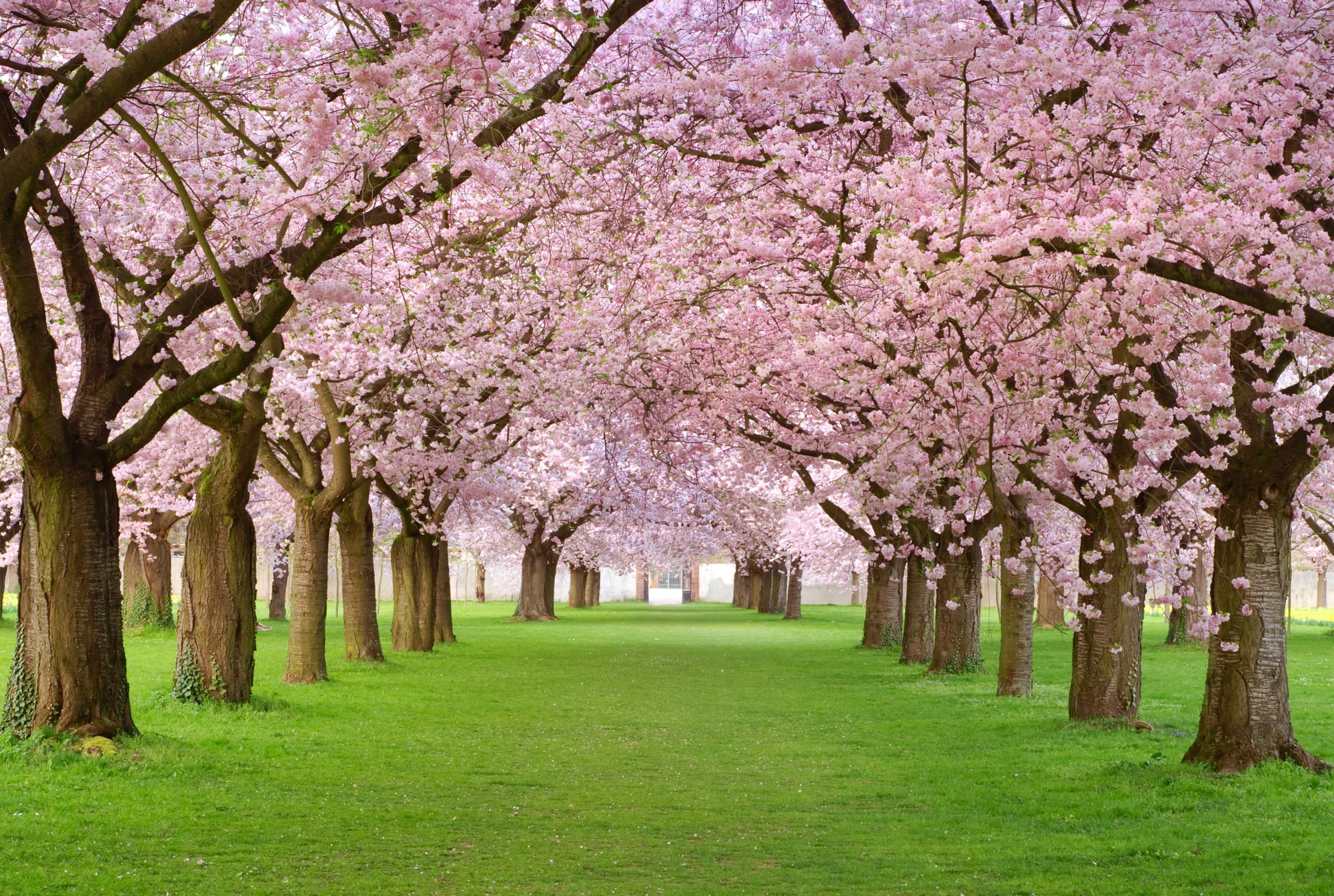
Every spring, cherry trees burst into bloom across parts of Asia, Europe, and North America. In Japan particularly, the arrival of cherry blossoms marks the beginning of a celebrated seasonal event that draws large gatherings to parks and gardens.
The blossoms appear as delicate pink and white clusters that transform city streets and landscapes. Yet their beauty is fleeting, lasting only a short time before the petals begin to fall.
This brief display has come to symbolize the changing seasons and the passing of time. Each year, people return to witness the blossoms again, knowing the moment will not last long.
Earth’s Rhythms Still Shape the World
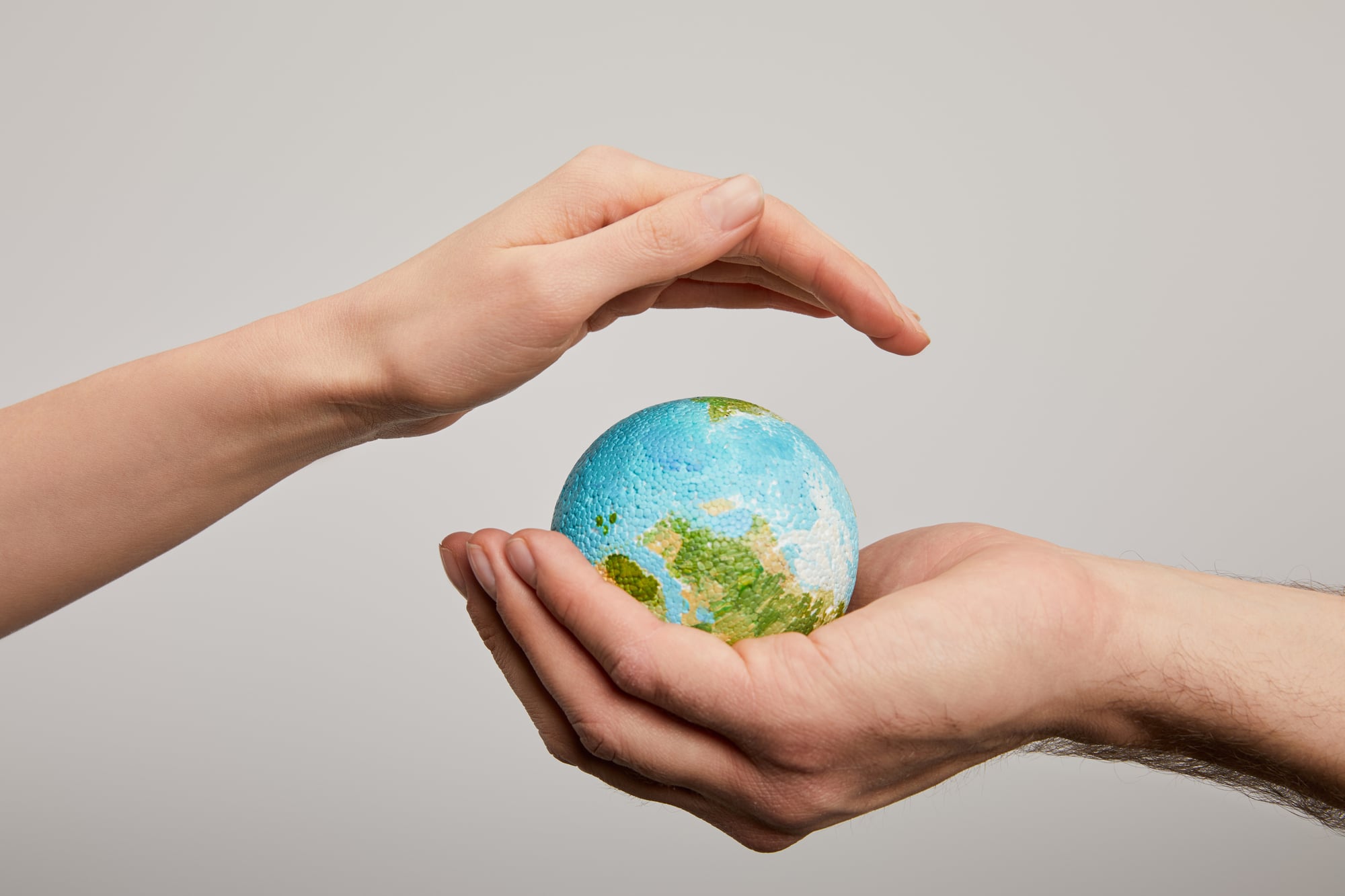
These annual events of nature remind us of how our planet is constantly in motion through patterns of repetition that impact everything around us. And in spite of all the advancements in technology that change our way of living, we see no change in these events of nature.
It is interesting to see how events of nature that were witnessed centuries ago are happening today in front of us. These events remind us that everything in nature is governed by patterns that pre-date human history.
More from Go2Tutors!

- The Romanov Crown Jewels and Their Tragic Fate
- 13 Historical Mysteries That Science Still Can’t Solve
- Famous Hoaxes That Fooled the World for Years
- 15 Child Stars with Tragic Adult Lives
- 16 Famous Jewelry Pieces in History
Like Go2Tutors’s content? Follow us on MSN.



