14 Classic Fairy Tales That Are Actually Quite Disturbing
When most people think of fairy tales, they picture Disney’s sanitized versions with happy endings and cheerful songs. However, the original stories that inspired these beloved adaptations were often dark, violent, and filled with content that would make modern parents think twice about bedtime reading.
These tales emerged from oral traditions where they served as cautionary stories, moral lessons, and sometimes just entertainment for adults rather than children. Here is a list of 14 classic fairy tales that are actually quite disturbing, revealing the darker origins behind some of our most cherished childhood stories.
Cinderella
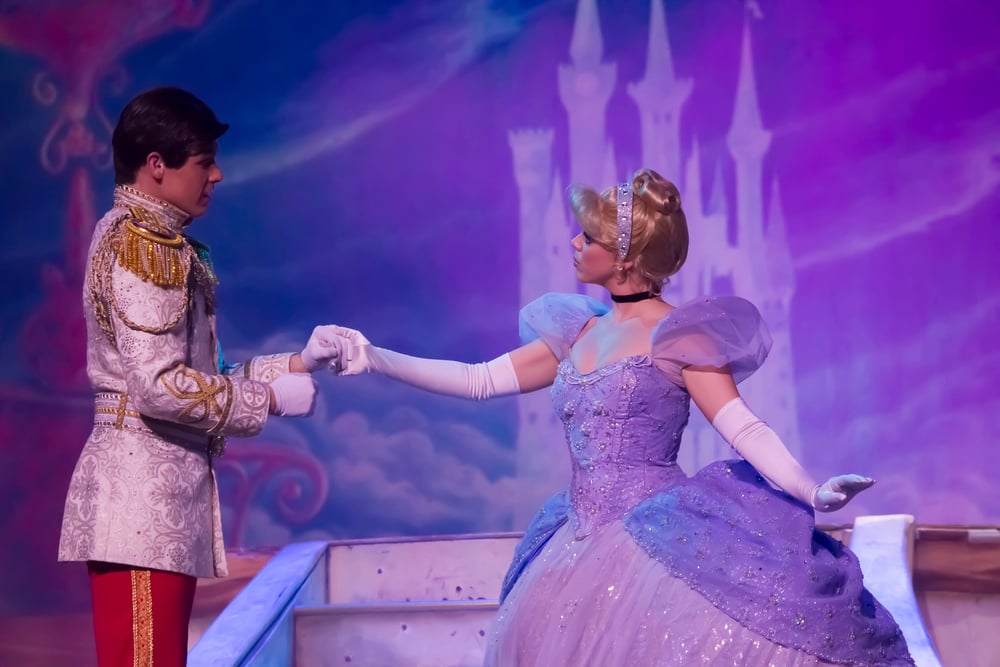
The Brothers Grimm version of Cinderella contains far more violence than the glass slipper scene most people remember. When the stepsisters try to fit into the slipper, one cuts off her toes while the other slices off her heel — all in desperate attempts to marry the prince.
Birds later peck out both stepsisters’ eyes as punishment for their cruelty, leaving them blind for life. The story’s focus on mutilation and revenge reflects the harsh justice system of medieval Europe.
The Little Mermaid
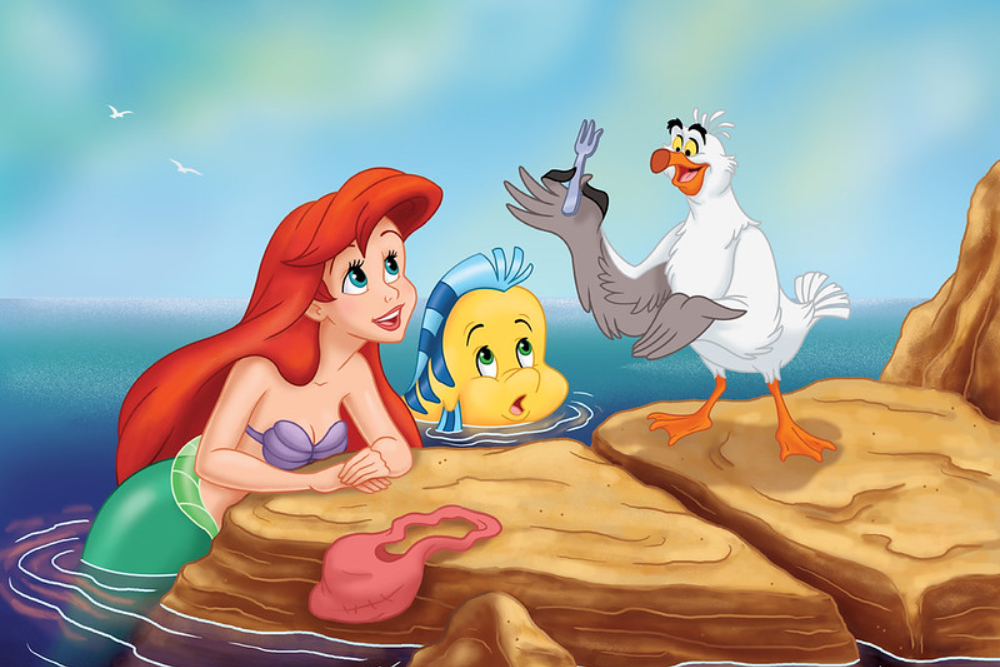
Hans Christian Andersen’s original mermaid tale is a story of obsession and self-destruction rather than true love. The mermaid’s transformation is excruciating — every step on land feels like walking on knives — and she must remain mute forever.
When the prince marries someone else, the mermaid is given a choice: kill him and return to the sea, or die herself. She chooses death, dissolving into sea foam rather than committing murder.
Like Go2Tutors’s content? Follow us on MSN.
Sleeping Beauty
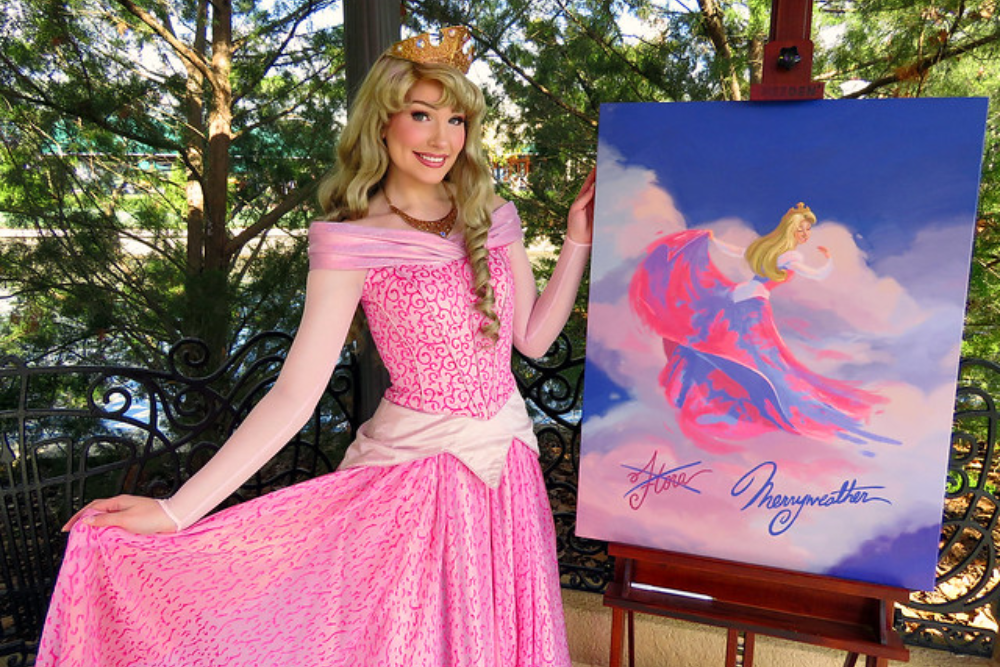
The original “Sleeping Beauty” includes a deeply disturbing sequence where the princess is assaulted while unconscious and gives birth to twins without ever waking up. One of the babies sucks the cursed splinter from her finger, finally awakening her to discover she’s now a mother.
The story gets even darker when the prince’s jealous mother tries to cook and eat the children, viewing them as obstacles to her son’s happiness.
Snow White
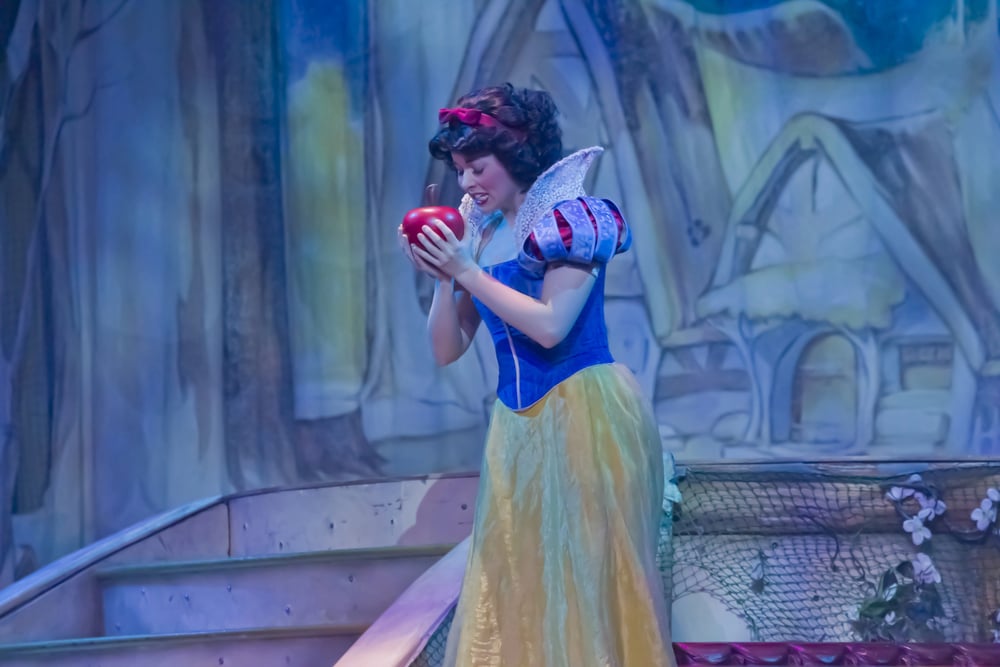
The Brothers Grimm version of Snow White features a stepmother whose vanity drives her to increasingly violent acts. She orders a huntsman to bring back Snow White’s lungs and liver as proof of death, then later tries to kill her stepdaughter three separate times.
The story ends with the evil queen being forced to wear red-hot iron shoes and dance until she dies — a form of execution that was actually used in medieval times.
Hansel and Gretel
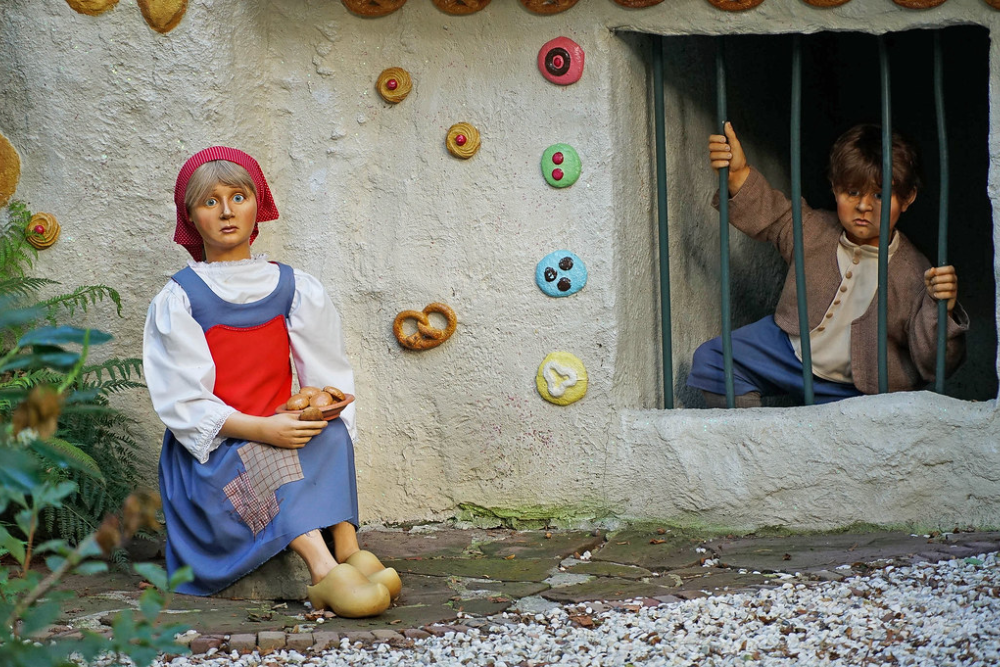
While the candy house seems whimsical, the story of Hansel and Gretel is fundamentally about child abandonment and cannibalism. The children’s parents deliberately leave them in the forest to starve because they can’t afford to feed them.
The witch’s plan to fatten up and eat Hansel reflects real fears about famine and survival that plagued medieval communities. The children’s violent solution — pushing the witch into her own oven — shows how desperation can drive people to extreme measures.
Like Go2Tutors’s content? Follow us on MSN.
Rapunzel
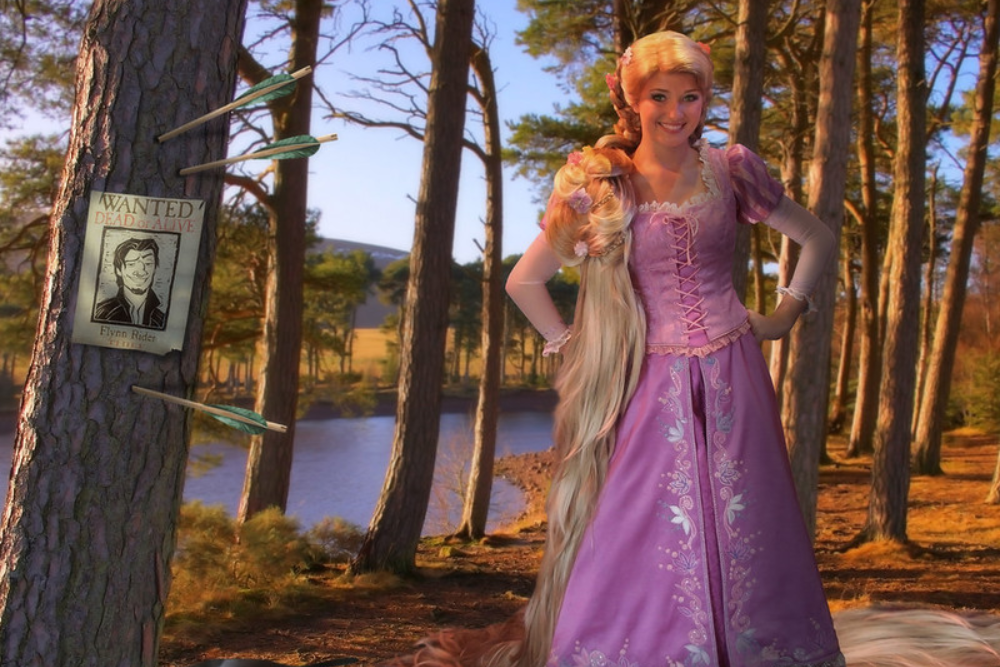
The original Rapunzel story contains themes of imprisonment, pregnancy, and brutal punishment that Disney carefully avoided. After the prince climbs Rapunzel’s hair regularly for secret visits, she becomes pregnant and naively asks her captor why her clothes are getting tight.
The enraged witch cuts off Rapunzel’s hair and banishes her to the wilderness, while the prince falls from the tower and is blinded by thorns. The story reflects anxieties about female autonomy and the consequences of forbidden relationships.
The Pied Piper of Hamelin
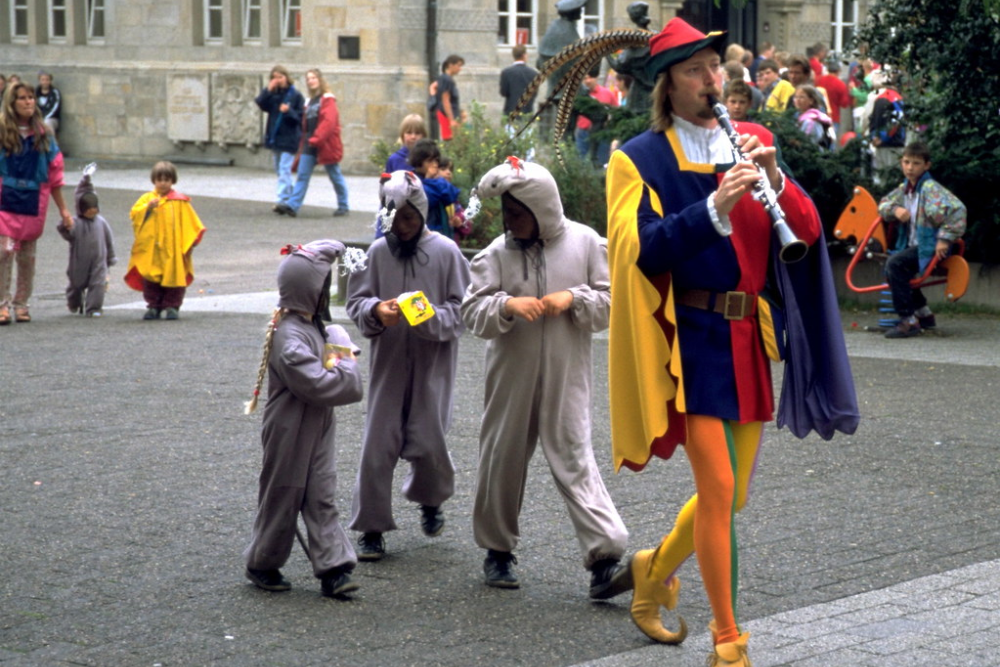
This tale serves as a warning about broken promises and their consequences, but the price paid is shockingly high. When the town refuses to pay the piper for removing their rat problem, he leads 130 children out of the town forever as revenge.
The children are never seen again, and the town is left to suffer from their loss. Some versions suggest the children were led to their deaths, while others imply they were taken to another realm entirely.
Little Red Riding Hood

The original French version by Charles Perrault ends with the wolf successfully eating both the grandmother and Little Red Riding Hood, with no woodsman arriving to save them. The story was intended as a warning to young women about the dangers of talking to strangers, particularly men with predatory intentions.
Some versions include even more disturbing elements, with the wolf tricking the girl into eating her grandmother’s flesh and drinking her blood before revealing his true identity.
Like Go2Tutors’s content? Follow us on MSN.
The Juniper Tree

This lesser-known Brothers Grimm tale features some of the most disturbing imagery in all of fairy tale literature. A stepmother decapitates her stepson with a heavy chest lid, then arranges his body to make it look like an accident.
She manipulates her own daughter into thinking she caused the boy’s death, then serves the child’s remains to his father for dinner. The story’s focus on domestic violence and psychological manipulation makes it particularly unsettling.
Bluebeard
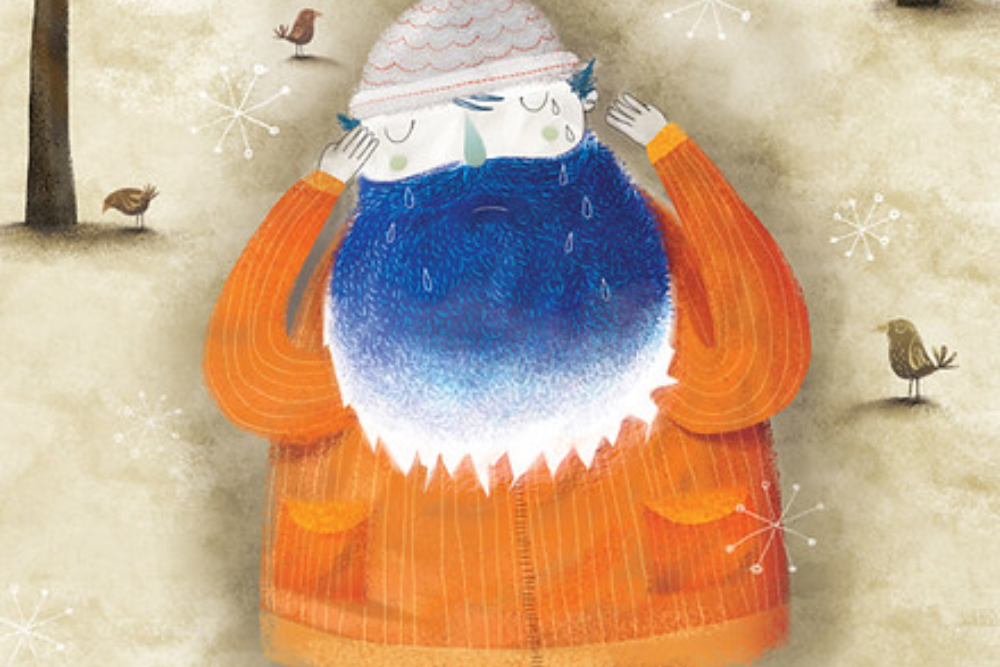
This French fairy tale revolves around a wealthy man who murders his wives and keeps their bodies in a locked room. When his latest wife discovers the chamber filled with previous wives’ corpses, she realizes she’s next to die.
The story explores themes of curiosity, trust, and domestic violence in ways that feel uncomfortably relevant to modern discussions about abusive relationships. Bluebeard’s wealth and social status allow him to continue his crimes, reflecting real concerns about how power protects perpetrators.
The Goose Girl
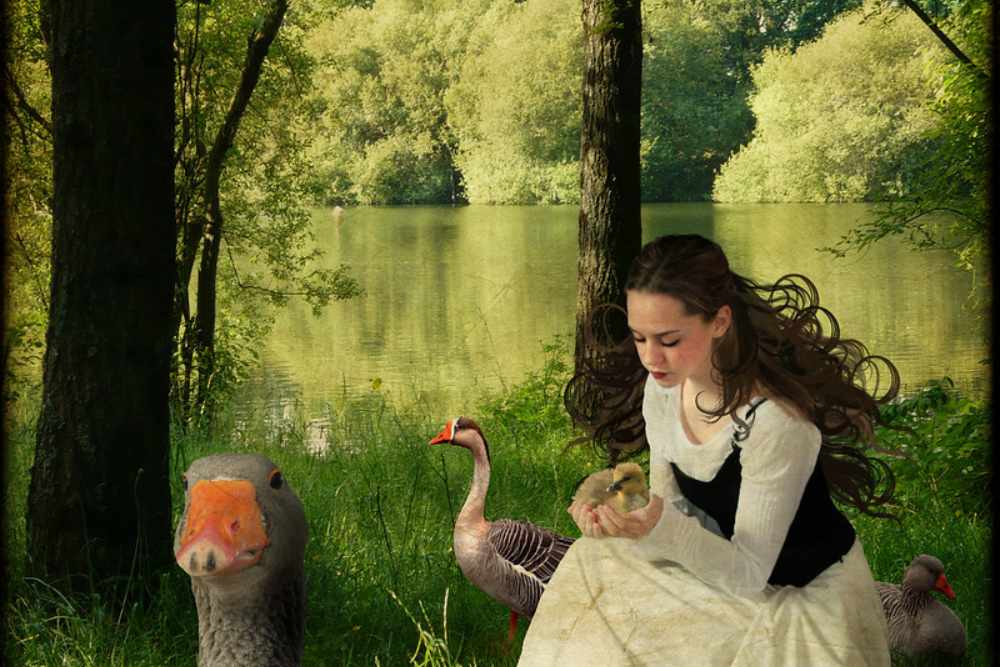
This story features a princess who’s stripped of her identity and forced to work as a servant while an imposter takes her place. The tale includes the brutal execution of the imposter, who is placed in a barrel studded with nails and dragged through the streets by horses until she dies.
The story’s themes of identity theft and social displacement reflect medieval anxieties about social mobility and the vulnerability of even royal bloodlines.
Like Go2Tutors’s content? Follow us on MSN.
The Robber Bridegroom
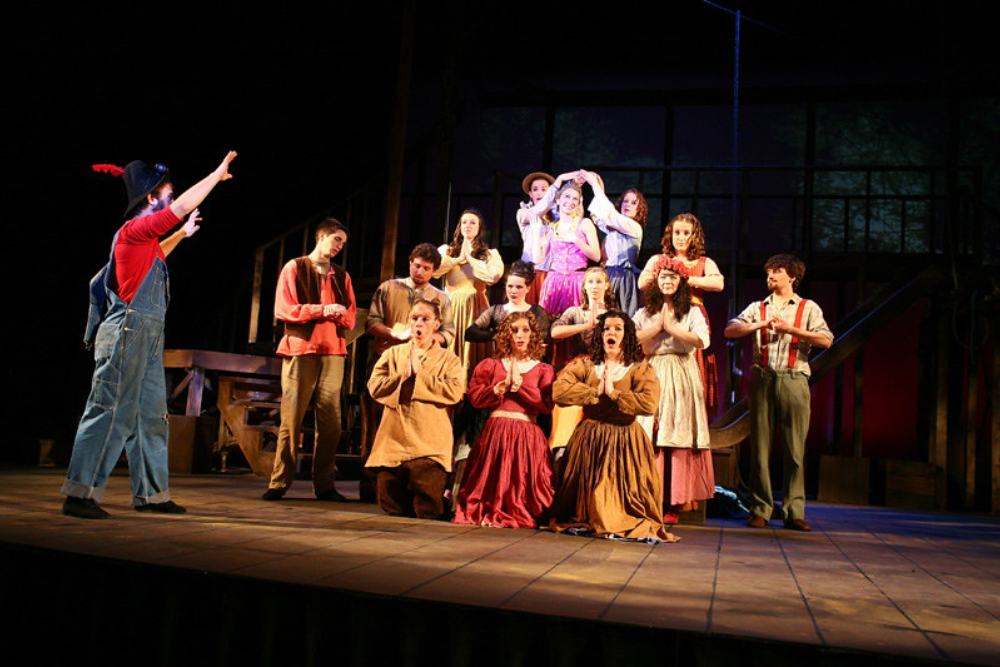
Another disturbing Brothers Grimm tale involves a young woman who discovers her fiancé leads a band of cannibals. She witnesses them murder and eat a captured maiden, then narrowly escapes when they plan to do the same to her.
The story includes graphic descriptions of dismemberment and consumption that were considered appropriate cautionary content for its original audience. The tale serves as a warning about the dangers of arranged marriages and the importance of knowing one’s partner.
Rumpelstiltskin
The tale of Rumpelstiltskin contains disturbing themes about desperation, child trafficking, and the exploitation of vulnerable people. A miller lies about his daughter’s ability to spin straw into gold, putting her life at risk when the king demands she prove this impossible skill.
The mysterious Rumpelstiltskin saves her life but demands her firstborn child as payment — essentially engaging in human trafficking. When the woman tries to keep her baby, Rumpelstiltskin becomes so enraged that he literally tears himself in half, demonstrating how greed and obsession can lead to self-destruction.
The Twelve Dancing Princesses
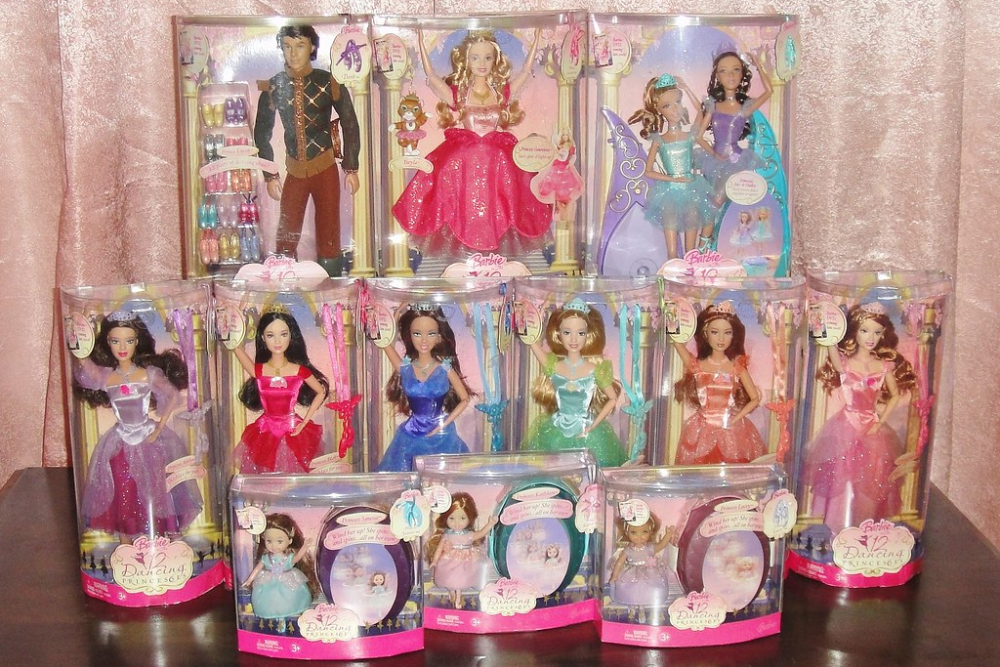
While the premise of princesses who dance all night seems innocent, the original story contains dark undertones about control and punishment. The princesses are essentially prisoners in their own castle, and their nightly escapes lead to the deaths of numerous suitors who fail to solve the mystery.
When the truth is finally revealed, the eldest princesses are executed for their defiance, while only the youngest is spared. The story reflects societal fears about female independence and the lengths authorities would go to maintain control.
Like Go2Tutors’s content? Follow us on MSN.
Tales That Shaped Our Nightmares

These original fairy tales served purposes far beyond entertainment — they were tools for teaching harsh lessons about survival, morality, and the consequences of poor choices. The violence and disturbing content weren’t considered inappropriate for children because childhood itself was viewed differently in earlier centuries.
These stories remind us that the sanitized versions we know today are relatively recent adaptations, and the original tales continue to influence horror literature and psychological thrillers. Understanding their darker origins helps explain why these stories have endured for centuries, tapping into primal fears and universal human experiences that remain relevant regardless of how much we try to soften their edges.
More from Go2Tutors!

- 16 Historical Figures Who Were Nothing Like You Think
- 12 Things Sold in the 80s That Are Now Illegal
- 15 VHS Tapes That Could Be Worth Thousands
- 17 Historical “What Ifs” That Would Have Changed Everything
- 18 TV Shows That Vanished Without a Finale
Like Go2Tutors’s content? Follow us on MSN.