17 Roads That Changed Their Routes for Mythical Reasons
Throughout history, roads have been more than just pathways connecting destinations. Many roads across the world have had their courses altered not for practical engineering reasons, but because of legends, superstitions, and mythical beliefs that gripped local communities.
These detours and alterations stand as physical monuments to humanity’s deep connection with the supernatural and unexplained. Here is a list of 17 roads that were actually rerouted because of mythical or supernatural beliefs that influenced their design and direction.
Fairy Path Diversion
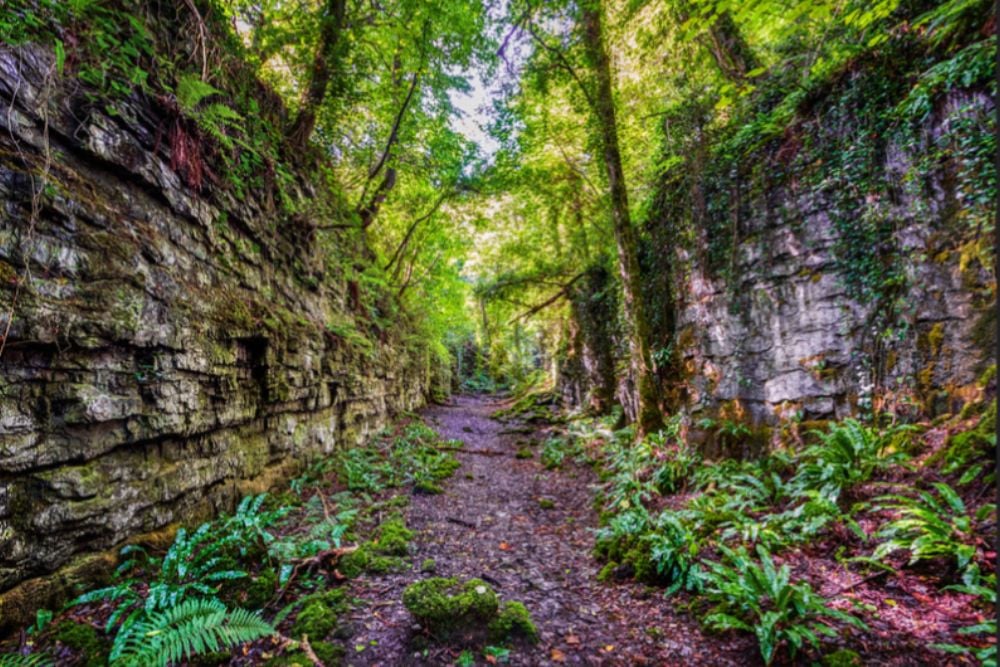
On rural Irish roads, part of the N22 highway from Killarney to Cork makes a strange curve near an old stone circle. In the 1950s, engineers found themselves opposed vigorously by local residents who believed that the straight path originally taken would have dissected a fairy path.
Local residents complained that interrupting these intangible fairy routes traveled by the fairy folk would bring bad luck to passengers and local houses. Construction crews eventually acquiesced to these demands and built the soft curve still in place today.
Dragon’s Spine Road
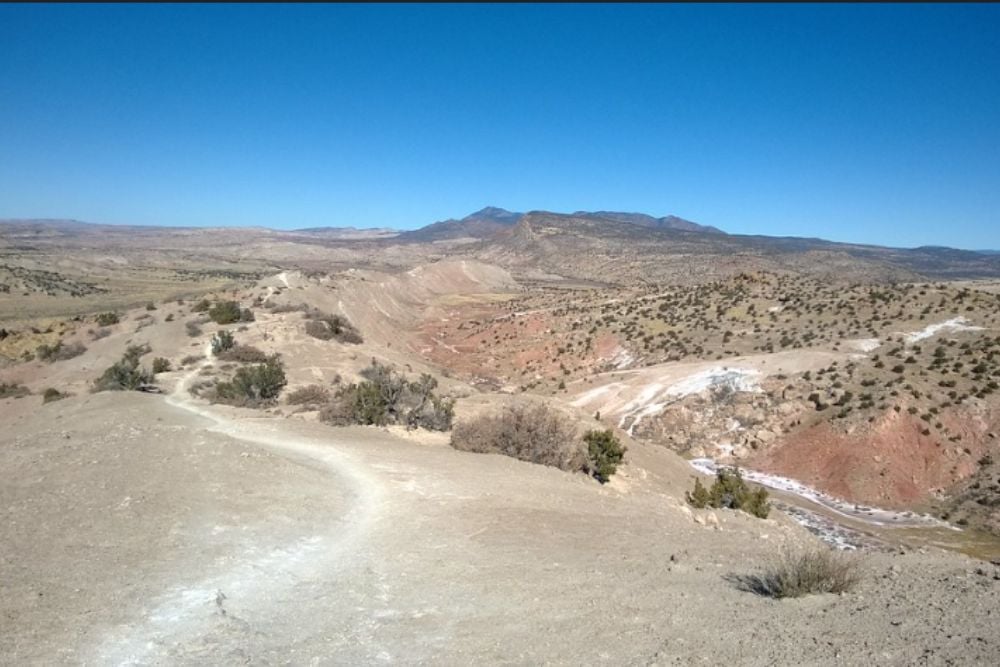
China’s Yunnan Province features a winding mountain pass that locals call the Dragon’s Spine Road. Originally planned as a more direct route through the mountain, ancient geomancers warned that cutting straight through would sever an earth dragon’s energy line.
The resulting meandering path follows what was believed to be the natural curve of the sleeping dragon beneath the mountain. Modern tourists now enjoy the spectacular views created by this mythical detour.
Ghost Bride Bypass
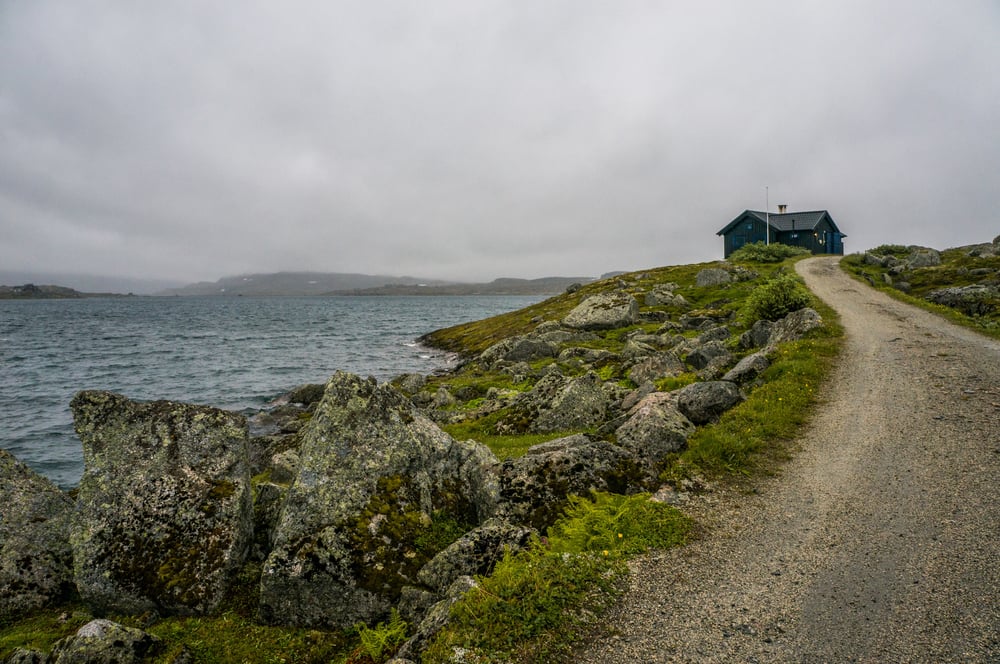
In Malaysia, a little, nondescript piece of forest is unexpectedly circled by a roadway. There were frequent mechanical malfunctions in one region during building in the 1970s, and workers reported seeing a woman in a wedding dress at night.
The location was determined to be the final resting place of a bride-to-be by a local shaman after multiple mishaps and delays in construction. To avoid upsetting her spirit, the road was realigned, and construction went ahead without any more problems.
Troll Bridge Relocation
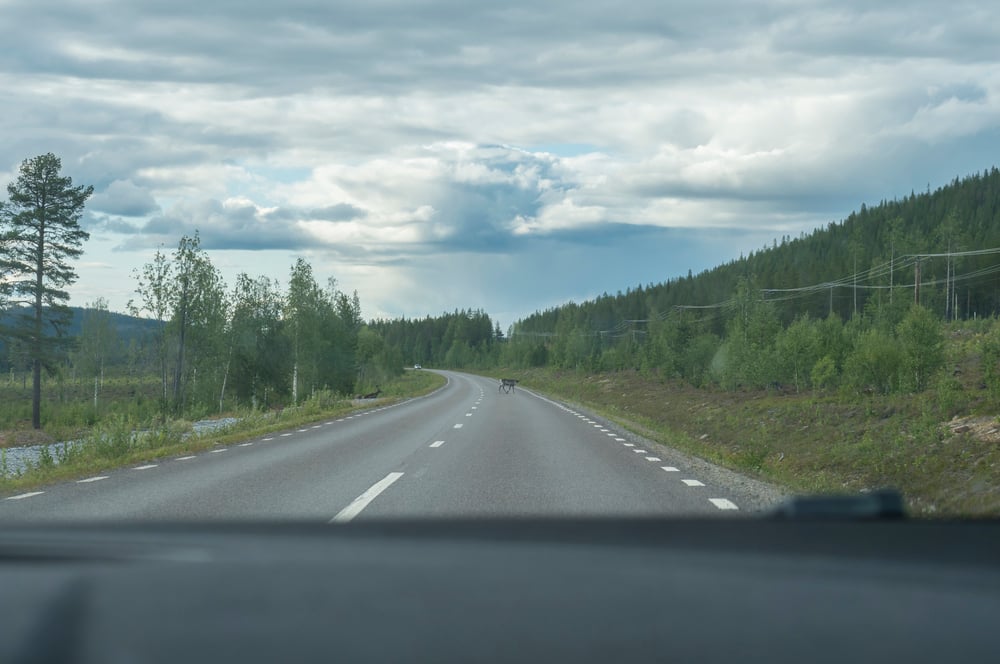
A little road in northern Norway has an odd detour around a group of big stones. Local legend said these stones belonged to a troll family who would destroy any bridge constructed straight over their residence.
Engineers eventually decided to completely reroute the road around the stones after the early 1900s strange building incidents and fallen bridges. The stones are still intact now and have grown to be a well-liked tourist attraction.
Spirit Tree Junction

An enormous baobab tree in Ghana is thought to be home to ancestral spirits, and a major highway passes right by it. In the 1960s, engineers had originally intended to uproot the tree, but local leaders performed divination rites after work teams reported having nightmares that cautioned them against doing so.
Despite the higher building expenses, the results persuaded authorities to keep the tree. This detour’s peculiar bend has become a landmark that is easily recognized throughout the area.
Witch’s Hollow Redirection
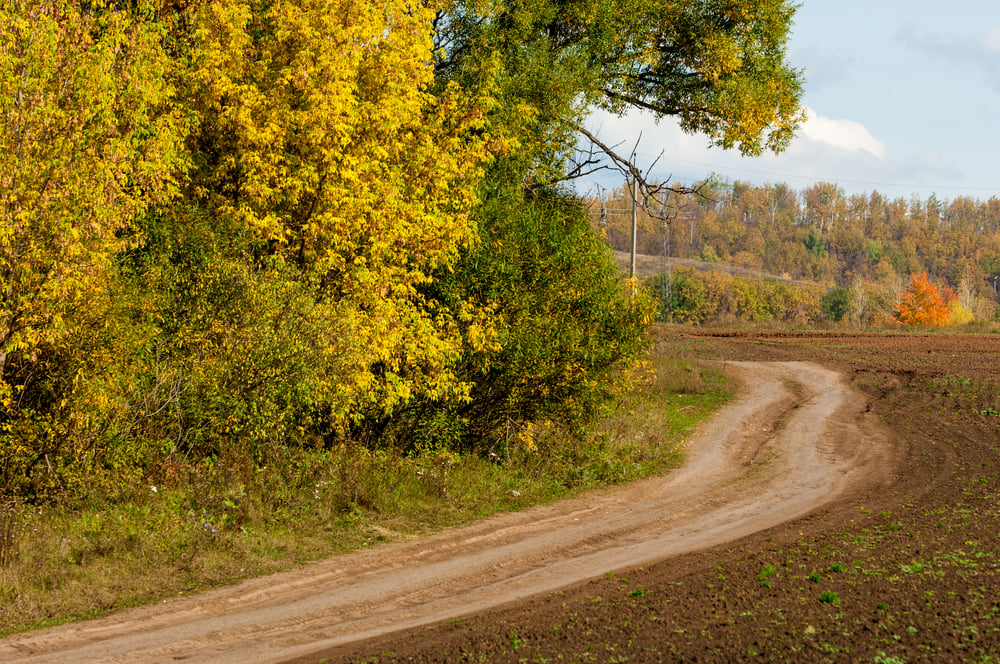
A country road in Massachusetts follows a peculiar path that detours around what appears to be perfectly usable land. Historical records show that during road expansion in the 1890s, workers refused to build through an area believed to be haunted by victims of the Salem witch trials.
Local officials, rather than fighting the widespread superstition, simply altered the planned route. The avoided plot remains undeveloped even today, with locals still claiming strange occurrences near the site.
The Guardian Serpent Curve
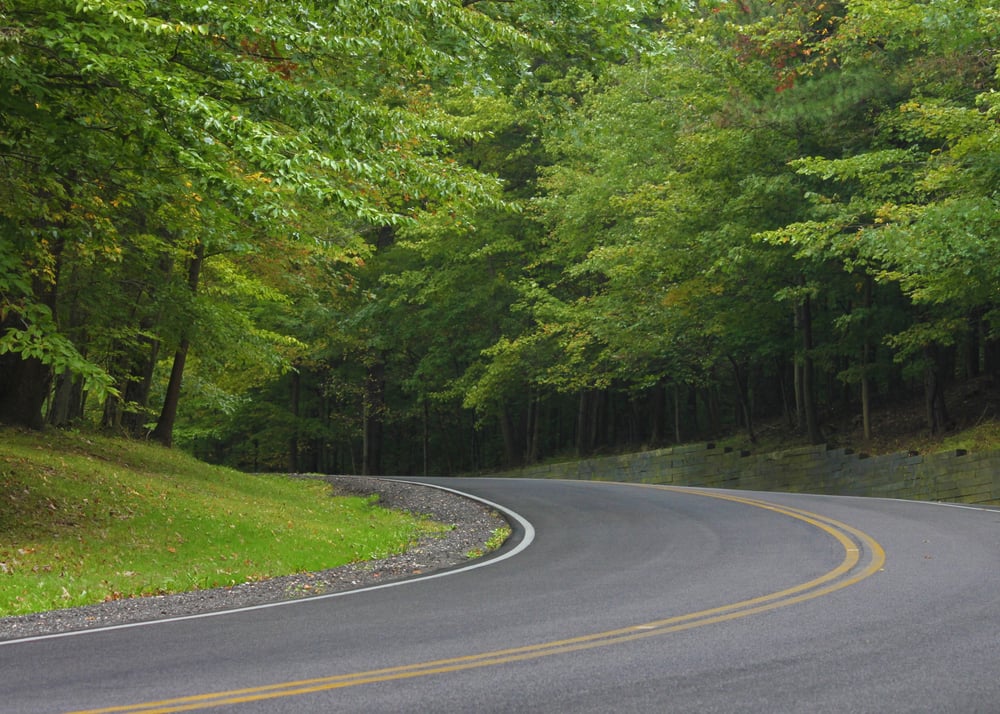
In Australia’s Northern Territory, a highway makes a sweeping curve around what Aboriginal tradition identifies as the resting place of a rainbow serpent creator being. Government planners in the 1980s worked with indigenous elders to ensure the road wouldn’t disturb this sacred site.
Engineers originally dismissed these concerns but changed their approach after experiencing unusually heavy rainfall and flooding precisely where they planned to build through the serpent’s path. The resulting detour preserves both cultural heritage and supposedly natural harmony.
Roman Ghost Legion Path
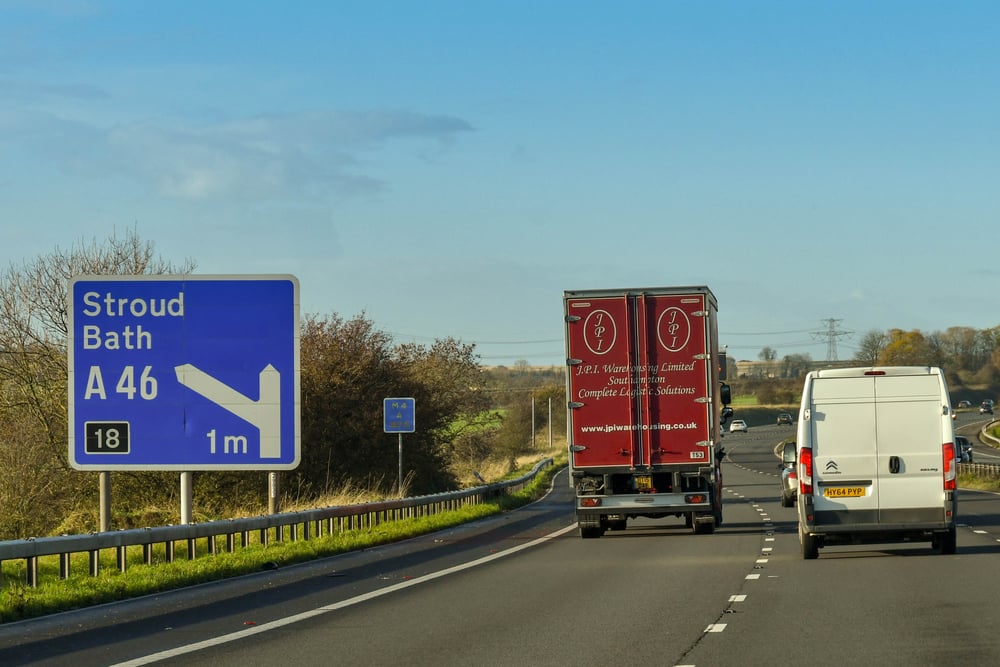
A section of highway near Bath, England curves around an empty field where no obvious obstacles exist. Archaeologists later discovered it contains unmarked Roman graves.
During construction in the 1960s, multiple workers reported seeing phantom Roman soldiers marching at night. After several unexplained equipment failures and worker resignations, planners consulted historical maps and redirected the road.
The detour coincidentally preserved archaeological sites that would have otherwise been destroyed.
Phoenix Nest Mountain Pass
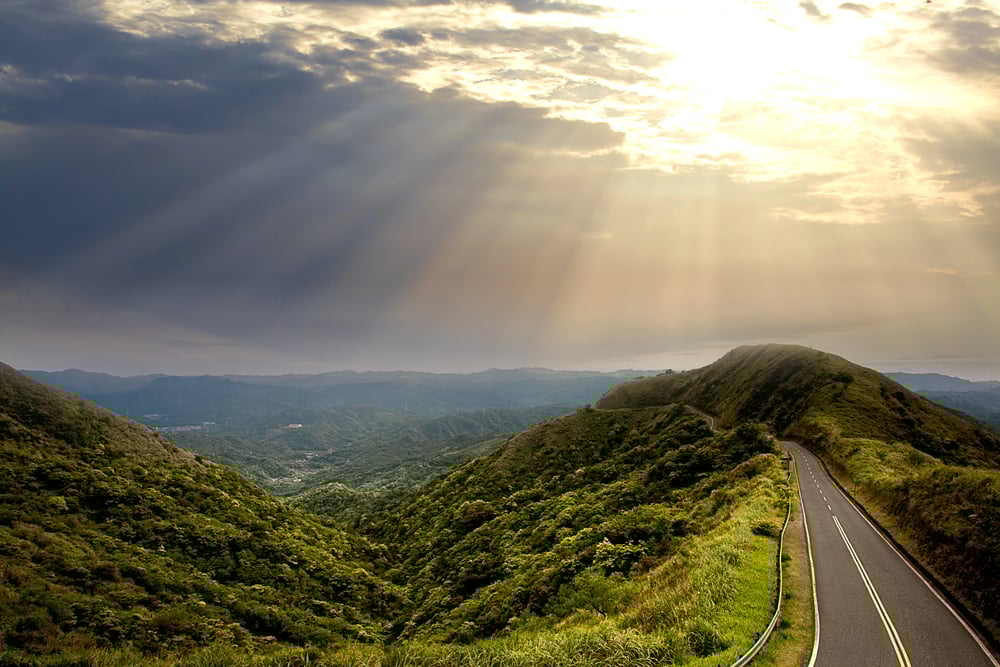
In Taiwan, a mountain road takes six switchbacks where three would have sufficed for the elevation change. Local legend claims the mountain housed a phoenix that would bring prosperity as long as its nesting grounds remained undisturbed.
Engineers in the 1970s initially dismissed these stories, but faced such community resistance that they developed the more complex route. Tourism officials now promote the extra curves as scenic viewpoints, transforming a mythical concession into a practical attraction.
The Weeping Woman’s Curve
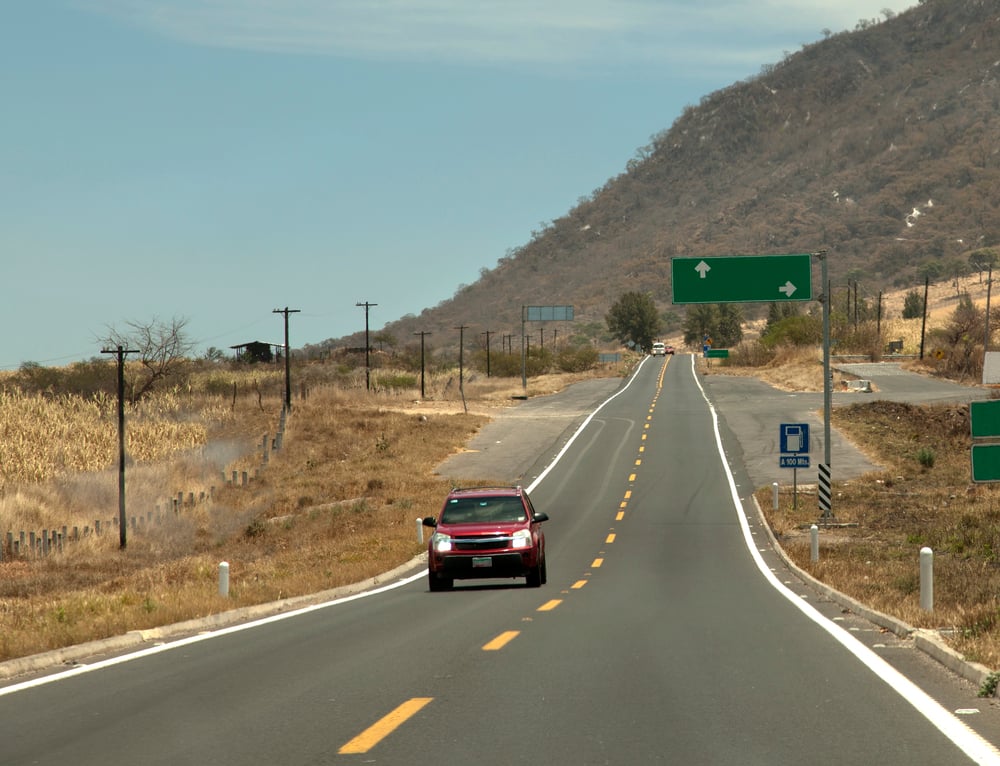
A highway in Mexico detours sharply around a small ravine where locals believe La Llorona, the weeping woman of folklore, searches for her children. Construction in the 1940s stalled after workers reported hearing a woman crying at night, followed by several unexplained accidents.
Rather than continue forcing construction through the area, engineers created a bypass around the ravine. The curve has since become a cultural landmark, with travelers often leaving small offerings at the roadside.
Ancestor Spirits Bypass
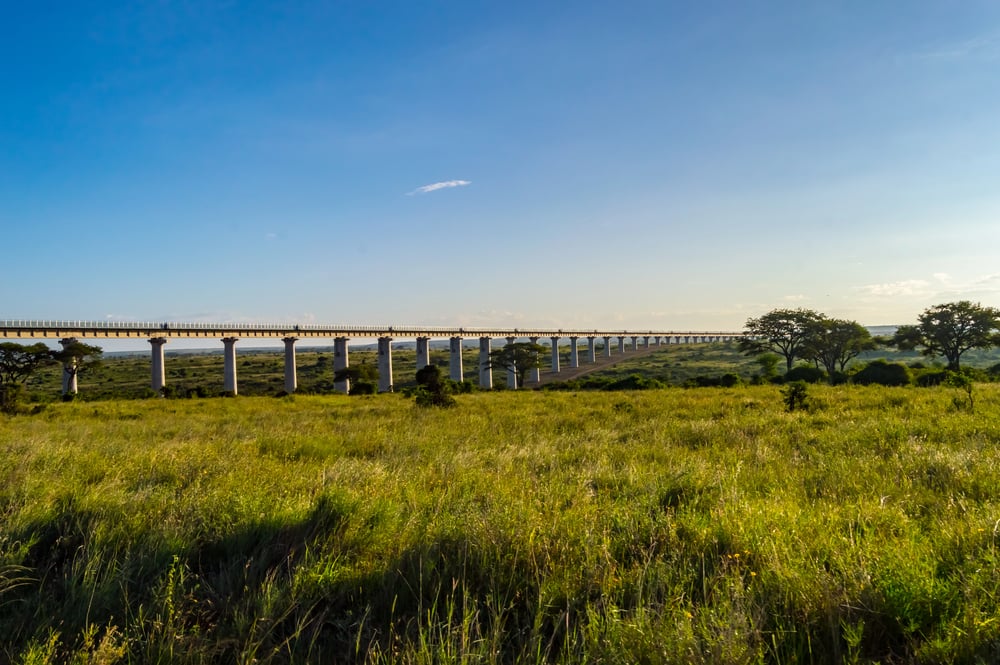
In Kenya, a modern highway makes an unexpected detour around a grove of trees that appears unremarkable to outsiders. When road builders attempted to clear the area in the 1990s, community elders intervened, explaining that the trees housed ancestor spirits who protected the community.
After several workers reported strange illnesses when cutting near the grove, planners agreed to route around it instead. The preserved sacred space now forms a small wildlife sanctuary in an otherwise developed area.
The Vanishing Hitchhiker Bend
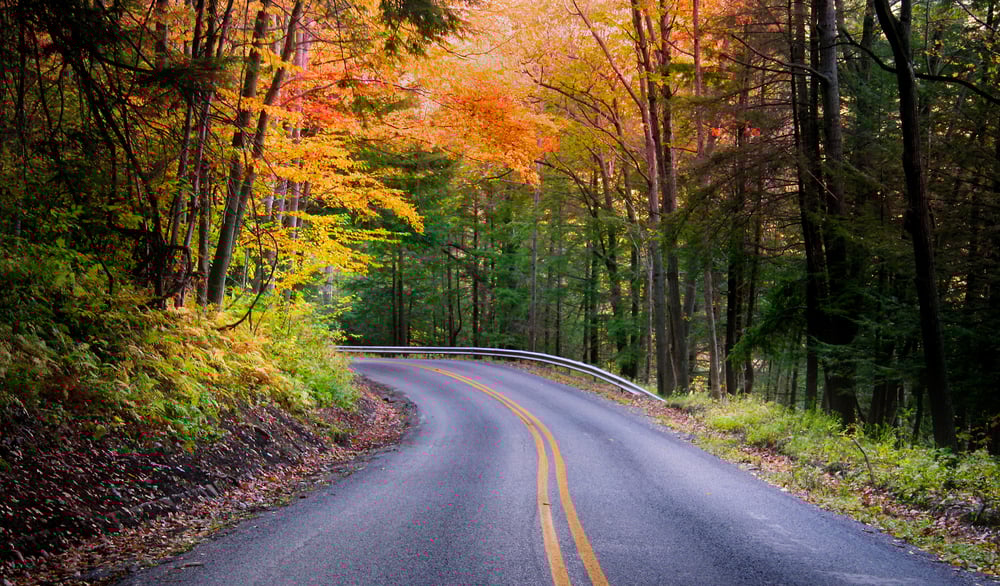
A rural road in West Virginia features an unnecessary curve where the terrain actually favors a straight path. Local officials in the 1950s altered the road’s course after numerous drivers reported picking up a young woman hitchhiker who would vanish from their vehicles at the same location.
Engineers initially planned a straight route but changed designs after experiencing unexplained mechanical failures and seeing the hitchhiker themselves. The curve inadvertently created a safer driving angle that has reduced accidents on the formerly dangerous stretch.
Mountain Deity Detour
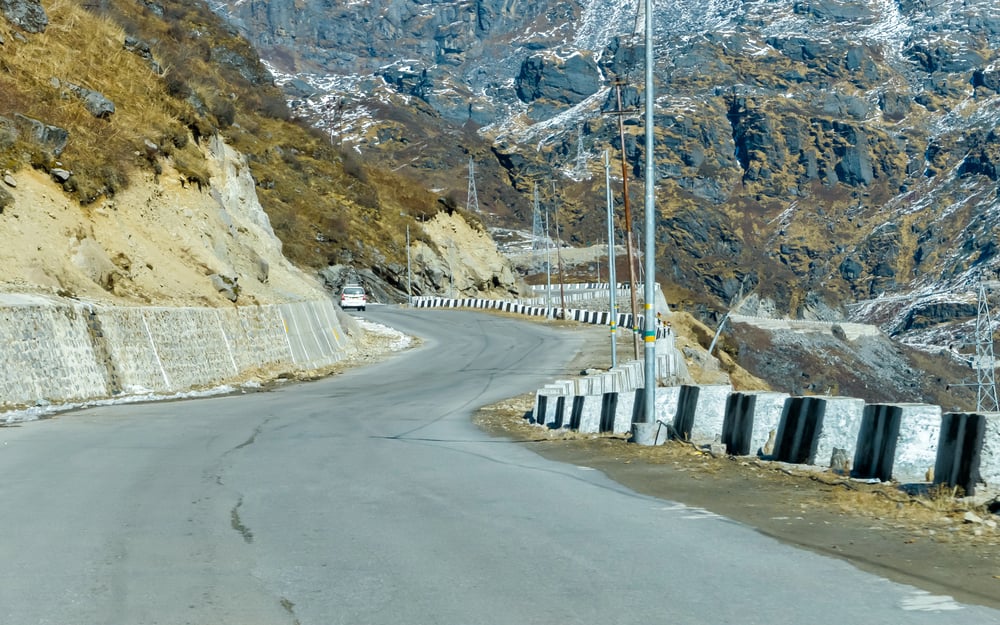
In Nepal, a mountain pass road makes an elaborate series of switchbacks to avoid a particular rock formation believed to be the throne of a mountain deity. Engineers during the 1980s initially marked the formation for removal but faced resistance from local Sherpa guides who refused to work on that section.
After unusually severe landslides occurred precisely where they planned to cut through the rocks, planners developed an alternative route. The detour has created some of the most photographed views in the region.
Mermaid Lagoon Bridge

A coastal highway in Greece takes a longer route around a small lagoon rather than bridging directly across it. Fishermen in the area insisted the waters housed mermaids who would cause structural failures if their domain was crossed.
Engineers in the 1930s initially dismissed these claims but changed plans after several mysteriously broken survey stakes and an unexplained drowning during preliminary work. The resulting scenic route has become famous for its coastal beauty.
Like Go2Tutors’s content? Follow us on MSN.
The Whispering Forest Deviation
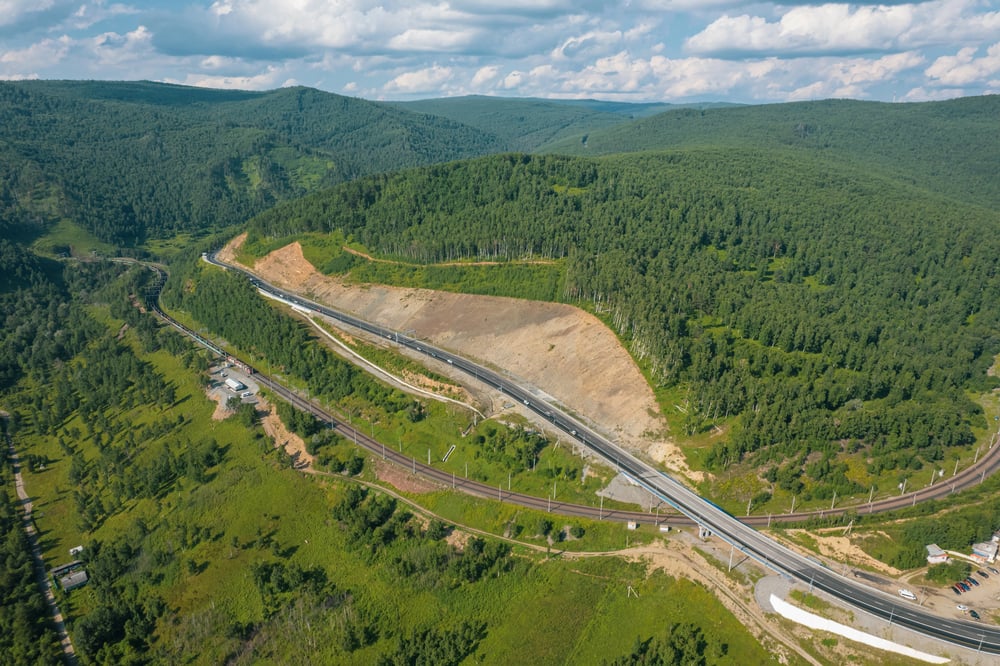
A highway in Russia curves dramatically around a small forest where local folklore describes trees that whisper to travelers. During Soviet-era construction in the 1970s, workers reported hearing voices and seeing moving shadows among the trees.
Several bulldozers inexplicably stalled when approaching the forest edge. Rather than battle superstition, pragmatic planners simply altered the route.
The preserved forest later proved to contain rare botanical specimens that might have been lost.
Ancient Burial Ground Bypass
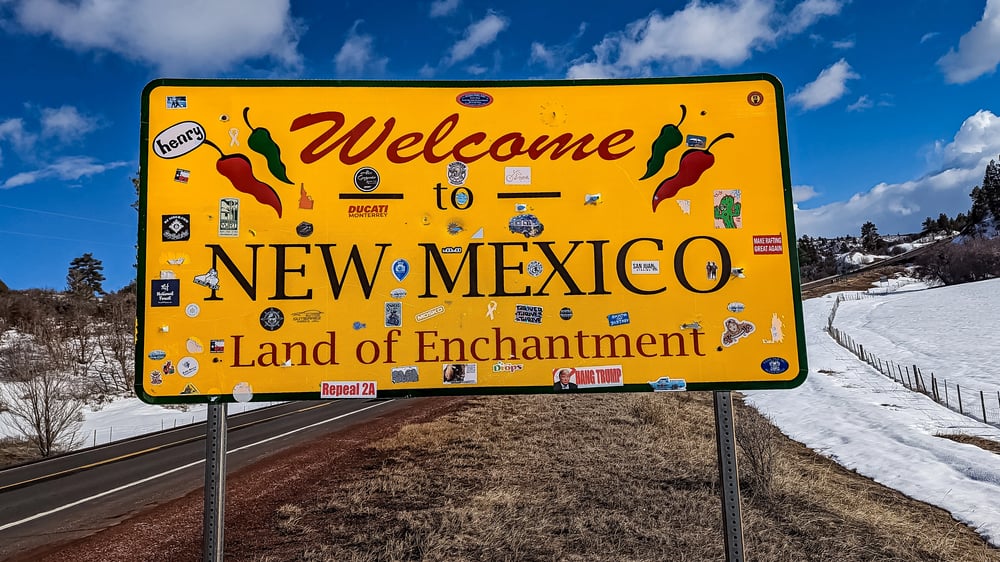
In New Mexico, a state highway makes a wide detour around what appears to be empty desert. Archaeological studies later confirmed that the area contains ancient Pueblo burial grounds.
During construction in the 1950s, workers reported tools mysteriously disappearing and equipment malfunctioning. Local indigenous elders warned that the straight path would disturb ancestral spirits.
Engineers adjusted their plans, creating the current route that preserves the sacred sites while providing magnificent desert vistas.
The Forbidden Valley Turnpike
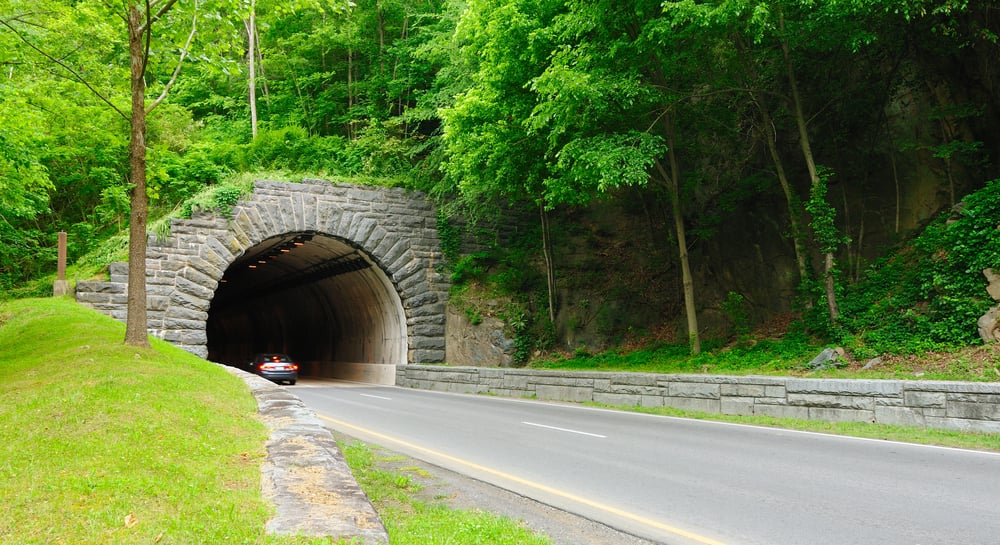
A mountain pass in the Appalachians detours around a small valley that would have provided the most direct route through the range. Historical records show that during planning in the 1920s, surveyors encountered widespread resistance from locals who believed the valley housed supernatural beings that had protected the community for generations.
After several survey teams reported strange phenomena and refused to return to the site, planners chose an alternative route. The valley remains largely unexplored and undeveloped to this day.
Where Myth Meets Asphalt

These winding detours and curious curves in our roadways represent more than engineering compromises. They stand as physical manifestations of our enduring relationship with the supernatural and the power of local beliefs to shape our modern world.
While skeptics might dismiss these route changes as mere superstition, these roads preserve cultural heritage and folklore that might otherwise be lost to time and development. Each unusual bend in these highways tells a story more interesting than any straight path ever could, reminding us that our infrastructure reflects not just practical needs but also our deepest cultural beliefs and fears.
Next time you encounter an unexpected curve or detour, consider that you might be traveling around more than just a physical obstacle.
More from Go2Tutors!

- The Romanov Crown Jewels and Their Tragic Fate
- 13 Historical Mysteries That Science Still Can’t Solve
- Famous Hoaxes That Fooled the World for Years
- 15 Child Stars with Tragic Adult Lives
- 16 Famous Jewelry Pieces in History
Like Go2Tutors’s content? Follow us on MSN.