15 Famous Riots Sparked by One Small Mistake
History is full of massive events that started with something ridiculously small. A wrong turn, a misunderstood gesture, or a simple miscommunication can spiral into chaos that changes everything. It’s like watching a single domino knock over thousands of others, except the dominoes are people and the consequences can last for generations.
Sometimes the tiniest spark can ignite the biggest fires, especially when tensions are already running high. Here are 15 famous riots that began with one seemingly minor mistake.
The Nika Riots
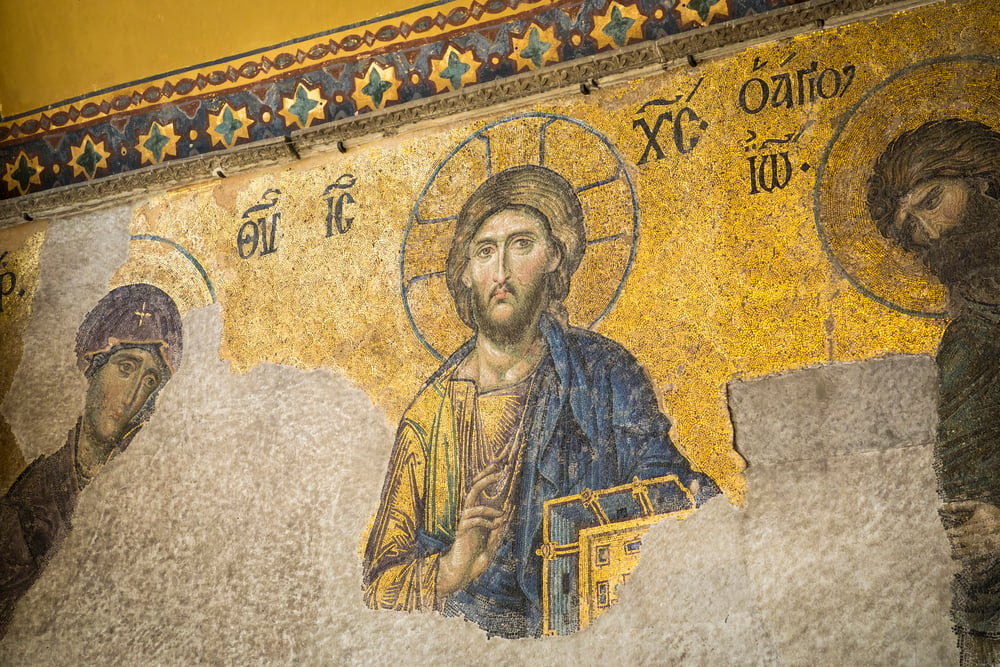
Constantinople erupted in 532 AD when Emperor Justinian made what seemed like a routine decision to execute two condemned men from rival chariot racing factions. The crowd at the Hippodrome expected the usual spectacle, but when both men survived their hanging due to a broken rope, they demanded mercy.
Justinian’s refusal to pardon them sparked six days of rioting that nearly toppled his empire. The mistake turned a standard execution into a symbol of imperial cruelty, uniting bitter enemies against the throne.
Detroit Race Riot of 1943
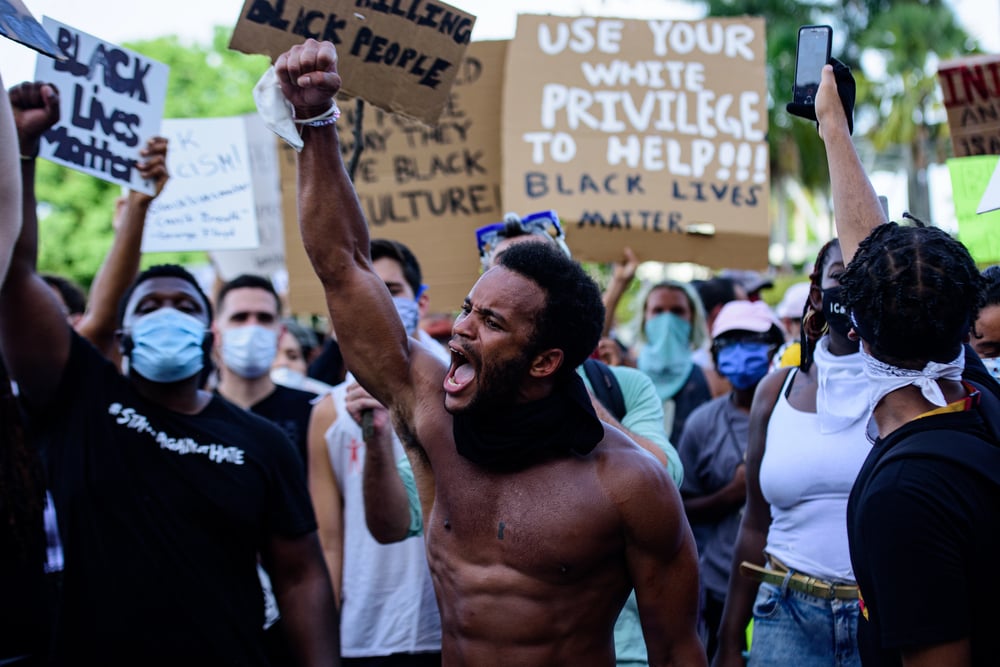
A simple fistfight between a white man and a black man on Belle Isle Bridge escalated into one of America’s deadliest race riots. What started as a personal dispute quickly spread as rumors flew through both communities, with each side hearing increasingly distorted versions of what actually happened.
Within hours, the entire city was engulfed in violence that lasted three days and required federal troops to restore order.
The Great Chicago Fire Riot
Mrs. O’Leary never actually kicked over that famous lantern, but a journalist’s fictional account sparked real anger when people learned the truth years later. The misreporting wasn’t the direct cause of riots, but it created lasting resentment about how the Irish community was portrayed during the 1871 disaster.
When economic tensions flared in subsequent years, this fabricated story became a rallying point for anti-media sentiment and ethnic conflicts.
Watts Riots
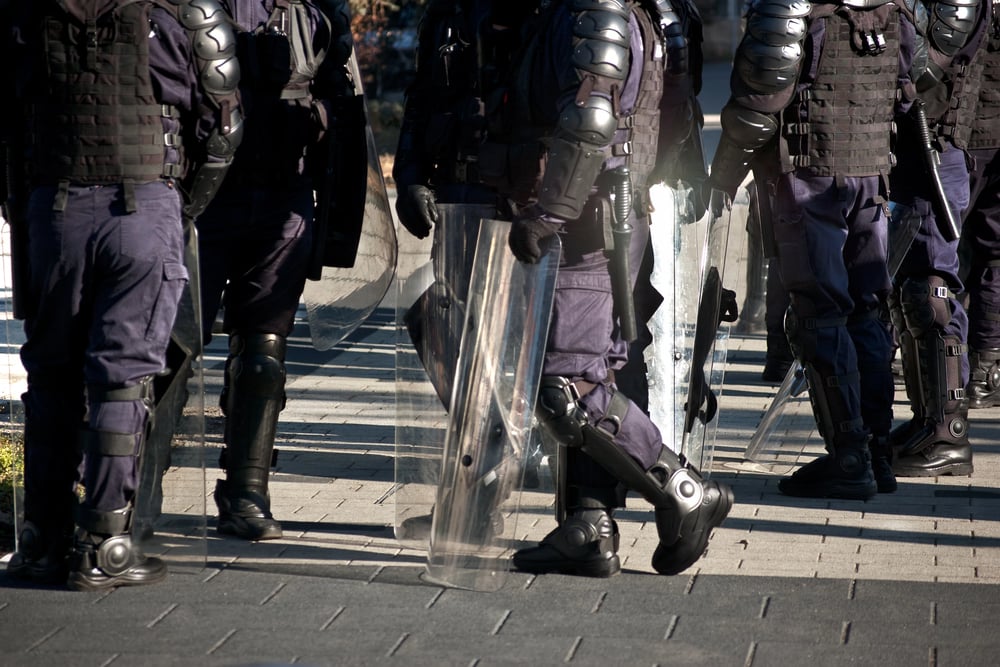
A routine traffic stop in Los Angeles in 1965 became the spark for six days of rioting when officer Lee Minikus made the seemingly minor decision to arrest Marquette Frye’s mother after she arrived at the scene. Frye had been cooperative until his mother showed up and began scolding him, at which point the situation deteriorated rapidly.
The arrest of a middle-aged woman for simply being upset about her son’s detention struck the community as the final straw after years of police tension.
Stonewall Riots
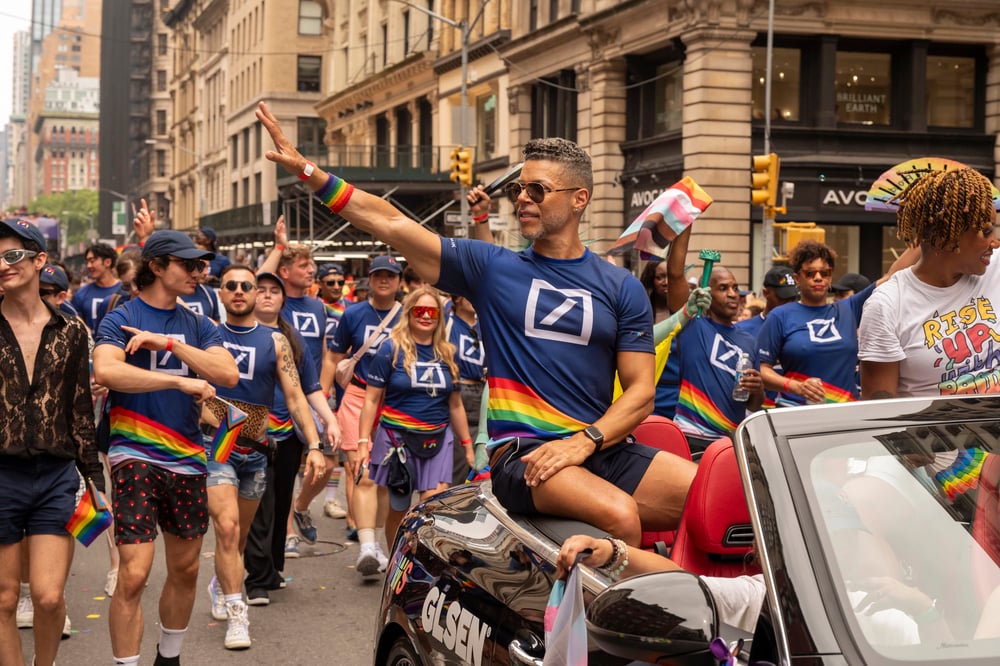
The New York Police Department’s decision to raid the Stonewall Inn on June 28, 1969, seemed routine—they’d done it many times before without major incident. The mistake was timing the raid during a particularly emotional period following Judy Garland’s funeral, when the gay community was already feeling vulnerable and defiant.
What typically resulted in quiet arrests instead sparked three nights of resistance that launched the modern LGBTQ+ rights movement.
Boston Massacre
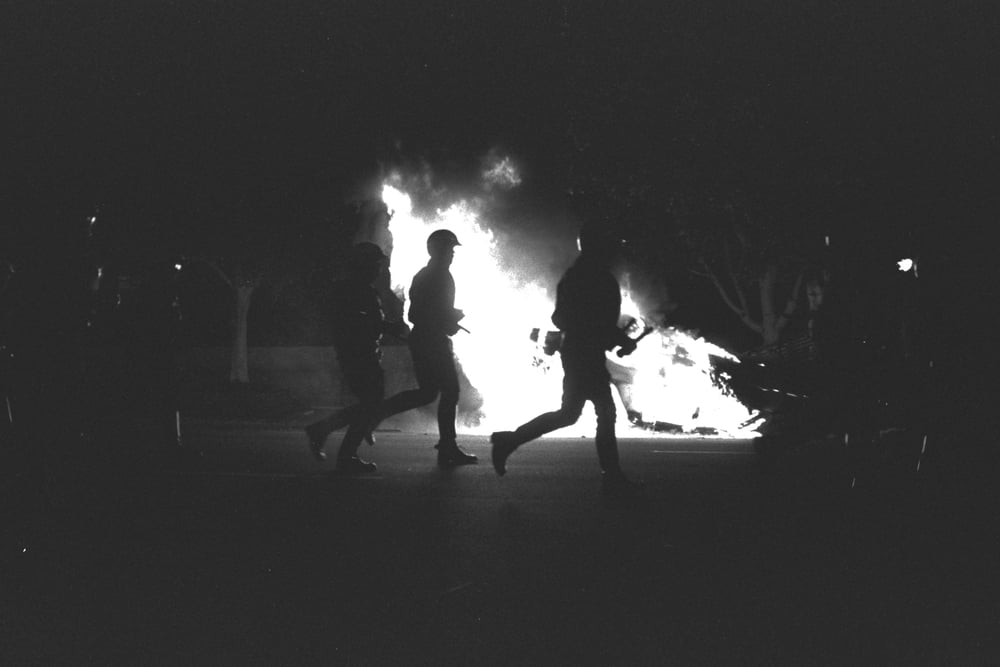
British soldier Hugh Montgomery slipped on ice and accidentally discharged his musket into a crowd of colonial protesters in 1770. The shot wasn’t intentional, but the crowd interpreted it as a deliberate attack and pressed forward aggressively.
Other soldiers, thinking they were under coordinated assault, began firing into the crowd, turning an accidental misfire into a deadly confrontation that helped fuel the American Revolution.
Los Angeles Riots of 1992
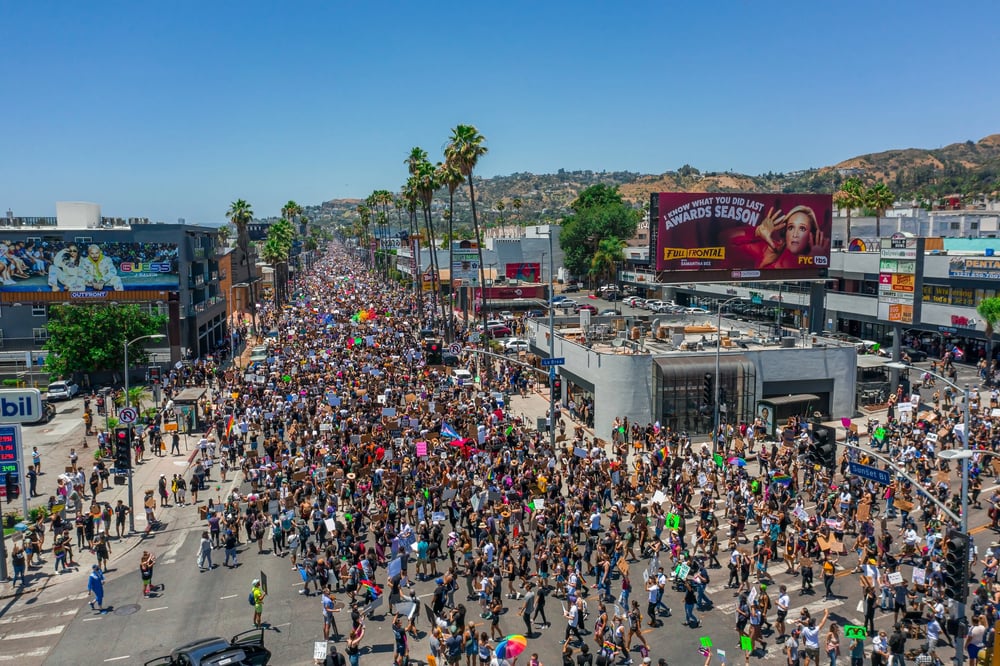
The Rodney King riots began not with the infamous beating itself, but with a store clerk’s decision to refuse Latasha Harlins’ payment for orange juice, believing she was shoplifting. The resulting confrontation and shooting death of the 15-year-old girl created deep resentment that exploded a year later when the King verdict was announced.
That single moment of mistrust in a convenience store helped set the stage for one of America’s most destructive riots.
Brixton Riots
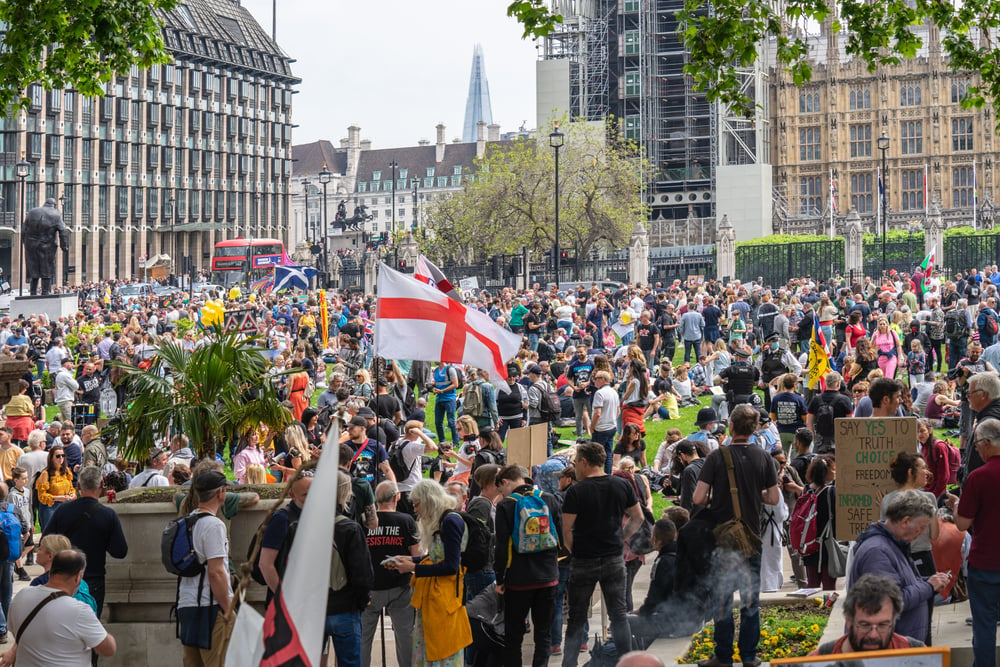
London’s Brixton erupted in 1981 after police officers made the routine decision to help a young black man who appeared to be injured. Their attempt at assistance was misinterpreted by bystanders as harassment, and when more officers arrived to control the growing crowd, the situation spiraled out of control.
A simple act of what police considered community service became the spark for three days of intense rioting.
Cincinnati Riots of 2001
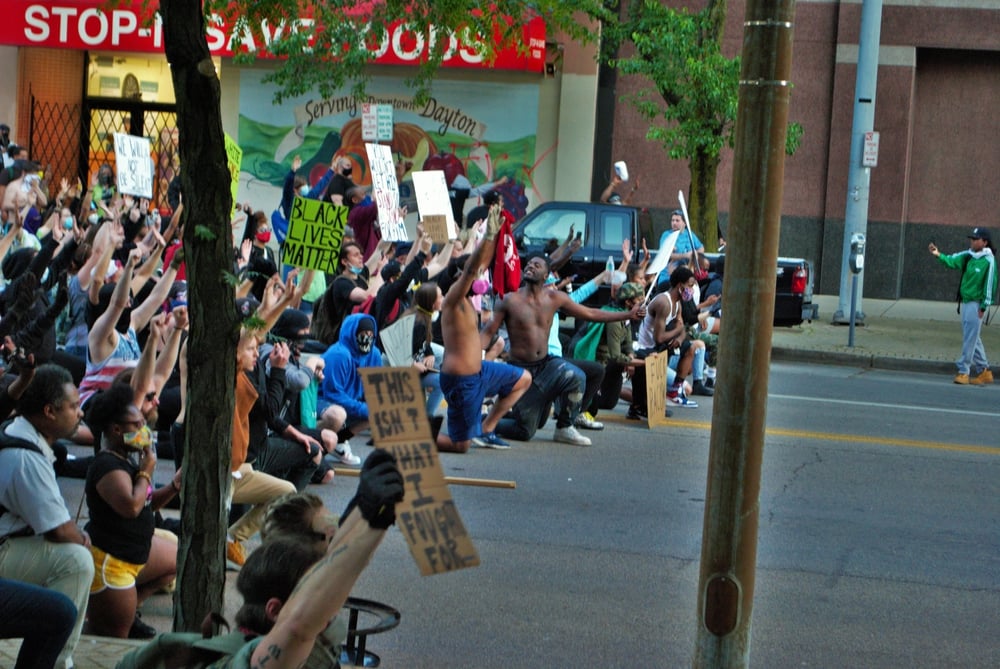
The fatal shooting of Timothy Thomas during a routine foot chase sparked massive riots, but the real mistake happened earlier when officers decided to pursue him for minor traffic violations. Thomas was running from warrants for driving violations and license plate issues—hardly serious crimes that warranted a dangerous chase through dark alleys.
The decision to escalate a minor traffic matter into a deadly pursuit ignited years of built-up community frustration.
Tottenham Riots
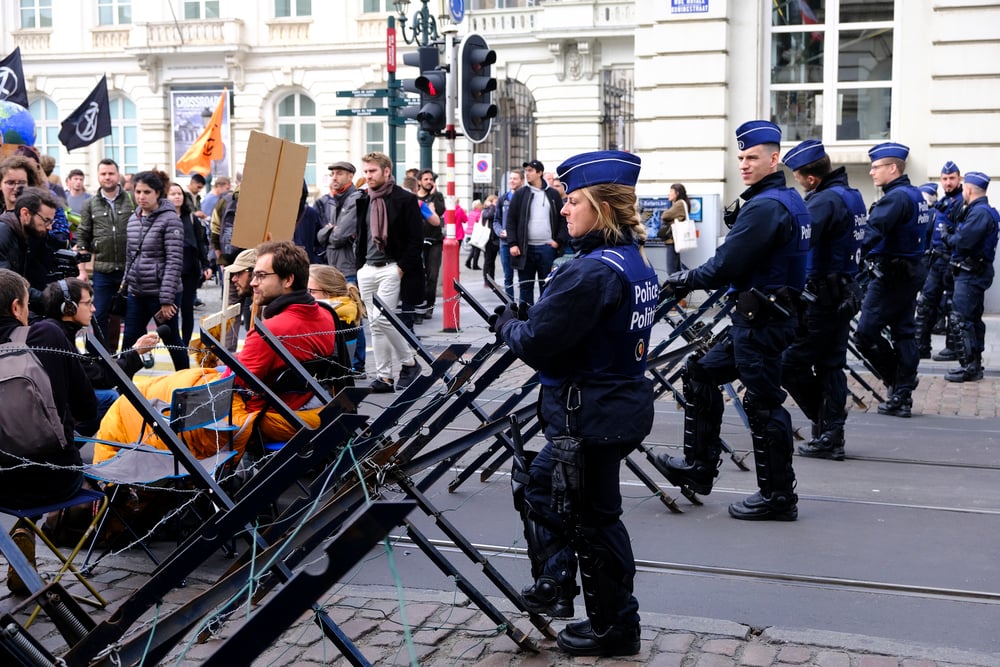
The 2011 London riots began with a peaceful march to demand answers about Mark Duggan’s death, but everything changed when a 16-year-old girl threw a single water bottle at police. Officers’ aggressive response to this minor act of defiance transformed a controlled demonstration into a violent confrontation.
That one water bottle became the catalyst for riots that spread across London and other English cities for four days.
Newark Riots
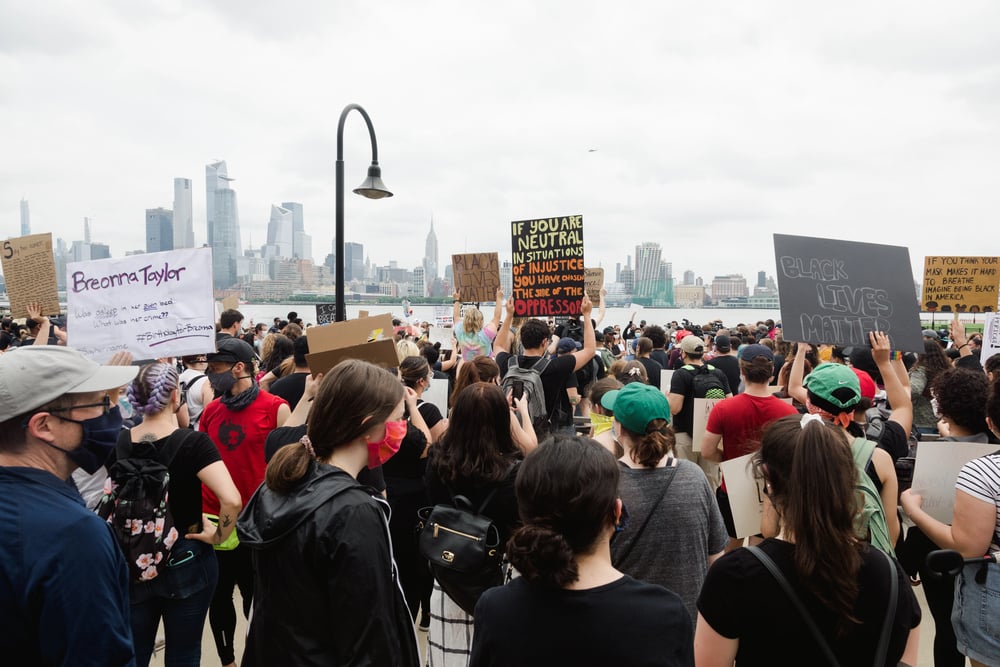
A taxi driver’s fender-bender outside a Newark housing project in 1967 led to his arrest, but the real mistake was the police decision to drag him into the precinct rather than handling the minor traffic incident on the spot. Residents who witnessed the arrest believed they were seeing excessive force over a trivial matter.
The sight of John Smith being pulled into the police station sparked four days of rioting that left 26 people dead.
Crown Heights Riots
A simple traffic accident in Brooklyn in 1991 became a racial flashpoint when the driver, part of a Hasidic Jewish motorcade, struck and killed a young black child. The mistake was the ambulance crew’s decision to treat the Jewish driver first, leaving the injured child’s care to a different crew that arrived later.
This perceived prioritization based on race ignited three days of riots between the black and Jewish communities.
Poll Tax Riots
Margaret Thatcher’s poll tax sparked massive protests across Britain, but the actual rioting began with a police horse accidentally stepping on a protester’s foot during a peaceful demonstration in Trafalgar Square. The injured protester’s angry reaction and the crowd’s response to police handling of the incident transformed a organized political rally into a violent confrontation.
One horse’s misstep turned a policy protest into urban warfare.
Zoot Suit Riots
The 1943 Los Angeles riots began when a group of sailors claimed they were attacked by young Mexican-Americans wearing zoot suits, though investigations later suggested the confrontation started over a simple misunderstanding about directions. The sailors had asked for help finding their way back to their ship, but language barriers and cultural tensions turned the innocent request into an alleged assault.
This miscommunication sparked weeks of racial violence throughout the city.
Miami Riots of 1980
The acquittal of four white police officers in the beating death of Arthur McDuffie might have passed with protests, but the riots actually began when a single news reporter misreported the verdict timing. The journalist incorrectly announced the acquittal several hours before it actually happened, catching community leaders off guard and preventing them from organizing peaceful responses.
That premature news report eliminated crucial preparation time and turned controlled disappointment into explosive rage.
When Small Things Have Big Consequences
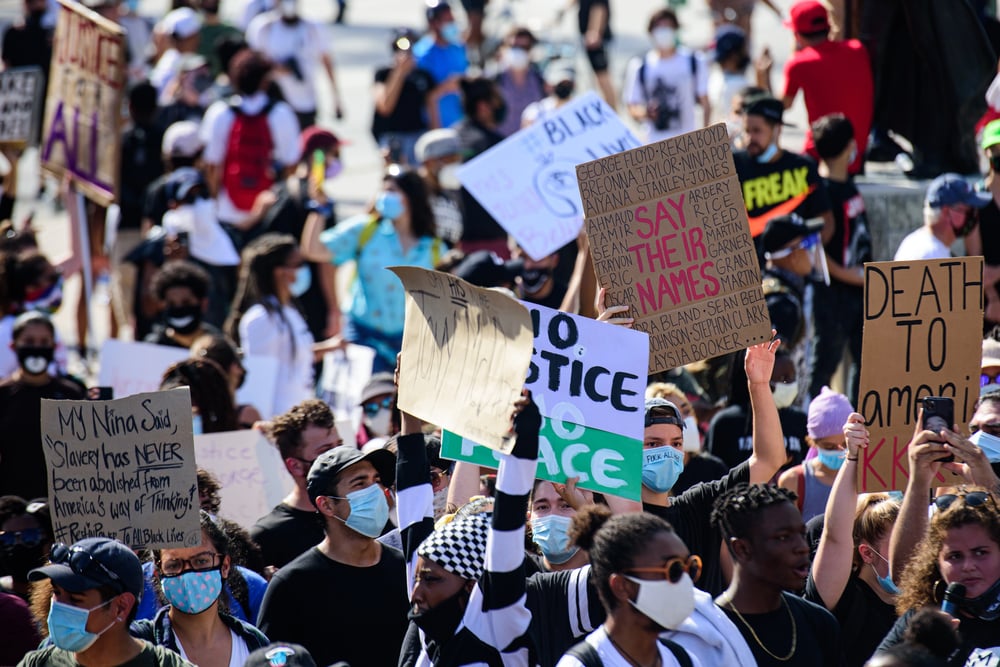
These incidents remind us that history often turns on the smallest hinges—a slipped weapon, a misunderstood gesture, or a poor timing decision. Each of these riots had deeper causes, of course, but it took one tiny spark to light the fuse.
The lesson isn’t that we should fear every minor mistake, but rather that we should recognize when tensions are high enough that small errors can have massive consequences. Understanding these historical moments helps us see how seemingly insignificant choices can echo through time, shaping the world in ways their makers never imagined.
More from Go2Tutors!

- The Romanov Crown Jewels and Their Tragic Fate
- 13 Historical Mysteries That Science Still Can’t Solve
- Famous Hoaxes That Fooled the World for Years
- 15 Child Stars with Tragic Adult Lives
- 16 Famous Jewelry Pieces in History
Like Go2Tutors’s content? Follow us on MSN.