16 Advancements in Military Medical Care
Modern warfare demands split-second decisions and life-saving innovations that can mean the difference between a soldier returning home or never seeing family again. From ancient battlefields where crude amputation was the only option to today’s high-tech medical units, military medicine has revolutionized not just how we treat wounded warriors, but how we approach emergency medicine for everyone.
Here are 16 groundbreaking advancements that have transformed military medical care and saved countless lives on and off the battlefield.
Tourniquets

The simple tourniquet might look like basic gear, but it’s arguably the most important piece of equipment any soldier carries. Modern combat tourniquets can stop flow from wounds in seconds.
They’re designed for one-handed application, crucial when a medic is treating someone while under fire.What makes today’s tourniquets special isn’t just their effectiveness—it’s their fool-proof design.
Even someone with no medical training can apply one correctly under extreme stress.
Hemostatic Agents
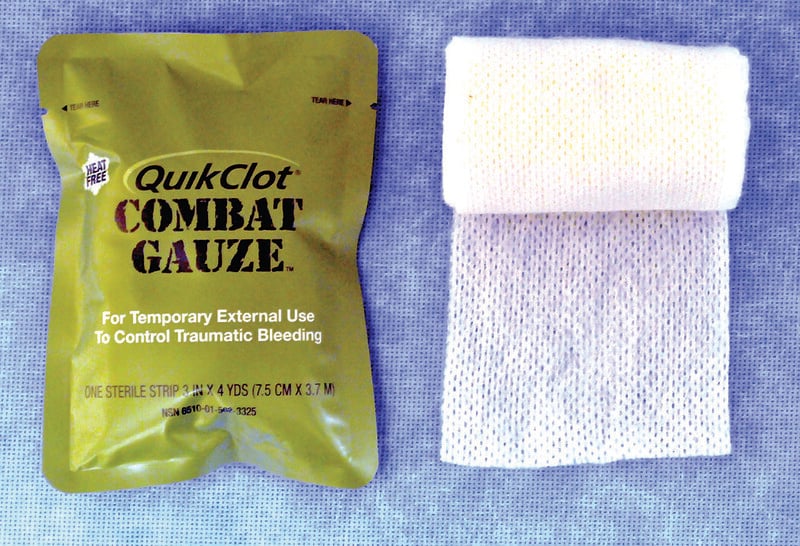
Hemorrhaging to death used to be inevitable for many battlefield injuries. Not anymore. Hemostatic agents like QuikClot work by accelerating the body’s natural clotting process, turning what would have been a fatal hemorrhage into a manageable wound.
These powder-like substances can be poured directly into deep wounds. The chemical reaction actually generates heat—soldiers describe feeling warmth as the blood flow stops. Revolutionary.
Combat Application Tourniquets
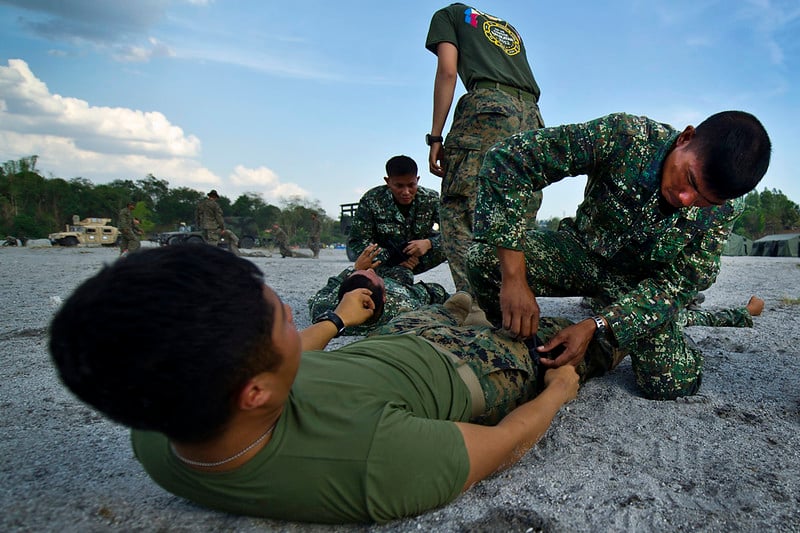
The CAT isn’t your grandfather’s tourniquet. This specific design has become the gold standard for military use worldwide, featuring a windlass system that applies consistent, measured pressure.
But here’s what’s remarkable: studies show the CAT has reduced preventable deaths from extremity hemorrhage by over 85%. One simple device.
Thousands of lives saved.
Forward Surgical Teams
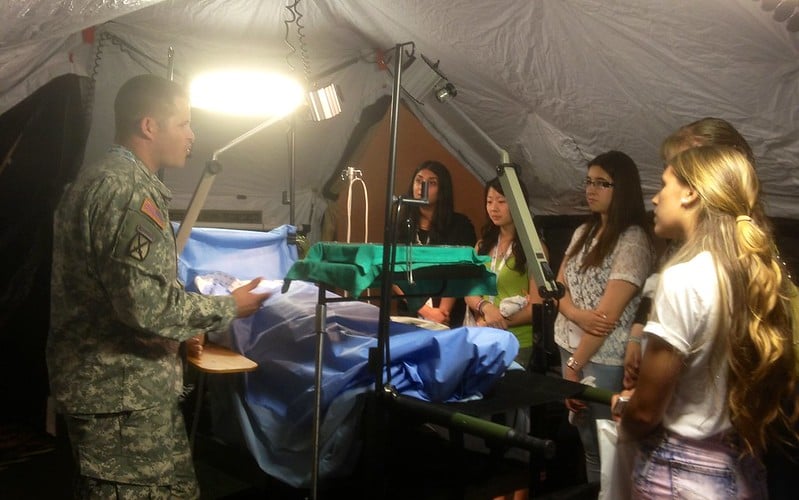
Traditional military hospitals were too far from the action. Forward Surgical Teams changed everything by bringing operating rooms within minutes of the front lines.
These mobile units can perform life-saving surgery in tents, vehicles, or commandeered buildings. Time matters—every minute counts when someone’s losing blood. And these teams cut transport time from hours to minutes.
Battlefield Pain Management

Combat injuries come with excruciating pain that can push soldiers into shock or prevent them from following life-saving instructions. Modern military medicine has developed sophisticated pain management protocols that work even in austere environments.
New medications and delivery systems allow medics to provide powerful pain relief through nasal sprays, auto-injectors, and fast-dissolving tablets that work within minutes. The challenge isn’t just managing pain—it’s doing so without compromising breathing or alertness.
Damage Control Surgery
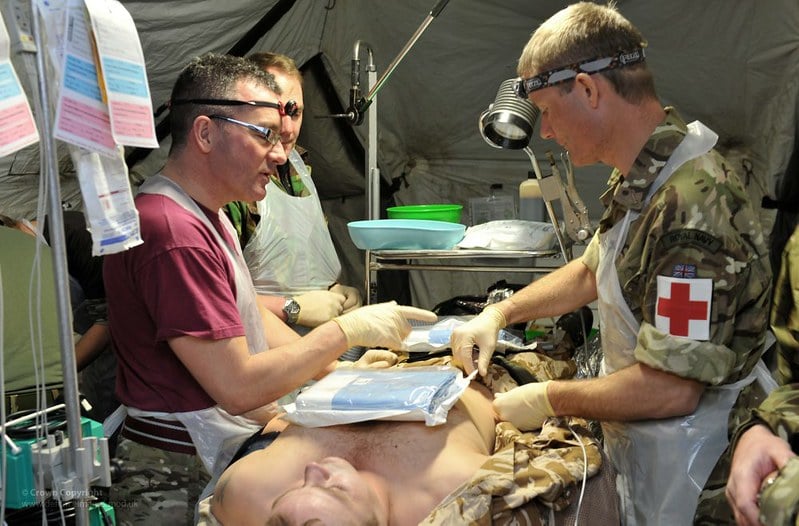
Forget everything you know about traditional surgery. Damage Control Surgery is about doing just enough to keep someone alive long enough to get them to better facilities.
Stop the hemorrhaging. Control contamination.
Get out fast. The detailed repairs can wait until the patient reaches a fully equipped hospital.
This approach has turned previously fatal injuries into survivable ones.
Tactical Combat Casualty Care

TCCC revolutionized battlefield medicine by creating standardized protocols that any soldier can follow. The system breaks treatment into three phases: care under fire, tactical field care, and combat casualty evacuation care.
Still, the most important innovation might be the simplest: teaching every soldier basic medical skills instead of relying solely on medics.
Telemedicine

Imagine performing surgery while getting real-time guidance from a specialist thousands of miles away. That’s telemedicine in action on modern battlefields.
High-definition cameras and satellite communications allow expert surgeons to virtually assist field medics during complex procedures. The technology works so well that some remote operations achieve better outcomes than traditional surgery.
Medical Evacuation Helicopters

The helicopter changed everything. Wounded soldiers who once faced hours-long journeys to medical care now reach treatment in minutes.
Modern medevac helicopters are essentially flying emergency rooms, equipped with ventilators, blood warmers, and advanced life support systems. The crew can perform complicated medical procedures while traveling at 150 mph, 1,000 feet above the ground. Not exactly ideal conditions, but it works.
Body Armor Integration
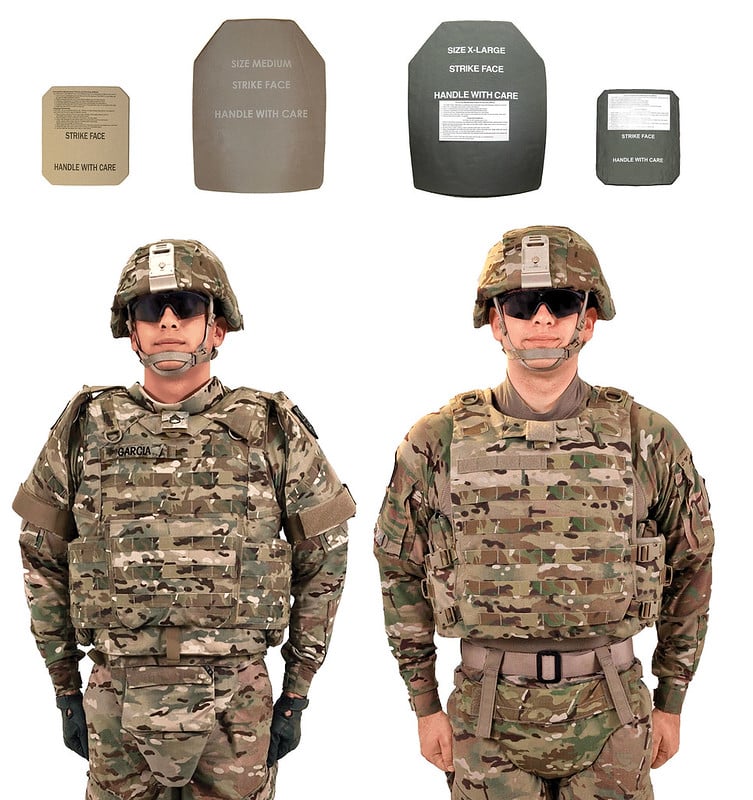
Today’s body armor does more than stop bullets—it’s designed to work with medical treatment. Modular systems allow medics to remove sections without moving the patient, and integrated systems can monitor vital signs.
And the materials matter. Modern armor distributes impact forces more effectively, reducing internal injuries even when the armor successfully stops penetrating trauma.
Point-of-Care Laboratory Testing
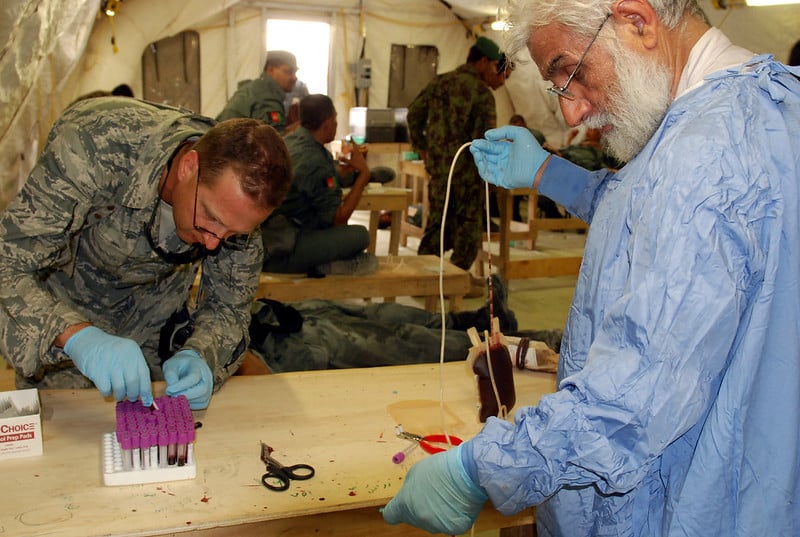
Field medics can now run sophisticated blood tests in minutes rather than hours. Portable laboratory equipment provides immediate results for blood chemistry, clotting factors, and infection markers.
Quick decisions save lives. These devices eliminate the guesswork that once plagued battlefield medicine.
Hypothermia Prevention

Shock and blood loss cause body temperature to plummet, often fatally. Military medical units now use specialized warming blankets, heated IV fluids, and environmental controls to maintain core body temperature.
The difference between 96 degrees and 94 degrees can determine survival. Temperature management has become as critical as controlling the blood flow.
Advanced Airway Management

Keeping airways open in combat casualties requires specialized techniques and equipment. Military medics now train extensively with surgical airways, advanced intubation methods, and emergency breathing devices.
But battlefield conditions make everything harder. Dust, smoke, limited lighting, and time pressure turn routine procedures into life-or-death challenges. Training makes the difference.
Resuscitative Endovascular Balloon Occlusion

REBOA represents cutting-edge battlefield medicine. This minimally invasive procedure involves threading a balloon catheter through blood vessels to temporarily block internal hemorrhage that traditional surgery can’t quickly access.
The technique buys precious time—sometimes hours—to transport critically injured patients to surgical facilities. Internal hemorrhage that once meant certain death becomes manageable.
Whole Plasma Transfusion

Modern military medicine has returned to an old practice: transfusing whole blood instead of separated components. Whole blood provides everything a patient needs: red cells, plasma, platelets, and clotting factors.
The revival of this technique has dramatically improved survival rates for patients with massive blood loss. Sometimes the old ways work best.
Virtual Reality Training

Medical training has gone high-tech. Virtual reality systems allow military medics to practice complex procedures in realistic combat scenarios without real patients or actual emergencies.
The simulations are incredibly detailed—complete with realistic injuries, environmental stressors, and time pressure. Medics can train on rare, complex cases they might never encounter in real training exercises.
Healing Through Innovation

These advances represent more than technical progress—they embody the military’s commitment to bringing every service member home. Each innovation emerged from hard-won lessons and the determination to ensure that no preventable death goes unpreventable, transforming battlefield medicine from a desperate last resort into a sophisticated system of care that rivals the world’s best hospitals.
More from Go2Tutors!

- The Romanov Crown Jewels and Their Tragic Fate
- 13 Historical Mysteries That Science Still Can’t Solve
- Famous Hoaxes That Fooled the World for Years
- 15 Child Stars with Tragic Adult Lives
- 16 Famous Jewelry Pieces in History
Like Go2Tutors’s content? Follow us on MSN.



