17 School Lunch Menus from Six Continents
Picture this: a child in Japan carefully arranging their lunch tray with miso soup and rice, while halfway across the world, a student in Brazil enjoys black beans with fried plantains. School lunch isn’t just about filling hungry bellies—it’s a window into culture, values, and what different societies prioritize for their children’s growth and learning.
From the elaborate four-course meals of France to the community-centered approach of Ethiopian schools, each country’s approach to feeding students tells a unique story. These meal programs serve as social safety nets, educational tools, and cultural touchstones all rolled into one daily experience.
Here is a list of 17 fascinating school lunch menus from around the globe that showcase how different nations nourish their future generations.
Japan’s Student-Served Feast
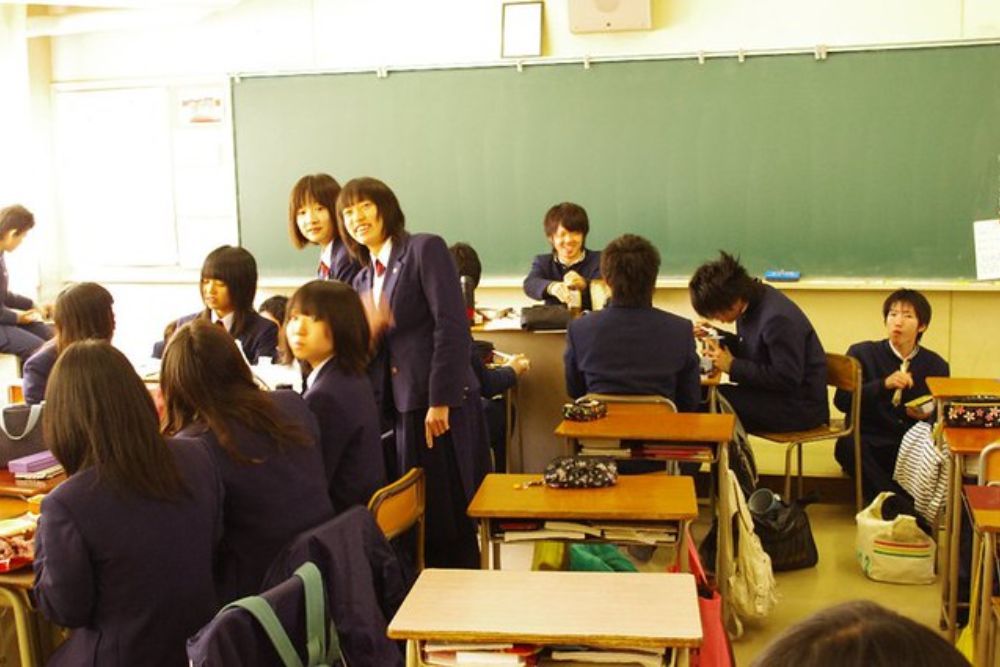
Japanese school lunches revolve around rice, fish, and vegetables as the main ingredients, with students serving other students rather than adult volunteers handling meal service. A typical meal includes milk, miso soup, white rice, pork fried with vegetables, and fruit, with some elementary schools practicing nap time after lunch.
The emphasis extends beyond nutrition to life skills—students take turns serving classmates and cleaning up afterward, teaching responsibility and community service from an early age.
France’s Gourmet Four-Course Experience
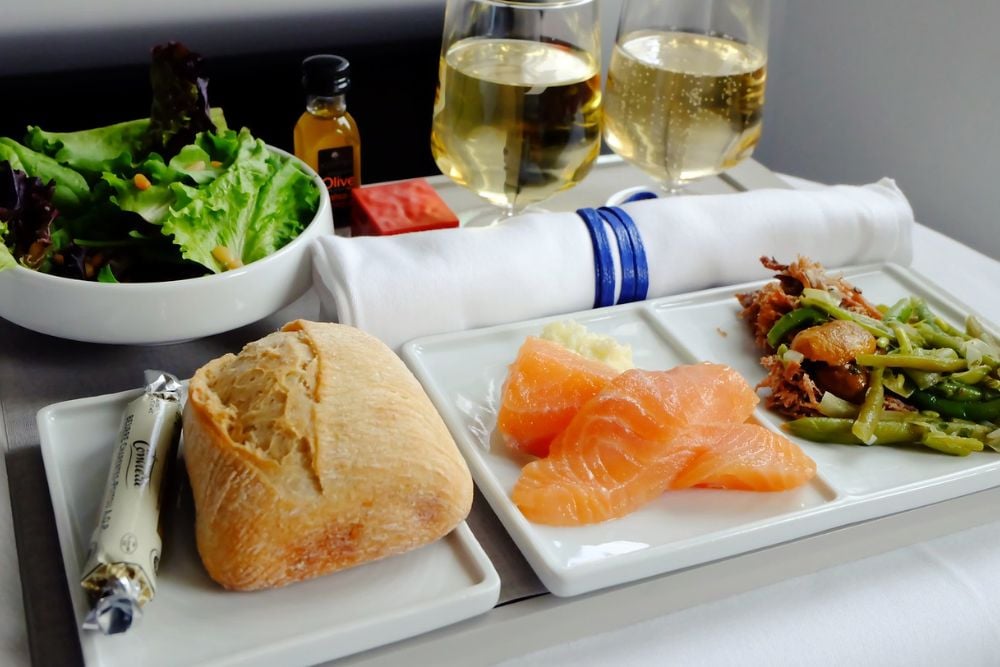
French school cafeterias serve five-course meals, even for preschoolers, with schoolchildren eating the same foods as adults. A typical menu might include beet salad, brie cheese, salmon lasagna with steamed spinach, French shepherd’s pie with beef, fruit, and small choux pastries for dessert.
The 2001 food recommendation guidelines require that each meal contain raw vegetables, protein from milk or dairy products, cooked vegetables twice per week, and carbohydrates on remaining days.
South Korea’s Balanced Nutrition Focus
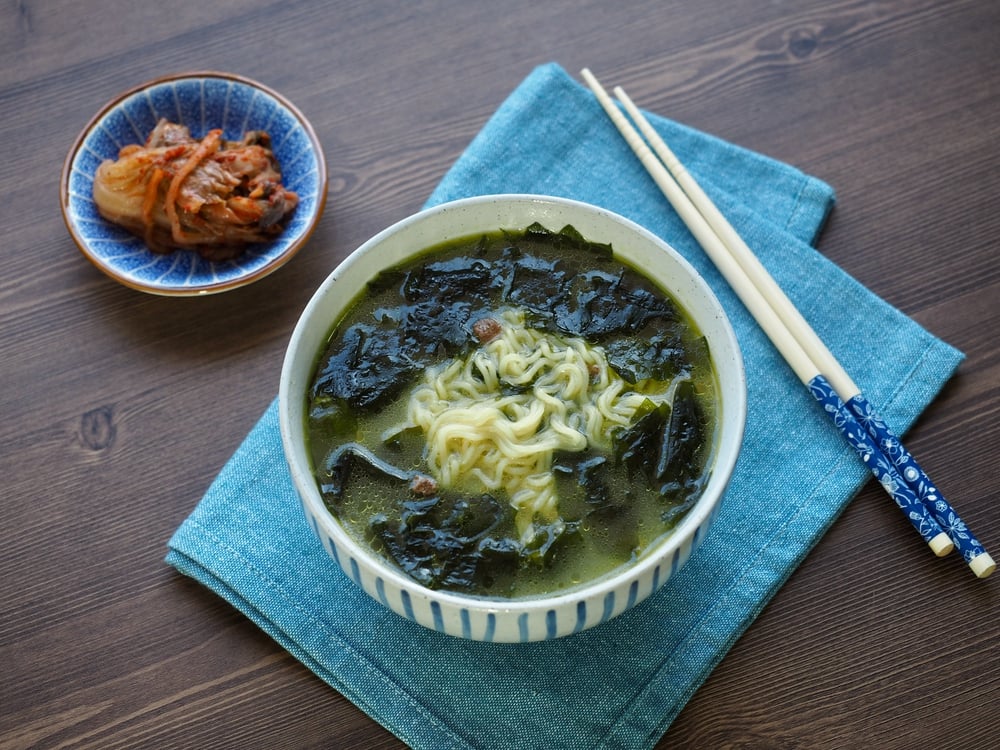
South Korean school meals feature rice, soup, kimchi, and mixed vegetable sides known as banchan, with some schools including Western options like pasta, chicken nuggets, and french toast. Popular dishes include fried rice with tofu, kimchi, fish soup, and mixed green vegetables, designed to sustain students through various extracurricular activities after school.
The program emphasizes health education alongside nutrition, preparing students for active evening schedules.
Italy’s Regional Organic Approach
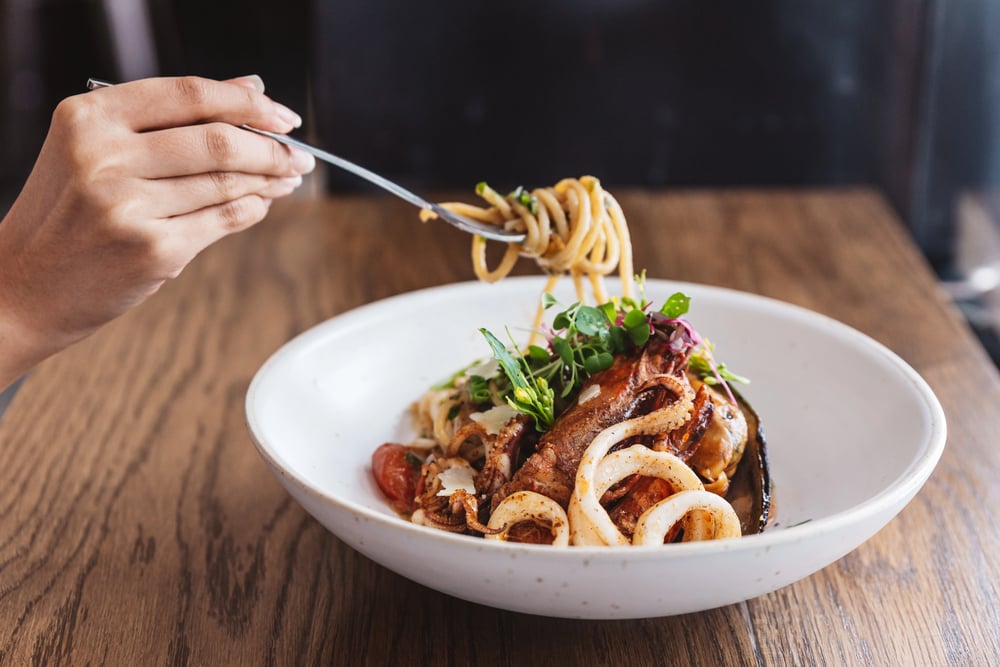
Italian school lunches are based around starches like pasta, rice, or soup, paired with main courses of meat, eggs, fish, or cheese, plus at least two vegetables or fruits. In Rome, local law stipulates that 70% of the meal must be organic, with schools forbidden from serving fried foods or high-sodium options.
A typical lunch might include local fish on arugula, pasta with tomato sauce, caprese salad, baguette, and grapes.
China’s Protein-Rich Transformation
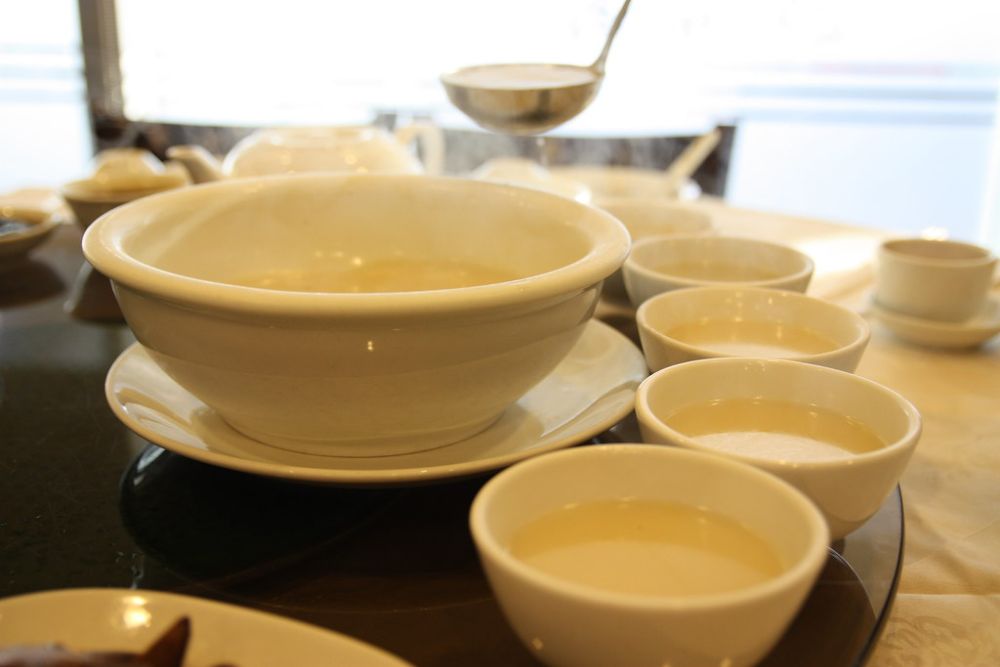
Chinese school lunches have transformed from simple rice and soybeans to include eggs, soy products, and meats like savory pork, served in canteen-style trays. Students enjoy dishes like bok choy, yuxiang pork with garlic sauce, steamed buns, and sometimes soup.
Traditional options include tomato eggs—a scrambled egg dish with spices and tomato sauce—alongside steamed vegetables, fish with vermicelli noodles, and mandarin oranges.
India’s Massive Vegetarian Program
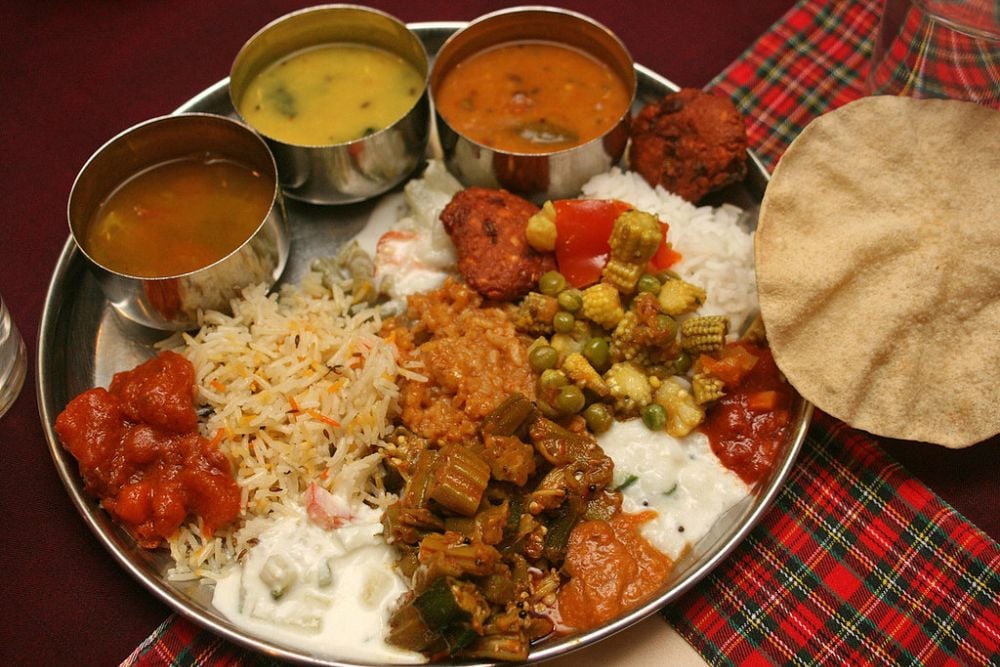
India operates the world’s largest school lunch program, providing over 100 million free meals daily, featuring vegetables, dal (lentil stew), paneer cheese, and flatbreads like naan, chapati, or roti. The program represents one of humanity’s most ambitious feeding efforts, addressing both nutrition and educational access across diverse regional cuisines and dietary traditions throughout the subcontinent.
Brazil’s Community-Sourced Meals
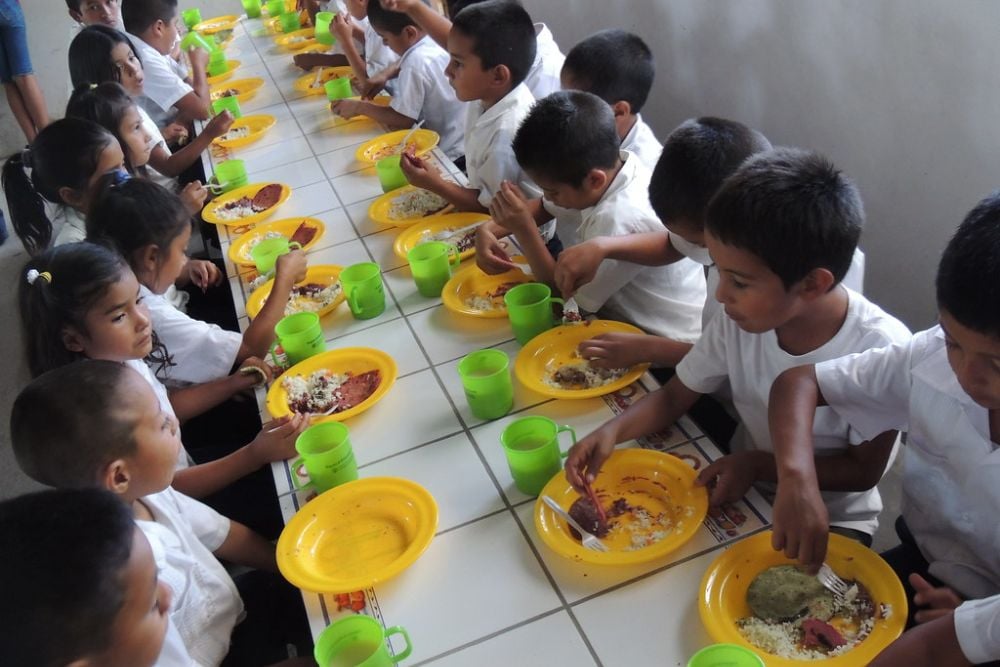
Brazilian school lunches feature pork with mixed vegetables, black beans and rice, salad, bread, and baked plantains. The program requires a minimum of 30% of food to come from local family farms in the schools’ municipalities, creating a network supported by 8,000 nutritionists.
This farm-to-school approach strengthens local economies while ensuring fresh, culturally appropriate meals.
Sweden’s Free-for-All Model
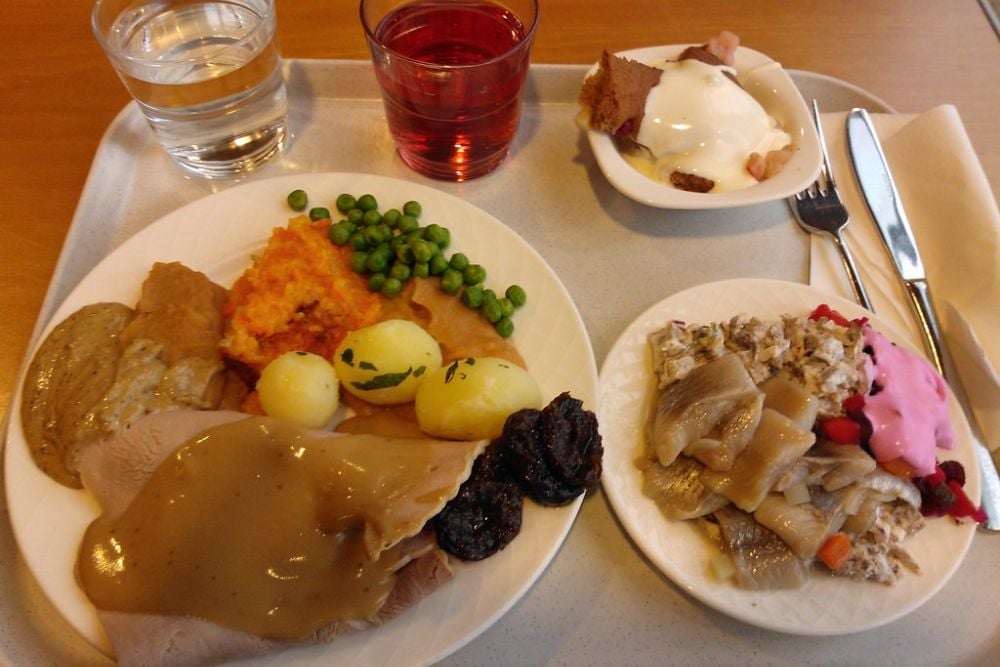
Sweden provides free hot school lunches to all children since 1997, consisting of hot meals, salad buffets, bread, and drinks with vegetarian options. Typical offerings include different types of stews complemented with chicken or beef, plus vegetarian alternatives and salad bars, with food cooked from raw ingredients in schools.
The program exemplifies universal access regardless of family income.
Spain’s Mediterranean Influence
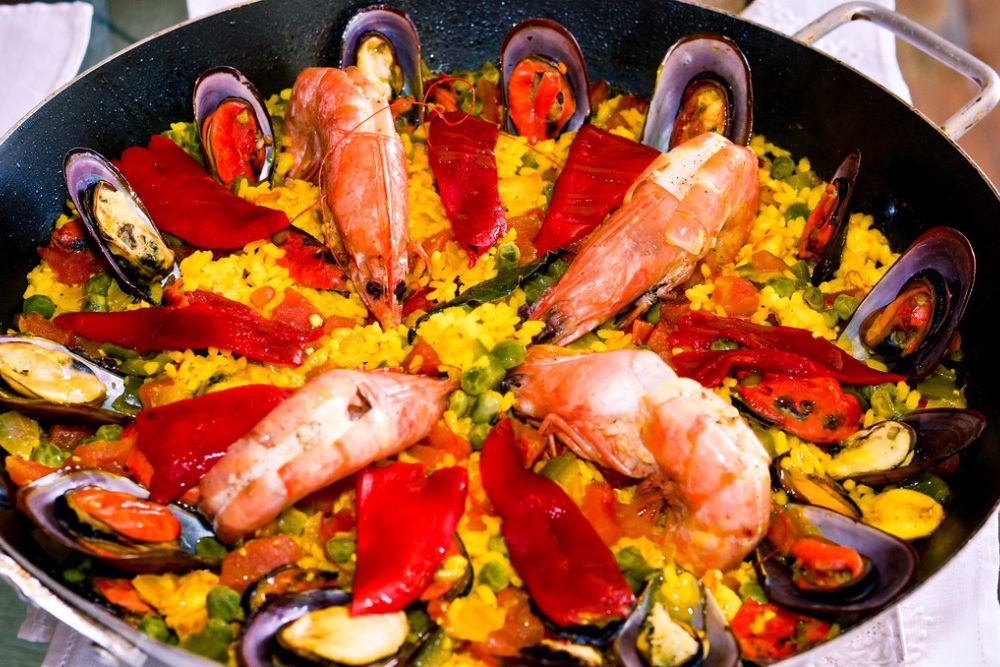
Spanish school menus embrace Mediterranean diets with paella, vegetables, gazpacho, fresh peppers, bread, and fruit, featuring lots of fresh seafood from the coast, whole grains, and seasonal fruits. The meals reflect Spain’s coastal geography and agricultural traditions, offering students a taste of their country’s rich culinary heritage while meeting modern nutritional standards.
Kenya’s Safety Net Approach
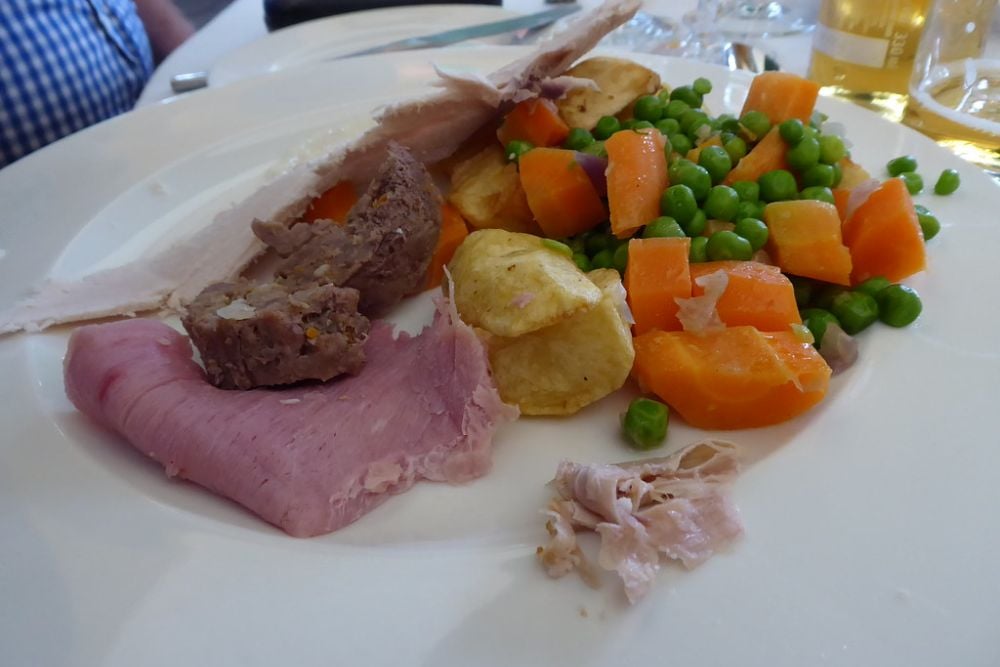
Kenyan schools provide porridge for breakfast and alternating lunch meals of maize and beans or rice and vegetables, funded by community contributions and well-wishers. These programs serve as crucial safety nets, with students like eight-year-old Fatouma saying ‘I like eating rice every day.
In my family, we eat rice only two or three times a year.’
Finland’s Student-Chosen Portions
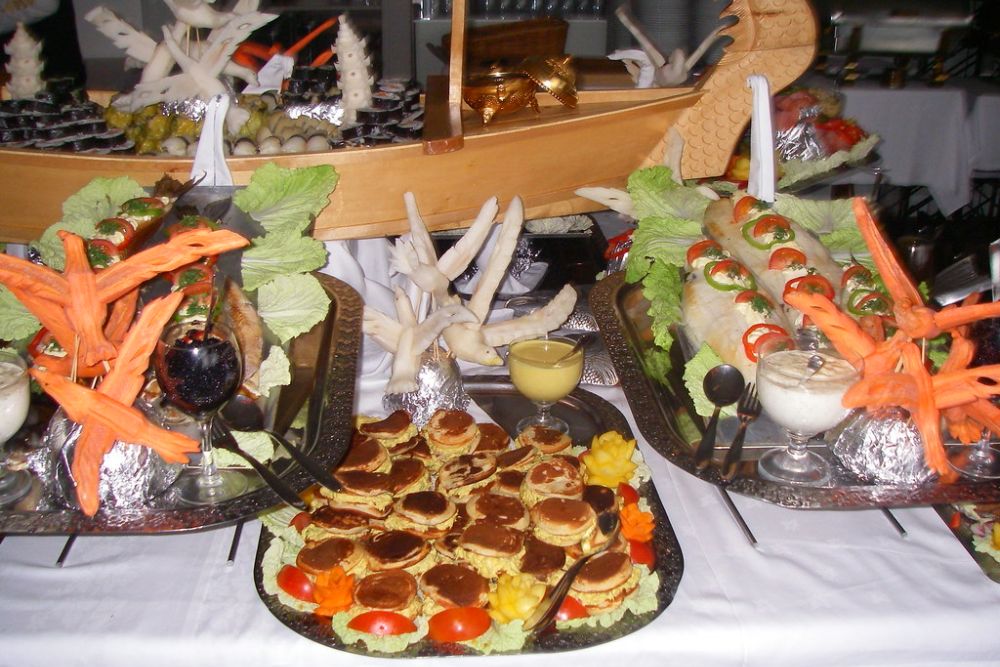
Finnish schools provide lunch in buffet style where pupils serve themselves as much as they want, following model plate recommendations of half vegetables, one quarter potatoes/rice/pasta, and one quarter protein or beans. The system teaches students to make healthy choices while accommodating individual appetites and preferences through self-service options.
Russia’s Substantial Midday Meal
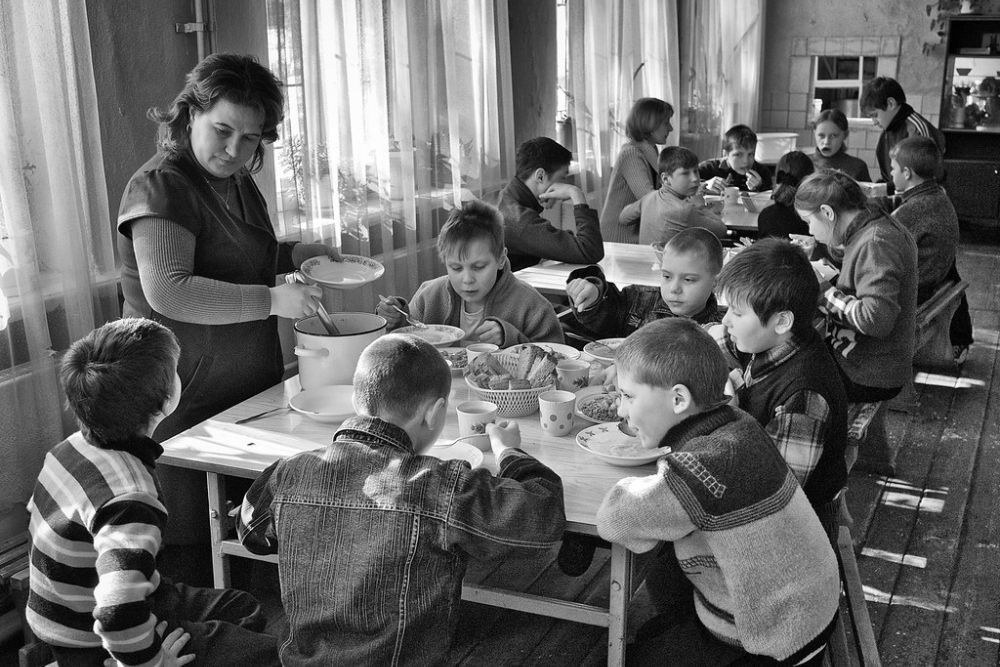
Russian school lunches live up to their name ‘obed,’ which translates to ‘dinner,’ featuring substantial portions of borscht, bread, meat, and grains. These hearty meals reflect Russia’s approach to lunch as the day’s main meal, providing students with energy for afternoon activities and acknowledging the cultural importance of robust midday nutrition.
Vietnam’s Rice-Centered Tradition
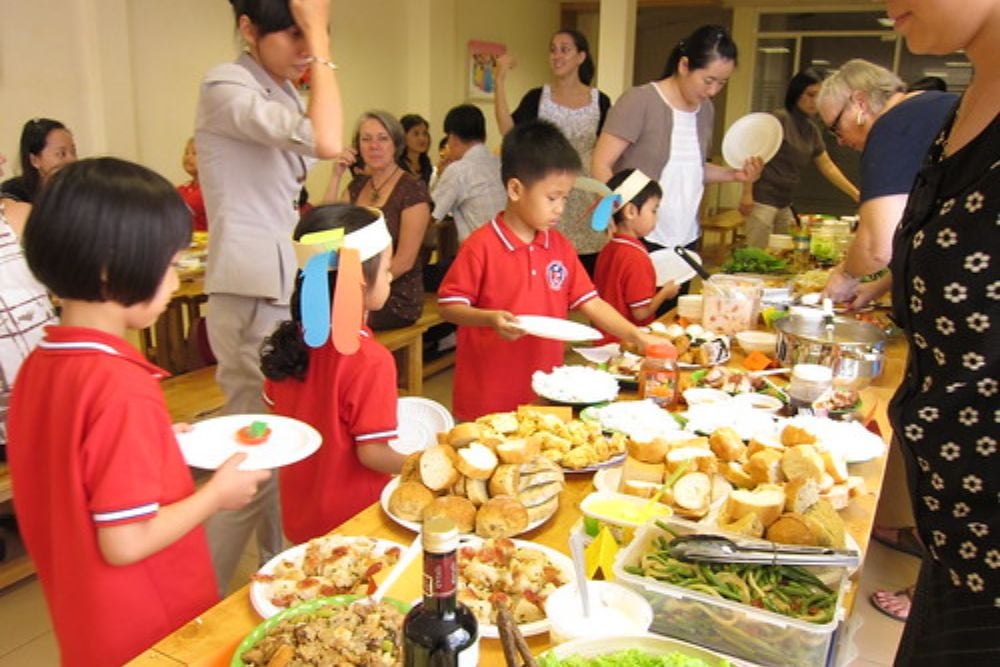
Vietnamese school lunches center around rice served with proteins like tofu, fish, chicken, or pork dressed in sauces like cà ri, finished with tráng mięng—a palate-cleansing side dish of tropical fruits like guava, lychee, dragon fruit, or durian. Meals often include soy milk and traditional three-layer fruity desserts called chè made with coconut milk.
New Zealand’s Inclusive Ka Ora Ka Ako Program
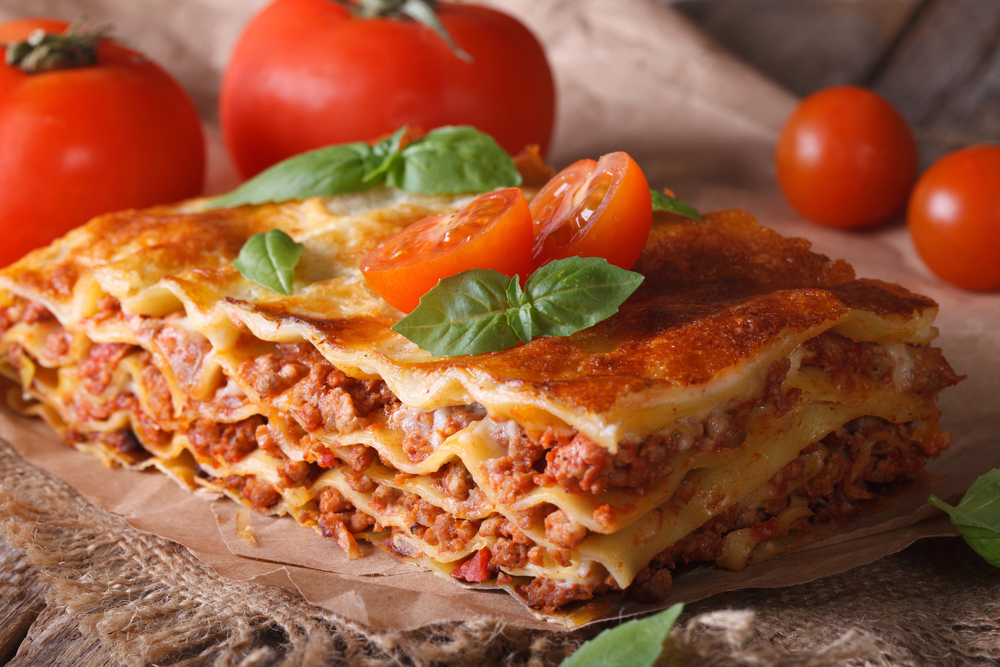
New Zealand’s Ka Ora Ka Ako program serves meals like chicken katsu, butter chicken, lasagna, chicken pasta salad, and wraps to 244,144 students across 1,014 schools. The program ensures every student in participating schools receives meals regardless of need, eliminating stigma by treating all children equally rather than singling out those requiring assistance.
Ethiopia’s Plant-Based Focus
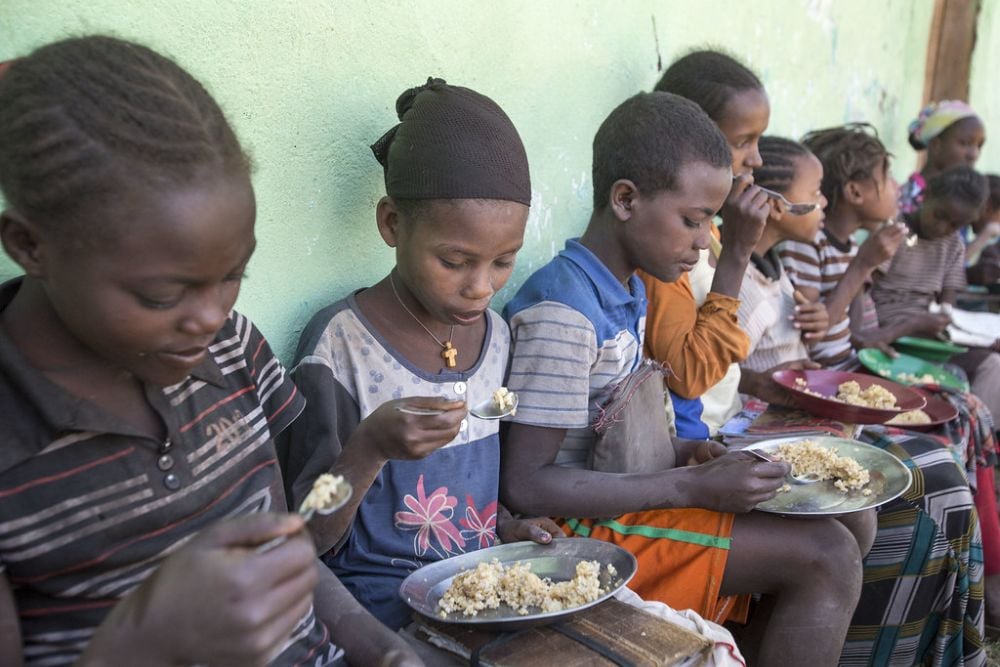
Ethiopian school meals reflect the country’s large Orthodox population with many plant-based options, featuring injera flatbread made with teff flour as a popular side dish throughout the country’s limited but growing school lunch programs.
The meals honor religious dietary practices while providing essential nutrition in communities facing food security challenges.
Thailand’s Balanced Rice Foundation
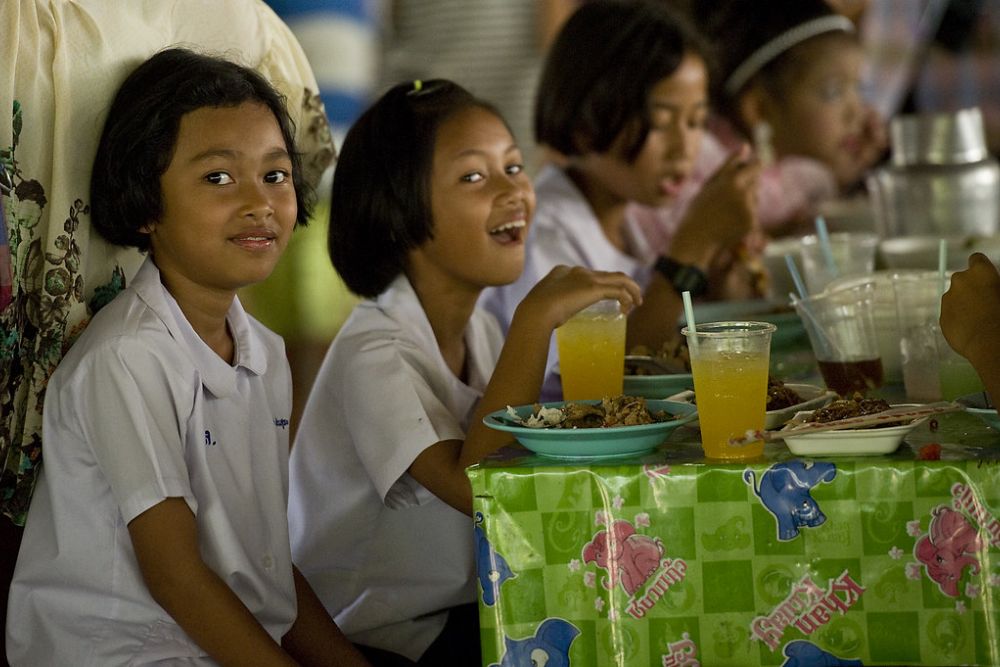
Thai school lunches always contain rice, fruits, and vegetables, with the ratio typically being up to 33% rice and the remainder consisting of one or two protein or vegetable sides. This consistent formula ensures students receive balanced nutrition while maintaining cultural food traditions that center rice as the foundational element of every meal.
Ukraine’s WHO-Guided Modernization
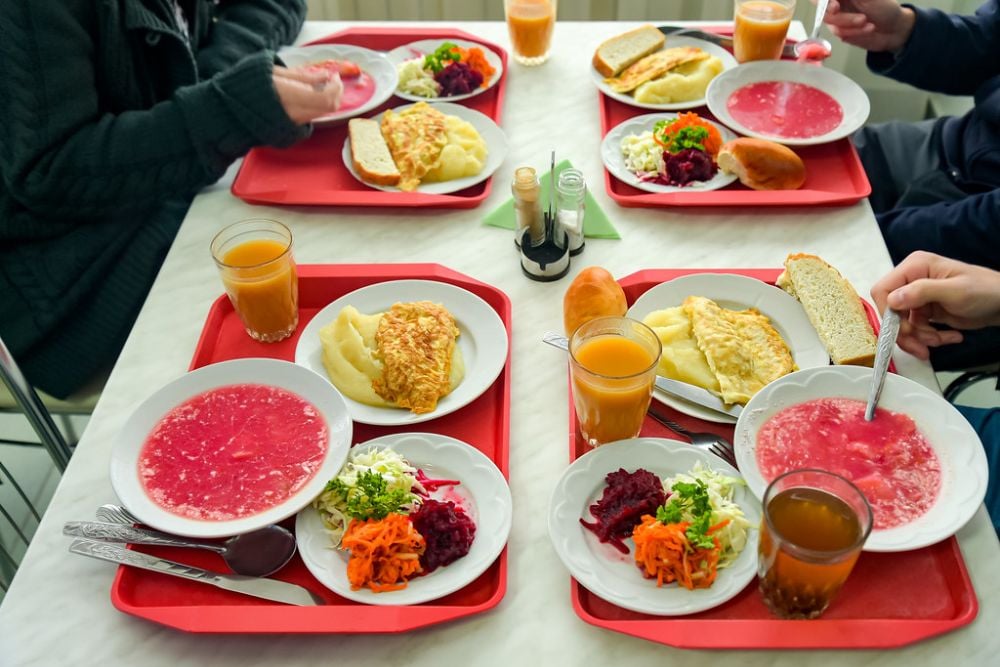
Ukrainian school lunch programs have undergone tremendous overhauls under World Health Organization guidance, featuring traditional fare like shpundra (pork sautéed with beets) and banosh (corn porridge served with sour cream). Reform efforts focus on lowering sodium and sugar content while switching from red meat to poultry and replacing white bread with whole-grain varieties.
Nourishing Tomorrow’s Leaders Today

These diverse school meal programs reveal how different cultures approach the fundamental challenge of feeding their children. From Japan’s emphasis on service learning to Brazil’s farm-to-school networks, each system reflects deeper values about community, health, and education.
While a French student savors four-course sophistication and a Kenyan child celebrates rare access to rice, both experiences demonstrate food’s power to fuel not just bodies, but dreams and academic achievement. The variety in these 17 programs shows there’s no single recipe for success—only the shared commitment to ensuring no child learns on an empty stomach.
More from Go2Tutors!

- The Romanov Crown Jewels and Their Tragic Fate
- 13 Historical Mysteries That Science Still Can’t Solve
- Famous Hoaxes That Fooled the World for Years
- 15 Child Stars with Tragic Adult Lives
- 16 Famous Jewelry Pieces in History
Like Go2Tutors’s content? Follow us on MSN.



