15 Fashion Trends That Were Actually Deadly
Fashion has always demanded sacrifice, but throughout history, some trends literally cost people their lives. From toxic makeup that rotted faces to dresses that burst into flames, the pursuit of beauty has left a trail of casualties that would make any modern fashion victim think twice about complaining about uncomfortable shoes.
The phrase ‘dying for fashion’ wasn’t just a figure of speech for our ancestors. Here is a list of 15 fashion trends that proved genuinely lethal to those brave (or foolish) enough to follow them.
Venetian Ceruse
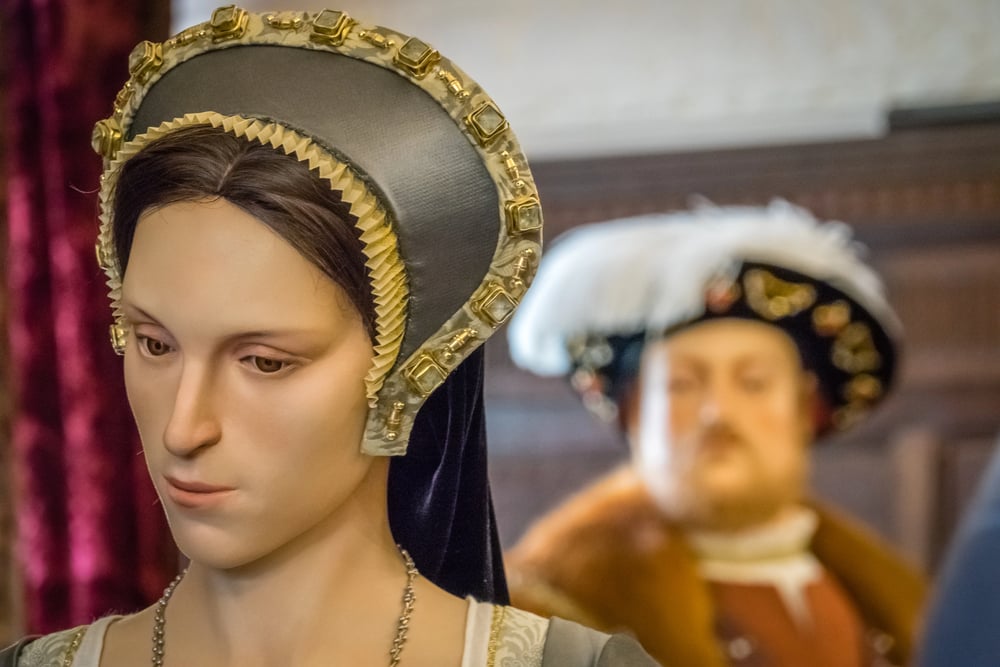
Queen Elizabeth I’s porcelain-white complexion wasn’t just good genetics—it was achieved with a deadly concoction called Venetian ceruse. This popular foundation mixed white lead with vinegar to create the pale, flawless look that defined Renaissance beauty.
The cosmetic caused lead poisoning, skin damage, hair loss and in some cases eventual death. The irony was cruel: as the makeup ate away at women’s skin, they applied thicker layers to cover the damage, creating a vicious cycle that often proved fatal.
Crinoline Skirts
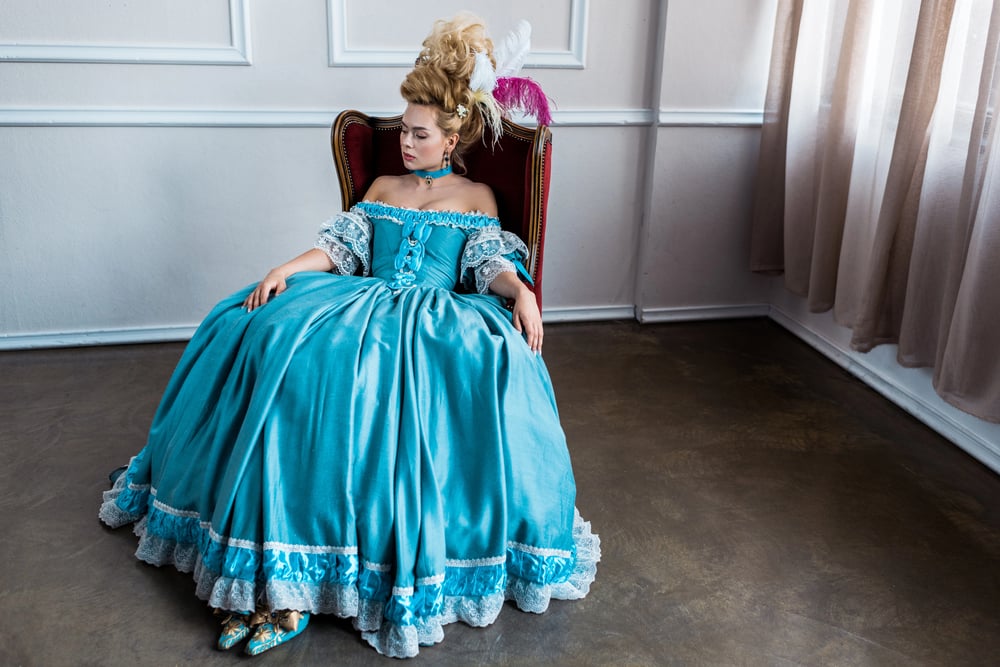
Victorian crinoline skirts killed around 3,000 women, making them one of history’s deadliest fashion statements. These massive hoop skirts could measure up to six feet in diameter, turning women into walking fire hazards.
The large amounts of ignitable fabric made crinoline dresses easily flammable, and women faced difficulties in movement and risks of entangling in carriage wheels. Getting caught in a sudden gust of wind could also cause serious injuries, proving that even Mother Nature had it out for fashionable Victorian ladies.
Like Go2Tutors’s content? Follow us on MSN.
Scheele’s Green Dyes
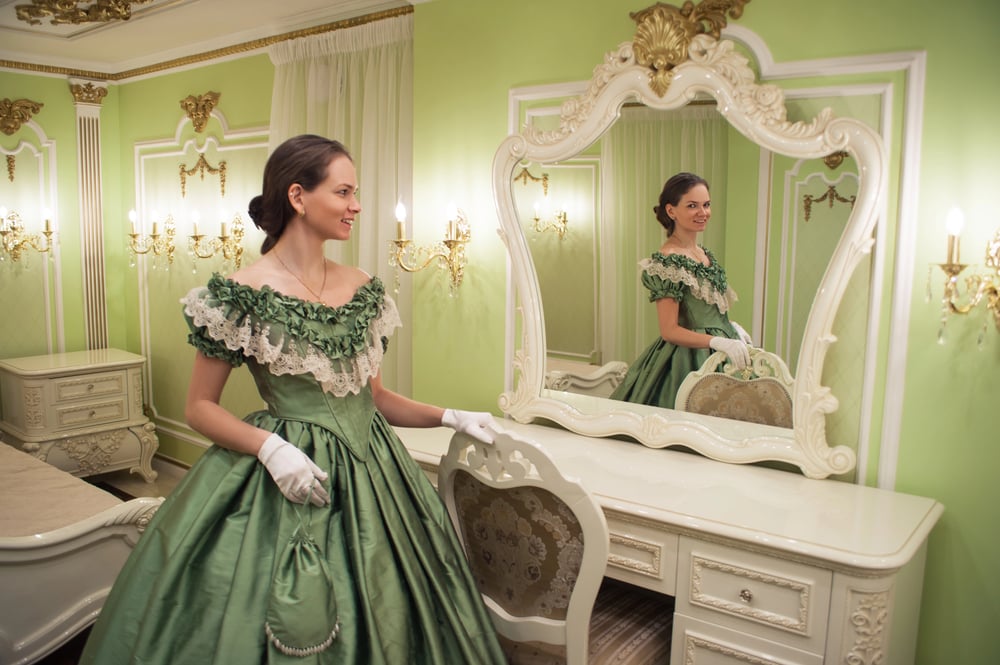
The gorgeous emerald green that dominated 19th-century fashion came with a deadly secret—it was loaded with arsenic. Swedish chemist Carl Scheele discovered that combining sodium arsenite and copper sulphate produced a bright green pigment used in dresses and fabrics.
Close prolonged contact with the substance led to arsenic poisoning which began with skin irritation, nausea, headaches, colic, and skin lesions that became infected and festered. Women literally glowed with toxic beauty, and not in a good way.
Mercury Hat Making
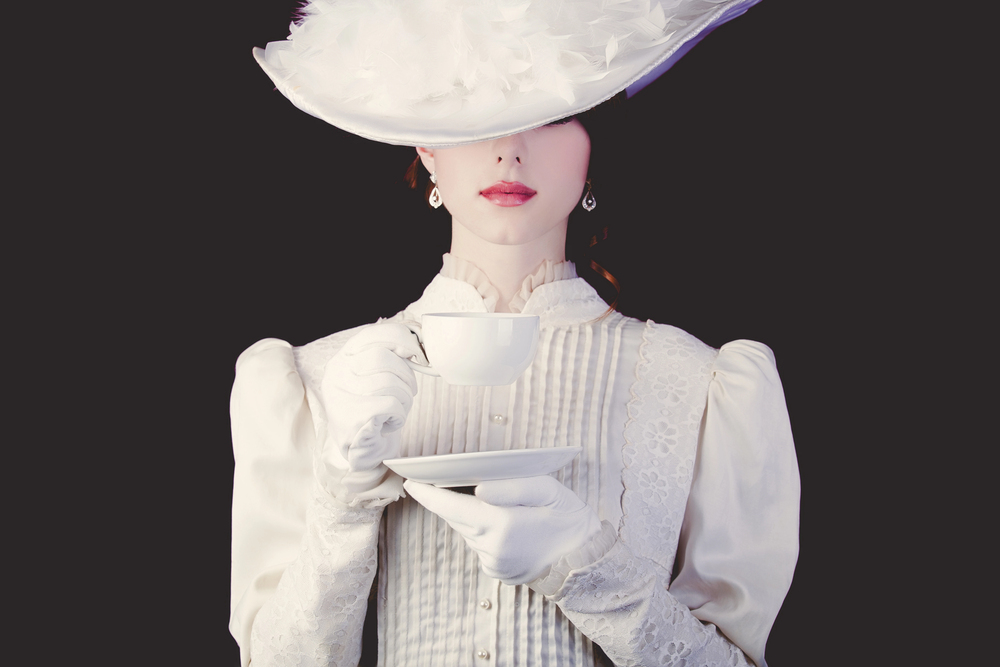
The phrase ‘mad as a hatter’ has its roots in a genuinely deadly occupational hazard. Mercury affects the gastrointestinal and nervous systems, and exposure to heat while making felt hats released mercury vapor resulting in workers developing ‘Mad Hatter’ disease.
Hat makers experienced headaches, weakness, tremors, irritability, and mental instability. They quite literally went crazy from their work, giving us one of literature’s most famous characters while highlighting a very real industrial tragedy.
Belladonna Eye Drops

Renaissance beauties wanted that doe-eyed look so badly they were willing to put actual poison directly into their eyes. Venetian ladies of the court would squeeze a belladonna tincture into their eyes to achieve fashionable dilation.
Belladonna, also known as deadly nightshade, caused blurred vision, temporary blindness, increased heart rate, and eye irritation on the mild end. The more severe consequences could be fatal, making ‘bedroom eyes’ a potentially lethal beauty goal.
Like Go2Tutors’s content? Follow us on MSN.
Starched Detachable Collars

Victorian men’s fashion included a trend so dangerous it earned the nickname ‘father killer.’ Detachable collars were starched to deadly stiffness and could cut off blood supply to the carotid artery.
In 1888, The New York Times reported on John Cruetzi, found dead on a park bench after his stiff collar stopped his windpipe and checked blood flow through contracted veins, causing death from asphyxia and apoplexy. Apparently, nodding off after a few glasses of port at the gentleman’s club became a game of deadly roulette.
Radium Cosmetics
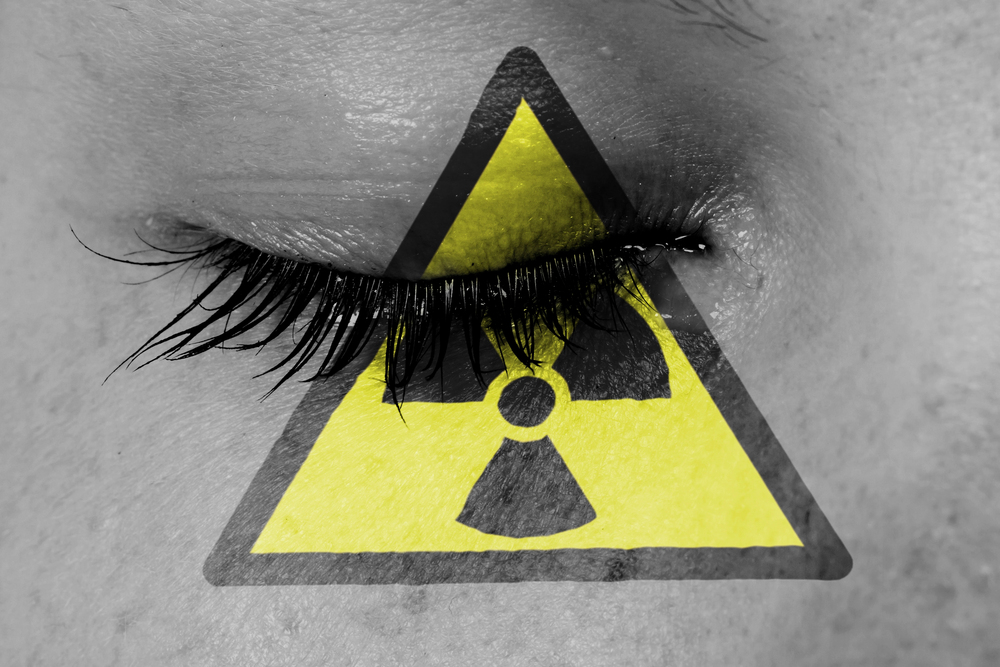
The 1930s brought us makeup that literally glowed—and killed. French beauty company Tho-Radia was founded in 1932 with the intention of using rare earth metals like radium and thorium in their products.
Their makeup line included cleansing milk, skin cream, powder, rouge, lipstick and toothpaste containing radium bromide and thorium chloride described for ‘toning up and strengthening tissues, elimination of fat, and removal of wrinkles’. Before people understood radiation’s dangers, women were essentially applying radioactive waste to their faces in the name of beauty.
Chopines Platform Shoes
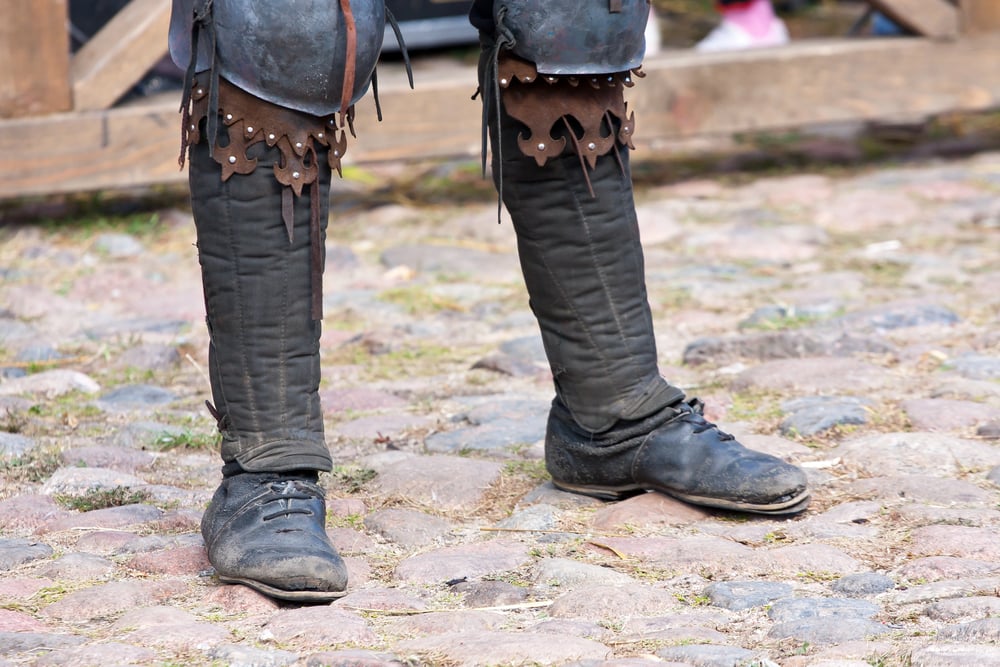
Italian chopines make modern platform shoes look like sensible flats. These elevated, open-backed footwear sometimes measured up to 30 inches in height and were viewed as a way to showcase nobility and grandeur.
Walking in these wooden or cork platforms was like trying to navigate on stilts, and falls from such heights often proved fatal. Women needed servants to help them walk, turning a simple stroll into a high-stakes balancing act that could end in tragedy.
Like Go2Tutors’s content? Follow us on MSN.
Tight-Laced Corsets
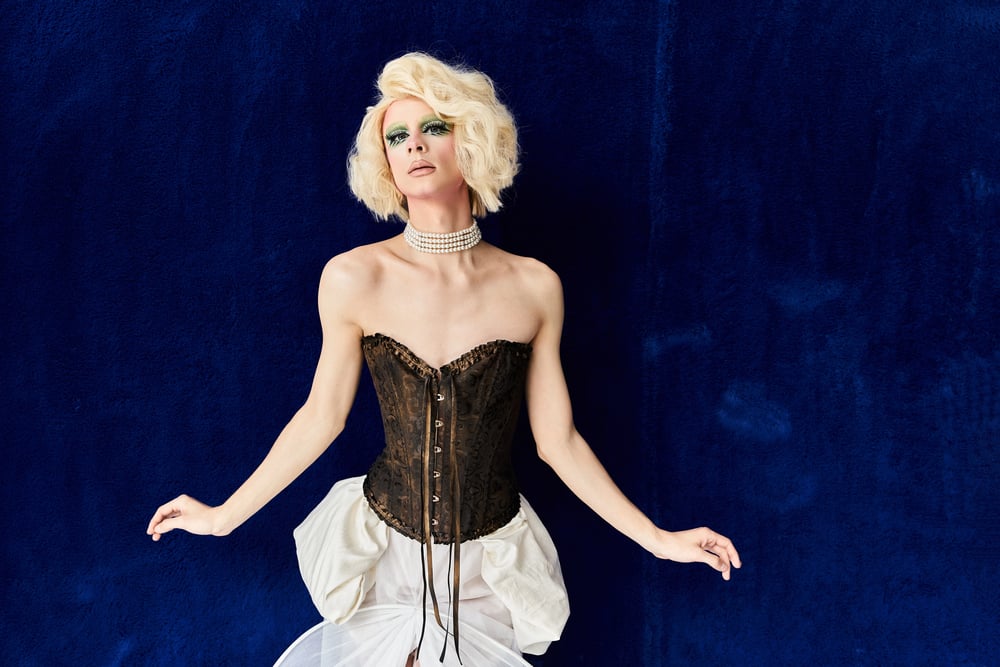
The Victorian obsession with tiny waists literally took women’s breath away—permanently. Corsets restricted women’s breathing which often led to fainting, but fainting wasn’t the worst thing that could happen.
Internal organs were forced to shift from their natural position, which could eventually lead to internal damage. The pursuit of an hourglass figure often resulted in deformed ribcages, compressed lungs, and damaged internal organs that could prove fatal over time.
Chinese Foot Binding
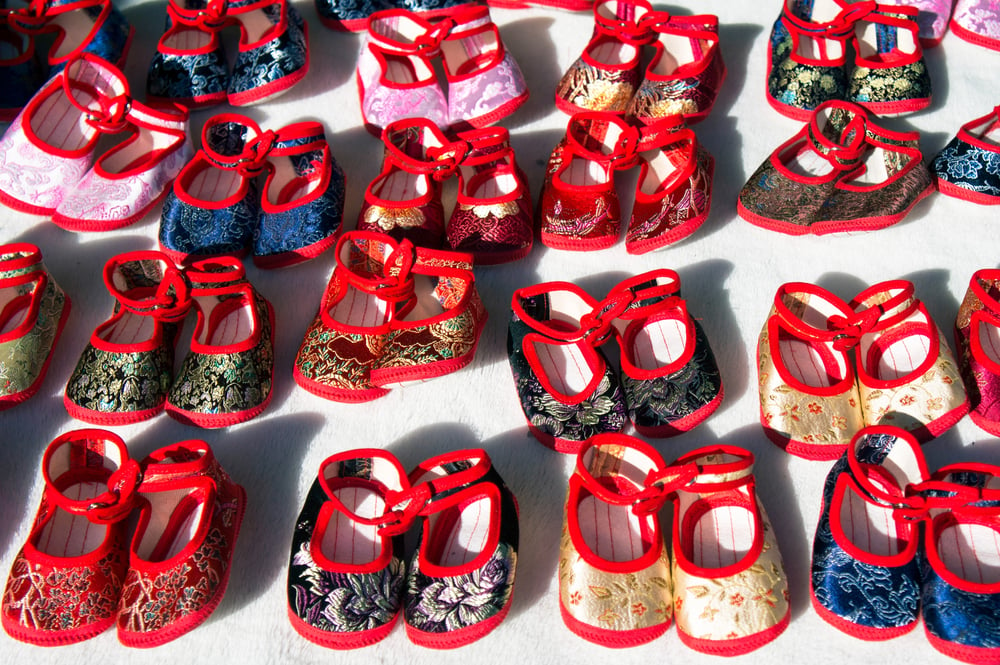
Foot binding was popular among women in China beginning in the 8th century and involved breaking the bones of the toes and curling them under the foot. The feet were then wrapped and forced to heal in this deformed position for life.
The ritual often led to infection and death, as the broken bones and restricted blood flow created perfect conditions for gangrene and sepsis. The tiny ‘lotus feet’ came at an enormous cost in pain, mobility, and often life itself.
Hobble Skirts
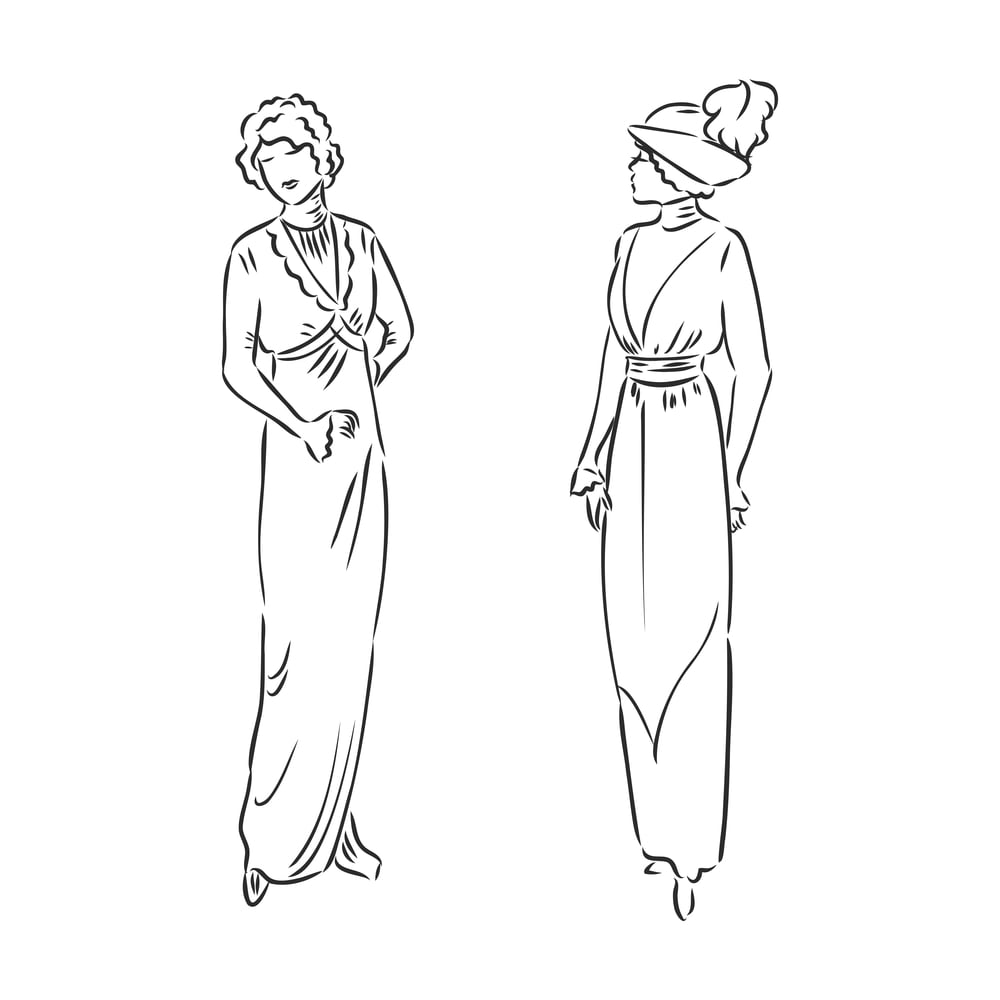
By the early 1900s, fashion swung from impossibly wide skirts to impossibly narrow ones. Hobble skirts were fitted so tightly around the lower legs that women were forced to take tiny steps, hobbling along in their stylish garments.
The constricting garments led to accidents and even death, making the trend one of the most dangerous of the century. Women couldn’t run from danger, climb stairs safely, or even walk normally, turning everyday activities into potential death traps.
Like Go2Tutors’s content? Follow us on MSN.
Wet Muslin Dresses

At the beginning of the 19th century, a new strange and dangerous fashion trend started in Europe where it was common for women to wet their dresses before they went out. This practice showed off women’s figures in a scandalous way, but it was equally dangerous.
This practice led to severe cases of pneumonia and caused the deaths of thousands of women. Apparently, the see-through effect wasn’t worth dying from exposure, but fashion victims of the era seemed willing to risk it.
Ancient Egyptian Kohl
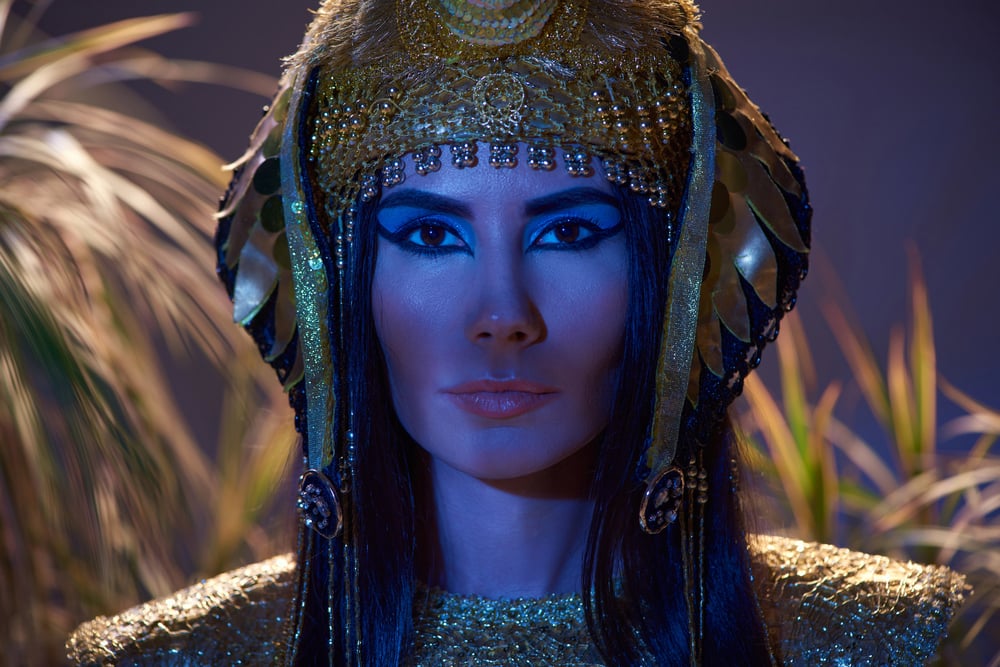
In ancient Egypt, men and women used kohl eyeliner made from galena, an ore of lead sulfide, and eyeshadow made from minerals containing lead carbonate and other toxic substances. As the makeup was absorbed into the skin, this could cause irritability, insomnia, and a decrease in mental ability—symptoms of lead poisoning.
While the dramatic eye makeup protected against sun glare and possibly prevented some infections, the long-term lead exposure created serious health problems for those who lived long enough to experience them.
Gigot Sleeves
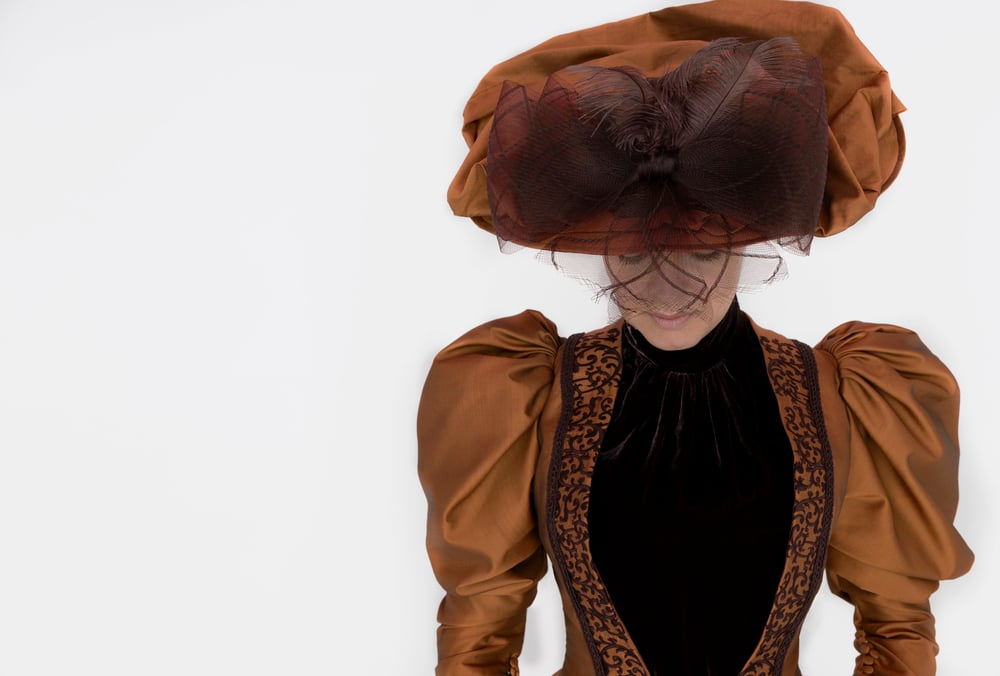
Beginning in the 1820s, women had limited use of their arms thanks to gigot sleeves, also known as leg o’ mutton sleeves. The sleeves would balloon at the shoulders then taper down along the arm, preventing women from raising their arms above their heads.
While not immediately deadly, these enormous sleeves combined with other restrictive clothing created dangerous situations where women couldn’t defend themselves, escape fires, or perform basic tasks that might save their lives in emergencies.
Like Go2Tutors’s content? Follow us on MSN.
Arsenic Complexion Wafers
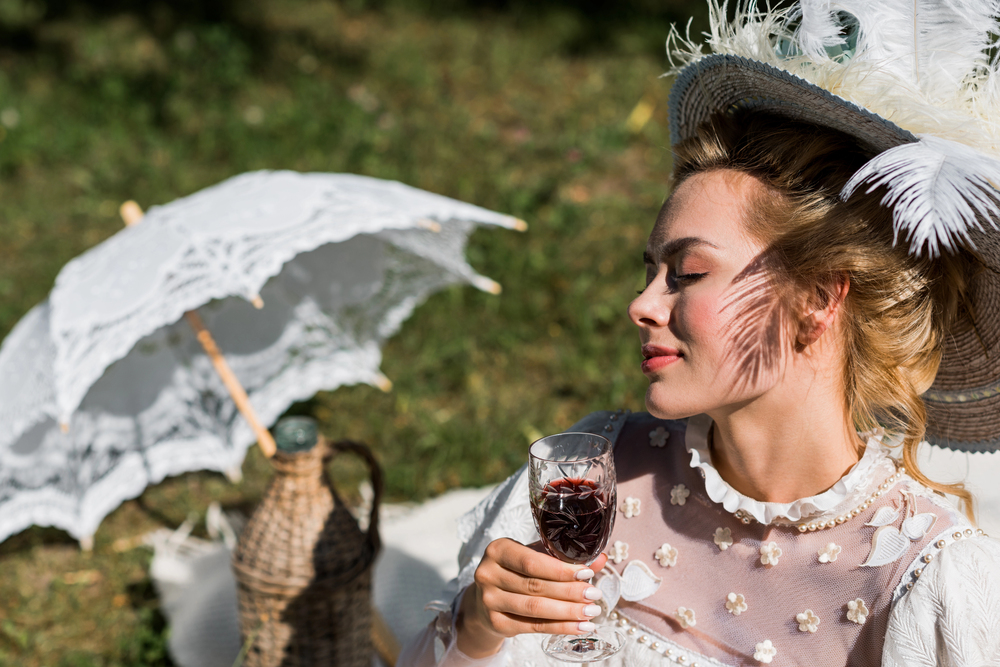
In the late 19th century, U.S. newspapers advertised tins of wafers that, if eaten, promised to remove freckles, pimples, and other facial marks. These products contained poison, but that wasn’t a secret—it was right on the label, which read ‘Arsenic Complexion Wafers’.
Women knowingly consumed poison for clearer skin, achieving that coveted ‘deathly pallor’ look quite literally. The fact that arsenic was known to be poisonous during the Victorian era makes this trend even more baffling and tragic.
Fashion’s Fatal Legacy
These deadly trends remind us that beauty standards have always pushed people to dangerous extremes, but today’s fashion industry learned hard lessons from history’s casualties. While many makeup products continued to use lead-based ‘paints,’ they were mostly replaced by safer alternatives of pearl white and talc by the early 1900s.
Modern regulations and scientific understanding have made fashion significantly safer, though the pressure to conform to beauty ideals remains as strong as ever. The next time you complain about uncomfortable heels or a tight dress, remember that your ancestors risked their lives just to look fashionable—and sometimes paid the ultimate price for it.
More from Go2Tutors!

- 16 Historical Figures Who Were Nothing Like You Think
- 12 Things Sold in the 80s That Are Now Illegal
- 15 VHS Tapes That Could Be Worth Thousands
- 17 Historical “What Ifs” That Would Have Changed Everything
- 18 TV Shows That Vanished Without a Finale
Like Go2Tutors’s content? Follow us on MSN.


