15 Historic Art Heists Baffling Modern Police
Some crimes age like wine. The older they get, the more fascinating they become — and the more impossible they seem to solve.
Art theft operates in a strange space where million-dollar masterpieces vanish into thin air, leaving behind only questions that multiply with each passing year.
These aren’t smash-and-grab robberies or crimes of desperation. They’re puzzles wrapped in mysteries, where the thieves often seem to understand the art world better than the people trying to catch them.
The Isabella Stewart Gardner Museum Heist

Two men dressed as police officers walked into Boston’s Gardner Museum on March 18, 1990, and walked out with $500 million worth of art. Thirteen pieces gone.
No arrests made. No paintings recovered.
The thieves knew exactly what they wanted. They cut Rembrandt’s “The Storm on the Sea of Galilee” right out of its frame.
They took a Vermeer — one of only 34 known to exist. They ignored easier targets and went straight for the masterpieces.
The empty frames still hang on the museum walls, waiting.
The Mona Lisa Disappearance

Vincenzo Peruggia wanted to return the Mona Lisa to Italy. So he walked into the Louvre in 1911, lifted the painting off the wall, and carried it home under his coat.
It took two years to catch him.
The painting spent 28 months missing. The theft made the Mona Lisa famous — more famous than the theft itself.
Before 1911, most people had never heard of Leonardo’s portrait. After Peruggia’s patriotic crime, it became the most recognizable painting in the world.
Caravaggio’s Nativity Theft

The “Nativity with St. Francis and St. Lawrence” disappeared from a Palermo oratory in 1969, and everyone assumes the Mafia took it (though proving such assumptions — when the suspects operate according to codes of silence that have persisted for generations, and when the painting itself vanished so completely that even rumors about its whereabouts feel more like ghost stories than investigative leads — becomes an exercise in chasing shadows through decades of dead ends). The painting was worth maybe $20 million then.
Now it’s worth closer to $200 million, assuming it still exists.
But here’s the thing about stolen Caravaggios: they don’t exactly show up at suburban garage sales, and the kind of people who traffic in $200 million paintings aren’t typically the type who cooperate with law enforcement investigations.
So the trail goes cold, stays cold, and gets colder with each passing year until the crime becomes less about the painting and more about the mythology surrounding its disappearance.
And yet the FBI keeps the case open, because someone, somewhere, might still know where Caravaggio’s lost nativity scene ended up.
Or they might know who knows. Which is often close enough.
Van Gogh Museum Double Theft

The thieves who hit Amsterdam’s Van Gogh Museum in 2002 understood timing like jazz musicians understand rhythm. They broke in through the roof, grabbed two paintings worth $30 million, and disappeared into the early morning darkness before anyone realized what had happened.
What makes this theft particularly elegant is its restraint.
The museum held hundreds of priceless works, but the thieves took only what they could carry easily and sell quietly.
“View of the Sea at Scheveningen” and “Congregation Leaving the Reformed Church in Nuenen” — not Van Gogh’s most famous pieces, but valuable enough to make the risk worthwhile.
Smart thieves know that stealing the Mona Lisa gets you headlines. Stealing lesser-known masterpieces gets you money.
The Theft Of The Scream

Someone stole Edvard Munch’s “The Scream” twice (different versions of it, which tells you something about both the painting’s magnetic pull and the particular type of criminal mind that finds itself drawn to expressionist masterpieces that seem to embody existential dread better than a philosophy textbook ever could). The 1994 theft happened during the Winter Olympics — while Norway was distracted by figure skating and ski jumping, thieves were cutting paintings out of frames.
The 2004 version involved armed robbery in broad daylight, because apparently some criminals prefer the direct approach to the subtle one.
Both paintings came back eventually, though not without considerable drama and international intrigue that played out like a Nordic crime novel written by someone who understood that the line between art appreciation and art obsession runs thinner than most people realize.
Boston’s French Impressionist Heist

The thieves who robbed a private Boston home in 1973 had exquisite taste and terrible timing. They made off with paintings worth millions — works by Picasso, Renoir, and other masters whose names alone make insurance adjusters nervous.
What they didn’t have was a plan for what comes after you steal paintings that every law enforcement agency in the world recognizes on sight.
Forty-nine years later, those paintings remain missing.
The thieves presumably figured out the hard way that owning stolen masterpieces is like owning stolen nuclear material: impressive in theory, nearly impossible to monetize in practice.
The Russborough House Raids

Russborough House in Ireland got hit so many times it started feeling personal (and when you consider that the same location — a stately home filled with Gainsboroughs and Goyas and other works that represent centuries of accumulated artistic achievement — kept getting targeted by different criminal organizations across multiple decades, you begin to wonder if there’s something about certain collections that broadcasts vulnerability the way wounded animals broadcast their location to predators). The Beit Collection seemed to attract art thieves the way lighthouses attract ships, except these ships were coming deliberately and they knew exactly what cargo they wanted to take.
Martin Cahill’s crew hit it in 1986.
The IRA hit it in 1974.
Other groups followed, because once a location develops a reputation as a source of high-value, portable wealth, that reputation tends to persist until either the collection moves or the security becomes unbreachable.
Most of the stolen works came back eventually, though the recovery process usually took years and involved negotiations that resembled international diplomacy more than traditional police work.
The Theft Of “The Duke Of Wellington”
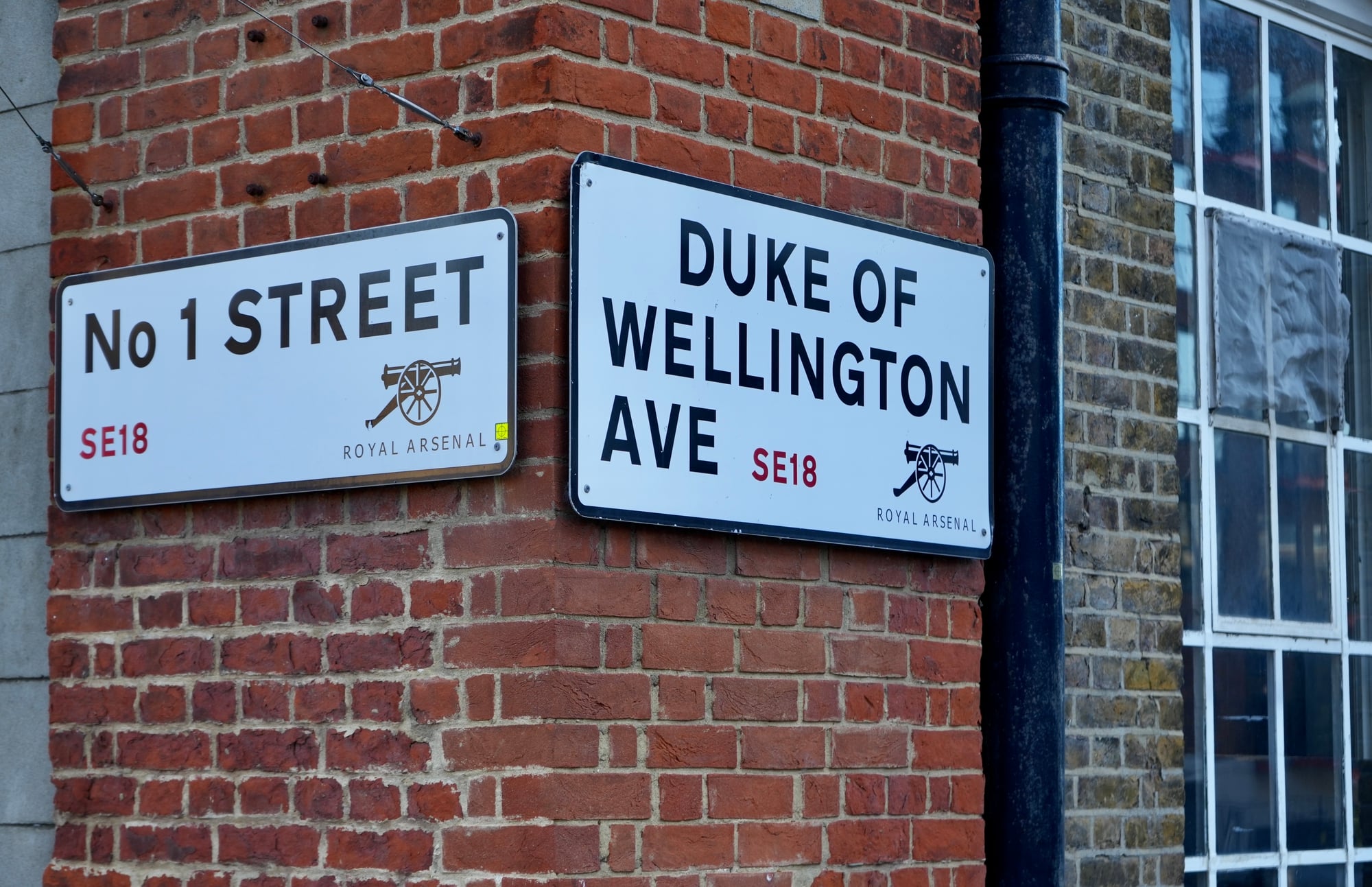
Kempton Bunton wanted free television licenses for senior citizens. So he stole Goya’s portrait of the Duke of Wellington from London’s National Gallery in 1961 and held it for ransom until the government agreed to his demands.
This wasn’t about money or art appreciation.
This was about social justice with a side of grand larceny.
Bunton, a retired bus driver, saw the government spend £140,000 on a painting while pensioners couldn’t afford TV licenses.
His solution: steal the painting and negotiate.
The painting came back after four years.
The TV license issue remained unresolved.
Montreal Museum Theft
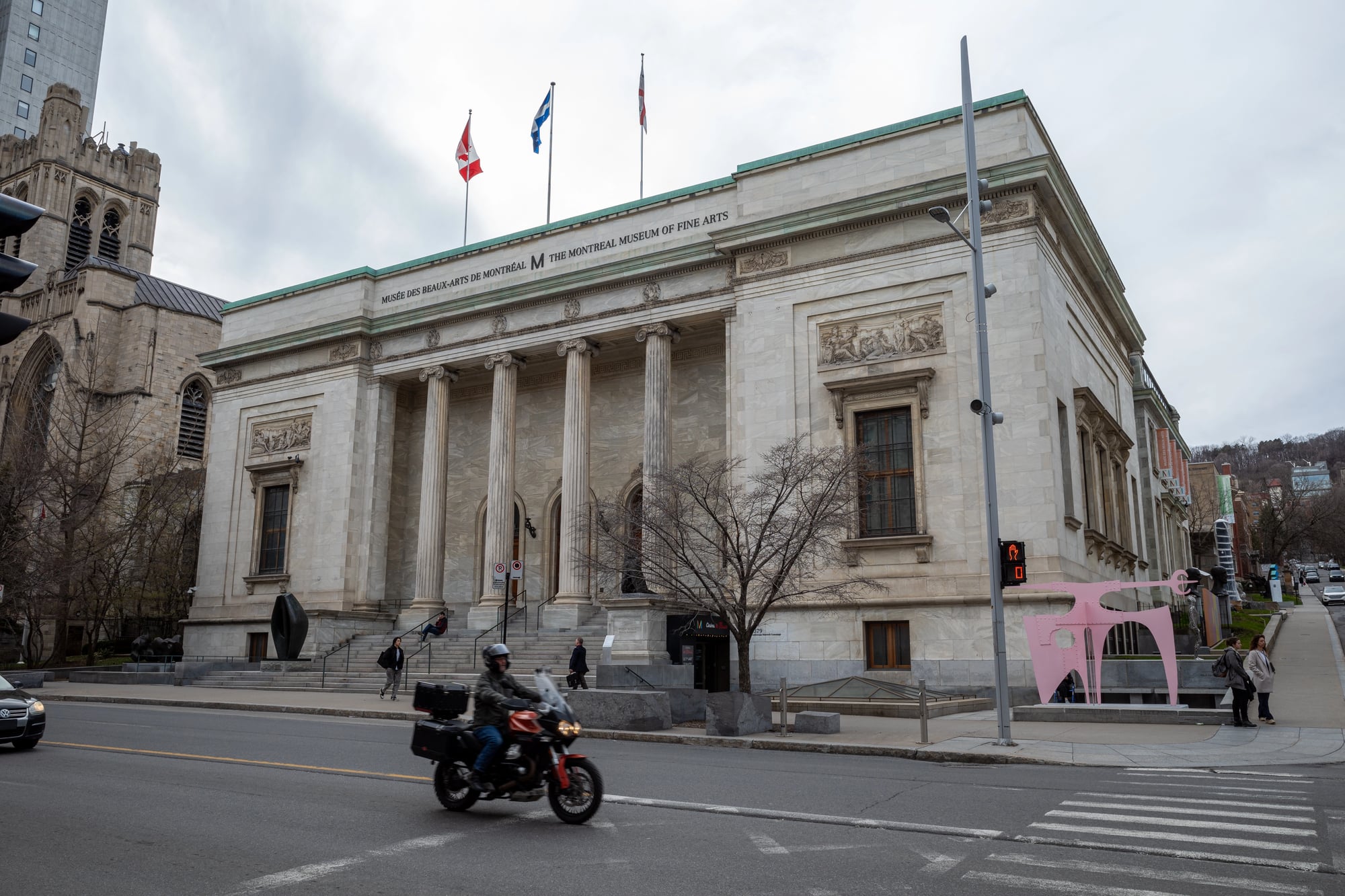
The thieves who hit Montreal’s Museum of Fine Arts in 1972 brought a systematic approach to their crime that bordered on professional art curation (in the sense that they seemed to understand not just which pieces were most valuable, but which ones would be most feasible to transport and, eventually, to move through whatever underground networks exist for this sort of contraband). They took 18 paintings and 39 other objects during a Labor Day weekend when the city was quiet and the museum was closed, working through the collection with the kind of methodical precision that suggested either extensive advance planning or an unusually thorough understanding of the art market’s more shadowy corners.
None of the stolen works ever resurfaced, which is both impressive and frustrating from an investigative standpoint, because it means the thieves either had buyers lined up in advance or access to storage facilities secure enough to keep millions of dollars worth of stolen art hidden for five decades running.
The silence surrounding this case feels almost as complete as the theft itself — no credible tips, no deathbed confessions, no accidentally discovered caches.
Just 57 missing objects and a mystery that has outlasted most of the people who were alive when it happened.
But the Montreal police still check leads when they come in, because art doesn’t decompose and stolen paintings don’t forget where they came from.
Picasso’s Pigeon Theft

Someone walked into a Paris gallery in 2007 and walked out with a small Picasso drawing worth $7 million. The whole thing took less than five minutes.
The drawing depicted a pigeon — one of Picasso’s recurring subjects during his later years.
The theft demonstrated something important about art crime: size doesn’t correlate with value, and the most expensive pieces aren’t always the most heavily guarded.
A rolled-up drawing fits in a jacket pocket.
A massive oil painting requires planning, transportation, and storage.
Smart thieves do the math.
The Theft Of Cellini’s Golden Saltcellar

Benvenuto Cellini’s golden saltcellar disappeared from Vienna’s Kunsthistorisches Museum in 2003 (though “disappeared” undersells the brazenness of a theft that involved someone breaking into one of Europe’s most prestigious museums, navigating past multiple security systems, and making off with a 16th-century masterpiece that happens to be the only confirmed surviving work of goldsmithery by one of the Renaissance’s most celebrated artists). The saltcellar — which serves no practical purpose that a $20 set from Target couldn’t handle just as well, but represents the kind of artistic achievement that makes practical considerations seem beside the point — was worth roughly $60 million at the time of its theft.
Robert Mang, the man who eventually got caught for the crime, had buried the saltcellar in a forest north of Vienna, wrapped in plastic like someone’s emergency cash stash, except instead of emergency cash it was a priceless artifact that belonged in a museum.
The whole scheme fell apart when Mang tried to collect ransom money, because it turns out that successfully stealing irreplaceable art objects requires a different skill set than successfully monetizing stolen art objects.
And yet the saltcellar came back undamaged, which suggests that even criminals understand the difference between commodity theft and cultural vandalism.
That’s something, at least.
Chinese Art Museum Heist

Thieves hit Beijing’s Forbidden City in 2011 and made off with modern art pieces worth hundreds of thousands of dollars. This wasn’t ancient Chinese artifacts — it was contemporary work on loan for a temporary exhibition.
The theft exposed security gaps in one of the world’s most important cultural sites.
The Forbidden City houses treasures that span centuries of Chinese imperial history, yet modern thieves managed to breach its defenses during operating hours.
The stolen pieces were eventually recovered, but the embarrassment lingered.
Norwegian Medieval Art Theft

The theft of medieval religious art from Norwegian churches represents a pattern rather than a single crime. These aren’t museum heists with laser grids and pressure-sensitive floors — these are break-ins at rural churches where 800-year-old wooden sculptures sit in unlocked buildings, protected mainly by the assumption that most criminals don’t cruise the countryside looking for Gothic altarpieces to steal.
The thieves who specialize in this particular niche understand something that escapes most people: medieval Norwegian church art has a devoted international collector base, and pieces that might look like dusty relics to casual observers can bring serious money from buyers who appreciate Romanesque craftsmanship.
But tracking down stolen church art means investigating crimes that often go unnoticed for weeks, in communities where strangers are remembered and security cameras are rare.
The Great Train Art Heist
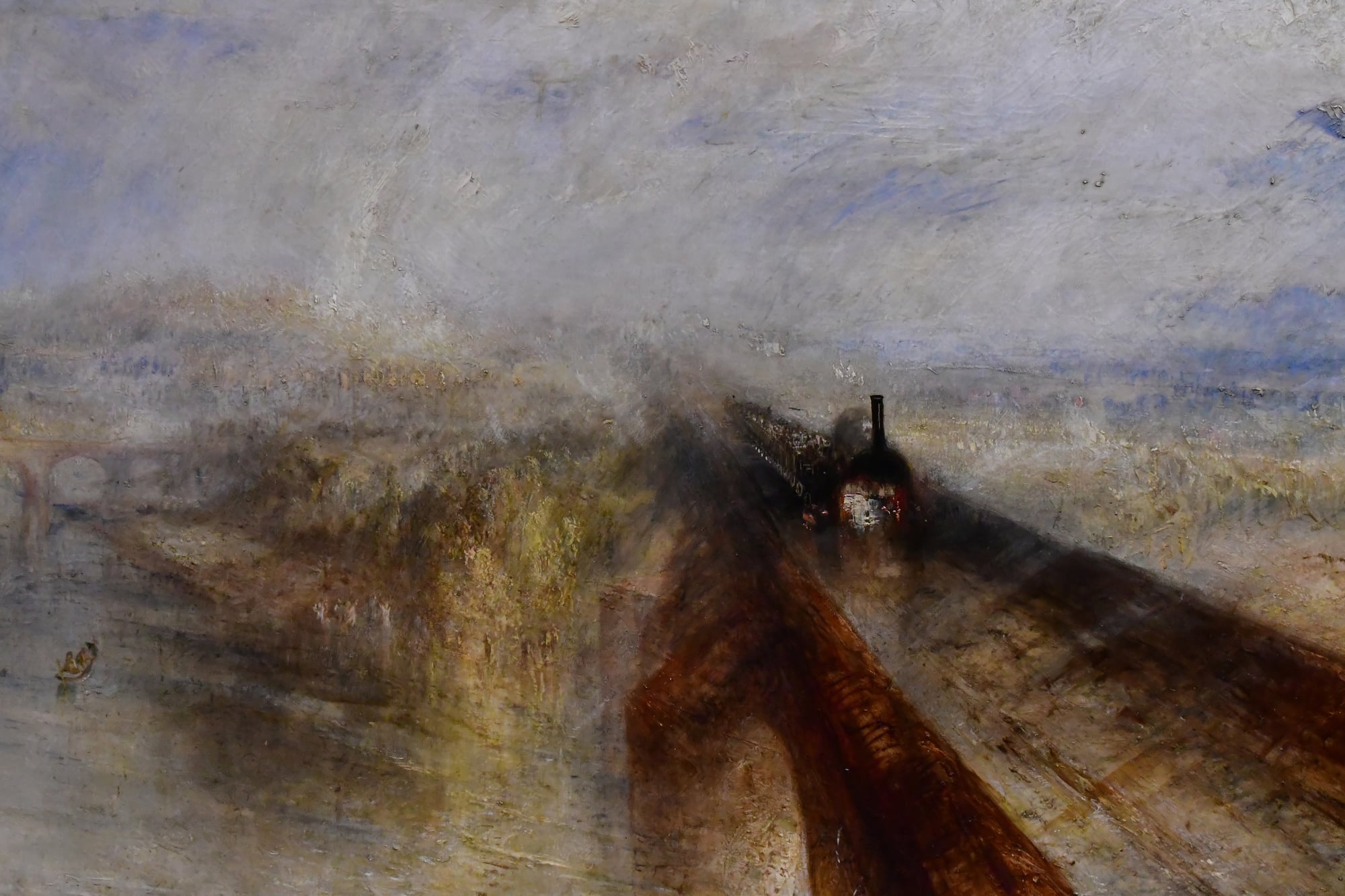
This wasn’t technically a train robbery, but it should have been. In 2008, thieves intercepted a truck carrying four paintings worth $163 million from Zurich to the Langmatt Museum.
They knew the route, the timing, and exactly what was in the truck.
The heist demonstrated that art theft has evolved beyond museum break-ins.
Why crack safes and disable alarms when you can hijack the delivery truck?
The paintings — including works by Cézanne and Monet — vanished along with the thieves.
Neither has been seen since.
The Stockholm Gallery Grab

Masked gunmen walked into a Stockholm gallery in 2000, grabbed two Renoirs, and escaped by speedboat. The whole operation took eight minutes from start to finish.
The paintings were worth $30 million.
The boat was found abandoned an hour later.
The thieves disappeared into the Swedish archipelago — thousands of islands and inlets where someone could hide for months without being found.
The Renoirs never resurfaced, which means they’re either hanging in some private collector’s secret room or sitting in a storage unit somewhere, waiting for the heat to die down.
When Time Becomes The Perfect Accomplice

These cases share more than unsolved endings and missing masterpieces. They reveal how criminal investigations change when the evidence grows older instead of clearer, when witnesses move away or pass on, when the original investigators retire and their institutional knowledge goes with them.
Art doesn’t age the way other stolen goods do.
A stolen car becomes worthless.
A stolen painting becomes priceless.
So the crimes persist, suspended in time like the brushstrokes they spirited away, waiting for the right tip or the wrong move to finally close cases that have outlasted the people who opened them.
More from Go2Tutors!

- The Romanov Crown Jewels and Their Tragic Fate
- 13 Historical Mysteries That Science Still Can’t Solve
- Famous Hoaxes That Fooled the World for Years
- 15 Child Stars with Tragic Adult Lives
- 16 Famous Jewelry Pieces in History
Like Go2Tutors’s content? Follow us on MSN.