15 Weird Origins of Everyday Superstitions
Millions of people knock on wood, avoid black cats, and refuse to walk under ladders without knowing why. These seemingly random behaviors have deep historical roots that stretch back centuries, often emerging from genuine fears, practical concerns, or bizarre misunderstandings about how the world works. What started as survival strategies or religious rituals evolved into the quirky habits that persist today.
Here’s a list of 15 everyday superstitions and their surprisingly weird origins that reveal just how strange human logic can be.
Knocking on Wood

This superstition comes from ancient pagan beliefs about tree spirits. Celtic and Germanic tribes thought powerful spirits lived inside trees and could grant protection or bring misfortune.
People would literally knock on trees to wake up the spirits and ask for good luck. The practice continued even after Christianity spread across Europe. Modern tables and doors became acceptable substitutes when actual trees weren’t available.
Breaking a Mirror Brings Seven Years Bad Luck

Ancient Romans believed mirrors could capture pieces of the soul. Breaking one meant damaging your spiritual essence, which would take seven years to fully regenerate.
The seven-year timeline came from Roman ideas about body renewal cycles. They thought human bodies completely refreshed themselves every seven years. Expensive mirrors also meant this superstition had practical value – people were more careful with costly glass.
Black Cats Are Unlucky

Medieval Europeans associated black cats with witchcraft during the infamous witch trials. Pope Gregory IX even declared black cats were instruments of Satan in 1233.
Ironically, ancient Egyptians considered black cats sacred and lucky. The superstition completely reversed when Christianity spread. Some cultures still view black cats as fortunate, making this belief geographically inconsistent.
Walking Under Ladders

Early Christians saw ladders leaning against walls as forming triangles, which represented the Holy Trinity. Walking through a triangle was considered blasphemous and disrespectful to God.
Practical concerns also played a role. Construction workers often dropped tools from ladders, making it genuinely dangerous to walk underneath. The superstition had real safety benefits disguised as religious belief.
Spilling Salt

Salt was incredibly valuable in ancient times, sometimes worth more than gold. Spilling it represented serious financial loss and waste of precious resources.
The Romans paid soldiers with salt rations, giving us the phrase “worth his salt.” Leonardo da Vinci’s “The Last Supper” shows Judas knocking over salt, linking the spill to betrayal. Throwing salt over your shoulder was meant to blind the devil.
Friday the 13th

This combines two separate superstitions that merged over time. Friday was considered unlucky because Jesus was crucified on a Friday, and thirteen people attended the Last Supper.
Norse mythology also contributed. Loki, the trickster god, was the thirteenth guest at a dinner party where he caused the death of Baldur, the god of light. The superstition gained strength when the Knights Templar were arrested on Friday the 13th in 1307.
Opening an Umbrella Indoors
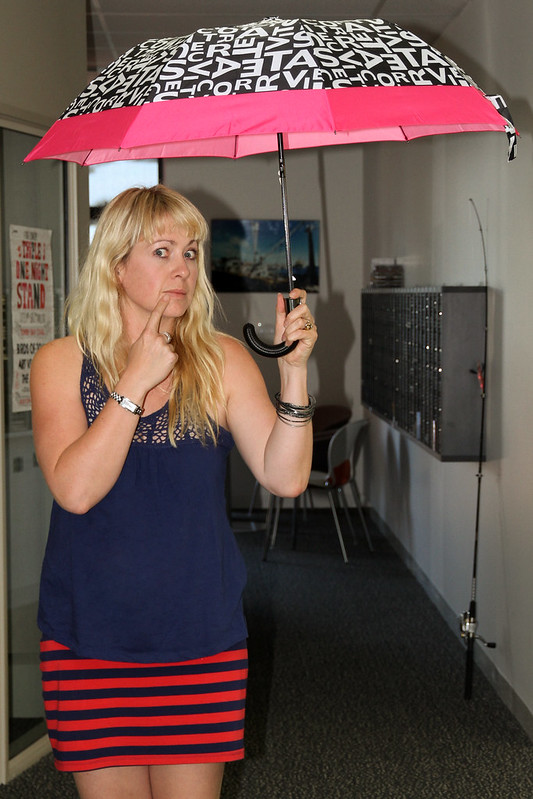
Ancient Egyptians used umbrellas as protection from the sun god Ra. Opening one indoors was considered insulting to the deity, suggesting his power wasn’t wanted inside homes.
Victorian England added practical concerns. Early umbrellas had stiff springs and metal spokes that could seriously injure someone in tight indoor spaces. The superstition prevented actual accidents.
Crossing Your Fingers

Early Christians made the sign of the cross by placing one finger over another when asking for divine protection. This evolved into the crossed fingers gesture we know today.
Before Christianity, pagans believed the intersection point where fingers crossed could trap good spirits and make wishes more likely to come true. Different technique, same hoped-for result.
Throwing Coins in Fountains

Ancient Europeans believed water sources were sacred and inhabited by gods or spirits. Tossing valuable items into water was a way to pay for safe passage or divine favors.
Roman soldiers threw coins into water before crossing rivers during military campaigns. The practice spread throughout the empire and eventually became associated with making wishes instead of ensuring survival.
Saying “Bless You” After Sneezing

Pope Gregory the Great ordered people to say “God bless you” during a plague outbreak in 590 AD. Sneezing was an early symptom of the disease, so the blessing was essentially a last rite.
Ancient Greeks and Romans thought sneezing expelled evil spirits from the body. Saying “bless you” prevented the spirits from returning. Some cultures believed sneezing could push the soul out of the body temporarily.
Avoiding Cracks in Sidewalks
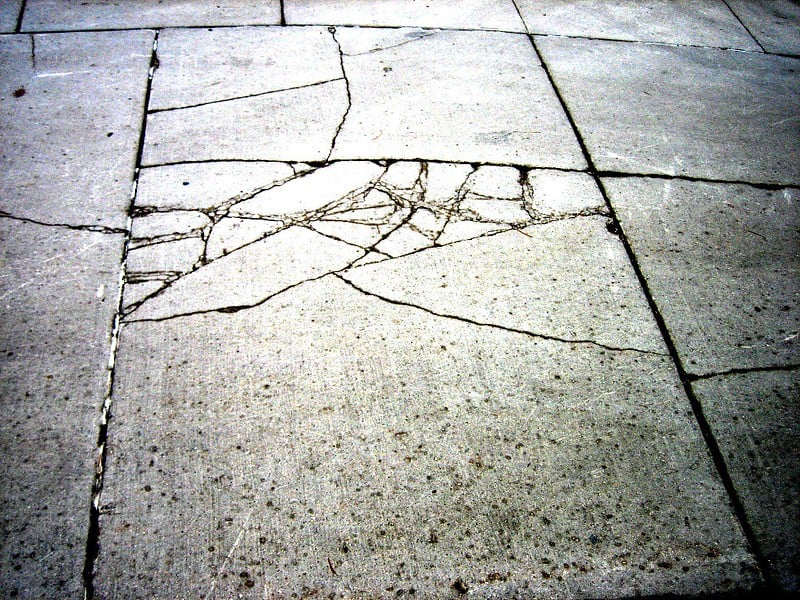
This superstition likely started as a children’s game but gained traction during the Victorian era when people were obsessed with family honor and reputation.
“Step on a crack, break your mother’s back” connected minor actions to major consequences. The rhyme made it memorable for children, who then carried the belief into adulthood. Pure nonsense that stuck around.
Horseshoes for Good Luck
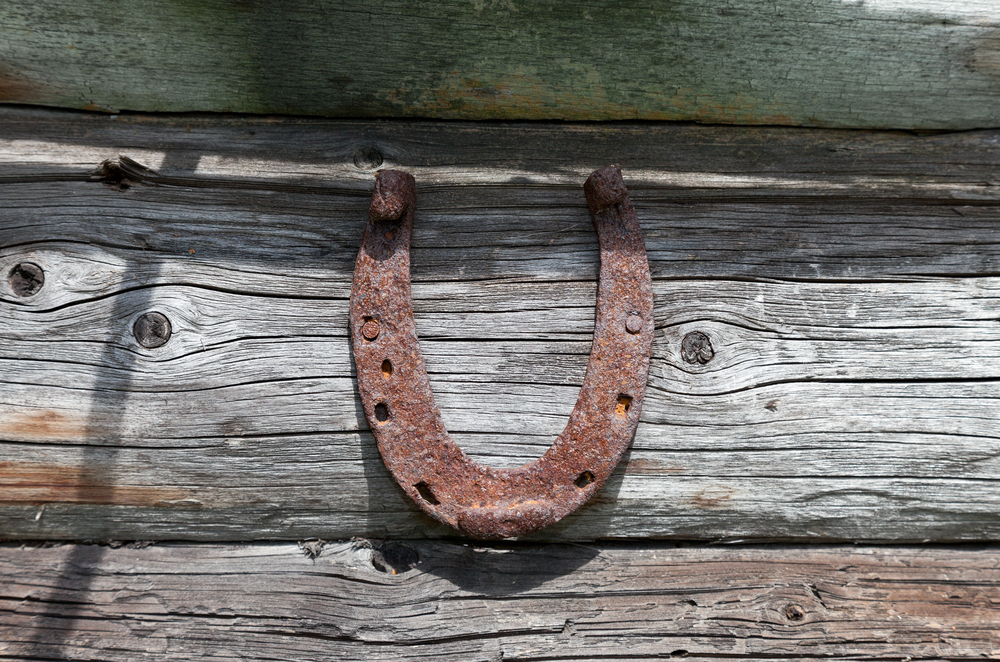
Iron was believed to repel evil spirits and fairies in Celtic folklore. Horseshoes combined the protective power of iron with the lucky symbol of the crescent moon shape.
The number of nail openings (usually seven) added another layer of protection. Hanging horseshoes above doorways created a barrier against supernatural threats. The open end had to point upward to catch good luck.
Beginner’s Luck

DepositPhotos
This superstition has psychological roots rather than supernatural ones. Beginners often perform better because they lack fear and overthinking that plague experienced players.
Ancient Greeks attributed unexpected success to divine favor toward the innocent and pure-hearted. New players hadn’t accumulated spiritual debt through previous failures. Complete misconception about probability and skill.
Pinching for Good Luck

Celtic druids believed certain colors, especially green, contained magical properties that could ward off evil. Wearing green provided protection from malevolent spirits and bad fortune.
St. Patrick’s Day traditions reinforced this belief when green became associated with Irish luck and leprechauns. Pinching people without green was a way to remind them of their vulnerability to supernatural attack.
Finding Pennies
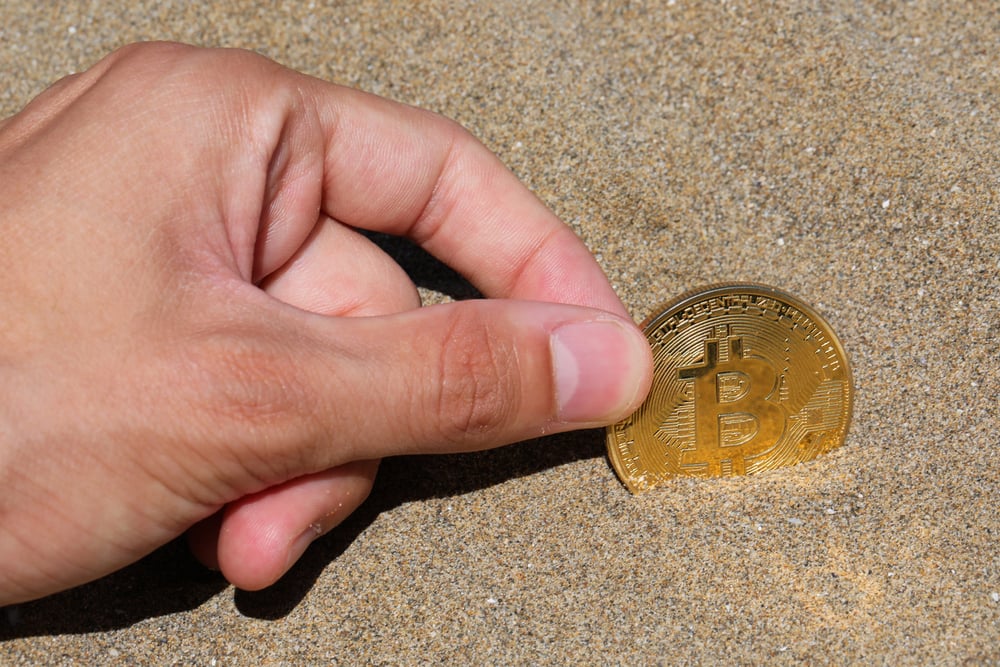
“Find a penny, pick it up, all day long you’ll have good luck” dates back to ancient beliefs about metal’s protective properties. Copper and bronze were thought to have spiritual significance.
The superstition gained popularity during the Great Depression when every penny actually mattered financially. Finding money, even small amounts, represented genuine good fortune during hard times. Economic necessity became folklore.
When Logic Gets Lost in Translation
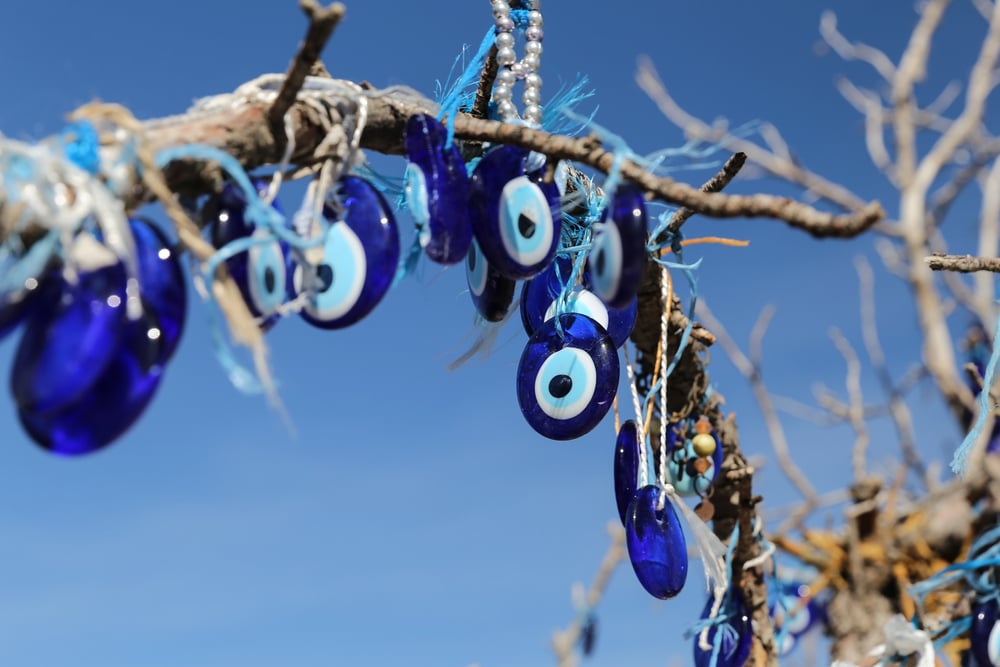
These superstitions reveal how practical concerns, religious beliefs, and ancient fears transformed into the seemingly random rituals that millions still follow today, proving that human behavior often outlasts human memory of why we behave that way.
More from Go2Tutors!

- 16 Historical Figures Who Were Nothing Like You Think
- 12 Things Sold in the 80s That Are Now Illegal
- 15 VHS Tapes That Could Be Worth Thousands
- 17 Historical “What Ifs” That Would Have Changed Everything
- 18 TV Shows That Vanished Without a Finale
Like Go2Tutors’s content? Follow us on MSN.


