15 Iconic Novels from Global Cultures
Literature has always been humanity’s way of sharing stories that transcend borders, languages, and time itself. Every culture has produced novels that capture the essence of their people, their struggles, and their dreams in ways that resonate far beyond their origins. These books don’t just tell stories—they open windows into entire worlds, letting us walk in someone else’s shoes and see life through completely different eyes.
From the magical realism of Latin America to the philosophical depths of Russian literature, from the post-colonial voices of Africa to the ancient wisdom woven into Asian narratives, these novels have earned their place as cultural treasures. Here is a list of 15 iconic novels from global cultures that have shaped literature and continue to captivate readers worldwide.
Don Quixote

Miguel de Cervantes created what many consider the first modern novel with this Spanish masterpiece from 1615. The story of a man who reads so many chivalric romances that he loses his grip on reality and decides to become a knight himself is both hilarious and heartbreaking. Accompanied by his loyal squire Sancho Panza, Don Quixote tilts at windmills he believes are giants and defends the honor of a peasant girl he imagines as a noble lady. This isn’t just a satire of popular literature—it’s a profound meditation on the nature of reality, dreams, and the human spirit’s refusal to surrender to a mundane world.
Things Fall Apart

Chinua Achebe’s 1958 novel revolutionized how the world understood African literature and colonial history. Set in late 19th-century Nigeria, it follows Okonkwo, a respected Igbo warrior whose traditional world crumbles with the arrival of European missionaries. Rather than presenting Africans as the ‘other’ in colonial narratives, Achebe showed a complex, sophisticated society with its own values, conflicts, and humanity. The novel’s title, taken from W.B. Yeats’ poem, perfectly captures how colonialism didn’t just change Africa—it shattered entire ways of life that had existed for centuries.
One Hundred Years of Solitude

Gabriel García Márquez’s 1967 masterpiece put Latin American literature on the global map and helped define magical realism as a literary movement. The novel traces seven generations of the Buendía family in the fictional town of Macondo, where the extraordinary mingles with the everyday as naturally as rain falls. Characters live for over a century, others ascend to heaven while doing laundry, and the town itself becomes a character that reflects the tumultuous history of Latin America. It’s a novel where myth and reality dance together, creating a story that feels both fantastical and deeply true to the Latin American experience.
The Tale of Genji
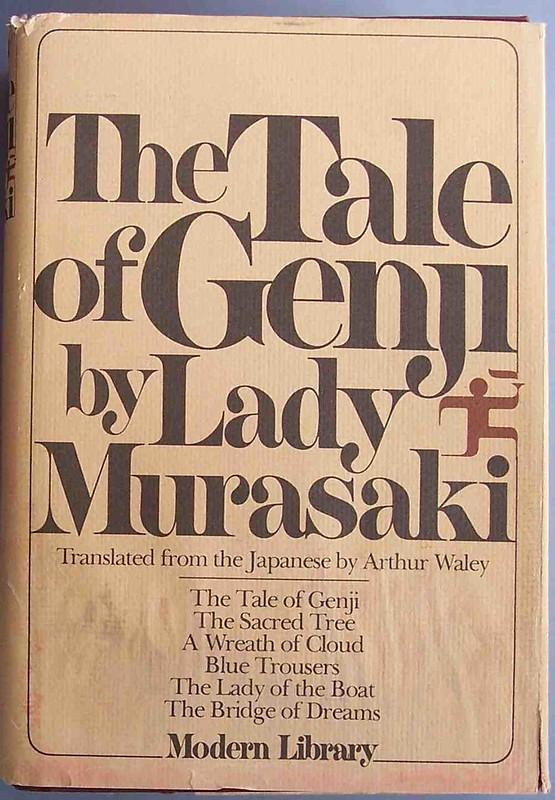
Written by Murasaki Shikibu around 1000 CE, this Japanese novel is often considered the world’s first psychological novel. Set in the imperial court of Heian-era Japan, it follows Prince Genji through his romantic adventures and political intrigues. What makes this ancient work remarkable is its sophisticated exploration of human emotions, its detailed portrayal of court life, and its meditation on the fleeting nature of beauty and love. The novel captures the aesthetic philosophy of mono not aware—the bittersweet awareness of the impermanence of all things—that remains central to Japanese culture today.
War and Peace
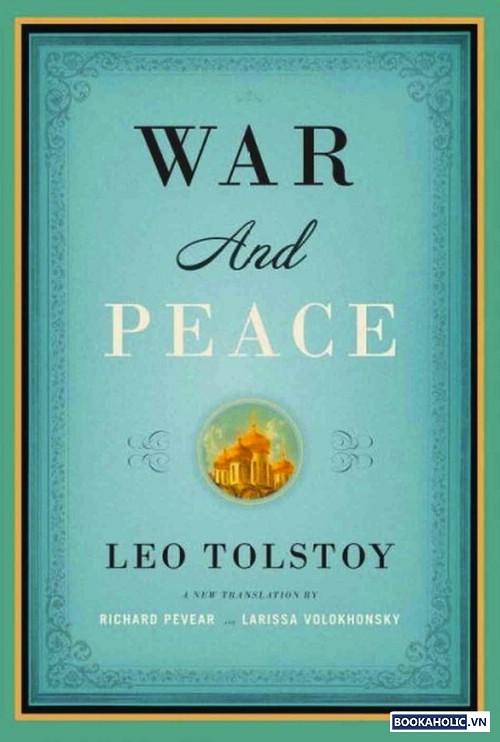
Leo Tolstoy’s epic from 1869 doesn’t just tell the story of five Russian families during the Napoleonic Wars—it attempts nothing less than capturing the entire human experience. Through characters like Natasha Rostova, Pierre Bezukhov, and Prince Andrei, Tolstoy explores love, war, faith, society, and the meaning of history itself. The novel shifts seamlessly between intimate personal moments and sweeping battle scenes, between philosophical discussions and orbs in St. Petersburg. It’s a book that contains multitudes, reflecting Tolstoy’s belief that life itself is too vast and complex to be captured by simple narratives.
Midnight’s Children
Salman Rushdie’s 1981 novel uses magical realism to tell the story of modern India through Saleem Sinai, born at the exact moment of India’s independence. Saleem discovers he’s telepathically connected to other children born in that historic hour, each possessing unique abilities. As Saleem’s life unfolds, it mirrors India’s tumultuous journey through partition, wars, and political upheavals. Rushdie created a narrative technique that perfectly captures the chaos, diversity, and contradictions of post-colonial India, blending history with fantasy in ways that make both more vivid and meaningful.
The Brothers Karamazov

Fyodor Dostoevsky’s final novel, published in 1880, wrestles with the biggest questions humans face: Does God exist? Can people be good without faith? How do we live with suffering? Through the story of four brothers—intellectual Ivan, sensualist Dmitri, spiritual Alyosha, and illegitimate Smerdyakov—and their despicable father’s murder, Dostoevsky creates a philosophical thriller that reads like a crime novel. Each brother represents a different response to the existential crisis of modern life, making this Russian masterpiece as relevant today as it was in the 19th century.
Beloved
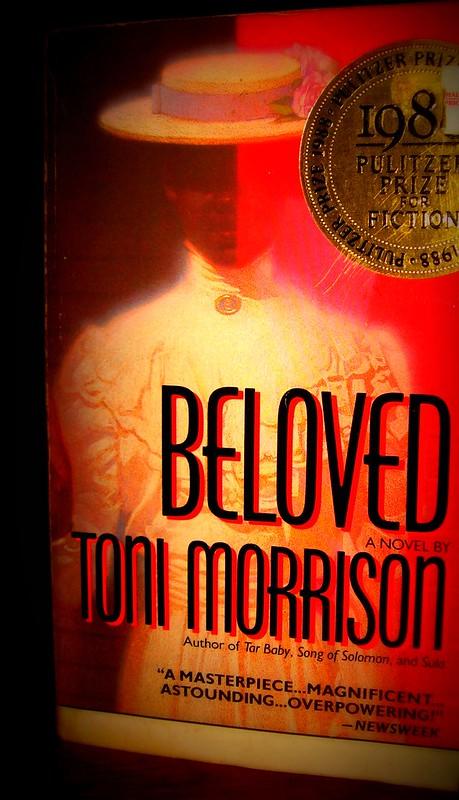
Toni Morrison’s 1987 novel confronts the trauma of slavery through the story of Sethe, a former slave haunted by the ghost of the baby daughter she killed to save her from slavery. Set in post-Civil War Ohio, the novel doesn’t just recount historical events—it makes readers feel the psychological weight of slavery’s legacy. Morrison’s prose is both beautiful and brutal, creating a narrative that honors the memory of those who suffered while exploring how trauma echoes through generations. It’s a uniquely American story that speaks to universal themes of memory, guilt, and redemption.
One Day in the Life of Ivan Denisovich

Alexander Solzhenitsyn’s 1962 novella exposed the brutal reality of Soviet labor camps through the deceptively simple story of one prisoner’s ordinary day. Ivan Denisovich Shukhov wakes up in the gulag, goes through his daily routine of survival, and goes to sleep—but through this single day, Solzhenitsyn reveals the entire system of oppression that defined Stalin’s Soviet Union. The novel’s power lies in its restraint; by focusing on small details and everyday struggles, it makes the magnitude of Soviet persecution tangible and human rather than abstract and political.
Snow Country

Yasunari Kawabata’s 1948 novel captures the essence of Japanese aesthetics through the story of a Tokyo businessman’s affair with a geisha in a remote hot spring town. The novel is less about plot than about atmosphere, emotion, and the kind of precise observation that makes ordinary moments luminous. Kawabata’s prose has the quality of traditional Japanese poetry, finding profound meaning in simple gestures and fleeting impressions. It’s a novel that embodies the Japanese concept of wabi-sabi—finding beauty in imperfection and impermanence.
The God of Small Things
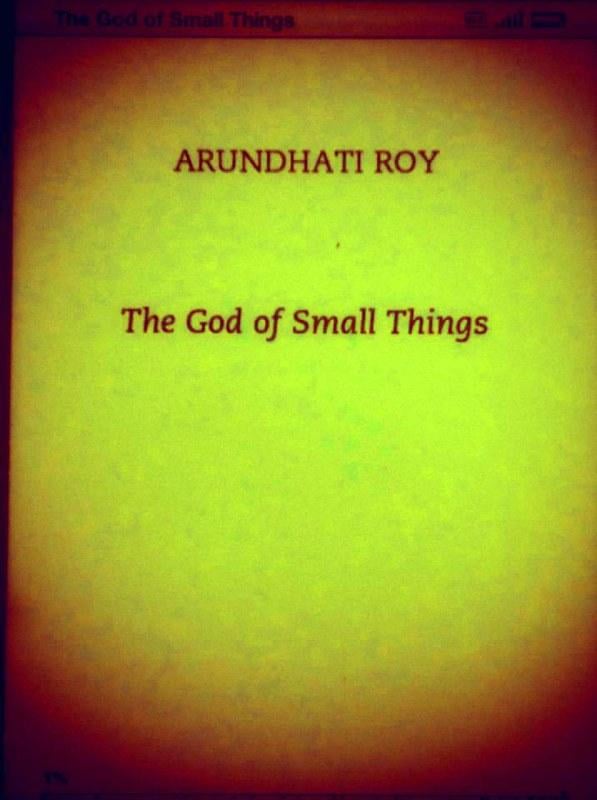
Arundhati Roy’s 1997 debut novel tells the story of fraternal twins in Kerala, India, whose lives are shattered by a family tragedy. Roy weaves together themes of caste, forbidden love, environmental destruction, and childhood trauma in prose that’s both lush and precise. The novel captures the complexity of modern India, where ancient traditions clash with contemporary realities, where beauty and horror exist side by side. Roy’s unique voice—mixing English with Malayalam phrases and creating her own poetic language—makes the familiar strange and the strange familiar.
Season of Migration to the North

Tayeb Salih’s 1966 novel is often called the most important Arabic novel of the 20th century. It tells the story of a Sudanese narrator who returns home from studying in London and meets a mysterious man with a similar background. Through their intertwined stories, Salih explores the psychological legacy of colonialism, the clash between tradition and modernity, and the complex relationship between East and West. The novel turns the colonial narrative inside out, showing how the colonized can become the colonizer, and how cultural encounters leave everyone changed.
Like Water for Chocolate

Laura Esquivel’s 1989 novel uses magical realism to tell the story of Tita, a young Mexican woman whose emotions infuse the food she cooks with supernatural powers. Forbidden to marry because she must care for her mother, Tita pours her feelings into her cooking, creating dishes that make people weep, fall in love, or remember forgotten memories. The novel celebrates Mexican culture through its focus on food, family traditions, and the revolutionary period, while using magical elements to explore how women’s domestic labor can be a form of art and resistance.
Purple Hibiscus

Chimamanda Ngozi Adichie’s 2003 debut novel tells the coming-of-age story of Kambili, a 15-year-old Nigerian girl living under her religious fundamentalist father’s oppressive rule. Through Kambili’s awakening to a world beyond her father’s rigid control, Adichie explores themes of family, faith, political corruption, and personal freedom in contemporary Nigeria. The novel’s title refers to rare purple hibiscus flowers that represent the possibility of something beautiful and different flourishing in unexpected circumstances—a perfect metaphor for both Kambili’s growth and Nigeria’s potential.
The Kite Runner
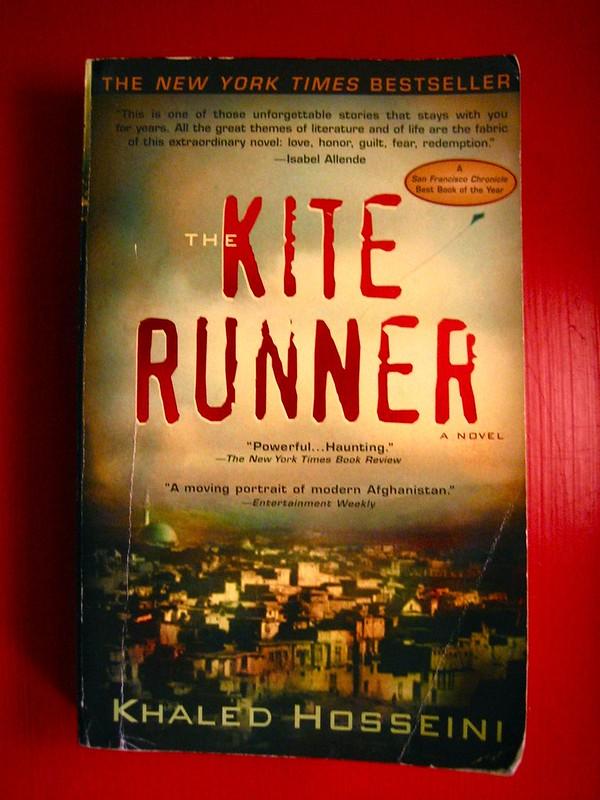
Khaled Hosseini’s 2003 novel introduced many Western readers to Afghanistan through the story of Amir, a privileged boy from Kabul whose friendship with his servant’s son Hassan is destroyed by Amir’s cowardice and jealousy. Set against the backdrop of Afghanistan’s tumultuous history—from the monarchy through the Soviet invasion to Taliban rule—the novel explores guilt, redemption, and the price of betrayal. Hosseini humanizes a country often reduced to headlines, showing Afghanistan’s rich culture alongside its modern tragedies, and proving that some stories of friendship and forgiveness transcend all borders.
When the Past Meets the Present

These novels remind us that while cultures may seem different on the surface, human experiences of love, loss, hope, and struggle are remarkably universal. Each book serves as both a mirror and a window—reflecting our own experiences while revealing new ways of understanding the world. They’ve survived because they capture something essential about their cultures while speaking to truths that resonate across all boundaries. In our increasingly connected world, these voices from every corner of the globe offer us the gift of perspective, empathy, and the knowledge that great stories belong to everyone, regardless of where they were born.
More from Go2Tutors!

- 16 Historical Figures Who Were Nothing Like You Think
- 12 Things Sold in the 80s That Are Now Illegal
- 15 VHS Tapes That Could Be Worth Thousands
- 17 Historical “What Ifs” That Would Have Changed Everything
- 18 TV Shows That Vanished Without a Finale
Like Go2Tutors’s content? Follow us on MSN.