10 Mascots That Were Retired After Public Backlash
Mascots are amiable representations of companies, sports teams, and organizations; they are vibrant figures created to create an immediate emotional bond and recognition. These visual ambassadors frequently go beyond their marketing roots to become truly beloved characters over many generations of fans and customers.
However, public perceptions change over time, and things that initially appear innocuous or even charming may eventually be seen as problematic. It is rare for a long-standing mascot to be retired without causing controversy.
Here is a list of 10 mascots that still have loyal fan bases despite being eventually discontinued due to public outcry.
Chief Wahoo
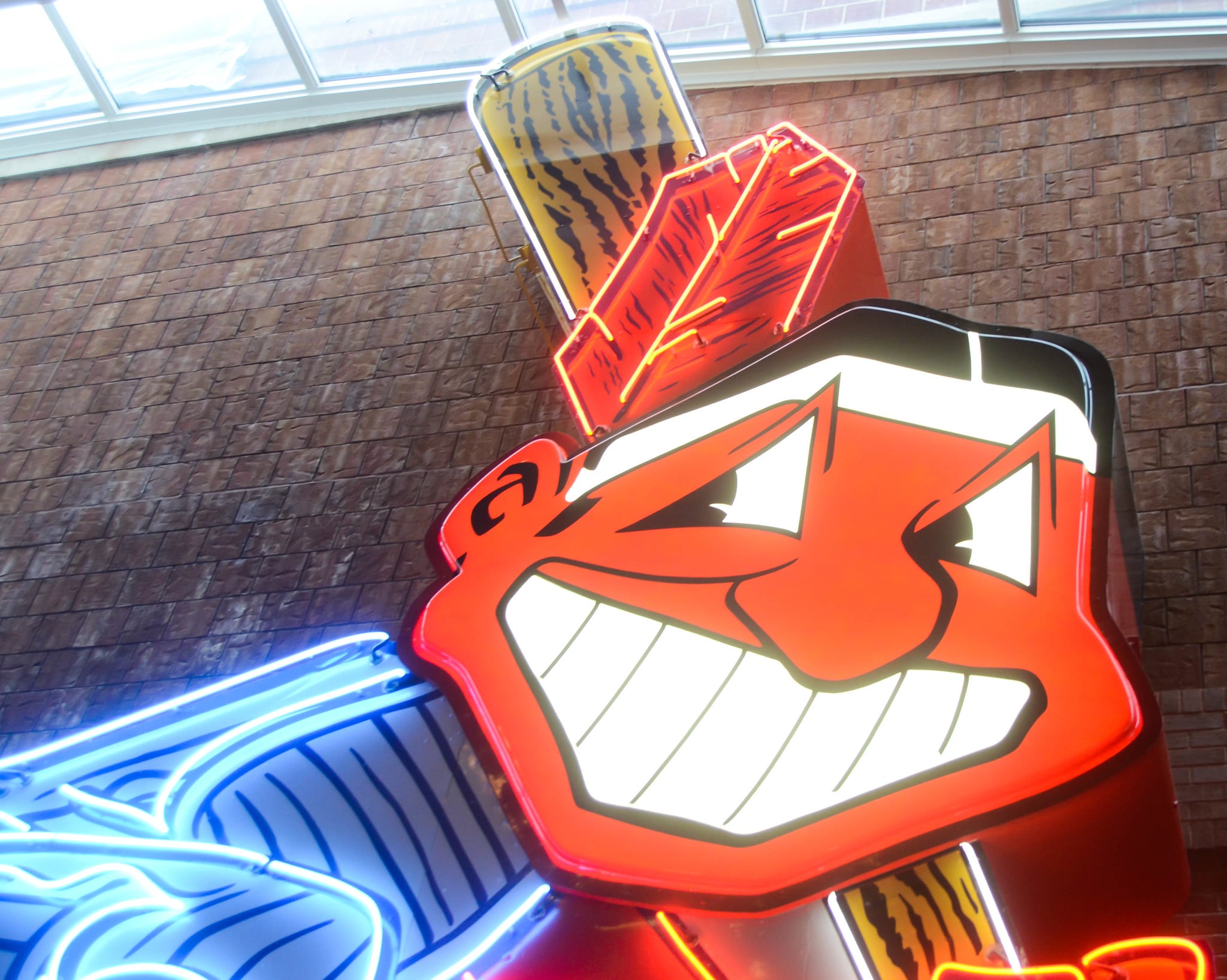
Used by Cleveland’s baseball team for decades, this red-faced caricature became a lightning rod for controversy. Though deeply ingrained in fan tradition, its exaggerated features led to years of protest before being phased out in 2018.
Joe Camel
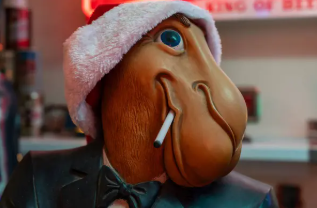
This smooth, shades-wearing camel helped sell cigarettes by becoming a pop culture figure in the late ’80s. Health advocates criticized it for appealing to children, prompting a highly publicized retirement in 1997.
Aunt Jemima
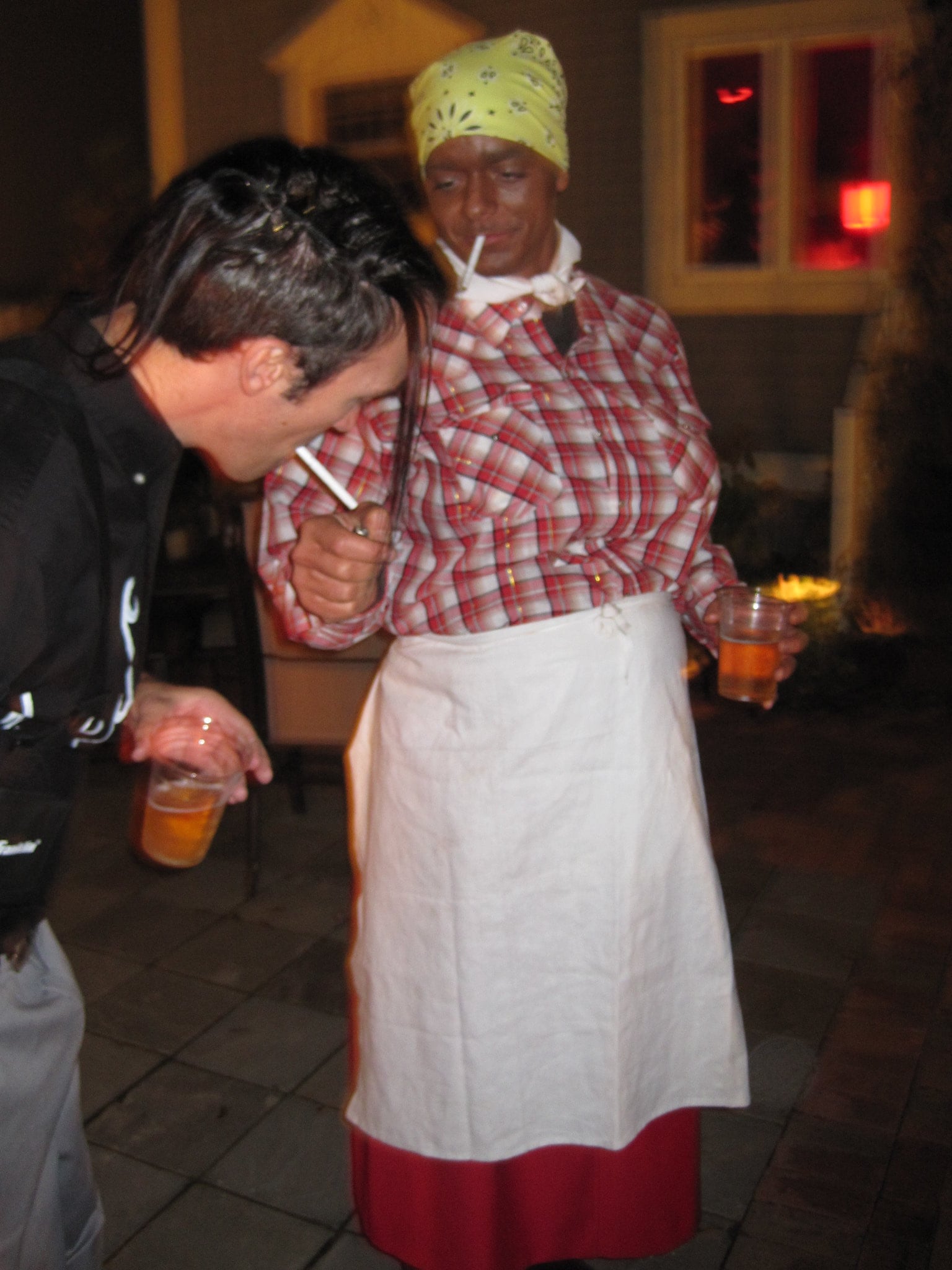
A staple in American kitchens for over a century, this character was rooted in outdated racial imagery. Despite slight modernizations, she was retired in 2020 as brands reckoned with problematic historical branding.
McGruff the Crime Dog
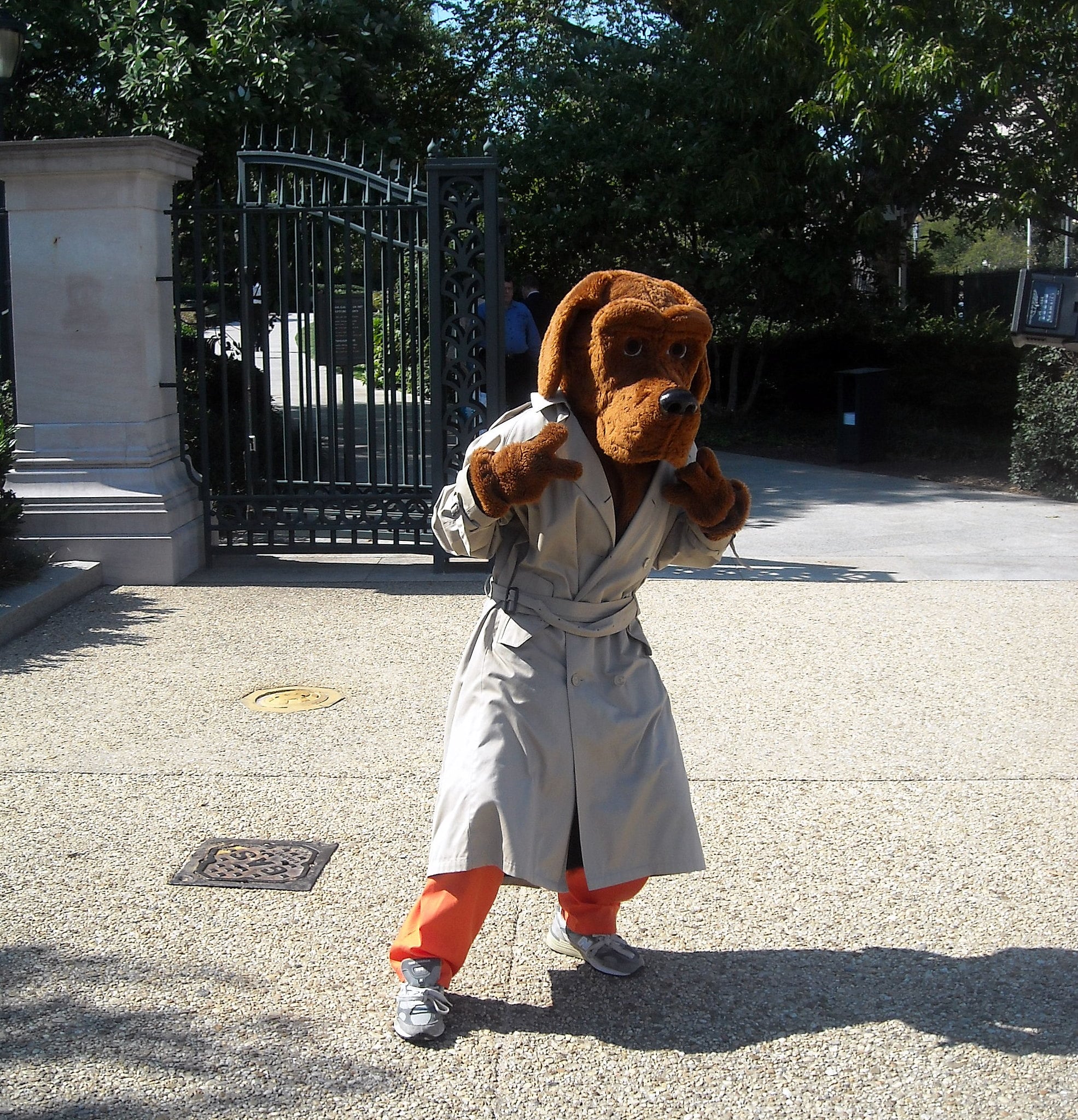
Famous for telling kids to “Take a bite out of crime,” McGruff once dominated public safety campaigns. Though still around, his role has faded amid criticism that he oversimplified social issues and encouraged vigilantism.
Spuds MacKenzie
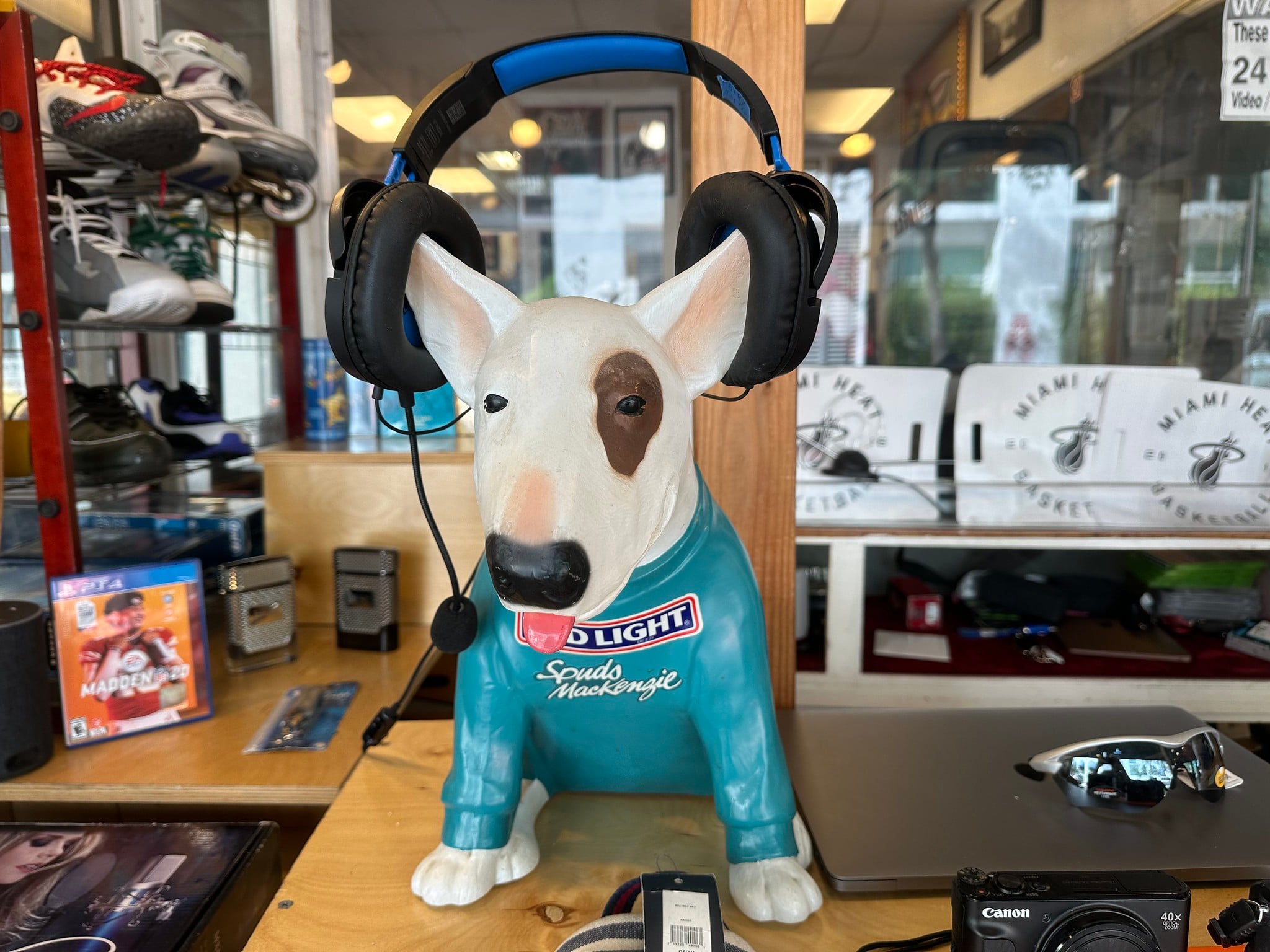
A party-loving dog who became an alcohol ad icon in the late ’80s, Spuds faced backlash for appealing to underage drinkers. Retired after just three years, the bull terrier left a lasting impression and even returned as a ghost in 2017.
Mr. Potato Head
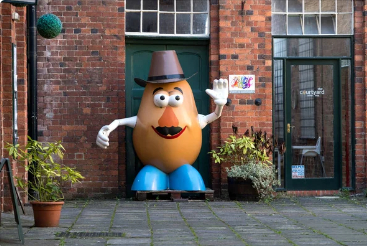
In 2021, Hasbro dropped the “Mr.” from the brand to embrace more inclusive marketing. Though the change caused public debate, the toy itself remains largely unchanged, still delighting kids and sparking cultural commentary.
University Mascots
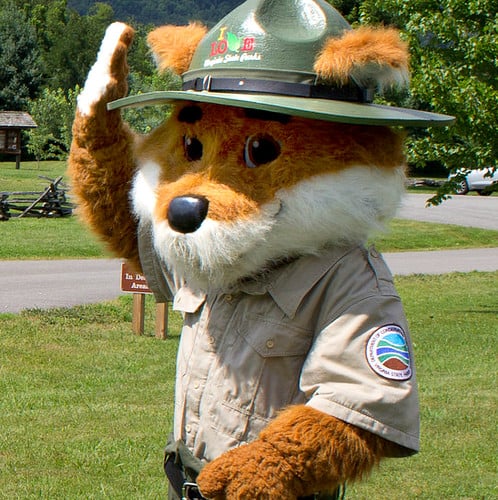
Several universities dropped Native American mascots amid growing cultural sensitivity. While some, like Florida State, kept tribal partnerships, others like Illinois saw tearful farewells for controversial icons like Chief Illiniwek.
Washington Football Team
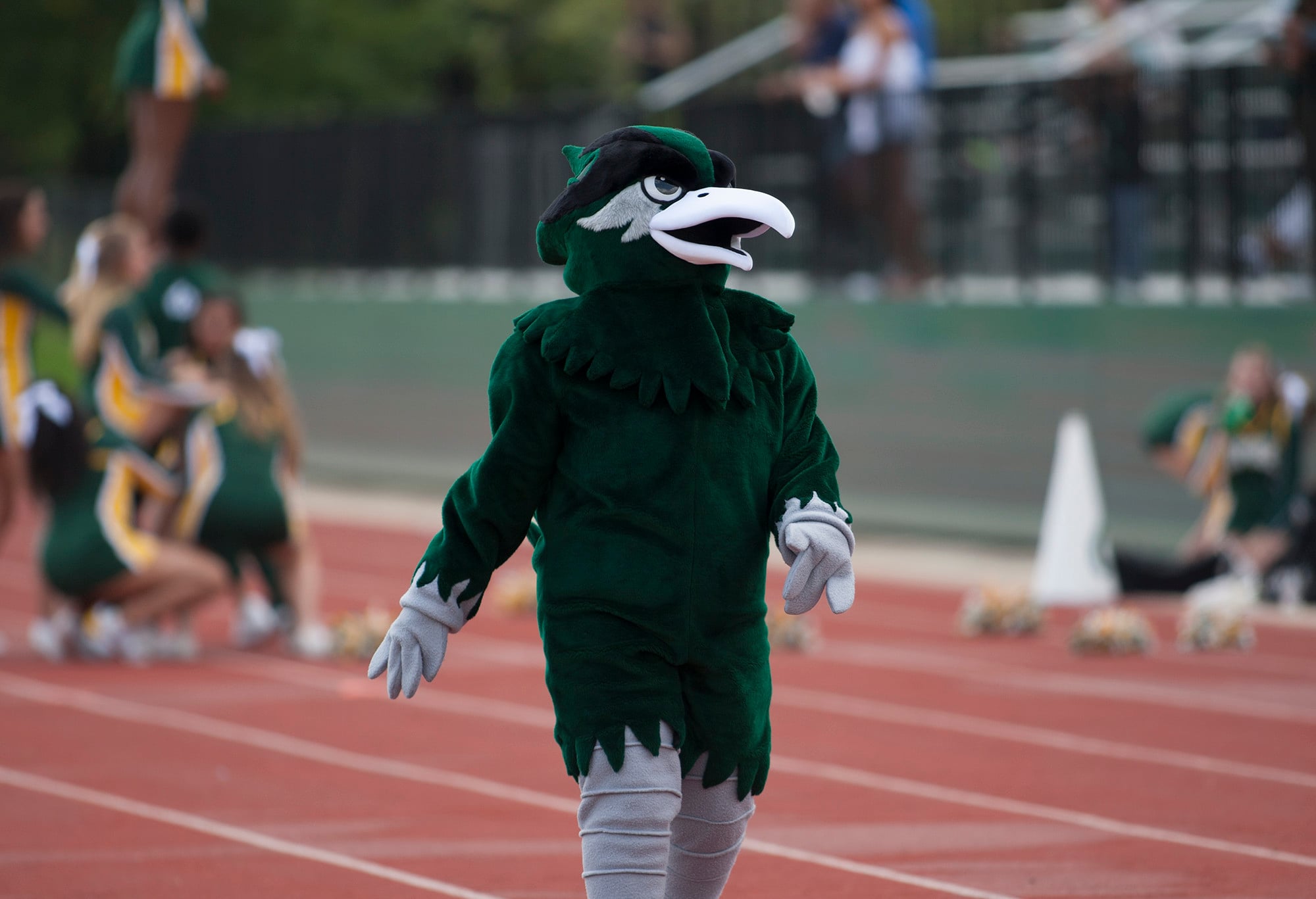
Long under fire for its offensive name and imagery, the NFL team rebranded after sponsor pressure in 2020. Despite becoming the “Commanders” in 2022, many fans still wear old gear—highlighting the tension between legacy and change.
The St. John’s Redmen
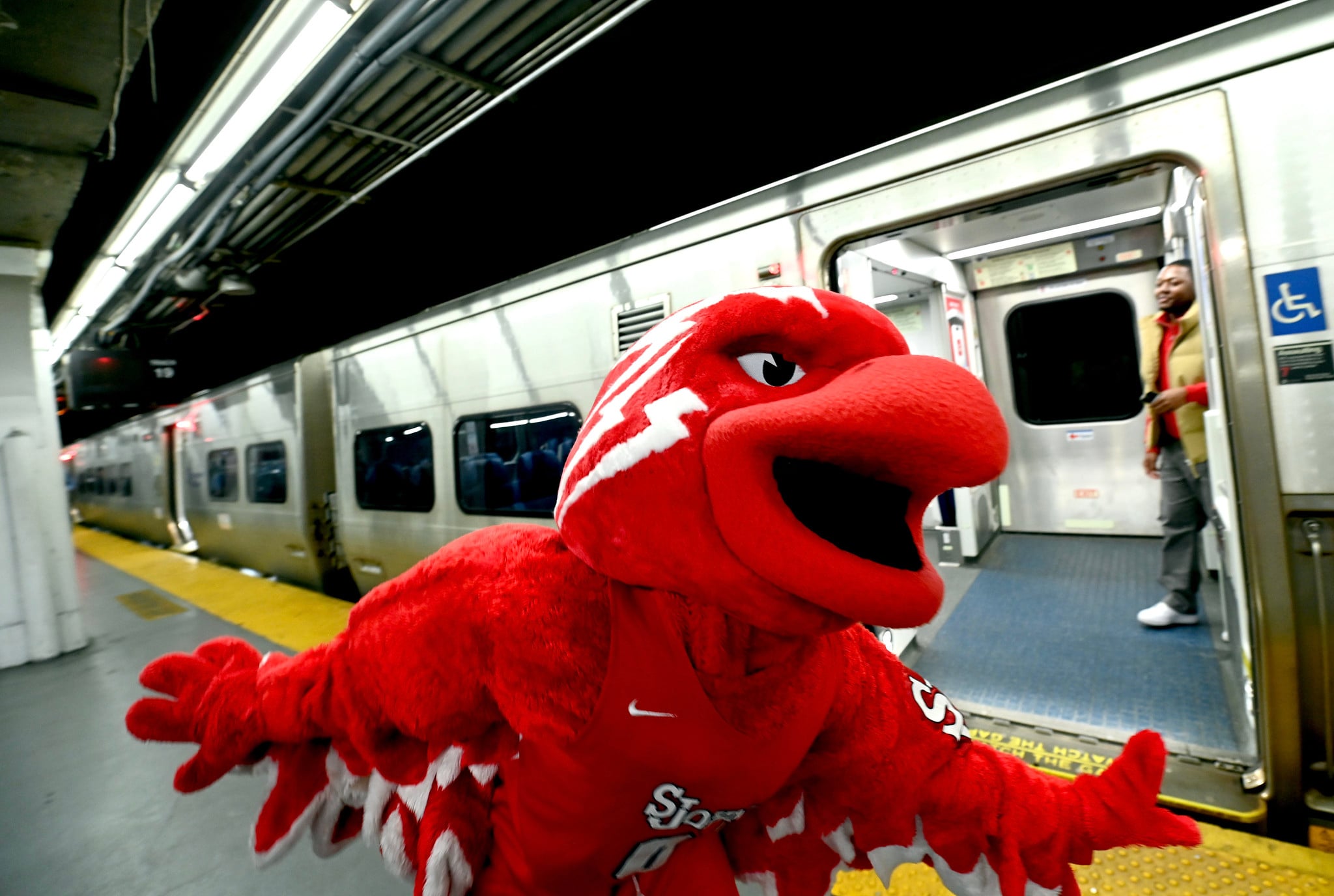
Once tied to Native American imagery, St. John’s rebranded as the Red Storm in 1994. Older alumni still cling to the original identity, with vintage gear frequently spotted at games.
Esso’s Tiger
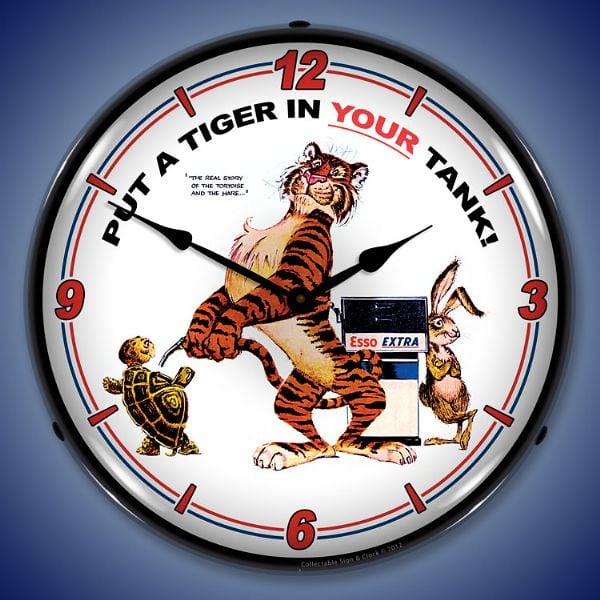
This cheerful tiger once urged drivers to “Put a tiger in your tank!” in cartoon-filled gas station ads. Environmental and safety concerns, especially involving tiger tail giveaways, led to the mascot’s gradual disappearance.
A Changing Visual Landscape
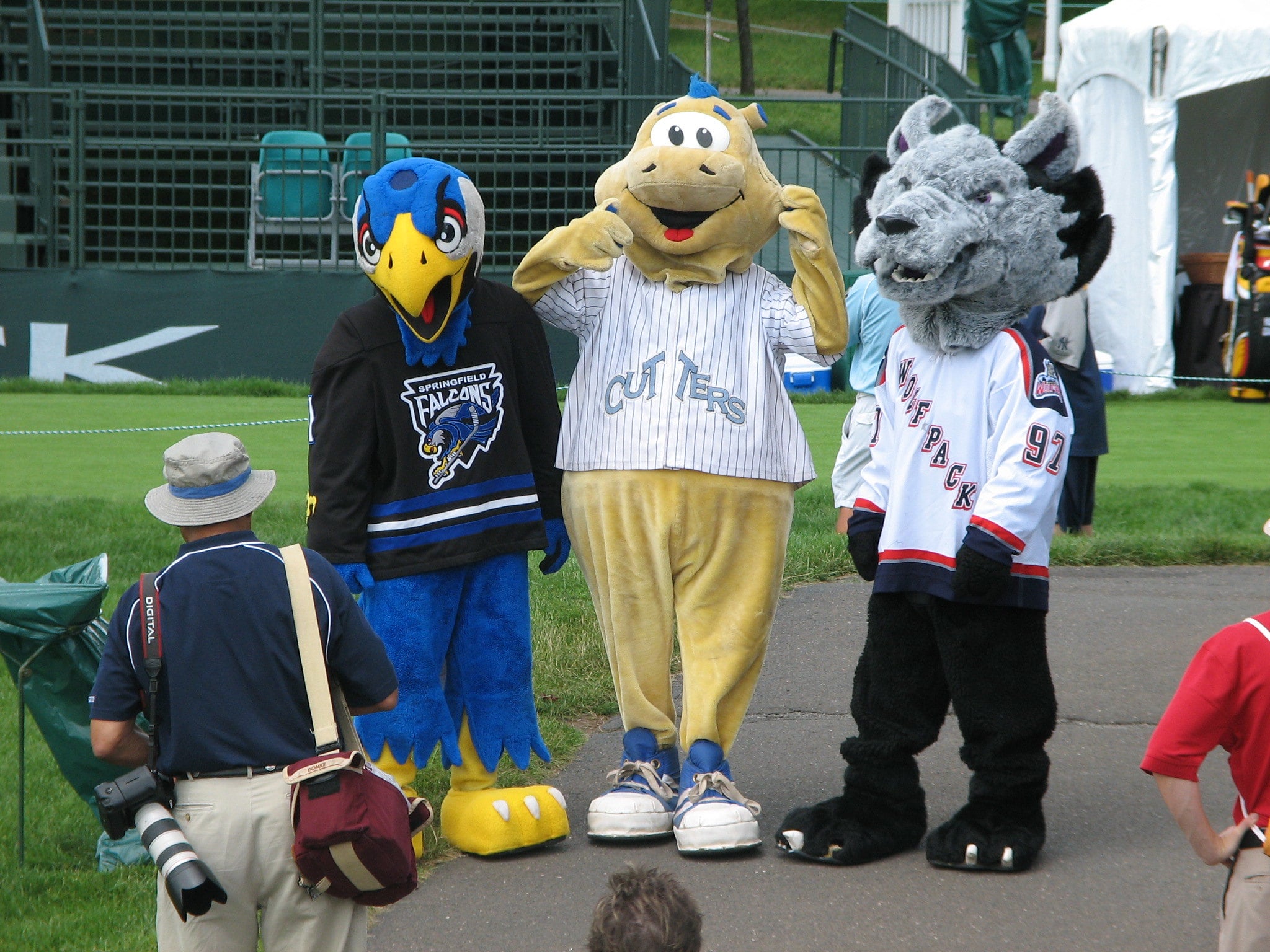
These mascots live in a nostalgic yet controversial space—cherished by some, offensive to others. As society evolves, companies face the challenge of honoring legacy while addressing past missteps and updating public imagery.
More from Go2Tutors!

- The Romanov Crown Jewels and Their Tragic Fate
- 13 Historical Mysteries That Science Still Can’t Solve
- Famous Hoaxes That Fooled the World for Years
- 15 Child Stars with Tragic Adult Lives
- 16 Famous Jewelry Pieces in History
Like Go2Tutors’s content? Follow us on MSN.



