15 ways fashion trends shaped Generation X
Fashion became the language Generation X used to define themselves. Born between 1965 and 1980, this generation came of age during decades of dramatic cultural shifts, economic uncertainty, and the explosion of MTV. Unlike previous generations who followed more predictable style rules, Gen X used fashion to rebel, express individuality, and create entirely new aesthetics that still influence us today.
From corporate power suits to grunge thrift store finds, Gen X didn’t just wear trends—they created movements. Here is a list of 15 ways fashion trends fundamentally shaped Generation X identity and culture.
Power Suits and Shoulder Pads
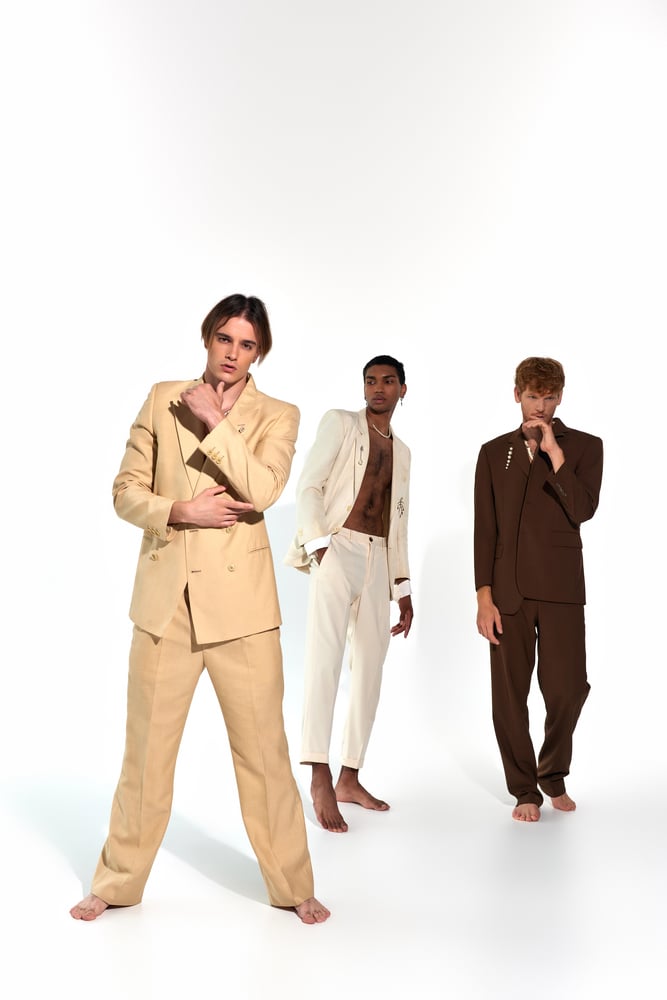
The 1980s introduced Gen X women to the concept of ‘power dressing’—sharp-tailored suits with exaggerated shoulder pads that symbolized ambition and authority in male-dominated workplaces. Designers like Giorgio Armani and Thierry Mugler spearheaded this trend, making it a hallmark of power dressing for women. These weren’t just clothes; they were armor for climbing corporate ladders and breaking glass ceilings.
MTV as Fashion Oracle

— Photo by monticello
The channel became a trendsetter, and the fashion industry followed suit. The fashion of the time was heavily influenced by the music videos that played on MTV. Music videos transformed from promotional tools into fashion blueprints, with young Gen Xers studying every outfit worn by Madonna, Michael Jackson, and Prince. MTV didn’t just play music—it dictated what cool looked like.
Grunge as Anti-Fashion Statement
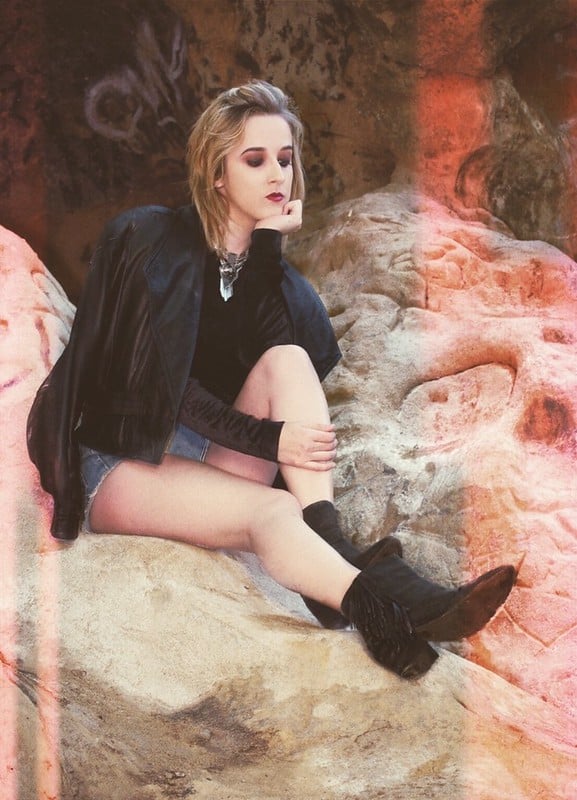
The Seattle grunge movement gave Gen X their most defining fashion moment. Key elements of grunge fashion included flannel shirts, often worn unbuttoned over faded band t-shirts; ripped and faded jeans; oversized knit sweaters; and combat boots or Converse sneakers. This wasn’t about looking polished—it was about rejecting the flashy excess of the previous decade and embracing authenticity over appearance.
Doc Martens as Universal Combat Boots
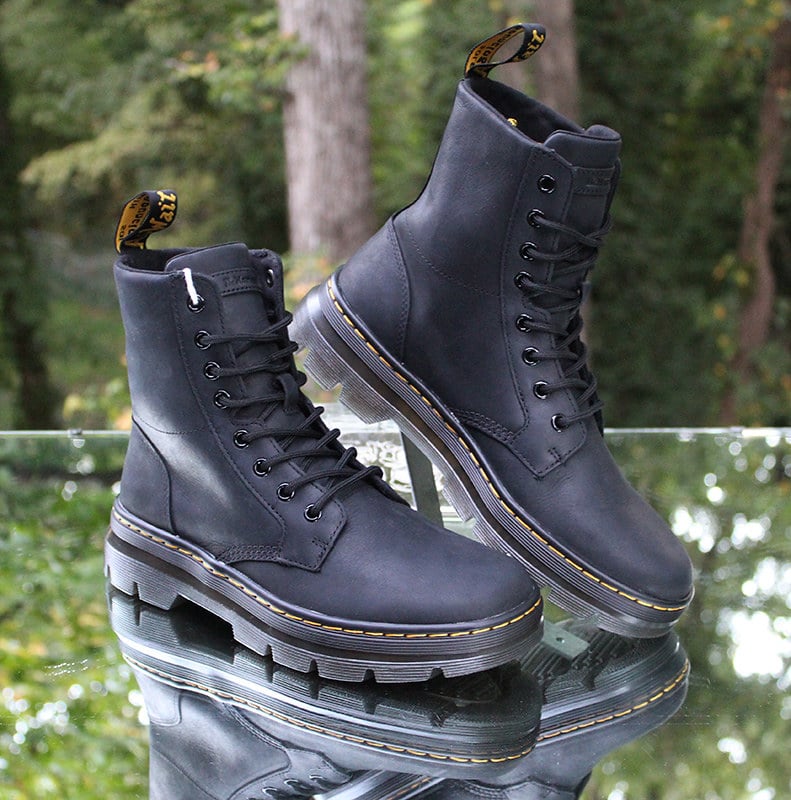
No shoe defined Gen X rebellion quite like Doc Martens. Dr. Martens quickly transitioned from a company famous for durable work boots manufactured in a tiny English factory town to a status symbol for people in the know, largely due to word of mouth. Whether you were into grunge, punk, or just wanted to look tough, Docs became the universal footwear of nonconformity.
Thrift Store Treasure Hunting

Gen X pioneered thrift shopping as both necessity and rebellion. Grunge set off new fashion trends in favor of dressing down and sporting the latest in second-hand, thrift store apparel, ripping away the Reagan-era starched white-collared working-class aesthetic of the 1980’s corporate culture. Scouring secondhand stores became a treasure hunt where finding the perfect vintage band tee or worn leather jacket was like striking gold.
Athletic Wear Goes Mainstream

The fitness craze of the 1980s made athletic wear acceptable street fashion for Gen X. Carrying on from the late 1970s trend for sportswear and encouraged by a fitness craze, women increasingly wore stylish gym wear in their day-to-day life. Leg warmers, leotards, and spandex leggings transitioned from the gym to daily wear, creating the foundation for today’s athleisure trend.
Designer Logo Obsession
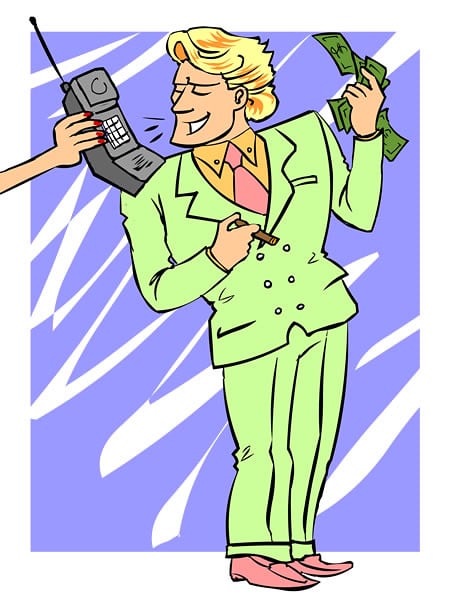
The ‘yuppie culture’ of the 1980s taught early Gen X that labels mattered. ‘Power dressing’ became a new phenomenon as they wore sharp tailored, bold coloured suits with large shoulder pads reflecting their desire to project authority and success. Wearing visible designer logos became a way to broadcast success and social status, setting the stage for decades of brand consciousness.
Preppy as Counterculture
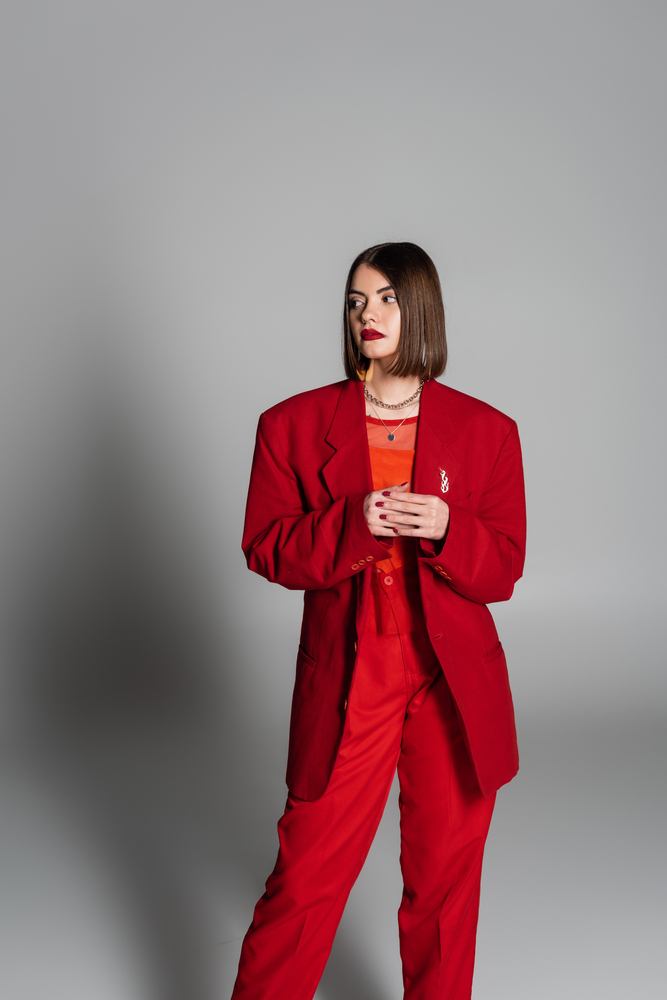
Like women, classic collegiate styles made up the “preppy” look. This included seersucker suits, polo shirts with popped collars and knit sweaters worn over the shoulders. While grunge dominated alternative scenes, many Gen Xers embraced preppy styles from brands like Ralph Lauren and Tommy Hilfiger as their own form of rebellion against both their parents and the punk aesthetic.
Gender-Neutral Fashion Revolution
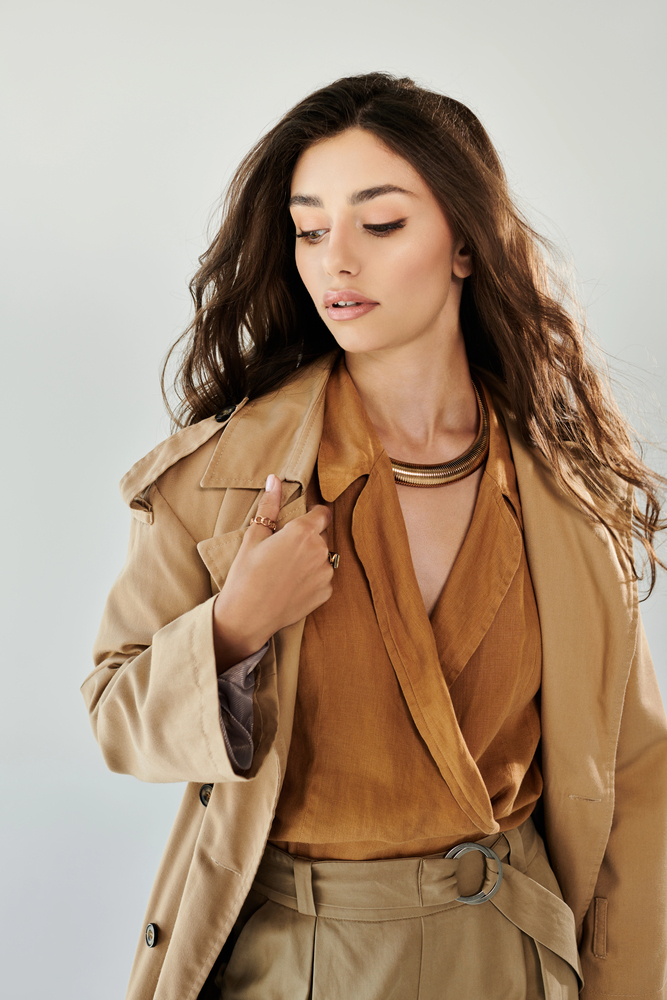
Grunge inadvertently launched a gender-neutral fashion movement that resonated with Gen X values. Furthermore, grunge challenged the gender norms in fashion. The androgynous look of grunge, with its oversized shirts and disregard for traditional beauty standards, offered an alternative to the more gender-specific styles of previous decades. This shift reflected Gen X’s more progressive attitudes toward gender roles and expression.
Hair as Art Form

Hair in the 1980s was typically big, curly, bouffant and heavily styled. Television shows such as Dynasty helped popularize the high volume bouffant and glamorous image associated with it. Gen X turned hair into sculpture, using mountains of mousse and hairspray to create gravity-defying styles that matched their bold fashion choices and expressive personalities.
Wallet Chains and Functional Fashion

Wallet chains served an important purpose. They kept you from losing your money, ID, and any other essential items you needed to have with you. What started as a practical accessory for skateboarders and punk rockers became a fashion statement that said ‘I’m too much of a free spirit to keep track of conventional things.’
JNCO Jeans and Extreme Proportions
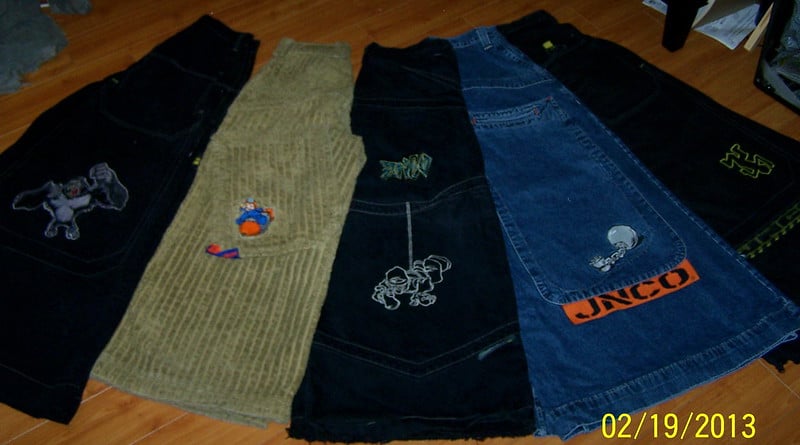
JNCO jeans came about in the 1990s and were for teens who wanted to rebel against their parents. The legs were super wide, so much so that other generations might laugh if we still wore them. These dramatically oversized jeans became symbols of Gen X defiance, with leg openings so wide you could practically use them as parachutes.
Alternative Band Merchandise as Identity
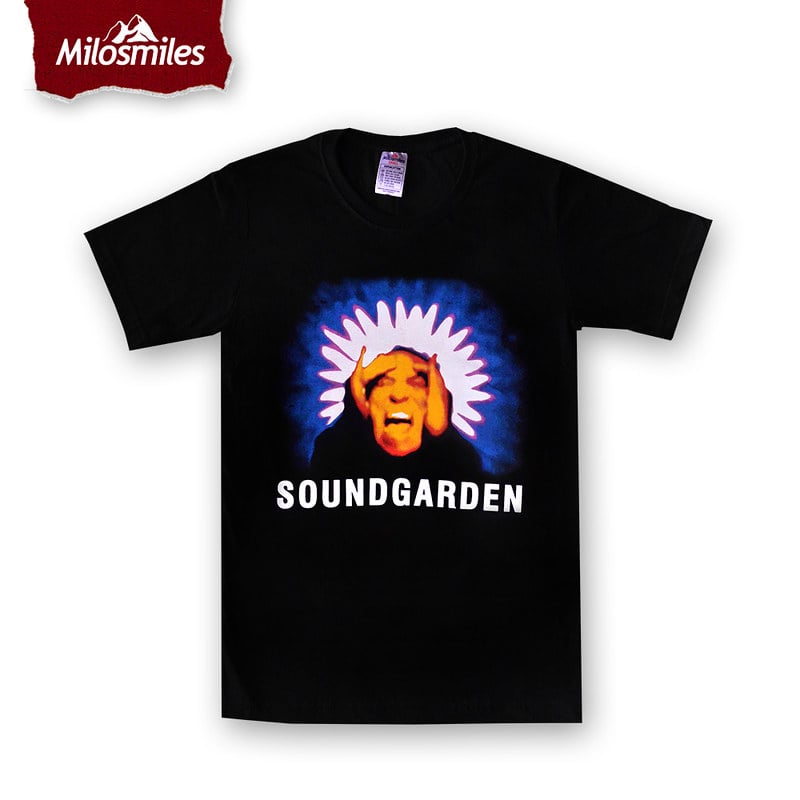
Wearing band t-shirts became more than fan appreciation—it was identity declaration. Gen X used music merchandise to signal their cultural allegiances and discover kindred spirits. The right Nirvana or Soundgarden shirt could instantly communicate your taste, values, and social tribe in ways that words couldn’t match.
Chokers and 90s Accessories
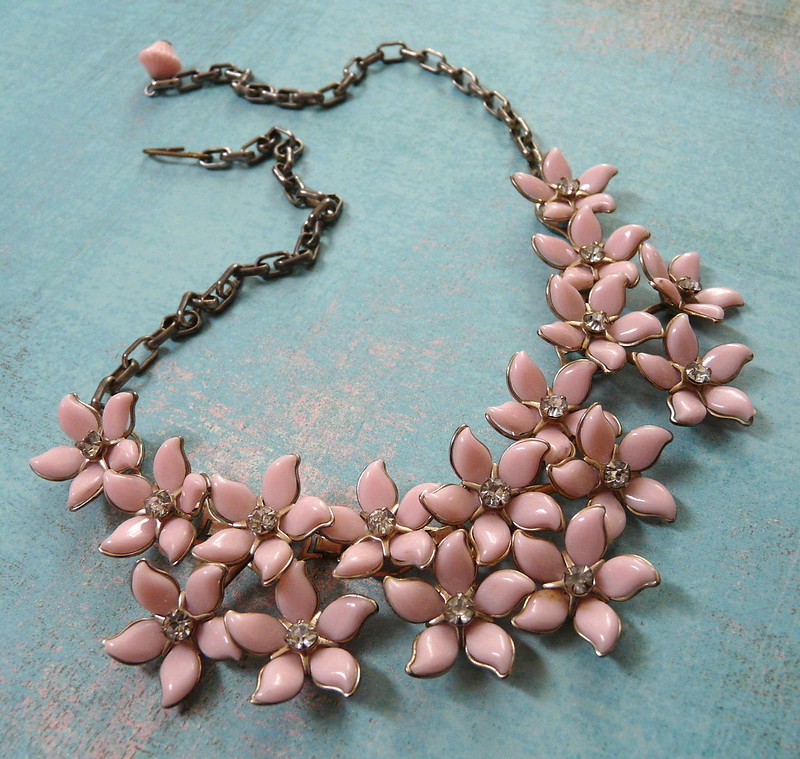
Popular colors included plum, chocolate, and navy, all of which replaced black, which had become ubiquitous. Other fashion trends popular from 1997 to 1999 included glamour wear, high-waisted miniskirts, plastic chokers. Simple accessories like plastic chokers and slap bracelets allowed Gen X to add personality to basic outfits without breaking limited budgets.
High-Fashion Appropriation of Street Style
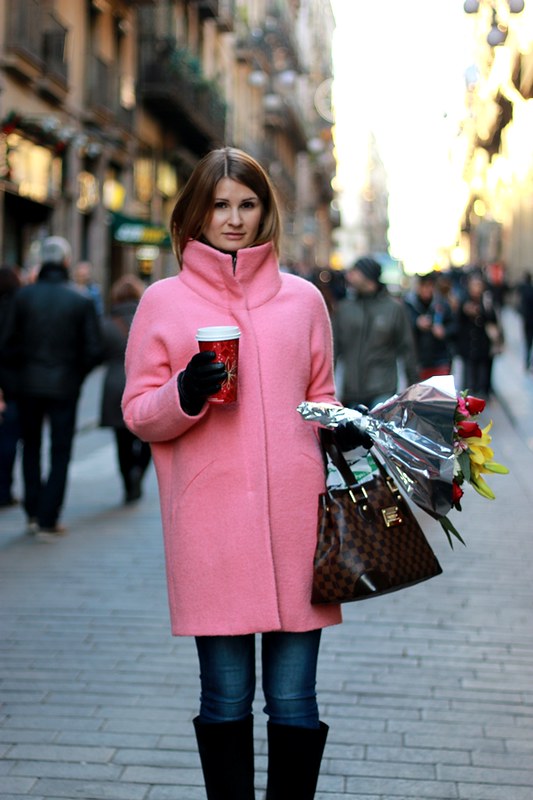
Marc Jacobs (for Perry Ellis) was one of the first designers to bring the grunge look to the runway. He said in 1992 that grunge is a “hippie romantic version of punk”. When high fashion began copying street styles, it validated Gen X aesthetics while also commercializing their anti-establishment looks—a tension that perfectly embodied the generation’s complicated relationship with mainstream culture.
The Lasting Legacy of Gen X Style
Generation X didn’t just follow fashion trends—they fundamentally changed how fashion works. They proved that style could come from the streets instead of runways, that authenticity mattered more than expense, and that fashion could be a form of cultural resistance. Today’s emphasis on thrifting, gender-neutral clothing, and mixing high and low fashion all traces back to Gen X innovations. Their fashion choices reflected a generation that refused to be categorized, creating a style legacy that continues to influence how we dress, shop, and express ourselves through clothing.
More from Go2Tutors!

- 16 Historical Figures Who Were Nothing Like You Think
- 12 Things Sold in the 80s That Are Now Illegal
- 15 VHS Tapes That Could Be Worth Thousands
- 17 Historical “What Ifs” That Would Have Changed Everything
- 18 TV Shows That Vanished Without a Finale
Like Go2Tutors’s content? Follow us on MSN.