Classic Cars That Inspired Cultural Revolutions
Cars have always been more than just ways to get from point A to point B. Throughout history, certain vehicles became symbols that changed how entire generations thought, acted, and dreamed.
These four-wheeled icons didn’t just transport people physically – they carried entire movements and reshaped society itself. Some cars became so much more than transportation that they turned into cultural statements. Let’s take a ride through automotive history to see which classics sparked revolutions far beyond the open road.
Ford Model T
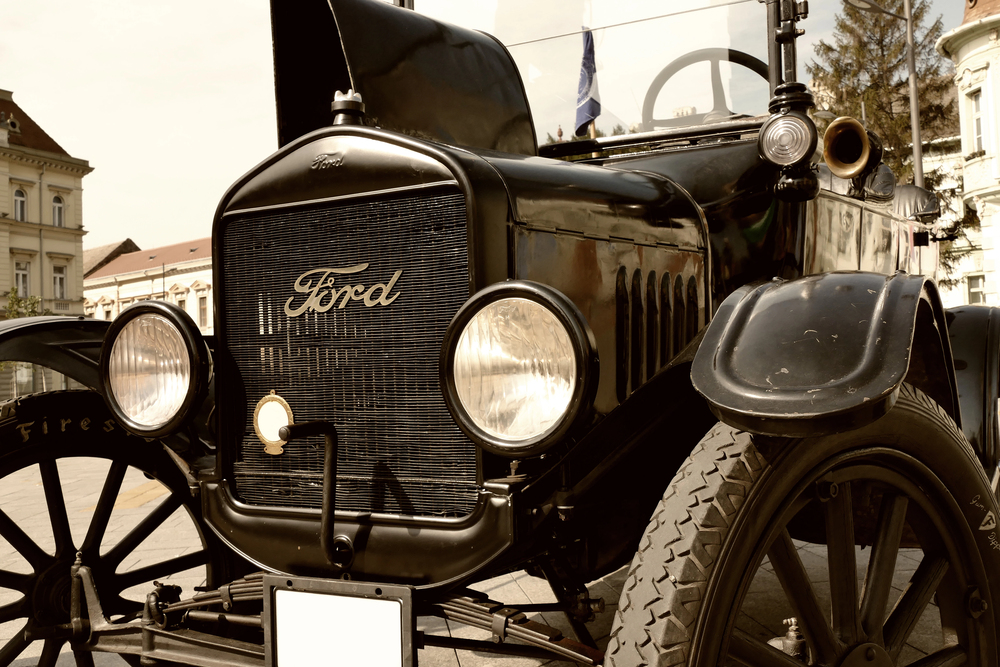
Henry Ford’s Model T didn’t just put America on wheels – it completely rewrote the rules of how things got made. Before 1908, cars were luxury items that only rich people could afford.
Ford’s assembly line approach made the Model T cheap enough for regular working folks to buy. This little black car turned driving from an elite hobby into an everyday activity for millions of families.
Volkswagen Beetle
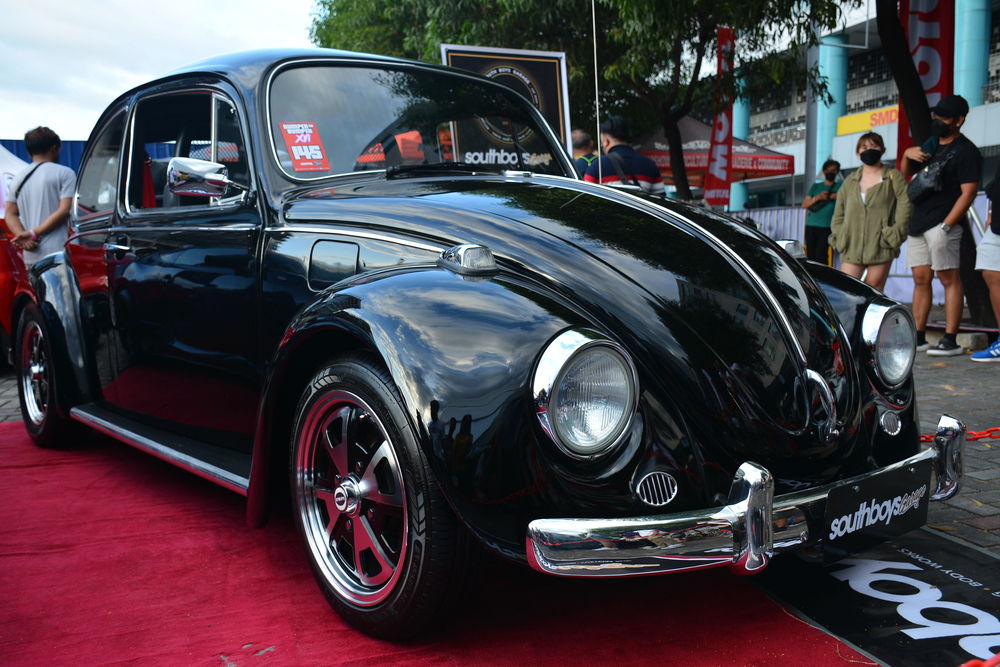
Germany’s quirky little Beetle became an unlikely symbol of peace and love during the 1960s counterculture movement. Young Americans embraced this affordable, reliable car as the perfect opposite of their parents’ big, flashy vehicles.
The Beetle represented simplicity, practicality, and a rejection of status symbols that defined the older generation. Hippies covered their Beetles with flower power stickers and psychedelic paint jobs, turning them into rolling statements against materialism and war.
Like Go2Tutors’s content? Follow us on MSN.
Chevrolet Corvette
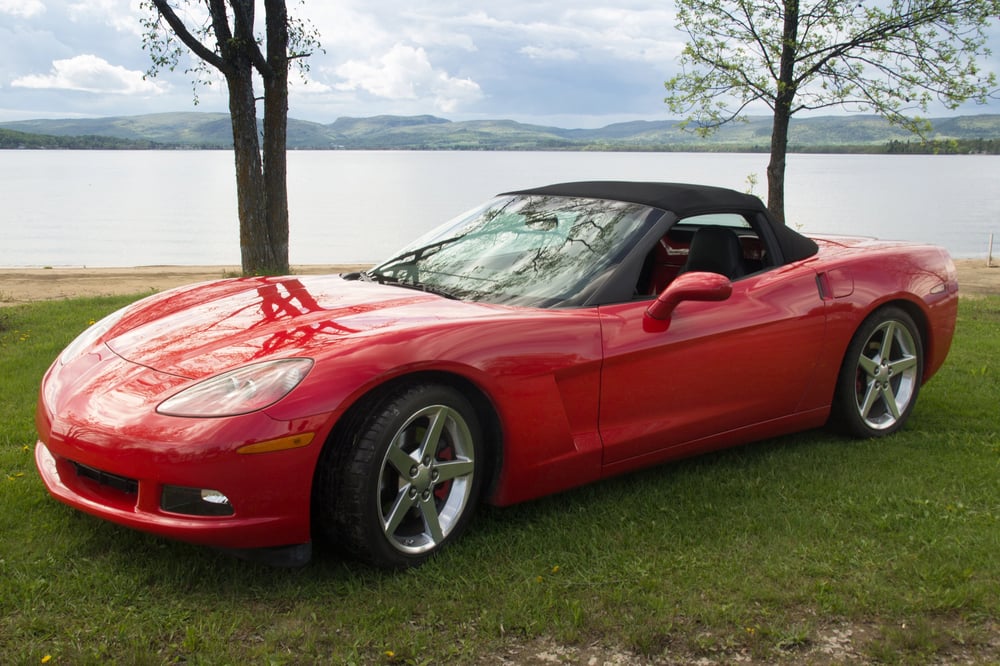
America’s sports car burst onto the scene in 1953 and instantly became the symbol of post-war optimism and prosperity. The Corvette represented everything good about being young and American in the 1950s and 60s.
Hollywood stars drove Corvettes in movies, making them the ultimate cool car for teenagers to dream about. This fiberglass rocket ship on wheels embodied the space age, hot rods, and the growing youth culture that was starting to challenge traditional values.
Ford Mustang
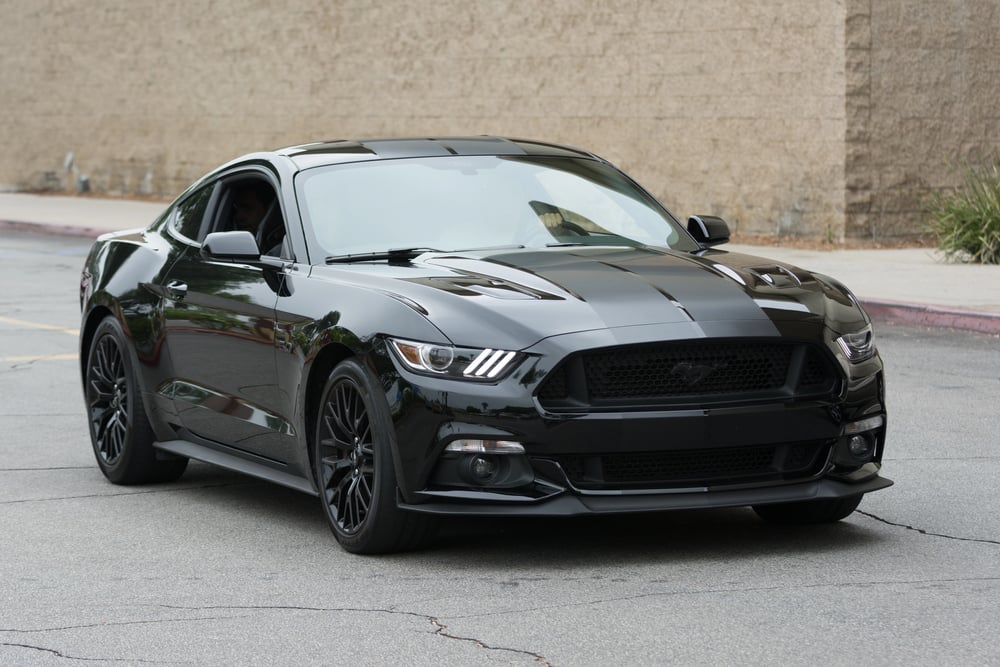
When Ford unleashed the Mustang in 1964, it created an entirely new category of car and sparked a cultural phenomenon. The pony car wasn’t just transportation – it was rebellion you could drive to high school.
Young people finally had an affordable sports car that looked fast even when parked. The Mustang became the centerpiece of American muscle car culture, inspiring drag racing, car shows, and a whole lifestyle built around horsepower and style.
Mini Cooper
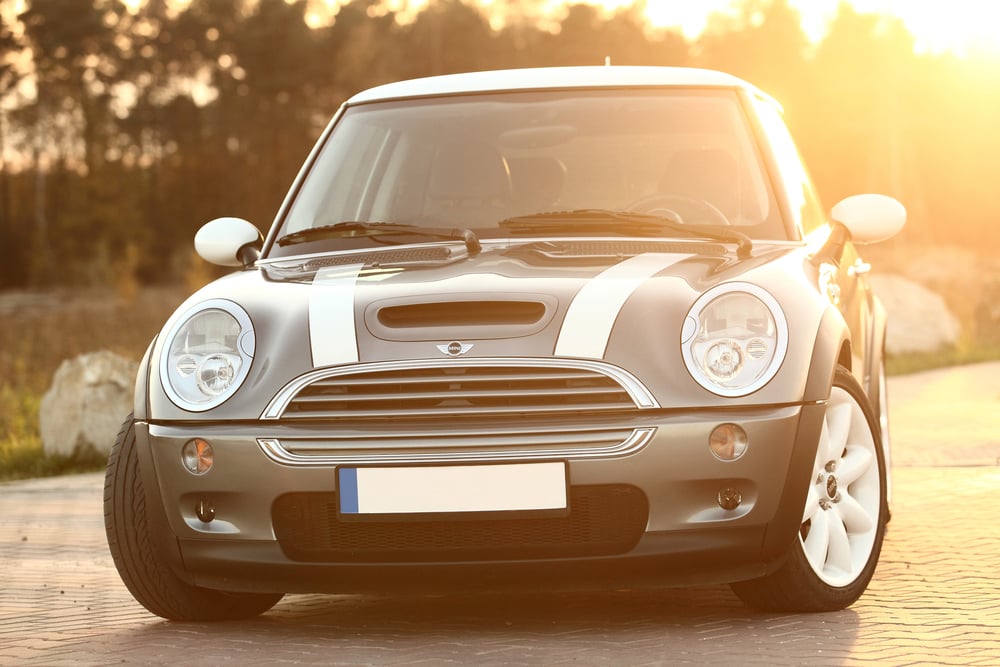
Britain’s tiny Mini proved that small could be mighty and changed how people thought about city driving forever. Launched in 1959, this compact car made urban living easier and more fun than anyone expected.
The Mini became a fashion statement in swinging London, driven by celebrities, models, and musicians who made it the coolest way to navigate crowded streets. Its success inspired other manufacturers to think smaller and more efficiently, leading to the entire small car revolution that followed
Like Go2Tutors’s content? Follow us on MSN.
Porsche 911
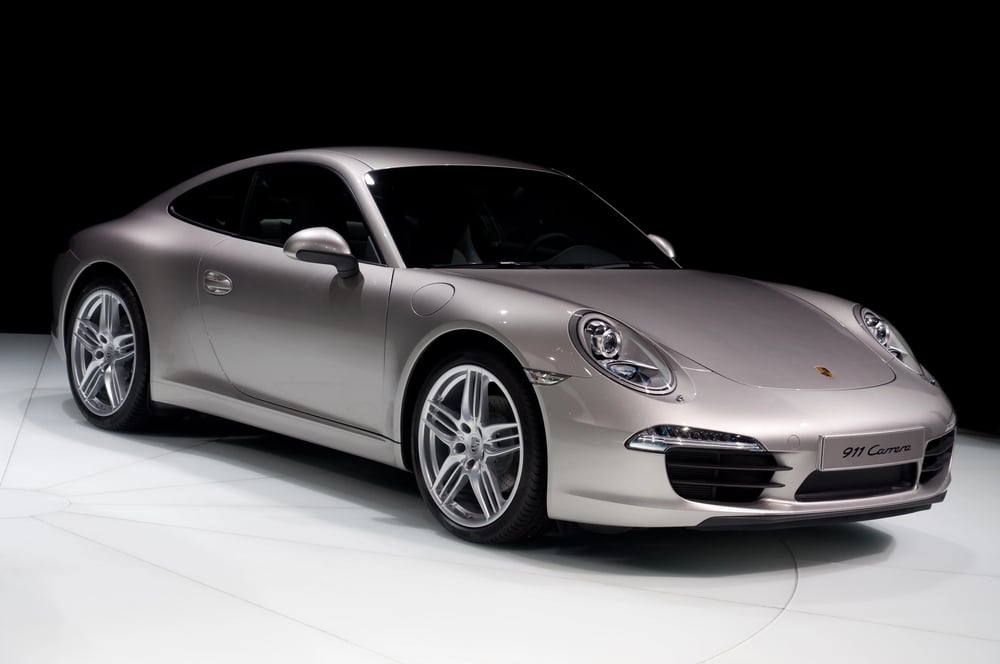
The 911 became more than just a sports car when it hit the roads in 1963 – it turned into a symbol of engineering excellence and driving purity. This German masterpiece attracted enthusiasts who cared more about how a car performed than how much it cost to buy.
The 911 created a devoted following of drivers who valued precision, craftsmanship, and the pure joy of driving above all else. Sports car clubs, racing leagues, and driving events grew around the 911 community, creating a culture that celebrated automotive perfection.
Cadillac Eldorado
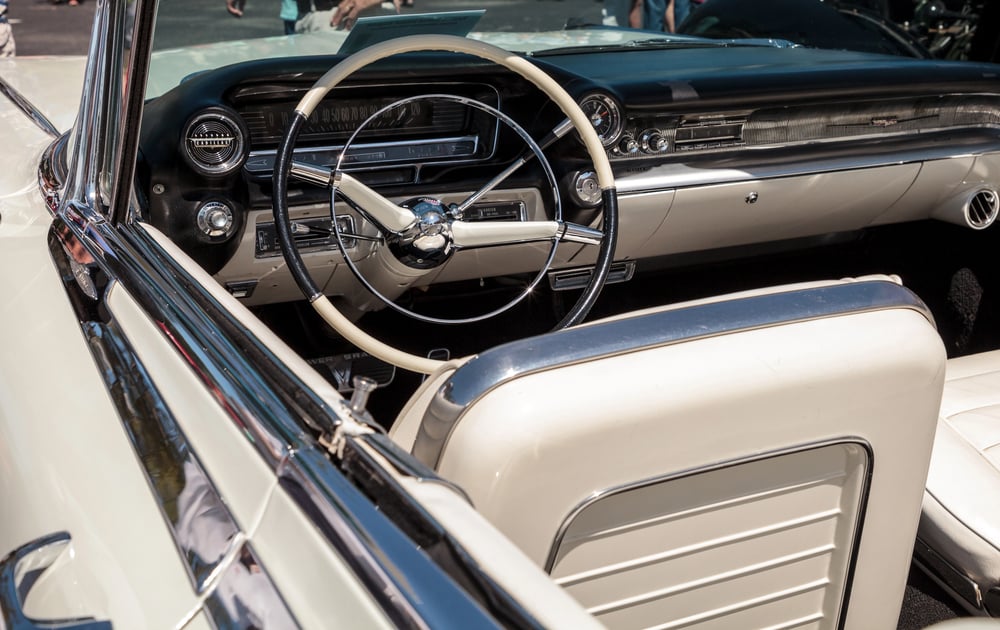
The massive, chrome-covered Eldorado represented the peak of American excess and optimism during the 1950s and early 1960s. This luxury cruiser embodied the post-war boom when bigger was always better and more was never enough.
The Eldorado became the ultimate status symbol for successful Americans who wanted everyone to know they’d made it. Its over-the-top styling and massive size influenced fashion, architecture, and design throughout American culture.
Jeep CJ
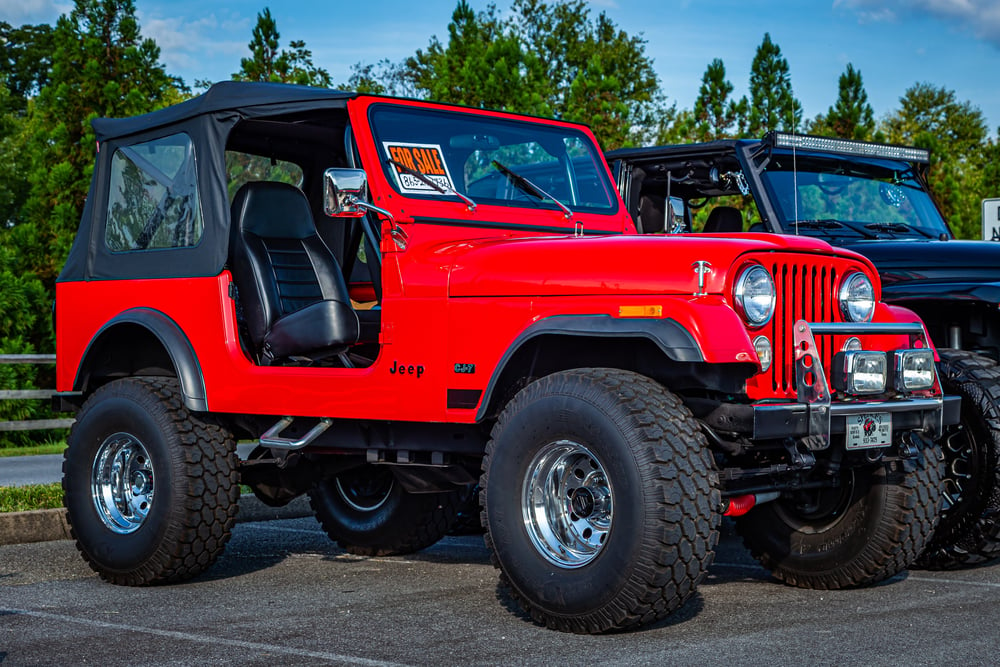
The civilian version of the military Jeep helped create the entire outdoor recreation culture that dominates American weekends today. After World War II, returning soldiers wanted to keep the adventure and capability of their wartime vehicles.
The CJ series gave regular folks access to places that had been impossible to reach before, opening up camping, hunting, and exploring as popular pastimes. This rugged little vehicle inspired the creation of off-road clubs, trail systems, and a whole industry built around outdoor adventure.
Like Go2Tutors’s content? Follow us on MSN.
Dodge Charger
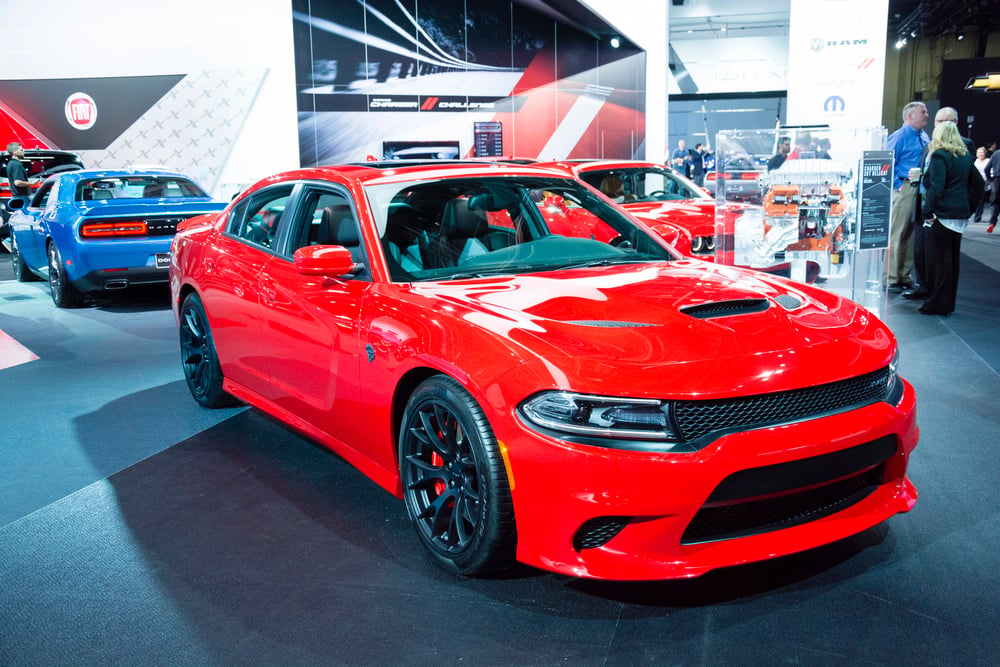
The Charger became the unofficial mascot of American muscle car culture and helped define what cool looked like in the late 1960s and early 1970s. This aggressive-looking machine represented raw power and attitude at a time when young people were challenging everything their parents believed.
The Charger appeared in countless movies and TV shows, always driven by rebels, outlaws, and antiheroes who lived by their own rules. Its influence extended far beyond cars into music, fashion, and popular culture, helping to establish the bad boy image that still sells everything from cologne to motorcycles.
Lamborghini Countach
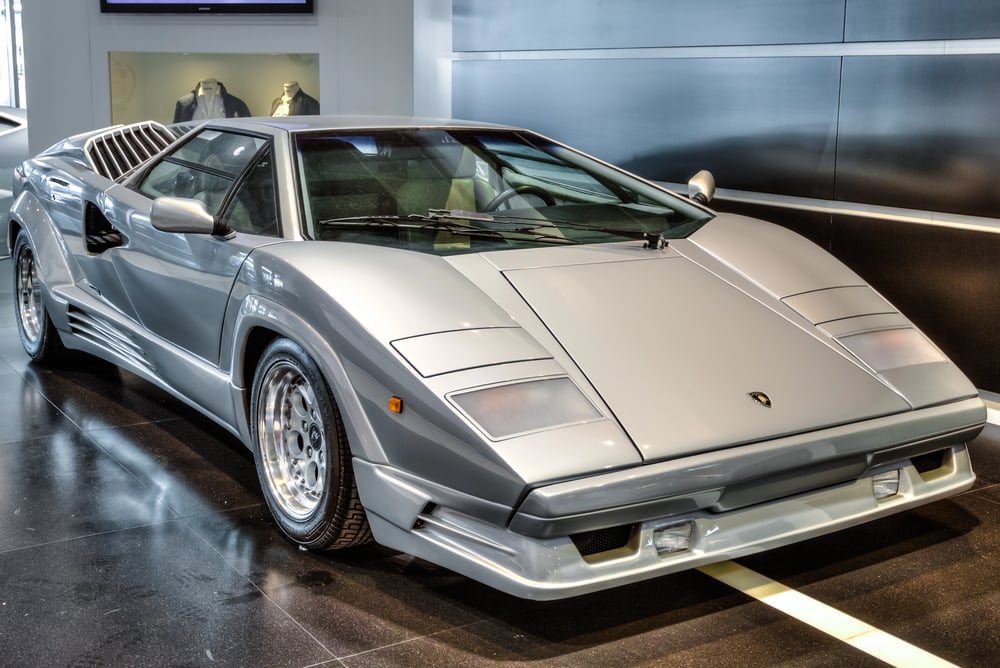
When the wedge-shaped Countach appeared in 1974, it looked like it had driven straight out of a science fiction movie. This Italian supercar didn’t just transport its driver – it transported everyone who saw it into fantasies of wealth, speed, and futuristic living.
The Countach became the poster car for an entire generation of kids who covered their bedroom walls with its image. This radical design influenced everything from other car designs to toys, video games, and movies, proving that sometimes form really could be more important than function.
BMW 2002
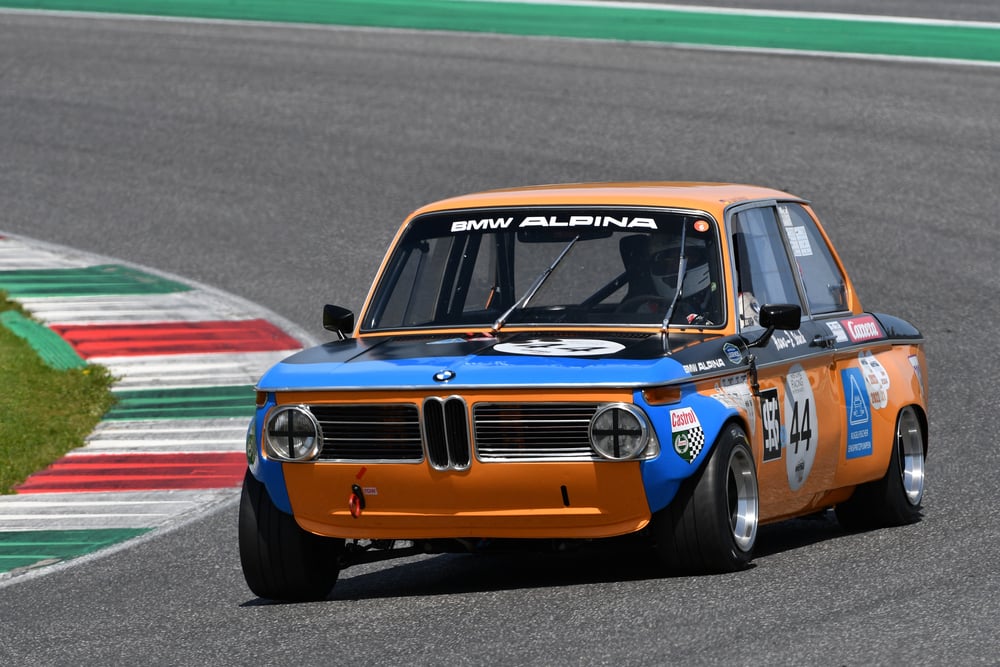
The compact BMW 2002 introduced Americans to the concept that small European cars could be both practical and exciting to drive. This little sedan helped create the import car movement that would eventually challenge Detroit’s dominance of American roads.
Young professionals discovered they could have a car that was fuel-efficient, well-built, and actually fun to drive every day. The 2002 established BMW’s reputation in America and proved that driving enjoyment didn’t require massive engines or flashy styling.
Like Go2Tutors’s content? Follow us on MSN.
DeLorean DMC-12
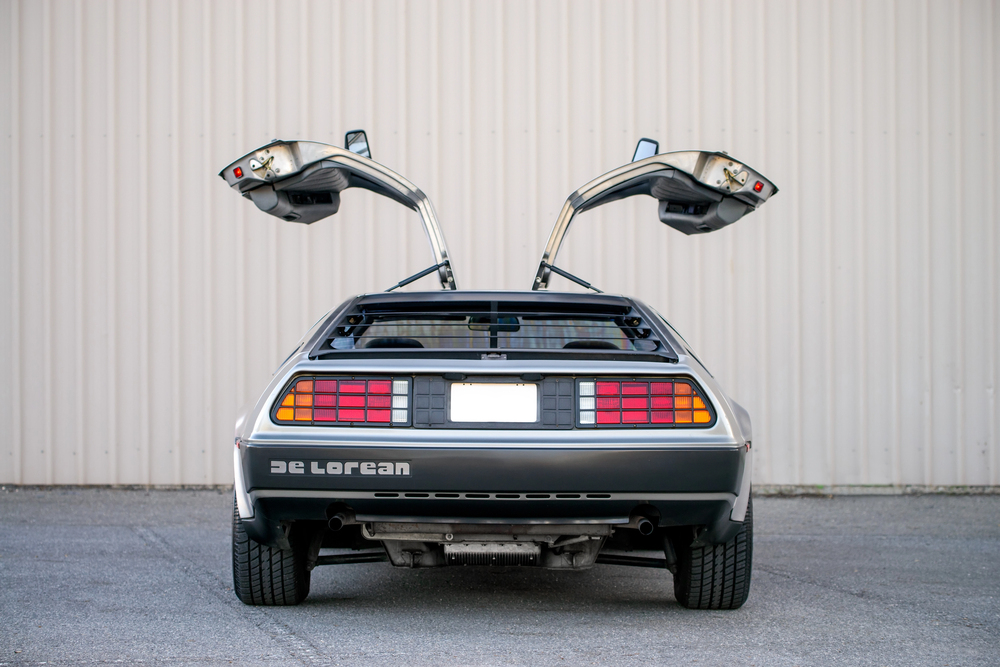
The stainless steel DeLorean became famous for all the wrong reasons, but its cultural impact far exceeded its commercial failure. This gull-winged experiment represented the dream of starting a new American car company and challenging the established order.
When the DeLorean appeared in Back to the Future, it transformed from a failed business venture into a pop culture icon that symbolized 1980s excess and futuristic dreams. The car’s story of rise and fall became a cautionary tale about ambition, celebrity, and the American dream gone wrong.
Shelby Cobra
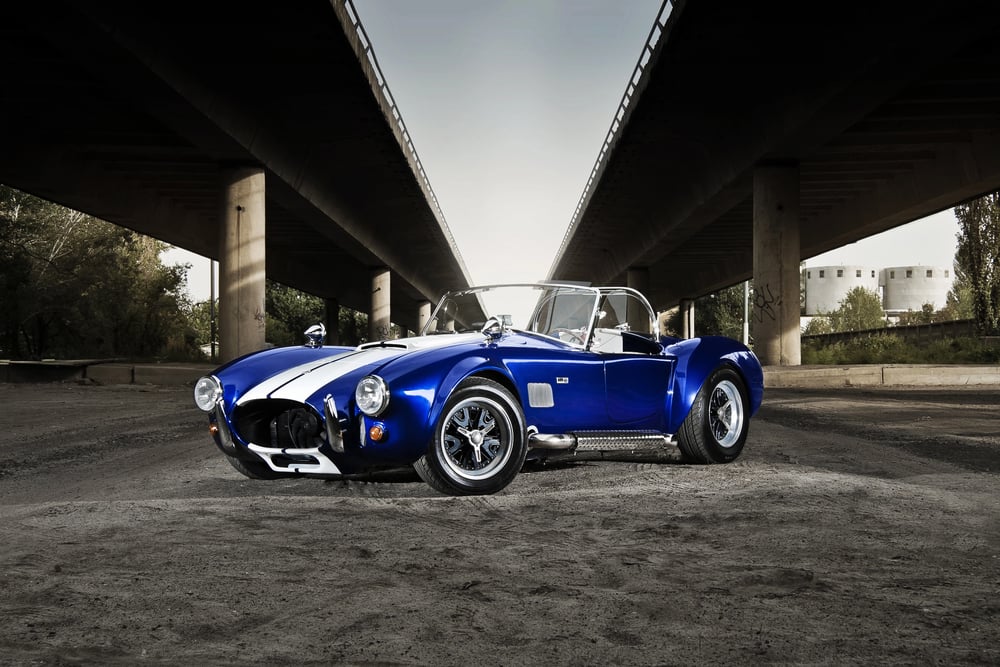
Carroll Shelby’s combination of British engineering and American muscle created one of the most feared and respected cars ever built. The Cobra represented the hot rod spirit taken to its absolute extreme, proving that sometimes too much power was just enough.
This lightweight monster inspired a generation of car builders to stuff big engines into small bodies, creating the kit car industry and backyard hot rod culture. The Cobra showed that independent builders could create something more exciting than anything coming from major manufacturers.
Chevrolet Camaro
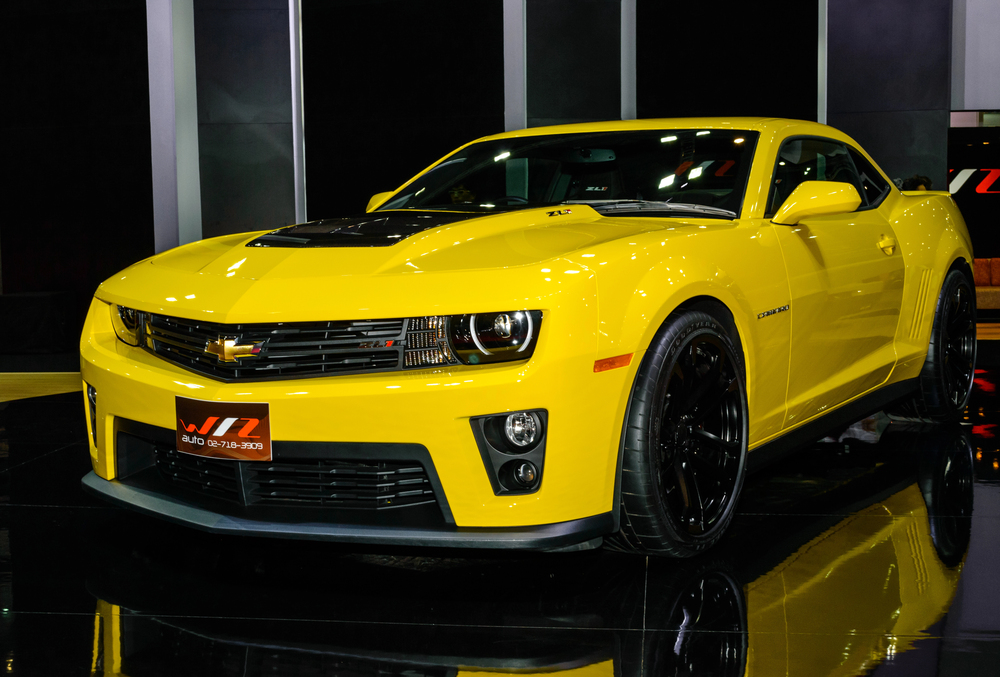
Created to compete with the Ford Mustang, the Camaro became a symbol of the ongoing rivalry between Chevrolet and Ford that captured America’s competitive spirit. This pony car gave Chevy fans their own version of affordable performance and style, intensifying brand loyalty to levels not seen before or since.
The Camaro versus Mustang debate became a cultural touchstone that divided friends, families, and entire communities along automotive lines. This rivalry proved that cars could inspire the same passionate loyalty usually reserved for sports teams or political parties.
Like Go2Tutors’s content? Follow us on MSN.
When horsepower met culture

These classic cars did more than just move people around – they moved entire societies in new directions and showed how transportation could shape culture, values, and dreams. Each vehicle arrived at exactly the right moment to capture something important about its era, whether that was post-war optimism, youth rebellion, or changing ideas about what mattered in life.
More from Go2Tutors!

- 16 Historical Figures Who Were Nothing Like You Think
- 12 Things Sold in the 80s That Are Now Illegal
- 15 VHS Tapes That Could Be Worth Thousands
- 17 Historical “What Ifs” That Would Have Changed Everything
- 18 TV Shows That Vanished Without a Finale
Like Go2Tutors’s content? Follow us on MSN.