Movies That Sparked Lawsuits
Hollywood loves drama, but sometimes the real action happens in courtrooms instead of on screen. Films have triggered legal battles for decades, and the reasons stretch far beyond simple copyright claims.
Some lawsuits emerged because someone saw themselves portrayed unfavorably. Others involved injuries on set or disputes over who actually created a story.
The common thread is that these movies crossed a line someone else had drawn.
The Amityville Horror and the Disputed Hauntings
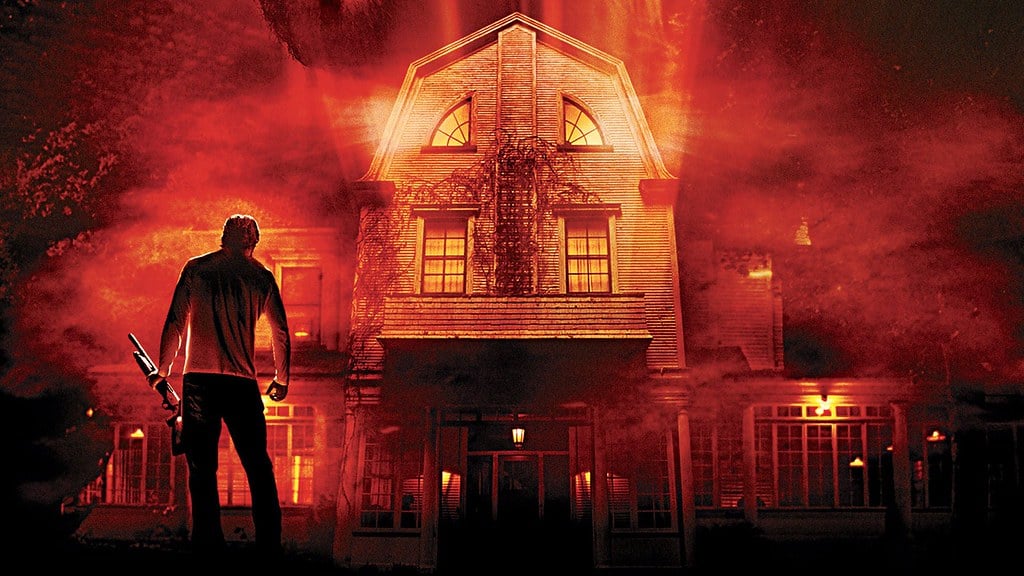
The 1979 horror film about a possessed house brought more than scares to audiences. Ronald DeFeo Jr., serving life for murdering his family in that same Long Island home, filed suit claiming the Lutz family fabricated their haunting story.
He argued that the publicity interfered with his ability to get a fair appeal. The case never gained much traction in court, but it added another layer of darkness to an already grim story.
Borat’s Unwitting Stars
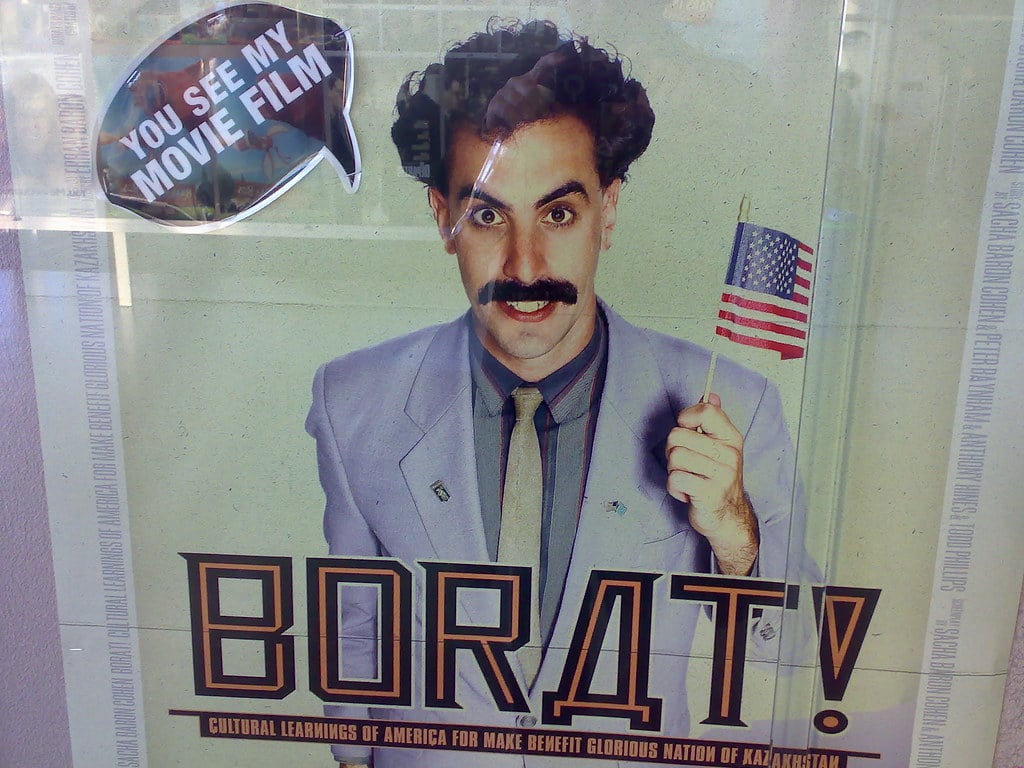
Sacha Baron Cohen’s mockumentary style caught plenty of people off guard, and not everyone appreciated the joke. Several participants in “Borat” filed lawsuits after seeing themselves in the finished film.
Two college students claimed they were portrayed as racists. A driving instructor said he looked foolish.
Most cases went nowhere because the participants had signed release forms, even if they didn’t fully understand what they were agreeing to at the time.
The Hangover Part II and the Tattoo Artist
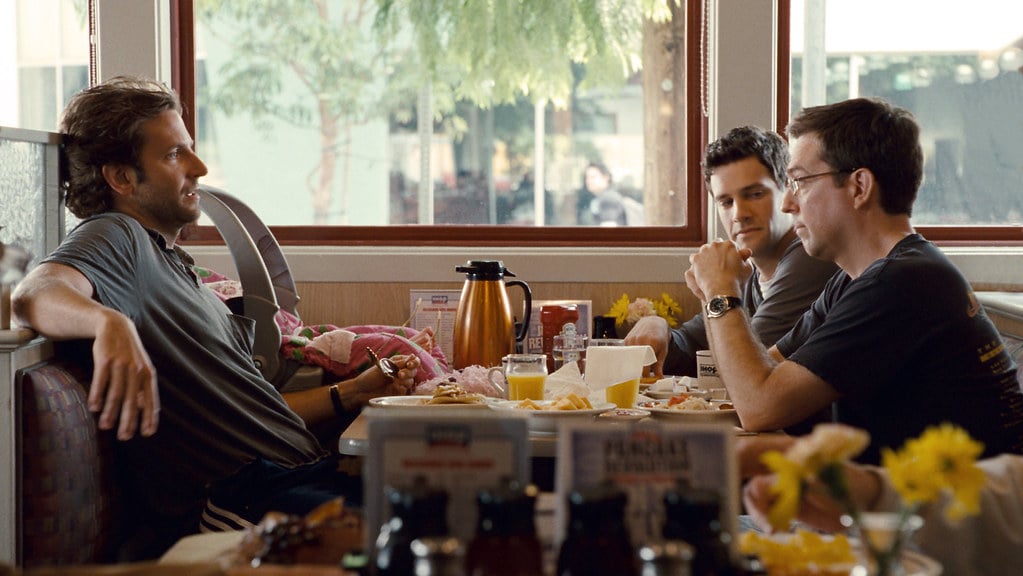
Mike Tyson’s distinctive face tattoo became a plot point in the sequel, transferred onto Ed Helms’ character. The artist who created Tyson’s original tattoo, S. Victor Whitmill, wasn’t amused.
He sued Warner Bros. for copyright infringement, arguing he owned the rights to his artistic creation. The case settled before trial, but it raised interesting questions about who owns body art once it’s permanently inked onto someone’s skin.
Friday the 13th and the Screenwriter Battle
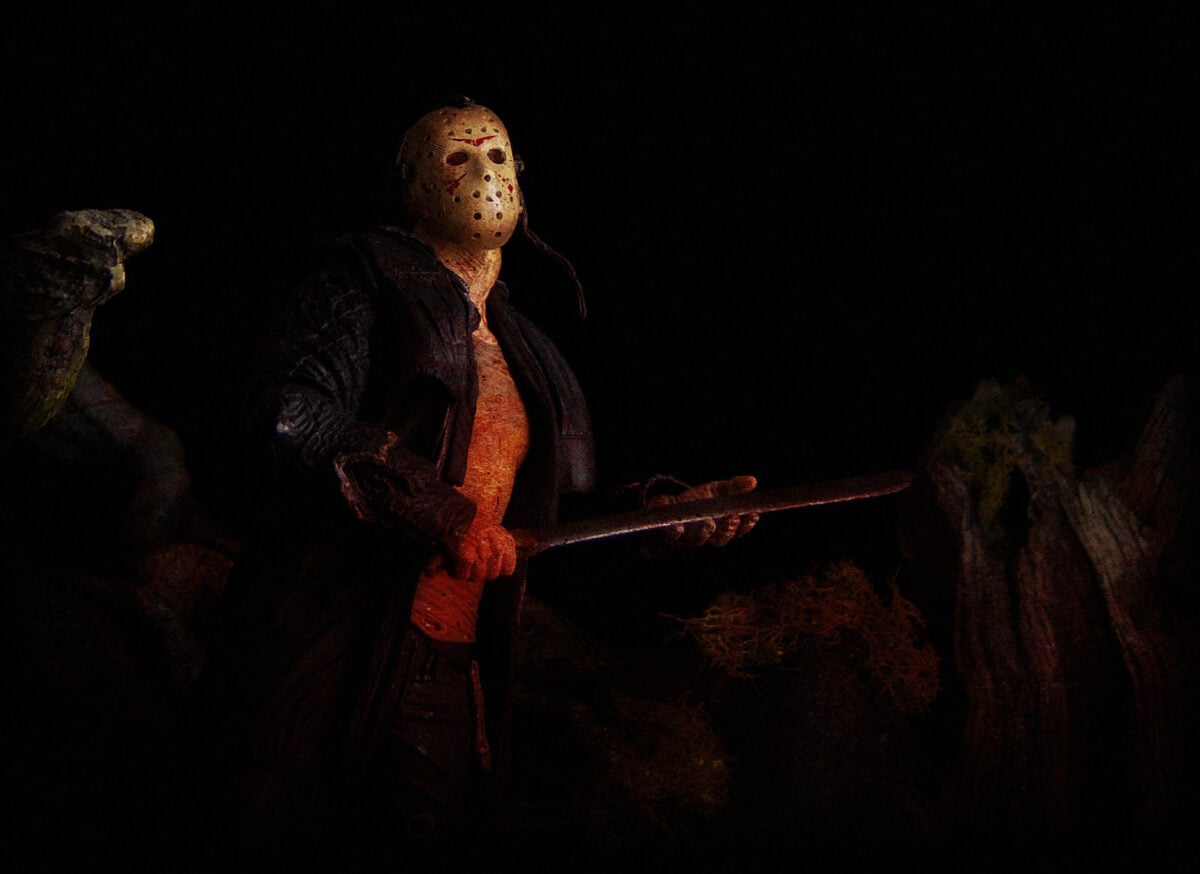
The slasher franchise spawned countless sequels, but also a messy legal fight over who created the original concept. Victor Miller, who wrote the first film’s screenplay, sued to reclaim rights to the franchise under copyright termination provisions.
The production company fought back, claiming they owned everything as a work-made-for-hire. Courts have gone back and forth on various aspects of this dispute, affecting who can make new Jason Voorhees content.
The Wrestler and the Real Wrestler

Darren Aronofsky’s film about a washed-up performer trying for one last comeback resonated with audiences. It also caught the attention of a real wrestler named Randy Robinson, who used the ring name “Ram Jam.”
He filed suit claiming the film’s protagonist, Randy “The Ram” Robinson, was based on him without permission. The case eventually fizzled out, but it showed how even fictional characters can trigger claims from people with similar names or stories.
The basketball drama starring Gene Hackman seemed like a safe period piece about small-town sports. But former Milan High School players, whose 1954 championship run inspired the film, weren’t happy with their portrayal.
Several filed suit arguing the movie damaged their reputations by depicting excessive drinking and questionable behavior. The legal action highlighted how “based on a true story” can become tricky when real people recognize themselves on screen.
Hurt Locker’s Depiction of a Bomb Technician

Master Sergeant Jeffrey Sarver claimed the 2008 war film was based on his experiences as an Army bomb disposal expert in Iraq. He sued for defamation and unauthorized use of his life story, pointing to specific scenes he said mirrored his actual deployments.
The case was dismissed because the court found the character composite enough that Sarver couldn’t prove it was specifically about him. The ruling set a precedent about how much fictionalization protects filmmakers from life rights claims.
Twister’s Effects Team and Stolen Technology
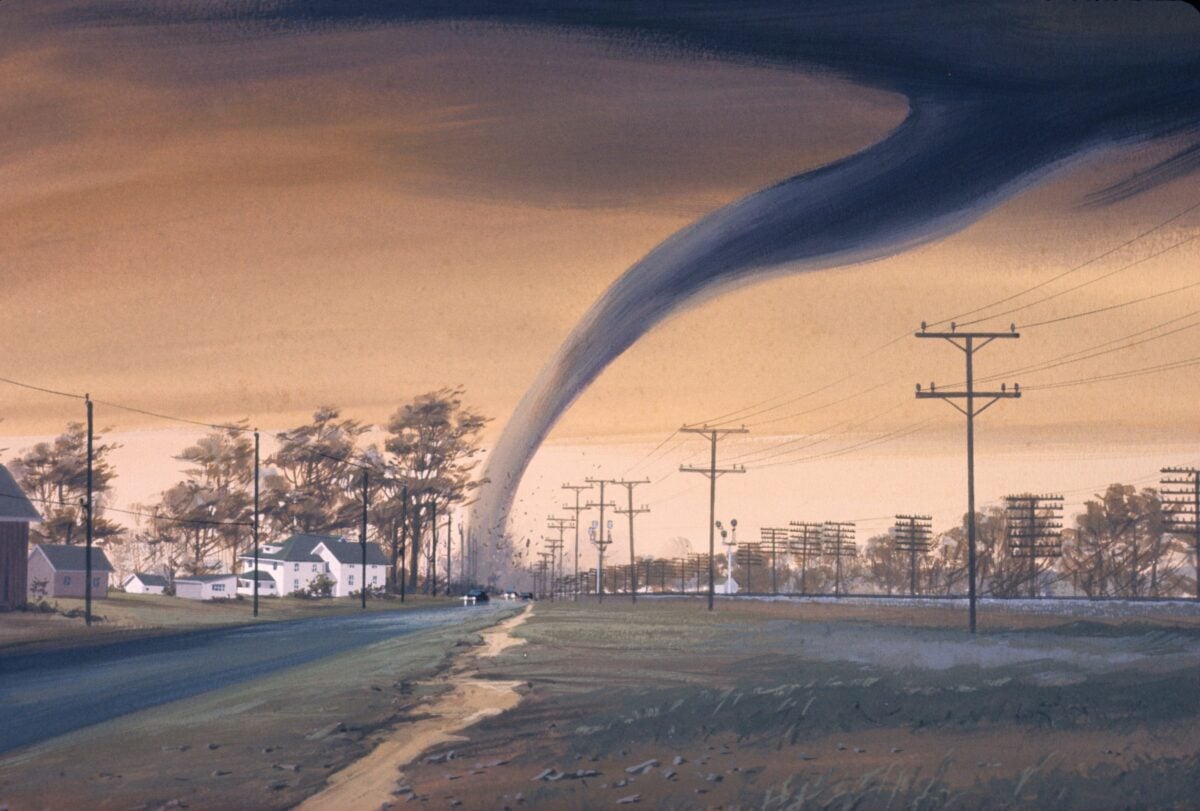
The 1996 disaster film’s groundbreaking tornado effects impressed viewers, but the technology behind them became contentious. Effects supervisor Stefen Fangmeier sued Warner Bros.
claiming he developed proprietary techniques for creating the twisters, and the studio used them without proper compensation.The lawsuit pulled back the curtain on how visual effects artists often struggle to maintain ownership of their innovations in an industry that considers everything work-for-hire.
Coming to America and the Columnist’s Claims
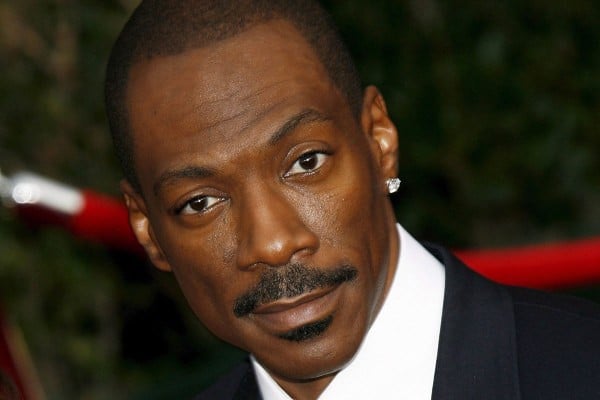
Art Buchwald, a respected humor columnist, sued Paramount Pictures claiming the Eddie Murphy comedy was based on a treatment he had pitched to the studio years earlier. The case became famous for exposing Hollywood’s creative accounting practices.
Buchwald won on the merits, proving his story formed the basis for the film. But the financial discovery process revealed how studios can show no profit even on major hits, limiting what writers can recover.
Interview with the Vampire and Anne Rice’s Change of Heart
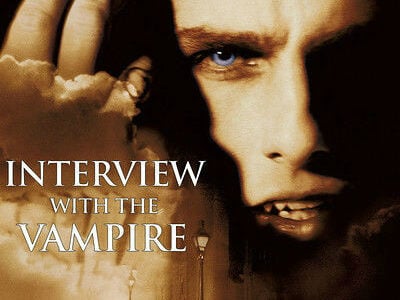
This lawsuit had an unusual twist—the author herself objected to the adaptation of her own novel. Anne Rice initially took legal action trying to stop the production, particularly objecting to Tom Cruise’s casting as the vampire Lestat.
She eventually dropped the suit and reversed her position entirely after seeing the finished film, becoming one of its biggest champions. The case showed that even authors who sell rights sometimes struggle to let go of creative control.
Gattaca and the Genetics Researcher
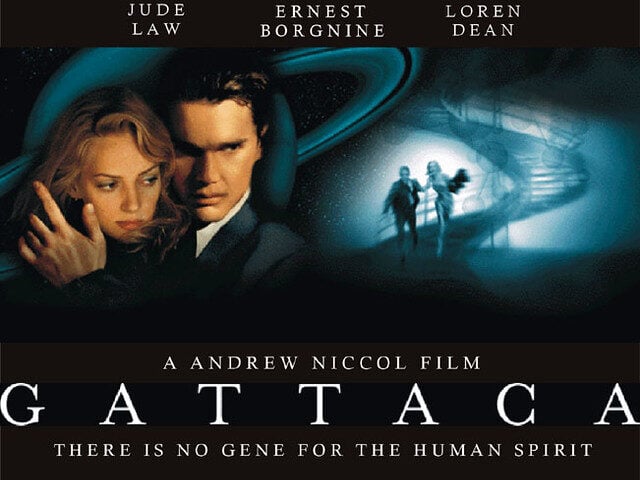
The 1997 science fiction film about genetic discrimination prompted Dr. Tsutomu Shimomura to file suit, claiming the movie stole elements from his life. The geneticist pointed to specific plot points he said mirrored his experiences and research.
The case was dismissed, but it raised questions about how much real scientific work can inspire fiction without compensating the researchers whose careers provided the foundation.
Stand By Me and the Body Location
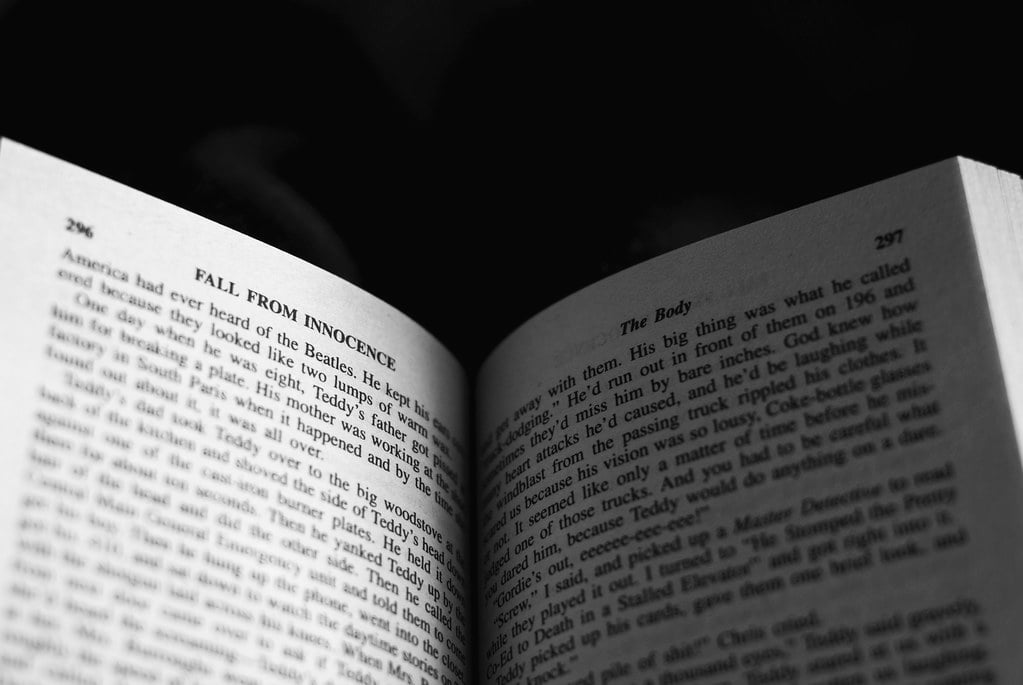
Stephen King’s novella “The Body” became the beloved film, but its production faced challenges beyond the usual adaptation hurdles. Oregon landowners where shooting took place later filed suit claiming the production company damaged property and failed to fully compensate for location use.
The legal battle dragged on for years, highlighting how location agreements can become contentious long after cameras stop rolling.
The Lone Ranger and the Injured Stuntwoman
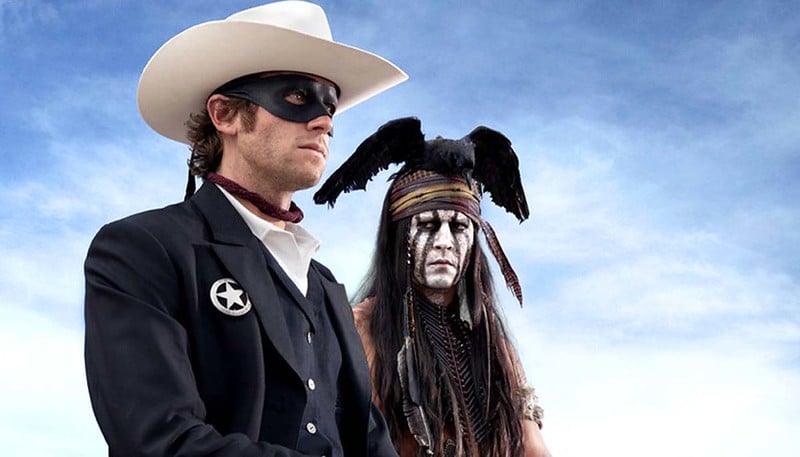
Disney’s 2013 western reboot became known partly for its troubled production, including a serious accident during filming. Stuntwoman Gina Mayer sued after suffering permanent injuries when a vehicle crashed during a chase sequence.
The case settled out of court, but it drew attention to ongoing concerns about stunt safety and whether proper precautions had been followed on set.
Midnight Rider and the Tragedy on the Tracks

The most devastating lawsuit on this list stemmed from a death that should never have happened. Camera assistant Sarah Jones was killed when the crew was filming on active train tracks in Georgia without permission.
Multiple lawsuits followed, including criminal charges against the director and producers. The case transformed industry safety standards and turned Sarah Jones’ name into a rallying cry for better protections for below-the-line crew members.
When Stories Stop Being Just Entertainment

Lawsuits show what happens when things break down on movie sets. Creative control fights pop up now and then. Misrepresentation claims come from those who say they were used unfairly. Injuries to actors or workers lead to the harshest cases.
When one lawsuit hits, it changes more than just the movie caught in it – it shifts how studios handle safety, contracts, and the whole web behind filming. A trial after premiere can loom larger than the film itself, pulling focus toward the flesh-and-blood stakes under every scene.
What plays out in court shows plainly: films carry weight outside the theater, tugging at lives long after lights come up.
More from Go2Tutors!

- The Romanov Crown Jewels and Their Tragic Fate
- 13 Historical Mysteries That Science Still Can’t Solve
- Famous Hoaxes That Fooled the World for Years
- 15 Child Stars with Tragic Adult Lives
- 16 Famous Jewelry Pieces in History
Like Go2Tutors’s content? Follow us on MSN.