16 Mountains With Extreme Altitude Records
Most people typically think of Mount Everest when they think of extreme mountain records. However, there are many peaks in the world of high-altitude mountaineering that hold their own astounding records, ranging from being the most deadly climbs on Earth to being the furthest from the center of the planet.
These mountains stand for the pinnacles of human perseverance, technical proficiency, and willpower.The following mountains have achieved remarkable feats that go well beyond mere elevation, earning their place in mountaineering history.
These 16 mountains are home to some of the planet’s most extreme altitude records.
Mount Everest
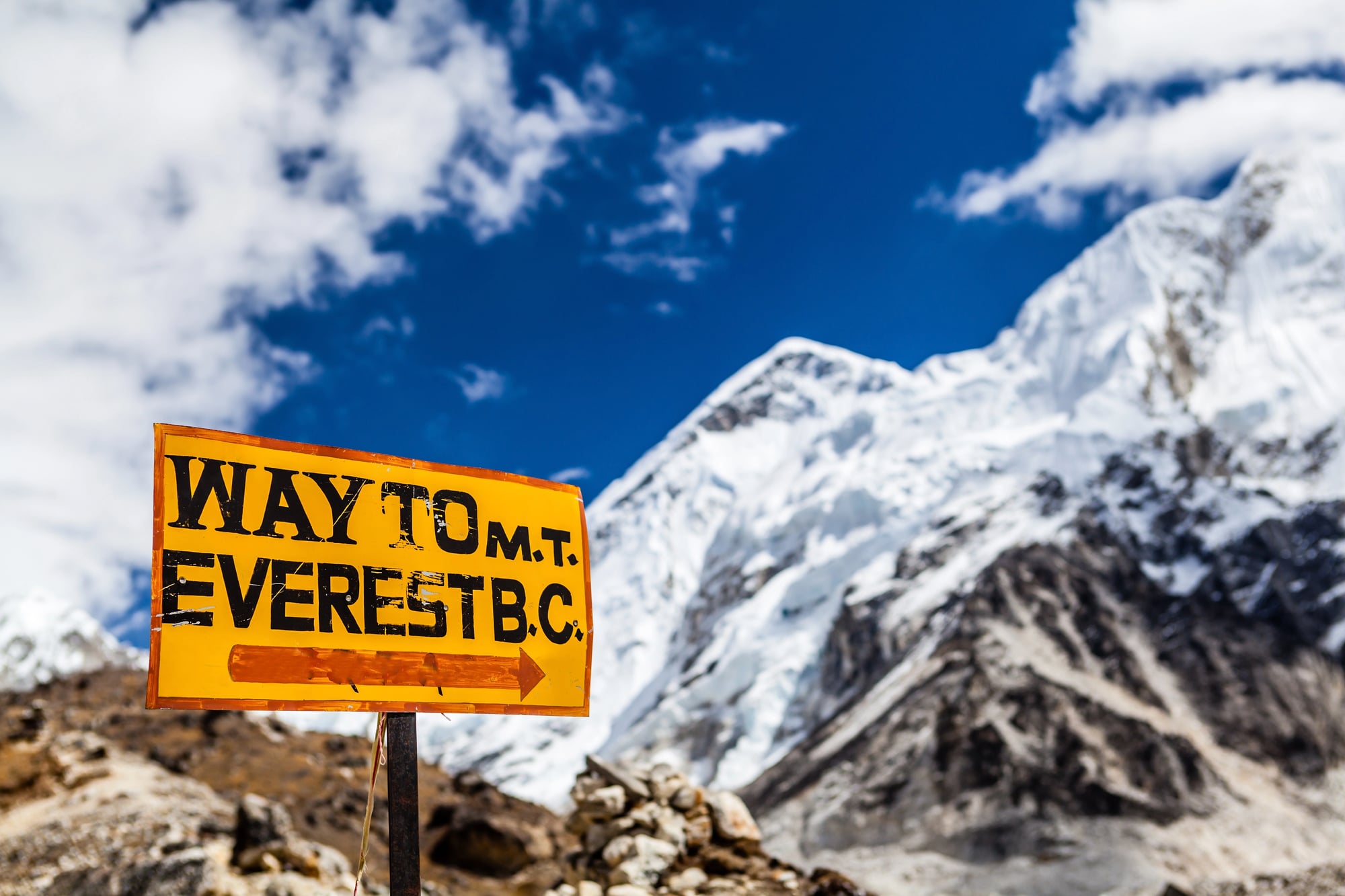
Mount Everest sits at 8,848.86 meters (29,031.7 feet), making it the undisputed highest point above sea level on Earth. First conquered by Sir Edmund Hillary and Tenzing Norgay in 1953, this Himalayan giant continues growing about 1-2 millimeters each year due to tectonic forces.
Despite the crowds and commercialization, Everest remains the ultimate prize for serious mountaineers, with over 11,000 successful summits recorded to date.
K2
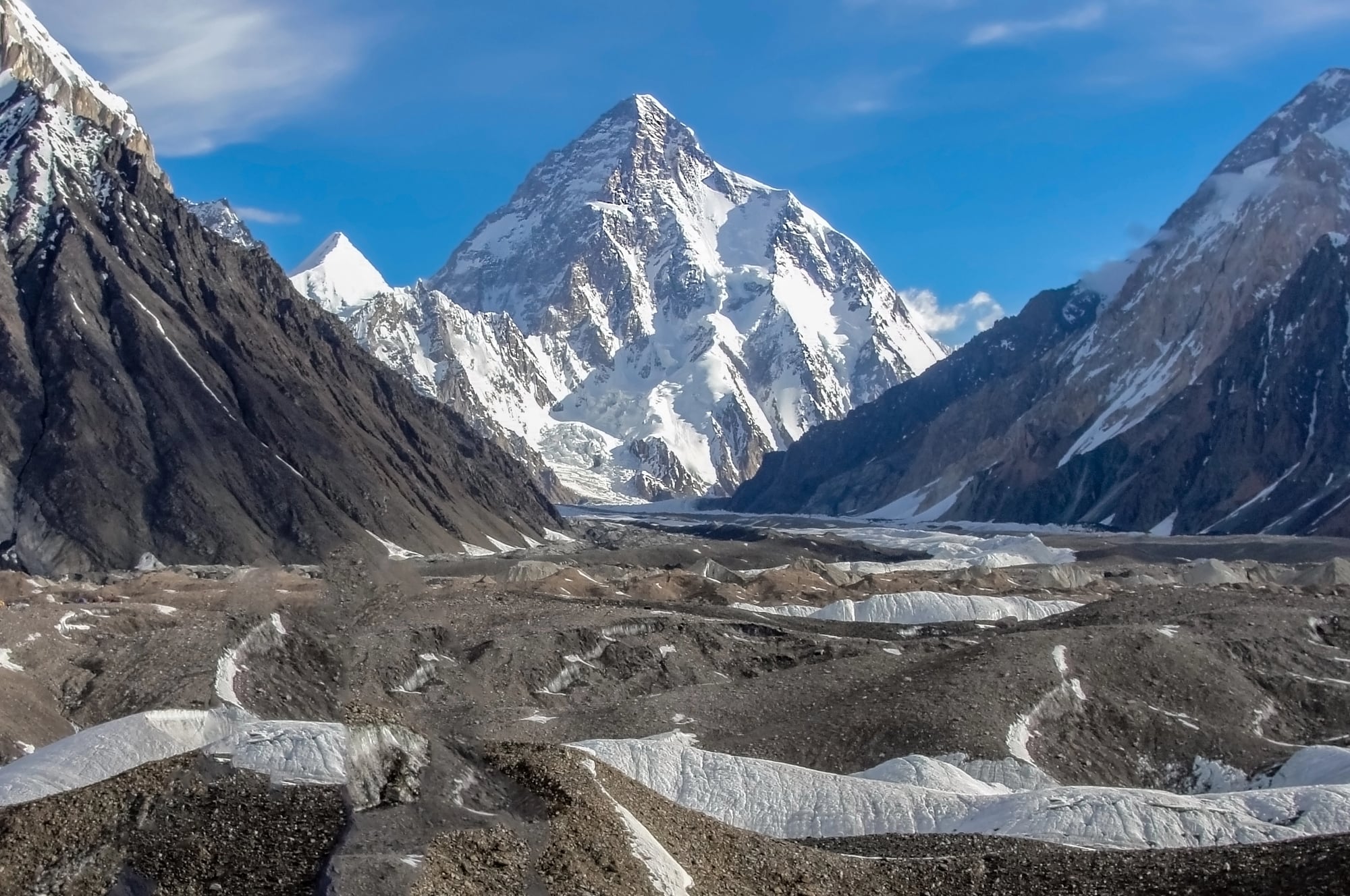
Known as the ‘Savage Mountain,’ K2 stands 8,611 meters tall and holds a historically high death rate of around 13-15%, making it one of the world’s most challenging peaks. This steep, prominent peak was finally summited in 1954 by Ardito Desio and his team of Italian climbers.
K2’s technical difficulty and unpredictable weather make it far more challenging than Everest, earning respect from even the most experienced climbers.
Like Go2Tutors’s content? Follow us on MSN.
Annapurna I
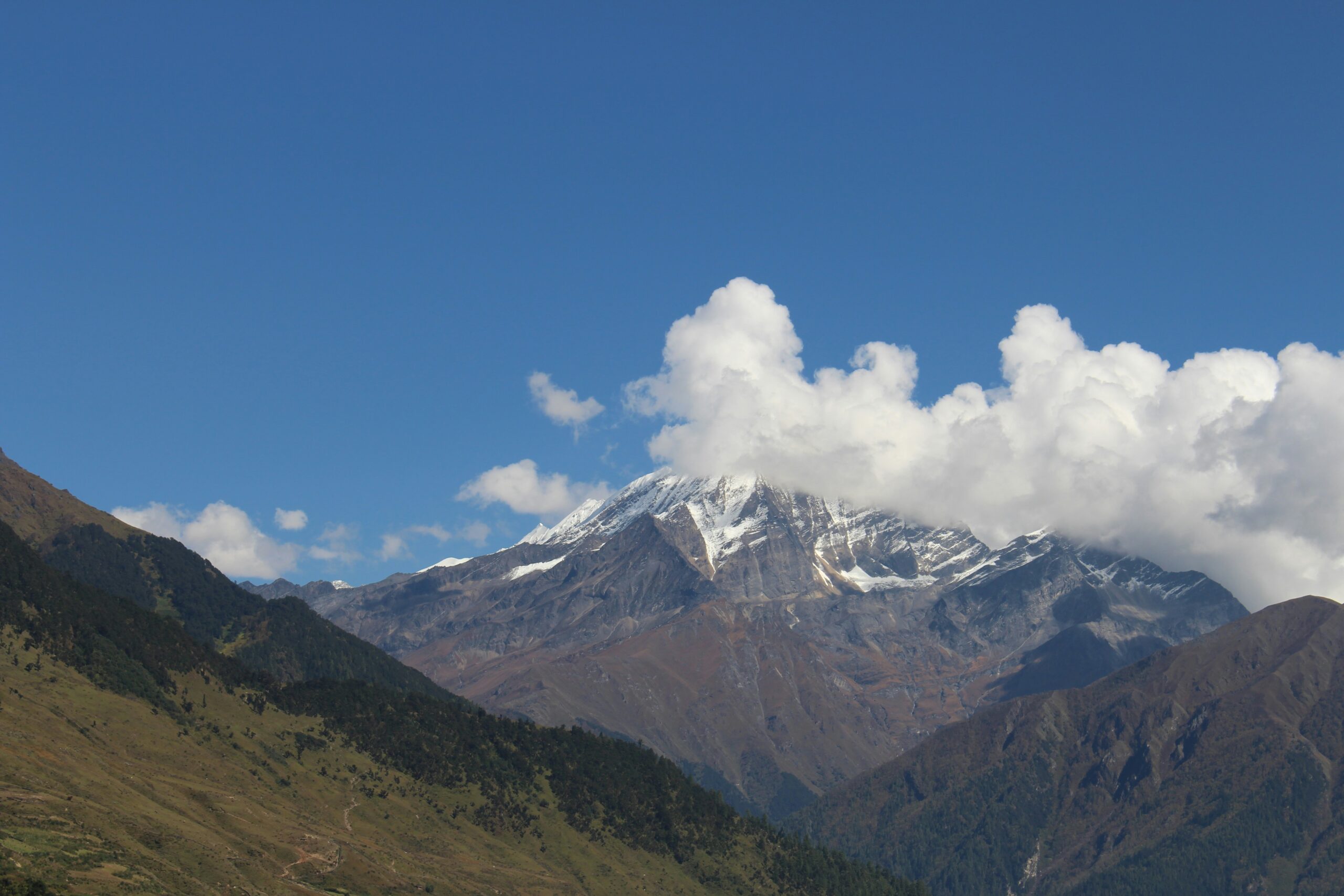
Annapurna I claims the grim distinction of being the world’s deadliest mountain among the 8,000-meter peaks, with a death rate of approximately 15-20% based on recent data. Standing 8,091 meters high, it was actually the first 8,000-meter peak ever successfully climbed when Maurice Herzog and Louis Lachenal reached its summit in 1950.
The mountain’s extreme avalanche danger and limited rescue options make every attempt a serious gamble with death.
Mount Chimborazo
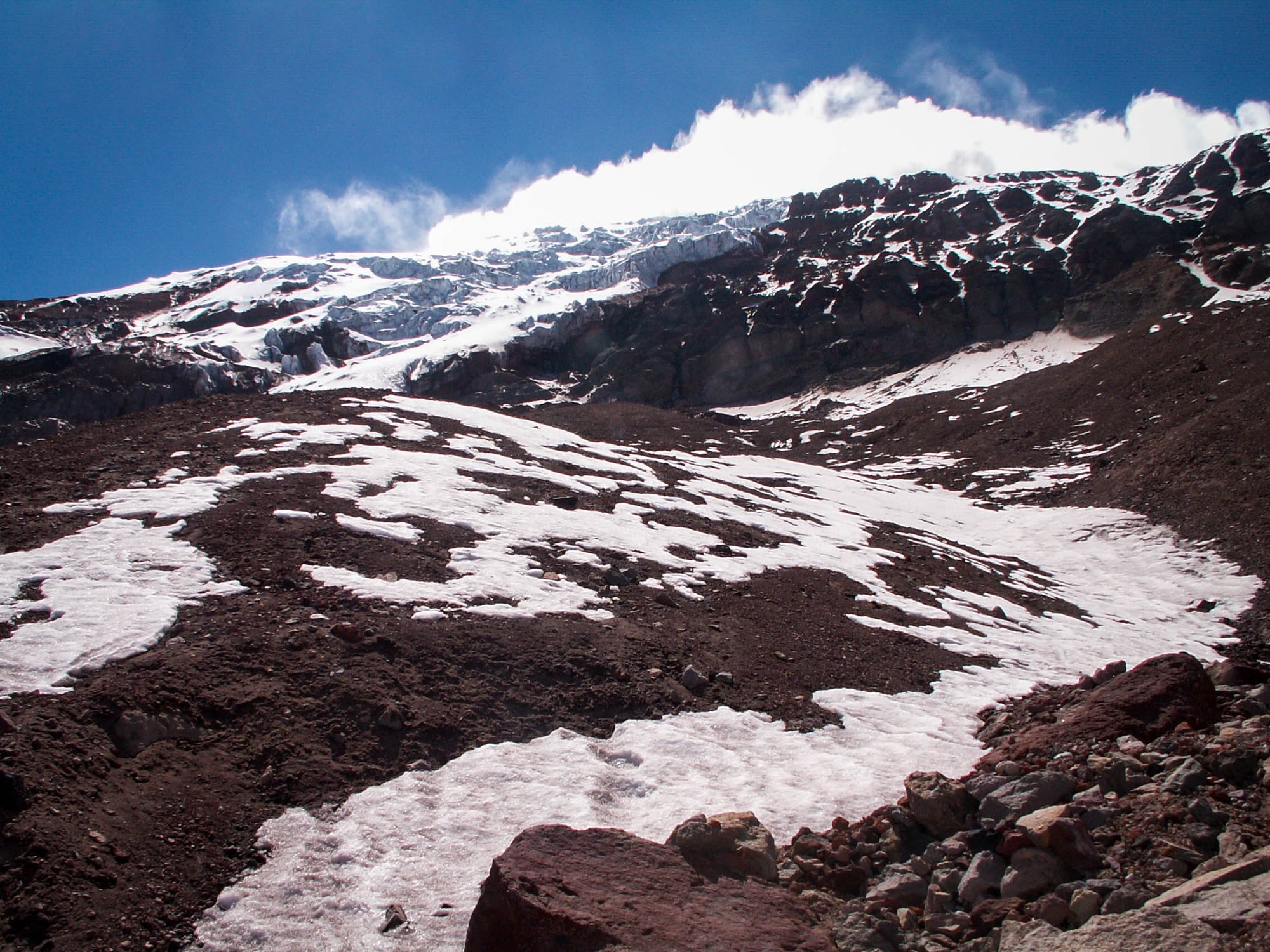
Ecuador’s Mount Chimborazo holds the remarkable record of being the farthest point on Earth from the planet’s center, despite standing only 6,268 meters above sea level. Due to Earth’s equatorial bulge, Chimborazo’s summit sits over 2,072 meters farther from Earth’s core than Mount Everest’s peak.
This makes it technically the ‘highest’ mountain when measured from Earth’s center rather than sea level.
Mauna Kea
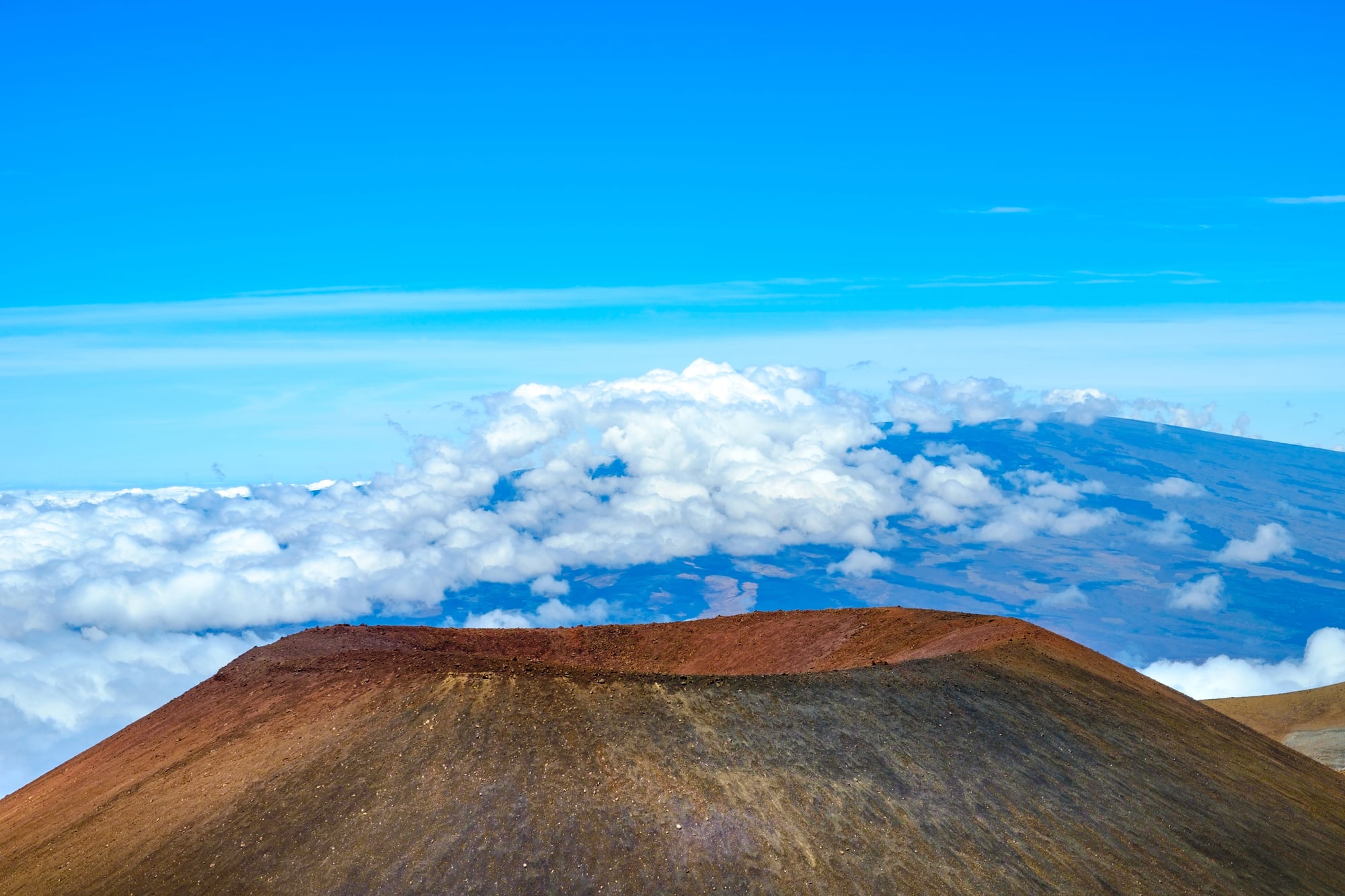
Hawaii’s Mauna Kea holds the record as the world’s tallest mountain when measured from base to peak, rising more than 10,210 meters from the Pacific Ocean floor. While its summit reaches only 4,207 meters above sea level, most of this massive volcano lies hidden beneath the Pacific Ocean.
The summit also hosts the world’s largest astronomical observatory, sitting above 40% of Earth’s atmosphere.
Like Go2Tutors’s content? Follow us on MSN.
Kangchenjunga
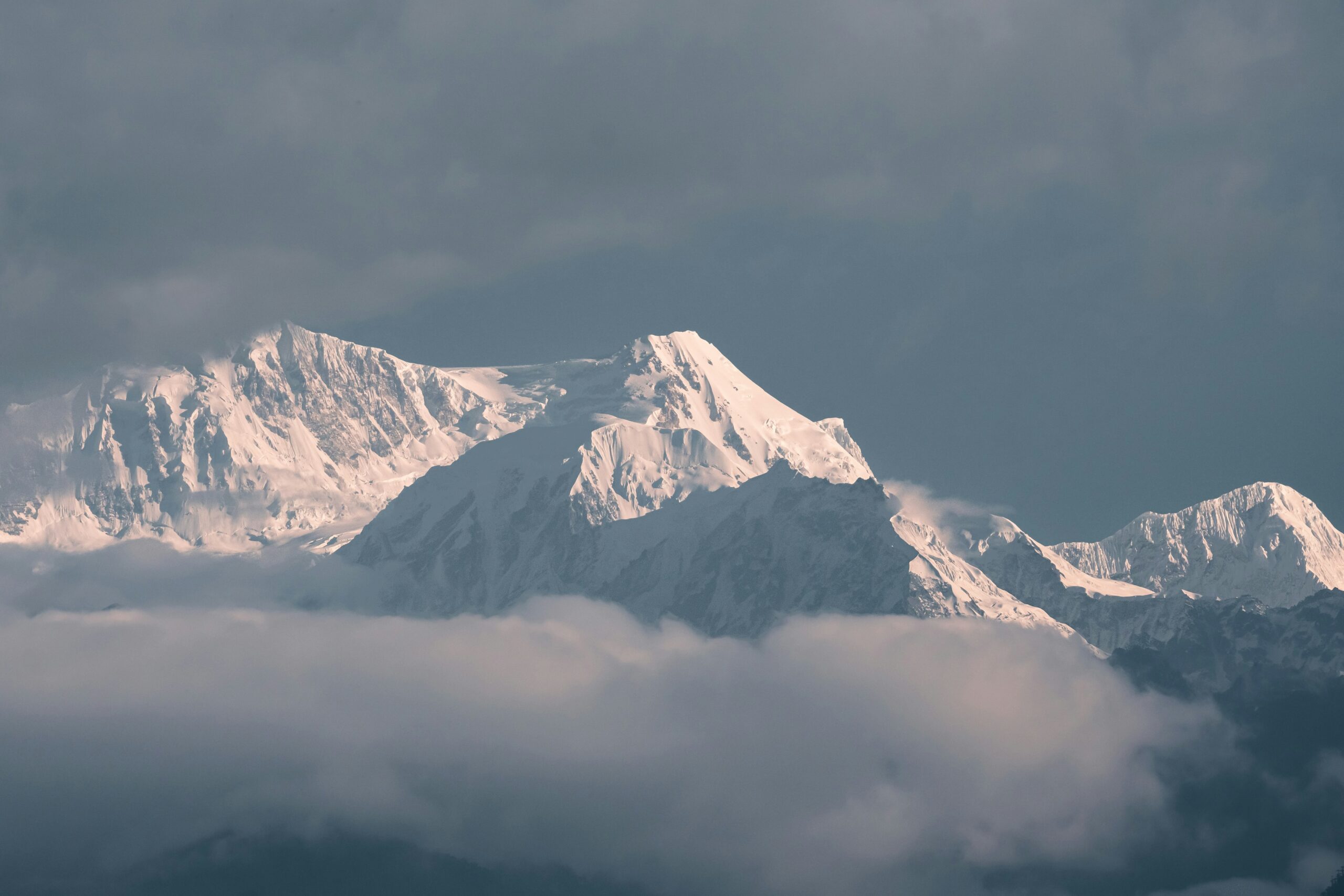
At 8,586 meters, Kangchenjunga was thought to be the world’s highest mountain until 1852 and remains the highest peak entirely within India’s borders. When Joe Brown and George Band first climbed it in 1955, they honored local beliefs by stopping just short of the actual summit to keep it untouched.
This respectful tradition continues today, with climbers deliberately avoiding the final few steps to the true summit.
Lhotse
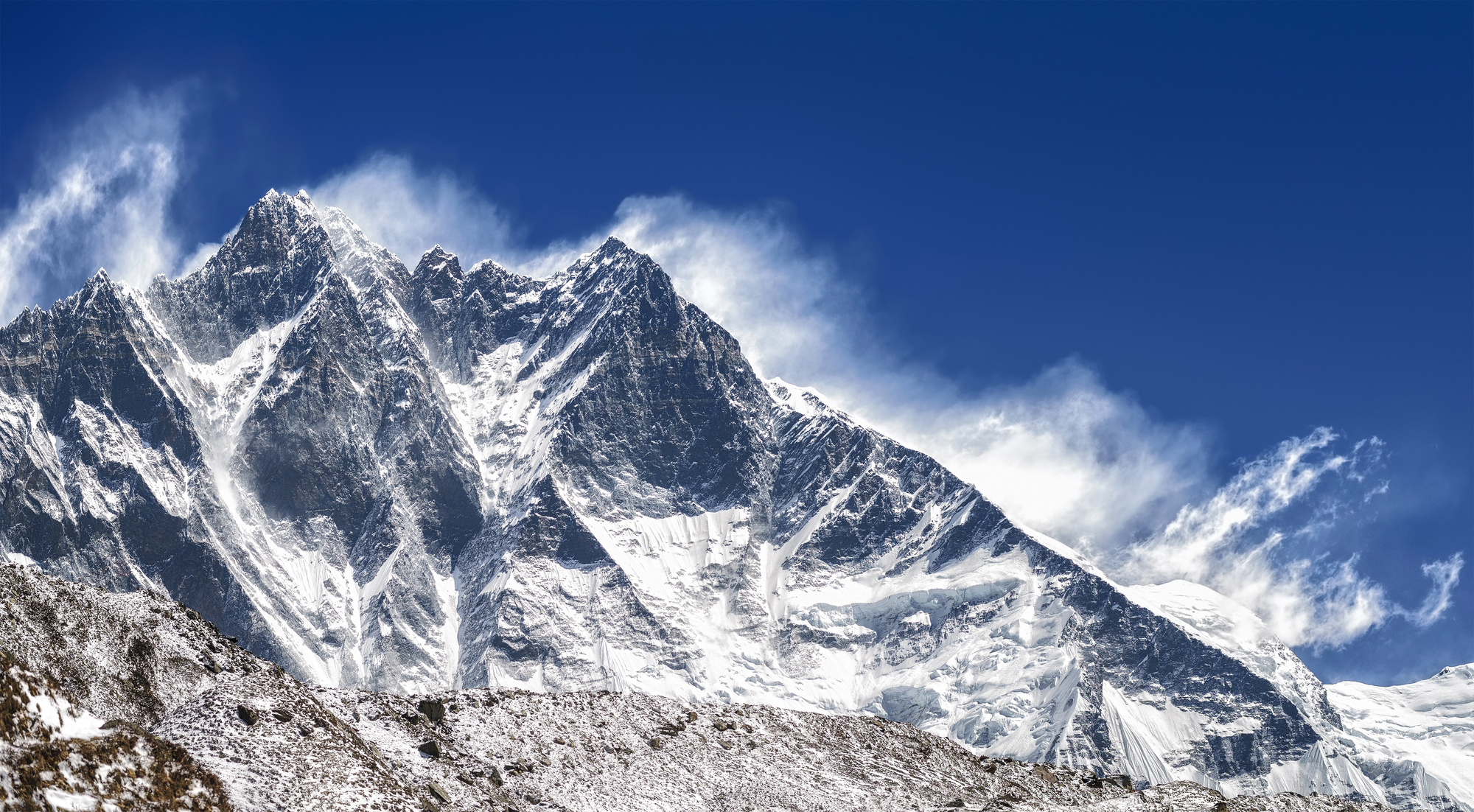
Lhotse, standing 8,516 meters tall, holds the record for being the world’s fourth-highest peak and is sometimes called E1 (Everest 1) due to its proximity to Mount Everest. Swiss climbers Fritz Luchsinger and Ernst Reiss achieved the first successful summit in 1956, one year after the initial attempt.
Its south face presents one of the most technically challenging climbs in the Himalayas.
Makalu
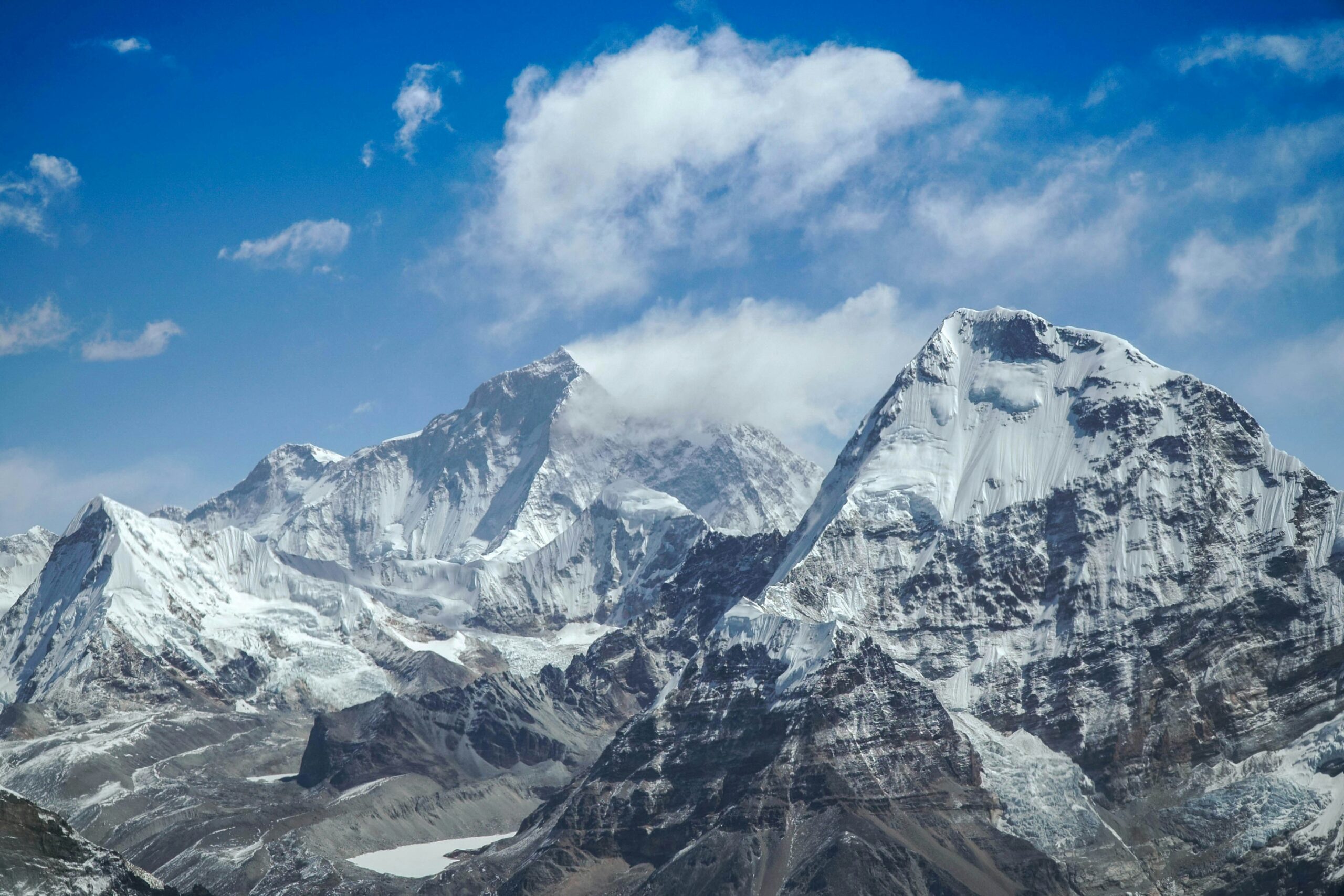
Makalu, at 8,485 meters, is considered one of the most difficult mountains in the world to climb due to its exposed ridges and steep pitches. Located just 14 miles west of Mount Everest, this pyramid-shaped peak has claimed 48 lives among the 568 people who’ve attempted to reach its summit as of 2019.
The mountain’s isolation and technical demands make it a true test of mountaineering skill.
Like Go2Tutors’s content? Follow us on MSN.
Cho Oyu
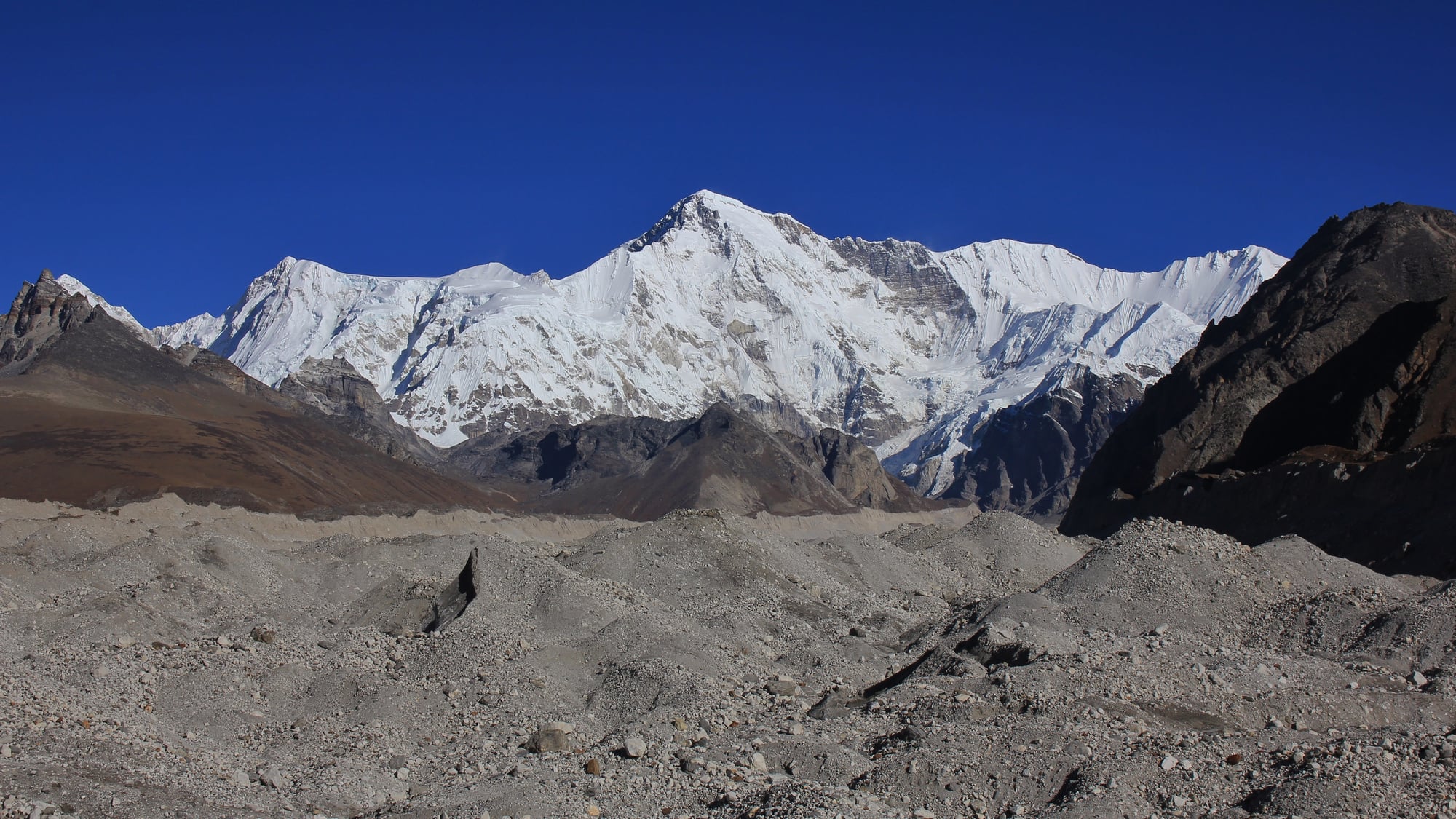
Standing 8,188 meters tall, Cho Oyu holds the distinction of being considered the safest and most accessible of the fourteen 8,000-meter peaks, with a death rate of just 1-2%. This makes it the most popular choice for mountaineers attempting their first 8,000-meter summit.
However, climbers still face complicated permit requirements when dealing with Chinese authorities.
Dhaulagiri
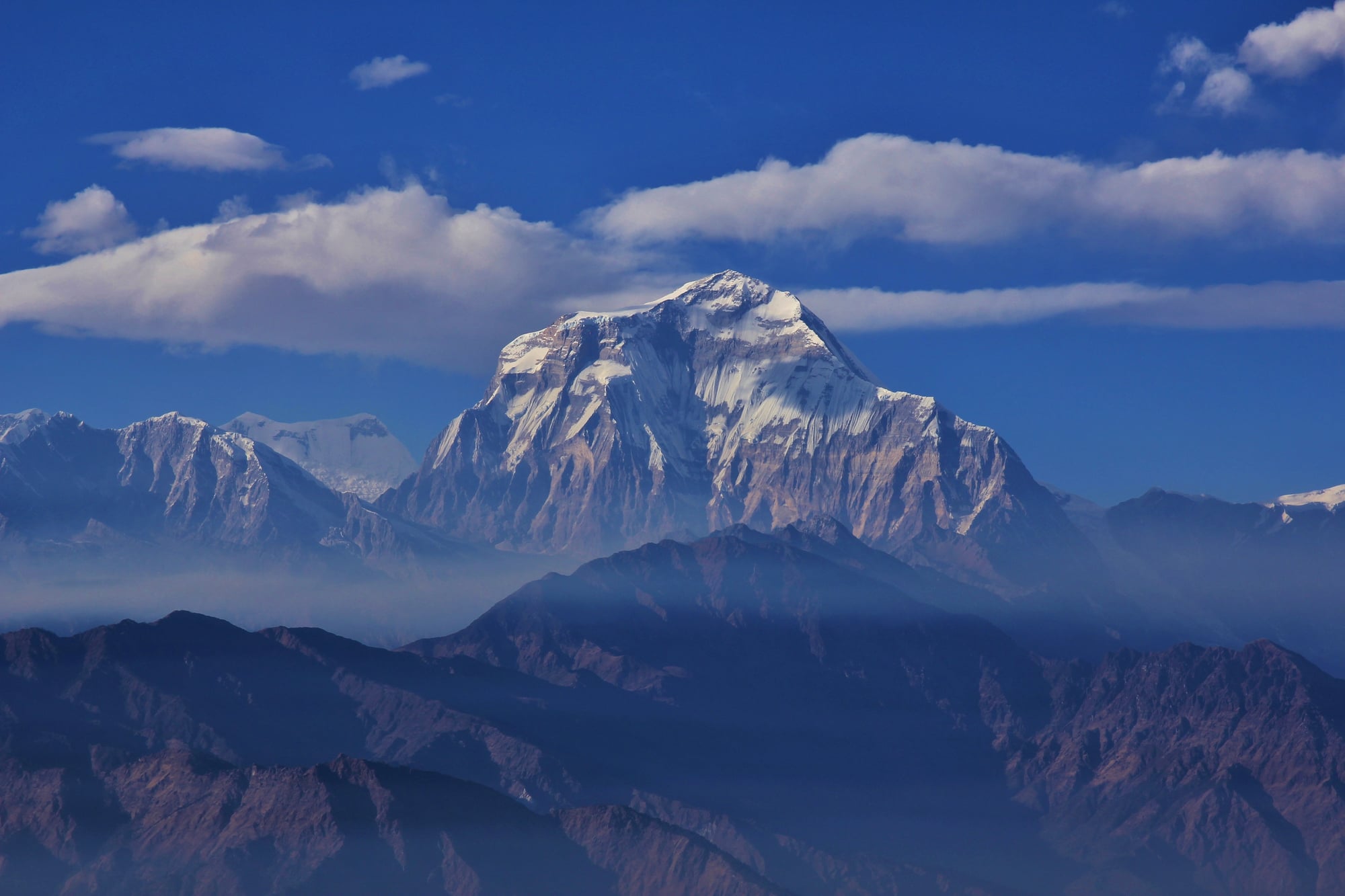
Dhaulagiri I, reaching 8,167 meters, was once thought to be the world’s highest mountain until more accurate surveys were completed. The name means ‘White Mountain’ in Sanskrit, and it holds a death rate of approximately 15.4% among the 8,000-meter peaks.
Its massive south face rises over 4,000 meters from base to summit in just 30 kilometers, creating one of the most dramatic mountain walls on Earth.
Manaslu
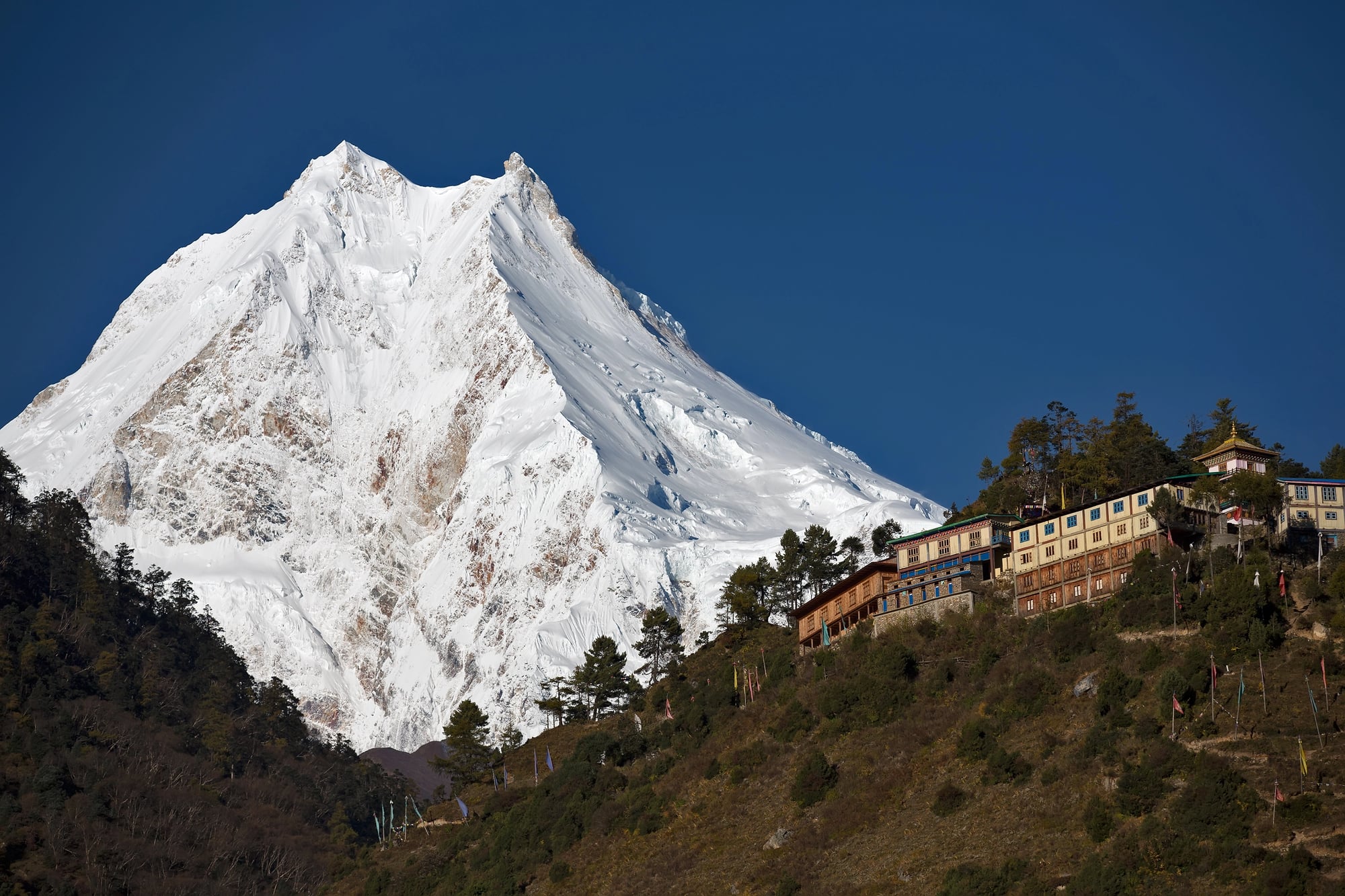
At 8,163 meters, Manaslu offers a challenging but more manageable introduction to 8,000-meter climbing, though it still presents significant avalanche risks and technical sections. The mountain’s name means ‘Mountain of the Spirit’ in Sanskrit, reflecting its sacred status in local Buddhist culture.
While less technical than some peaks in its class, Manaslu demands serious respect from climbers due to its unpredictable conditions.
Like Go2Tutors’s content? Follow us on MSN.
Nanga Parbat
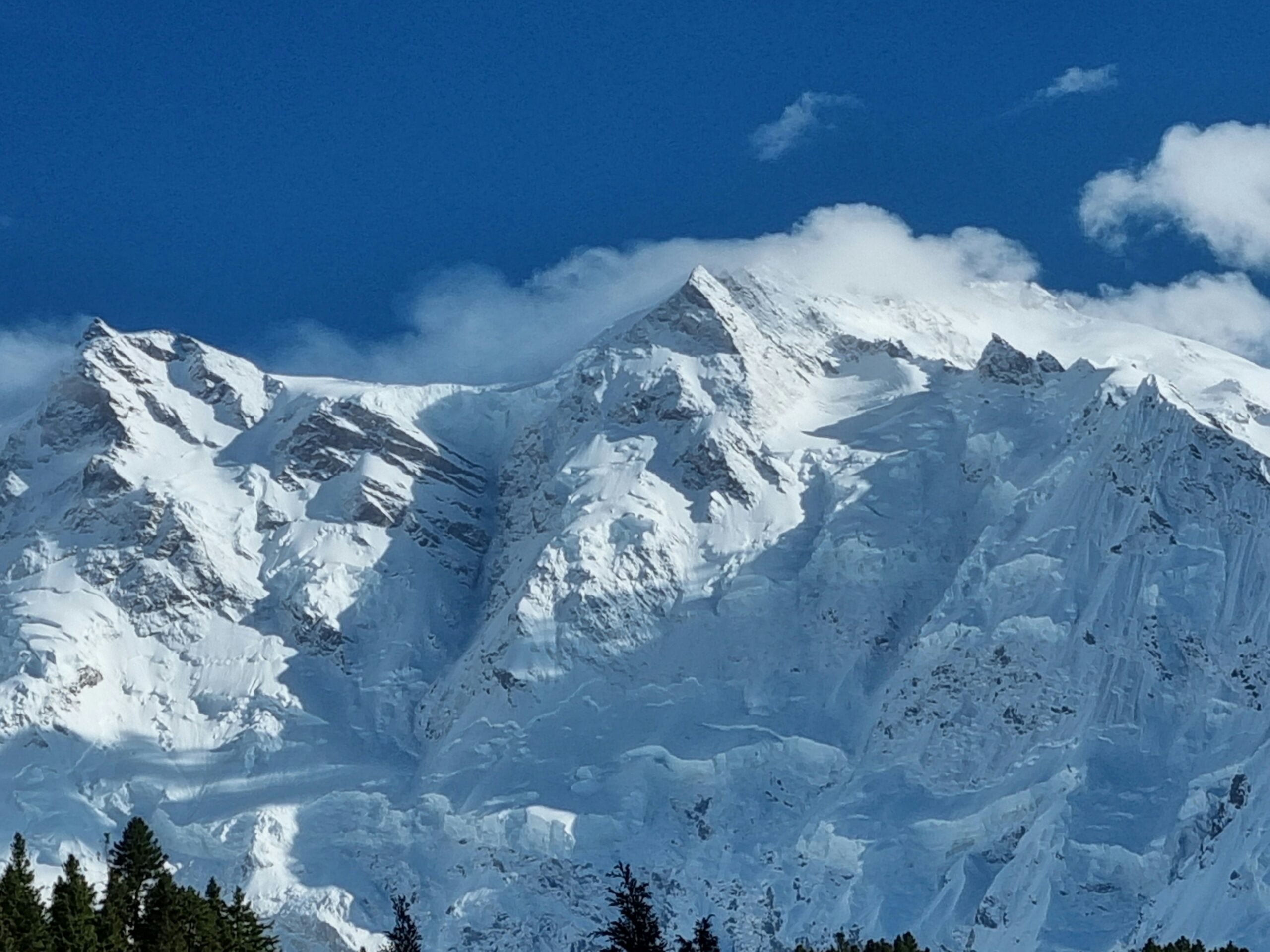
Standing at 8,126 meters, Nanga Parbat has the menacing moniker “Killer Mountain” and has a death rate of more than 20%. It rises sharply out of the surrounding landscape and is regarded as one of the most notable free-standing mountains.
Rising 4,600 meters from base to summit, the mountain’s enormous Rupal Face is the biggest mountain face in the world.
Gasherbrum I
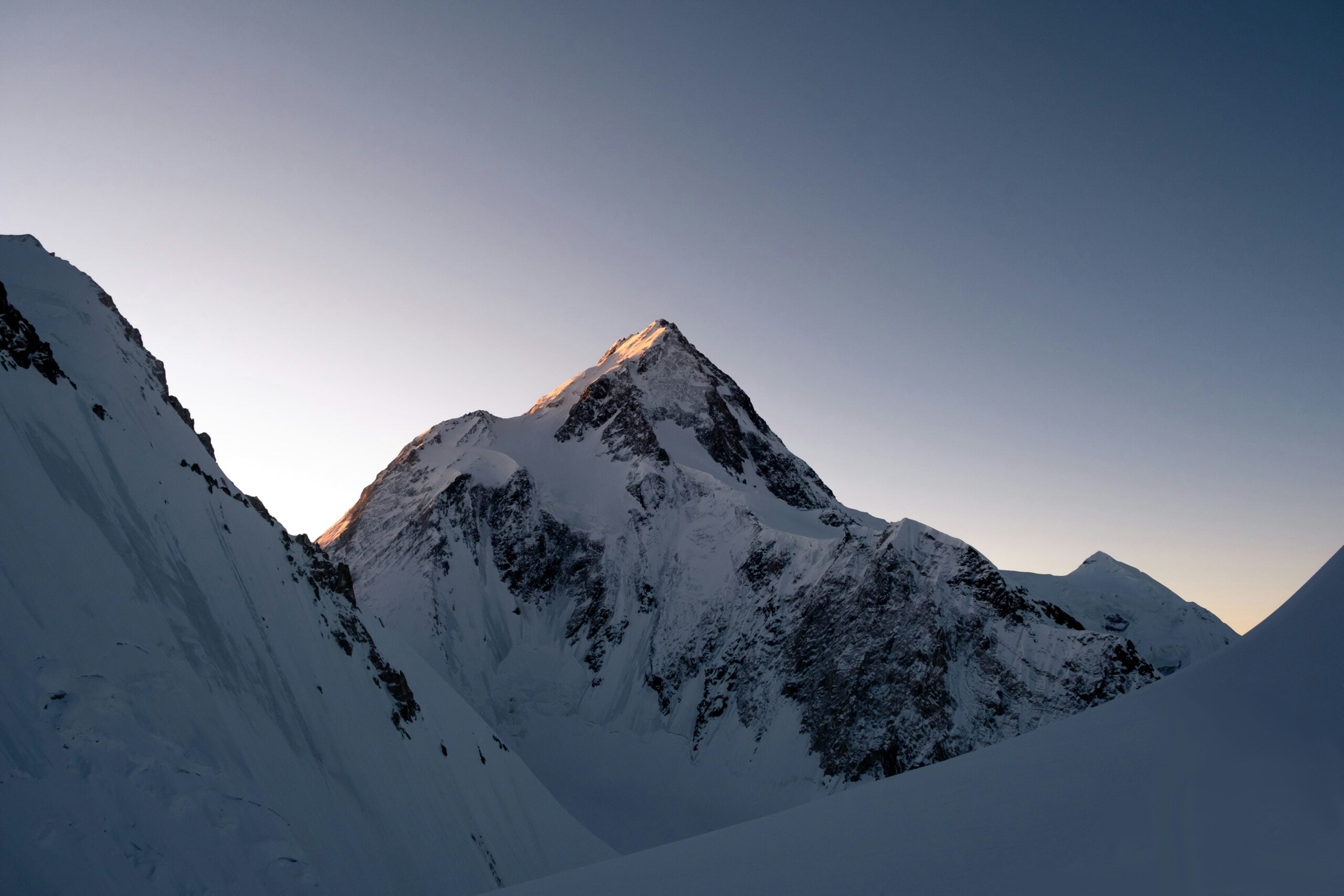
Gasherbrum I, also known as Hidden Peak due to its remote location in Pakistan’s Karakoram range, stands 8,080 meters high. An eight-person American expedition first climbed it in 1958.
The peak is the second highest in the Karakoram range and remains one of the least frequently climbed 8,000-meter summits due to its isolation.
Broad Peak
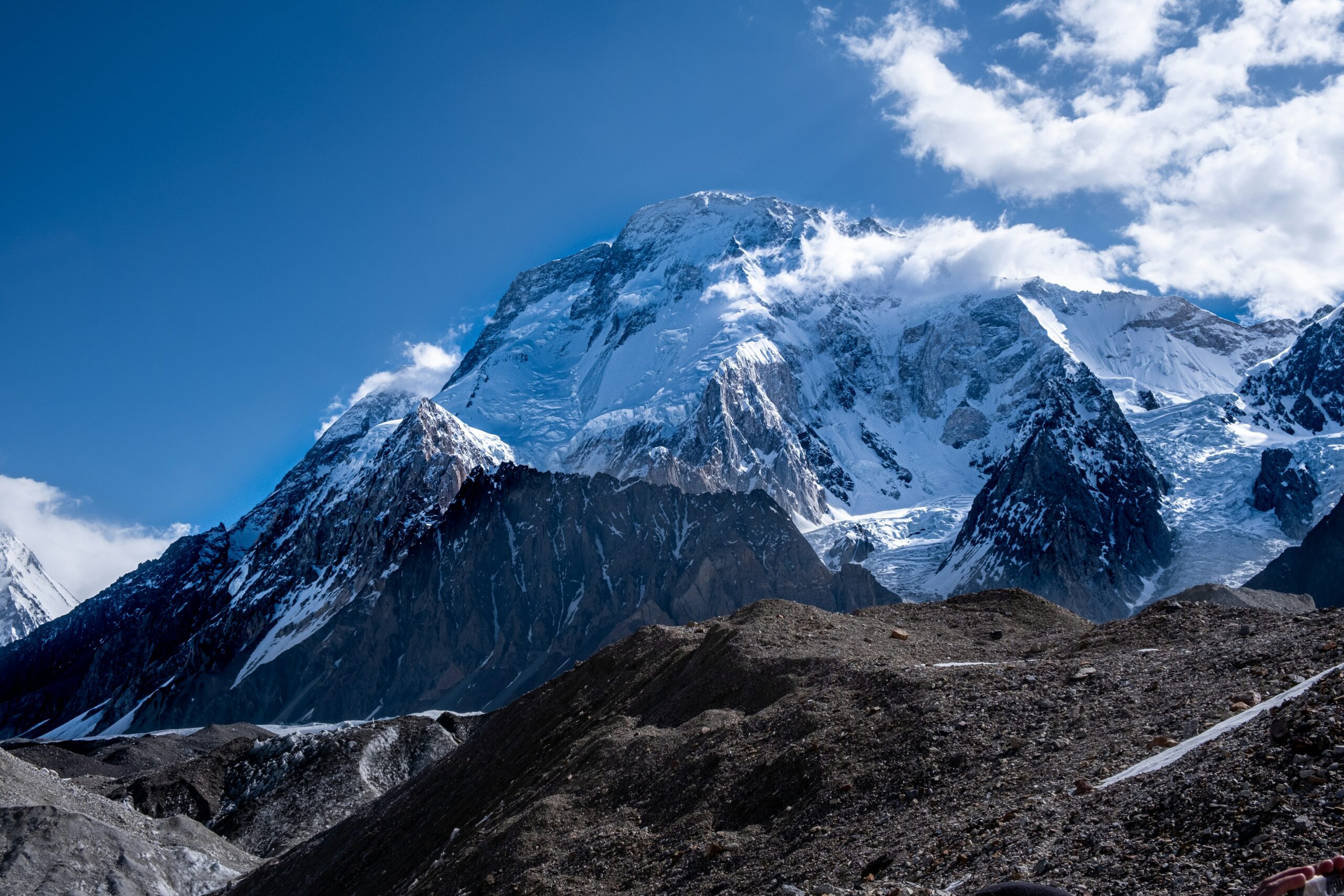
At 8,051 meters, Broad Peak is regarded as another “safer” eight-thousander, with fewer technical hazards on its routes, making it an easy climb among the highest peaks in the world. Marcus Schmuck led an Austrian expedition that made the first ascent in 1957.
The mountain’s unique name and reasonably easy climbing conditions are attributed to its wide summit plateau.
Like Go2Tutors’s content? Follow us on MSN.
Gasherbrum II
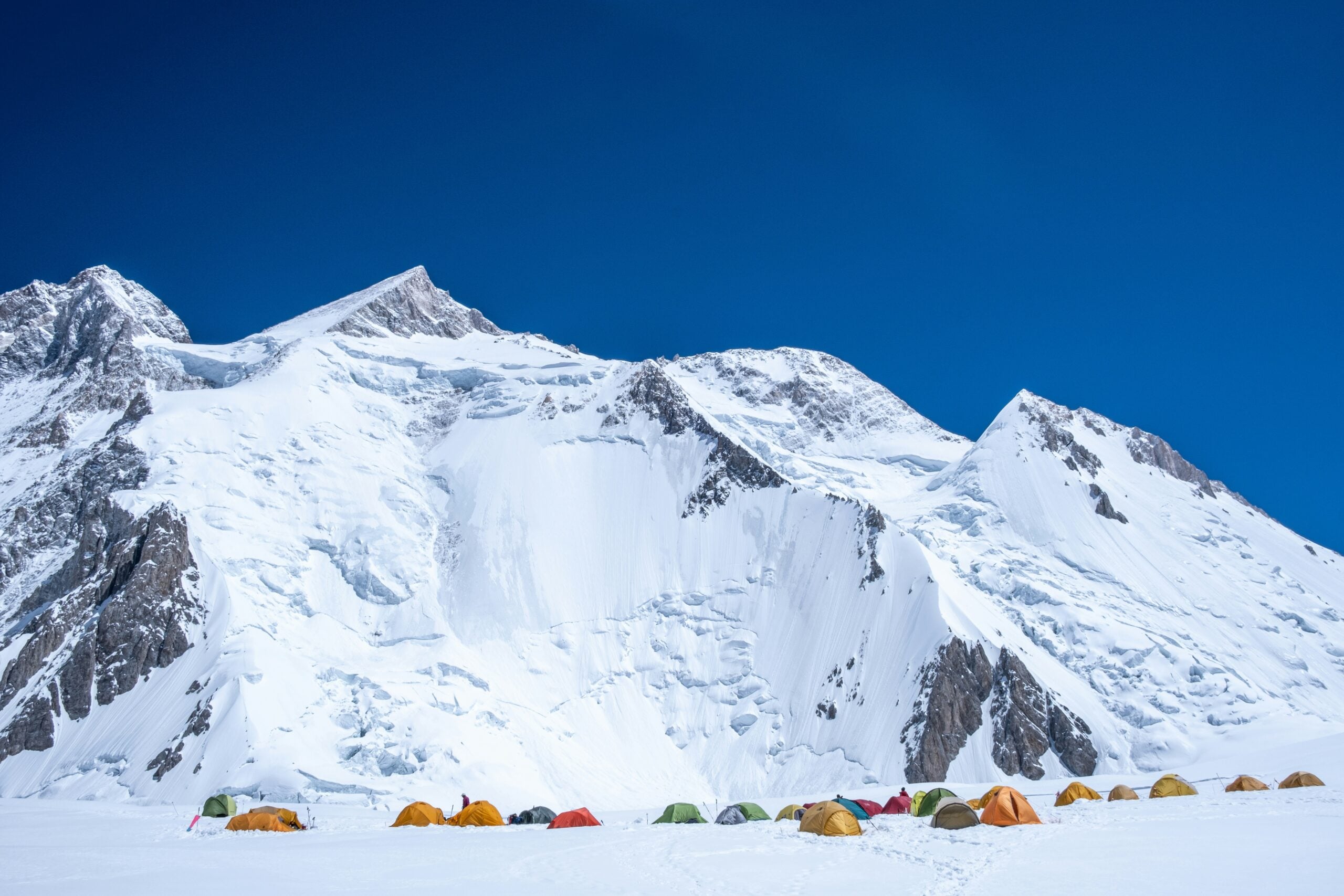
Gasherbrum II, standing 8,035 meters tall, was originally named K4 by British surveyor Thomas George Montgomerie in 1856. It’s considered the safest and ‘easiest’ of the Karakoram 8,000-meter peaks.
The mountain offers a more accessible introduction to extreme high-altitude climbing in the notoriously difficult Karakoram range.
Shishapangma
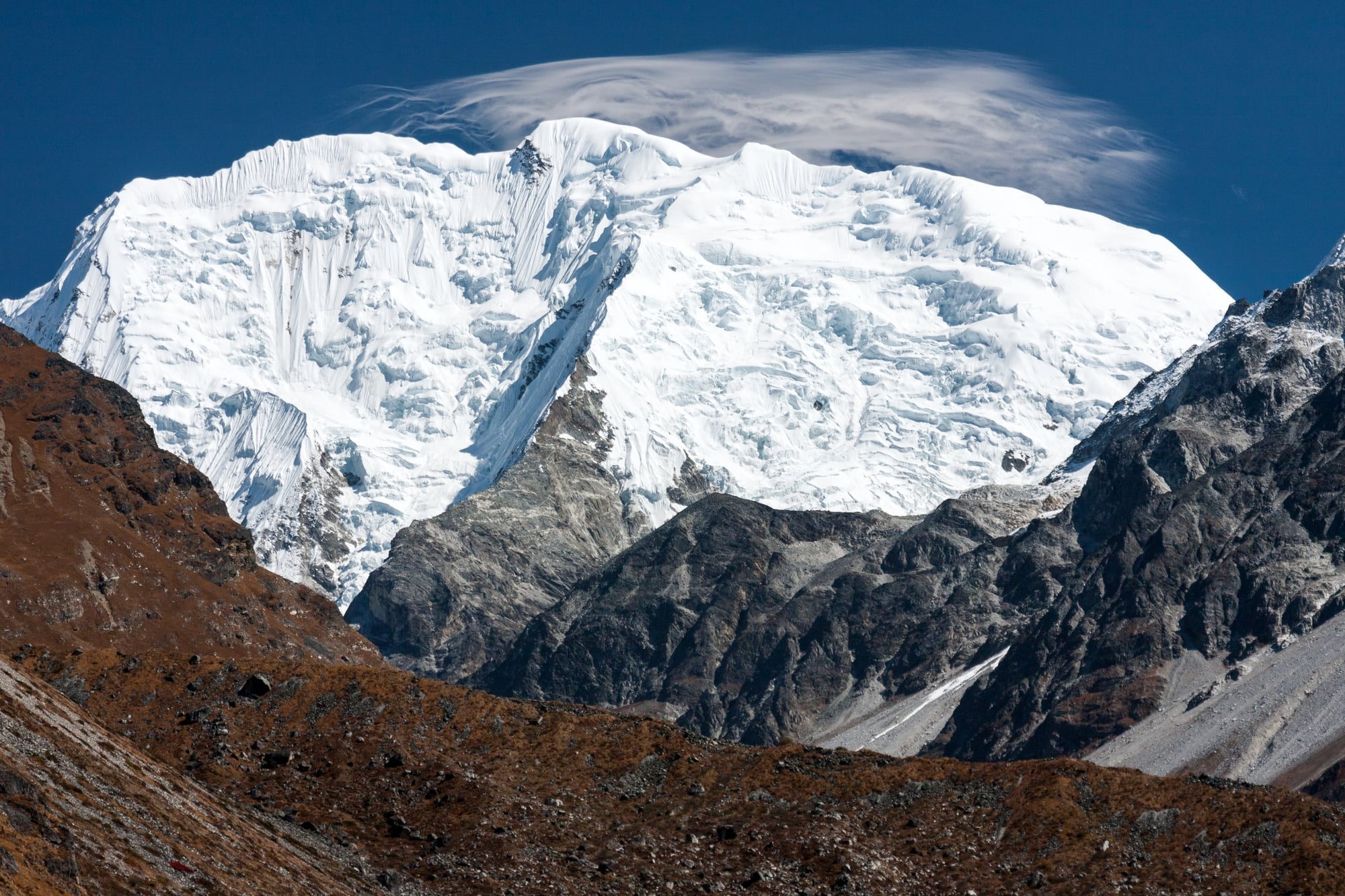
At 8,027 meters, Shishapangma holds the record as the last of the fourteen 8,000-meter peaks to be climbed, with the first ascent credited to Xu Jing and his Chinese team in 1964. Very few people have climbed it due to access restrictions, and legendary climber Alex Lowe died in an avalanche here in 1999.
The mountain’s dual summit creates confusion about which peak represents the true highest point.
Where Giants Still Rule
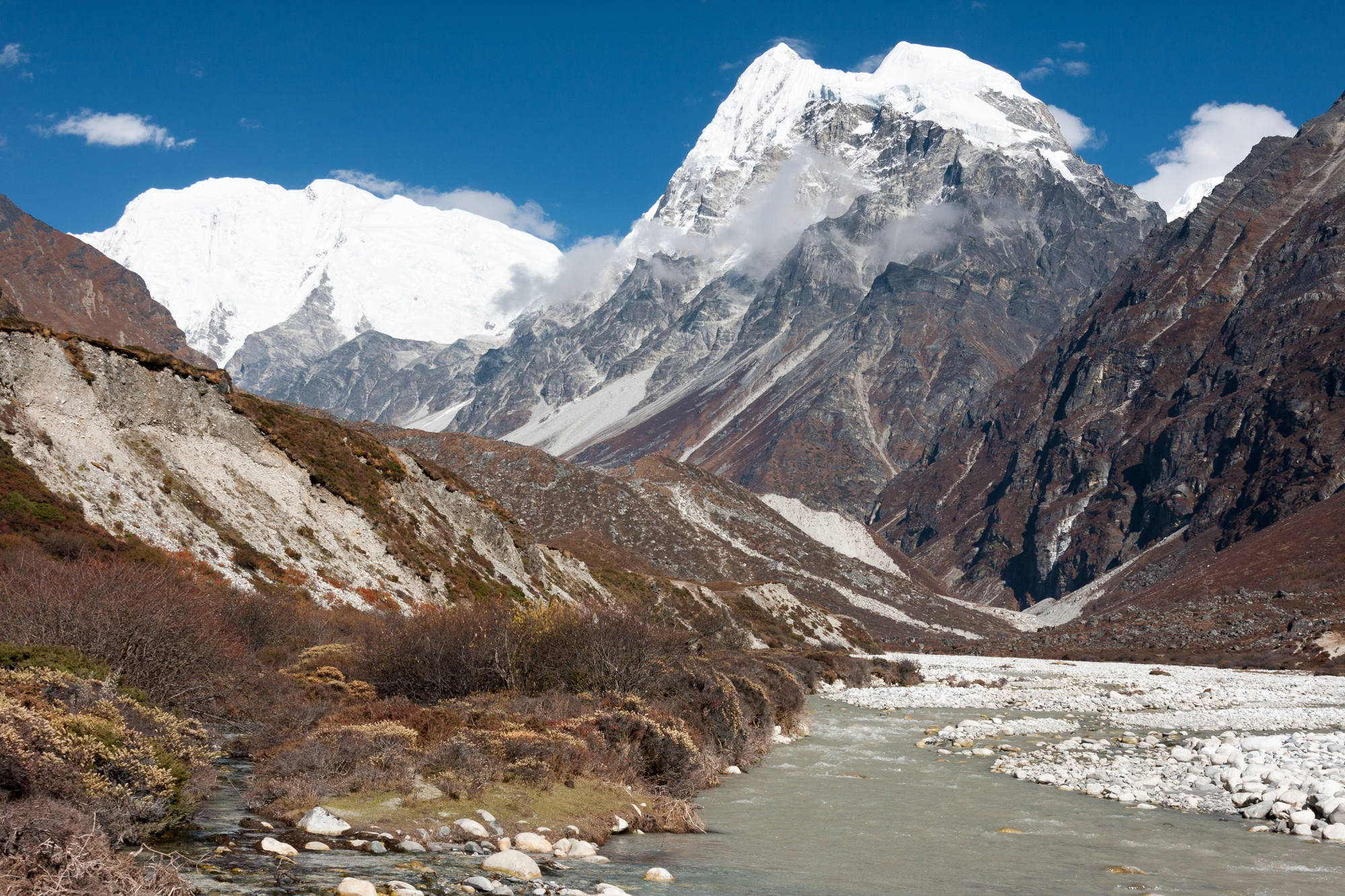
These eighteen peaks are symbols of human ambition and the unadulterated might of our planet’s geological forces, not just striking numbers on an altimeter. Every mountain, from Annapurna’s lethal slopes to Everest’s expanding summit, tests our comprehension of what is feasible at extremely high elevations.
Even though methods and technology advance annually, these peaks serve as a reminder that some records have a higher cost than others. About 50–60 mountaineers have ascended all fourteen 8,000-meter peaks as of 2023, demonstrating that these extreme altitude records continue to rank among the most exclusive accomplishments on the planet despite all of our advancements.
Like Go2Tutors’s content? Follow us on MSN.
More from Go2Tutors!

- 16 Historical Figures Who Were Nothing Like You Think
- 12 Things Sold in the 80s That Are Now Illegal
- 15 VHS Tapes That Could Be Worth Thousands
- 17 Historical “What Ifs” That Would Have Changed Everything
- 18 TV Shows That Vanished Without a Finale
Like Go2Tutors’s content? Follow us on MSN.


