Last Royal Traditions Still Practiced Today
Time seems to slip past royal rituals, while everything else rushes into new ways. Born from needs – control, belief, ceremony – they once backed up rule when images spoke louder than laws.
It isn’t their survival that catches attention, rather how clearly they still echo now. Not vanishing like old relics, these customs instead shifted in subtle ways.
Tweaked here, pared down there, they still carry the same quiet meaning. Even as everything else races forward, crown rituals stand as steady markers of what stays.
A fresh peek into royal habits that live on now – old routines from long ago quietly guiding today’s crown rituals.
The Changing Of The Guard
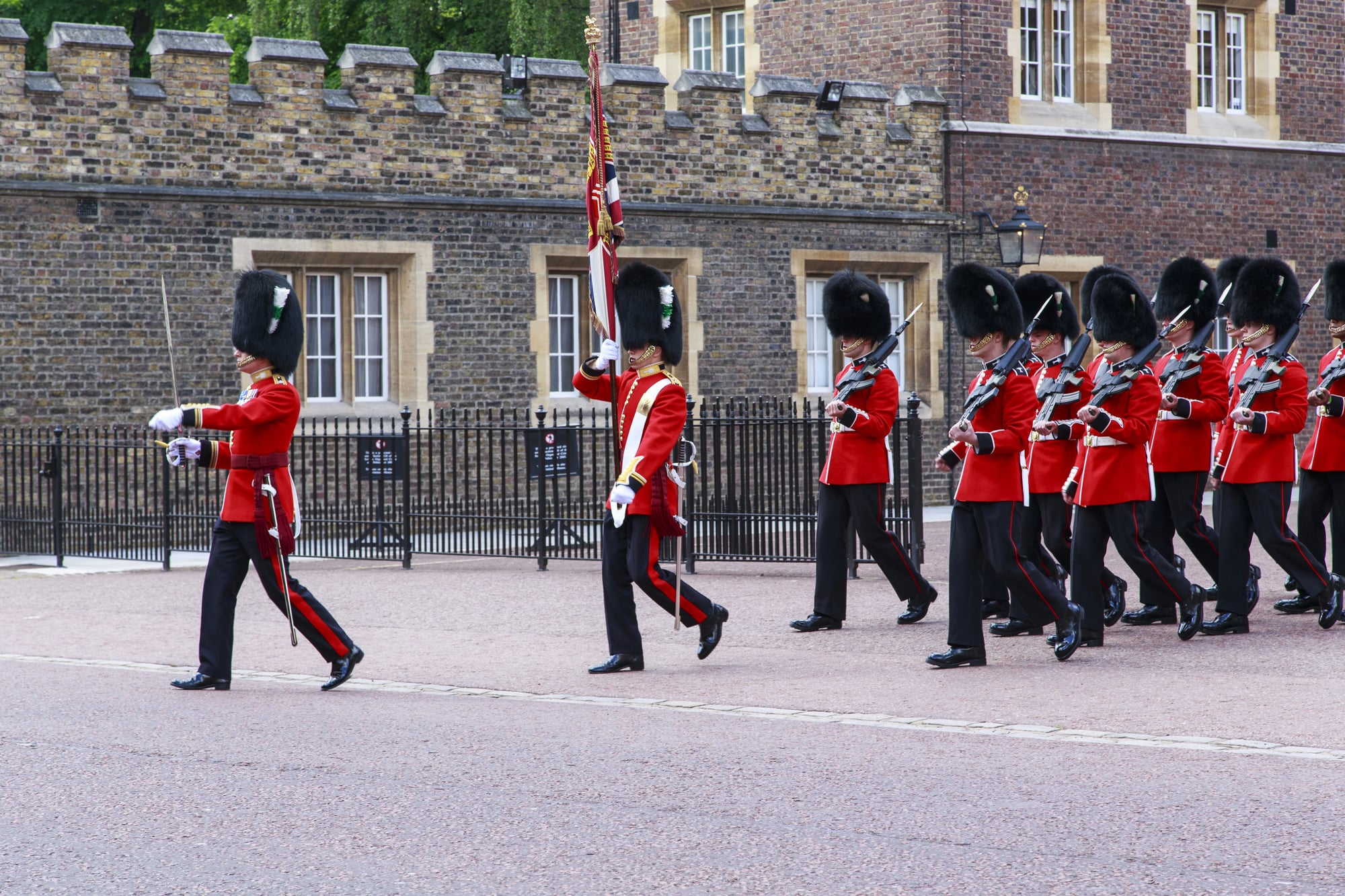
The Changing of the Guard is one of the most recognisable royal ceremonies in the world, particularly outside the United Kingdom. What began as a straightforward military duty has evolved into a carefully choreographed ritual watched by millions each year.
Soldiers formally hand over responsibility for protecting the monarch at royal residences such as Buckingham Palace. Even so, this is not ceremonial theatre alone.
The guards involved are active service members, trained and operational. The ritual publicly reinforces the bond between the monarchy and the armed forces, turning routine security into a symbol of stability, discipline, and national continuity.
Trooping The Colour
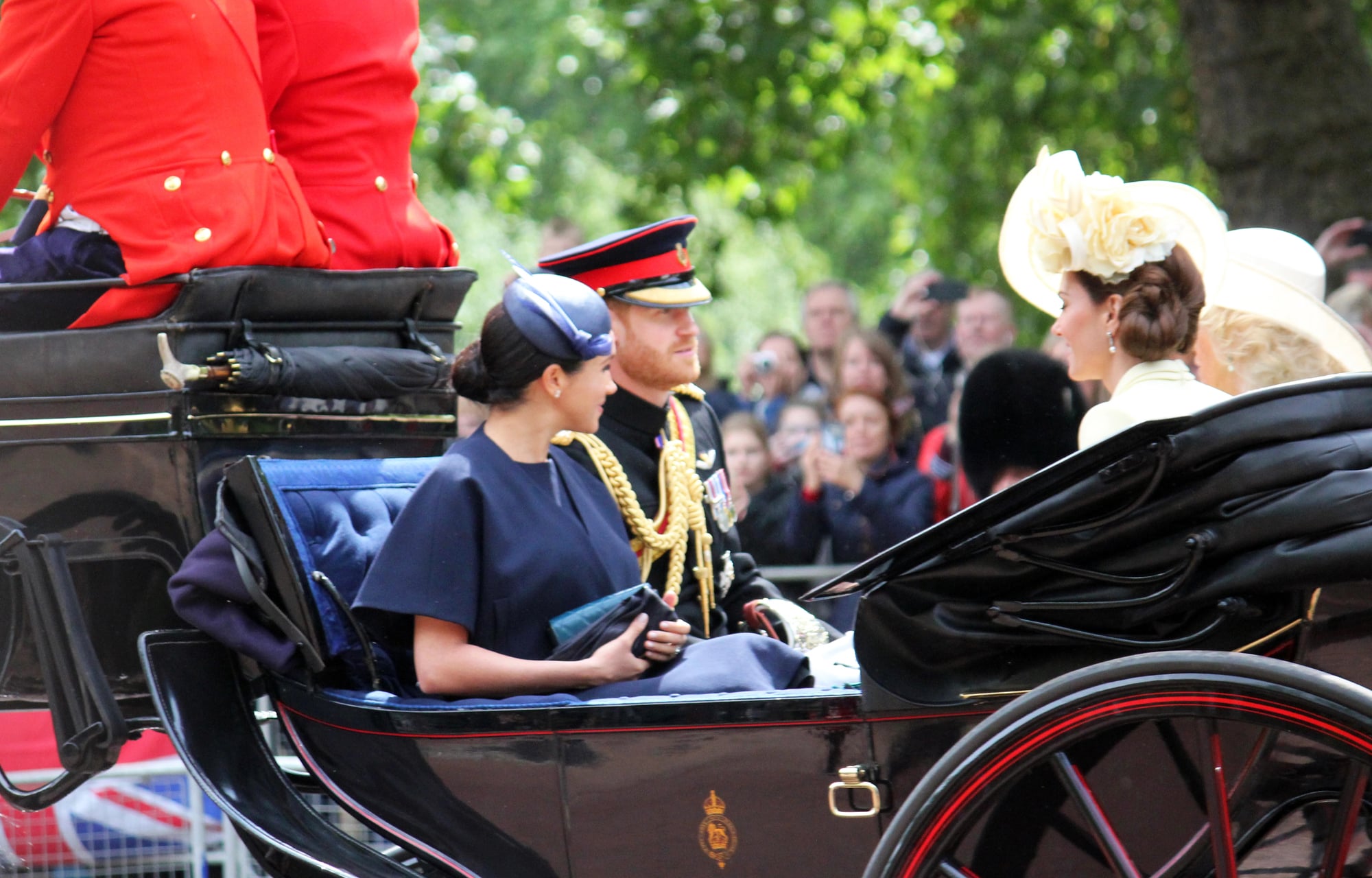
Trooping the Colour marks the official birthday of the British monarch, regardless of their actual date of birth. The tradition dates back to the eighteenth century, when soldiers gathered to familiarise themselves with regimental flags before battle.
Those flags, or colours, were essential points of recognition during combat. Today, the ceremony has become a large-scale public event involving hundreds of soldiers, musicians, and mounted units.
Still, its structure remains deeply military. The monarch inspects the troops, reinforcing their ceremonial role as head of the armed forces.
The pageantry masks a serious message about unity, service, and continuity.
The State Opening Of Parliament
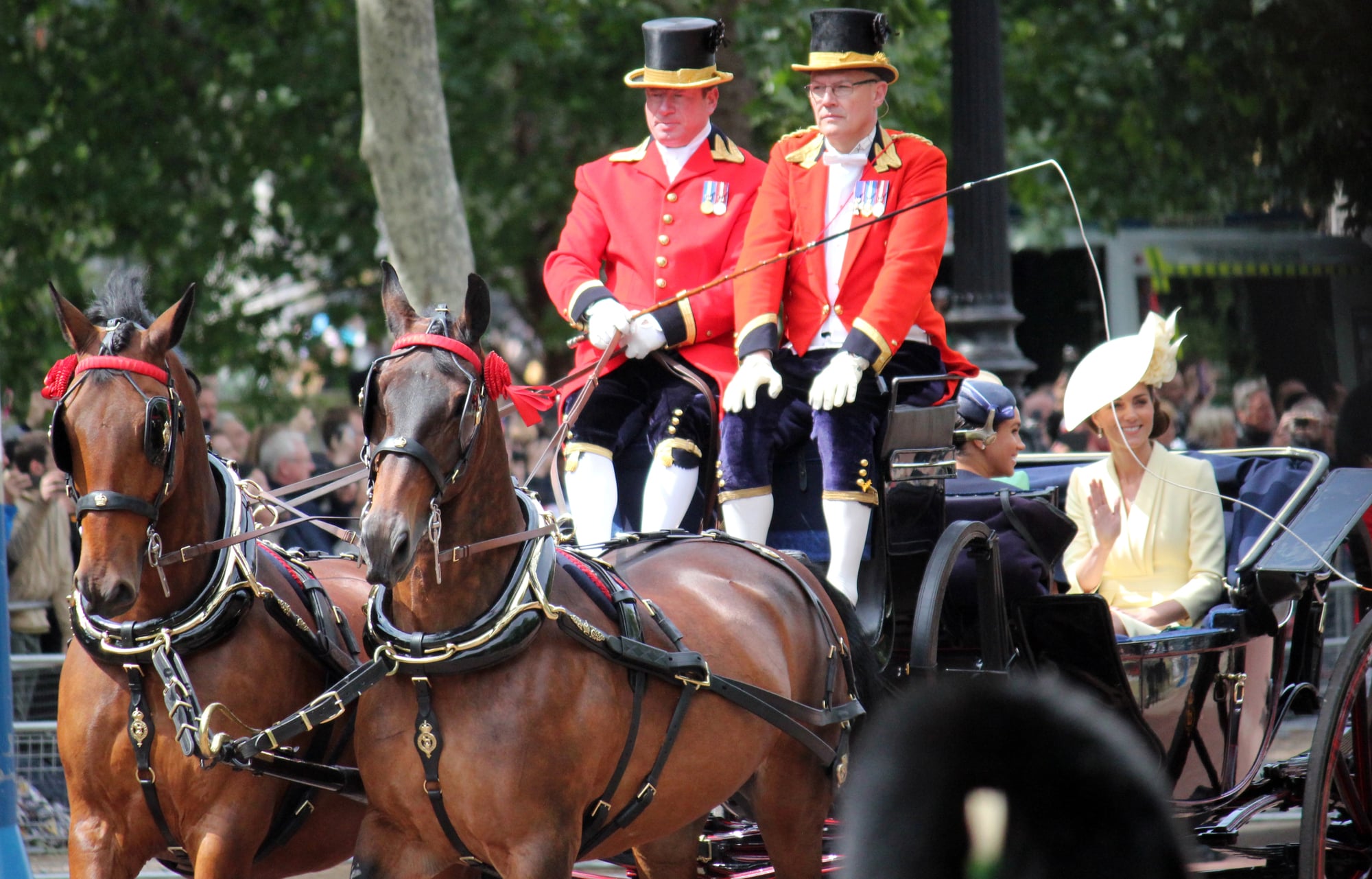
The State Opening of Parliament is one of the clearest examples of ancient ritual intersecting with modern democracy. During the ceremony, the monarch travels to the Palace of Westminster to formally open a new parliamentary session.
Every movement, from the procession to the reading of the speech, follows long-established protocol. That said, the ceremony’s power lies in contrast.
The monarch delivers a speech written by the elected government, underscoring the constitutional balance between tradition and democratic authority. The ritual serves as a reminder that modern governance still operates within frameworks shaped by history.
Coronations And Sacred Authority
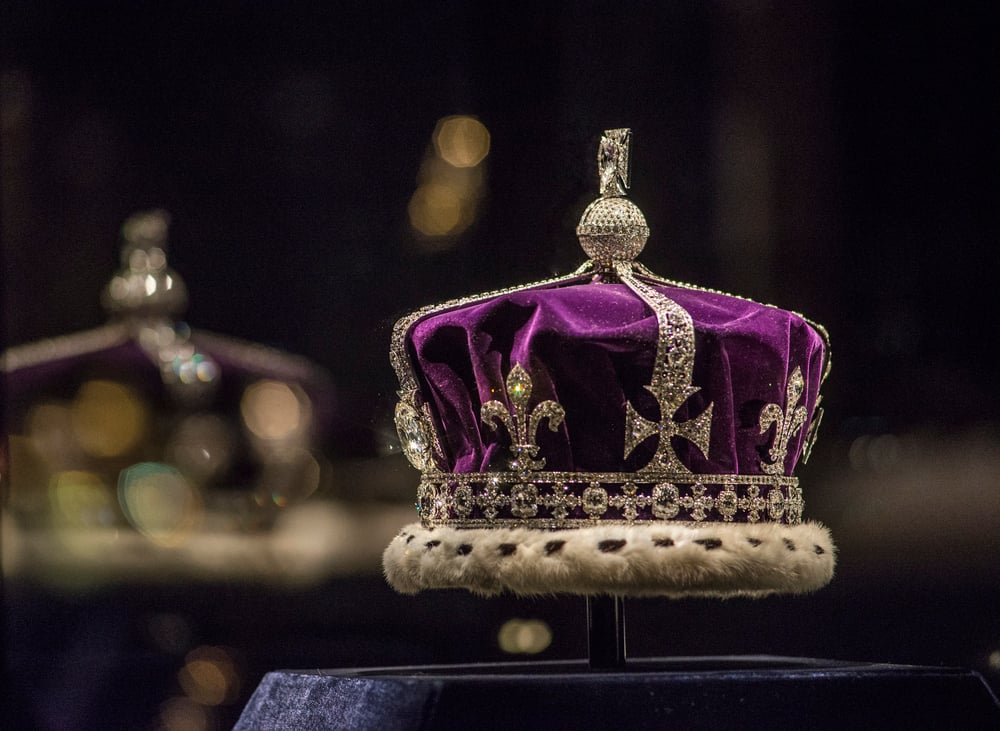
Coronations remain among the most significant royal rituals still practiced today. In the United Kingdom, the ceremony blends religious symbolism, political legitimacy, and historical continuity.
Sacred objects, anointing rituals, and formal oaths link each monarch to a lineage stretching back centuries. While coronations have evolved to reflect contemporary values, their structure has changed remarkably little.
They remain rare moments when history is not simply referenced, but actively performed. The ceremony reinforces the idea that monarchy draws authority from tradition as much as law.
Imperial Enthronement Ceremonies In Japan
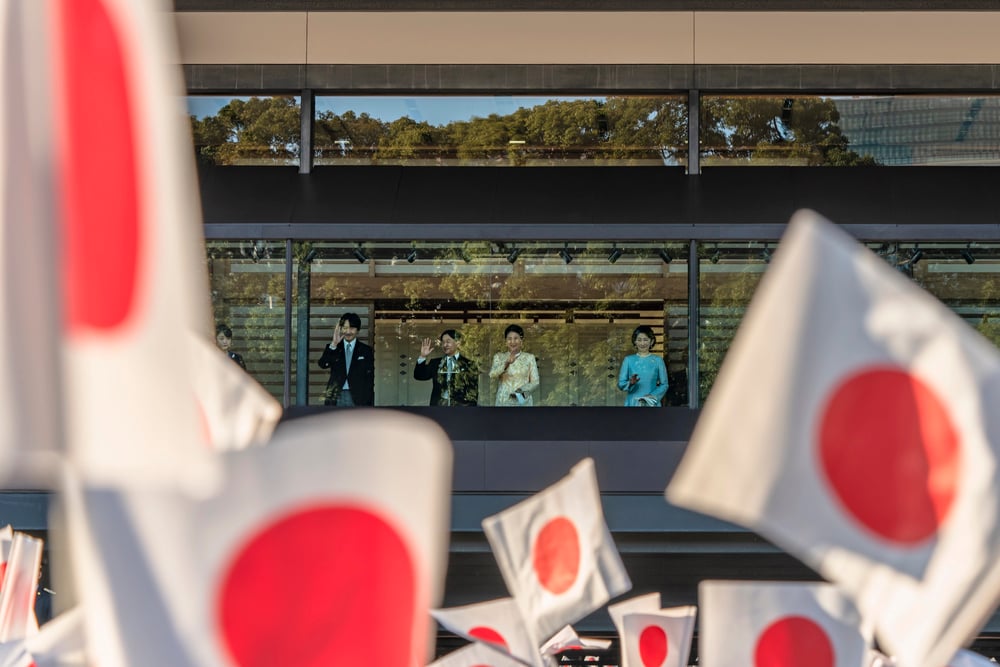
Japan’s monarchy holds the distinction of being the oldest continuous hereditary monarchy in the world. Enthronement ceremonies for the Japan emperor remain deeply rooted in Shinto tradition, with rituals that emphasise divine ancestry and national continuity.
These ceremonies are highly controlled and largely private, reinforcing their sacred nature. At the same time, modern elements such as public celebrations and diplomatic events now surround them.
The balance between ancient belief and modern statecraft allows the tradition to endure without becoming performative.
Royal Weddings And Public Processions
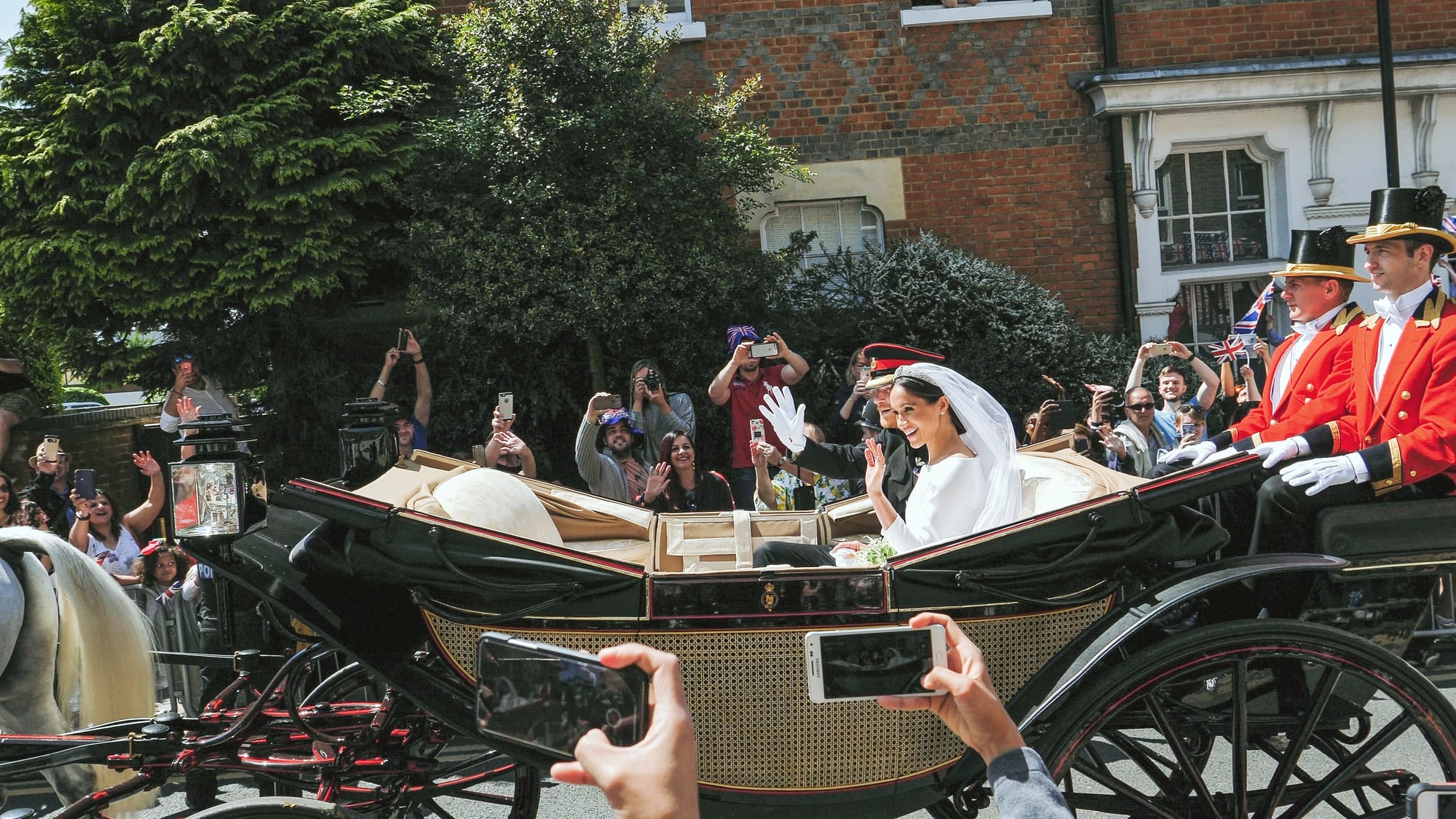
Royal weddings continue to follow long-established ceremonial patterns, even as individual expression has become more visible. Processions through historic streets, formal attire, and balcony appearances remain central features.
These elements transform personal unions into national events. The persistence of tradition serves a purpose.
It frames the marriage as part of a broader historical narrative rather than a private affair. While details evolve, the structure reassures the public that continuity remains intact, even as personalities and expectations change.
The Order Of The Garter
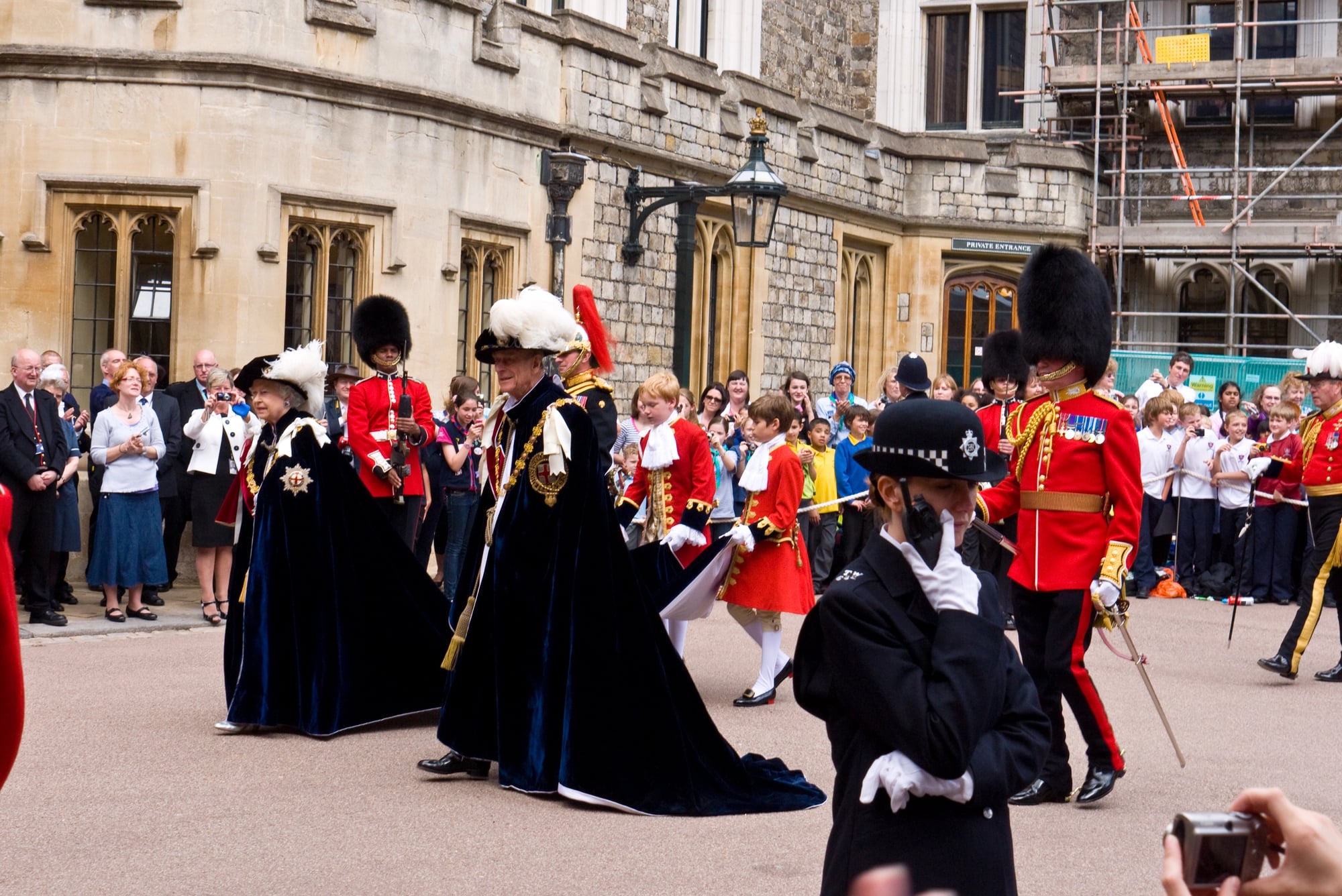
The Order of the Garter is the oldest and most senior order of chivalry in Britain, founded in the fourteenth century. Its annual ceremony at Windsor Castle still features medieval robes, processions, and formal investitures.
Membership remains highly selective and is granted personally by the monarch. Still, the tradition has adapted quietly.
Appointments now recognise service and contribution rather than noble lineage alone. The ceremony preserves its medieval aesthetic while reflecting modern values, demonstrating how tradition can evolve without losing its identity.
Royal Accession Councils
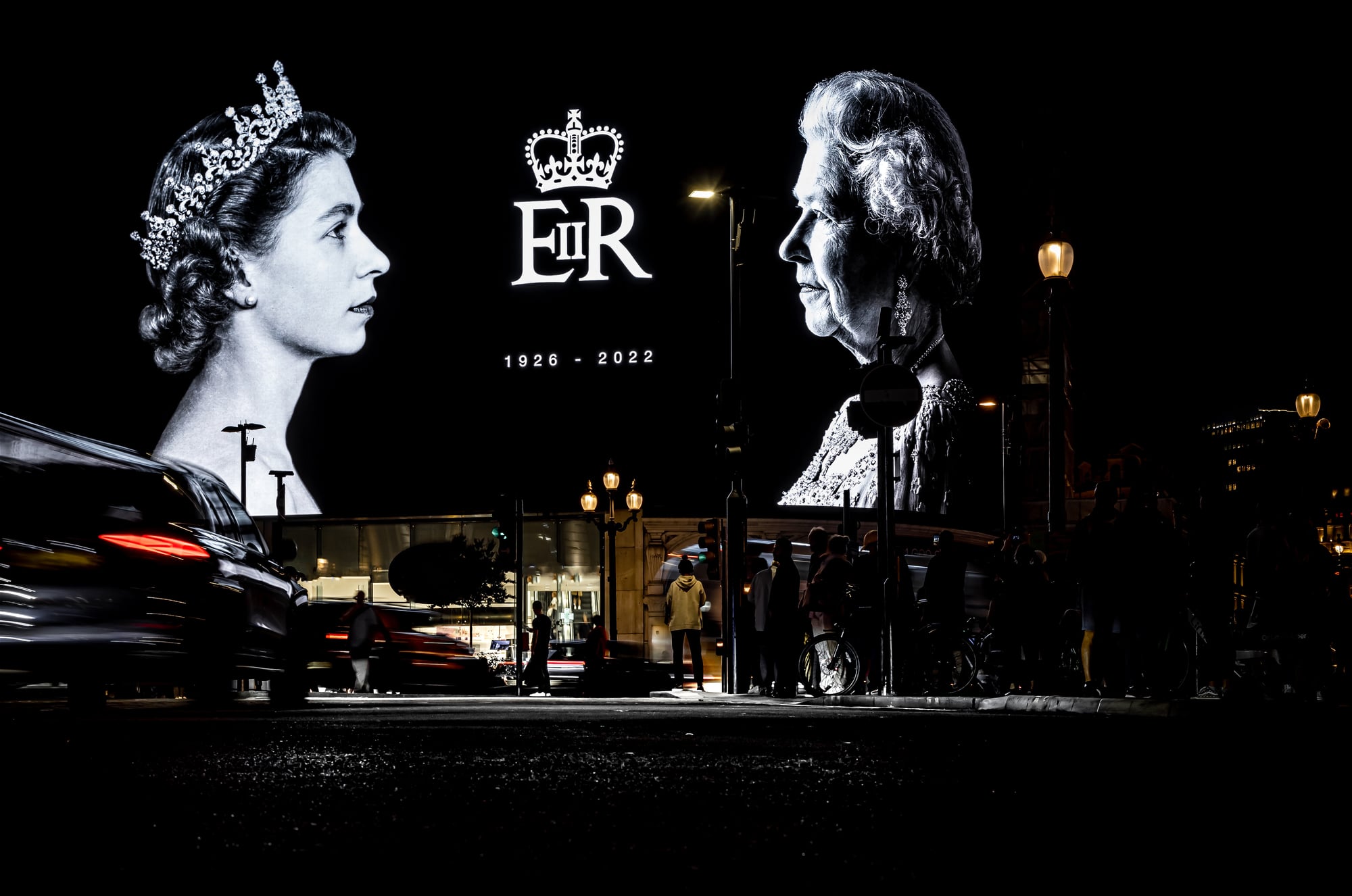
When a monarch dies, accession councils formally proclaim the next sovereign. This ritual ensures an immediate and legally recognised transition of authority.
The ceremony follows strict protocol, much of which dates back centuries. Although rarely witnessed by the public, accession councils play a crucial stabilising role.
They provide reassurance at moments of national uncertainty, reinforcing the idea that continuity does not depend on any single individual. The tradition functions as a safeguard against disruption.
The Use Of Royal Regalia
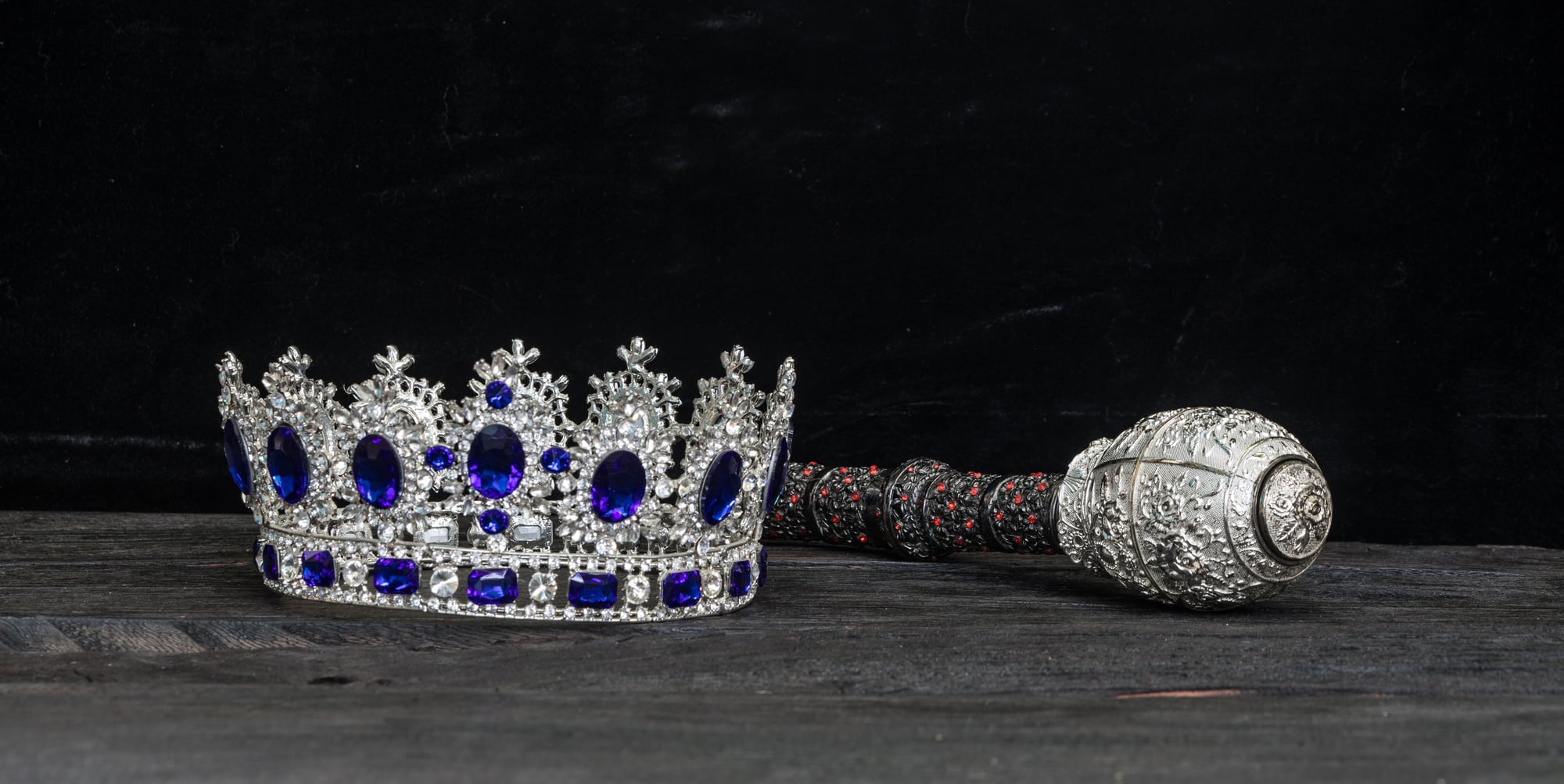
Royal regalia, including crowns, sceptres, orbs, and ceremonial robes, remain central to monarchy. These objects are not decorative accessories, but symbolic tools representing authority, duty, and continuity.
Many are centuries old and used only during specific rituals. Their continued presence reflects the enduring power of physical symbols.
Even in constitutional monarchies with limited political authority, regalia visually connects modern rulers to historical institutions. The objects serve as tangible links between past and present.
Court Etiquette And Formal Address
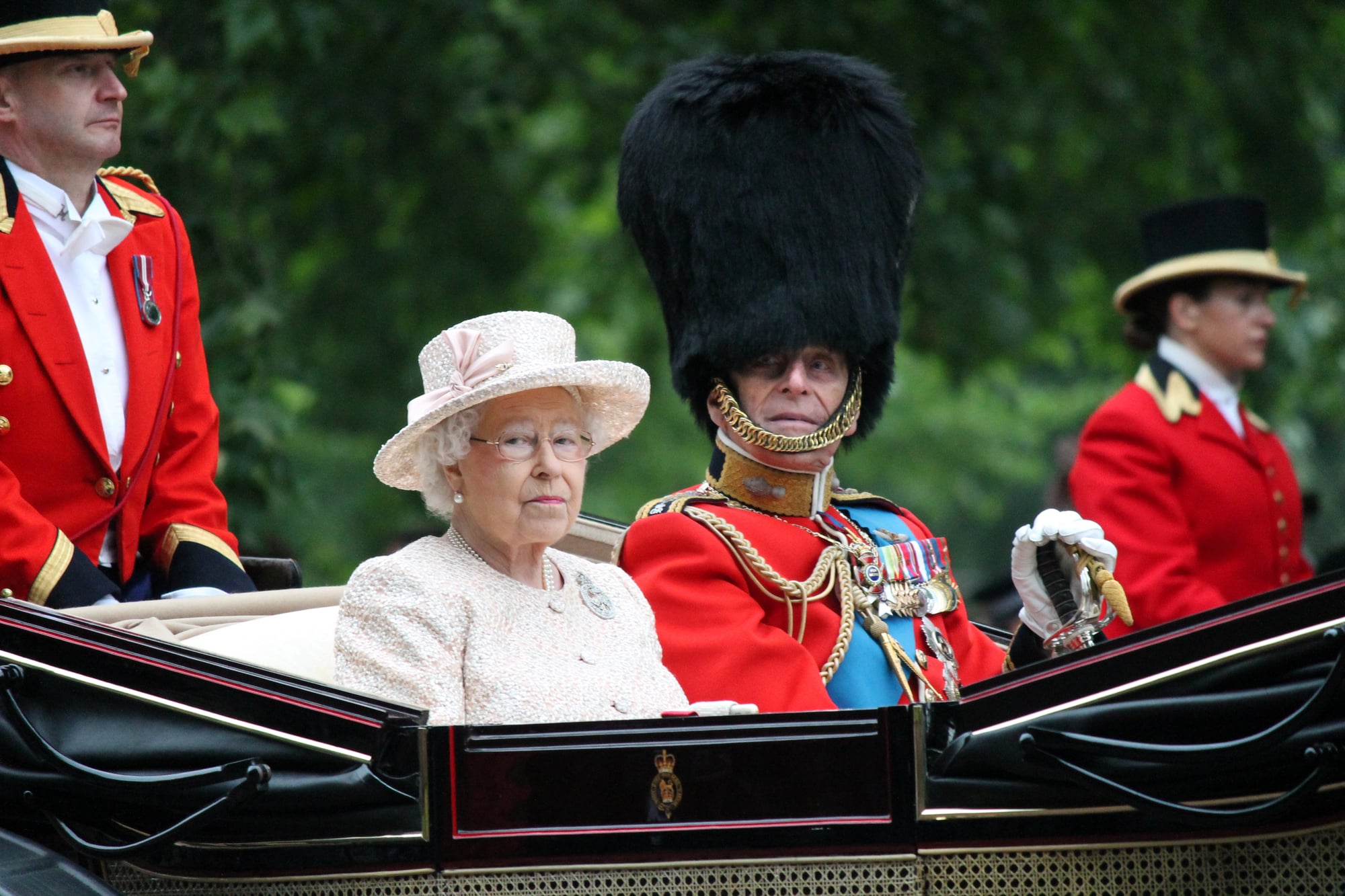
Strict rules of etiquette still govern interactions with royal households. From modes of address to dress codes and ceremonial behaviour, these customs preserve a sense of order and hierarchy.
While less rigid than in previous centuries, they remain carefully observed during official engagements. These rules reinforce the separation between personal identity and institutional role.
By maintaining formality, royal households emphasise continuity over individuality, reminding audiences that monarchy is designed to outlast any single reign.
Why These Traditions Have Survived
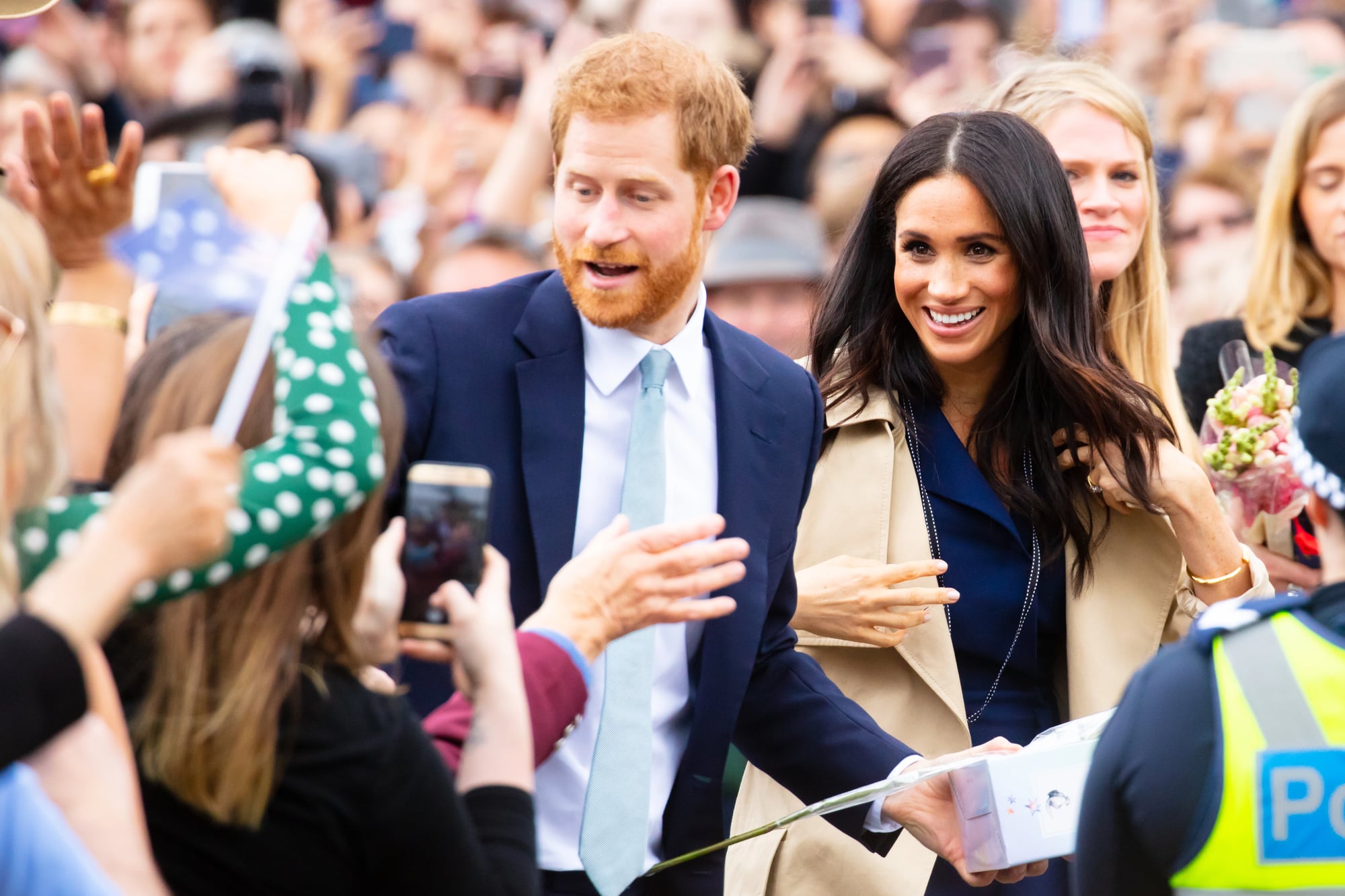
Royal traditions endure because they offer more than spectacle. They provide structure during moments of transition and reassurance during uncertainty.
Each ritual reinforces the idea that institutions can persist even as societies change. Adaptation plays a key role.
Traditions that refused to evolve disappeared quietly. Those that adjusted thoughtfully retained relevance while preserving their symbolic core.
Why They Still Matter
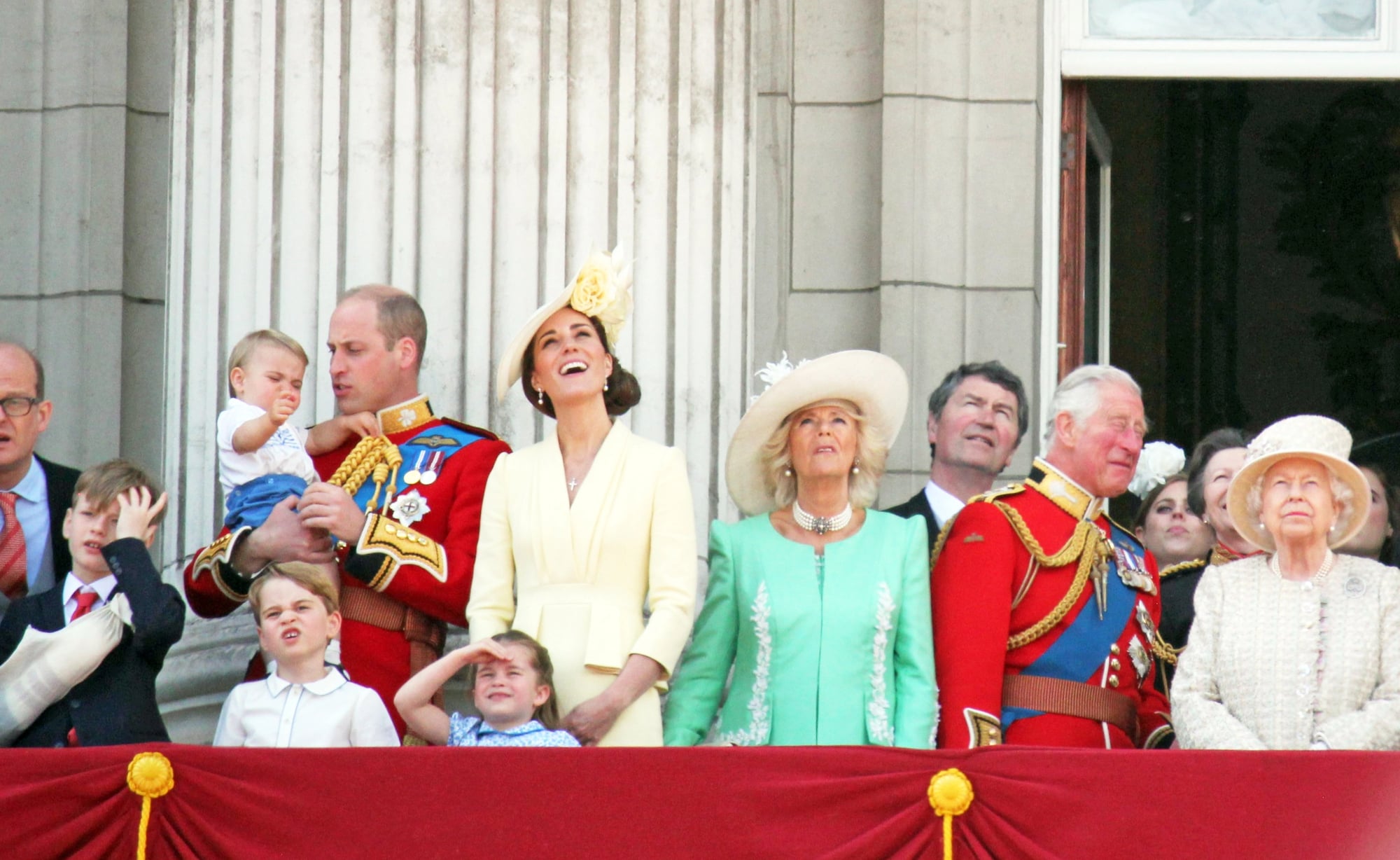
When everything moves fast, old customs take their time on purpose. Rooted in the past, they gather people around common memories instead of rushing forward.
Stability shows up here, not as standing still, but as a quiet anchor during change. Still here, their customs walk a line – respectful yet real.
Tied to now through clear echoes of what came before, these rituals stay active instead of fading into old displays. Because that thread holds firm, eyes keep turning their way.
More from Go2Tutors!

- The Romanov Crown Jewels and Their Tragic Fate
- 13 Historical Mysteries That Science Still Can’t Solve
- Famous Hoaxes That Fooled the World for Years
- 15 Child Stars with Tragic Adult Lives
- 16 Famous Jewelry Pieces in History
Like Go2Tutors’s content? Follow us on MSN.