Mysterious Unsolved Codes and Ciphers
For as long as people have been writing, they’ve also been hiding what they write. From secret wartime messages to cryptic symbols carved centuries ago, humans have always had a fascination with keeping certain things hidden — sometimes for safety, sometimes for fun, and sometimes, it seems, just to confuse whoever comes next.
And while brilliant minds and modern computers have cracked many famous ciphers, a handful of them remain stubbornly out of reach. These unsolved puzzles stretch across eras and continents — some dug out of ancient ruins, others left behind in police investigations — but all share one thing in common: nobody has figured them out yet.
Here are 16 of the most fascinating codes and ciphers that continue to mock even the sharpest codebreakers.
Voynich Manuscript
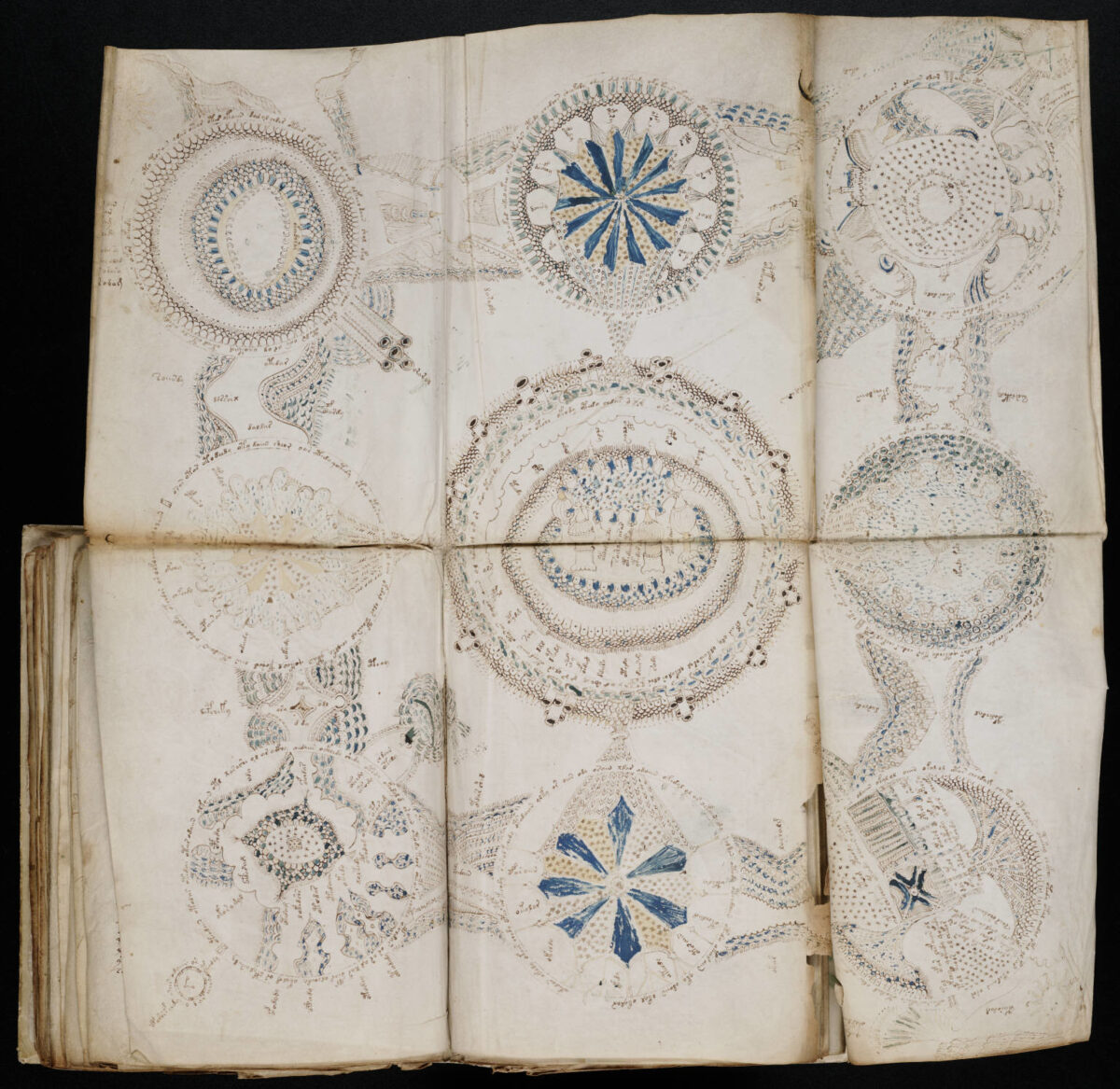
Few mysteries are as famous—or as frustrating—as the Voynich Manuscript. This 15th-century book, filled with strange plants, looping script, and dreamy illustrations of stars and unclothed figures, has resisted every decoding attempt for over 500 years.
The pages are written in a script no one recognizes, made up of about 20 to 30 unique characters. Linguists say it follows patterns of real language, yet it matches none known to humanity.
Some believe it’s an ancient medical text or a lost alchemical guide. Others suspect it’s an elaborate medieval prank. Whatever it is, the world’s best cryptographers — including those from both World Wars — still have no clue what it says.
Kryptos

Right outside CIA headquarters in Virginia stands a sculpture that has managed to stump the very people paid to crack secrets. Jim Sanborn’s Kryptos, unveiled in 1990, is covered with four coded sections.
Three have been solved, but the fourth — just 97 characters long — remains a mystery even to the CIA.Sanborn has dropped a few breadcrumbs over the years (hinting that words like “Berlin” and “clock” appear in the final passage), but the last section, known as K4, is still unsolved after three decades.
There’s something deeply poetic — and a bit ironic — about a code mocking the world’s top intelligence agency from right outside its front door.
Like Go2Tutors’s content? Follow us on MSN.
Beale Ciphers
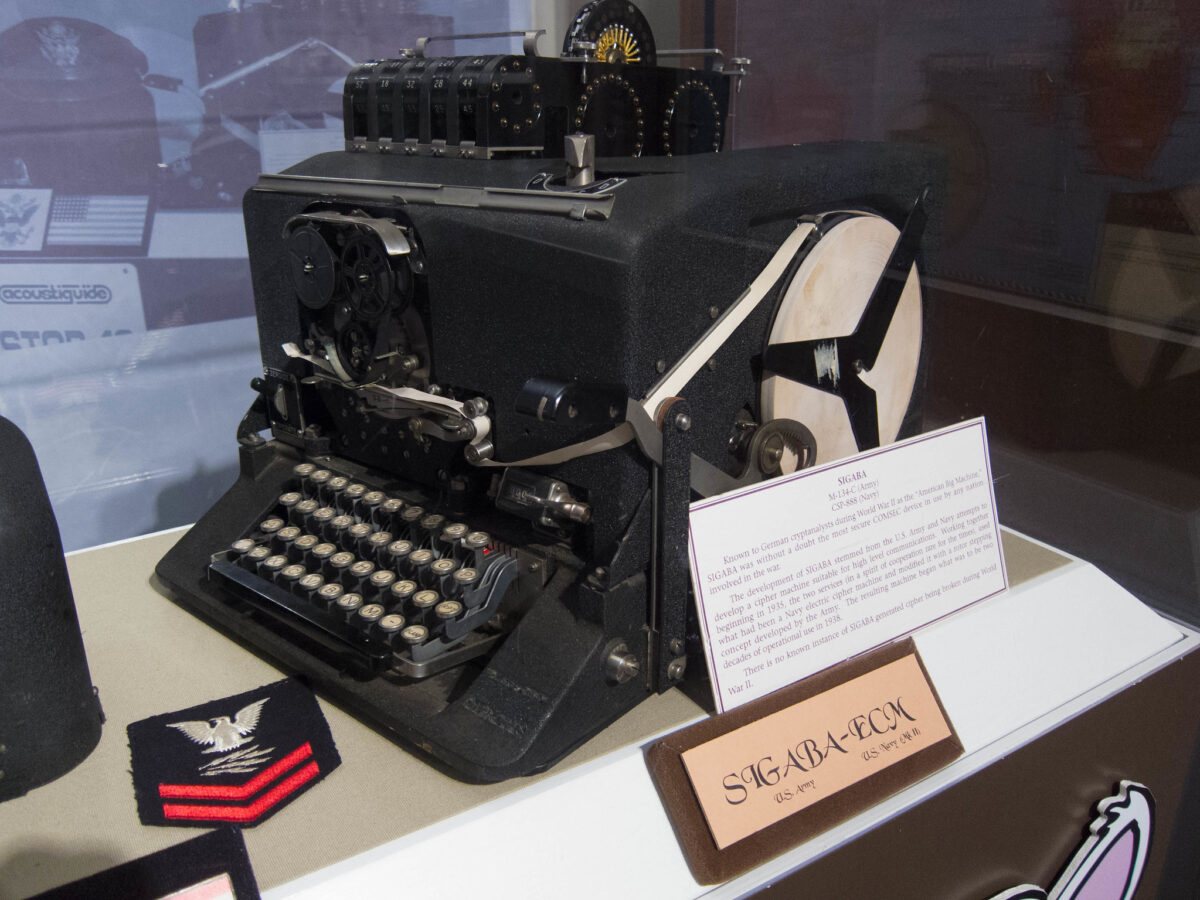
The legend of Thomas Beale reads like a treasure hunter’s fever dream. In 1885, a pamphlet appeared in Virginia describing three coded messages left by Beale, supposedly revealing the location of a hidden fortune buried in the 1820s. One cipher, decoded using the Declaration of Independence, listed the treasure’s contents — gold, silver, and jewels worth millions today.
But the other two messages, including the one that supposedly gives the treasure’s exact location, have never been solved. For over a century, cryptographers, treasure hunters, and skeptics have argued over whether the story is real or just a clever 19th-century hoax designed to sell pamphlets.
Zodiac Killer Ciphers

In the late 1960s, the Zodiac Killer terrorized Northern California — and taunted the police with coded messages sent to newspapers. His first cipher, a 408-character puzzle, was solved within a week by an amateur couple. It revealed chilling lines about enjoying the act of killing.
But other ciphers weren’t so easy. The infamous “Z340” message stayed uncracked for more than 50 years until a team finally decoded it in 2020. Yet shorter ones — like the 13-character and 32-character ciphers — still remain a mystery.
Some believe the remaining codes could hold the killer’s real identity. Others think he was simply playing mind games.
Dorabella Cipher
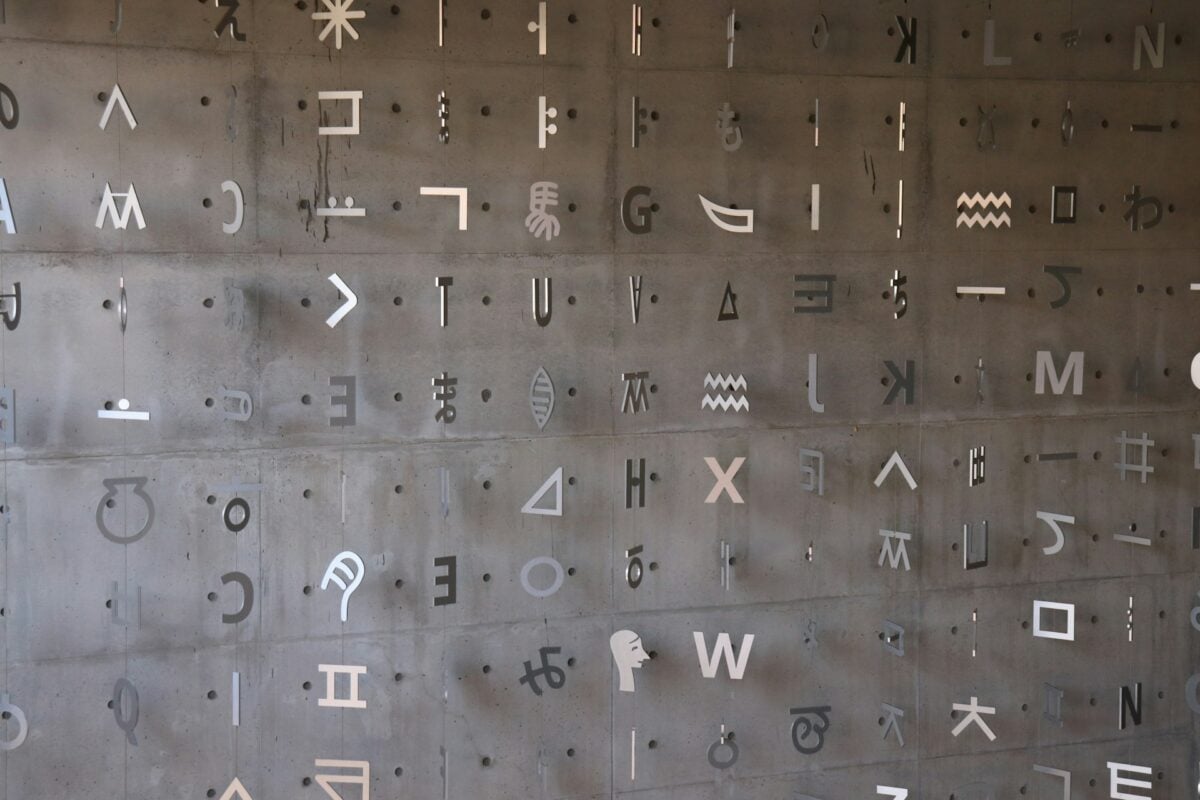
Composer Edward Elgar — best known for Pomp and Circumstance — had a mischievous streak. In 1897, he sent a letter to a family friend, Dora Penny, filled with 87 strange symbols arranged in three lines. No one has been able to decode it since.
The cipher’s squiggly semicircles might represent letters, sounds, or even musical notes. Some say it hides a love message; others think it was just a private joke. Elgar never explained it, and Penny took the mystery to her grave — leaving behind one of the most charmingly puzzling notes in music history.
Like Go2Tutors’s content? Follow us on MSN.
Phaistos Disc
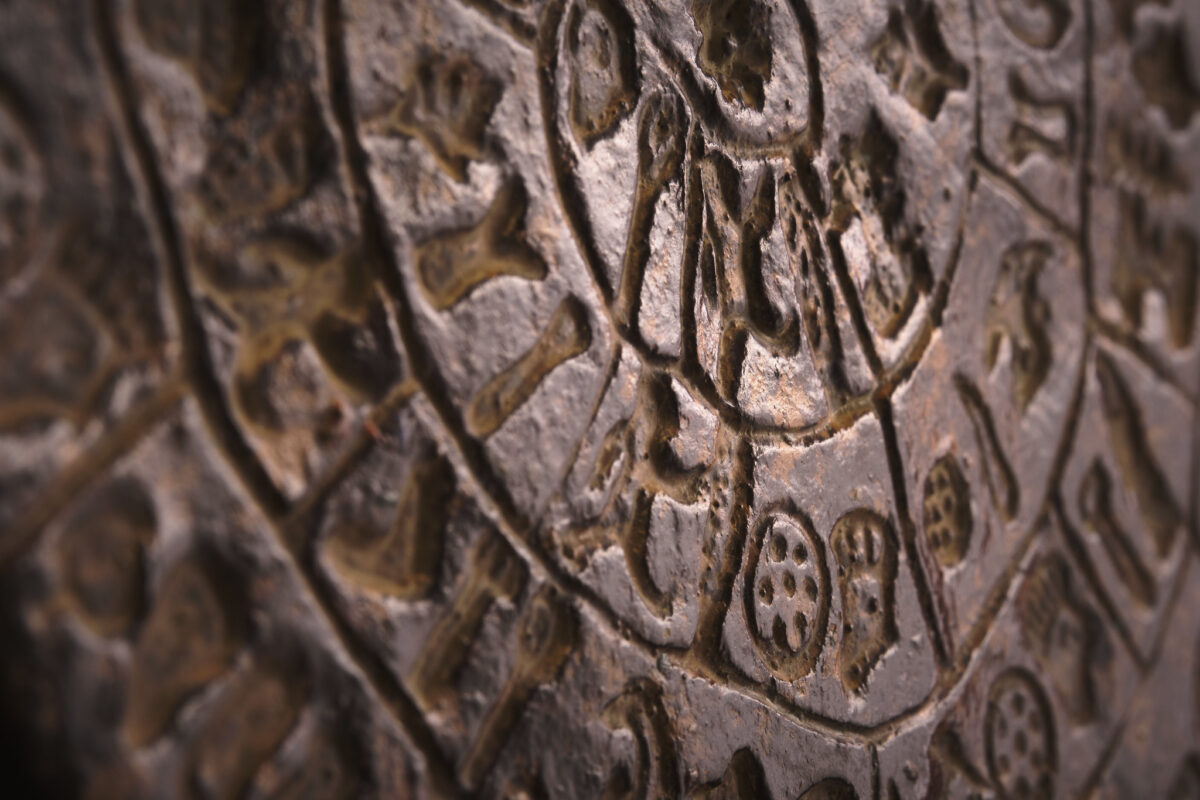
When archaeologist Luigi Pernier unearthed the Phaistos Disc on Crete in 1908, he couldn’t have known he’d found one of archaeology’s great riddles. The small clay disc, stamped with 241 symbols arranged in a spiral, dates back to around 1700 BC.
It features 45 unique pictographs — little figures of people, animals, and tools — pressed into the clay with reusable stamps, making it the world’s first known example of movable type. What the disc says, though, is anyone’s guess. With no other examples of this writing system, experts can’t tell if it’s a prayer, a record, or even a game.
Shugborough Inscription
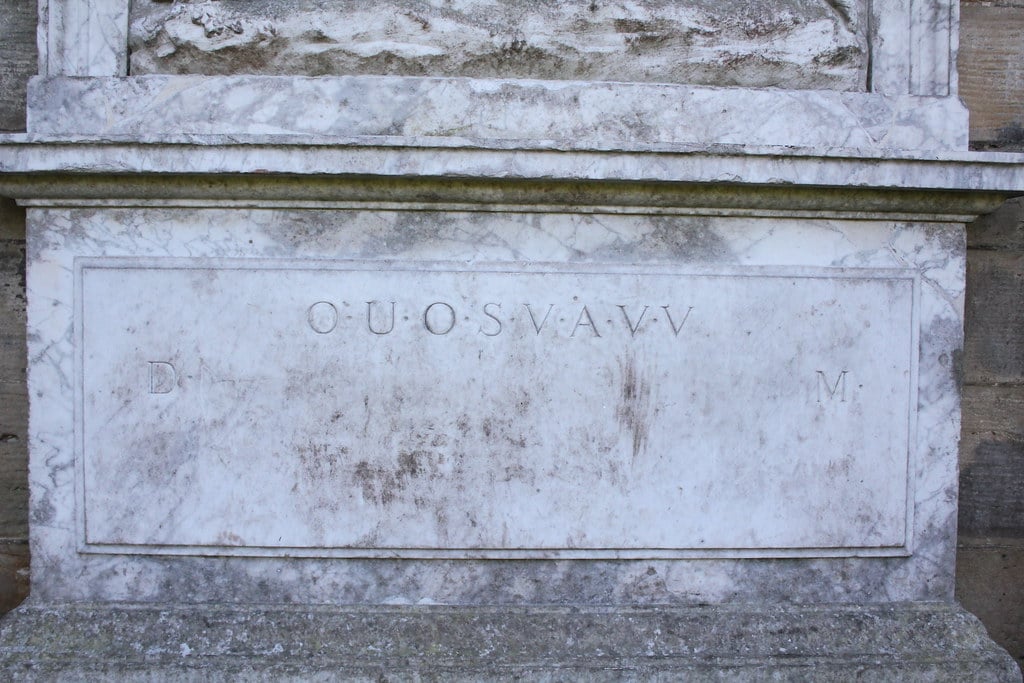
Deep in Staffordshire, England, the Shugborough Monument bears a cryptic string of letters — “O-U-O-S-V-A-V-V” — carved beneath a mirrored version of a classical painting. Nobody knows what it means.
Theories range from secret religious codes to references to the Holy Grail. The estate’s history is filled with whispers of secret societies, and the inscription has drawn centuries of amateur detectives.
Yet despite all the theories, the true meaning of those eight letters remains as elusive as ever.
Taman Shud Code

In 1948, a well-dressed man was found dead on Somerton Beach in Australia. Every tag had been cut from his clothes.
No ID, no belongings — nothing but a tiny piece of paper hidden in his pocket with the words “Tamam Shud” (Persian for “ended”).That clue led police to a book of poetry, The Rubaiyat of Omar Khayyam, found in a car nearby.
Inside it were scribbled lines of letters that looked like code. Decades later, DNA testing identified the man as Carl Webb, but the code — and the reason for his mysterious death — remain unsolved.
Like Go2Tutors’s content? Follow us on MSN.
Ricky McCormick’s Encrypted Notes

When Ricky McCormick’s body was found in a Missouri field in 1999, police discovered two handwritten notes filled with jumbled letters and numbers. The FBI’s top codebreakers couldn’t make sense of them.
McCormick wasn’t known to be a cryptographer, yet his family claimed he’d written in secret code since childhood. Were the notes clues to his death, or just the private doodles of a man who thought in puzzles? Nobody knows.
Even the FBI publicly asked for help — and more than 20 years later, no one has cracked it.
D’Agapeyeff Cipher
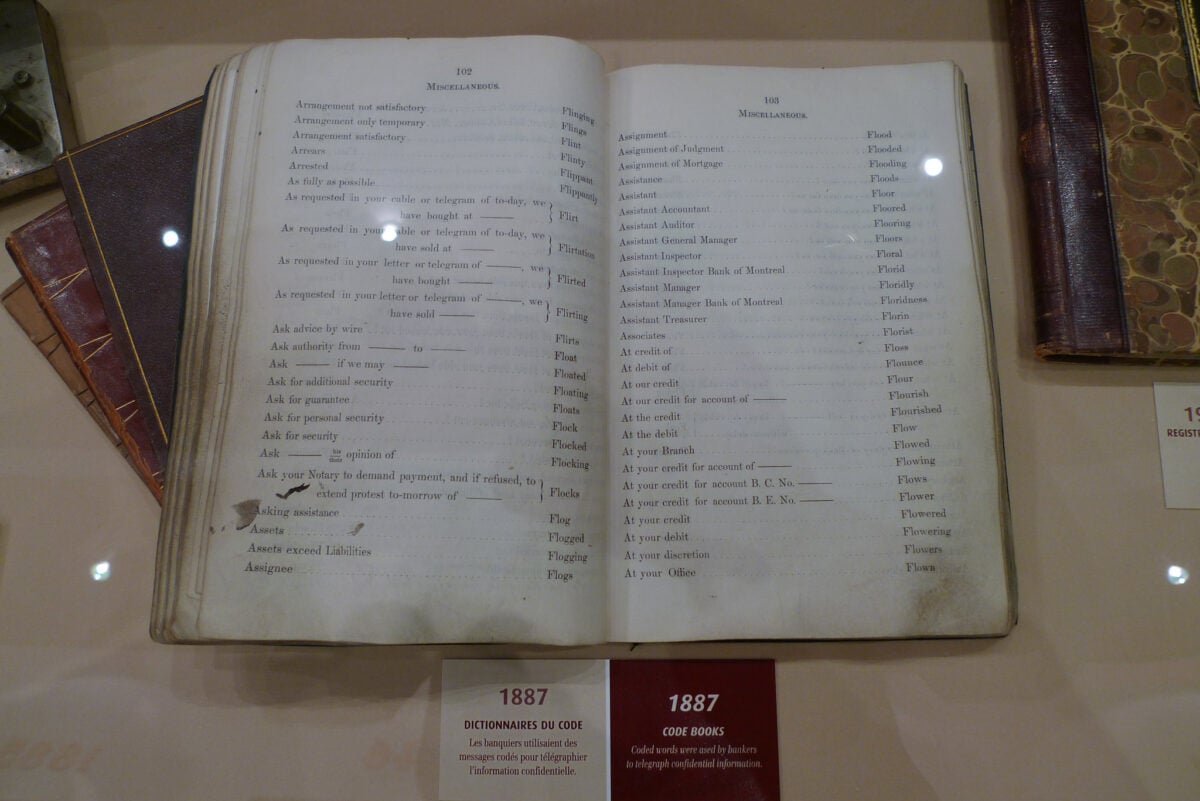
In 1939, author Alexander d’Agapeyeff published a book called Codes and Ciphers — and ended it with a challenge cipher for readers to solve. No one ever did.
Years later, d’Agapeyeff sheepishly admitted that he’d forgotten how he encoded it. His own puzzle stumped him.
Experts still can’t crack the 198-digit cipher, and some think he made a mistake during encryption that makes it impossible to solve. It’s a mystery wrapped in irony — a code its own creator can’t explain.
Linear A
The Minoan civilization left behind magnificent ruins — and one of the most frustrating scripts in archaeology. Known as Linear A, this writing system appears on hundreds of clay tablets from Crete, dating back to around 1800 BC.
It looks similar to Linear B, which scholars deciphered in the 1950s as an early form of Greek. But Linear A? Still a mystery. Without a bilingual text or clear context, linguists are stuck. Cracking it could rewrite our understanding of Minoan life — but for now, those clay tablets stay silent.
Like Go2Tutors’s content? Follow us on MSN.
Chaocipher
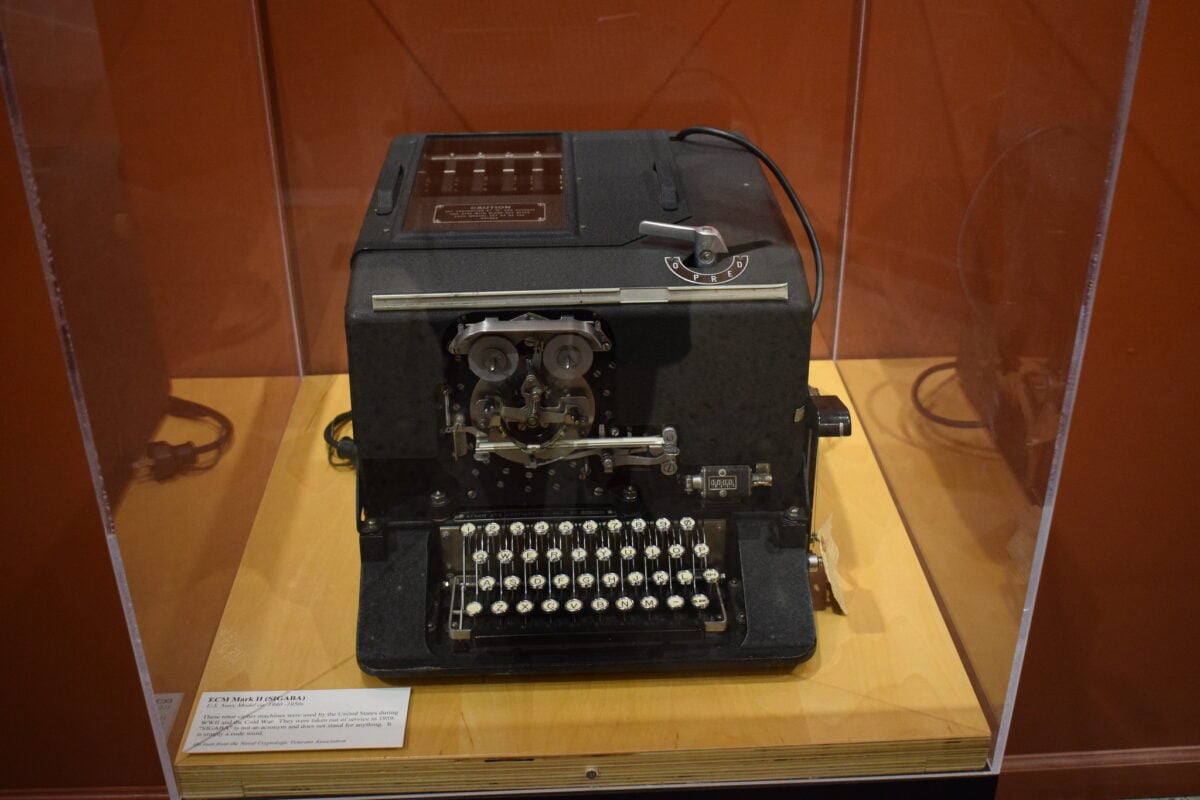
In 1918, author J.F. Byrne claimed to have invented an unbreakable cipher machine — one that could fit inside a nicotine box. He even published a sample message in his autobiography and offered $5,000 to anyone who could crack it.
Nobody ever did.The mechanism behind the Chaocipher wasn’t revealed until 2010, when Byrne’s family donated it to a museum. But even now, with the method known, the original test message remains unsolved.
It’s proof that sometimes, even knowing how something works doesn’t mean you can unlock it.
Rohonc Codex
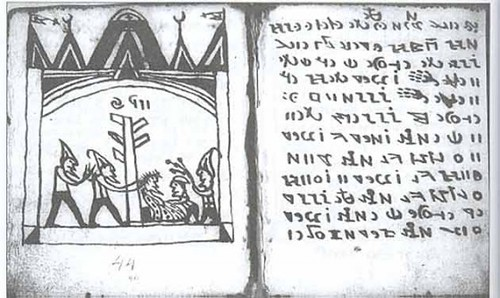
This little-known manuscript in Hungary has baffled scholars for centuries. Filled with over 400 pages of text written in an unknown script — alongside drawings of biblical scenes — the Rohonc Codex defies translation.
Dating back to the 16th century, it uses about 200 unique symbols. Some researchers claim it’s an encoded form of Hungarian, but no one agrees on how to read it.
The result? A mysterious, centuries-old book that rivals the Voynich Manuscript in secrecy but stays mostly in its shadow.
Chinese Gold Bar Ciphers
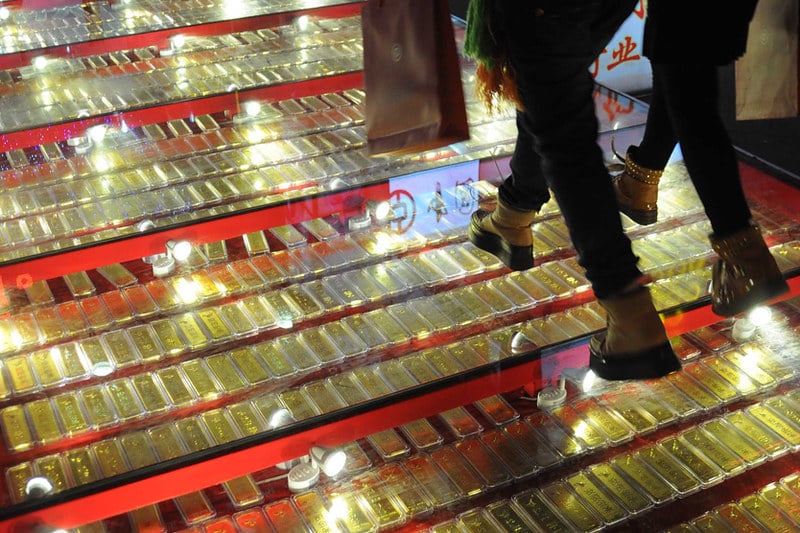
In the mid-1900s, several gold bars allegedly issued by China’s Kuomintang government began circulating, covered in cryptic inscriptions of letters, numbers, and Chinese characters. The bars supposedly represented vast gold reserves worth billions.
The problem? No one can verify their authenticity or decode the inscriptions. Historians suspect they’re forgeries, but the combination of real gold, real history, and real mystery keeps treasure hunters fascinated.
Like Go2Tutors’s content? Follow us on MSN.
D-Day Pigeon Cipher

When a man in Surrey, England, found a pigeon skeleton in his chimney in 2012, he discovered a piece of history — literally tied to its leg. Inside a tiny red canister was a coded message dated June 6, 1944 — D-Day.
The message, addressed to “X02,” was made up of 27 groups of five-letter blocks. Britain’s codebreakers at GCHQ couldn’t solve it, concluding that it was encrypted with a one-time pad — a method impossible to crack without its unique key.
If that key was destroyed, this secret from D-Day is lost forever.
YOGTZE Case

On a cold night in 1981, German engineer Günther Stoll shouted, “I’ve got it!” and scribbled the word YOGTZE on a piece of paper. Hours later, he was found dying beside his crashed car, half-undressed, under strange circumstances.
No one knows what YOGTZE means. Some think it’s an abbreviation, a license plate, or even a radio frequency. Others believe it was a random creation of a mind under stress.
Whatever the truth, Stoll’s cryptic final word remains one of Europe’s strangest unsolved codes.
Where Mysteries Still Dwell
From ancient tablets to modern murders, these unsolved codes remind us how much of human communication — and curiosity — remains out of reach. Maybe some of these puzzles hide great secrets; maybe others are nothing more than clever hoaxes or private jokes.
But as long as a handful of words, numbers, and symbols remain unbroken, they’ll keep whispering to us from across time — daring the next generation to try and crack the code.
More from Go2Tutors!

- 16 Historical Figures Who Were Nothing Like You Think
- 12 Things Sold in the 80s That Are Now Illegal
- 15 VHS Tapes That Could Be Worth Thousands
- 17 Historical “What Ifs” That Would Have Changed Everything
- 18 TV Shows That Vanished Without a Finale
Like Go2Tutors’s content? Follow us on MSN.