Notable Books That Transformed Into Major Films
Some of the most cherished and financially successful movies ever made have made the leap from page to screen. Hollywood always steps in with large budgets and even greater goals when a book catches readers’ attention.
Devoted fans examine every detail, and studios hope for box office success, so these adaptations are under a lot of pressure. While acknowledging that film necessitates distinct storytelling techniques from prose, the best adaptations honor their original material.
With their vibrant worlds and engrossing characters, some books seem destined for the big screen. Others take everyone by surprise by becoming even better movies, with screenwriters and directors figuring out how to make themes that were successful on paper even better.
These 15 books successfully adapted into big-budget motion pictures, transforming popular culture and demonstrating that compelling stories can work well in a variety of media.
Harry Potter and the Philosopher’s Stone
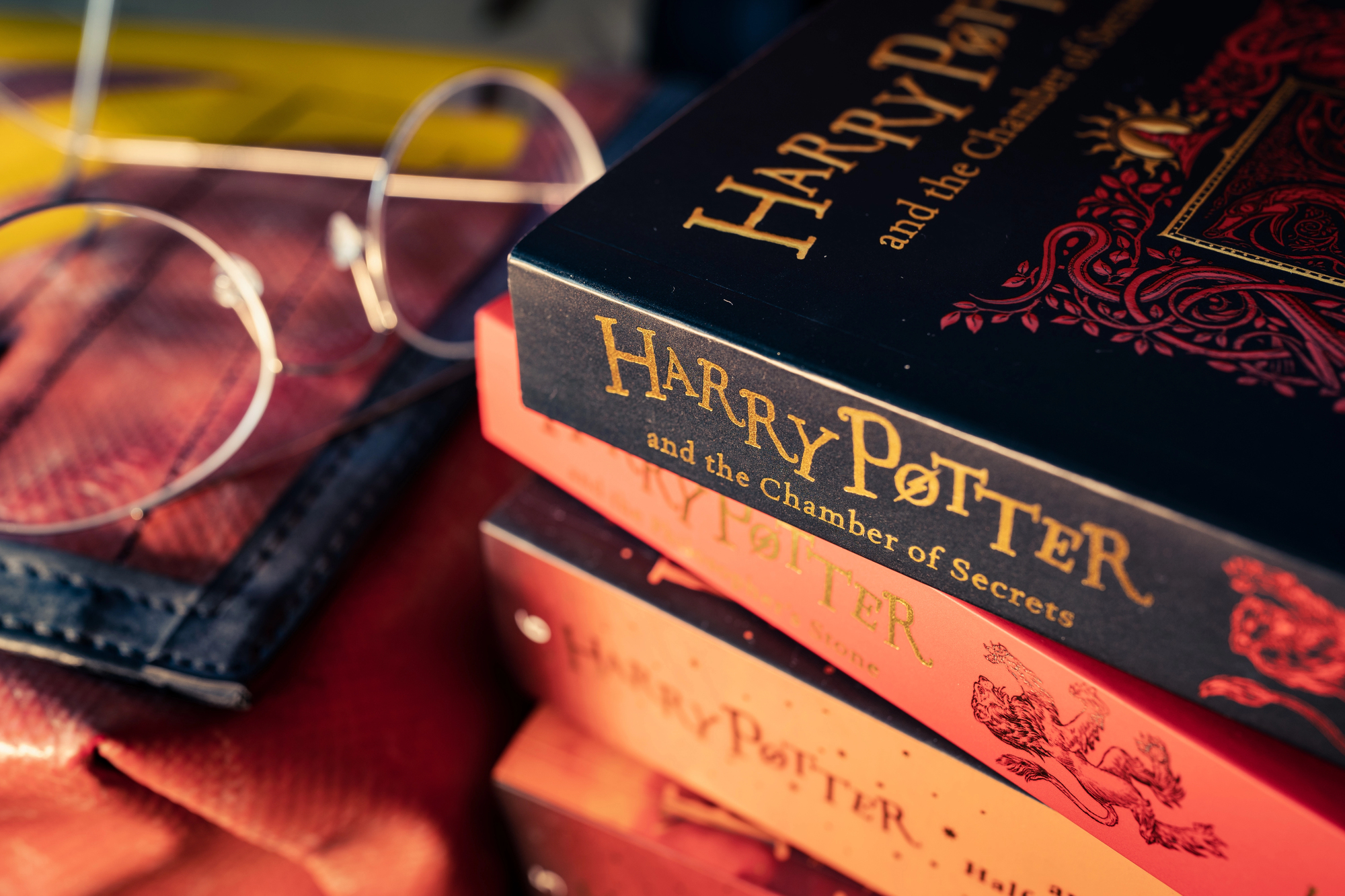
J.K. Rowling’s 1997 novel about a young wizard discovering his magical heritage became a global publishing phenomenon before Warner Bros. adapted it in 2001.
The film grossed $974 million worldwide and launched an eight-film franchise that would earn over $7.7 billion, making it one of the highest-grossing film franchises based on books.
Director Chris Columbus stayed faithful to Rowling’s vision, creating a visual interpretation of Hogwarts that matched what millions of readers had imagined.
The Lord of the Rings: The Fellowship of the Ring
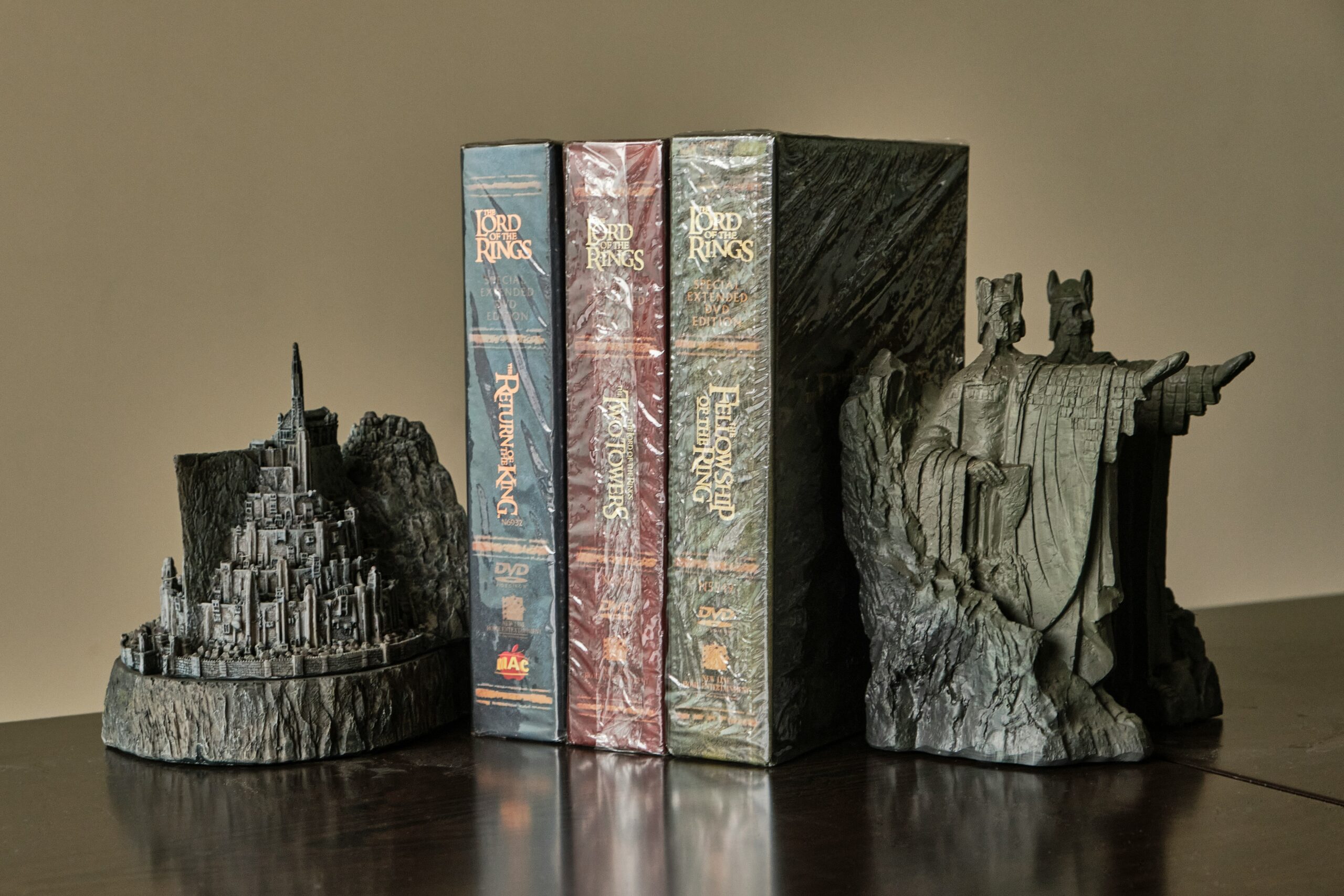
J.R.R. Tolkien’s 1954 fantasy epic had sold over 100 million copies by the time Peter Jackson’s 2001 adaptation was released. Jackson’s film grossed over $880 million and proved that serious fantasy cinema could work, paving the way for the entire trilogy to be shot back-to-back.
The Fellowship of the Ring transformed Middle-earth from a beloved literary creation into a cinematic landmark that renewed interest in fantasy literature.
Like Go2Tutors’s content? Follow us on MSN.
The Godfather
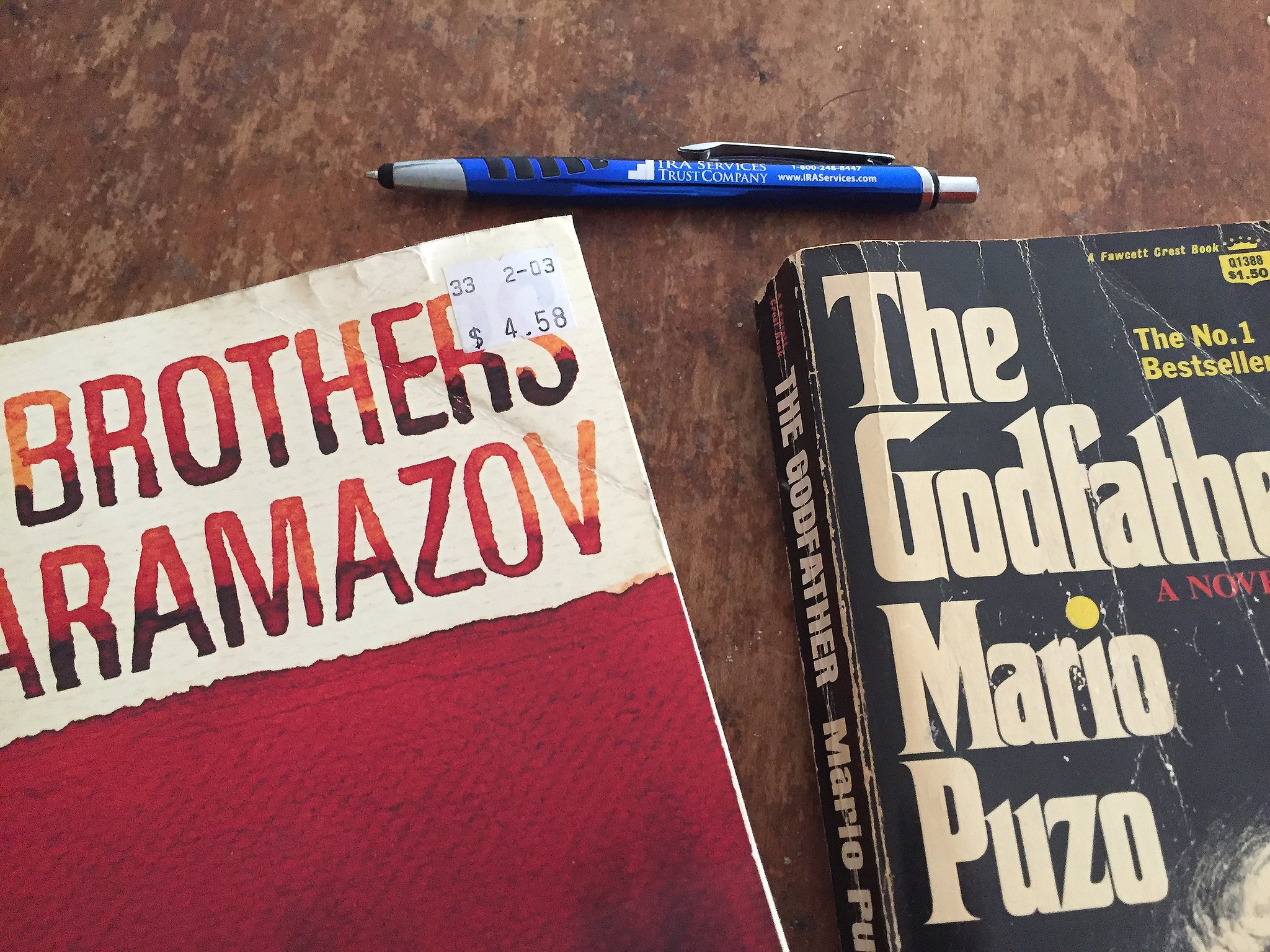
Mario Puzo’s 1969 crime novel about the Corleone family became a bestseller before Francis Ford Coppola adapted it in 1972. Puzo himself co-wrote the screenplay with Coppola, ensuring the film stayed faithful to the book’s core while making changes that many consider improvements.
The film became one of the highest-grossing movies of its era and is consistently ranked among the greatest films ever made.
Jaws
Peter Benchley’s 1974 thriller about a great white shark terrorizing a beach town became a bestseller, but Steven Spielberg’s 1975 adaptation transformed it into something even more terrifying. The film grossed over $470 million worldwide and became the first summer blockbuster, fundamentally changing how Hollywood released and marketed films.
Many argue that Spielberg’s changes to the plot and his decision to show the shark sparingly made the movie significantly better than the book.
Gone with the Wind
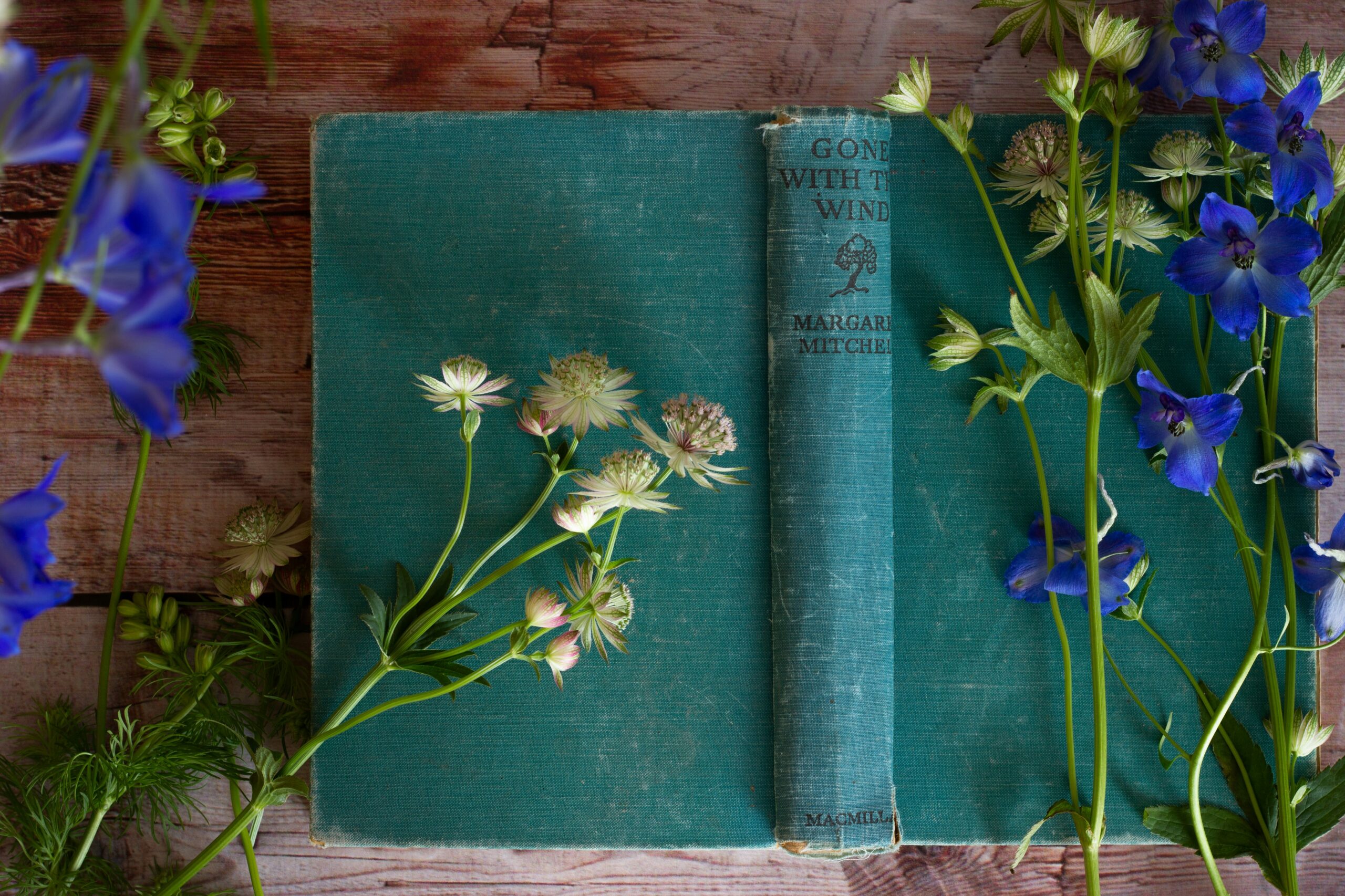
Margaret Mitchell’s 1936 novel about the American South during the Civil War was already a massive bestseller when producer David O. Selznick adapted it in 1939. The film earned about $200 million during its original and subsequent re-releases; adjusted for inflation, it remains the highest-grossing film ever.
Gone with the Wind set the standard for epic historical romance films and demonstrated that prestigious literary adaptations could achieve both critical acclaim and massive commercial success.
Like Go2Tutors’s content? Follow us on MSN.
The Shawshank Redemption
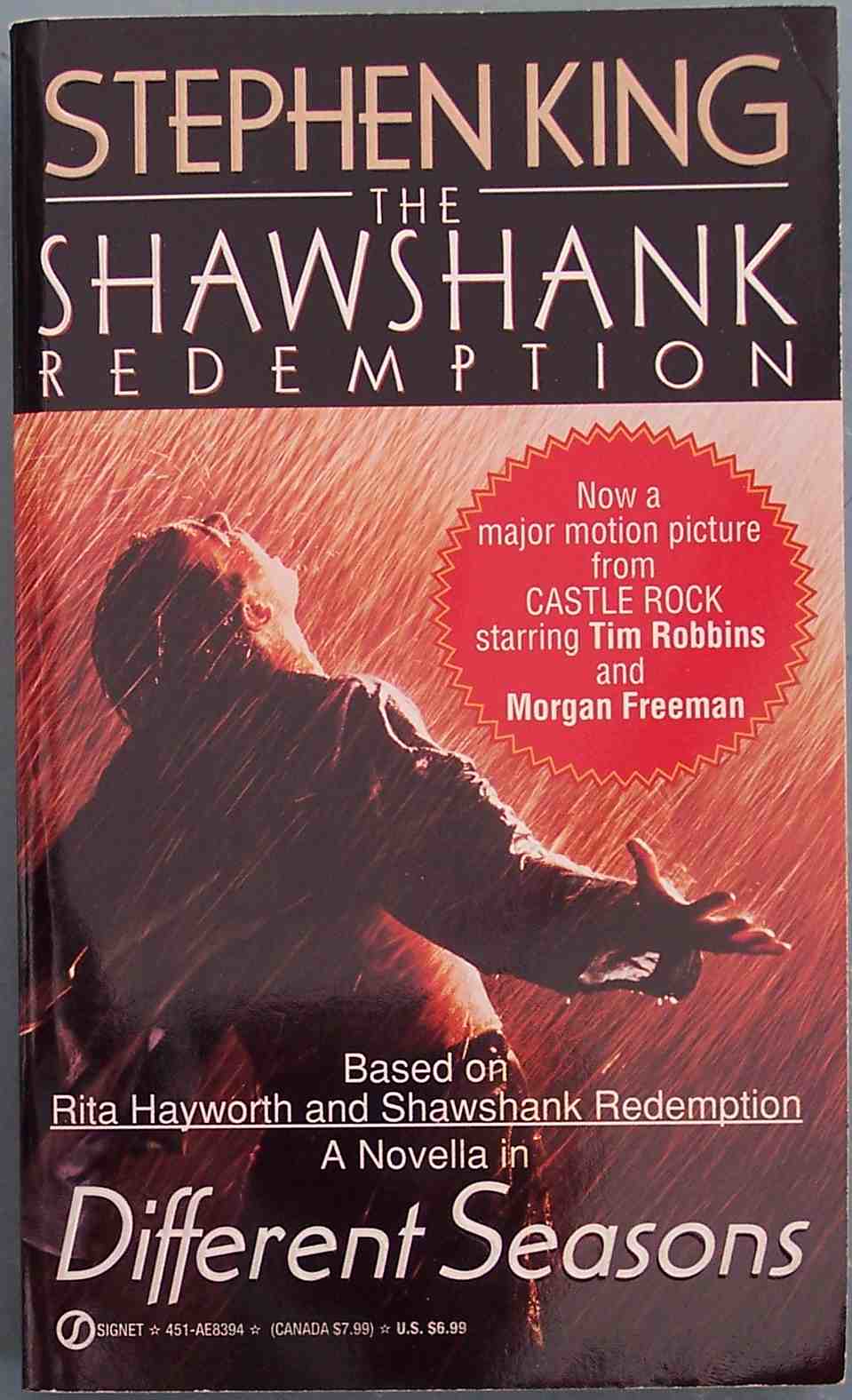
Stephen King’s 1982 novella Rita Hayworth and Shawshank Redemption from his collection Different Seasons seemed like an unlikely candidate for cinema’s greatest film. Frank Darabont’s 1994 adaptation initially flopped at the box office, earning just $29 million against a $25 million budget.
However, through cable television and home video, the film found its audience and has consistently ranked at or near the top of IMDb’s user ratings since 2008, proving that commercial success and cultural impact don’t always align.
To Kill a Mockingbird
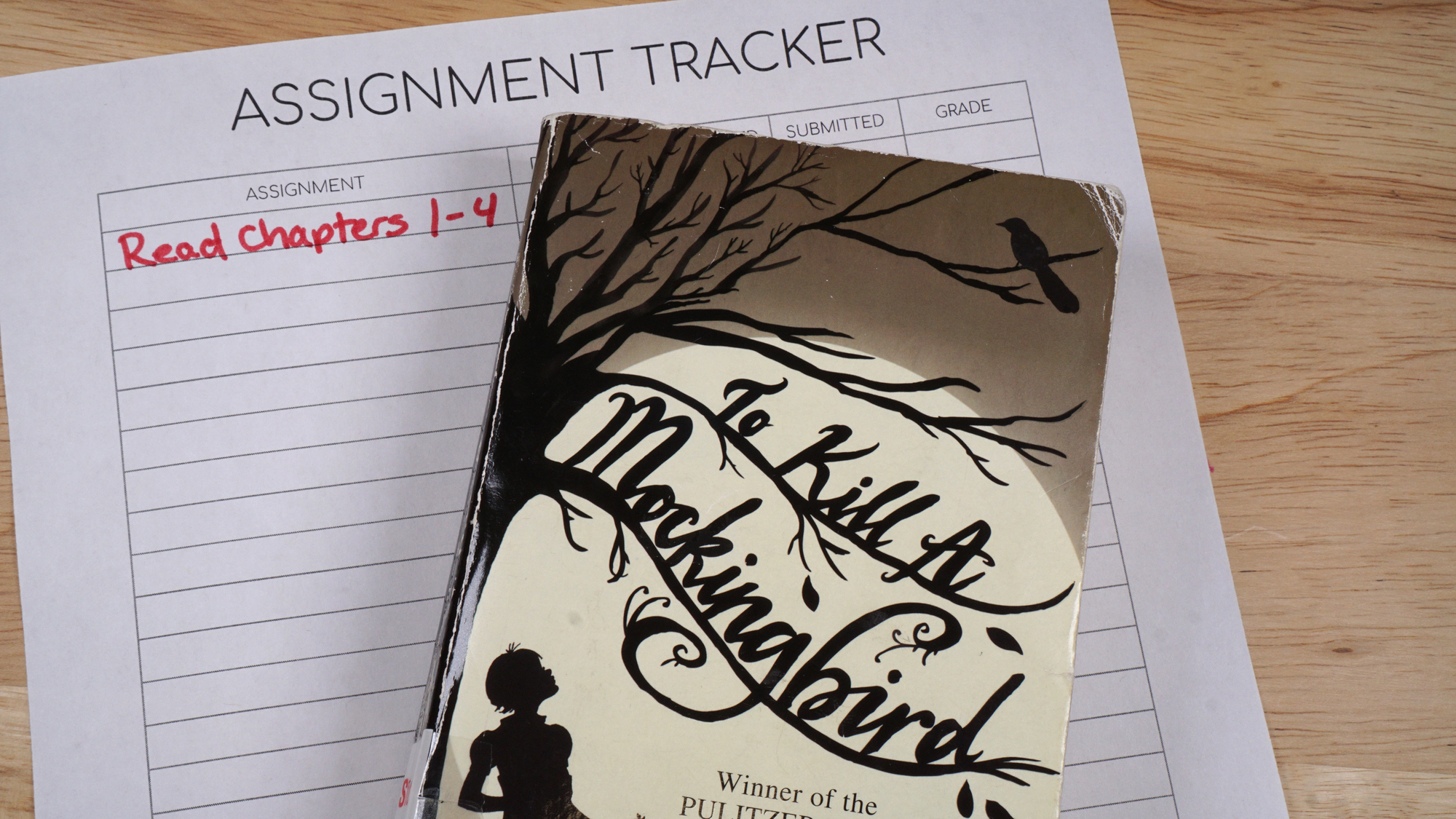
Harper Lee’s 1960 Pulitzer Prize-winning novel about racial injustice in the American South became required reading in schools before the 1962 film adaptation. Gregory Peck’s portrayal of lawyer Atticus Finch became so iconic that it’s difficult to separate the character from the actor.
The film won three Academy Awards including Best Actor for Peck and remains one of the most faithful and successful literary adaptations ever made.
Jurassic Park
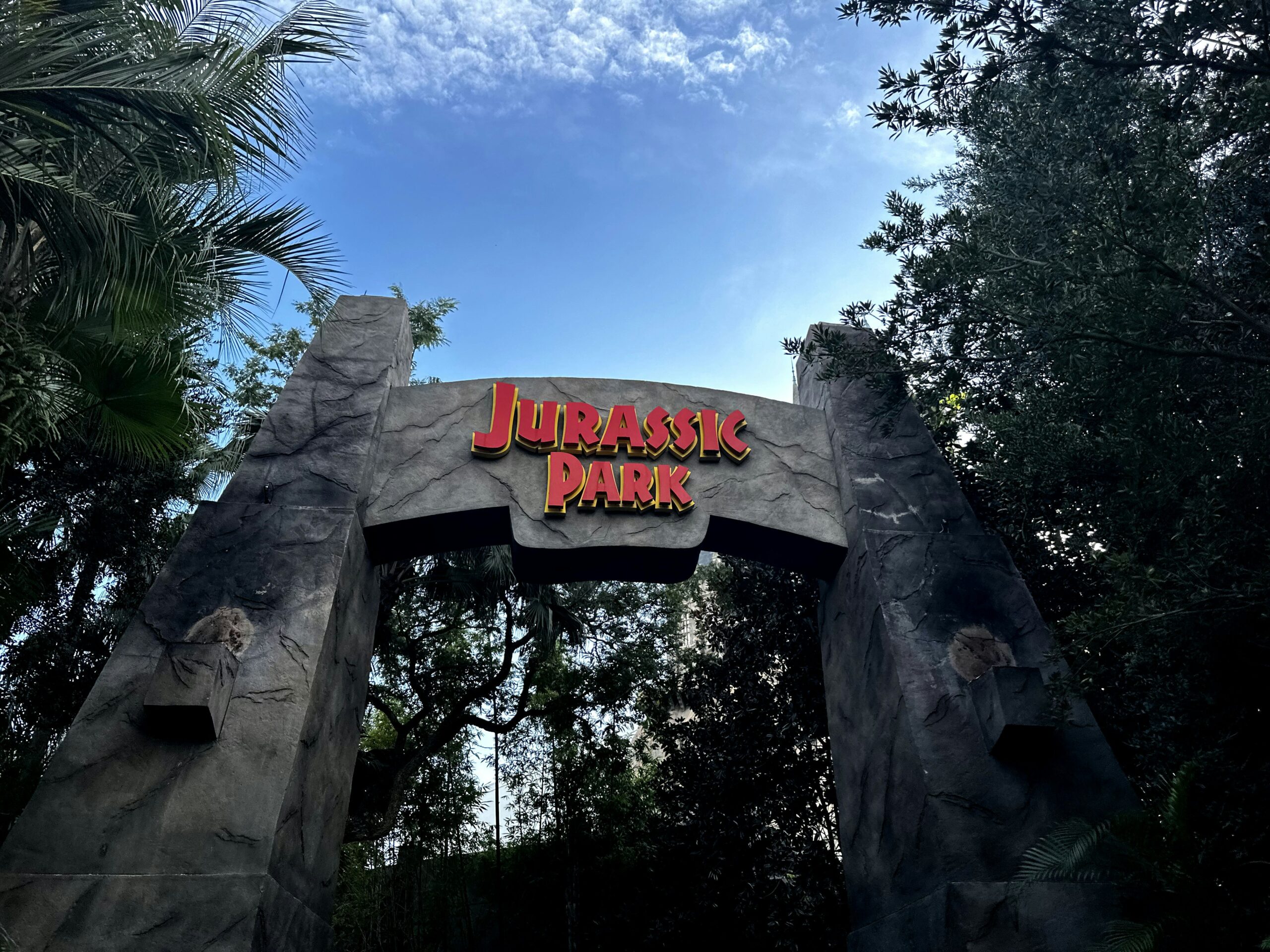
Michael Crichton’s 1990 techno-thriller about cloned dinosaurs running amok sold millions of copies before Steven Spielberg’s 1993 adaptation revolutionized visual effects. The film grossed over $1 billion worldwide and demonstrated that computer-generated imagery could create believable creatures that integrated seamlessly with live action.
Jurassic Park spawned a franchise that continues today, proving the enduring appeal of Crichton’s concept.
Like Go2Tutors’s content? Follow us on MSN.
The Hunger Games

Suzanne Collins’ 2008 young adult dystopian novel resonated with teenage readers before the 2012 film adaptation starring Jennifer Lawrence. The movie grossed $694 million worldwide and launched a four-film franchise that earned nearly $3 billion total.
The Hunger Games helped establish the young adult dystopian genre in cinema and made Lawrence one of Hollywood’s biggest stars.
Forrest Gump
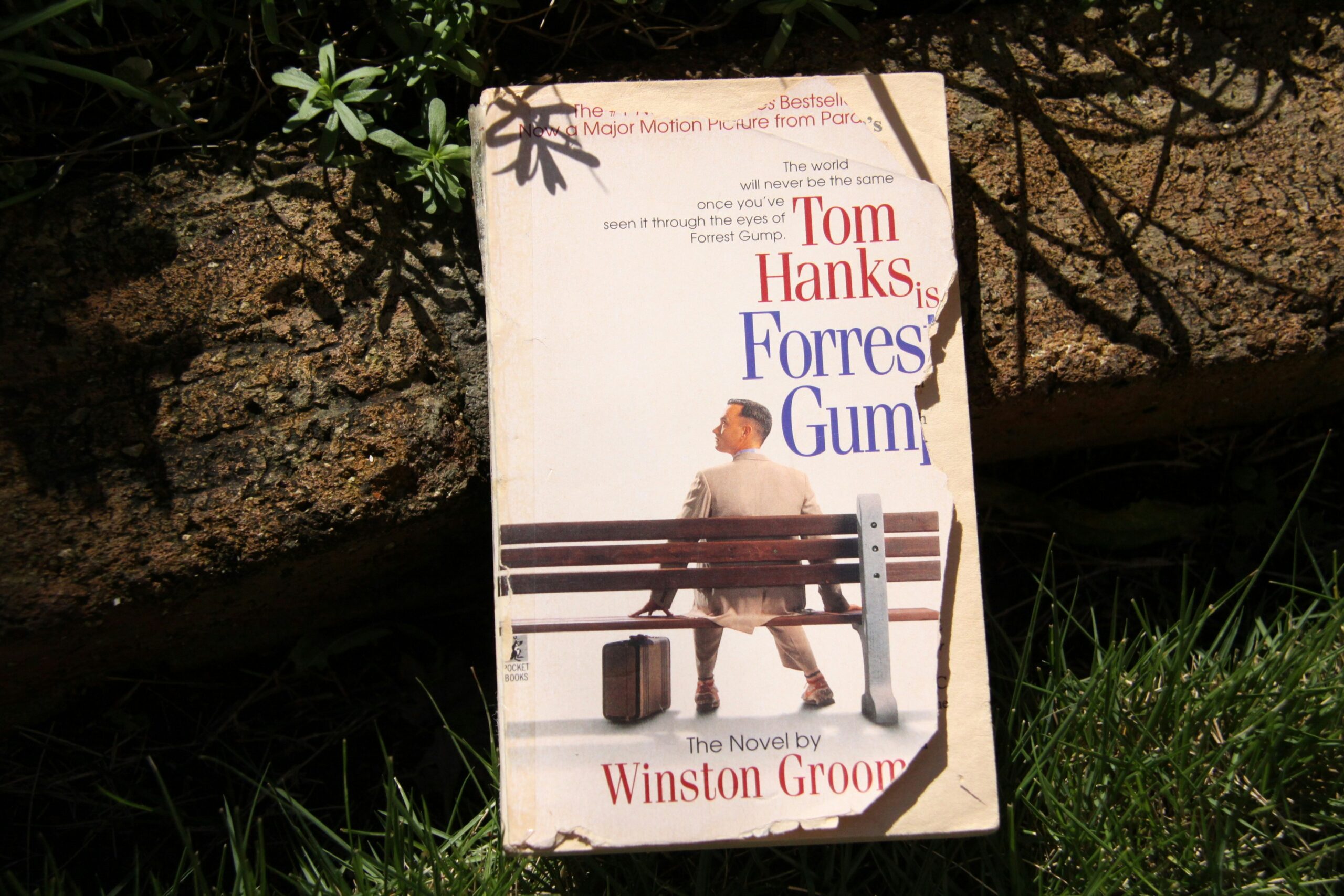
Winston Groom’s 1986 novel featured a much darker, more satirical protagonist than the lovable character Tom Hanks portrayed in Robert Zemeckis’s 1994 adaptation. The film won six Academy Awards including Best Picture and Best Actor, grossing over $678 million worldwide.
Forrest Gump became a cultural phenomenon with endlessly quotable dialogue and became far more famous than the book that inspired it.
The Princess Bride
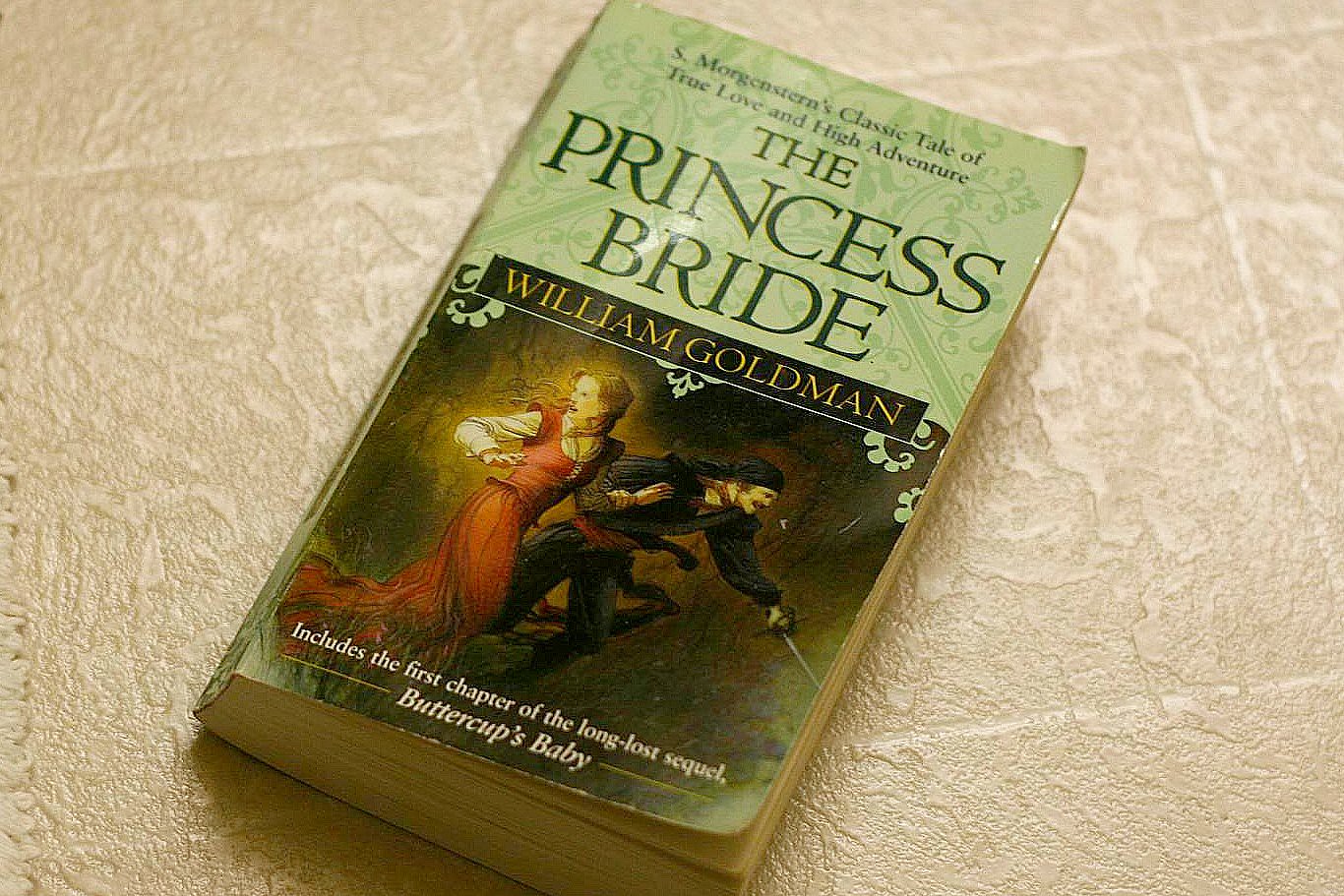
William Goldman’s 1973 fantasy adventure novel found new life when Goldman himself adapted it for Rob Reiner’s 1987 film. The movie initially performed modestly at the box office but became a cult classic through cable television and home video.
The Princess Bride demonstrates how a faithful adaptation with perfect casting and a director who understands the material’s tone can create something magical.
Like Go2Tutors’s content? Follow us on MSN.
Little Women
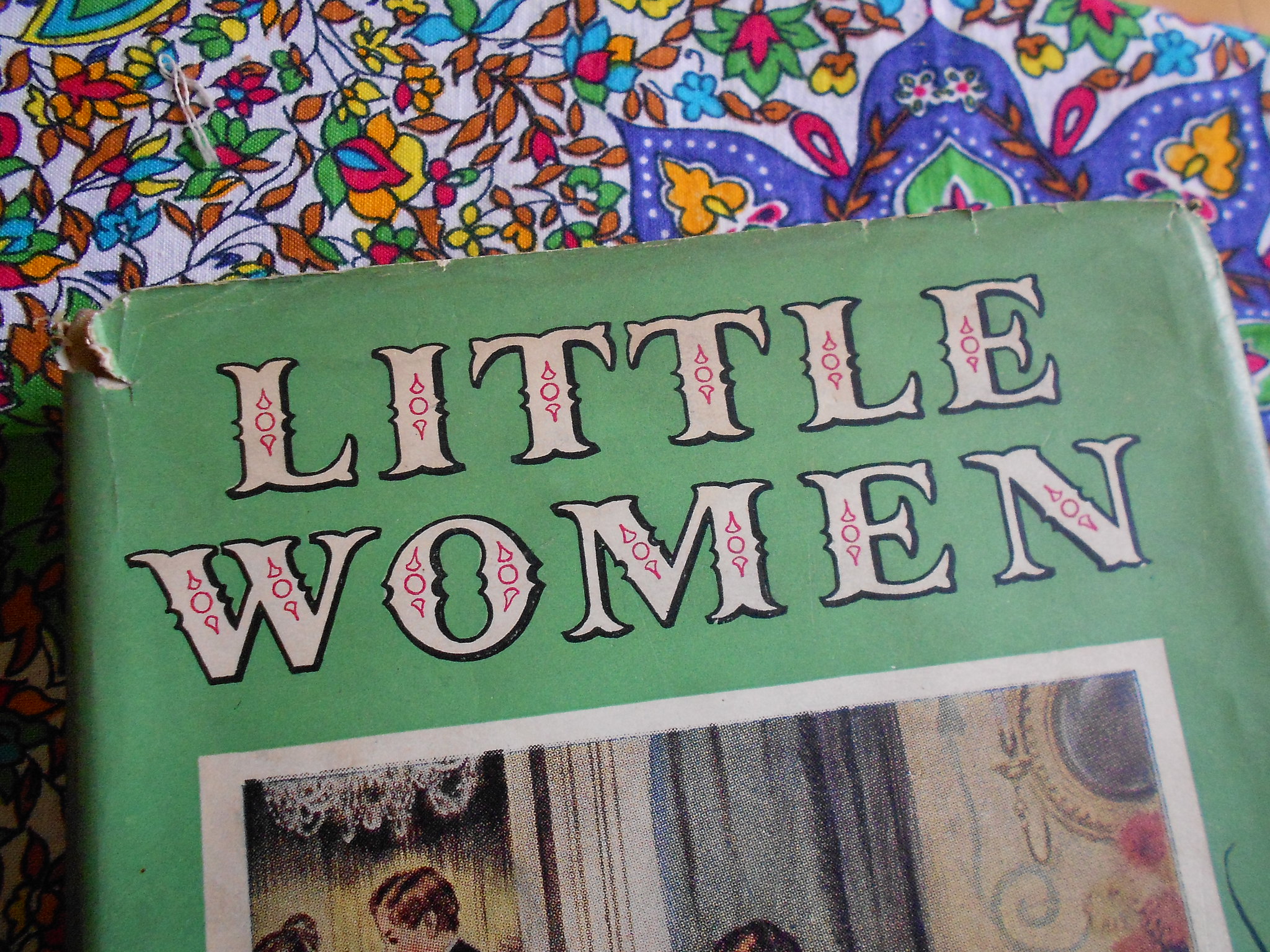
Louisa May Alcott’s 1868 novel about the March sisters has been adapted numerous times, but Greta Gerwig’s 2019 version is widely considered one of the best adaptations. The film grossed over $218 million worldwide and earned six Academy Award nominations including Best Picture.
Gerwig’s non-linear storytelling and feminist interpretation brought fresh perspective to a classic tale, proving that even well-known stories can benefit from innovative adaptation approaches.
When Words Meet Images

The most successful book-to-film adaptations recognize that preserving the essence of the original work is more important than accurately reciting every word. Filmmakers such as Frank Darabont, Francis Ford Coppola, and Peter Jackson made daring decisions that improved the themes and emotional resonance of their original novels while departing from them.
These movies show how well-written novels can serve as rich cinematic foundations, offering characters, settings, and narratives that work well in a variety of media. Whether they are viewed on screen or in print, audiences continue to seek out stories with substance and depth, as evidenced by the continued success of literary adaptations.
More from Go2Tutors!

- 16 Historical Figures Who Were Nothing Like You Think
- 12 Things Sold in the 80s That Are Now Illegal
- 15 VHS Tapes That Could Be Worth Thousands
- 17 Historical “What Ifs” That Would Have Changed Everything
- 18 TV Shows That Vanished Without a Finale
Like Go2Tutors’s content? Follow us on MSN.