16 Little-Known Facts About Alcatraz
Most people know Alcatraz as the infamous island prison that once held Al Capone, but ‘The Rock’ has a far richer and more surprising history than Hollywood would have you believe. From its days as a military fortress to its role in Native American activism, this small island in San Francisco Bay has witnessed centuries of dramatic events that rarely make it into the popular stories.
Here’s a list of 16 fascinating facts about Alcatraz that reveal the surprising complexity behind America’s most notorious prison.
The Island Was Built by Its Own Prisoners

From 1909 to 1911, the military prisoners were put to work building a new structure that would house disciplinary barracks for the West Coast. The current prison building that tourists visit today was actually constructed by the very people who would eventually be locked inside it. These military prisoners essentially built their own jail, using materials from the old fortress that had been dismantled. Talk about an ironic construction project.
Families Lived on Alcatraz Island
At any given time, there were about 300 civilians living on Alcatraz that included both women and children. Prison guards and their families made the island their home, living in apartments and houses scattered across the rocky terrain. Families enjoyed their own bowling alley, small convenience store, and soda fountain shop for the younger island residents. Kids literally grew up in one of America’s most feared prisons, fishing in the bay and playing games while some of the country’s most dangerous criminals lived just yards away.
Hot Showers Were a Security Tactic
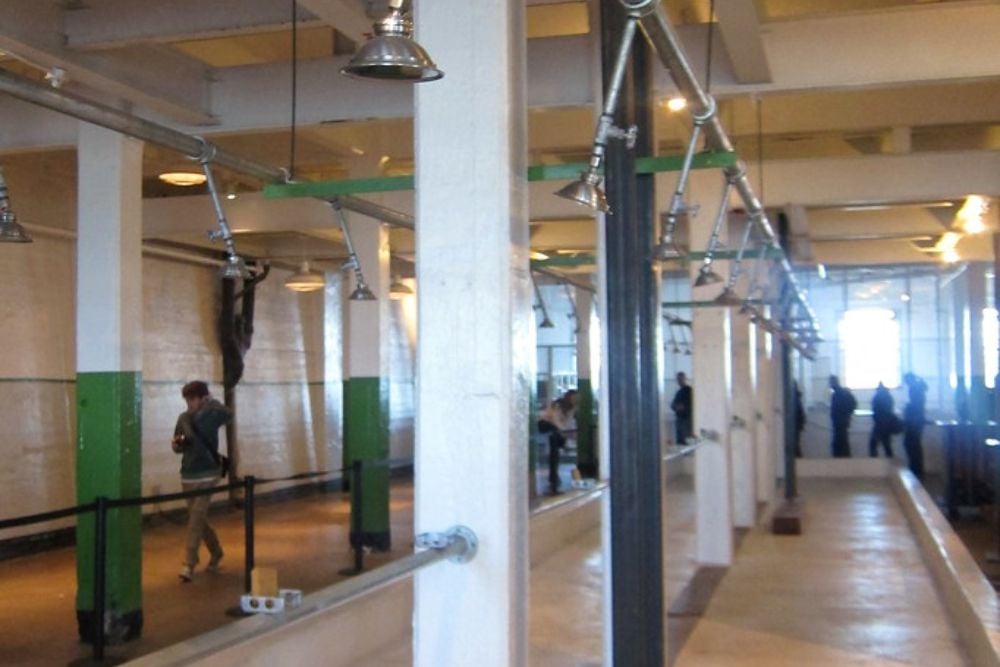
Unlike other prisons, Alcatraz provided inmates with hot showers – but this wasn’t about kindness. The belief was that if the prisoners were used to the hot water from the showers, they’d be unable to cope with the frigid waters of the Bay and would be deterred from attempting to escape. Prison officials figured that pampered prisoners accustomed to warm water would struggle more in the bone-chilling 50-degree San Francisco Bay temperatures. It was psychological warfare disguised as a luxury.
The Prison Never Reached Full Capacity
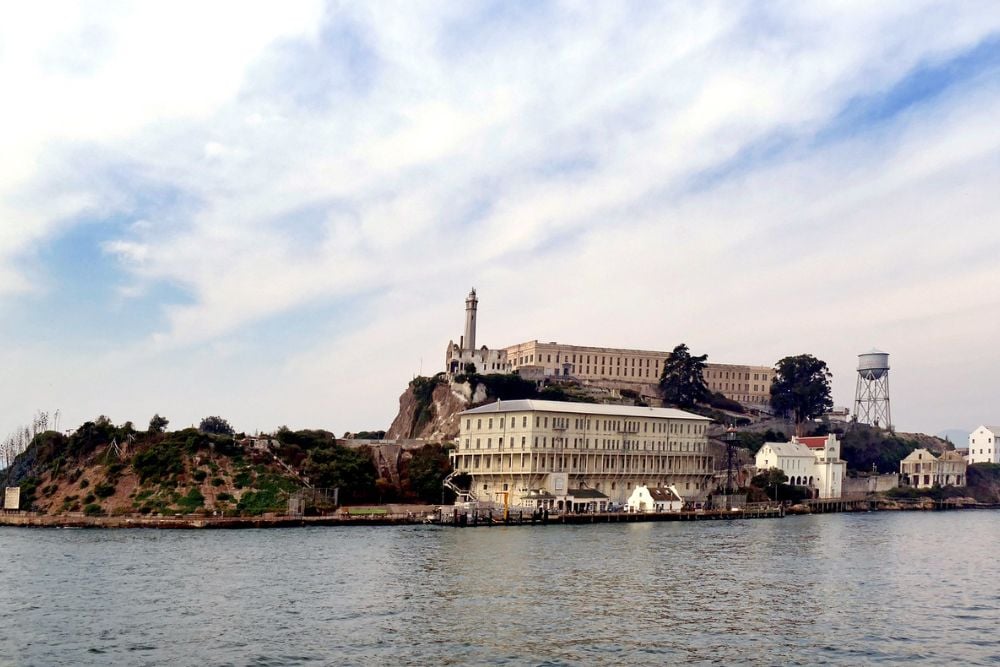
Although Alcatraz was able to house 450 convicts in cells that measured about 10 feet by 4.5 feet (3 meters by 1.5 meters), no more than 250 prisoners ever occupied the island at one time. Despite its reputation as an overcrowded hellhole, Alcatraz typically housed around 260 inmates and sometimes as few as 222. This doesn’t quite fit with the popular idea of the over-populated prison that we often see in films.
Al Capone Played Banjo in the Prison Band

Convict No. 85 became so cooperative that he was permitted to play banjo in the Alcatraz prison band, the Rock Islanders, which gave regular Sunday concerts for other inmates. The notorious gangster who once terrorized Chicago ended up serenading his fellow prisoners every weekend. In 2017, Capone’s handwritten lyrics to one song, titled ‘Humoresque,’ sold at auction for $18,750. His love songs included poetic lines about hearts filled with gladness – quite different from his reputation as a ruthless mobster.
Like Go2Tutors’s content? Follow us on MSN.
Secret Dungeons Lay Beneath the Prison
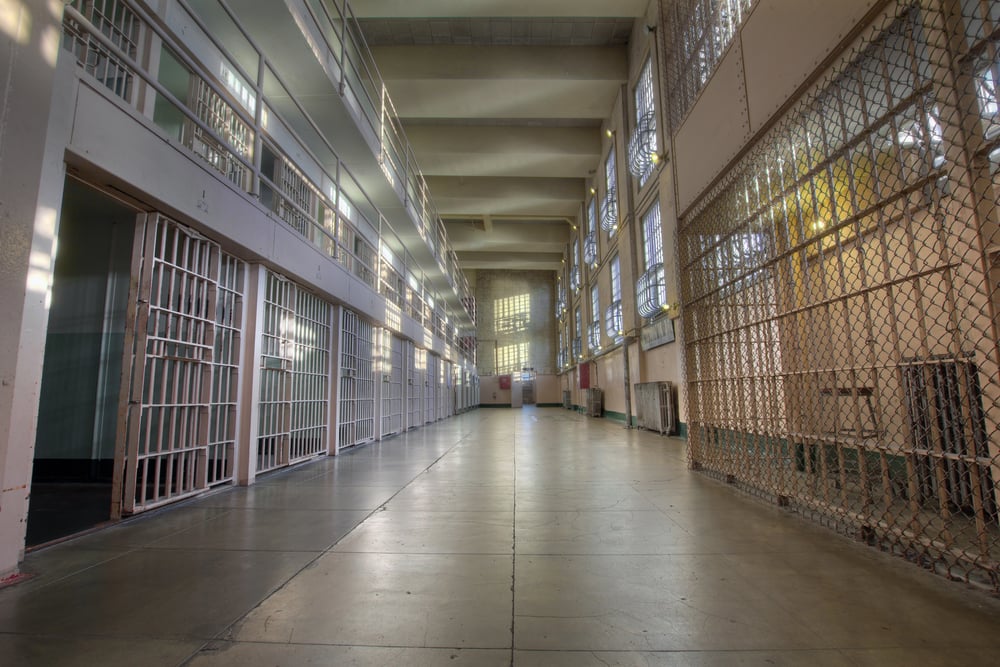
Below A-Block was a set of cells that were known as the Spanish Dungeon. These mysterious underground cells predated the federal prison and were remnants from Alcatraz’s military days. Some discharged prisoners claimed they were built by the Spanish Inquisition (they weren’t) while others claimed they were built beneath the water line. While the dungeons were actually 100 feet above water, they remained damp, cold, and terrifying enough that prison officials banned their use in 1942 as cruel and unusual punishment.
Inmates Communicated Through Toilet Pipes
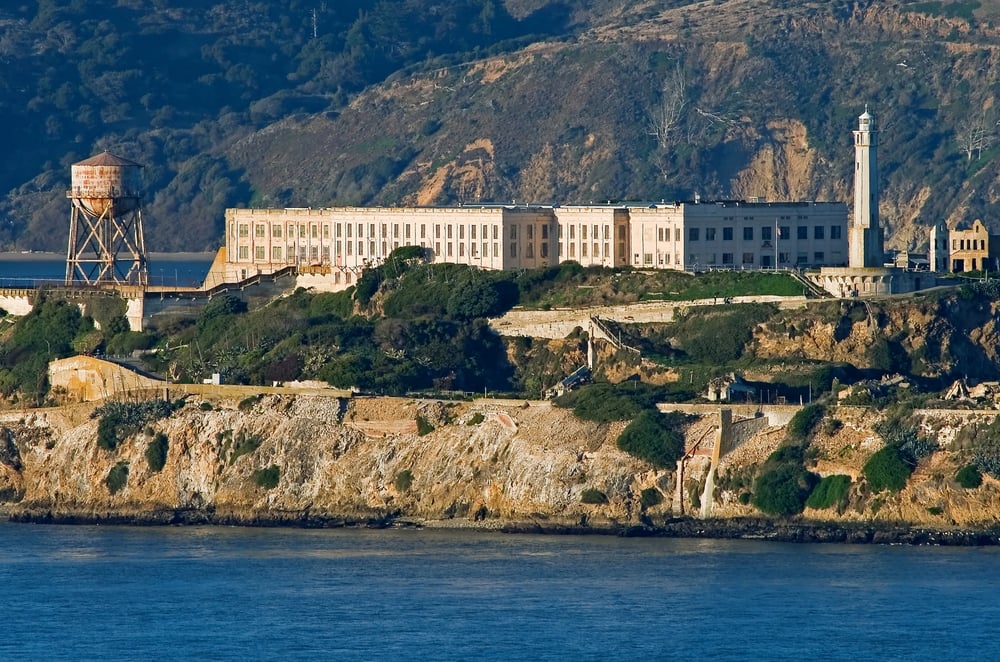
The famous ‘rule of silence’ meant prisoners couldn’t talk to each other except during meals and recreation. But inmates found creative ways around this restriction. Some inmates commonly emptied out the water from their toilets and created a primitive communications system through the sewage piping. This underground telephone network allowed prisoners to share information, plan activities, and maintain social connections despite the harsh isolation rules.
The Island Required a Million Gallons of Water Weekly
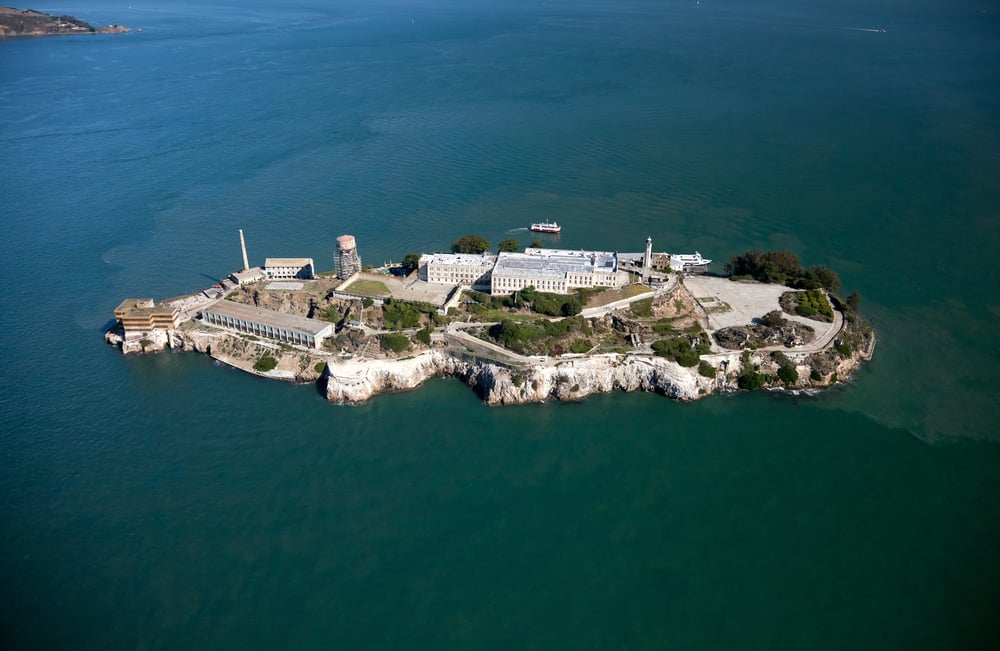
Close to one million gallons of water were brought to the island each week, along with food, fuel, and other supplies. Unlike other prisons, Alcatraz had no natural water source – it was literally a rock in the middle of the bay. Every drop of fresh water had to be shipped in by boat, making it extraordinarily expensive to operate. This logistical nightmare was one of the main reasons the prison eventually closed.
Native Americans Staged a 19-Month Occupation
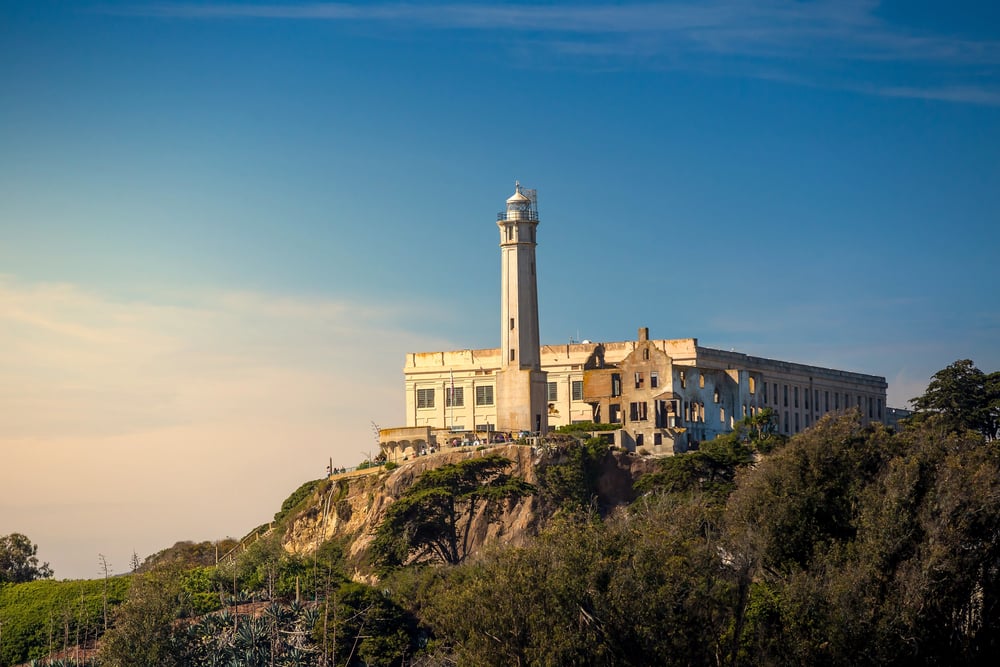
In 1969, the Indians of All Tribes occupied Alcatraz for 19 months in the name of freedom and Native American civil rights. Led by Mohawk Richard Oakes, nearly 100 Native American activists took over the abandoned prison, demanding the deed to establish a university and cultural center. Their proclamation included an offer to purchase the island for ‘$24 in glass beads and red cloth’—the same price reportedly paid by Dutch settlers for Manhattan in 1626.
The Famous ‘Birdman’ Never Had Birds at Alcatraz
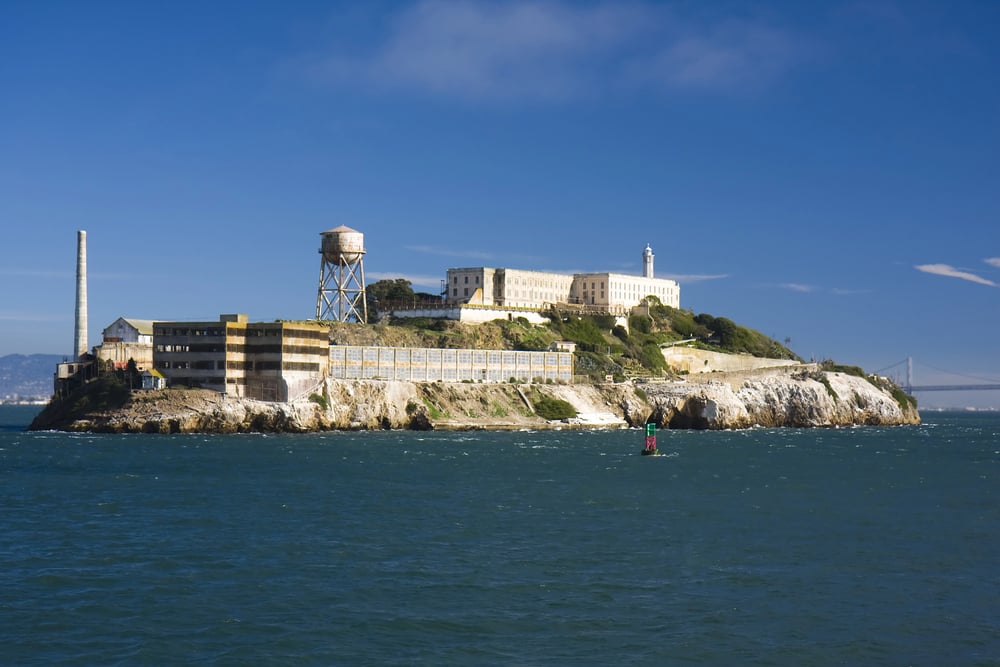
Robert Stroud, nicknamed the ‘Birdman of Alcatraz,’ spent 17 years on the island but wasn’t allowed to keep any feathered friends there. Stroud never had any birds at Alcatraz, nor was he the grandfatherly person portrayed by Burt Lancaster in the well-known movie. His bird research happened during his 30 years at Leavenworth prison before his transfer. The 1962 Hollywood movie that made him famous was largely fictional, turning a violent killer into a sympathetic character.
Archaeologists Recently Discovered Hidden Structures
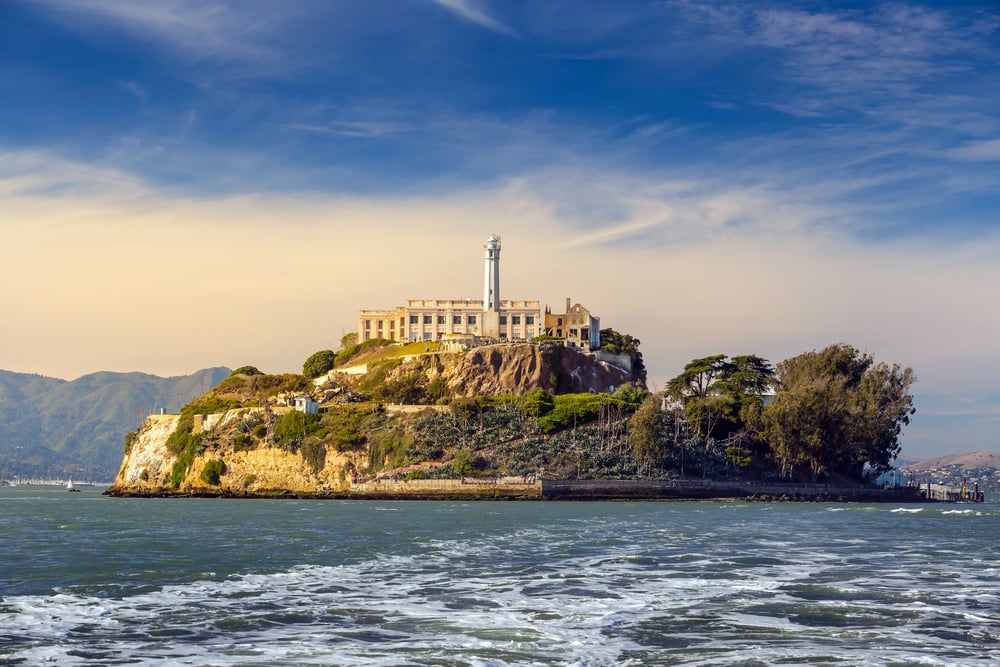
In 2019 ‘Binghamton University archaeologist Timothy de Smet and colleagues located historical remains beneath the former recreation yard of the Alcatraz Federal Penitentiary.’ Using ground-penetrating radar, researchers found structures including underground tunnels, ventilation ducts, and ammunition magazines from the original military fortress. These hidden chambers remained buried beneath the prison for over 80 years, only recently revealed by modern technology.
Like Go2Tutors’s content? Follow us on MSN.
Some Prisoners Actually Requested Transfer to Alcatraz
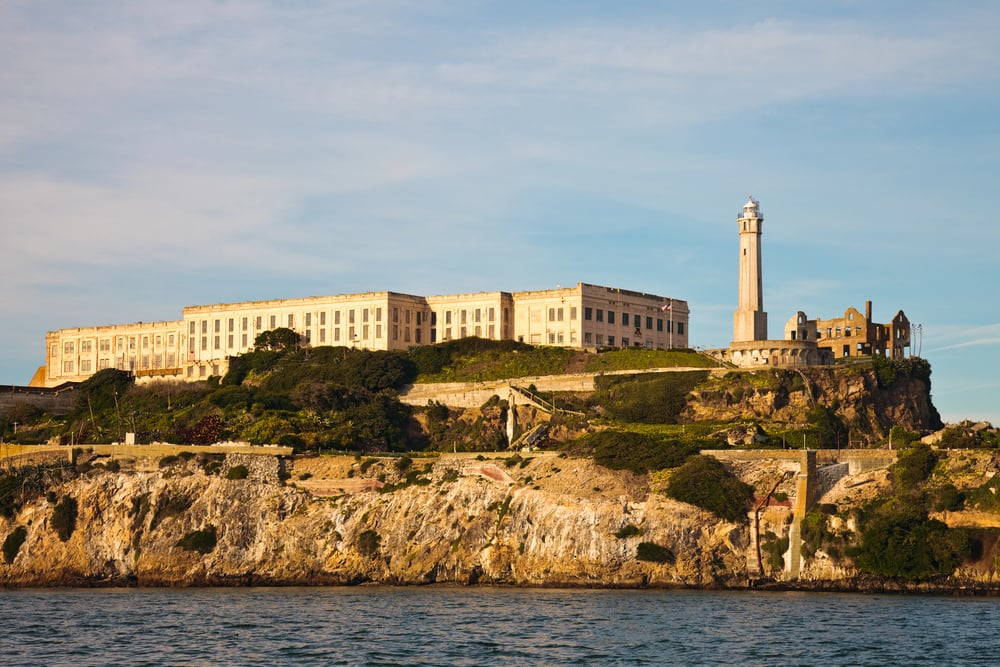
Contrary to its terrifying reputation, some inmates around the country specifically asked to be sent to Alcatraz. Willie Radkay (he shared a cell next to Machine Gun Kelly), indicated that having your own cell was a great advantage over other federal prisons. The single-cell occupancy, quality food, and respectful treatment from guards made it preferable to overcrowded mainland prisons where violence and assault were more common.
The Prison Operated Its Own Industries
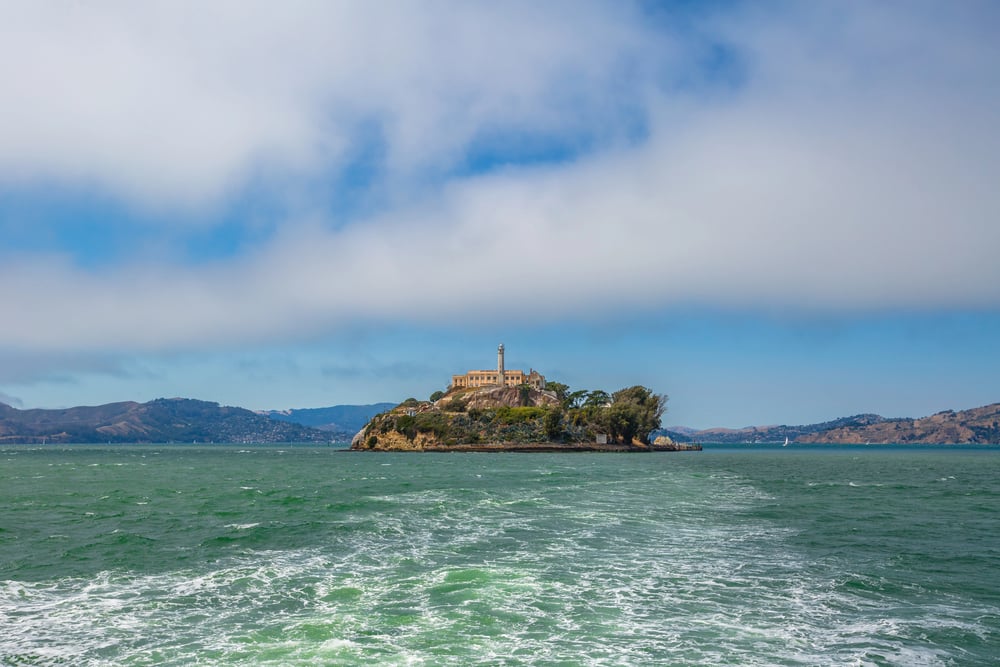
The ground floor of the two-story 306 ft long building contained a clothing factory, dry cleaning plant, furniture plant, brush factory, and an office, where prisoners of the federal penitentiary could work for money. Inmates earned wages that went into a trust fund they could access upon release. The laundry room occupied the entire upper floor, the largest in San Francisco at the time. These operations made the prison partially self-sufficient while giving inmates job skills.
Racial Integration Led to Violent Softball Games
Softball was the most popular pastime, with prisoners using a diamond in the recreation area. While the games provided recreation, they sometimes sparked dangerous conflicts. The teams were integrated, and that occasionally to racial tensions. During one May 20, 1956 game, tempers flared and makeshift knives were pulled before guards could restore order. What started as friendly competition could quickly turn deadly in the tense prison environment.
The 1962 Escape Used Popular Mechanics Magazine
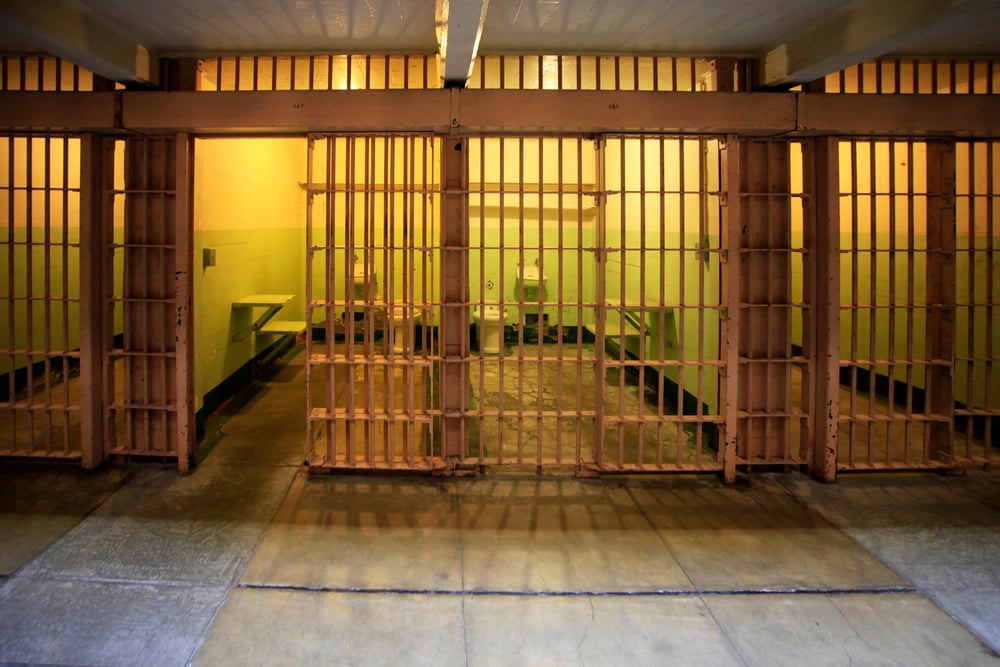
The most famous escape in Alcatraz history involved more than just digging through walls. While hacking together homemade life vests (an idea they got from the DIY magazine Popular Mechanics), the escapees tried their luck across the bay toward San Francisco. Frank Morris and the Anglin brothers spent months reading technical articles and following step-by-step instructions to create their survival gear. Prison library subscriptions inadvertently provided the blueprint for the most sophisticated breakout attempt in the facility’s history.
The Island’s Name Comes from Pelicans
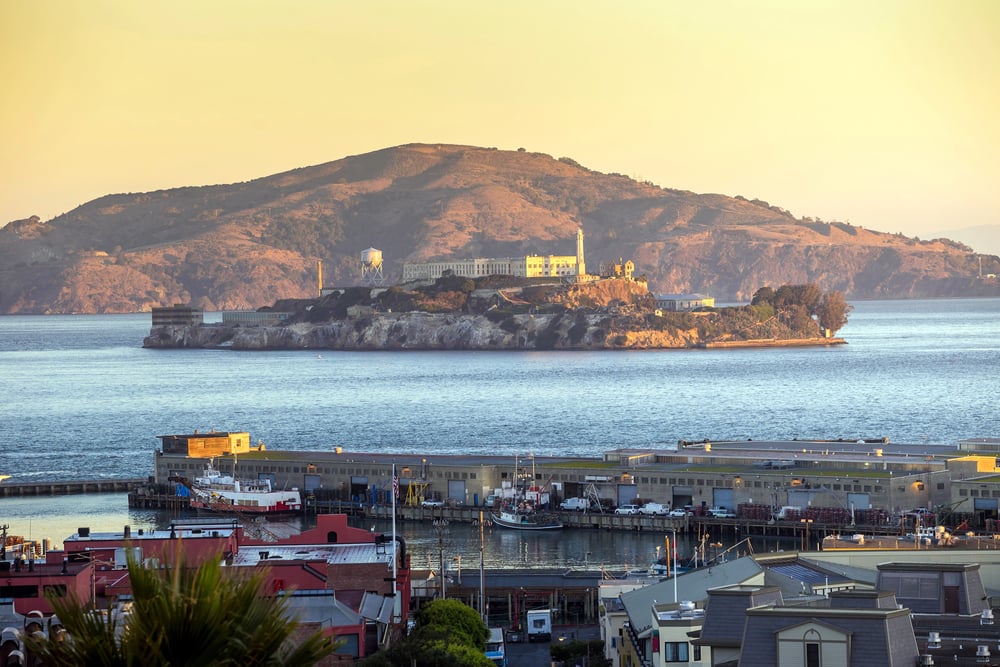
When Spanish Lieutenant Juan Manuel de Ayala became the first known European to sail through the Golden Gate in 1775, he christened the rocky outcrop ‘La Isla de los Alcatraces,’ meaning ‘Island of the Pelicans.’ Before criminals became its denizens, the windswept island was home to large colonies of brown pelicans. Today, with the inmates long gone, gulls and cormorants have reclaimed their ancestral home, bringing the island full circle to its original wildlife inhabitants.
The Rock Lives On
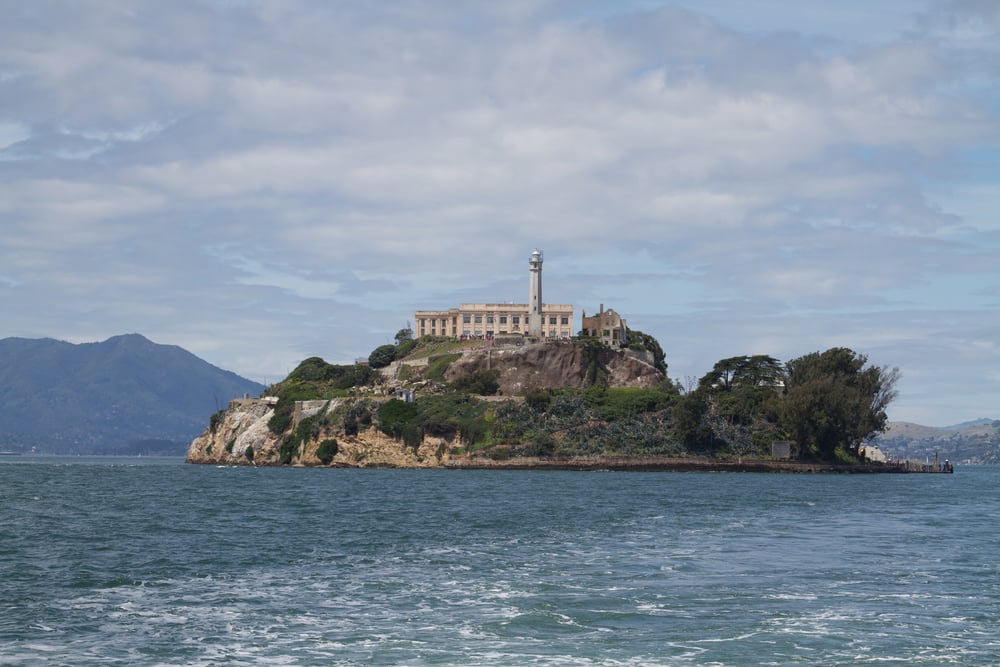
The legend of Alcatraz extends far beyond its 29 years as a federal prison. From its origins as a military fortress to its transformation into a symbol of both criminal justice and civil rights, the island continues to captivate millions of visitors annually. The crumbling concrete structures may be slowly succumbing to salt air and time, but the stories embedded in those walls remain as compelling as ever, proving that sometimes the most fascinating history lies hidden in plain sight.
Like Go2Tutors’s content? Follow us on MSN.
More from Go2Tutors!

- The Romanov Crown Jewels and Their Tragic Fate
- 13 Historical Mysteries That Science Still Can’t Solve
- Famous Hoaxes That Fooled the World for Years
- 15 Child Stars with Tragic Adult Lives
- 16 Famous Jewelry Pieces in History
Like Go2Tutors’s content? Follow us on MSN.



