Famous Mansions That Fell Into Decay
Grand estates built by the wealthy and powerful often seem like they’d last forever. These architectural marvels represented the pinnacle of success, filled with priceless art, lavish furnishings, and cutting-edge amenities for their time.
Yet even the most spectacular homes can fall victim to tragedy, financial ruin, or simple neglect. From European castles to American Gilded Age palaces, countless mansions have been left to crumble under the weight of their own histories.
Some were abandoned after personal tragedies, while others became casualties of war or economic collapse. Here is a list of 16 famous mansions that fell into decay.
Lynnewood Hall
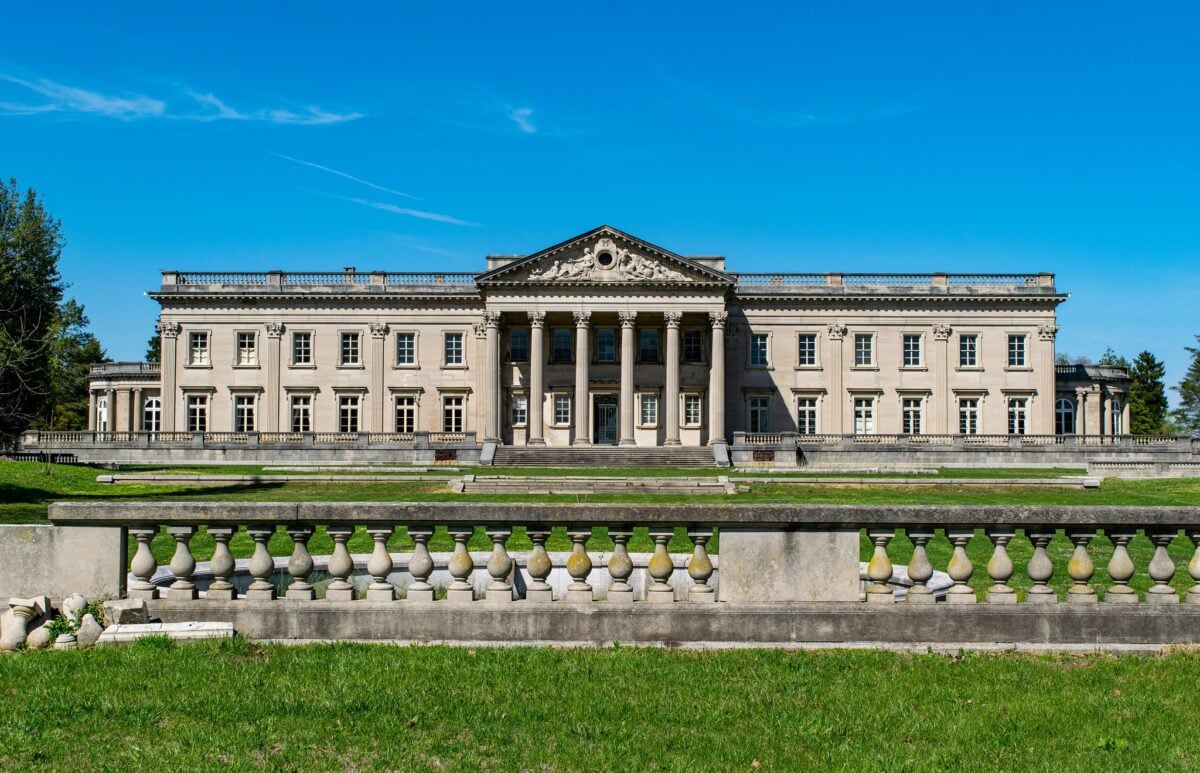
This 110-room Beaux-Arts masterpiece in Pennsylvania was built in 1897 for streetcar tycoon Peter A.B. Widener by architect Horace Trumbauer.
The mansion once hosted royalty and celebrities, filled with priceless art treasures. After Widener lost his son on the Titanic, the family’s fortunes declined.
The property is now vacant and owned by the First Korean Church of New York, with its ornate ballrooms and marble staircases slowly deteriorating behind iron gates.
Wyndclyffe Mansion
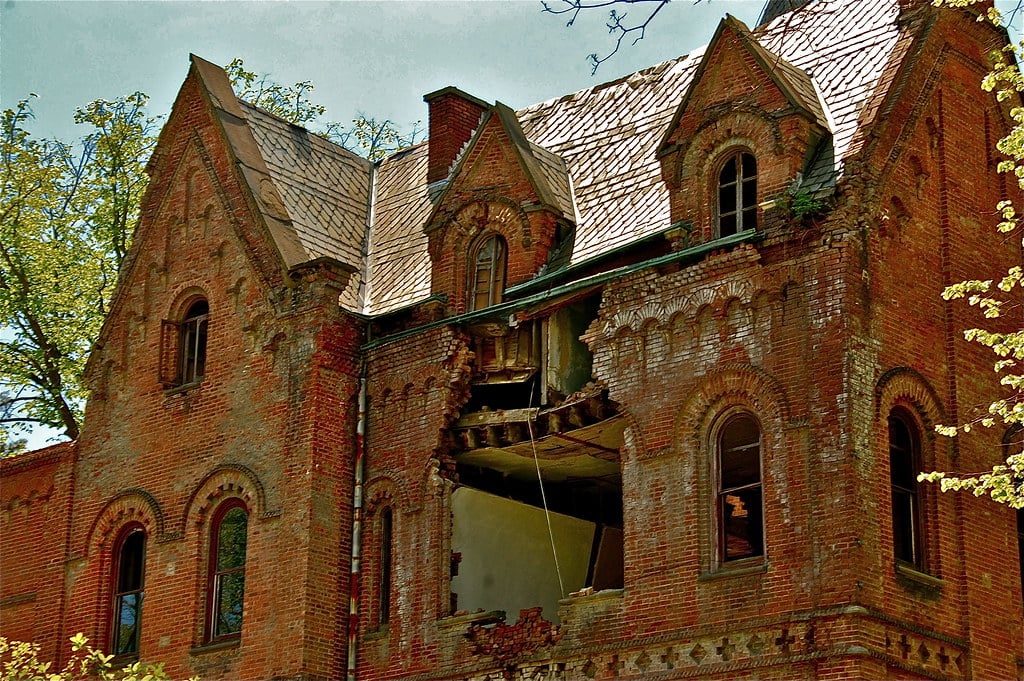
Built in 1853 by Edith Wharton’s aunt Elizabeth Schermerhorn Jones, this 24-room Gothic Revival mansion reportedly inspired the phrase ‘keeping up with the Joneses’ based on its influence on subsequent surrounding estates. The brooding riverfront estate changed hands repeatedly throughout the 20th century, with each owner unable to maintain its massive scale.
After being abandoned in the 1950s, entire sections collapsed, leaving a gaping pit in one side, with trees now growing through its slate roof.
Like Go2Tutors’s content? Follow us on MSN.
Ha Ha Tonka Mansion
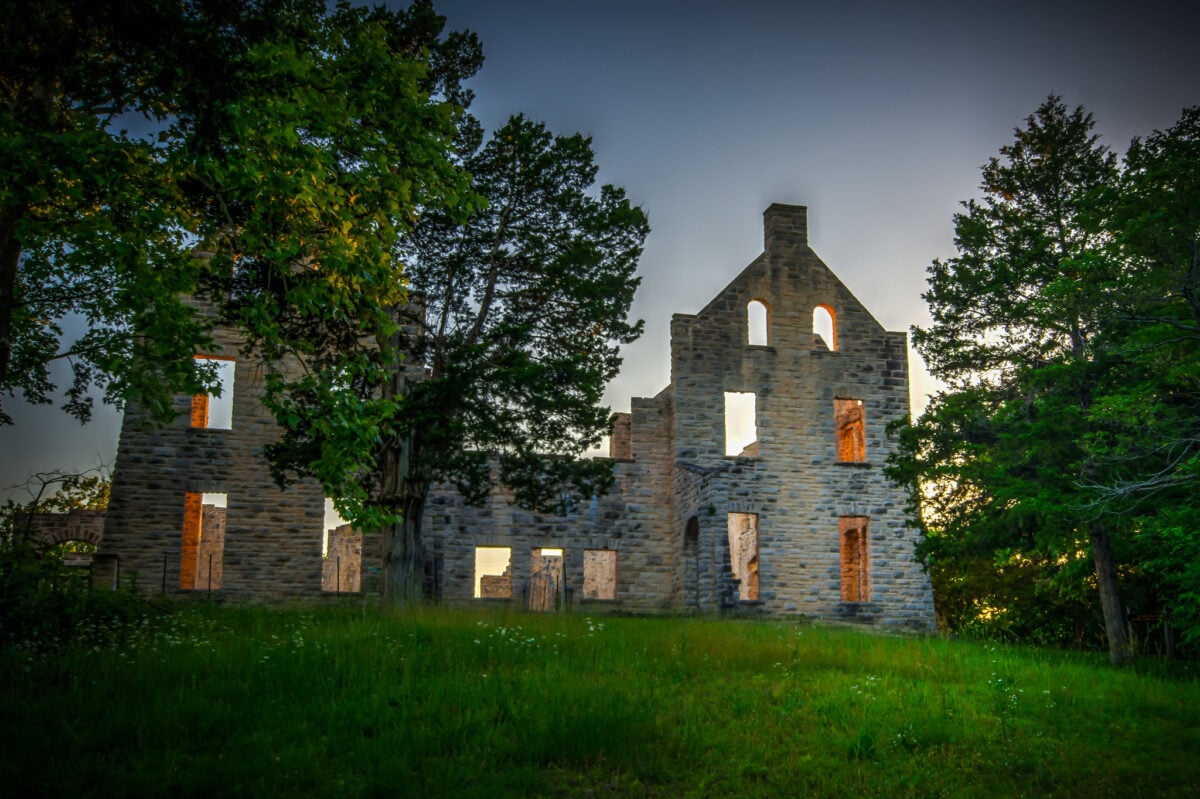
Deep in Missouri’s Ozarks sits this European-style castle that wealthy businessman Robert Snyder began building on his private lake in 1906. Snyder died in one of Missouri’s first automobile accidents shortly after starting construction, but his sons continued the project until completion in 1920.
One son lived there until he ran out of money due to land-rights lawsuits, and after functioning as a hotel and resort in the mid-20th century, the property was eventually ruined by a fire.
P. Diddy’s Georgia Estate
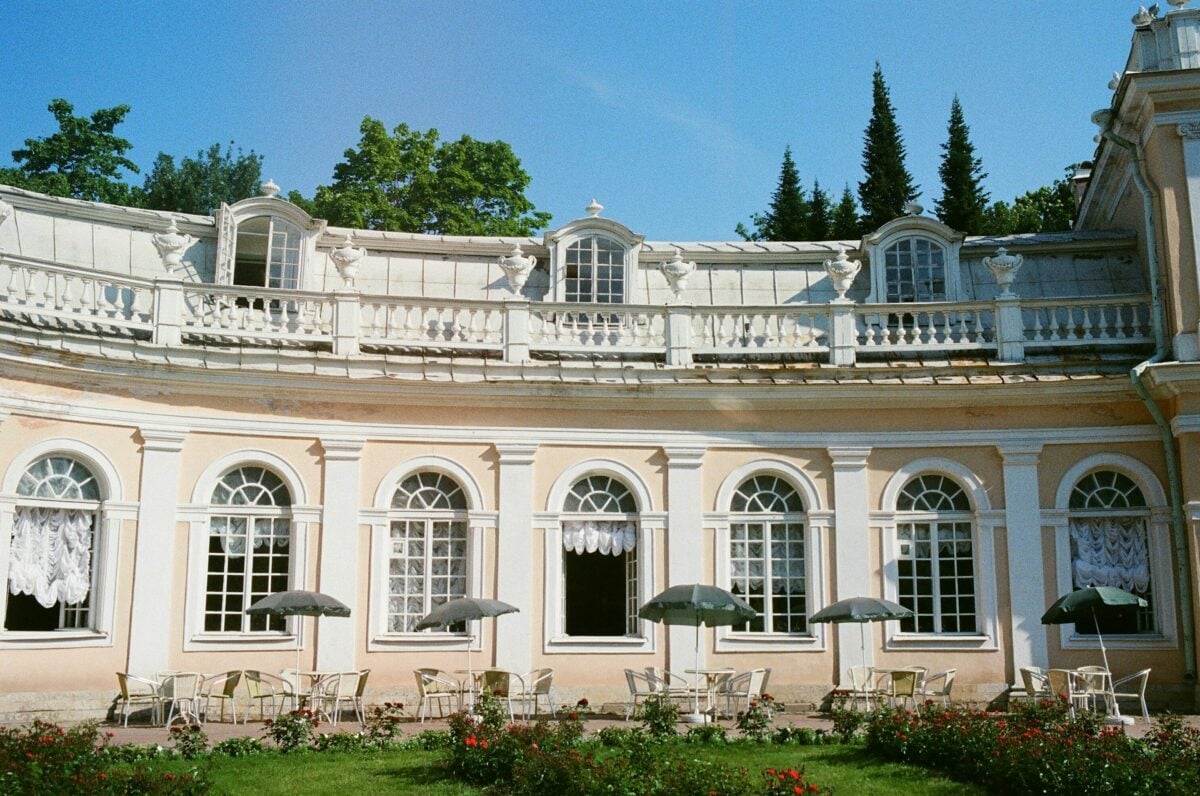
This Italian Baroque-style mansion sits on a seven-acre gated lot in Sandy Springs, just outside Atlanta. Rapper Sean Combs purchased the property and attempted to get zoning changes to build residential homes on the land, but after his development plans were denied, he renovated the 20,000-square-foot mansion instead.
His then-girlfriend, model Kim Porter, helped with the interior design, fitting it with state-of-the-art appliances and marble countertops. The estate has since been left to decay, with exposed ceiling joists and overgrown grounds captured by urban explorers.
Mike Tyson’s Connecticut Palace
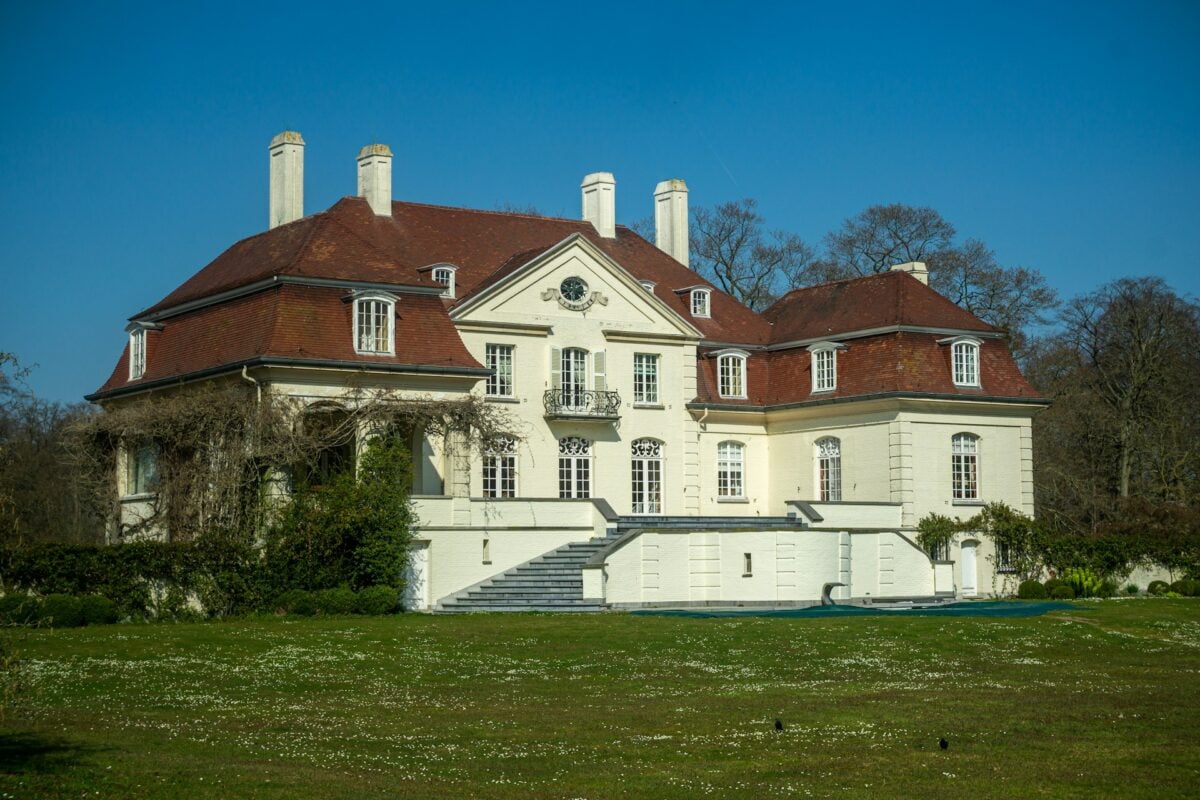
Boxing champion Mike Tyson purchased this 50,000-square-foot Farmington mansion in 1996 for $2.8 million and poured millions into customizing it. He added an indoor nightclub called ‘Club TKO,’ an indoor pool, basketball court, and racquetball court.
Tyson’s finances eventually imploded after spending $4.5 million on cars and motorbikes, $400,000 on pigeons and big cats, and $300,000 on lawn care alone in just three years. He sold it to rapper 50 Cent in 2003 for $4.1 million, who invested another $6 million in renovations before struggling to sell it for over a decade.
Like Go2Tutors’s content? Follow us on MSN.
Elda Castle
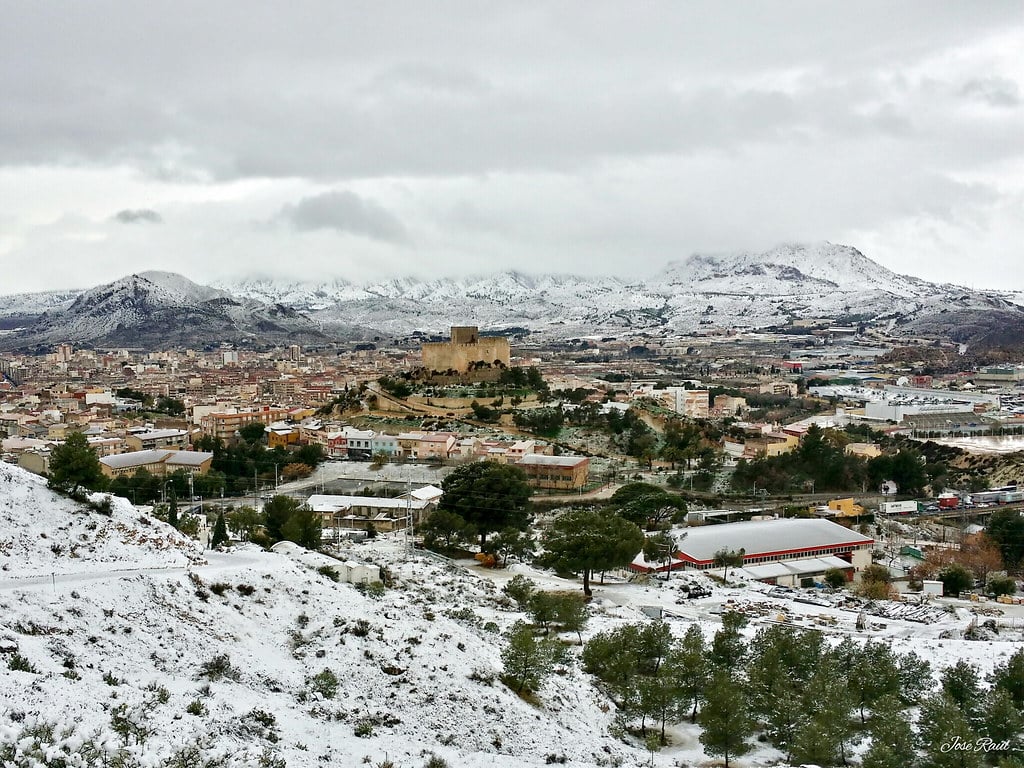
Built in the 1920s by David T. Abercrombie, co-founder of Abercrombie & Fitch, this Ossining, New York mansion sits on 50 acres. Abercrombie’s wife Lucy designed and named the home after their four children, but right after completion in 1928, tragedy struck when their daughter Lucy died in an accident at her father’s factory, followed by David’s death from rheumatic fever in the home.
Strangely, part of it was designed to look like ruins of a Medieval castle, and after being left alone, the estate soon fell into disrepair, perhaps fulfilling its fate as a place of decay.
Château Miranda
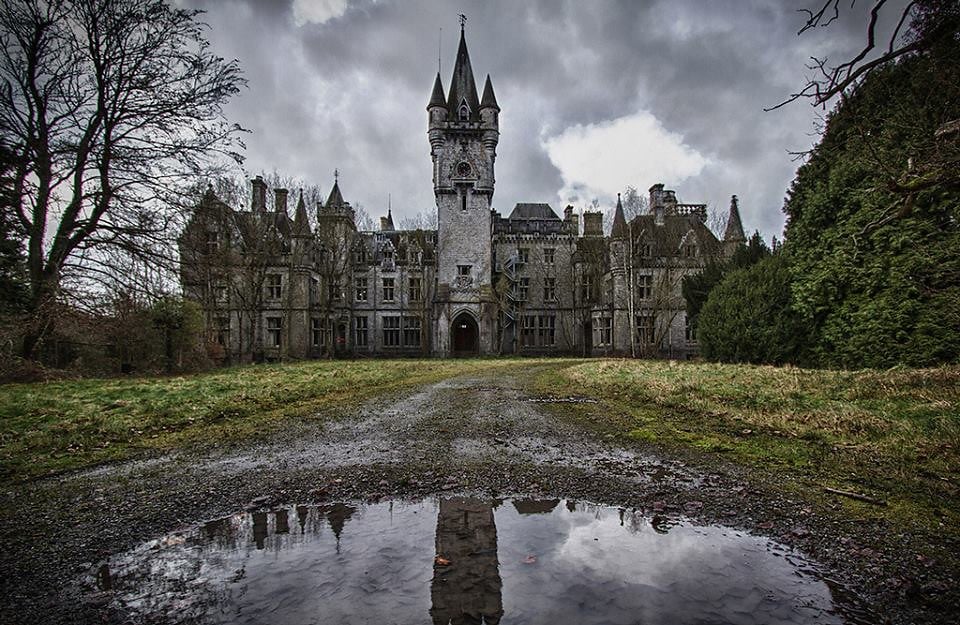
This Belgian mansion was built for the Liedekerke-Beaufort family in 1866 after they relocated following the French Revolution. The château stayed in the family until World War II, when it was repossessed by Belgium’s National Railway Company and used to house sick and orphaned children until 1980.
After a fire destroyed an entire wing in 1995, repair costs were deemed too excessive, and the castle deteriorated into little more than a ruin. The site became a magnet for urban explorers before its eventual demolition.
Pidhirsti Castle
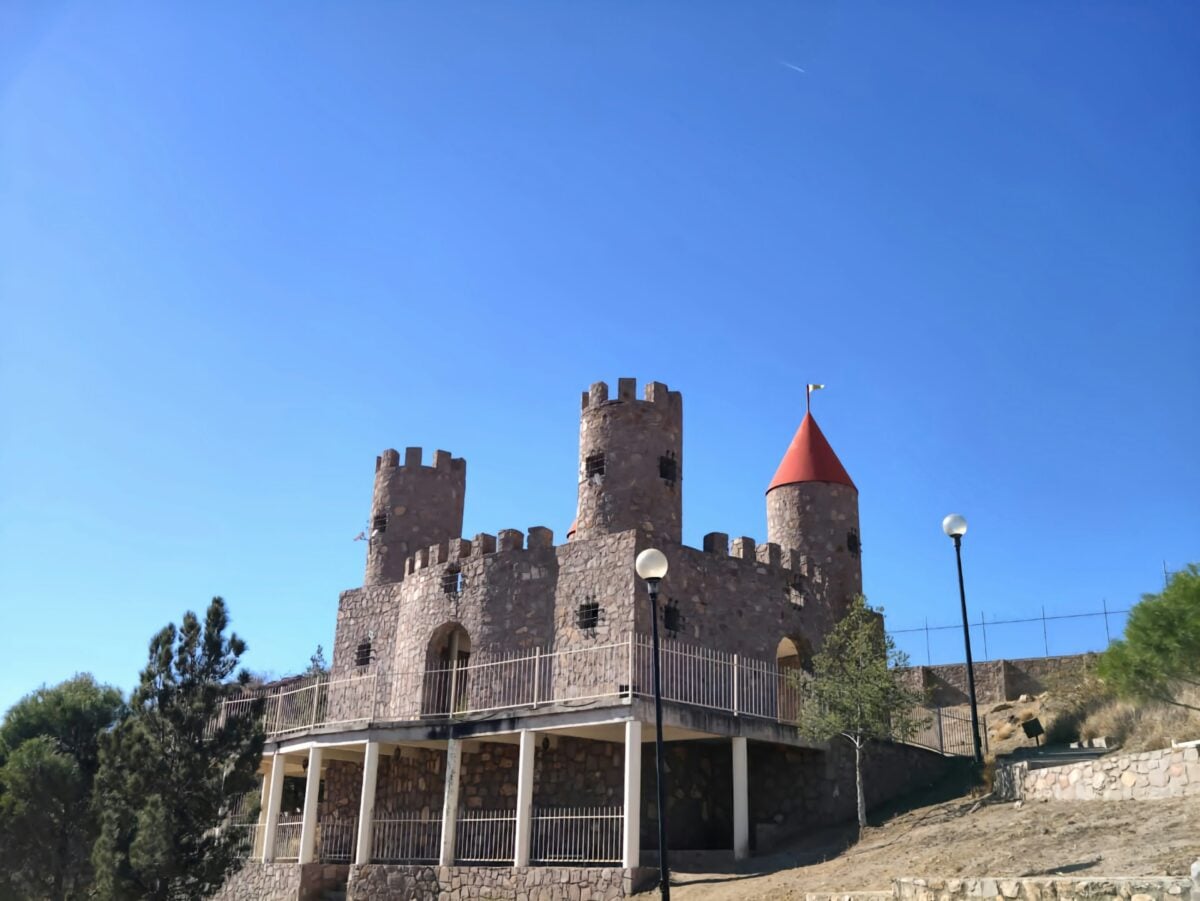
This Italian Renaissance-style palace in Ukraine was designed by Andrea dell’Aqua and built between 1635 and 1640. The castle was vandalized during the Polish-Soviet War and World War II, then largely abandoned during Soviet rule from the 1950s until 1991.
Since then, it has been managed by the Museum of Fine Arts in L’viv, which continues raising money for its restoration. Despite its haunted reputation, this treasure remains one of Ukraine’s most valued historical sites.
Like Go2Tutors’s content? Follow us on MSN.
Bannerman Castle
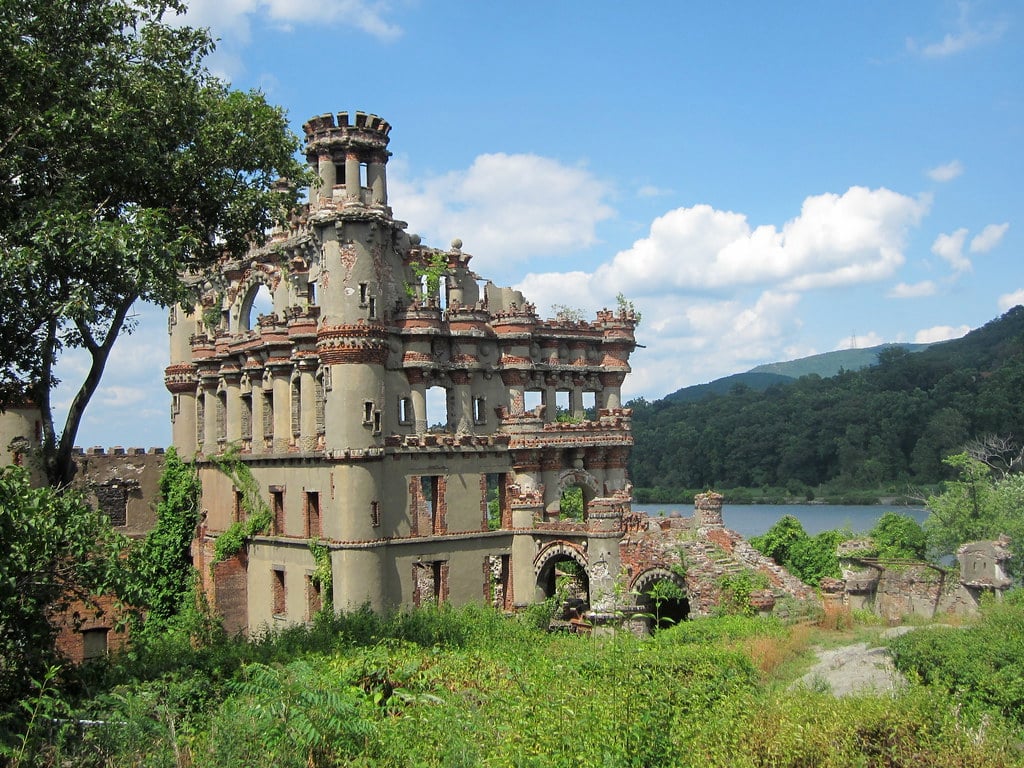
Scottish-born arms dealer Frank Bannerman VI built this castle on Pollepel Island in the Hudson River around 60 miles north of Manhattan after buying the island in 1900. The mansion was constructed as a place to store arms for sale, and the island has folklore from Indigenous tribes, including the legend of a girl named Pell who was rescued and swept to safety there by her sweetheart.
The ruins and grounds are now maintained by the National Park Service as part of Cumberland Island National Seashore.
Minxiong Ghost House
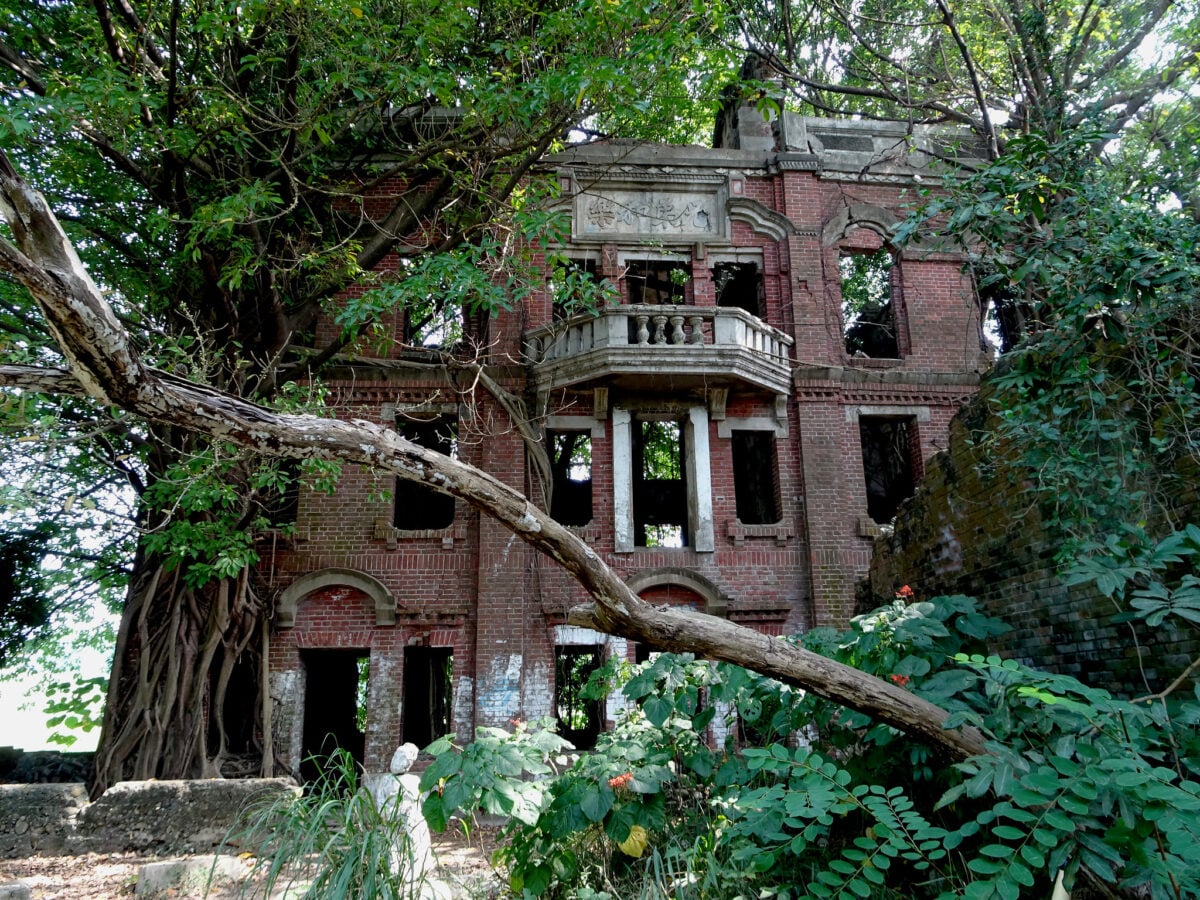
Built in 1929 in Baroque style for the Liu family in the Taiwanese countryside, this three-story mansion has been abandoned since the 1950s when the family fled abruptly. Local legend claims the family’s maid was having an affair with her employer Liu Rong-yu, and when the secret became public, she died after jumping down a well.
A few years later, members of the Kuomintang of China occupied the property, many of whom were thought to have died by their own hand, which intensified its reputation as haunted.
Chaonei No. 81
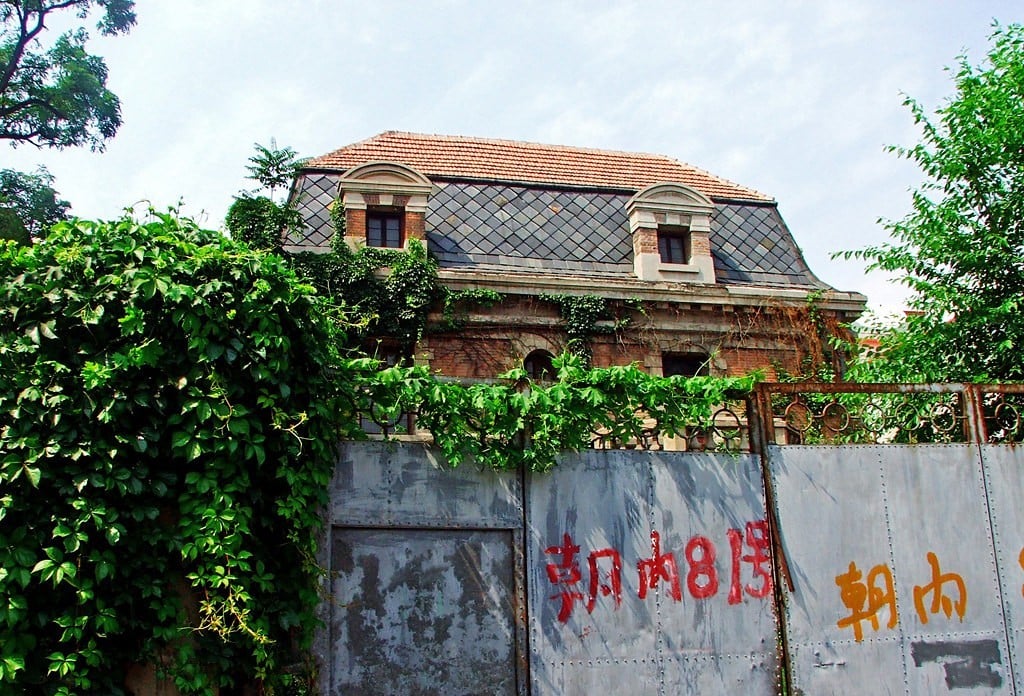
Completed in 1910 in Beijing, this mansion was reportedly built by the Qing imperial family as a church for British residents. In 1949, after the Communists defeated the Nationalists in the civil war, a high-ranking Nationalist official living there allegedly deserted his wife and fled to Taiwan.
According to legend, the woman was so devastated that she hanged herself from the rafters of the three-story mansion, and local residents believe her spirit has haunted the abandoned home ever since.
Like Go2Tutors’s content? Follow us on MSN.
Villa de Vecchi
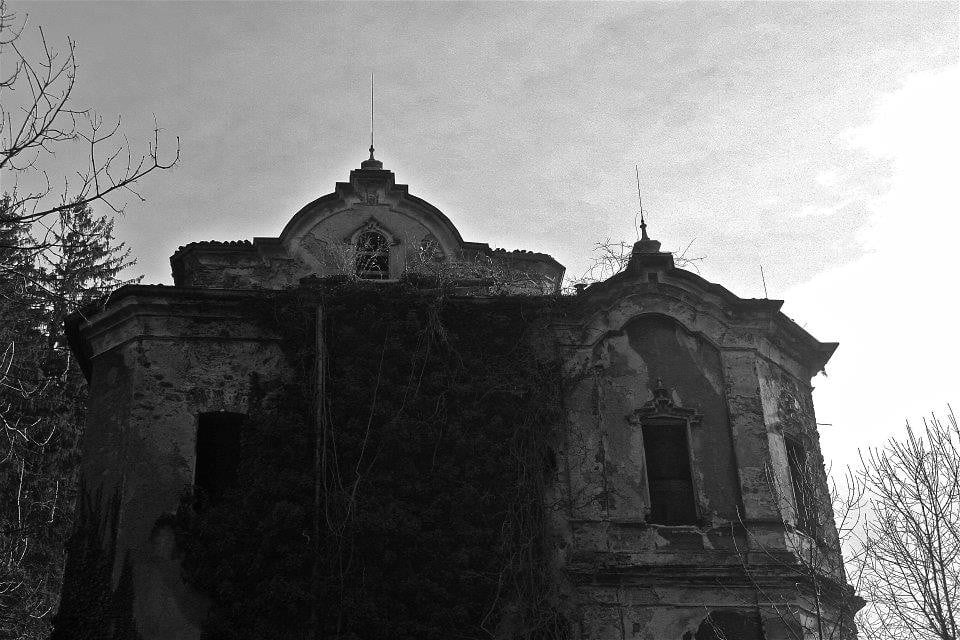
In the 19th century, Count Felix de Vecchi commissioned architect Alessandro Sidoli to construct a family home in the mountains above Lake Como. Sidoli died a year before completing the project, and after the family moved in, de Vecchi came home one day to find his wife murdered and his daughter missing.
He took his own life after fruitlessly searching for his daughter, and the mansion passed to his brother but has been abandoned for decades. The tragic history makes this one of Italy’s most notorious abandoned estates.
Halcyon Hall
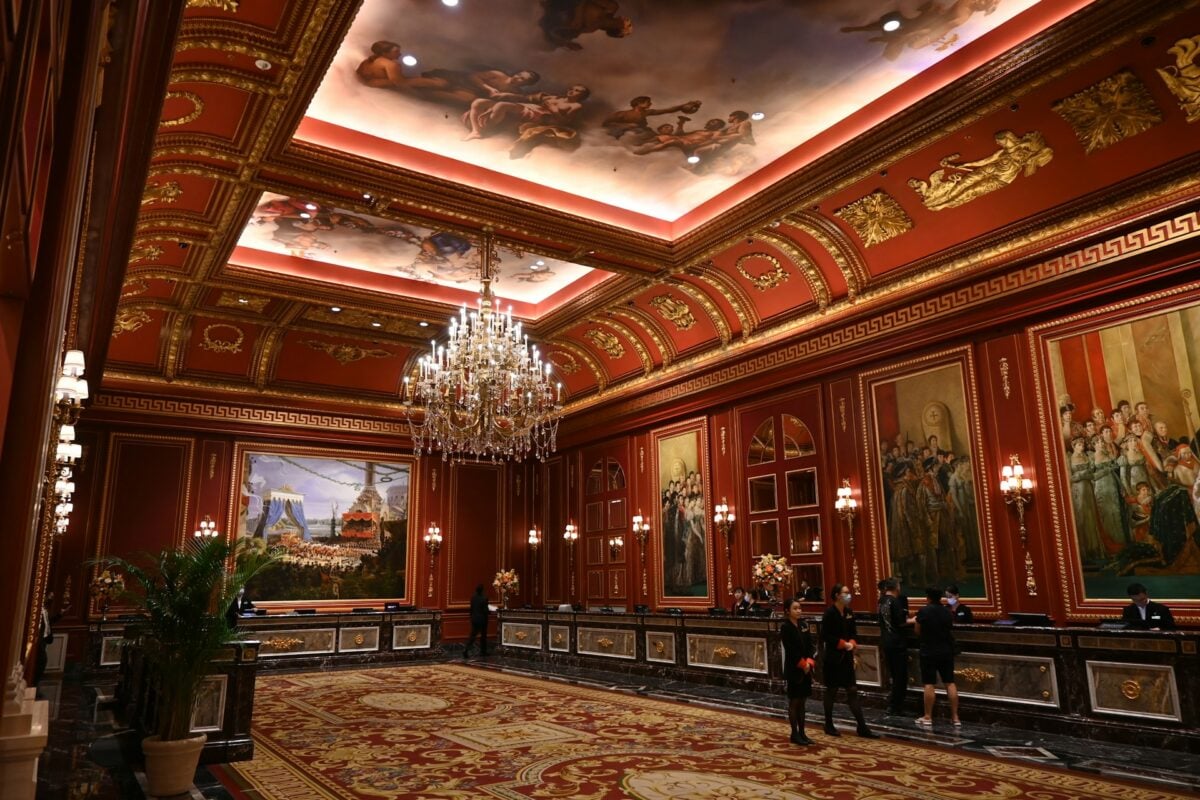
This 200-room Victorian structure was built as a luxury hotel in 1893 before becoming the main building of Bennett College, an exclusive finishing school for society’s daughters, in 1907. The women’s college closed in 1978 after going bankrupt, and the imposing five-story building was left vacant.
The property was purchased in 2014 with plans to tear down the structure and turn part of the 27.5-acre site into a park.
Swannanoa Palace
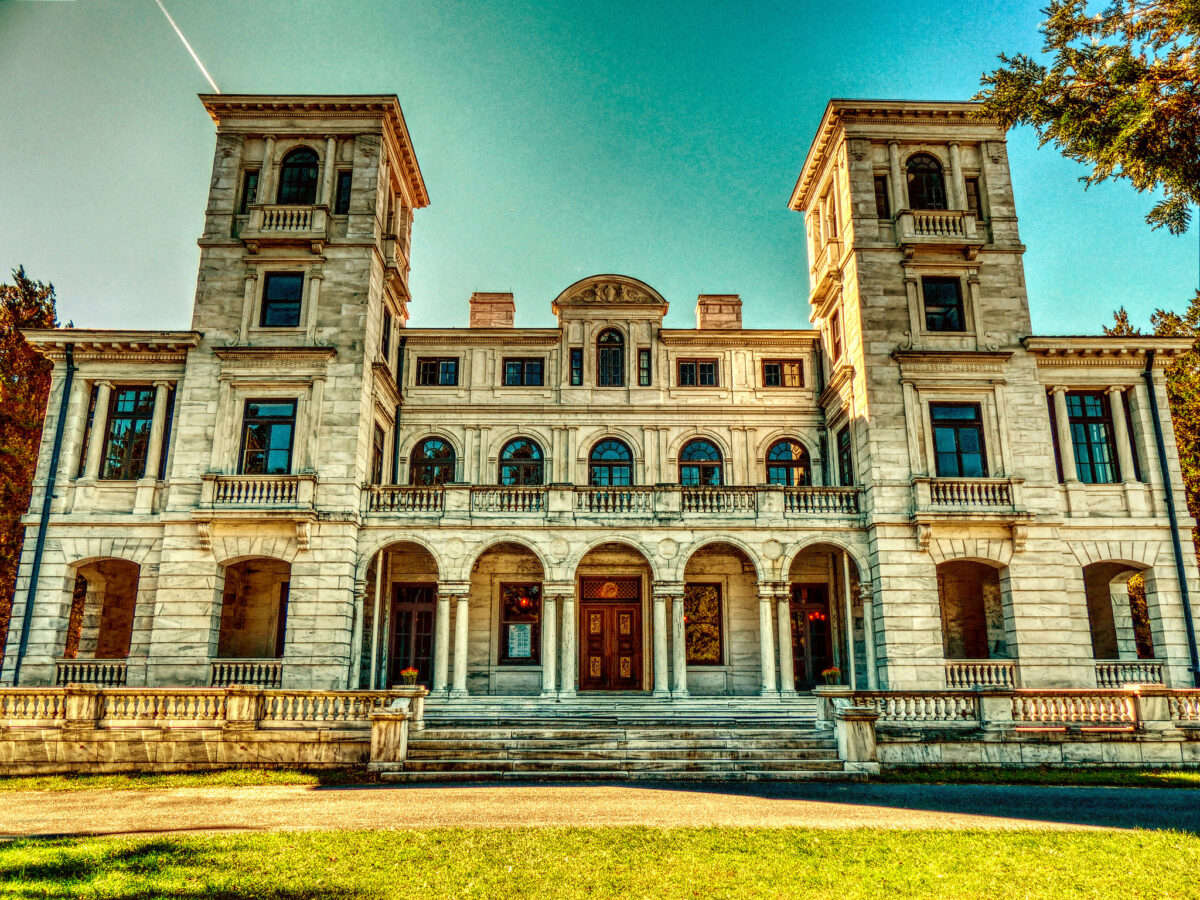
Railroad magnate James Dooley constructed this 52-room Italian Renaissance palace from Georgian marble in 1912 on Afton Mountain as a token of love for his wife. The palace features one of America’s largest Tiffany stained glass windows.
Tragically, Dooley and his wife Sallie did not get to enjoy their summer house for long, passing away 10 and 15 years respectively after it was built. Though occasionally open for limited tours, most of the mansion remains vacant and deteriorating.
Like Go2Tutors’s content? Follow us on MSN.
Los Feliz Murder Mansion
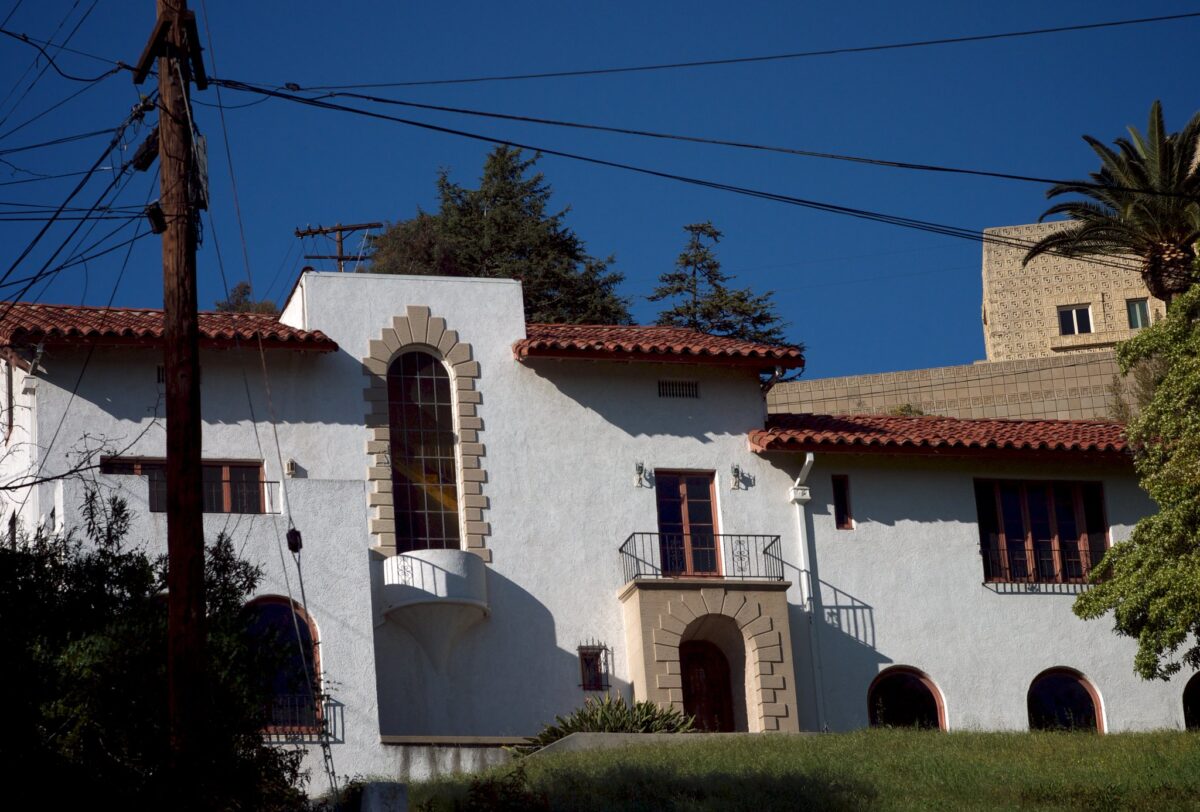
This mansion sits in Los Feliz, one of Los Angeles’ most livable neighborhoods, but it has a very dark past with some of history’s most gruesome murders. The home gained infamy for violent events that occurred within its walls, leading to its abandonment.
Urban explorer Adam The Woo visited in 2014, capturing images of the dilapidated interior where pits peppered the ceilings, wallpaper peeled away, and shabby furniture and debris scattered the floors. The mansion appears to remain abandoned despite its prime location.
Cambusnethan Priory
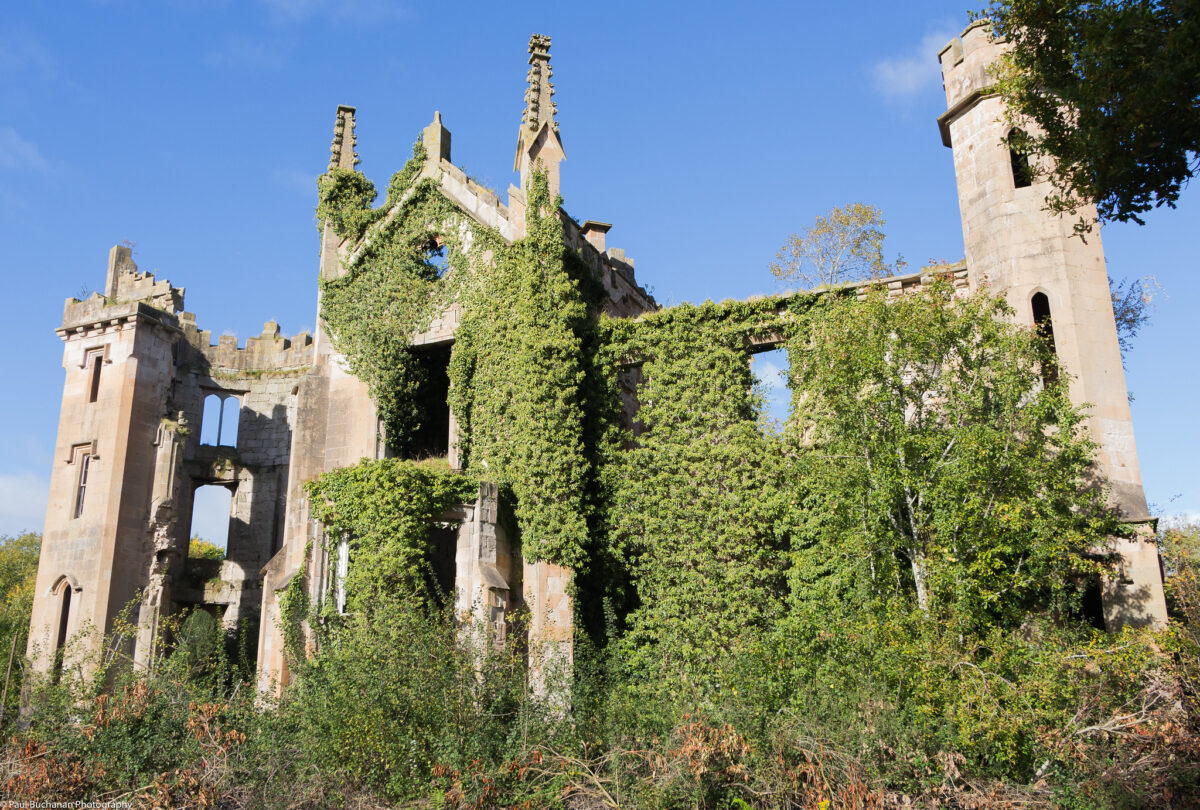
This Gothic Revival priory in Scotland was designed by James Gillespie Graham in 1820 and features turrets at each corner. Despite not being occupied since the 1980s, it remains one of the better surviving examples of 19th-century neo-Gothic architecture in Scotland.
The building has fallen into severe disrepair and is listed as ‘at-risk’ by the Scottish Civic Trust, while The Friends of the Cambusnethan Priory campaign to save it. Without intervention, this architectural gem may be lost forever.
Where Grandeur Meets Ruin
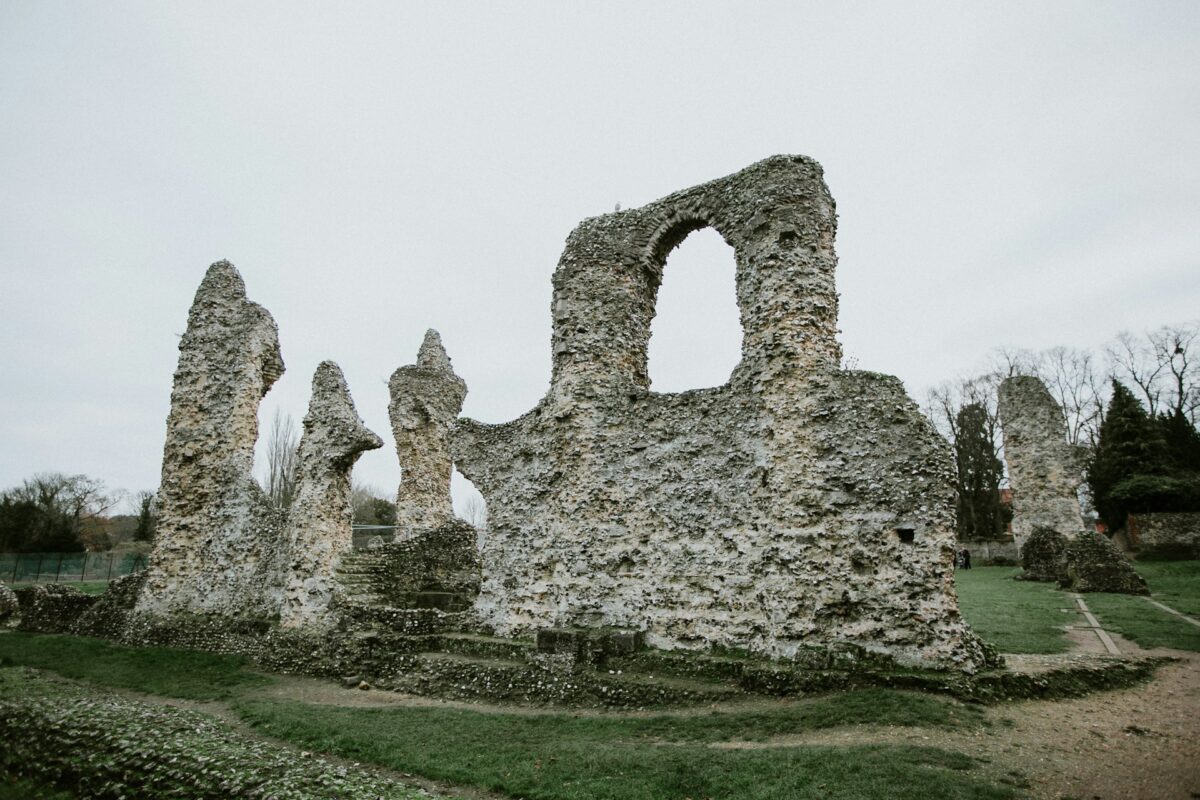
These abandoned mansions remind us that wealth and power offer no immunity from loss. Whether through personal tragedy, financial collapse, or the simple passage of time, even the most magnificent estates can become forgotten relics. Many sit as cautionary tales about excess and mortality, while others represent architectural heritage slipping away despite preservation efforts.
The gap between their glorious pasts and decaying presents tells stories more compelling than any amount of restoration ever could.
More from Go2Tutors!

- 16 Historical Figures Who Were Nothing Like You Think
- 12 Things Sold in the 80s That Are Now Illegal
- 15 VHS Tapes That Could Be Worth Thousands
- 17 Historical “What Ifs” That Would Have Changed Everything
- 18 TV Shows That Vanished Without a Finale
Like Go2Tutors’s content? Follow us on MSN.



