10 Underwater Discoveries That Rewrote History
The ocean covers more than 70% of Earth’s surface, yet we’ve explored less than 5% of it. For centuries, the depths have hidden secrets that could completely change our understanding of human civilization. When archaeologists and marine explorers make discoveries beneath the waves, they often uncover evidence that challenges everything we thought we knew about ancient cultures, trade routes, and historical events.
These underwater finds don’t just fill in gaps in our knowledge – they force historians to completely rethink established timelines and theories. Some discoveries have pushed back the dates of human achievements by thousands of years, while others have revealed lost civilizations that nobody knew existed.
Here is a list of 10 underwater discoveries that rewrote history.
The Antikythera Mechanism
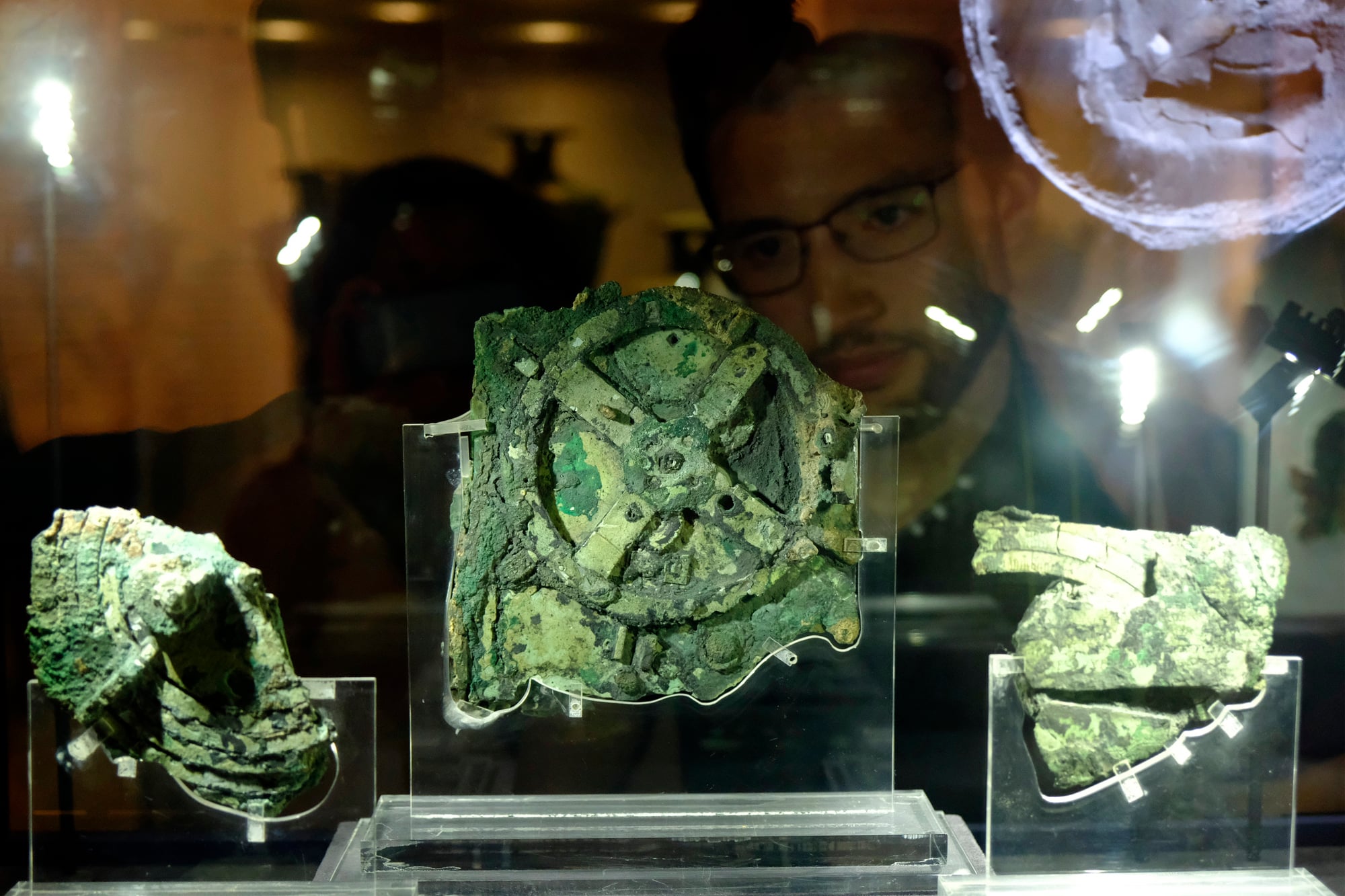
Found in a Roman shipwreck off the Greek island of Antikythera in 1901, this bronze device turned out to be an ancient computer that predicted astronomical events. X-ray analysis revealed intricate gears and dials that calculated the positions of the sun, moon, and planets, proving ancient Greeks had mechanical engineering skills historians thought didn’t exist until the Middle Ages.
The Yonaguni Monument
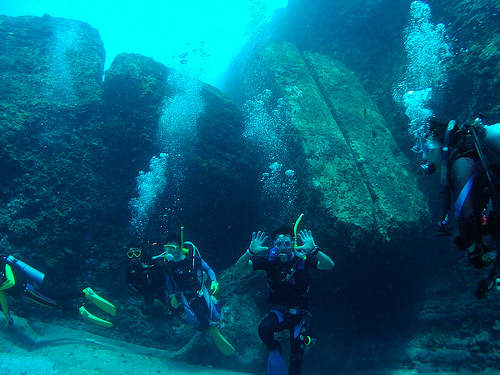
This massive underwater rock formation off the coast of Japan features what appear to be carved steps, terraces, and geometric shapes that some researchers believe represent a 12,000-year-old civilization. If proven artificial, the monument would predate known human architectural achievements by thousands of years and suggest advanced societies existed during the last ice age.
Like Go2Tutors’s content? Follow us on MSN
The Baltic Sea Anomaly

In 2011, ocean explorers discovered a circular formation on the Baltic Sea floor that looks strikingly artificial in sonar images. The object measures about 200 feet across and sits at the end of what appears to be a long track, as if it slid or crashed into position.
Heracleion’s Trading Empire
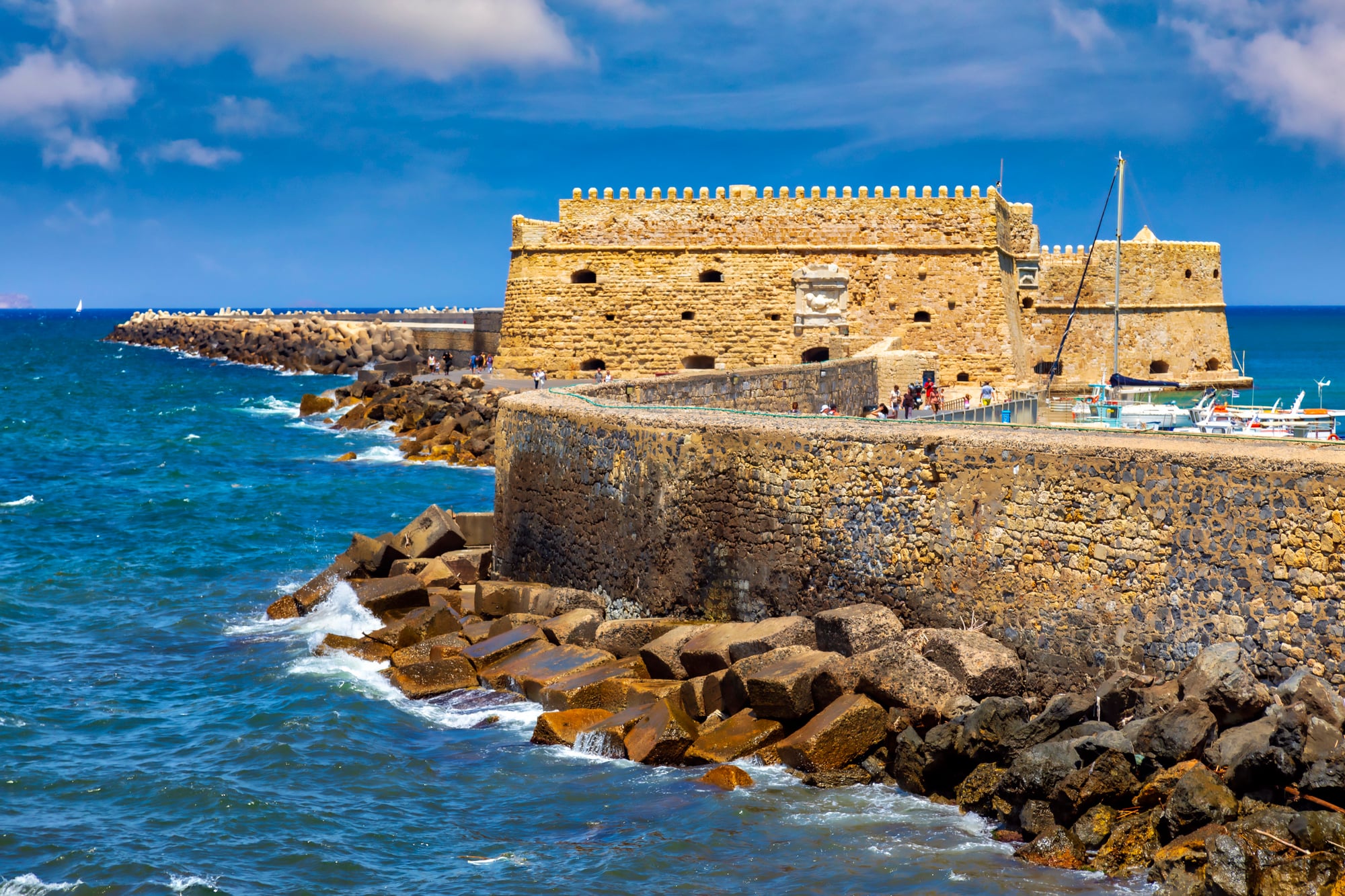
The Egyptian city of Heracleion was mentioned in ancient texts but considered mythical until marine archaeologists found it submerged in Abu Qir Bay. The underwater excavation revealed a major trading port with massive temples, ships, and inscriptions that proved it was a crucial link between Egypt and the Mediterranean world.
The Bimini Road
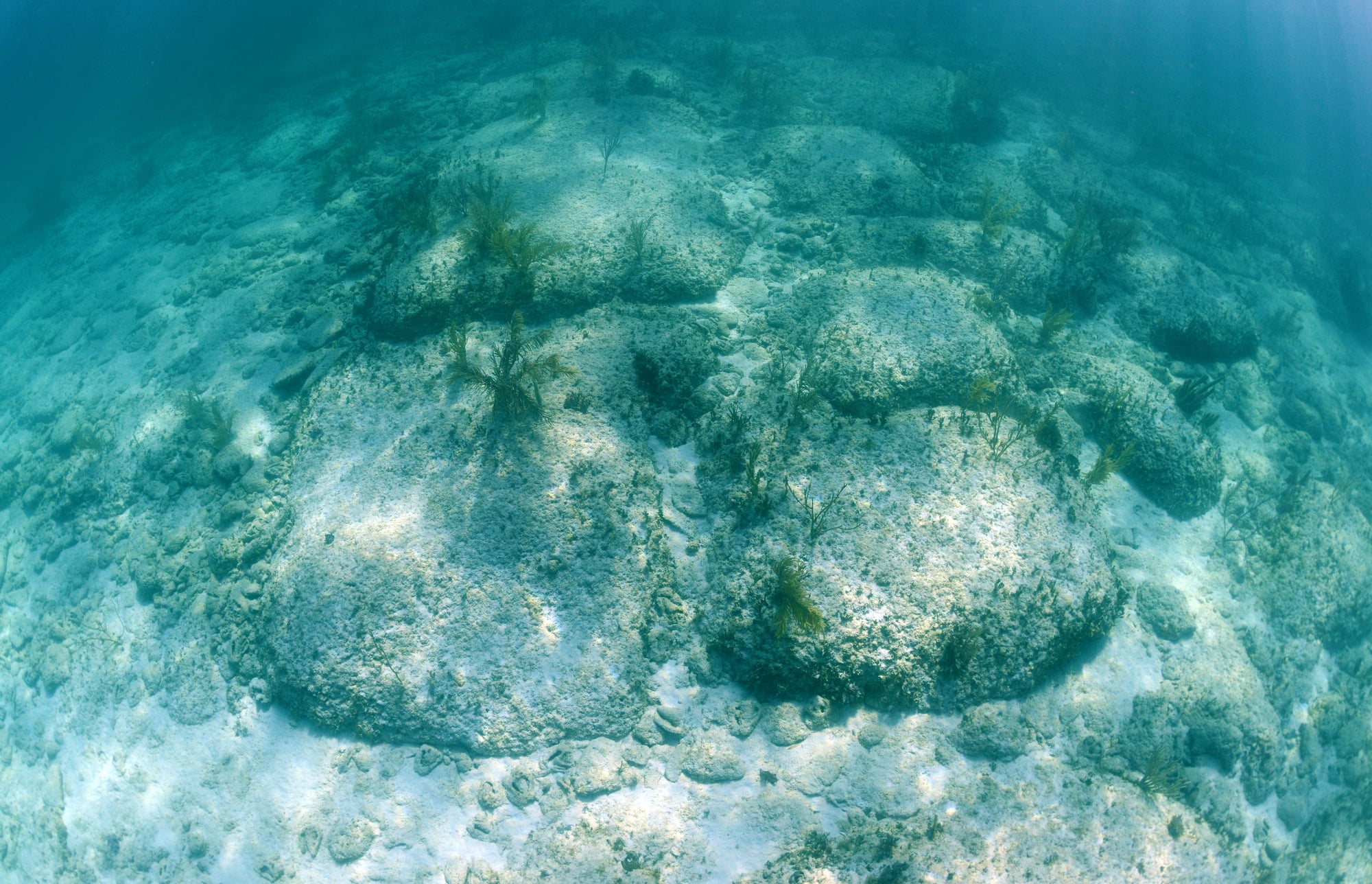
This underwater rock formation near the Bahamas consists of large, rectangular limestone blocks arranged in what looks like a road or wall structure. Some researchers believe it could be evidence of an advanced prehistoric civilization, possibly connected to the Atlantis legends.
Like Go2Tutors’s content? Follow us on MSN
Port Royal’s Instant Preservation
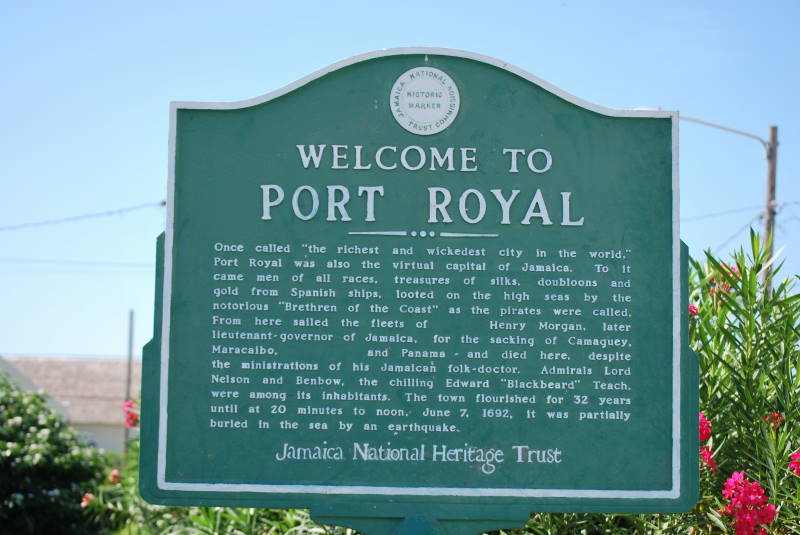
When an earthquake sank most of Port Royal, Jamaica, into the sea in 1692, it created a perfect underwater time capsule of 17th-century pirate life. The rapid submersion preserved buildings, artifacts, and even organic materials that would have decayed on land.
The Uluburun Shipwreck

This 3,300-year-old Bronze Age shipwreck off the coast of Turkey contained cargo from at least seven different cultures, revolutionizing understanding of ancient international trade. The ship carried items from places as far apart as Scandinavia and East Africa, proving that complex global trade networks existed much earlier than historians had believed.
The Pavlopetri Settlement
Dating back over 5,000 years, Pavlopetri off the coast of Greece is considered the world’s oldest submerged city. The site contains streets, buildings, and courtyards that provide a complete picture of Bronze Age urban planning.
Like Go2Tutors’s content? Follow us on MSN
Lake Titicaca’s Underwater Temples
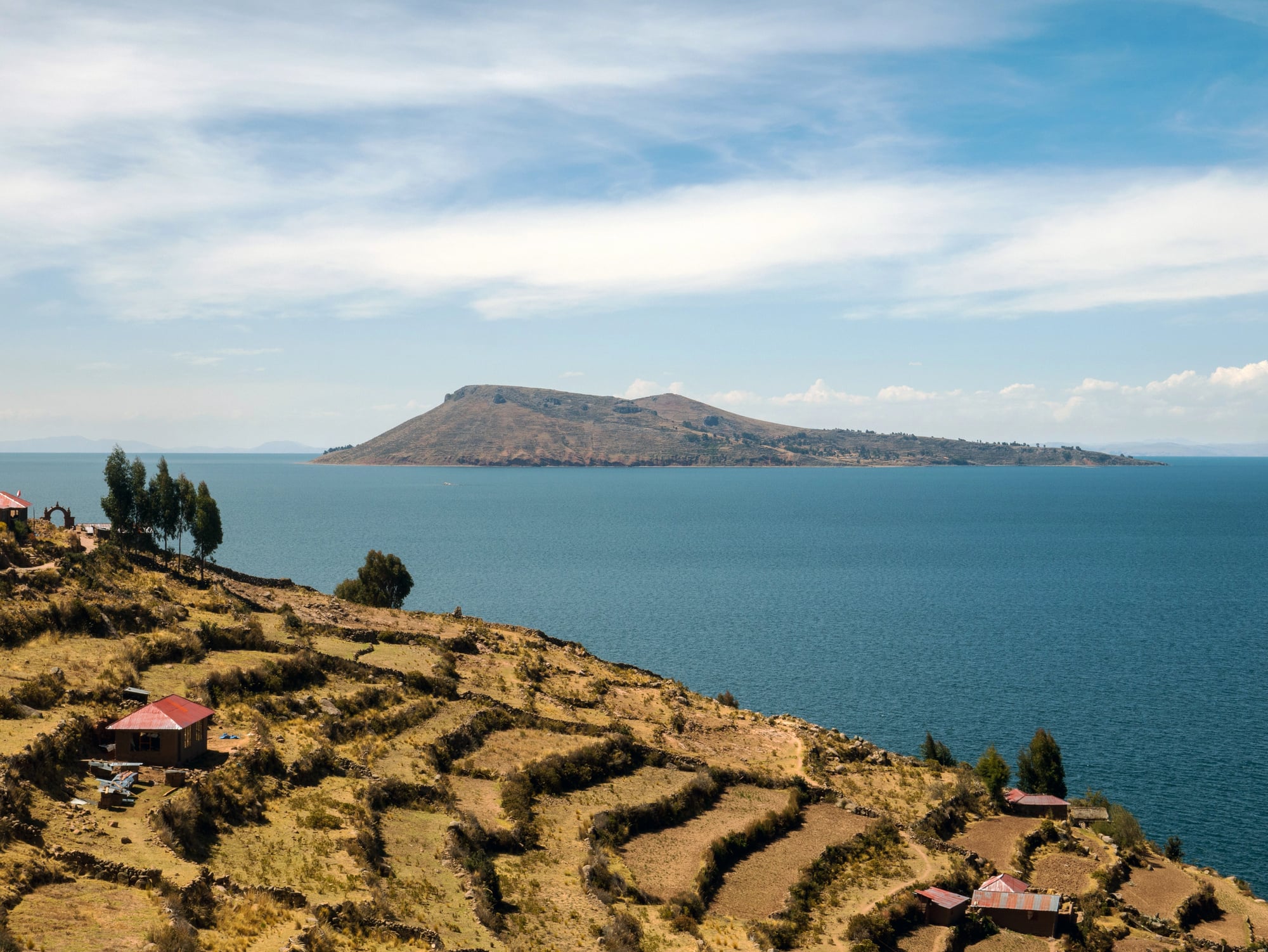
Bolivian and international archaeologists have discovered extensive stone structures beneath Lake Titicaca, including what appears to be a large temple complex with terraces and walls. The structures are much older than the Inca civilization and suggest that sophisticated societies were building monumental architecture in the Andes thousands of years earlier than previously known.
The Black Sea Noah’s Ark
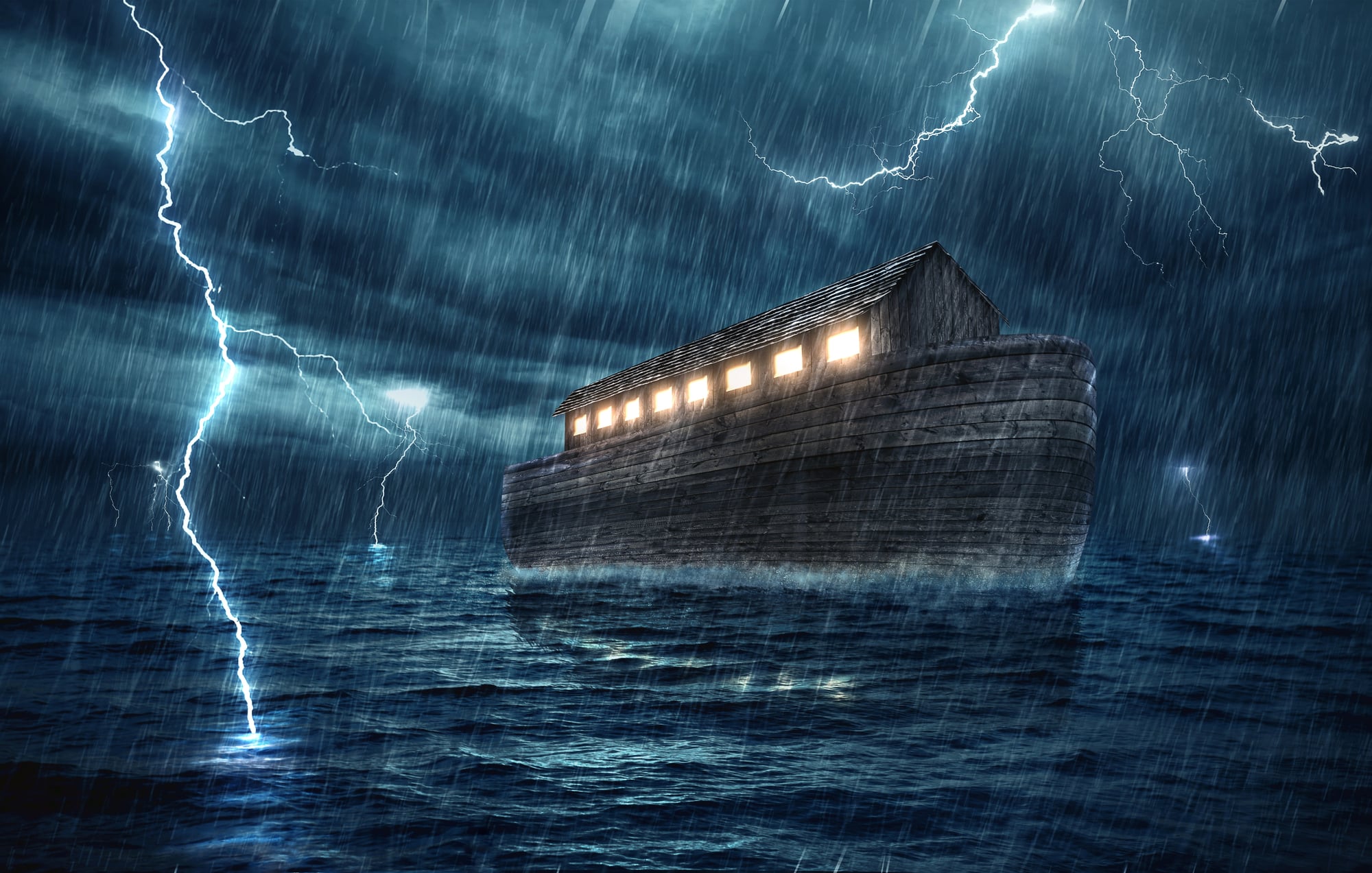
Marine archaeologists have found evidence of catastrophic flooding in the Black Sea around 7,500 years ago, when rising Mediterranean waters broke through the Bosporus and flooded vast areas of inhabited land. Underwater surveys have revealed preserved coastlines and settlements from before the flood, providing potential evidence for the historical basis of flood legends found in many cultures.
When the Ocean Reveals Its Secrets
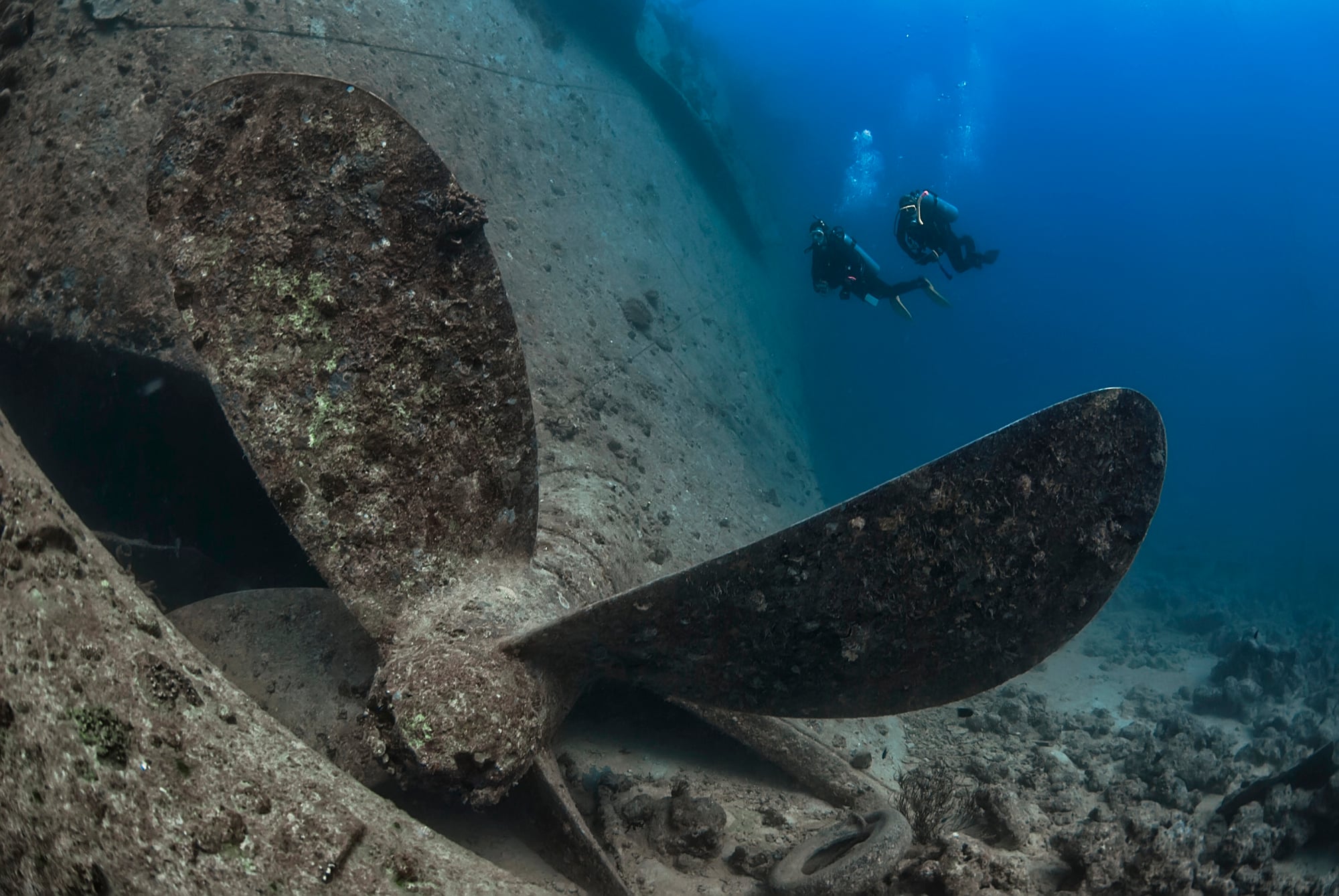
These underwater discoveries demonstrate that the ocean floor holds countless secrets about human history that we’re only beginning to uncover. Each find forces archaeologists and historians to reconsider established timelines and theories about when and where human civilizations developed.
Like Go2Tutors’s content? Follow us on MSN
More from Go2Tutors!

- 16 Restaurant Chains That Went Too Fast
- 12 Things Sold in the 80s That Are Now Illegal
- 15 Strange Things People Have Tried to Ban (And Failed)
- 16 Collectibles People Tossed Out Too Soon
- 17 Myths from Your Childhood That Were Actually Based on Real Things
Like Go2Tutors’s content? Follow us on MSN