Ancient Writings That Puzzled Scholars for Years
Long before the printing press or modern alphabet, knowledge lived in symbols scratched into stone, painted on parchment, or pressed into clay. Some told of kings and gods.
Others? Complete mysteries. For centuries, scholars have wrestled with strange scripts and cryptic texts that refused to give up their secrets.
Here’s a list of ancient writings that baffled the brightest minds—some solved, others still whispering across time.
The Voynich Manuscript
A book no one could read. Literally. Its looping script and drawings of bizarre plants, unclothed figures, and cosmic diagrams have teased experts for more than a century.
The parchment dates to the 1400s, yet nothing quite fits—language, style, even the pigments used.Still, people keep trying.
Cryptographers, linguists, hobbyists with too much coffee. Some swear it hides alchemical recipes or lost medieval science.
Others think it’s an elaborate prank that went too far. Either way, the pages look alive, curling with secrets that refuse to sit still.
The Rosetta Stone
Discovered by accident in 1799 during Napoleon’s Egyptian campaign, the Rosetta Stone turned out to be the key that unlocked an entire civilization. Three languages—Greek, Demotic, and Egyptian hieroglyphs—carved into one slab.
Even so, it took over twenty years before Jean-François Champollion finally cracked the code. Once he did, Egypt started speaking again—temples, tombs, and scrolls finally readable after two thousand silent years.
Like Go2Tutors’s content? Follow us on MSN.
Linear B Tablets
Unearthed in Crete, these clay tablets carried a writing system that looked part code, part art. For decades, scholars had no clue what language it represented. The marks looked deliberate, but alien.
Then came Michael Ventris—a British architect with a passion for puzzles—who, in the 1950s, connected the dots and proved it was early Greek. Not bad for an after-hours hobby.
Suddenly, the Minoan bureaucrats and their ledgers had voices again. Lists, taxes, inventories. Bureaucracy never sleeps.
The Indus Valley Script
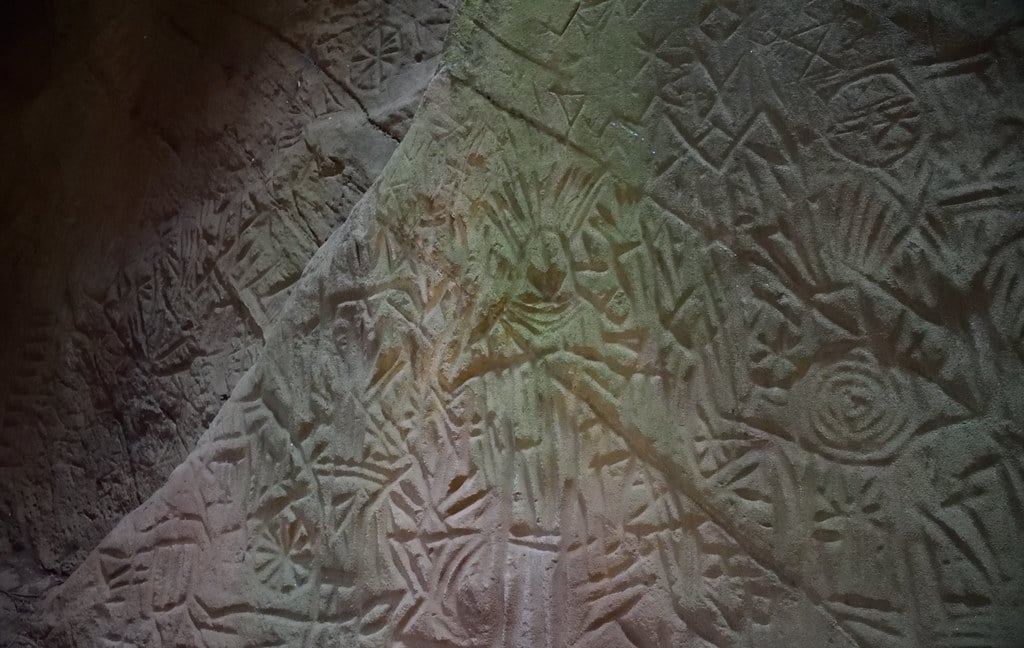
Thousands of tiny seals, all carved with mysterious signs. No Rosetta Stone, no translations, no context—just symbols. Some look like animals, others geometric shapes.
Maybe trade records. Maybe prayers.
Maybe both.And the cities they came from—Harappa, Mohenjo-Daro—were marvels of planning and precision.
Yet the people who built them left no readable trace of themselves. The silence is maddening.
The Rongorongo Tablets of Easter Island
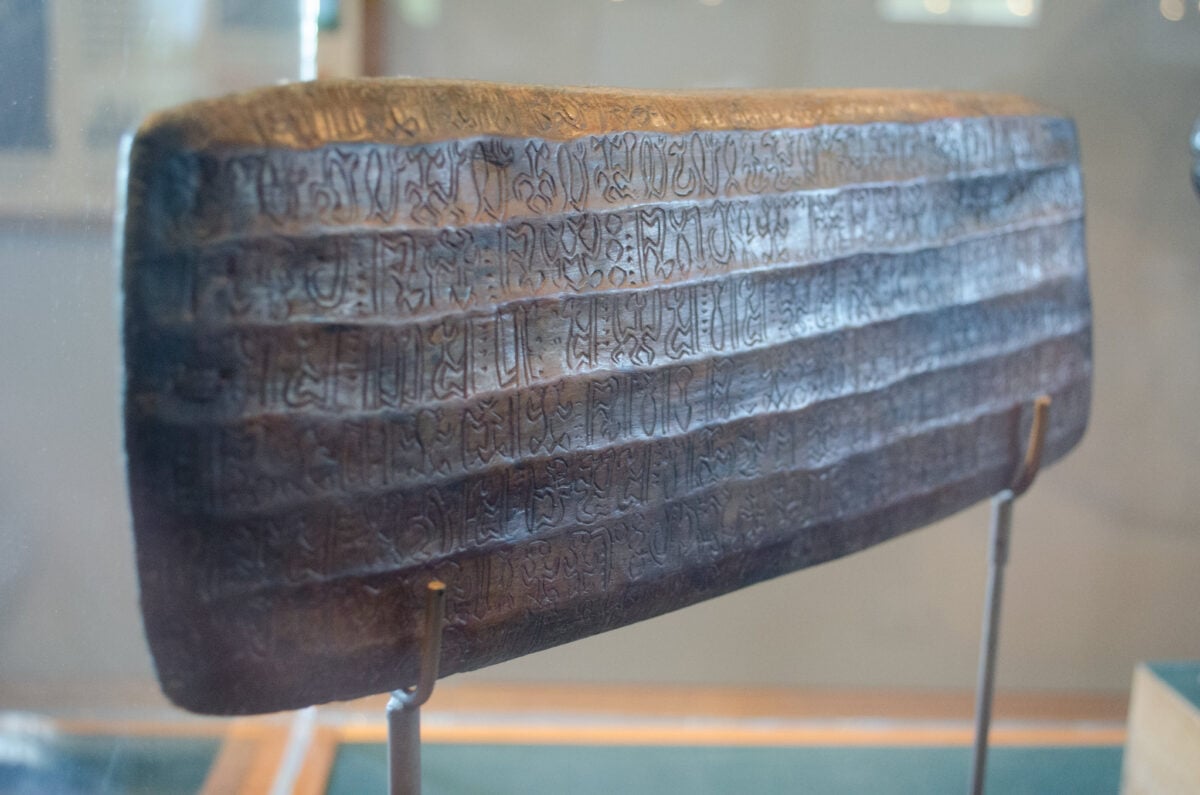
Wooden boards etched with looping, birdlike figures. When explorers arrived on Rapa Nui, only faint memories of their meaning remained.
Some said they were chants. Others, genealogies.
Sadly, most were burned or lost to time. And the few that survived? Their language—if it was one—has never been decoded.
The mystery lingers, as haunting as the stone moai that watch over the island.
Like Go2Tutors’s content? Follow us on MSN.
The Phaistos Disc
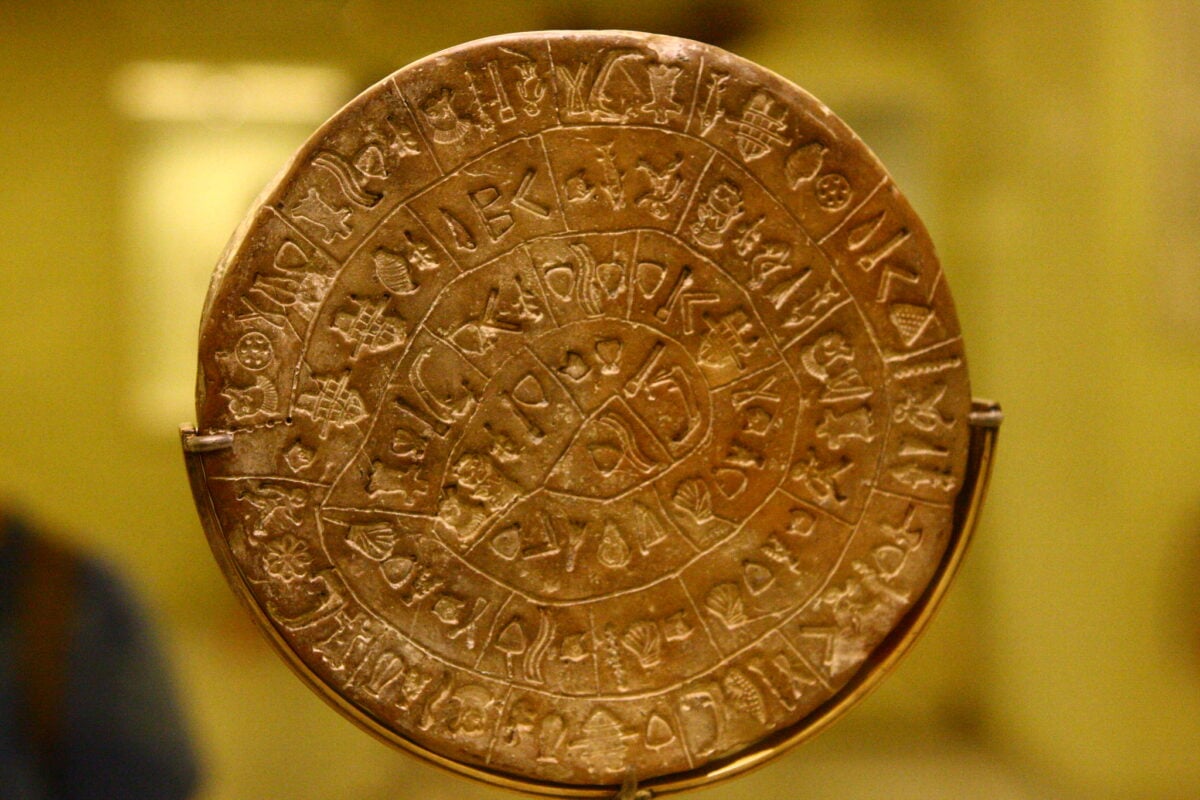
A single clay disc found in Crete, spiralled with strange stamped symbols. It’s the only one of its kind—no copies, no cousins, nothing to compare it to.
That alone makes it suspicious. Or fascinating. Maybe both.
Theories swirl:
- A religious text.
- A game board.
- A message from another culture entirely.
But none have stuck. The disc spins, figuratively and literally, in endless speculation.
The Dead Sea Scrolls
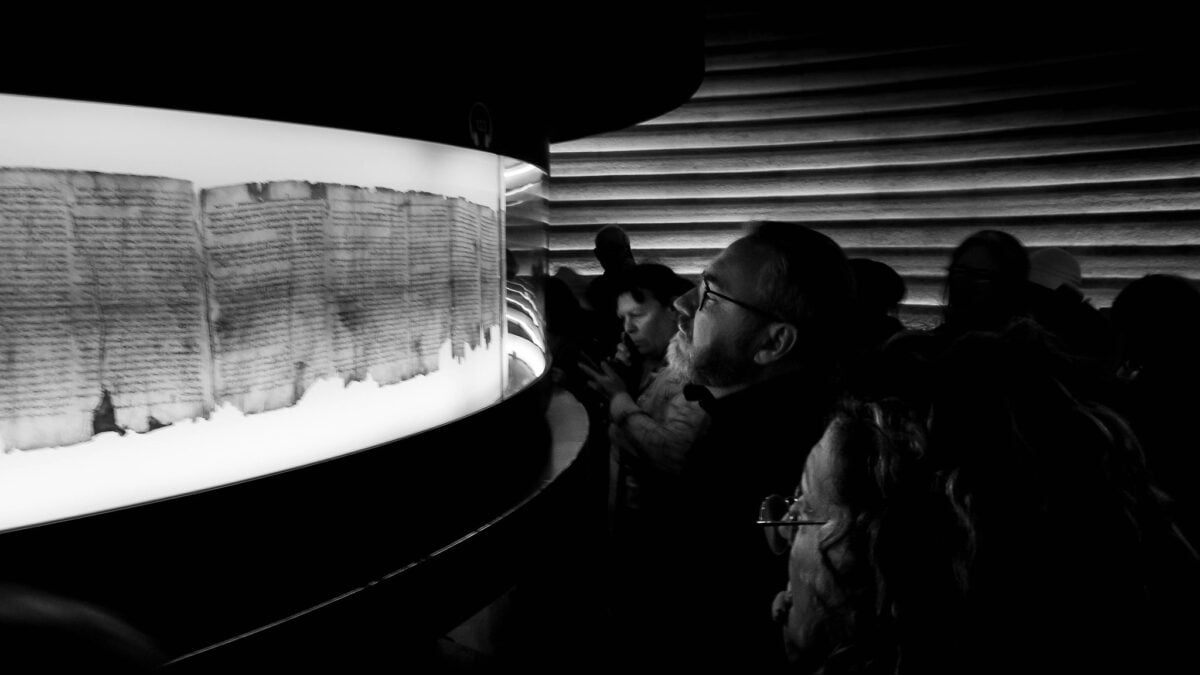
Buried in desert caves near Qumran, these fragile scrolls were found by shepherds in 1947—nearly two millennia after they were written. Piecing them together was like assembling a burned jigsaw puzzle in the dark.
Still, they reshaped history. Some texts echoed the Old Testament, while others revealed long-lost sects and rival interpretations.
Dust and divinity on brittle parchment—one of archaeology’s greatest finds.
The Etruscan Inscriptions
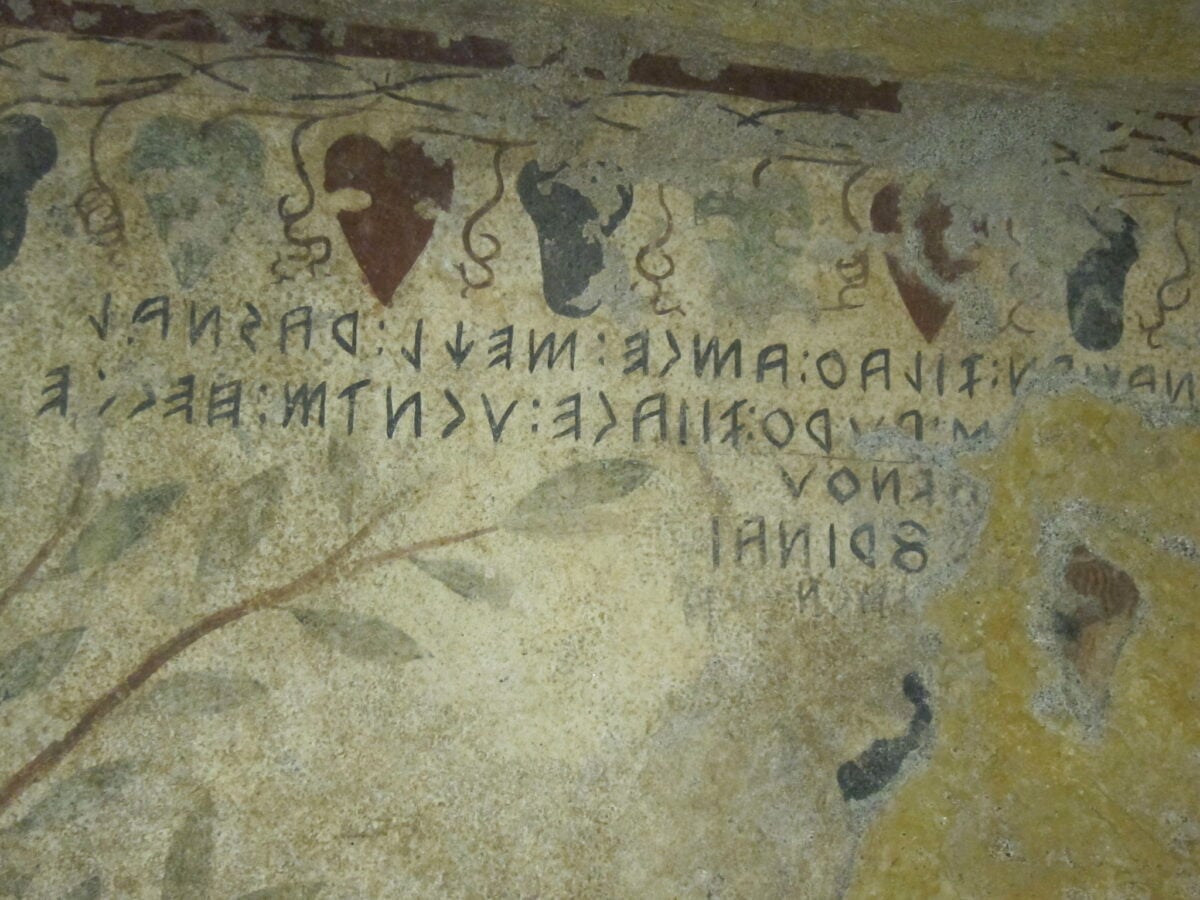
Before Rome’s rise, the Etruscans ruled central Italy—and wrote plenty. Yet most of their language remains stubbornly closed.
Only a few hundred words have been translated, often from tomb inscriptions and pottery. We know enough to glimpse the people behind the words: proud, religious, maybe a little superstitious.
But not enough to truly know them. It’s like hearing a song from another room—recognizable, yet out of reach.
Like Go2Tutors’s content? Follow us on MSN.
The Codex Seraphinianus
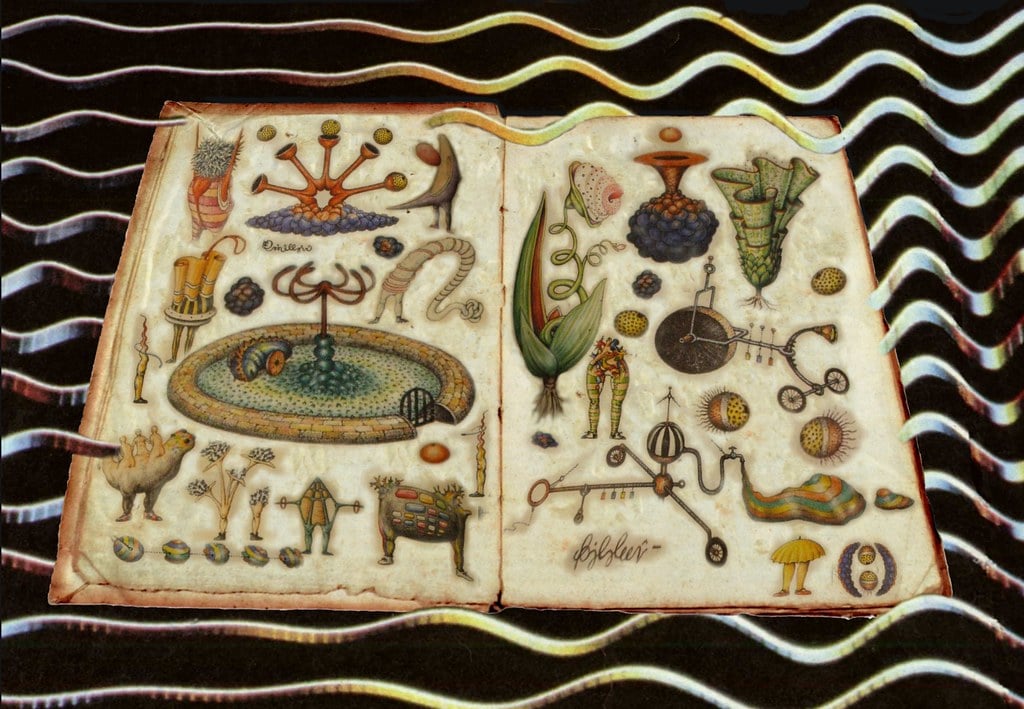
A modern intruder among ancients. Created in the late 1970s by artist Luigi Serafini, this book mimics the unknowable—an encyclopedia of surreal worlds written in a made-up script. The drawings? Oddly hypnotic.
Two-headed animals. Melting architecture.
Plants with human traits.It’s not an ancient mystery, yet it captures the same feeling: the edge of understanding.
The sense that meaning might be there, just one symbol beyond comprehension.
The Mystery That Never Ends
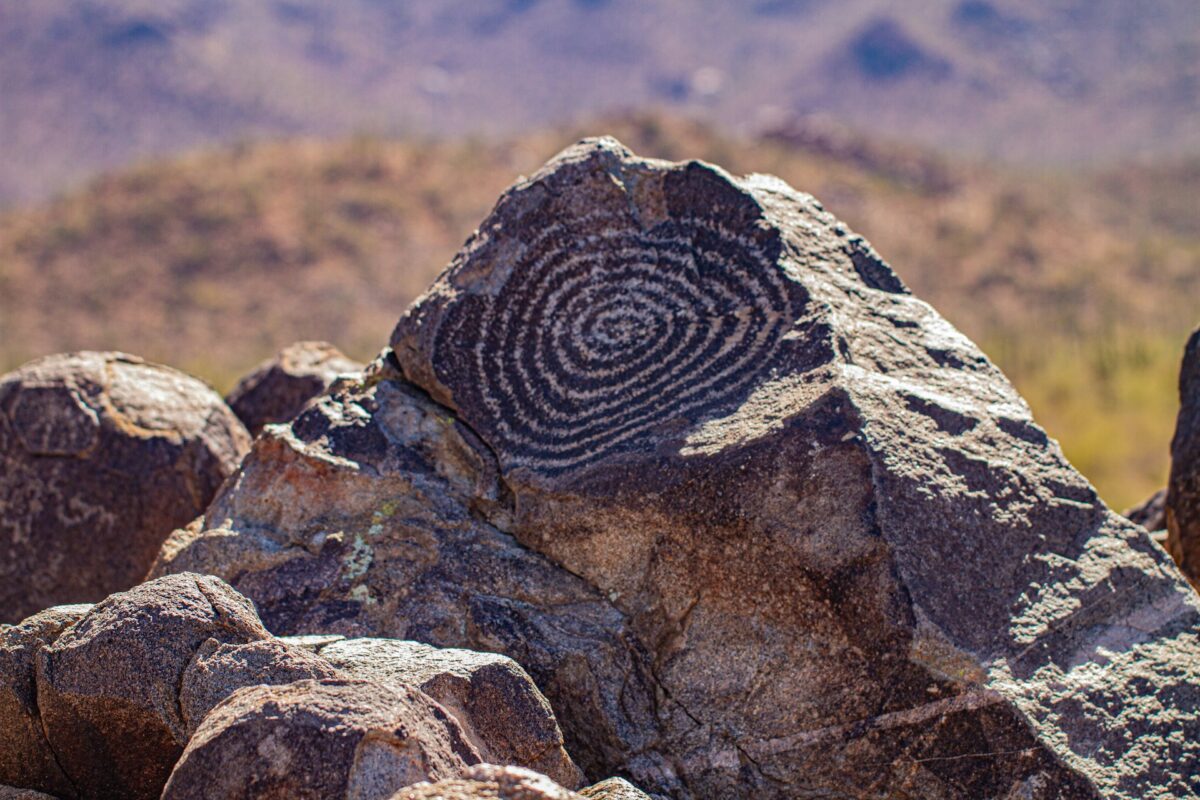
For every text deciphered, another appears from the dust, stubborn and strange. Some will yield their secrets one day; others may never speak again.
And maybe that’s fine. The unknown gives history its heartbeat—a rhythm that refuses to fade.
More from Go2Tutors!

- 16 Historical Figures Who Were Nothing Like You Think
- 12 Things Sold in the 80s That Are Now Illegal
- 15 VHS Tapes That Could Be Worth Thousands
- 17 Historical “What Ifs” That Would Have Changed Everything
- 18 TV Shows That Vanished Without a Finale
Like Go2Tutors’s content? Follow us on MSN.