15 Secret Train Stations with Fascinating Stories
Hidden beneath bustling cities and tucked away in forgotten corners of the world, secret train stations tell stories that most travelers never hear. These aren’t just abandoned platforms or construction mishaps — they’re places where history took a different turn, where powerful people once traveled in shadows, and where entire transportation networks disappeared from public memory.
Some were built for royalty who demanded private passage. Others became wartime refuges or served purposes so classified that decades passed before anyone spoke their names aloud. A few simply outlived their usefulness and now exist as time capsules, preserving moments when the world moved at the pace of steam and steel.
British Museum Station
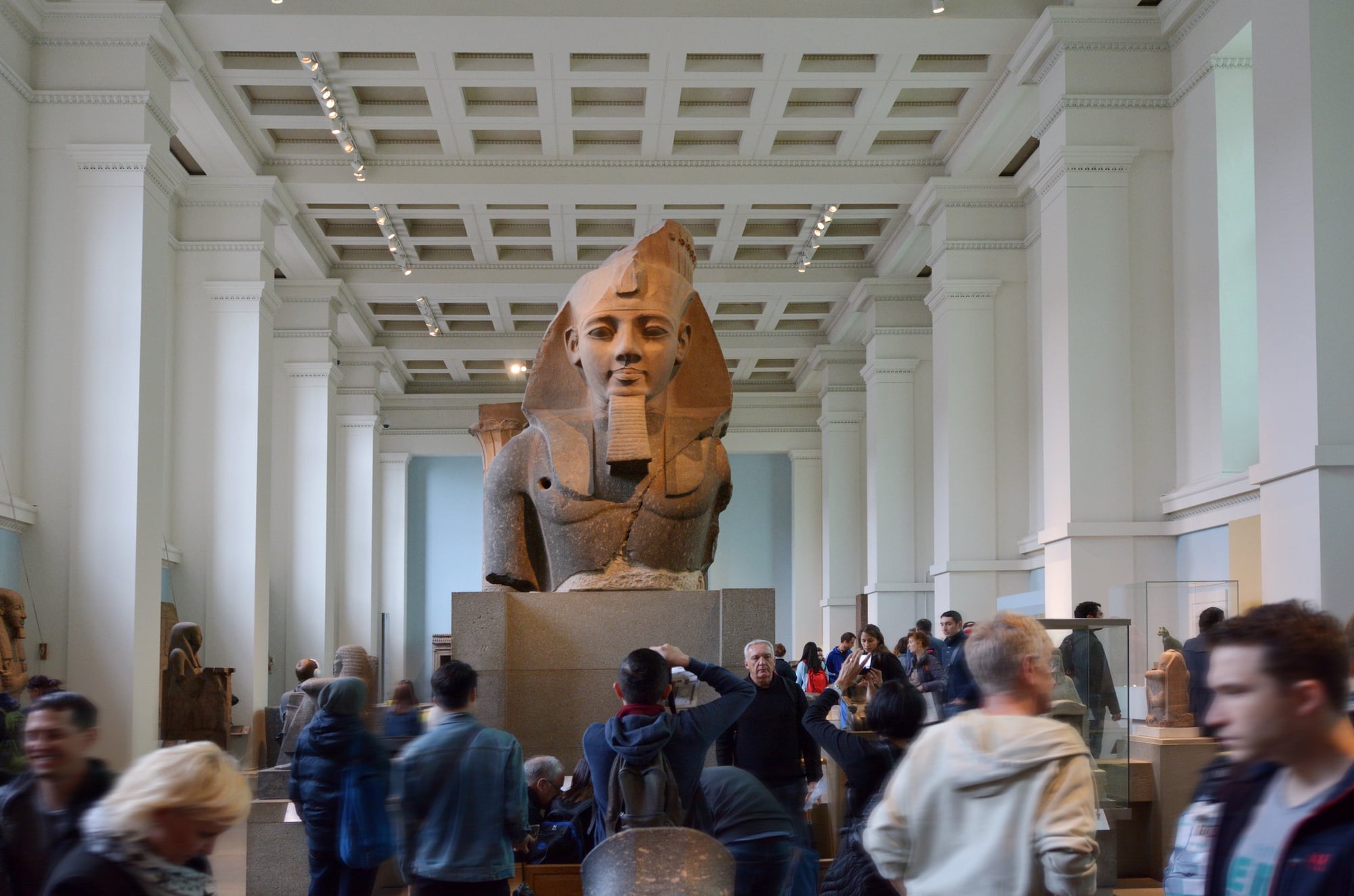
The ghosts of the London Underground include this station that closed in nineteen thirty three. British Museum Station served the Central line until Holborn Station rendered it redundant.
The platforms still exist, sealed behind walls that regular passengers pass without knowing. Urban explorers occasionally breach the barriers.
They find intact tile work and advertising boards from the nineteen twenties, frozen in place like a subway car stopped between decades.
Down Street Station
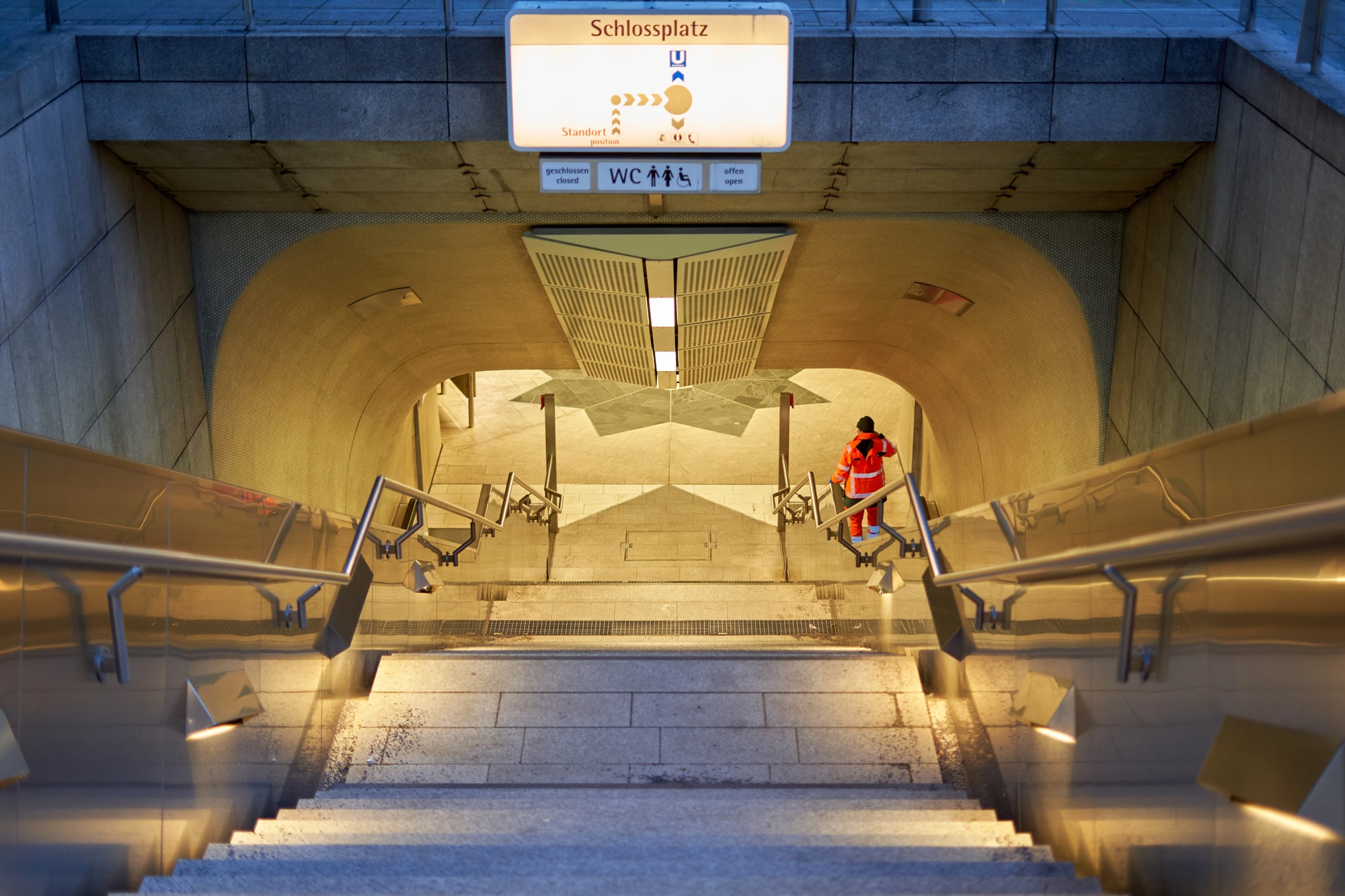
Churchill’s secret wartime bunker wasn’t just any underground hideout — it was a repurposed train station that became the nerve center for Britain’s wartime railway operations. Down Street Station closed to passengers in nineteen thirty two, but during the Blitz, it transformed into something far more significant.
The Railway Executive Committee ran the entire British rail network from these abandoned platforms while bombs fell overhead. Churchill held cabinet meetings here when even his official bunkers felt too exposed.
The original station signs remain, sharing wall space with maps that once tracked every military train movement across Britain.
City Hall Station
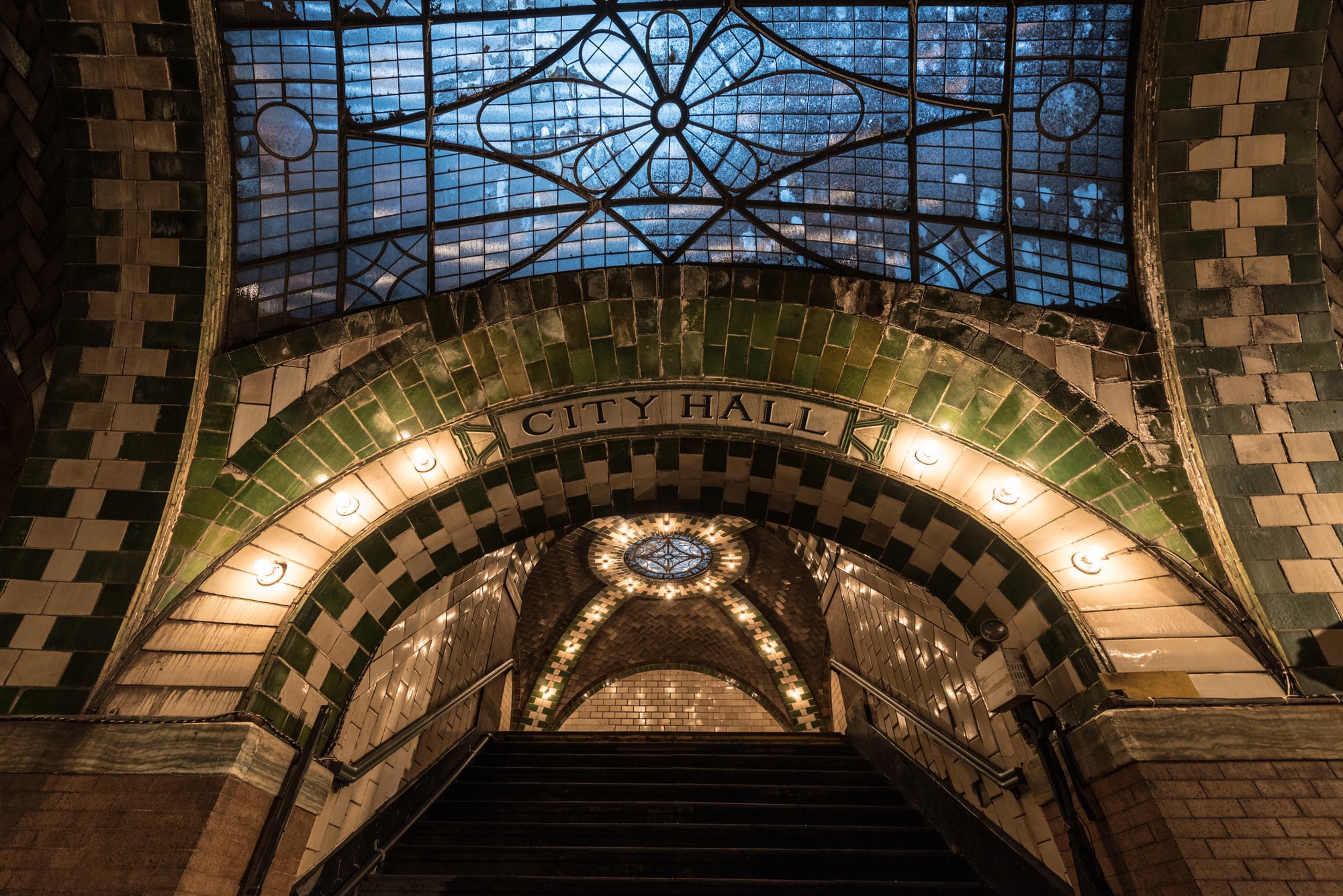
Beneath New York’s streets lies a station that feels like a cathedral built for trains that never came. City Hall Station was the crown jewel of the original subway system when it opened in nineteen oh four — all vaulted ceilings, brass fixtures, and colored glass that caught the light from elegant chandeliers.
The curves were too tight for longer trains, and passenger numbers never justified the grandeur. So it closed in nineteen forty five and became a ghost, though the six train still uses it as a turnaround point.
Occasionally, if you stay on past the last stop, you glimpse what the subway system dreamed of becoming before practicality took over.
Aldwych Station
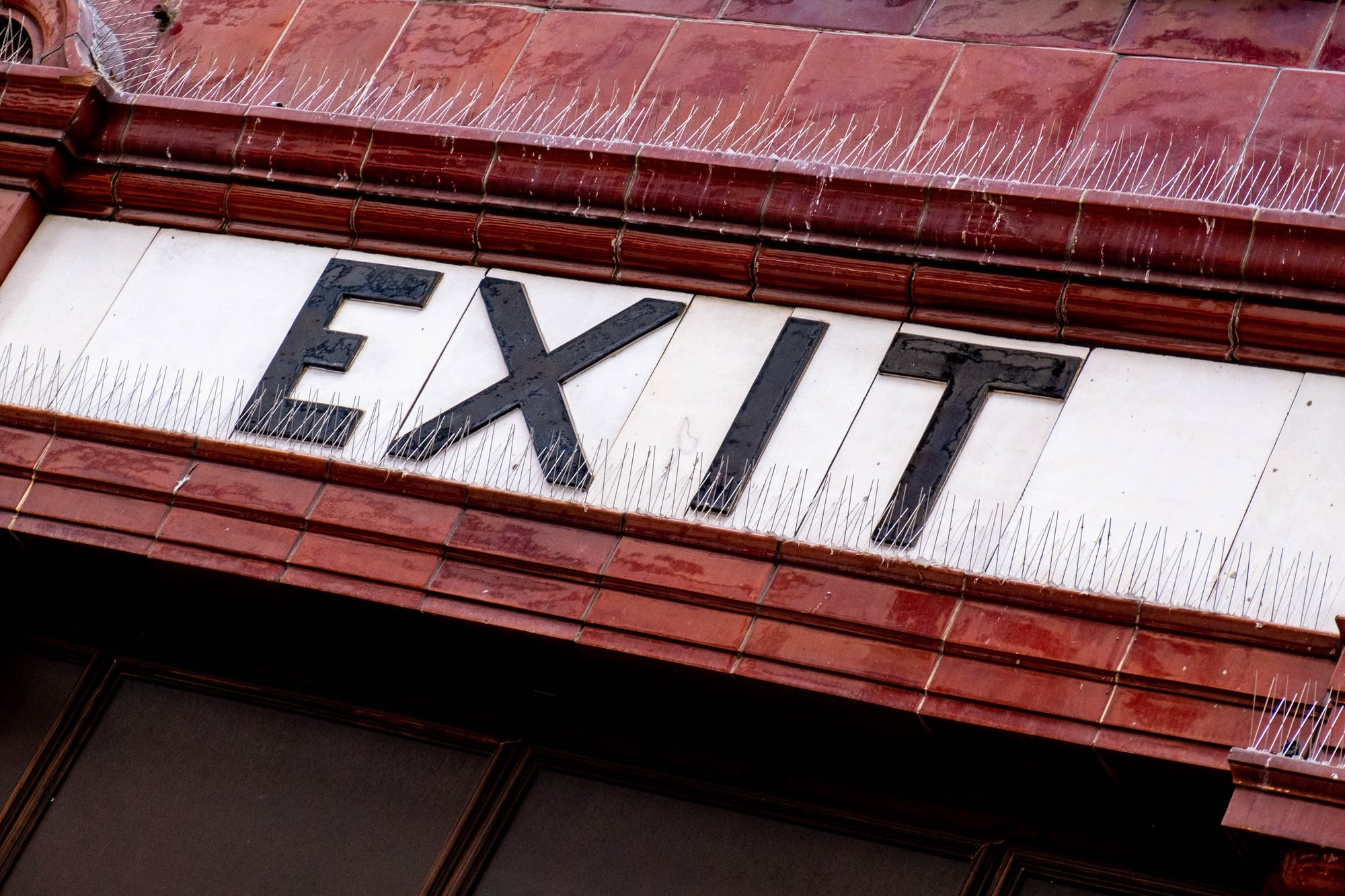
London’s Aldwych Station opened with great fanfare in nineteen oh seven and closed with a shrug in nineteen ninety four, never quite finding its purpose. The Piccadilly line branch that served it carried fewer passengers each year until running the trains became more expensive than the fares justified.
But Aldwych found a second life as a film set. Its authentic nineteen forties advertising posters and period fixtures made it perfect for movies set during the war years.
The station appeared in everything from “Atonement” to “V for Vendetta” — a transportation facility that became more famous for pretending to be other stations than for actually moving people.
Arsenal Station
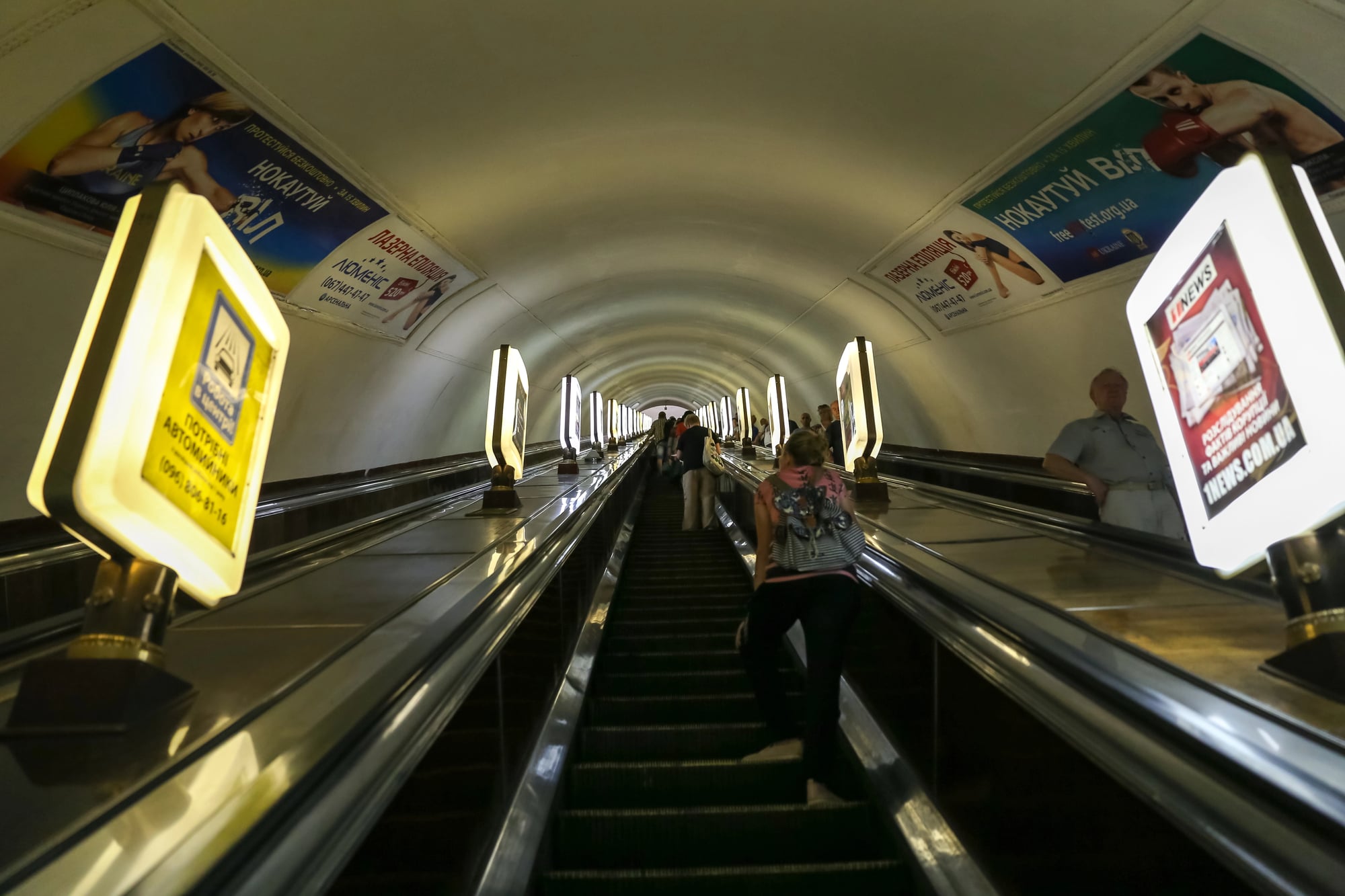
Above ground, Arsenal Station serves football fans heading to Emirates Stadium. Below ground, a deeper set of platforms tells a different story.
These were built as part of an express line that never materialized — a high-speed connection between central London and the northern suburbs that fell victim to budget cuts and changing priorities. The unused platforms remain intact, complete with tile work and electrical systems.
They’re occasionally used for driver training, but mostly they just wait, like a promise the city made to itself and then forgot to keep.
York Road Station
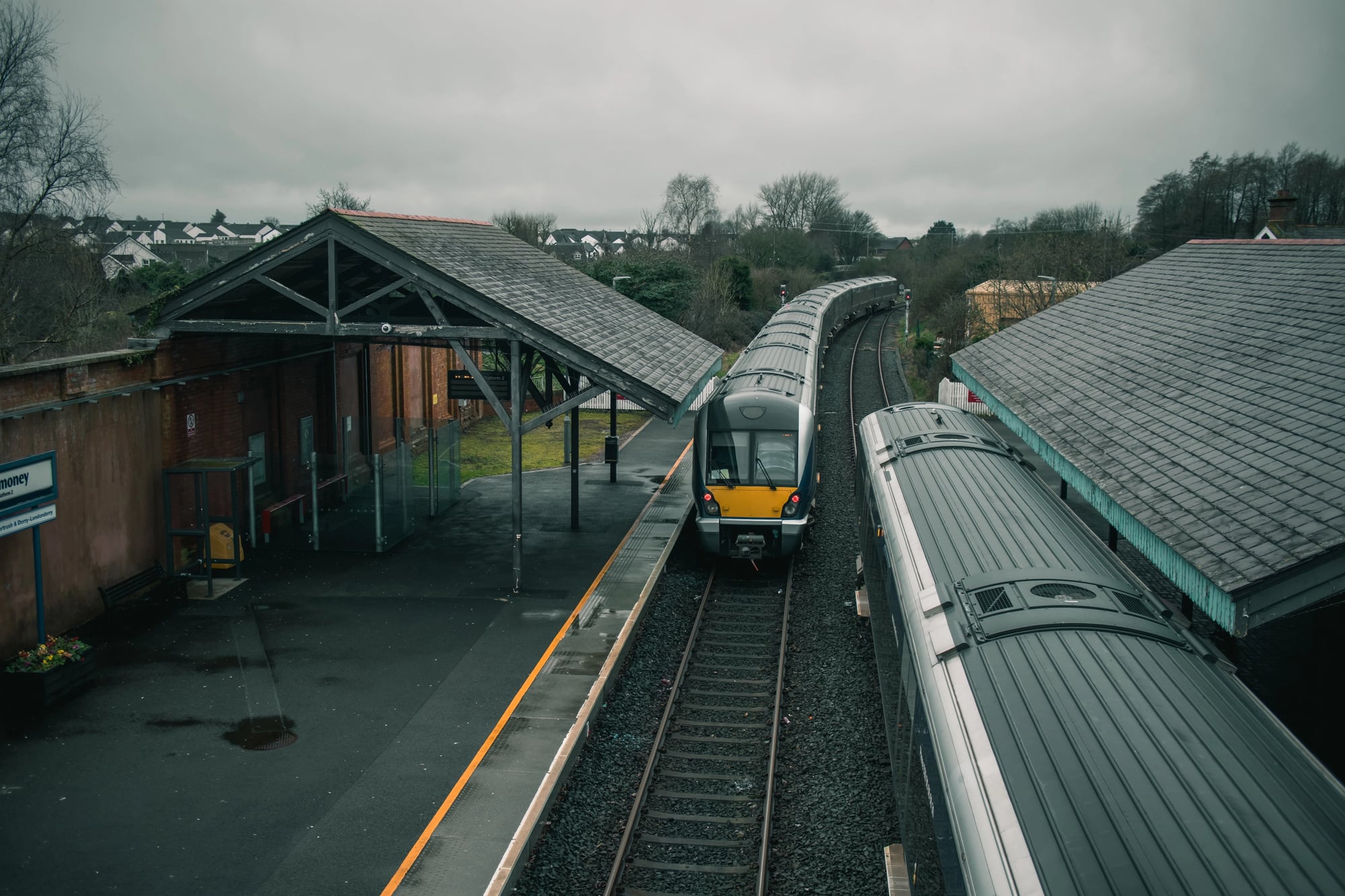
York Road Station on the Northern line closed during World War II for what officials called “wartime economy measures.” The closure was supposed to be temporary.
That was in nineteen thirty two, and the station is still closed, which tells you something about the definition of “temporary” in government planning. The platforms are sealed but intact.
London Transport used them for storage for decades, filling the space with old equipment and forgotten infrastructure.
Porte Molitor Station
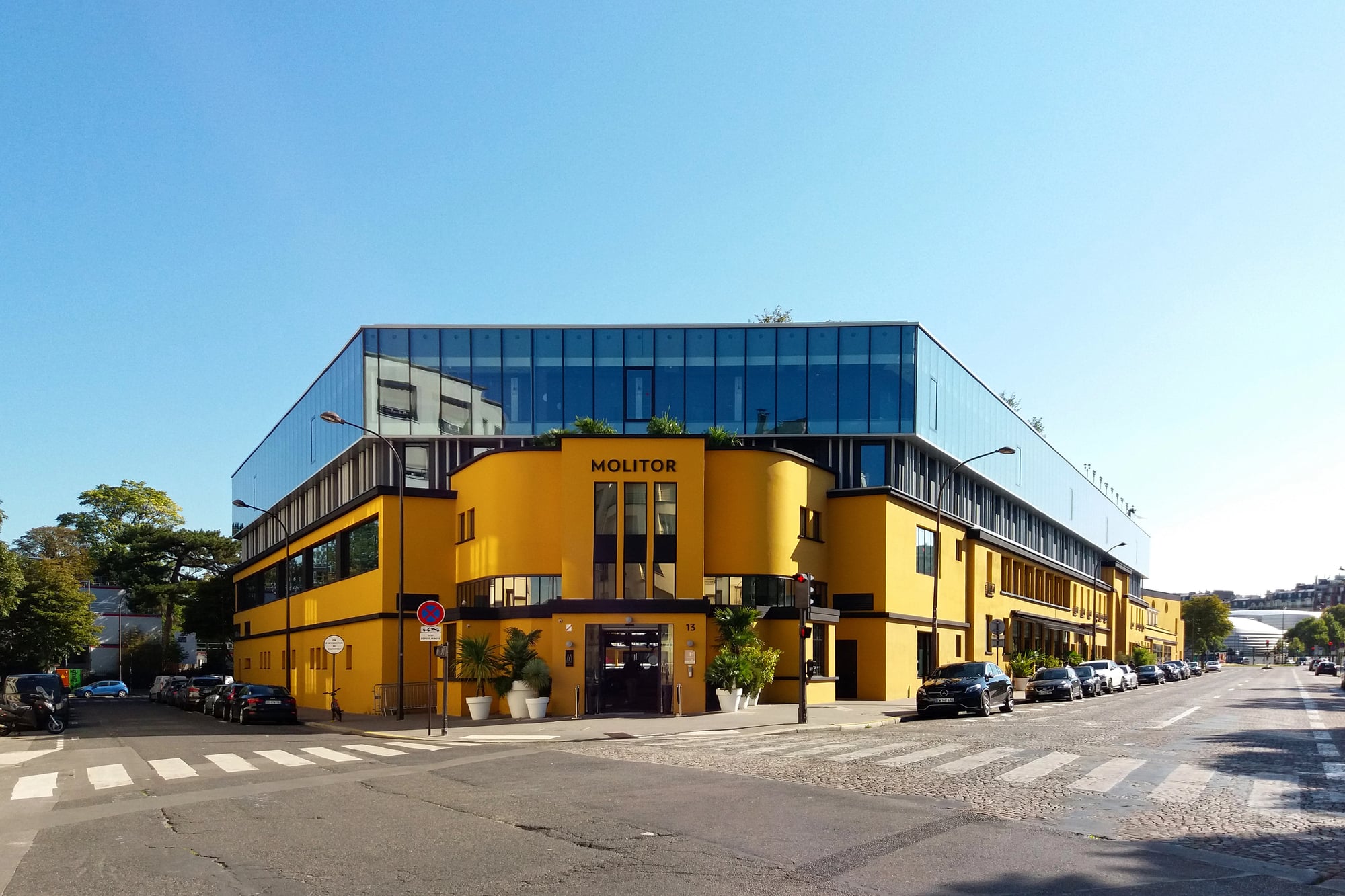
Paris Metro’s Line nine has a ghost station that most passengers never notice. Porte Molitor Station was built but never opened — a victim of World War II timing and post-war budget constraints.
The station sits complete between Pont de Sèvres and Billancourt, with platforms, lighting, and tile work ready for passengers who never came. The RATP occasionally uses it for training exercises, but otherwise, it exists in a state of perpetual readiness.
Trains slow down as they pass through, and alert passengers can glimpse the unused platforms through the windows — a station frozen at the moment just before its opening day.
St. Martin’s le Grand
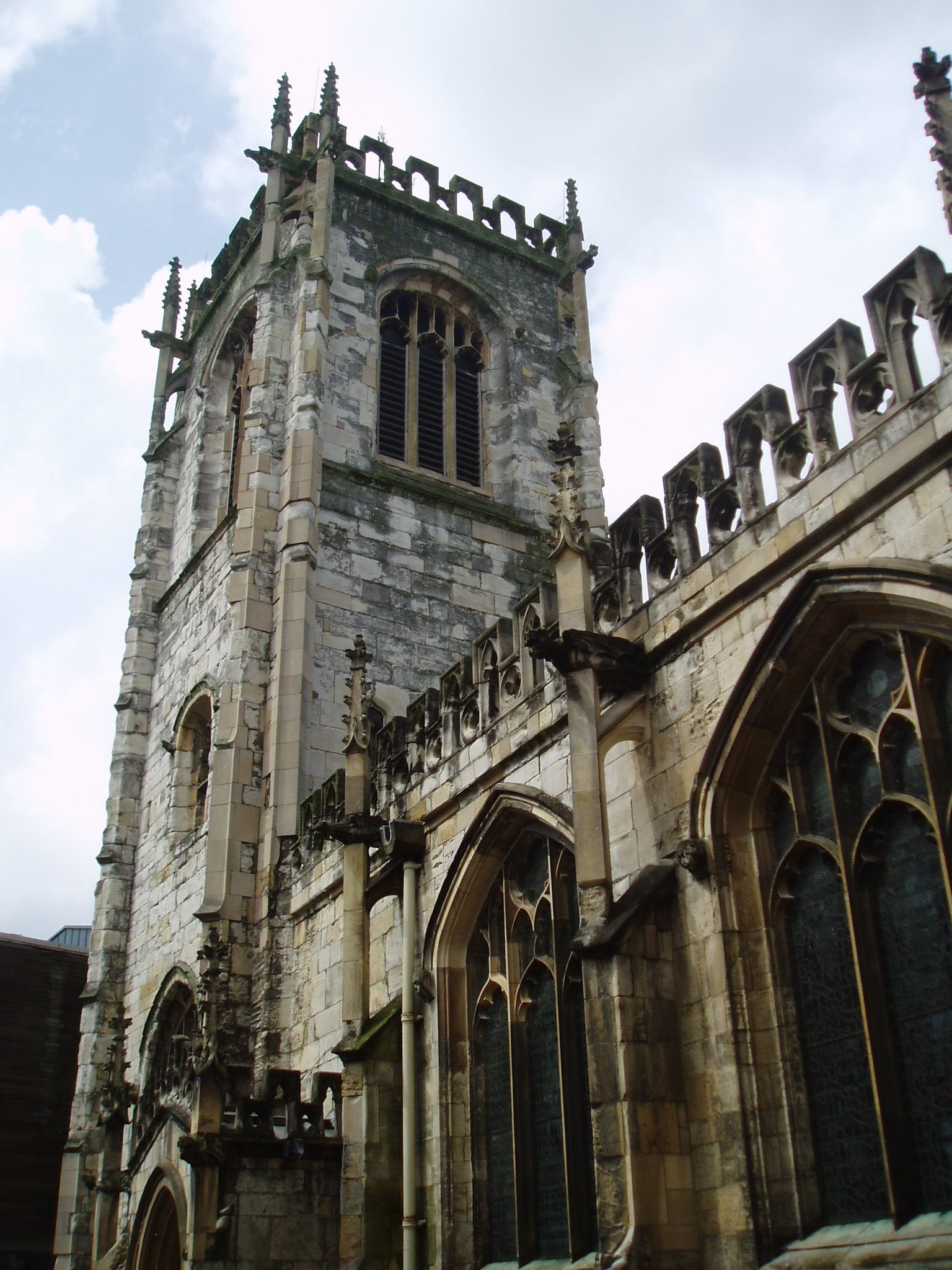
The London Underground map doesn’t show St. Martin’s le Grand Station, but it existed on the Central line from nineteen oh four to nineteen seventeen. Built too close to the Bank and Chancery Lane stations, it became redundant almost immediately.
It closed during World War I as another “economy measure.” The space was converted into an air-raid shelter during the Blitz, then used for storage.
Now it’s sealed, though occasionally infrastructure workers find remnants of the original platform architecture during maintenance on surrounding tunnels.
Roosevelt Avenue Station (Express Platforms)
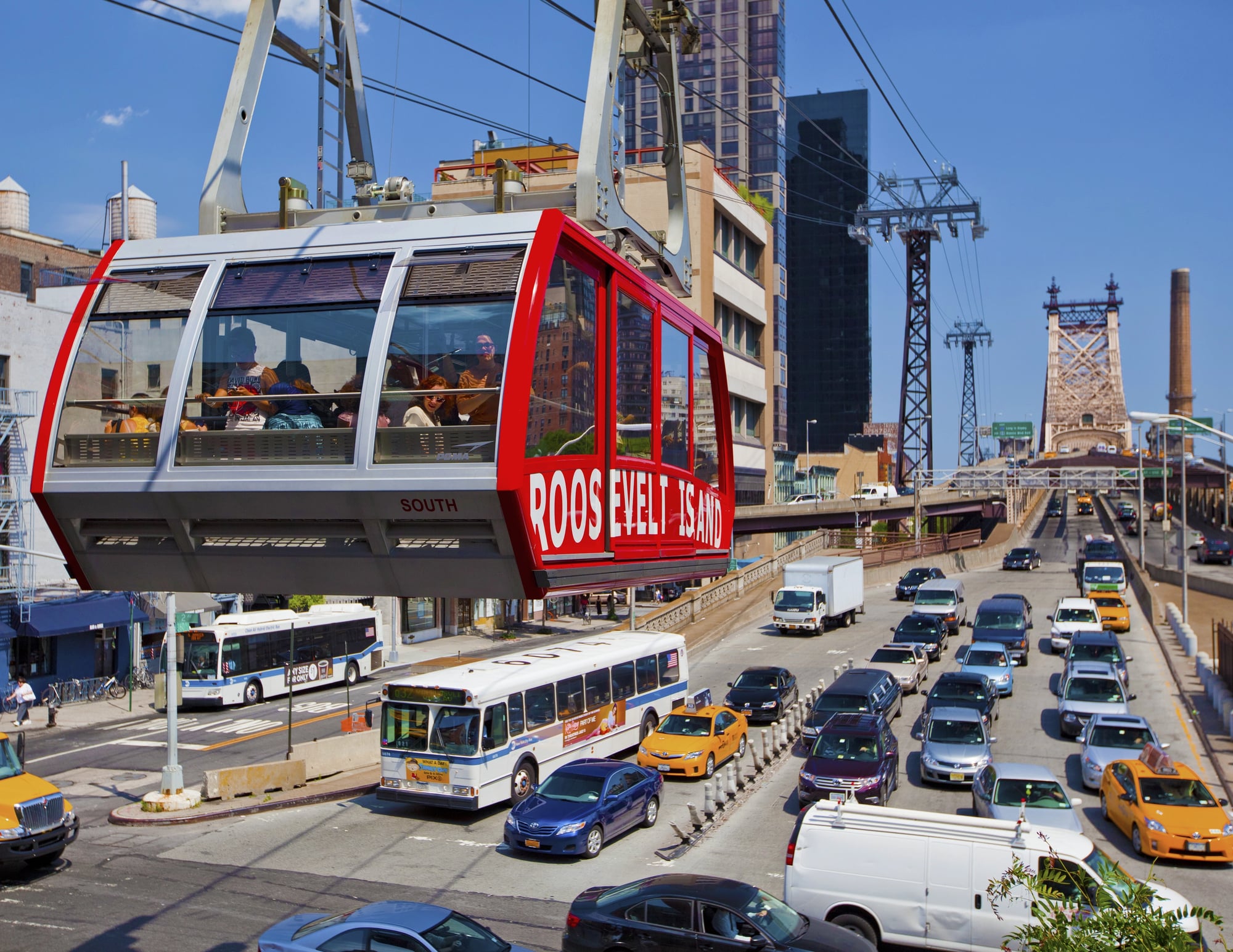
Beneath the busy Roosevelt Avenue station in Queens lies a set of express platforms that were built but never used for their intended purpose. The IND system planned express service on the Roosevelt Avenue line, but ridership patterns and budget constraints meant the express tracks became storage space instead.
These platforms exist in a strange limbo — fully built and occasionally used for train storage, but never seeing passengers. They represent the optimism of subway planning in the nineteen thirties, when every line was expected to eventually need express service.
Wood Lane Station
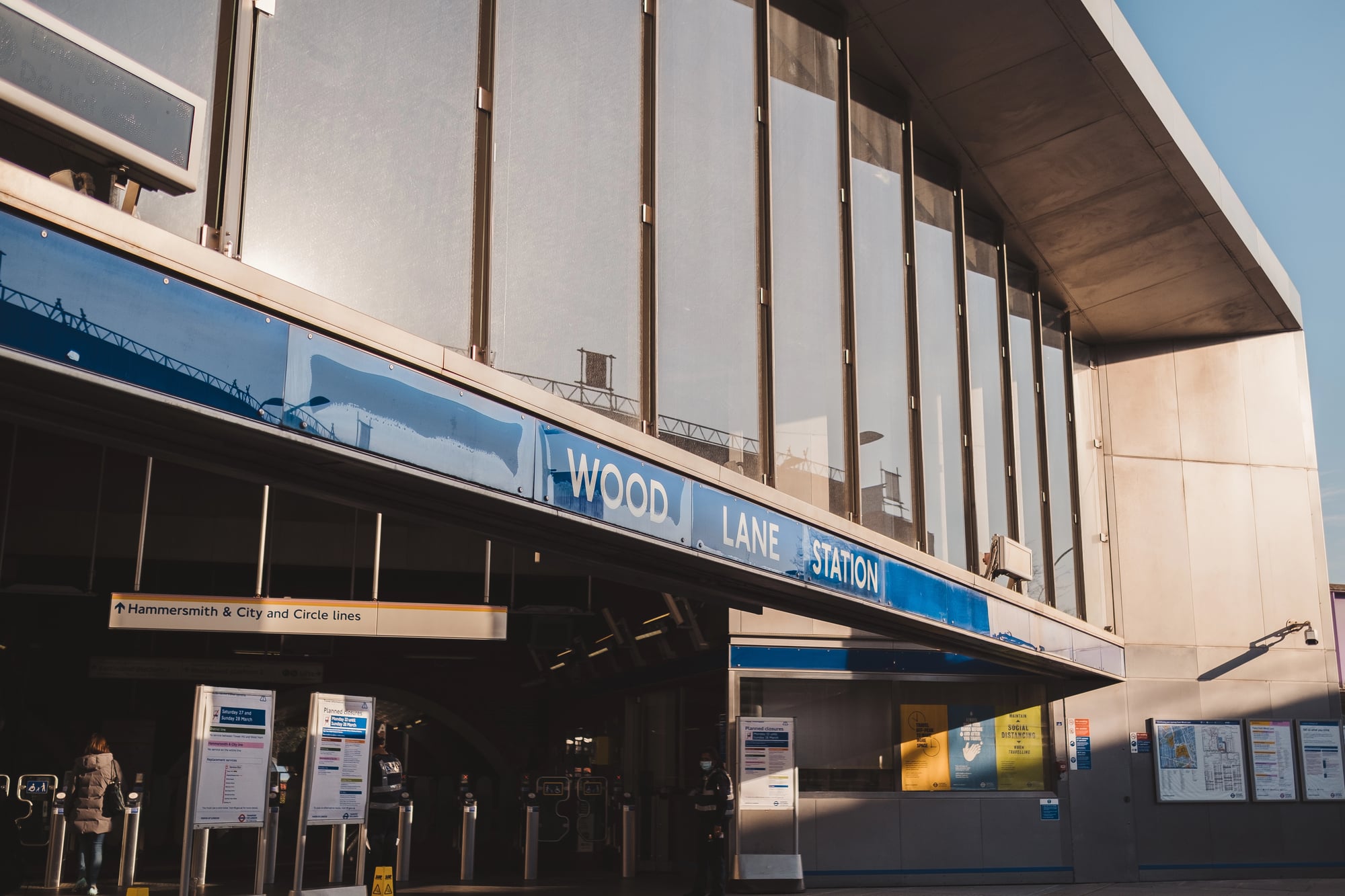
London’s Wood Lane Station served the nineteen oh eight Olympics and then spent decades trying to find a reason to exist. Built primarily for access to the White City exhibition grounds, it became largely redundant when exhibitions ended.
The station closed in nineteen forty seven, and its platforms were gradually absorbed into other uses. Parts of the original structure remain visible to anyone who knows where to look.
But Wood Lane is mostly remembered now as a footnote in Olympic transportation planning — a reminder that temporary events sometimes get permanent infrastructure.
Worth Street Station
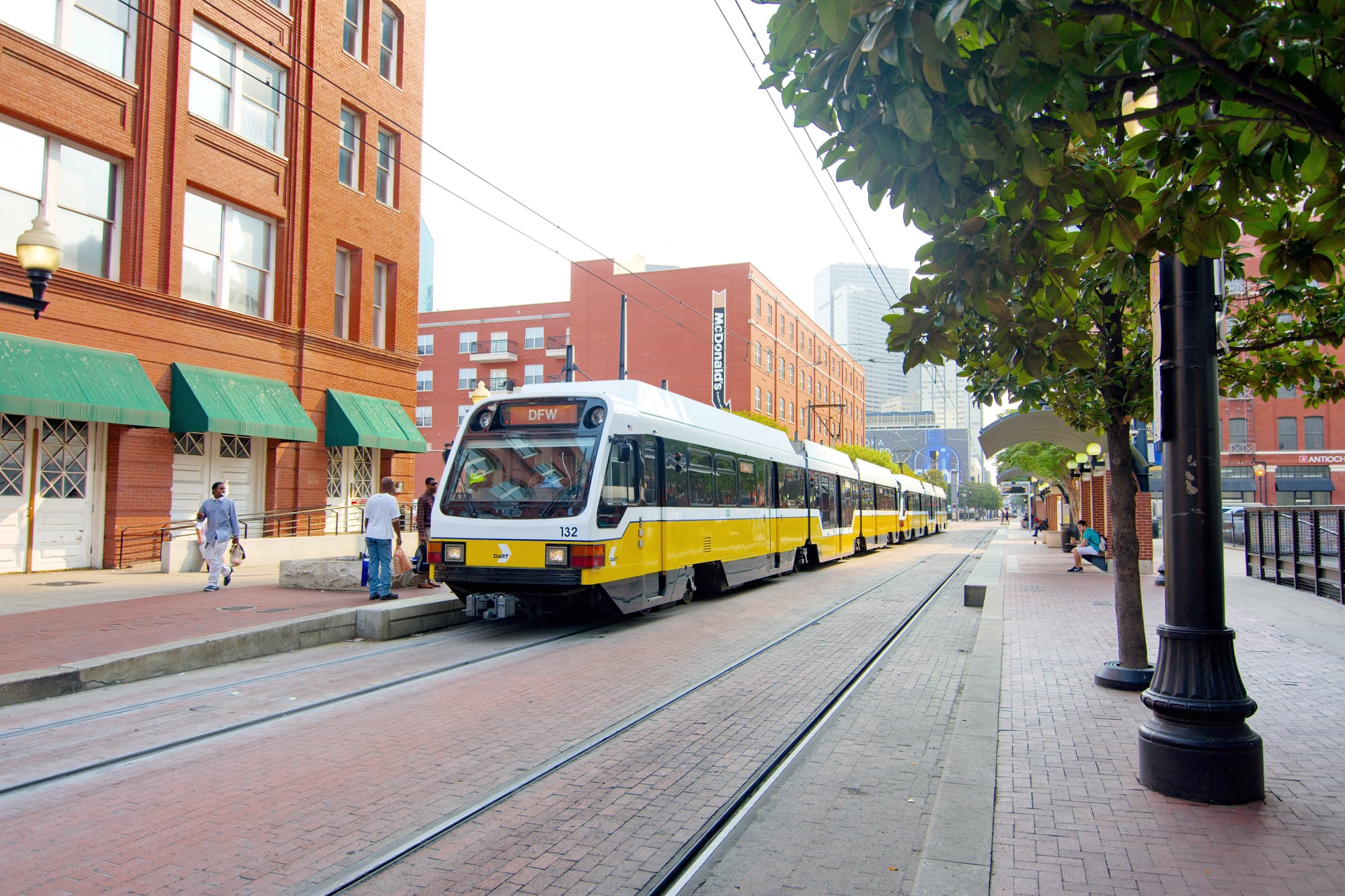
New York’s IRT system included Worth Street Station from nineteen eighteen to nineteen sixty two, serving lower Manhattan with platforms that were too short for modern trains and passenger loads too light to justify the expense.
The station closed when the transit authority decided that Brooklyn Bridge-City Hall Station could handle the traffic. Worth Street’s platforms remain largely intact, though sealed from public access.
The original tile work and signage survive, creating an underground museum of early subway design that nobody gets to visit.
Lord’s Station
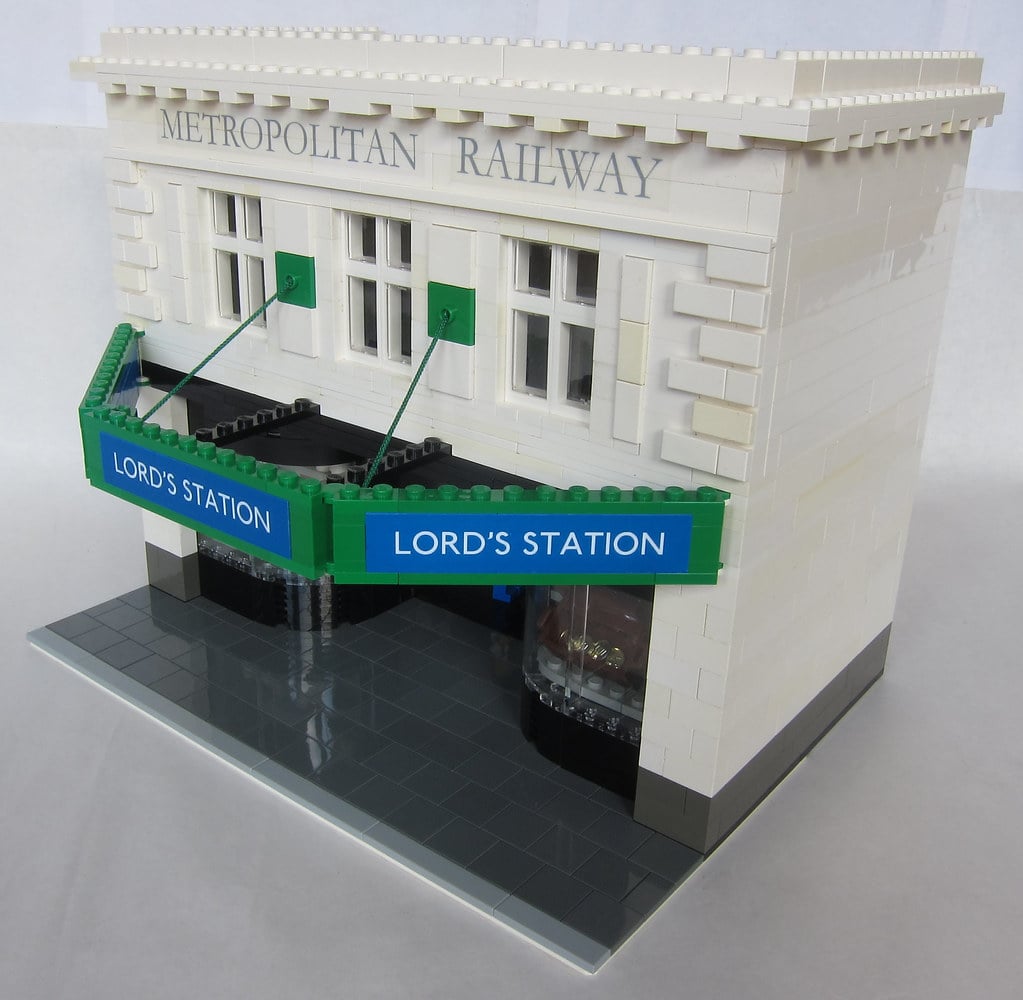
London’s Metropolitan line included Lord’s Station specifically to serve cricket matches at Lord’s Cricket Ground. The station opened in eighteen sixty eight and closed in nineteen thirty nine.
Cricket fans now walk a bit further to reach matches, and Lord’s Station platforms are sealed. The station represents an era when private sporting venues could justify their own railway stops.
Court Street Station
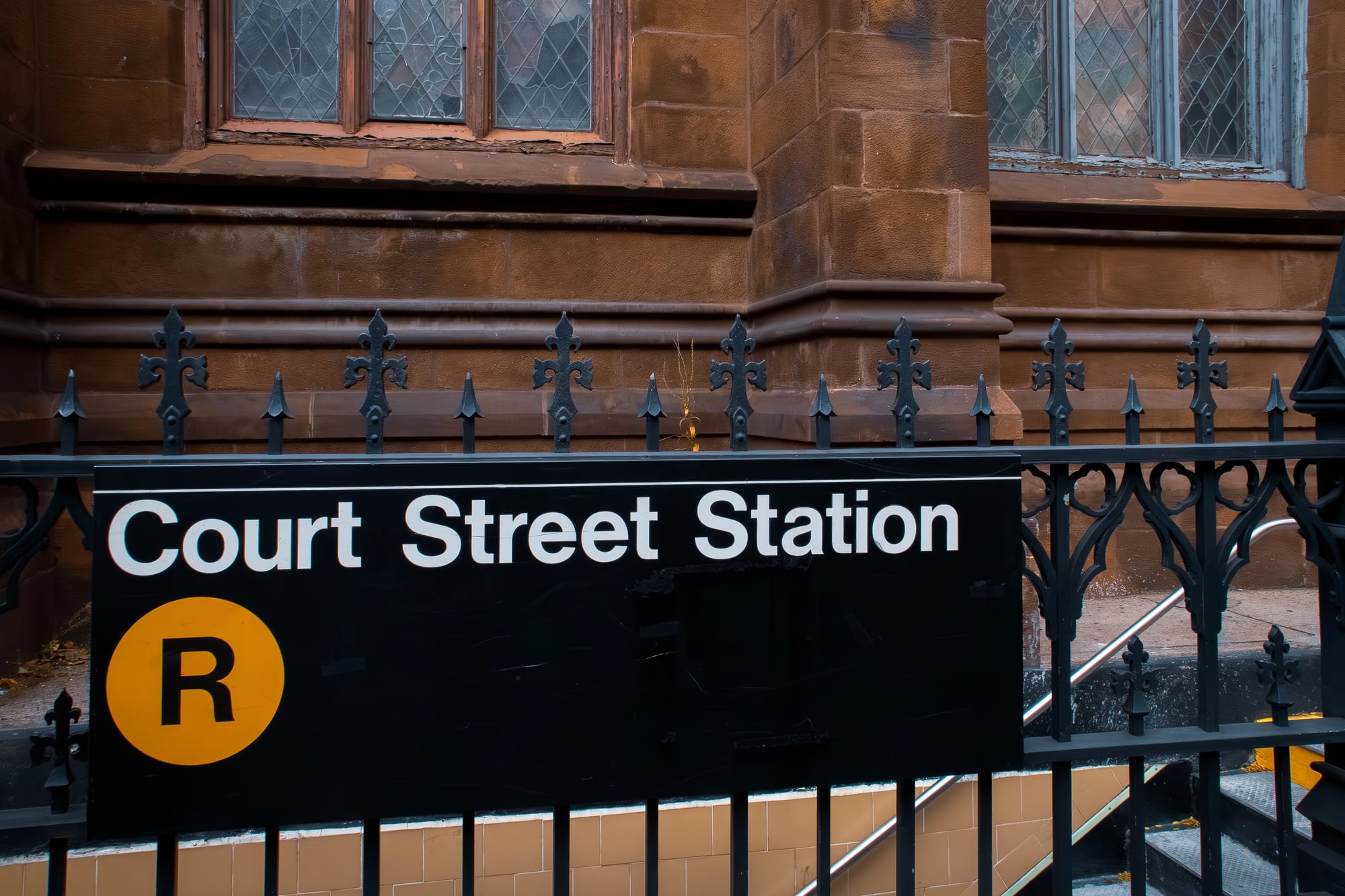
Brooklyn’s Court Street Station operated from nineteen thirty six to nineteen forty six before being made redundant by service changes on the IND system. Instead of being abandoned completely, it became the New York Transit Museum, preserving not just station architecture but also vintage subway cars and artifacts.
This is perhaps the most successful afterlife any closed station has achieved — transformation from forgotten infrastructure into active historical preservation. Visitors can experience subway travel from different eras, all within a station that itself represents transportation planning complexity.
Ongar Station
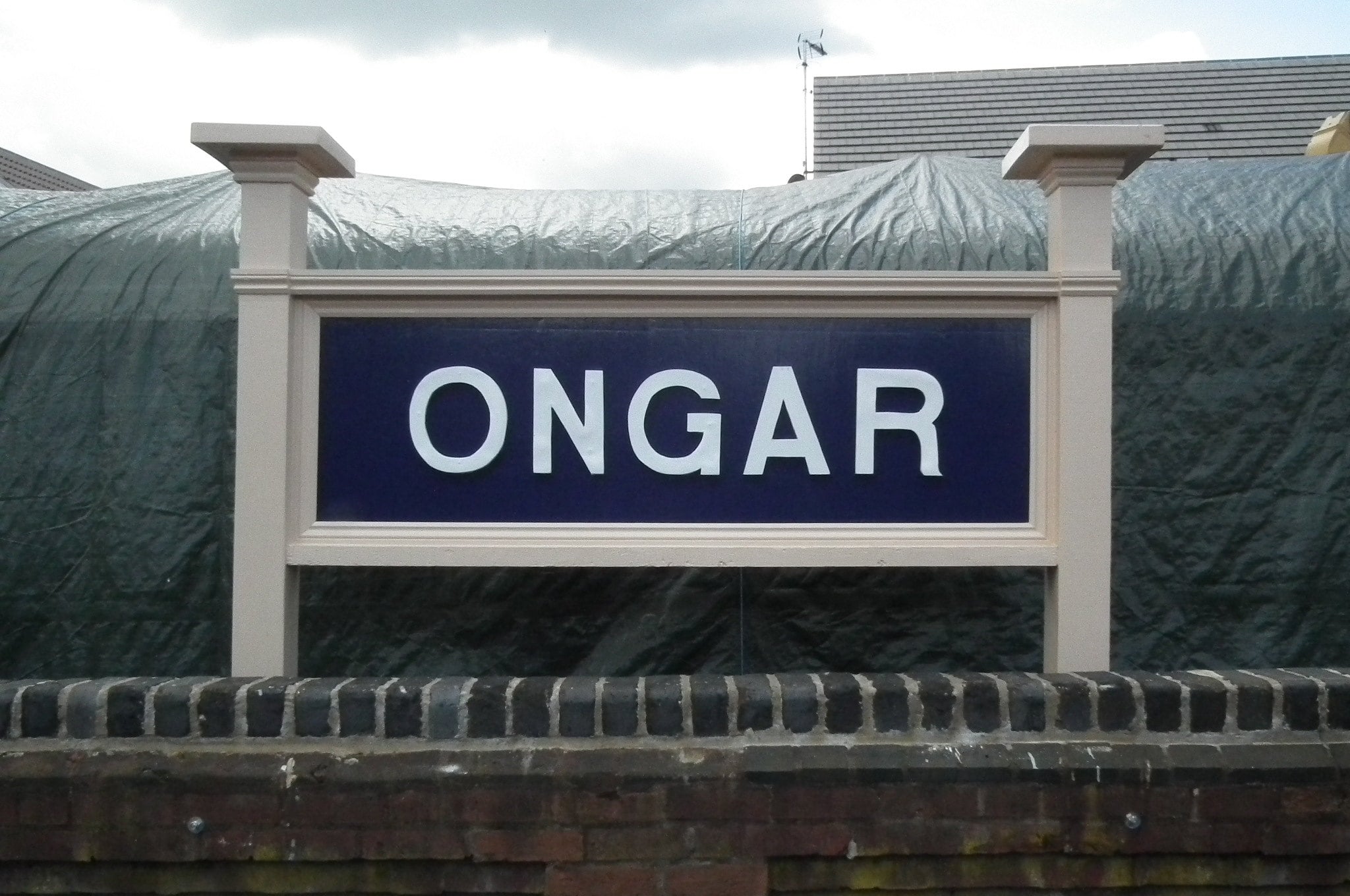
The eastern terminus of London’s Central line, Ongar Station served rural Essex from eighteen sixty five until nineteen ninety four. As suburban sprawl never quite reached Ongar, the station remained charmingly rural — a country station at the end of an urban transit line.
When British Rail withdrew service, preservationists stepped in. The Epping Ongar Railway now operates heritage trains on the route, maintaining Ongar Station as a working piece of railway history.
South Kentish Town Station

South Kentish Town Station on the Northern line closed in nineteen twenty four after serving North London for just fifteen years. Built too close to Camden Town and Kentish Town stations, it never developed sufficient passenger traffic.
The platforms are sealed but remain structurally intact. London Underground occasionally uses the space for engineering access, but it mostly exists as evidence that even experienced railway planners sometimes misjudged station spacing.
Tracks That Remember
These hidden stations exist in the spaces between memory and necessity, serving as accidental museums of transportation dreams that didn’t quite work out as planned. Some failed because they were built too close to other stations, others because neighborhoods changed in unexpected ways.
A few were victims of wars, budget cuts, or the relentless practicality that governs public transportation. But they endure, sealed behind walls or converted to new purposes, reminding us that every transportation system is really a collection of experiments — some successful, others abandoned, all reflecting the hopes and miscalculations of the people who built them.
More from Go2Tutors!

- The Romanov Crown Jewels and Their Tragic Fate
- 13 Historical Mysteries That Science Still Can’t Solve
- Famous Hoaxes That Fooled the World for Years
- 15 Child Stars with Tragic Adult Lives
- 16 Famous Jewelry Pieces in History
Like Go2Tutors’s content? Follow us on MSN.