Unusual US Landmarks That Carry Hidden Meanings
Some landmarks are more than just places to visit or snap a photo. Across the United States, there are odd structures, quiet corners, and strange statues that might look random at first—but they carry stories that go way beyond what meets the eye.
These places were built with a message, a memory, or a mystery that most people walk right past without ever noticing.
The Georgia Guidestones
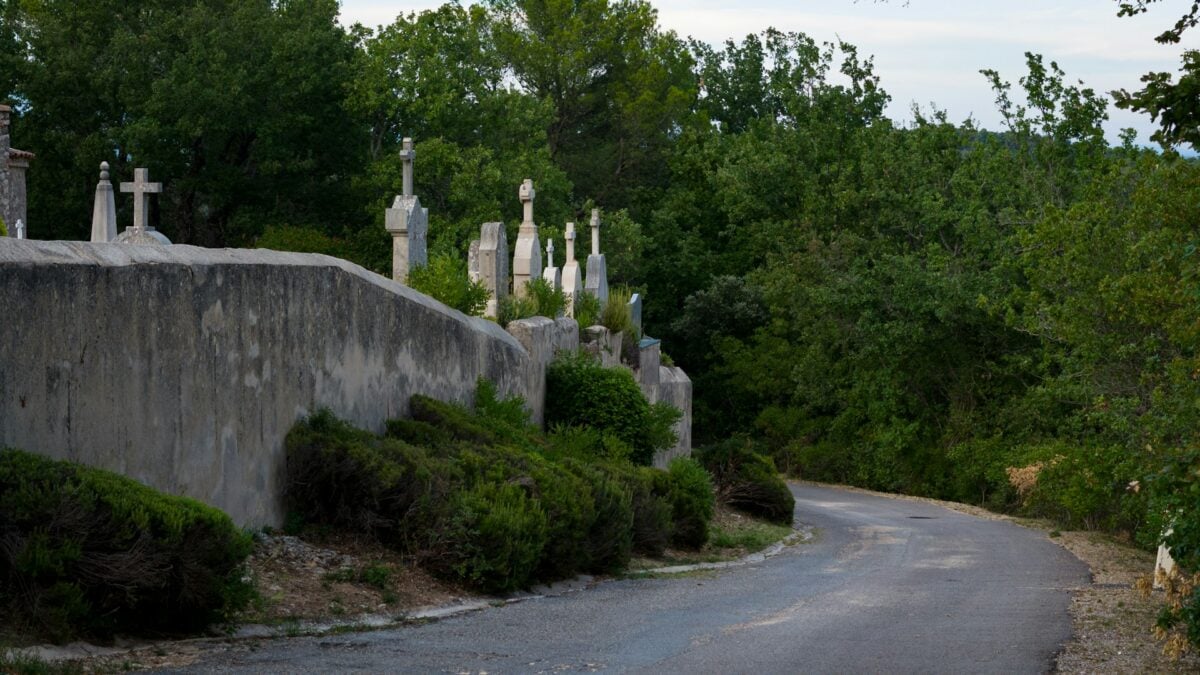
This granite monument once stood tall in Elbert County, Georgia, with ten mysterious rules written in eight languages. No one knew who paid for it, and the messages were about rebuilding society after the disaster.
Some people thought it was a warning, others believed it had a deeper plan behind it. The mystery only grew over the years. Even after it was damaged and taken down in 2022, people still talk about what it really meant.
The Gateway Arch
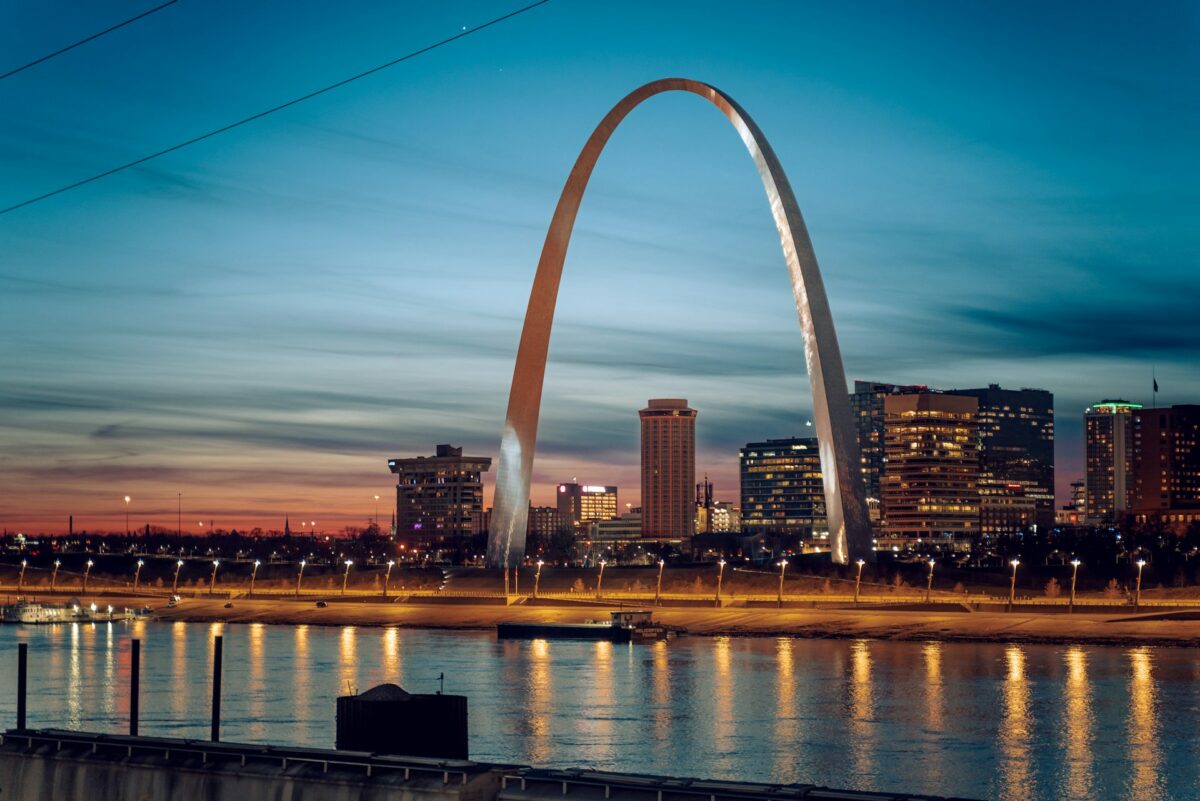
Everyone knows this giant arch in St. Louis, but not everyone knows why it was built. It’s not just a cool shape—it marks the “Gateway to the West,” symbolizing the city’s role in America’s westward expansion.
It’s also a tribute to the pioneers who moved west in the 1800s. The sleek design hides a strong message about ambition and movement.
Plus, there’s a tiny tram inside that takes visitors all the way to the top.
Like Go2Tutors’s content? Follow us on MSN.
The Coral Castle

In Homestead, Florida, there’s a structure made from huge stone blocks, carved and placed by a single man named Edward Leedskalnin. He built it alone, at night, using homemade tools, and never explained how.
Some think it was a symbol of lost love, since he started after a broken engagement. Others believe he knew some kind of ancient secret. Either way, it’s strange, quiet, and packed with hidden meanings.
The Fremont Troll
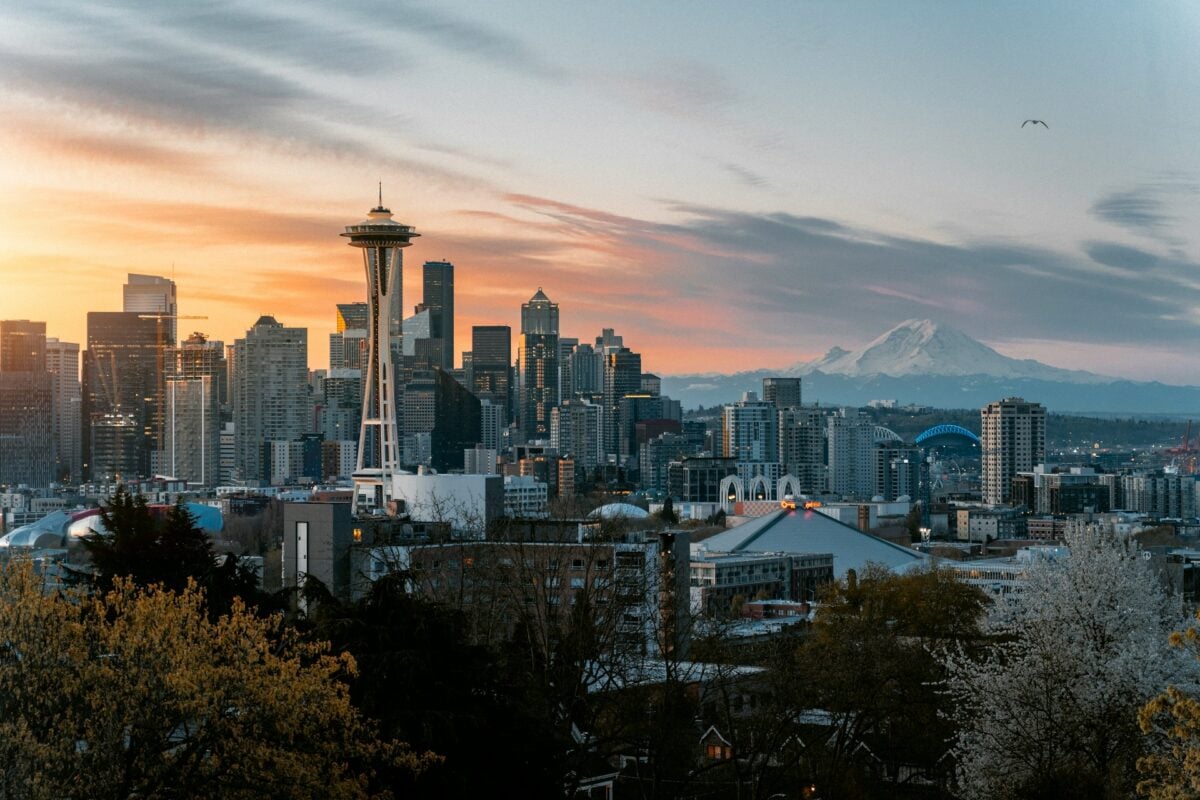
Under a bridge in Seattle, there’s a giant stone troll clutching a real car in its hand. It was created as public art, but also to reclaim the space under the bridge, which used to be a problem spot.
The troll flipped that negative image into something creative and fun. It stands for turning something dark into something bright. Now, it’s a selfie spot—but one with a message about change.
The Cadillac Ranch
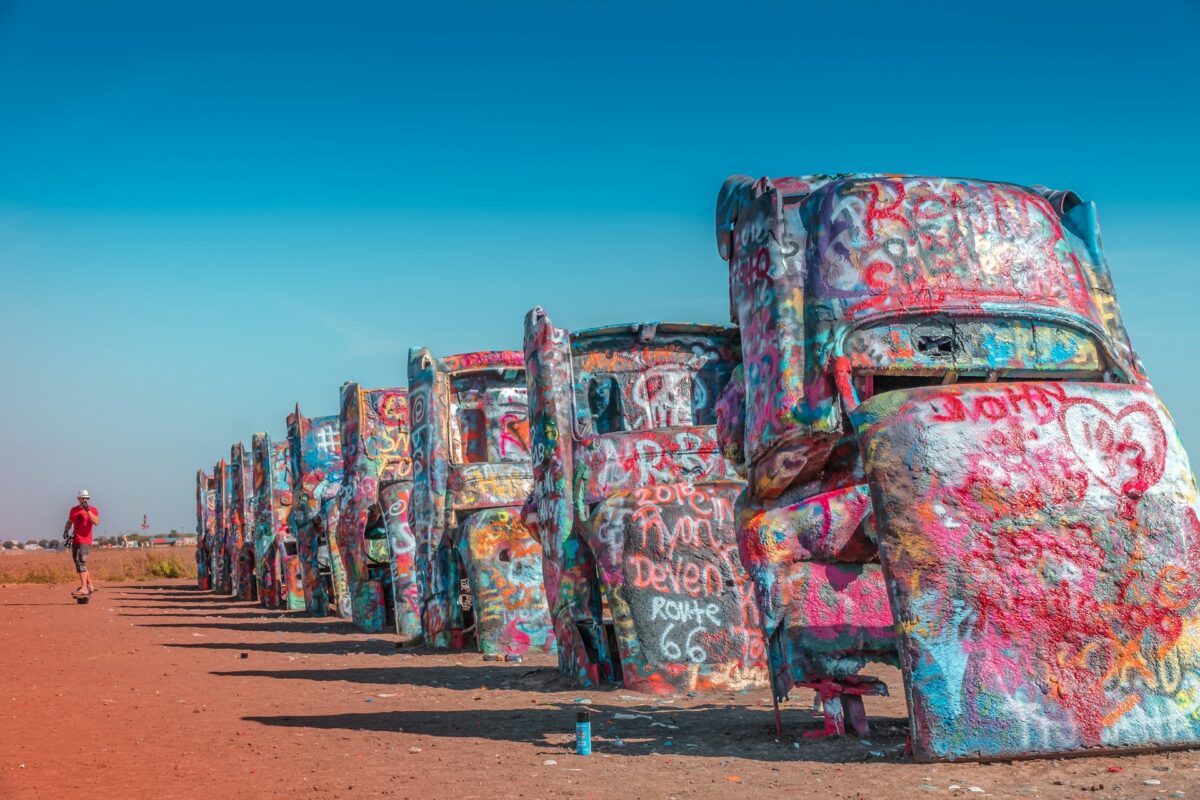
In Amarillo, Texas, ten old Cadillacs are buried nose-first into the dirt. They aren’t just junkyard leftovers.
The artists behind it wanted to show how cars—and culture—change over time. Visitors spray-paint them with fresh layers of color, turning the cars into a constantly changing display.
It’s messy, loud, and completely free-spirited. But underneath the paint is a reminder about how trends come and go.
Like Go2Tutors’s content? Follow us on MSN.
The Unfinished Obelisk
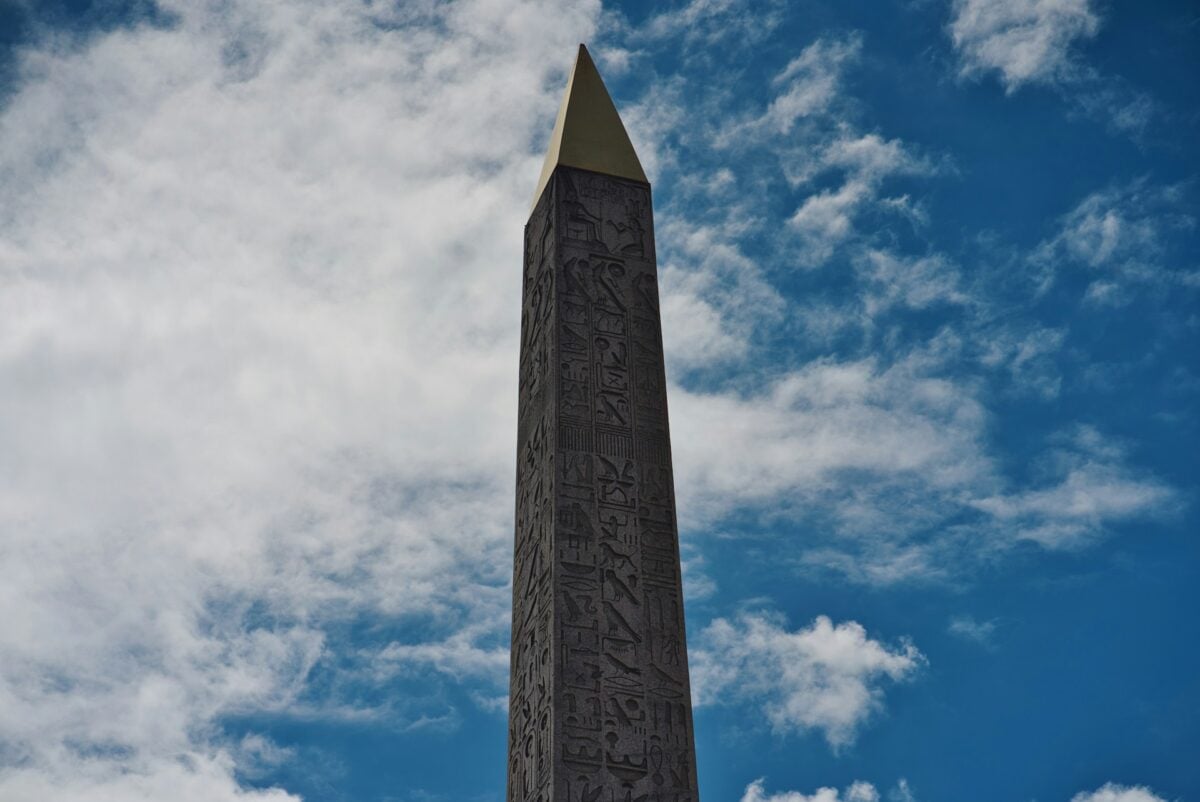
Found in Aswan Quarry, this one technically isn’t in the U.S.—but a broken version of it sits in the courtyard of the Smithsonian’s National Museum of Natural History. It’s a piece of ancient Egyptian work that never got completed, showing tool marks and cracks.
Its presence in the U.S. reflects a deep link to history, craftsmanship, and human effort. Even in its incomplete state, it says something about ambition and failure. Most visitors walk by without even noticing.
The Center of the Universe (Tulsa)
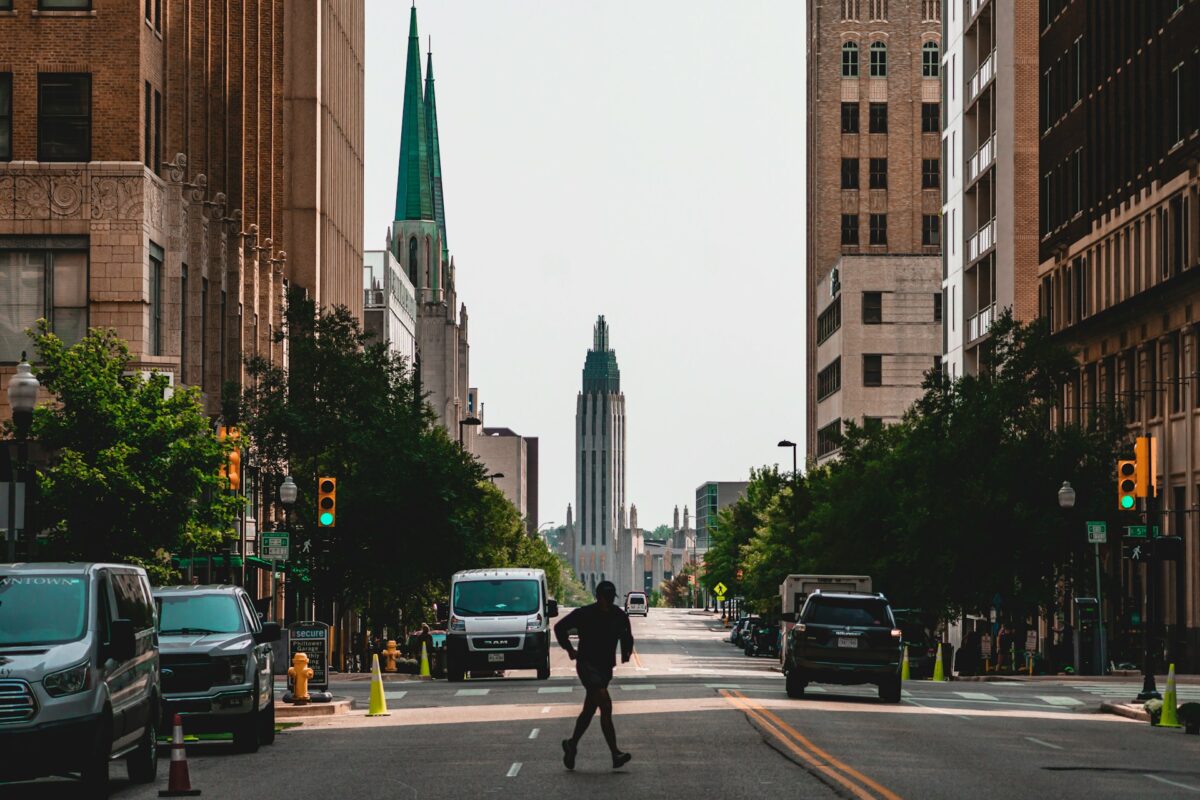
A small circle of concrete in Tulsa, Oklahoma, doesn’t look like much. But when someone stands in the middle and speaks, the sound echoes back louder—while people standing outside the circle hear almost nothing.
No one really knows why. Locals call it the “Center of the Universe,” even though it’s not officially marked.
It’s a strange place where sound works differently, like nature is trying to tell a secret.
The Big Chicken
In Marietta, Georgia, a giant metal chicken with moving eyes and beak sits on top of a KFC. That might sound silly, but this 56-foot bird is a landmark used in directions by locals.
“Turn left after the chicken” is a common phrase there. It was built to draw attention to the restaurant, but ended up becoming a symbol of the area.
Strange? Yes. Meaningless? Not at all.
Like Go2Tutors’s content? Follow us on MSN.
The Whispering Gallery in Grand Central Station
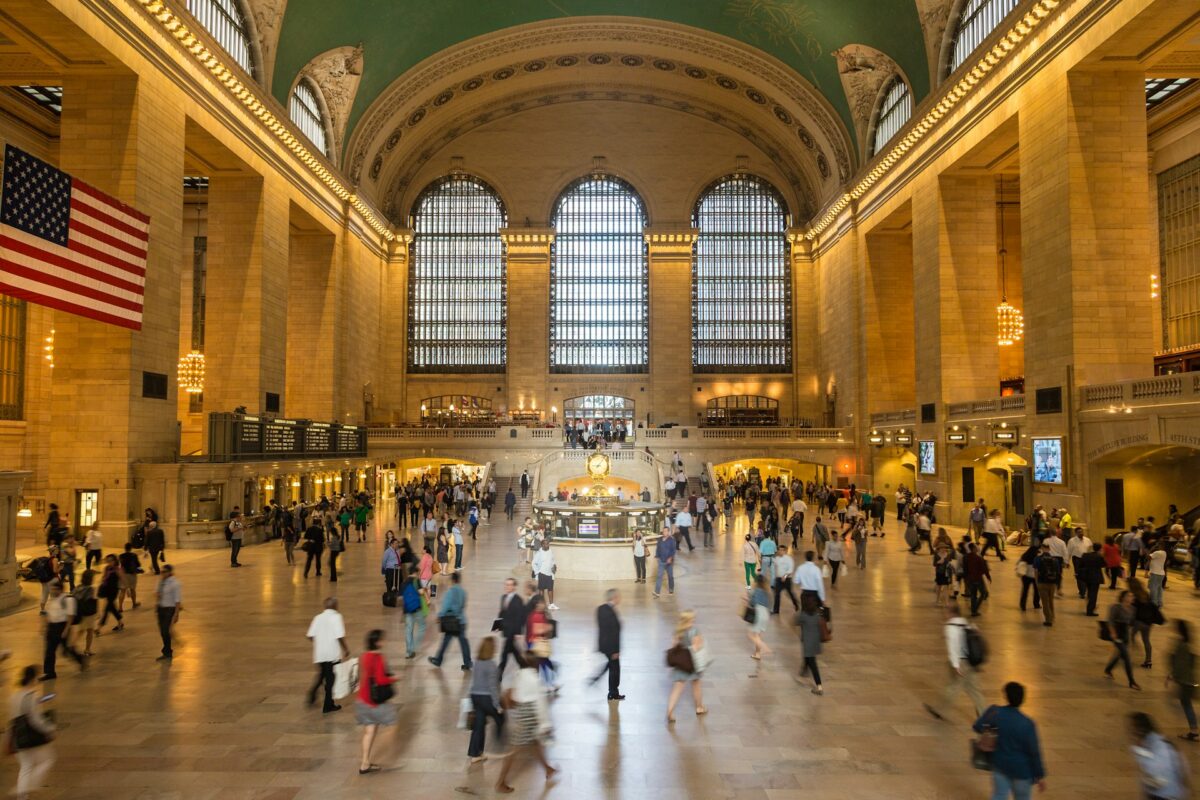
In the middle of New York’s Grand Central Terminal, two people can stand at opposite corners of an archway and whisper to each other clearly—thanks to the way sound travels through the curved ceiling. This wasn’t part of a major plan.
But now it’s become a favorite spot for quiet secrets and surprise marriage proposals. The space turns everyday architecture into something quietly special.
The Mystery Spot
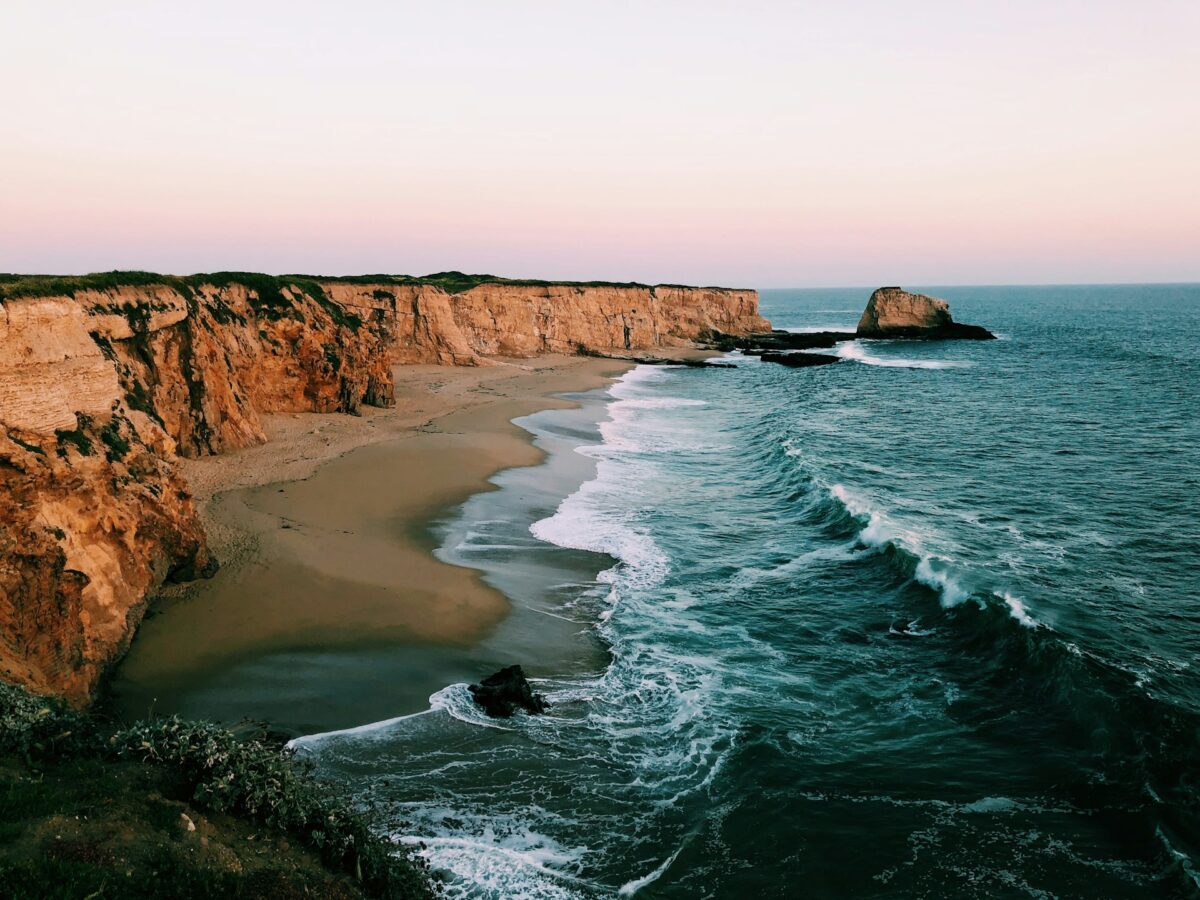
In Santa Cruz, California, there’s a small area where gravity seems broken. People lean at strange angles, orbs roll uphill, and nothing feels quite right.
Some call it a trick, others say it’s a natural oddity. Whatever the reason, it shows how quickly the brain can be fooled.
It makes visitors question what they know—and that’s the real point.
The National Memorial for Peace and Justice
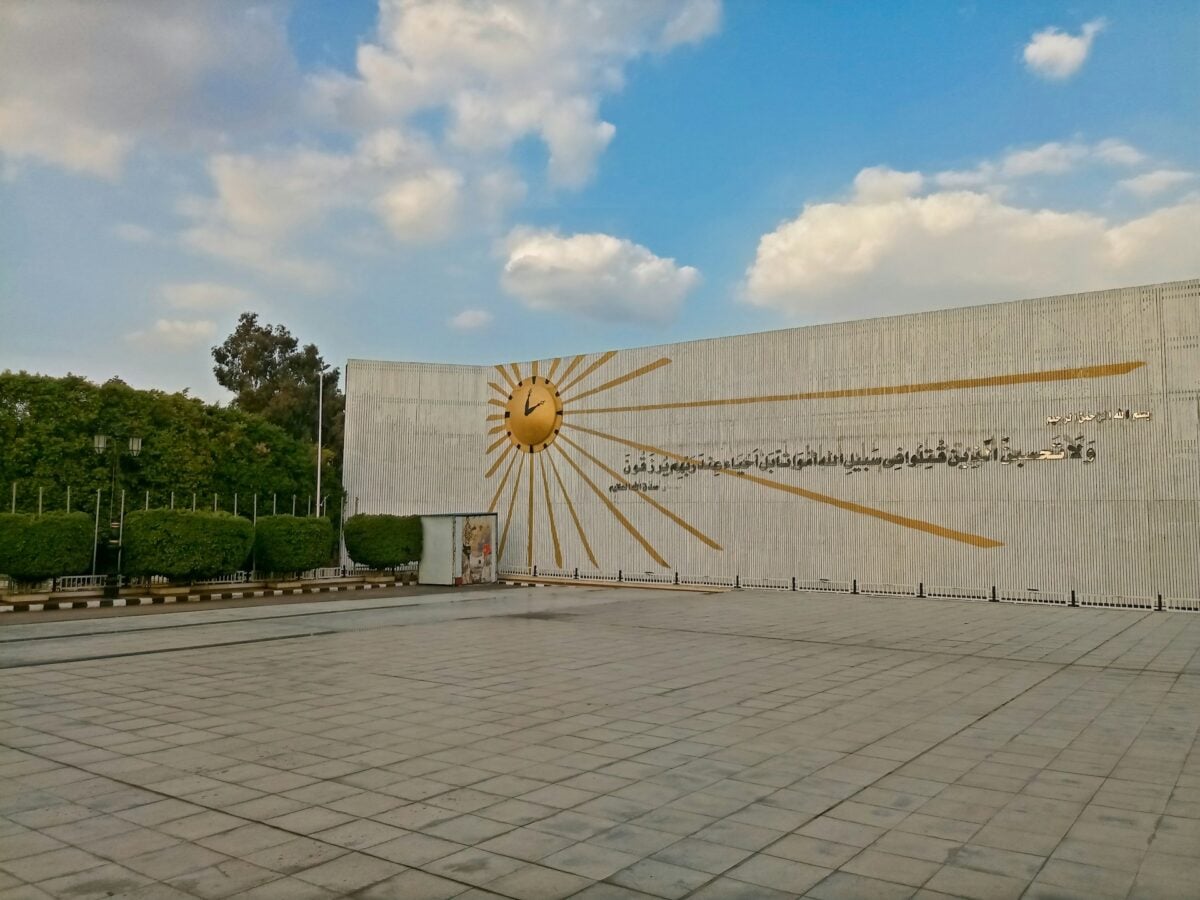
In Montgomery, Alabama, this memorial honors the victims of racial terror lynchings. The steel columns hang from the ceiling, each one representing a county where such violence happened.
Visitors walk among them in silence, often with heavy hearts. It’s not just about looking back—it’s about facing a truth that still shapes the present.
The space forces visitors to think, feel, and remember.
Like Go2Tutors’s content? Follow us on MSN.
The Desert View Watchtower
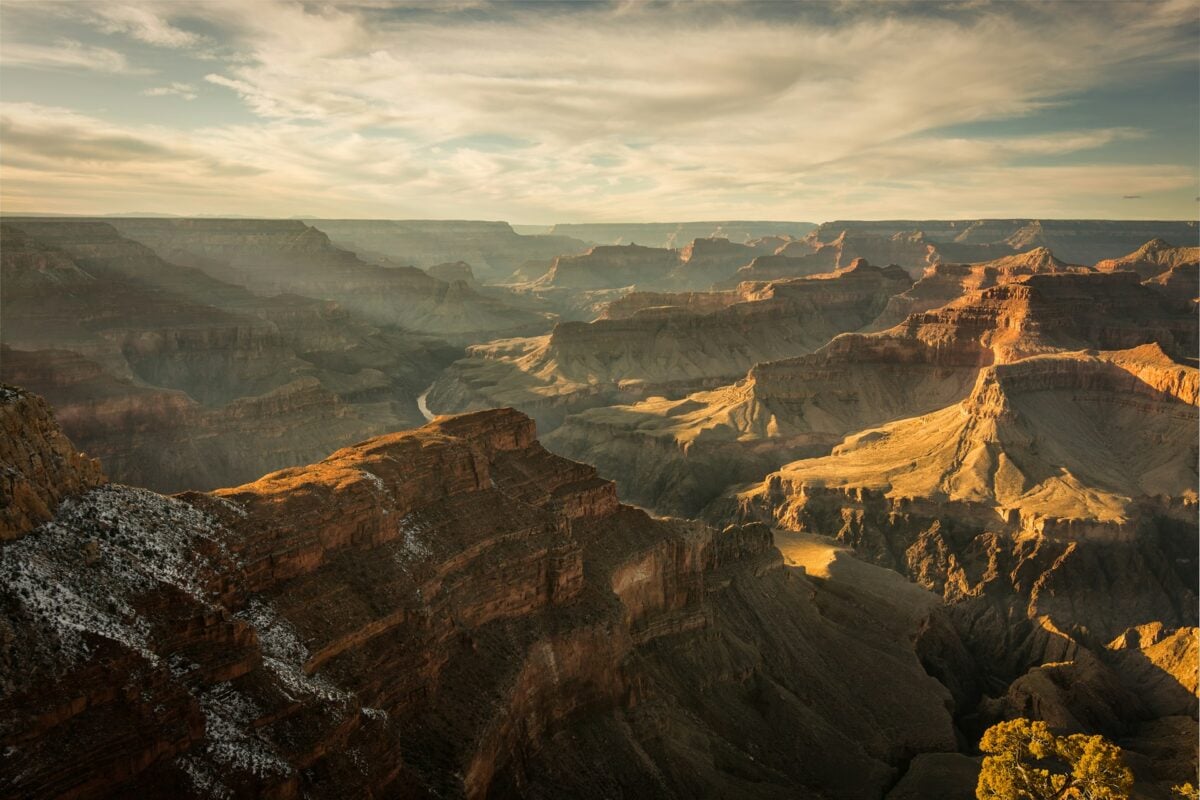
In Arizona’s Grand Canyon National Park, this tower may look like an old ruin—but it was actually built in the 1930s by architect Mary Colter. She designed it to honor ancient Native American architecture.
The inside walls are covered in art from local tribes, telling stories through color and symbols. It’s more than just a place to see a great view. It’s a lesson in respect and cultural memory.
The Winchester Mystery House
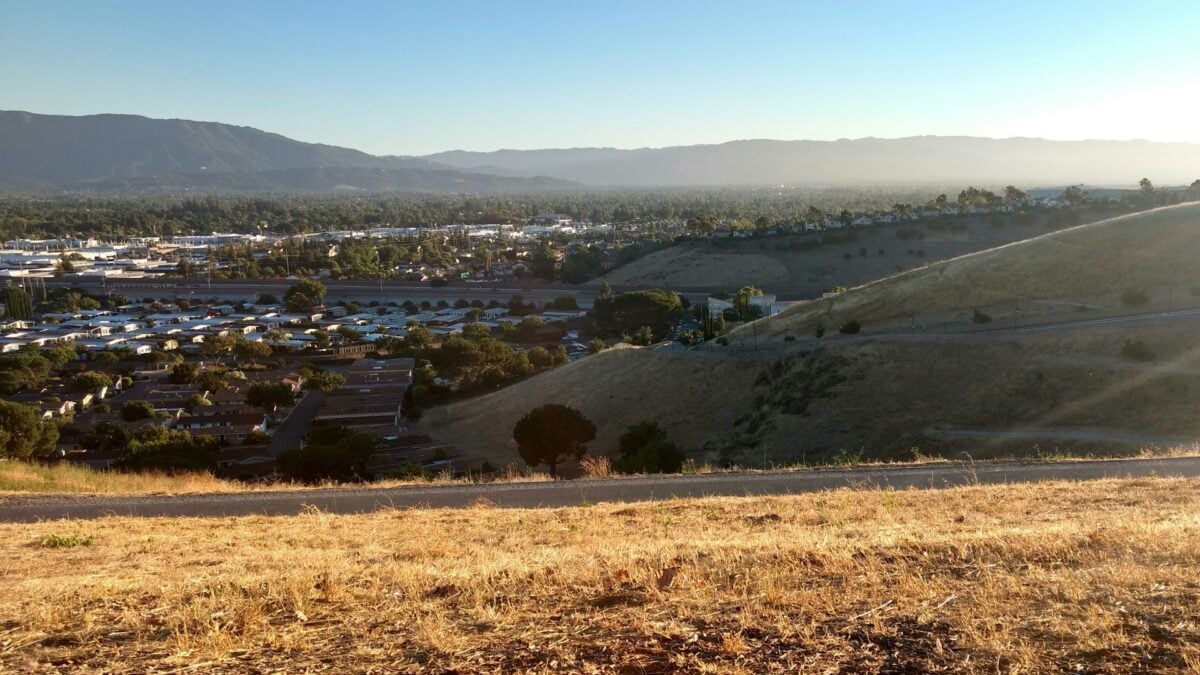
This house in San Jose, California, was built with doors that open into walls, staircases that lead nowhere, and rooms hidden from plain view. The owner, Sarah Winchester, kept building it for years, believing it would protect her from ghosts.
Whether that’s true or not, the house is now a maze of confusion and curiosity. Each part of it holds a story, and visitors can still get lost inside.
It’s a reminder of how fear and belief can shape what people build.
Where stories live in plain sight
Most of these places don’t seem deep at first. But when people stop and ask “Why was this made?” or “Who put this here?”—they uncover something bigger.
These landmarks show that meaning doesn’t always come with signs or explanations. It can hide in shapes, sounds, or even a statue of a giant chicken.
In a country full of loud attractions, sometimes the quiet, unusual spots say the most.
More from Go2Tutors!

- 16 Historical Figures Who Were Nothing Like You Think
- 12 Things Sold in the 80s That Are Now Illegal
- 15 VHS Tapes That Could Be Worth Thousands
- 17 Historical “What Ifs” That Would Have Changed Everything
- 18 TV Shows That Vanished Without a Finale
Like Go2Tutors’s content? Follow us on MSN.