15 Ways Road Trips Were Different in the ’80s
The open road has always called to the American spirit, but hitting the highway in the 1980s was an experience vastly different from today’s GPS-guided, smartphone-enhanced journeys. Family vacations and cross-country adventures required more planning, patience, and problem-solving skills than modern travelers can imagine.
Here is a list of 15 ways road trips were dramatically different during the neon-colored, big-haired decade of the 1980s.
Paper Maps
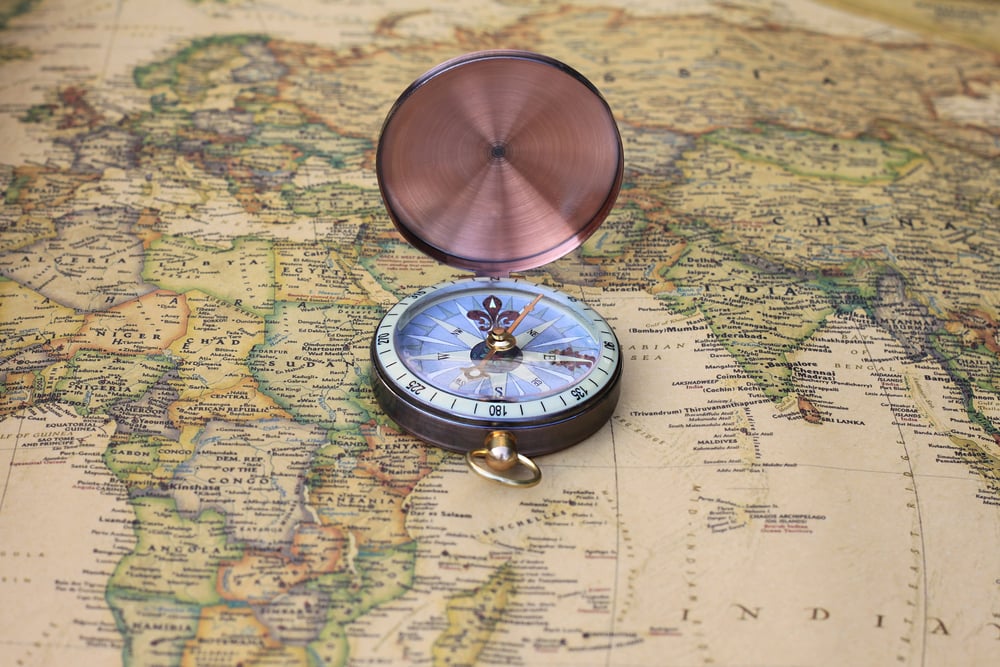
Massive fold-out maps served as the only navigation system available to 80s travelers. These paper companions required genuine map-reading skills and a patient navigator in the passenger seat.
Trying to refold these unwieldy guides back to their original state became a running joke. It was a source of frustration for families everywhere.
CB Radios
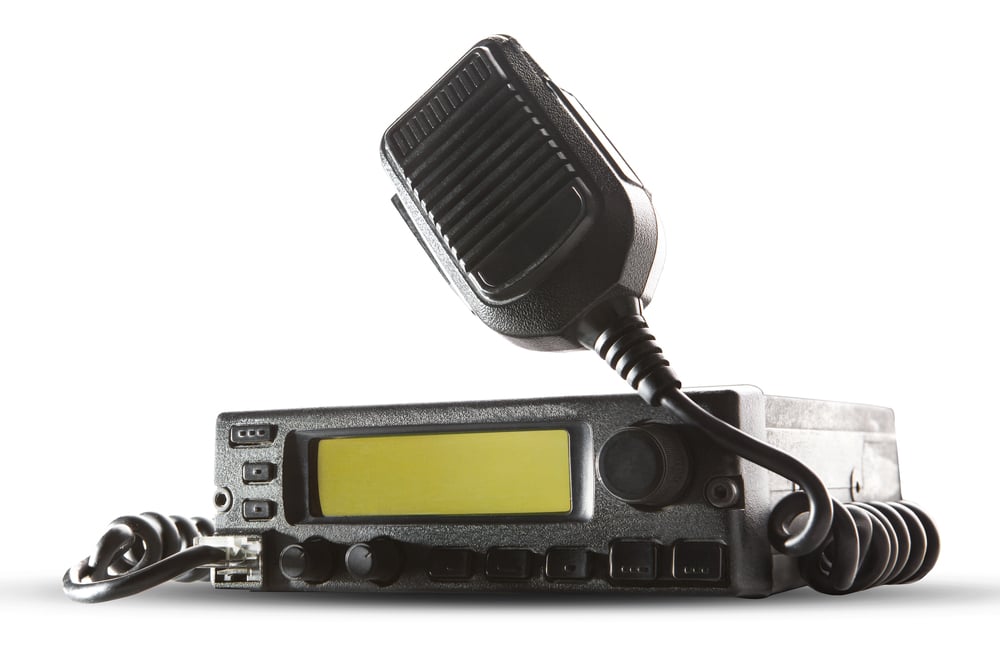
These dashboard-mounted communication devices allowed drivers to talk to truckers and other travelers, creating a unique road community. Regular travelers developed their own handles and knew the lingo necessary to get real-time information about speed traps, accidents, and road conditions ahead.
The crackling voices announcing “Smokey Bear at mile marker 42” provided both useful information and entertainment. They became staples during long stretches on the highway.
Like Go2Tutors’s content? Follow us on MSN.
Mix Tapes
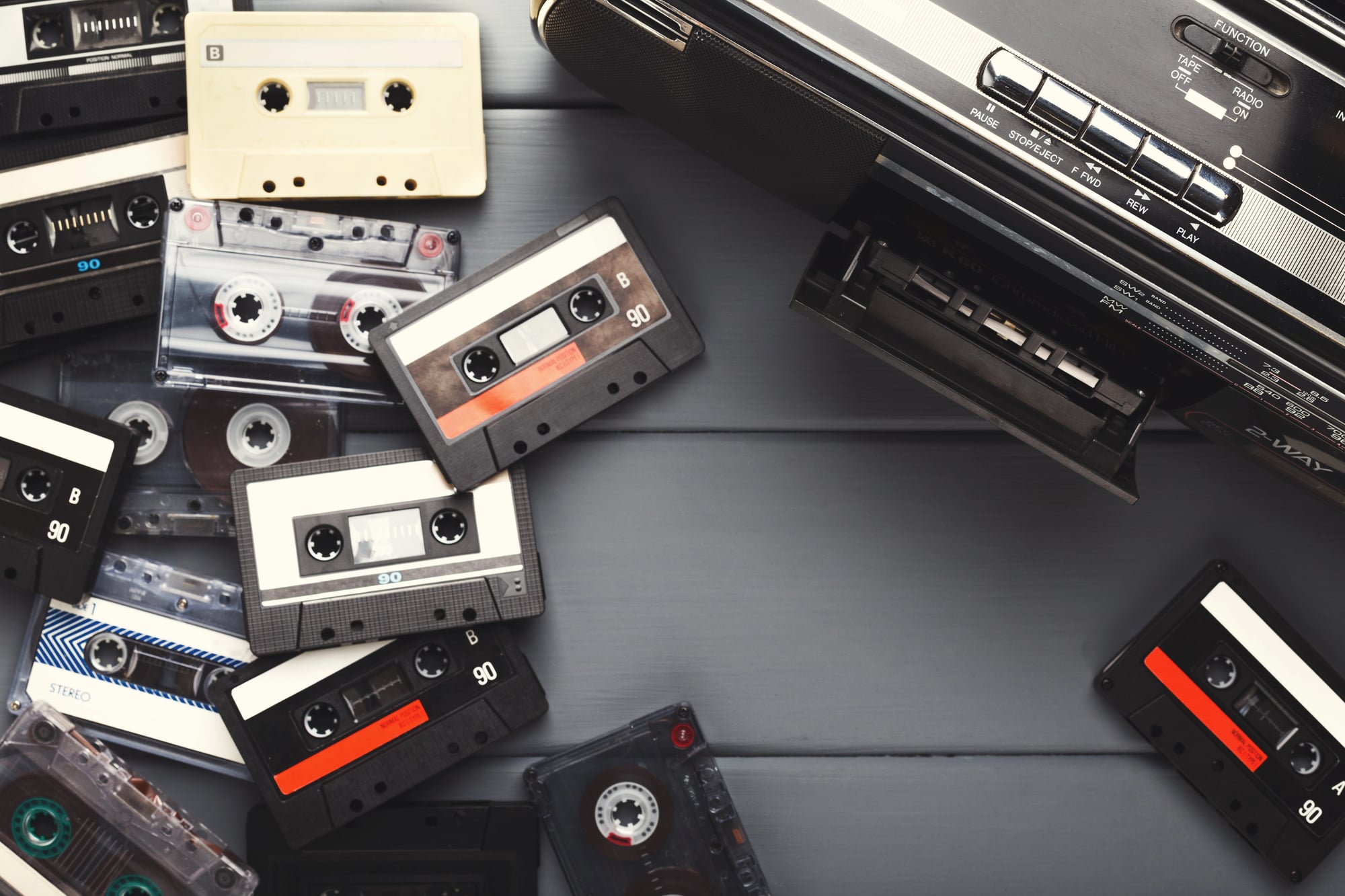
Creating the perfect road trip soundtrack required hours of preparation with a dual cassette deck. Every traveler took pride in curating themed mixes with careful attention to song order and flow.
The satisfying click of sliding a fresh tape into the car stereo signaled the beginning of a new musical chapter. These mixes defined the rhythm of the journey.
Pay Phones
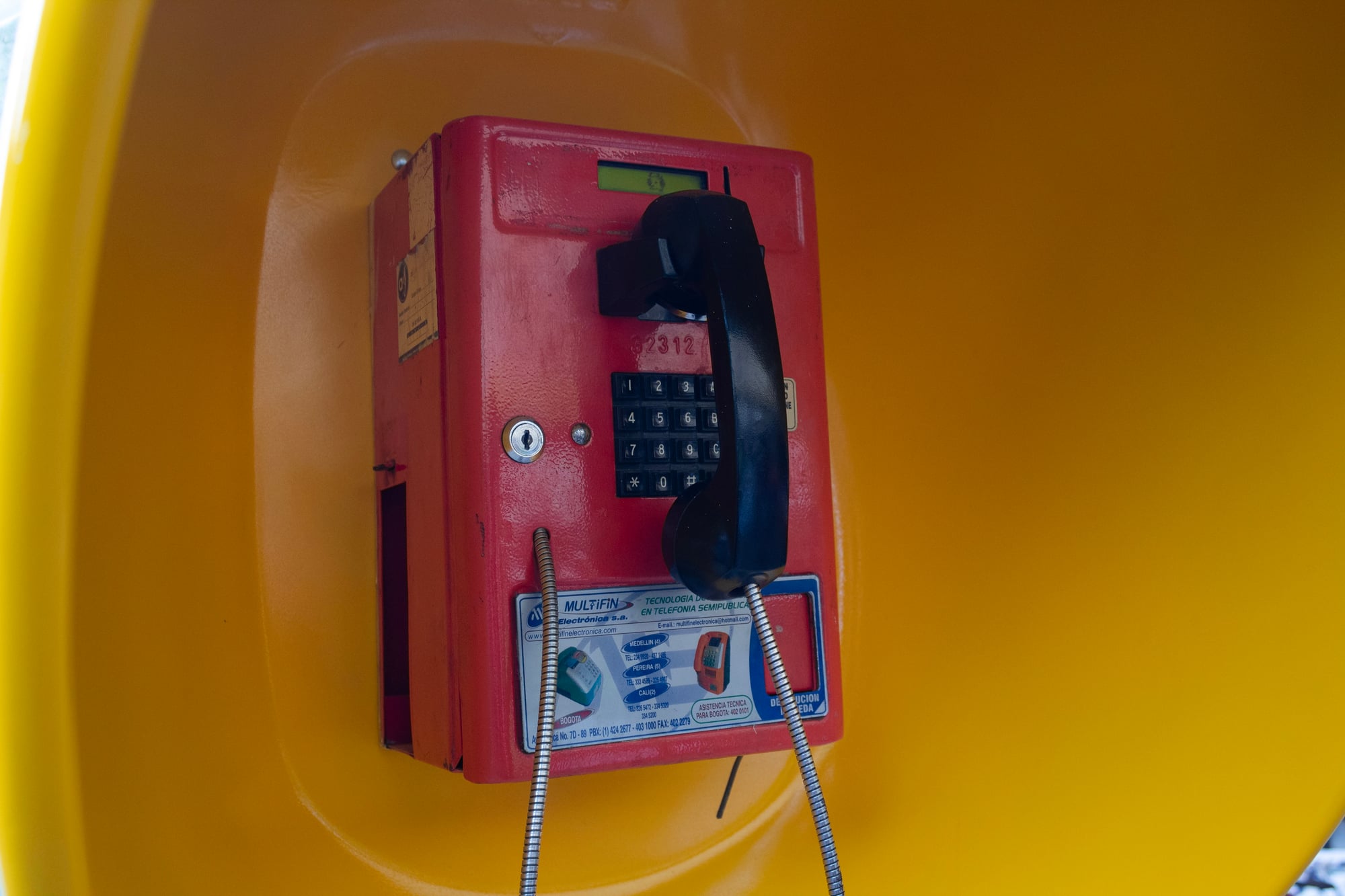
Checking in with family back home meant finding a roadside pay phone and having enough quarters to make the call. These phone booths, often located at gas stations or rest areas, served as the only connection to the outside world during your travels.
The ritual of reversing charges for a collect call became standard for budget-conscious travelers. Pay phones were essential lifelines for the road.
Film Cameras
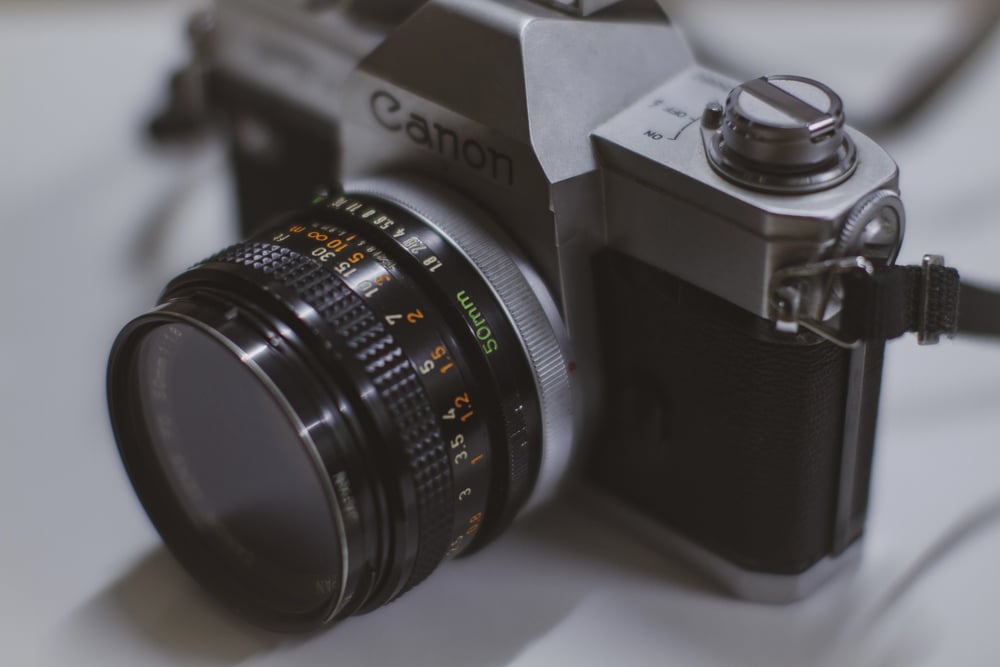
Documenting your adventure required careful consideration of your limited 24 or 36 exposure film roll. Each photo opportunity needed to be worth the cost of film and developing.
The anticipation of getting your photos developed after returning home extended the trip experience by weeks. Travel memories lived on in glossy prints.
Like Go2Tutors’s content? Follow us on MSN.
No Reservations

Finding lodging meant driving until tired and then hunting for vacancy signs along the highway. The suspense of not knowing where you’d sleep that night added an element of adventure.
The phrase “No Vacancy” could send weary travelers another 50 miles down the road. The unknown was part of the experience.
Fast Food Novelty
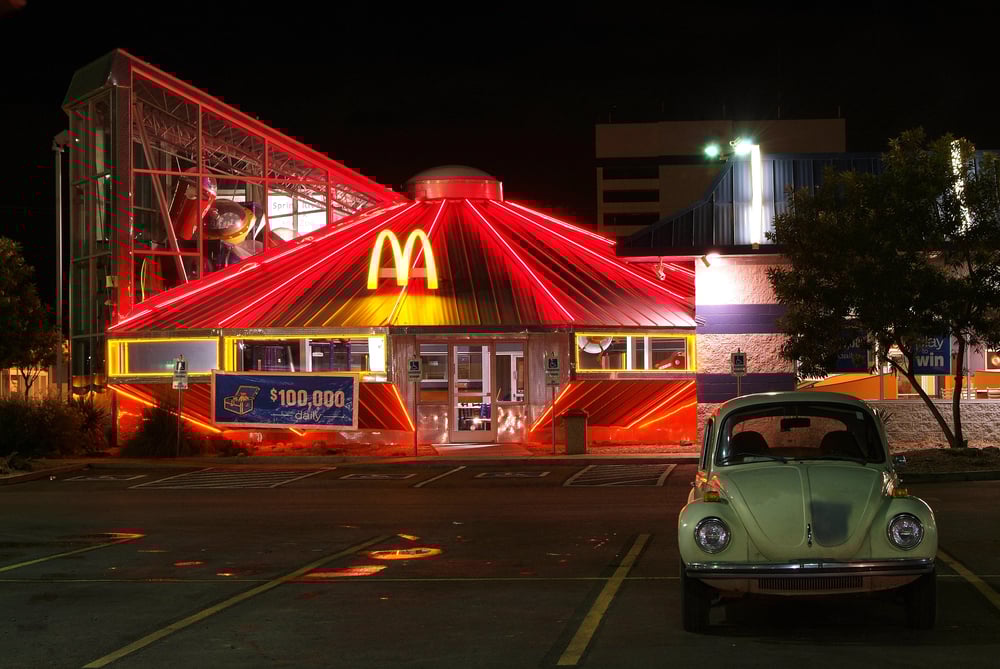
Stopping at McDonald’s or Burger King was still considered a special treat rather than a reluctant necessity. Regional fast food chains unavailable in your hometown became exciting destinations in themselves.
The collector cups, playgrounds, and special menu items were highlights for kids. These stops added excitement to long hours in the car.
Entertainment Limitations

Keeping children occupied meant playing license plate bingo, I Spy, or other imagination-based games. The lack of personal electronics meant family members actually had to interact.
Long stretches of boredom fostered creativity and conversation. These analog diversions became cherished memories.
Like Go2Tutors’s content? Follow us on MSN.
Roadside Attractions
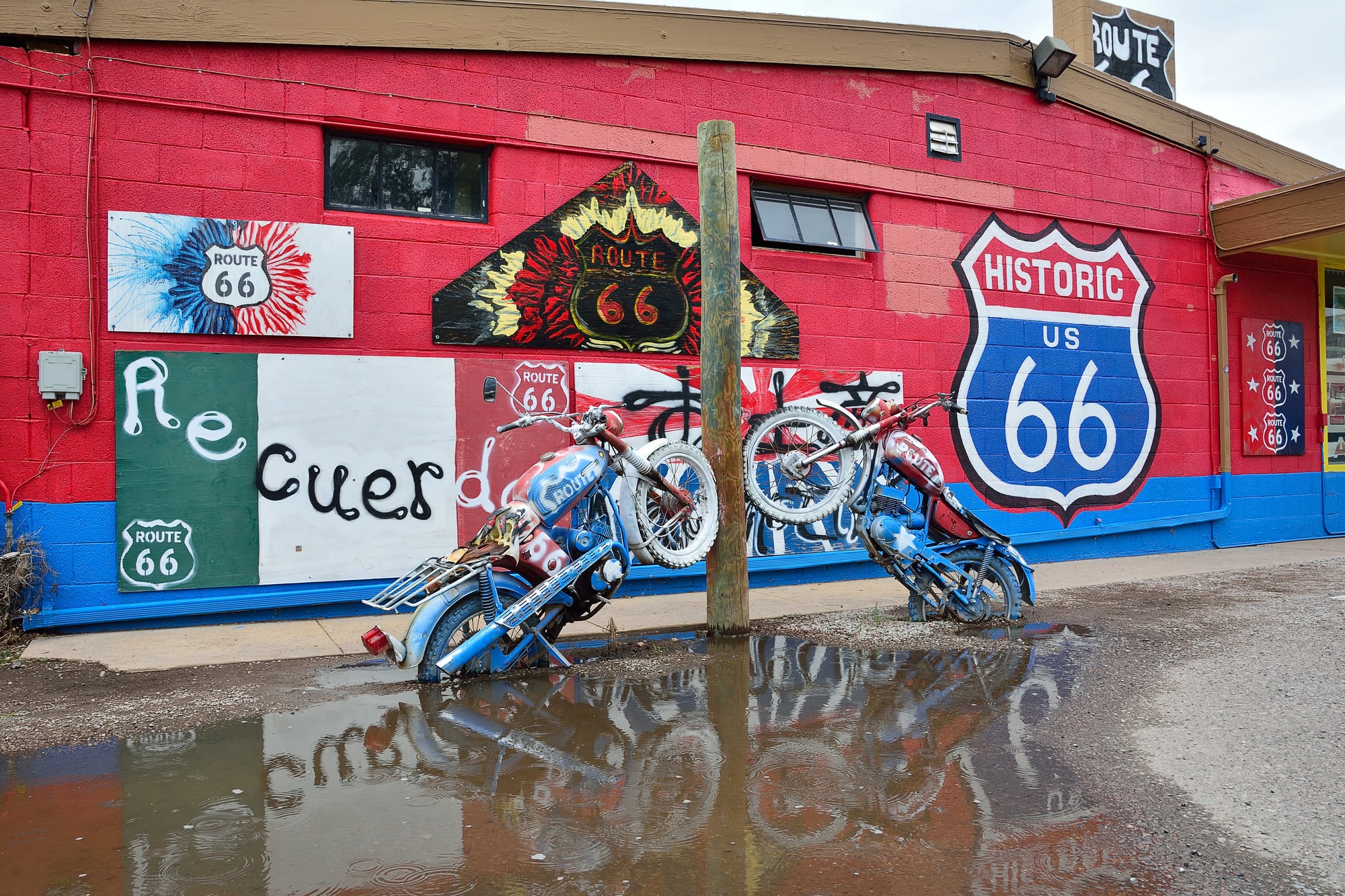
Quirky stops like the World’s Largest Ball of Twine or Mystery Spots held genuine appeal as entertainment breaks. These attractions thrived before online reviews could reveal their often disappointing reality ahead of time.
The anticipation built by colorful billboards appearing for miles before the attraction often exceeded the experience itself. Still, they became iconic stops on countless routes.
Service Stations
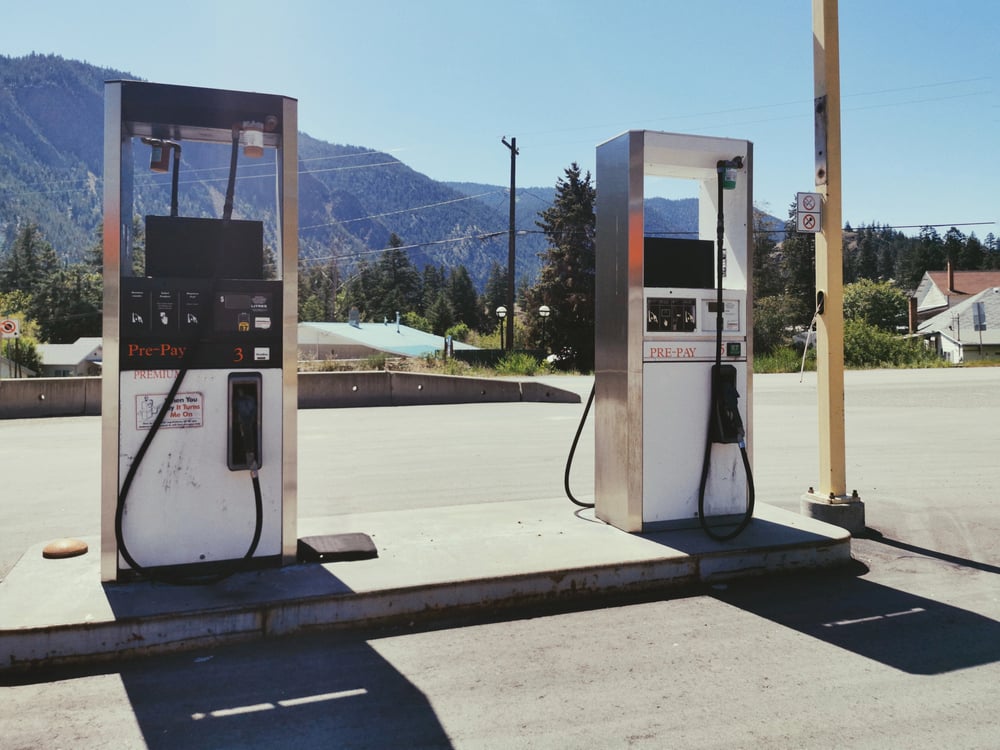
Gas stations offered actual service with attendants who pumped gas, checked oil, and cleaned windshields. These brief human interactions provided welcome social breaks.
The gradual shift to self-service was just beginning. Many areas still had full-service options available.
Highway Diners
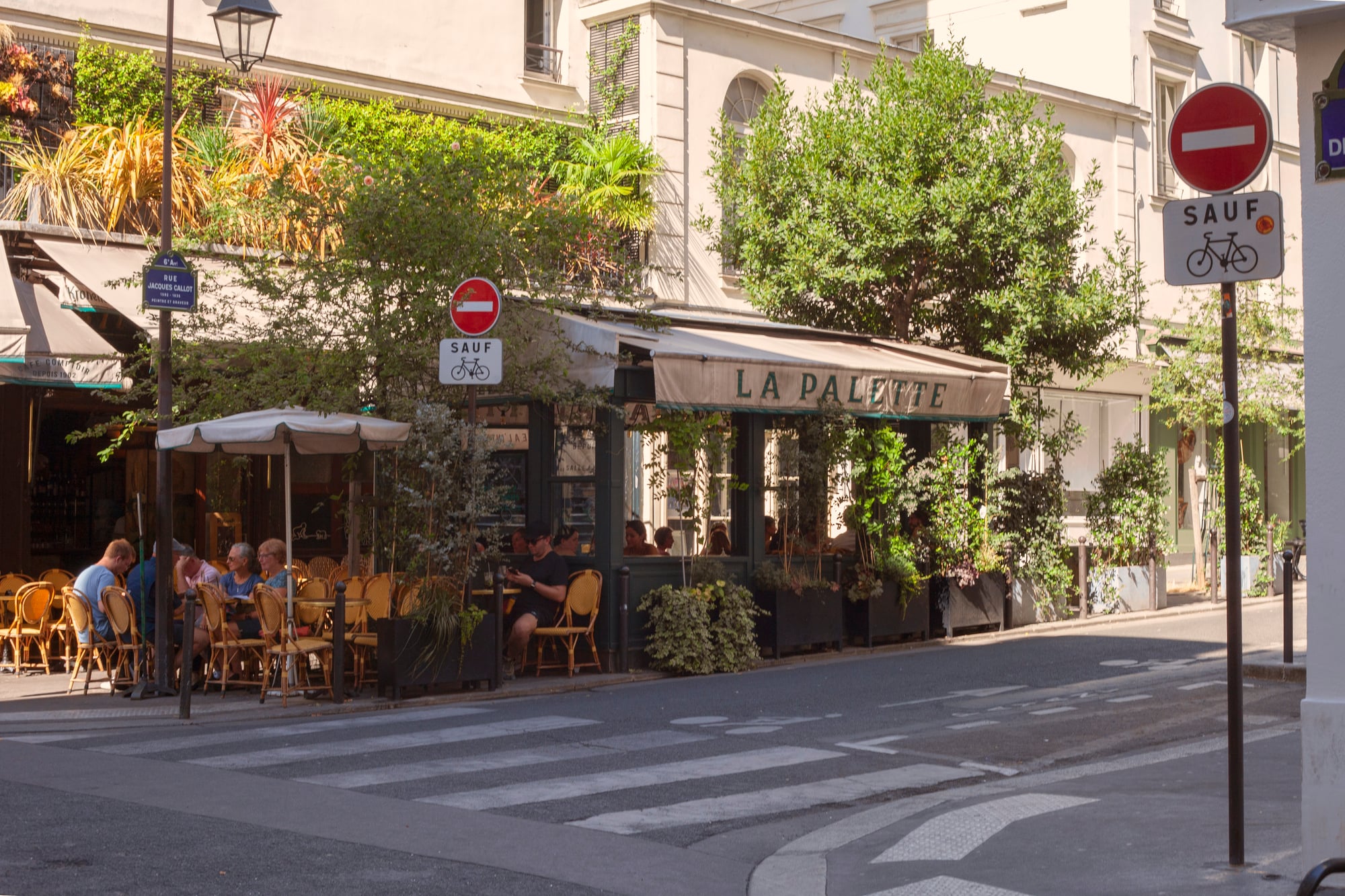
These independent eateries offered home-style cooking and local flavor before chain restaurants dominated every exit. The unexpectedness of the food quality added an element of culinary roulette.
Finding a great local diner with amazing pie became a story worth retelling. These meals were more than just refueling stops.
Like Go2Tutors’s content? Follow us on MSN.
Station Wagons
The classic family vehicle featured rear-facing third-row seats and faux wood paneling on the sides. These massive cars lacked safety features like adequate seatbelts and airbags.
They offered enough space for kids to stretch out during long drives. The coveted “way back” functioned as a kid zone and storage area.
Highway Motels
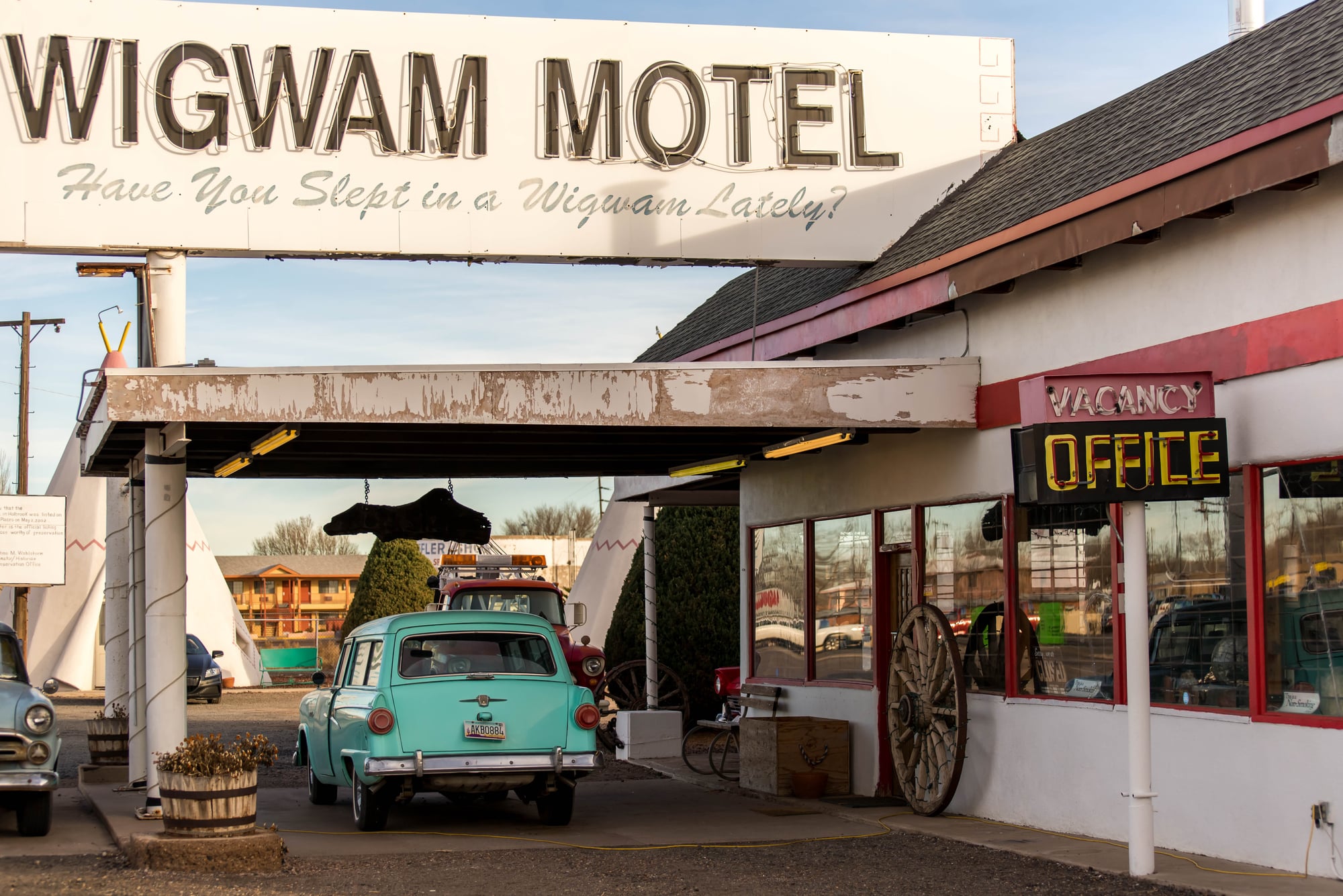
These single-level establishments with parking directly outside your door represented an affordable adventure. Swimming in the motel pool after a day of driving made up for the basic accommodations.
Magic Fingers vibrating beds, available for a quarter, represented the height of luxury. Families built lasting memories in these humble rest stops.
Local Radio
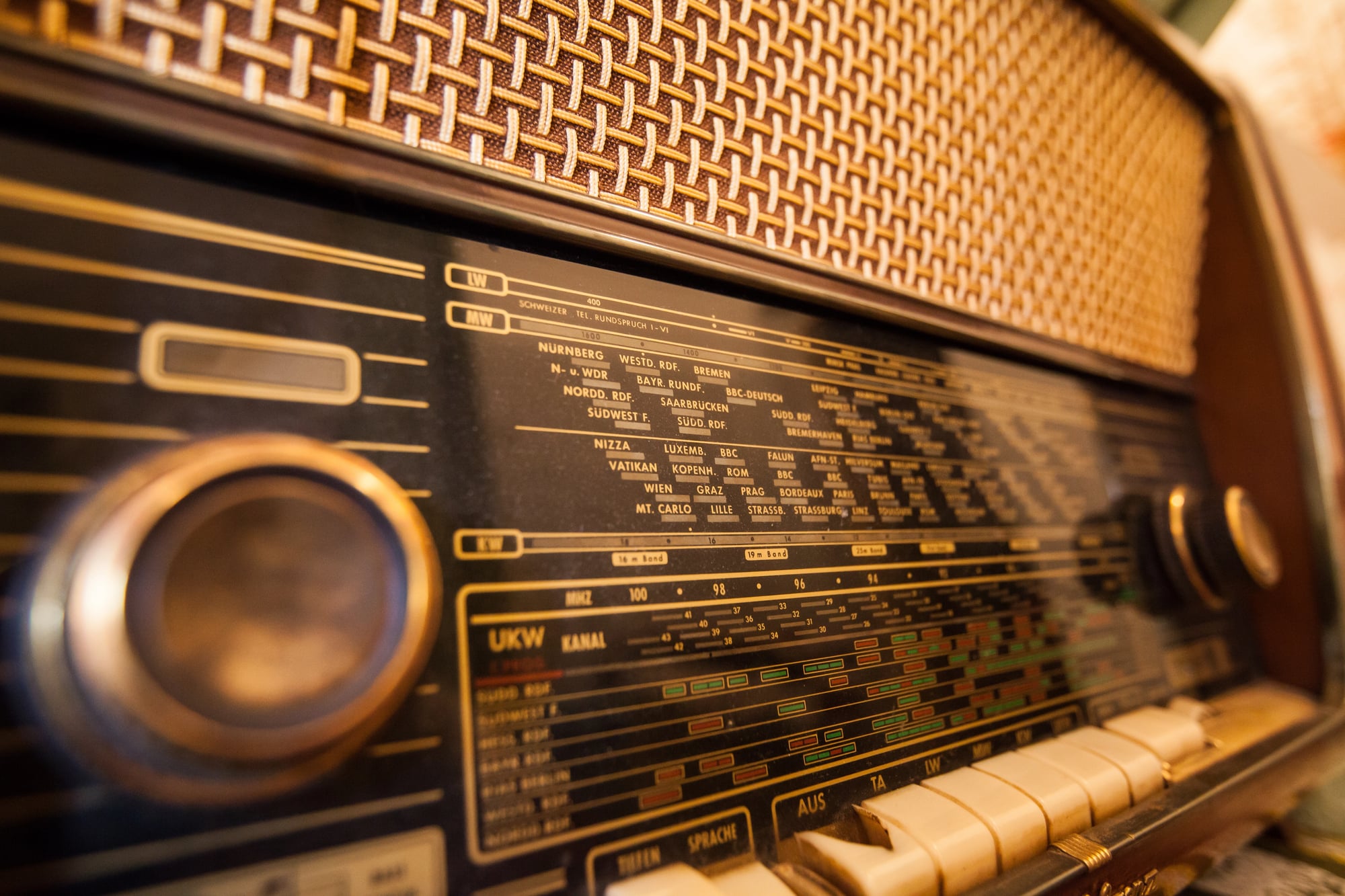
Discovering new radio stations as you drove provided a sense of how far you’d traveled culturally. The gradual static and fadeout of your hometown stations created a tangible sense of distance.
Finding a strong local rock, country, or Top 40 station became a travel ritual. Music tied each region together with its own personality.
Like Go2Tutors’s content? Follow us on MSN.
Travel Anticipation

Without online photos and reviews, destinations remained mysterious until you actually arrived. This information gap created genuine surprise and discovery.
The mental images built through travel brochures and postcards often differed wildly from reality. Moments of delight or comical disappointment were common.
The Journey Before Connectivity
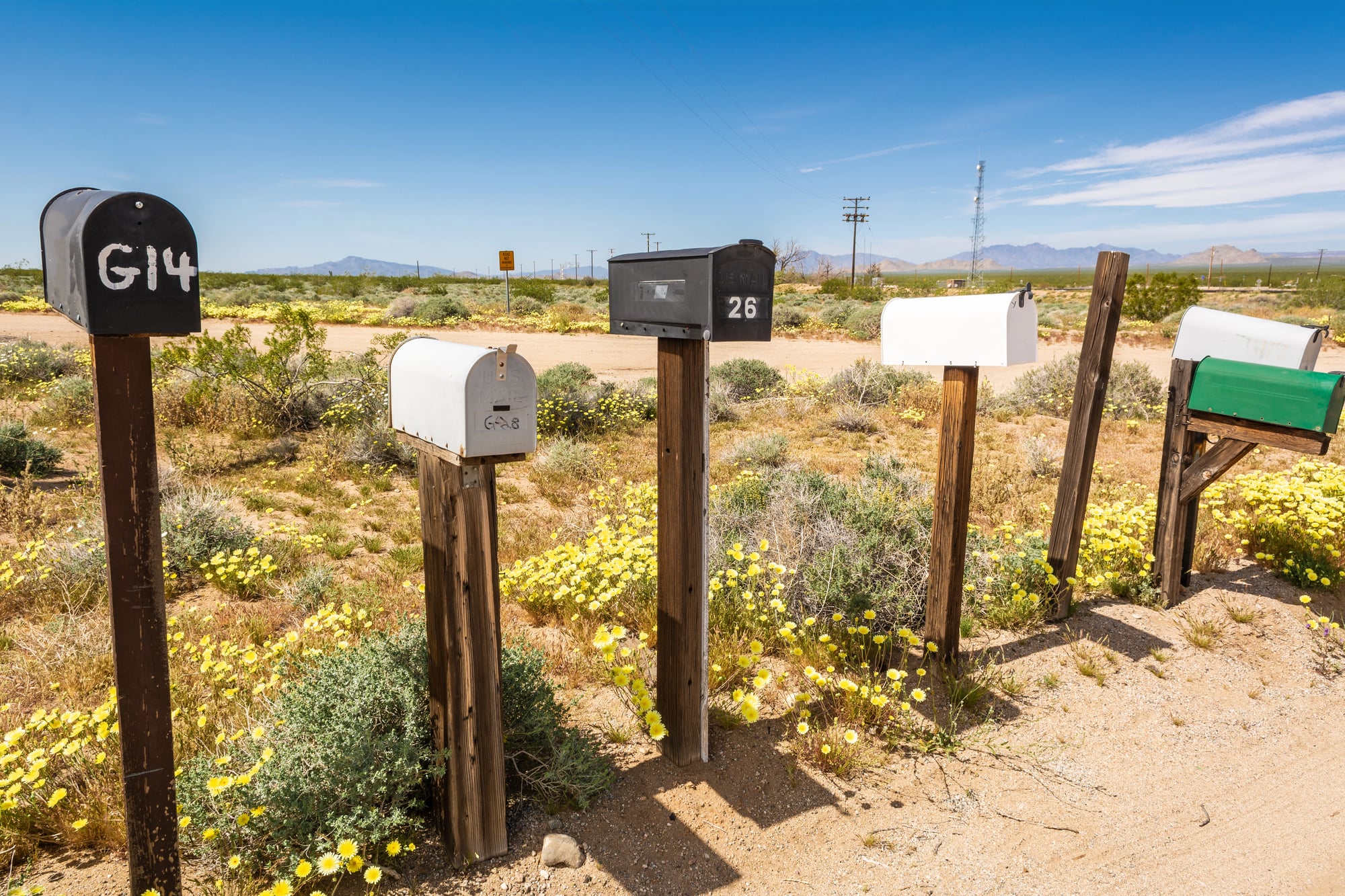
These analog road trip experiences reflected a time when getting there was truly half the adventure. The unconnected nature of 80s travel created a temporary suspension from normal life.
Those wood-paneled station wagons may have lacked safety features, satellite radio, and cup holders, but they carried families through experiences that taught resilience, patience, and appreciation for the unexpected. While modern conveniences have made road trips safer and more efficient, something of the authentic adventure has been lost in our perfectly plotted, constantly connected journeys.
More from Go2Tutors!

- 18 Unexpectedly Valuable Collectibles You Might Have Lying Around
- 15 Things Every Teenager in the ’70s Did That Teens Today Wouldn’t Understand
- 15 Strange Things People Have Tried to Ban (And Failed)
- 15 Inventions That Were Immediately Banned After Being Created
- 20 Actors Who Were Almost Cast in Iconic Roles
Like Go2Tutors’s content? Follow us on MSN.



