Unique Bridges That Symbolize Entire Countries
Bridges don’t just connect one side of a river to another—they often connect people to their history, culture, and national pride. These architectural marvels are more than steel and stone; they’re powerful symbols that tell stories of resilience, creativity, and ambition.
Some have survived wars, others seemed impossible to build, and a few have quietly stood for centuries, watching the world change around them. Here are 14 bridges that have become inseparable from the countries they represent.
Golden Gate Bridge
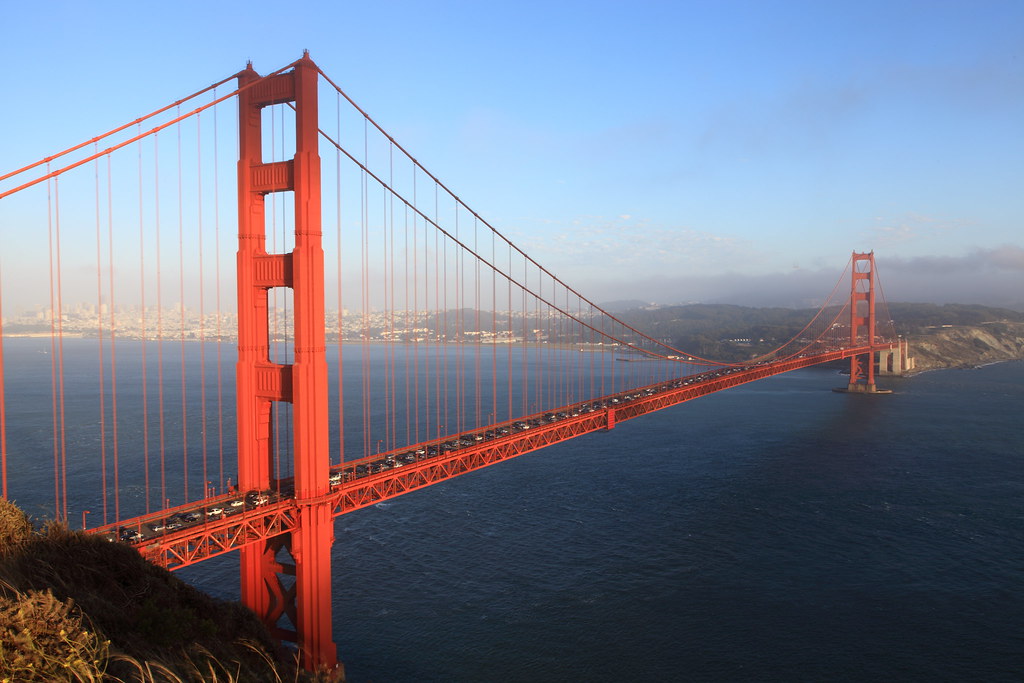
Few landmarks say “America” quite like the Golden Gate Bridge. Stretching across San Francisco Bay, this fiery orange icon was completed in 1937—after skeptics said the winds and currents made it an impossible feat.
The orange hue, originally meant as a temporary primer, turned out to be perfect, glowing through the city’s signature fog. At 746 feet tall and weighing nearly 900,000 tons, it was once the longest suspension bridge on Earth.
To this day, it remains a bold statement of American innovation and the daring spirit of the era that built it.
Tower Bridge
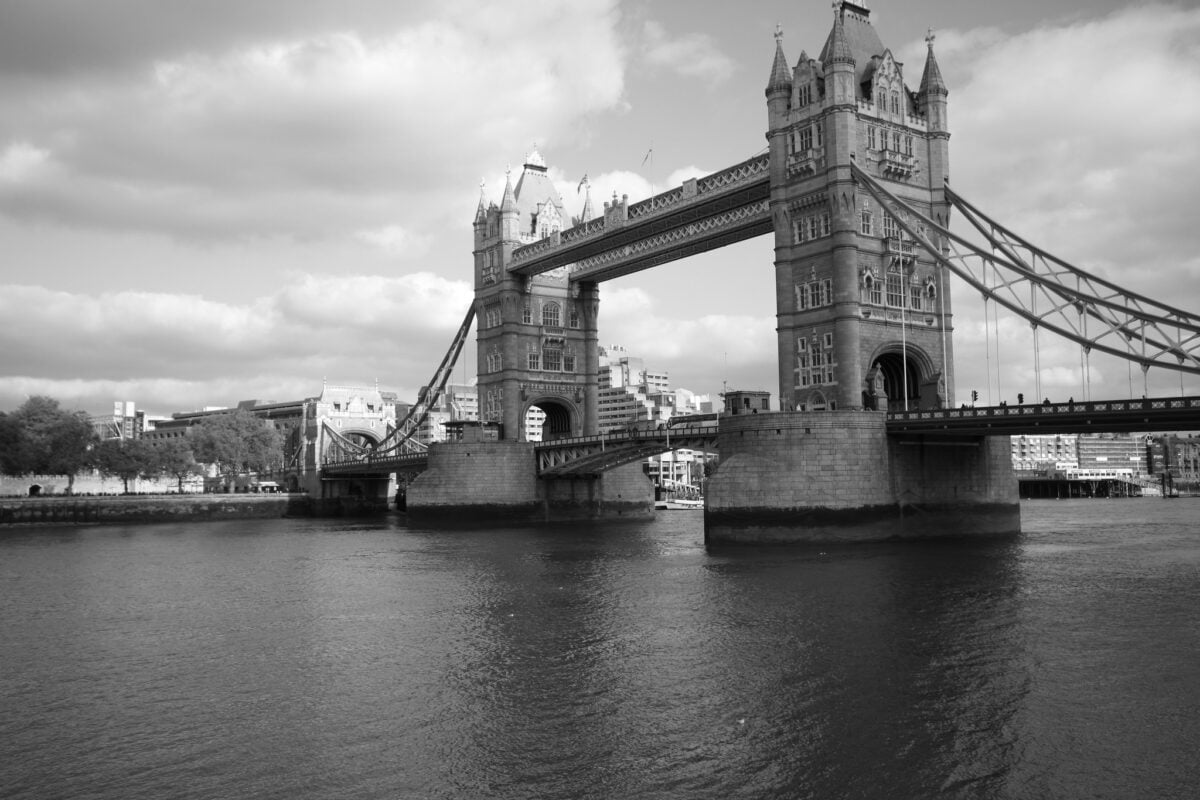
It’s hard to picture London without Tower Bridge’s Gothic towers rising over the Thames. Finished in 1894, this combination of drawbridge and suspension bridge was designed to blend seamlessly with the nearby Tower of London.
More than just beautiful, it’s functional—its bascules still lift to let ships pass through. Tower Bridge also survived World War II bombings, becoming a quiet symbol of British resilience.
Appearing in countless films, postcards, and TV shows, it’s instantly recognizable as the face of Britain itself.
Like Go2Tutors’s content? Follow us on MSN.
Sydney Harbour Bridge
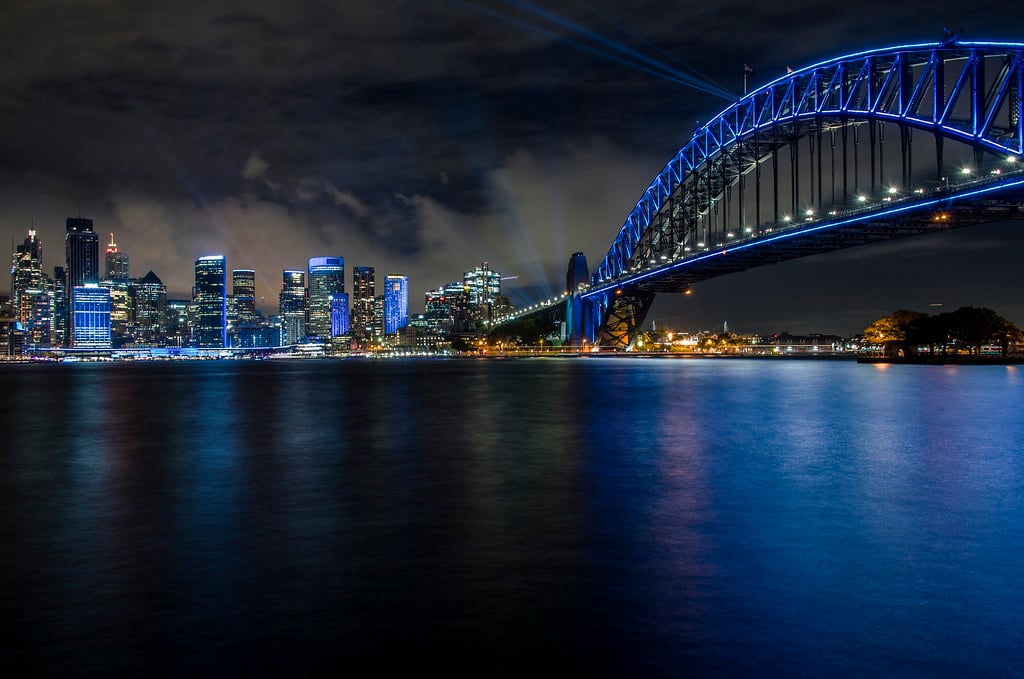
Australians affectionately call it “The Coathanger,” and for good reason. Opened in 1932 after eight years of work, the Sydney Harbour Bridge remains one of the largest steel arch bridges in the world.
It links the north and south shores of the city, but more than that, it connects Australians to their national identity. Every New Year’s Eve, the bridge becomes the star of a spectacular fireworks display watched by millions.
It’s not just an engineering masterpiece—it’s a national stage.
Charles Bridge
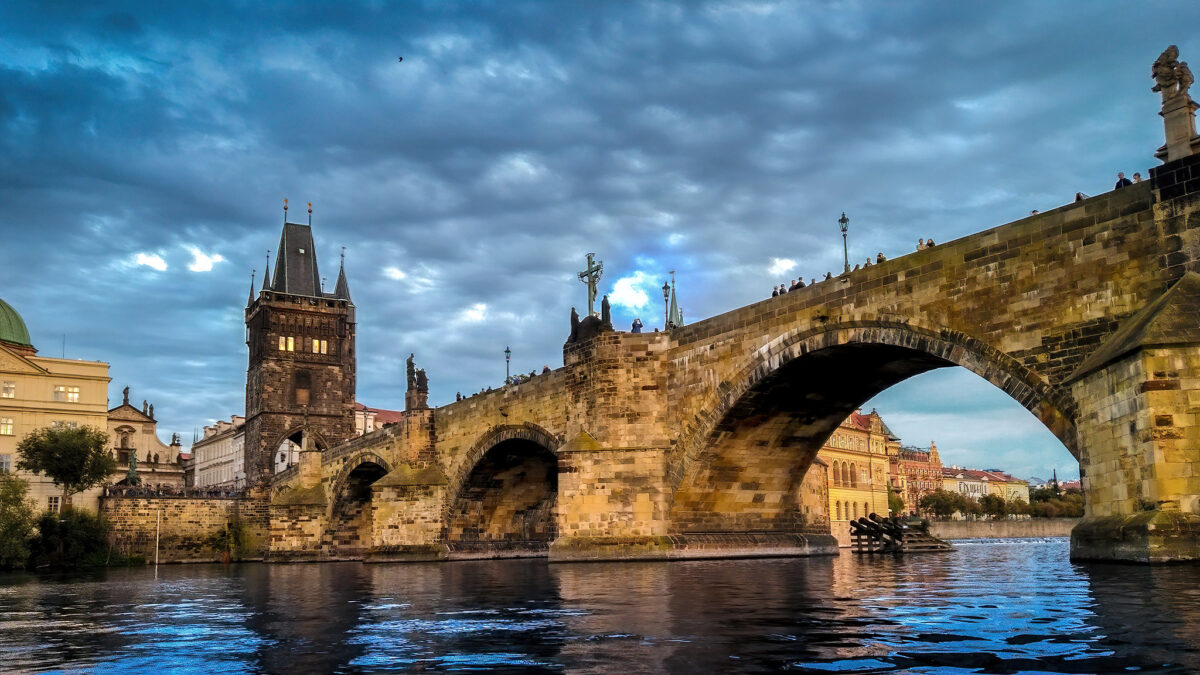
The Charles Bridge in Prague is where history and legend meet. Construction began in 1357 under King Charles IV, and—according to folklore—the first stone was laid at 5:31 a.m. on July 9, a perfectly symmetrical moment (135797531) believed to bring good luck.
Adorned with 30 statues of saints added centuries later, it has served as both a vital trade route and a cultural artery for over 600 years. Today, it’s a place where artists, musicians, and tourists mingle under the same stones that medieval merchants once crossed.
Stari Most
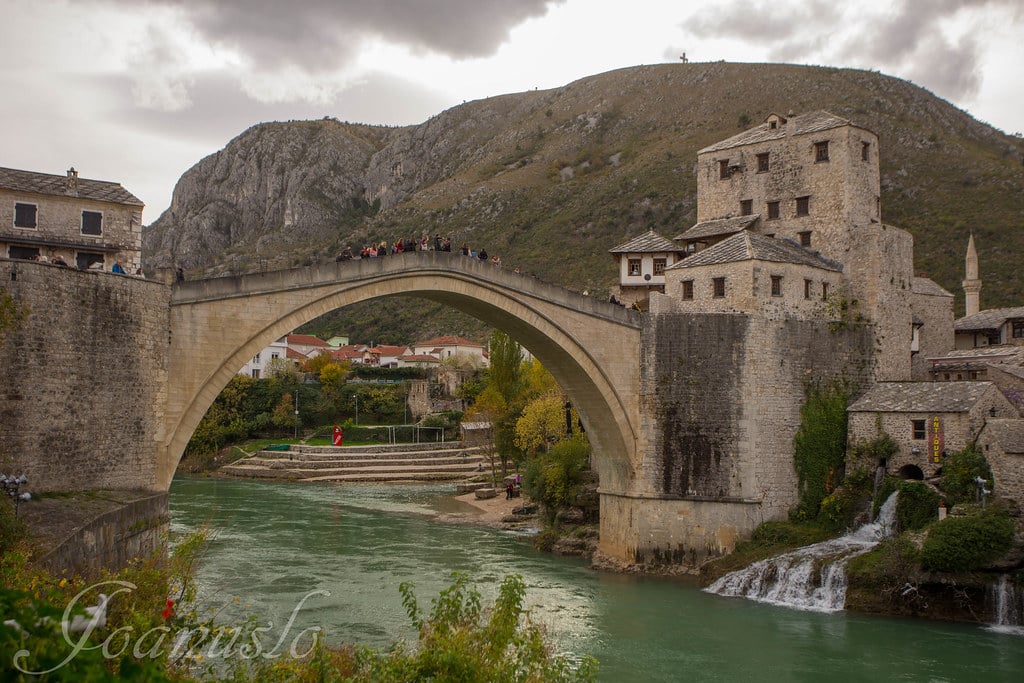
In Bosnia and Herzegovina, the Old Bridge of Mostar tells a story of heartbreak and hope. Built by the Ottomans in 1566, it stood for more than four centuries before being destroyed during the Bosnian War in 1993.
Its collapse wasn’t just physical—it symbolized a fractured nation. But when UNESCO rebuilt it in 2004 using the same limestone and ancient techniques, it became something greater: a monument to unity and reconciliation.
Stari Most now stands as proof that even in the aftermath of devastation, bridges—literal and metaphorical—can be rebuilt.
Like Go2Tutors’s content? Follow us on MSN.
Brooklyn Bridge
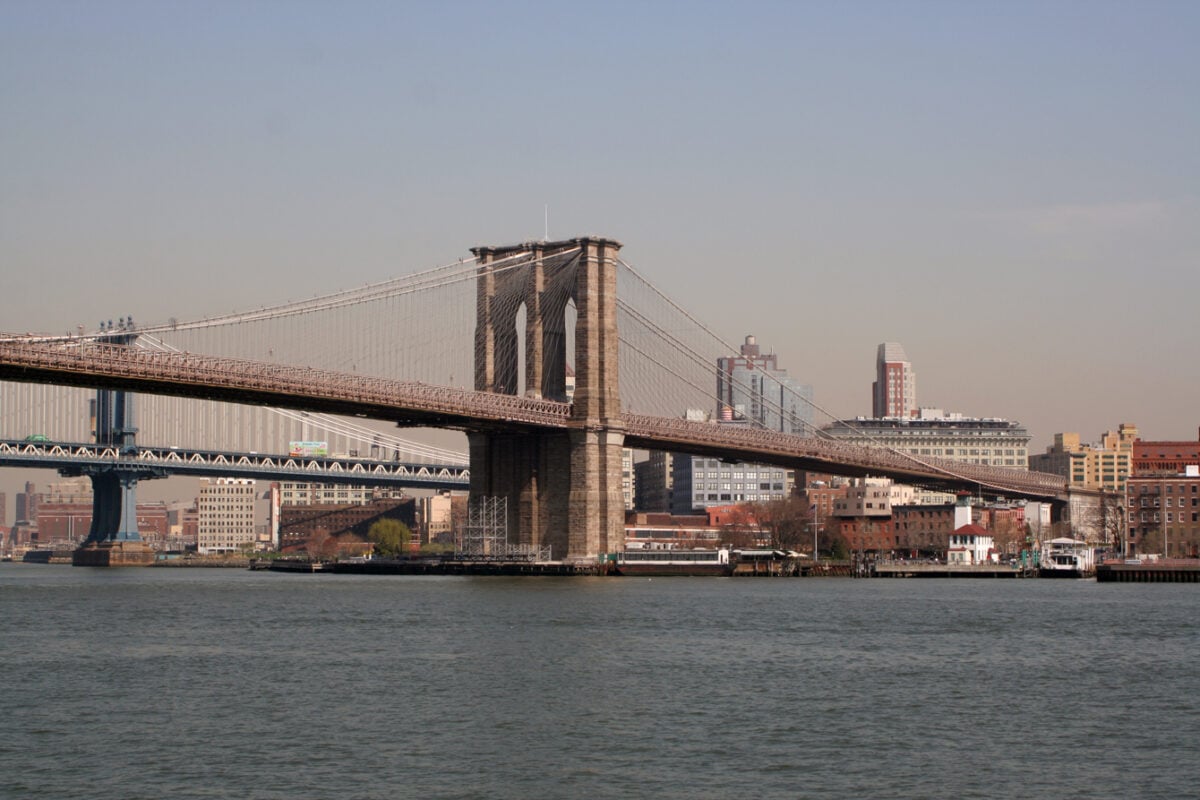
Few structures have captured the soul of New York City quite like the Brooklyn Bridge. Completed in 1883, it was the world’s first steel-wire suspension bridge.
Designed by John Roebling and finished by his son Washington after his death, it became both an engineering marvel and a human triumph. Its Gothic arches have framed countless movie scenes, love stories, and historic moments.
During 9/11, when chaos gripped the city, the bridge became a path of escape—a lifeline connecting hope to survival.
Ponte Vecchio
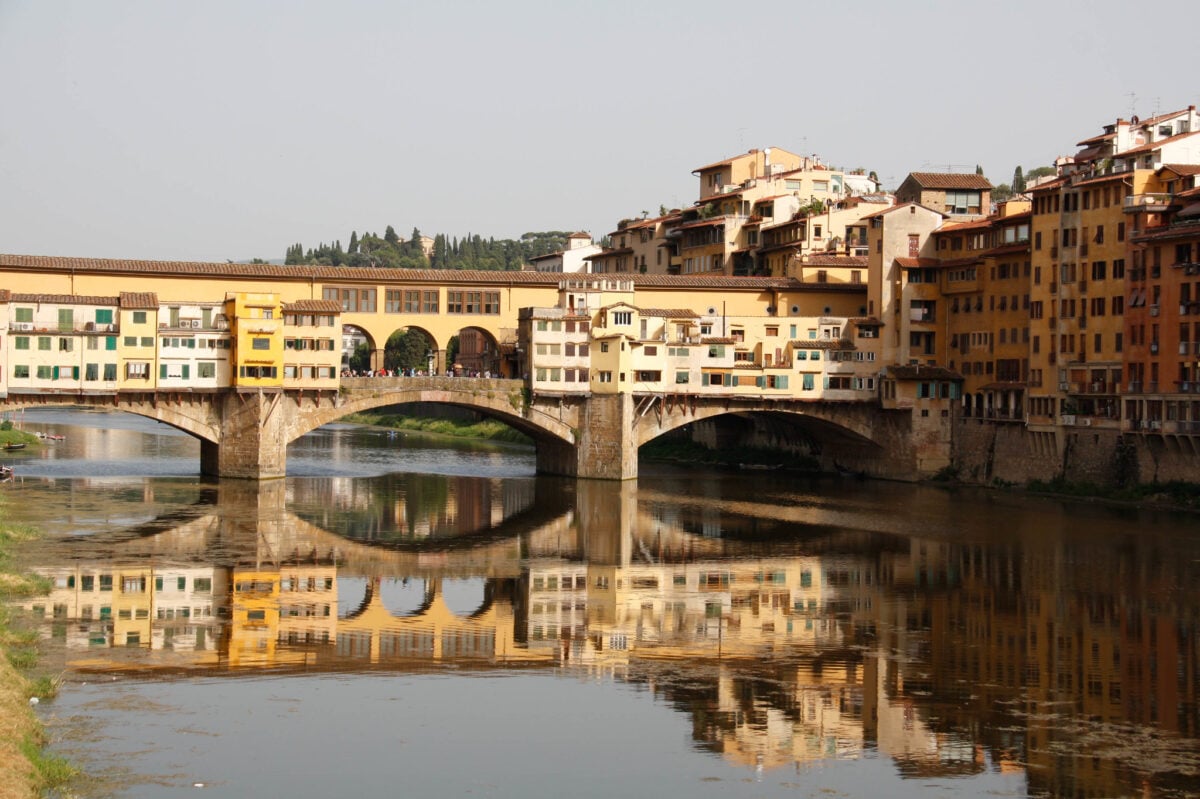
Florence’s Ponte Vecchio feels like a bridge straight out of a painting—and in many ways, it is. Built in 1345, it’s lined with tiny shops once occupied by butchers and fishmongers until the Medici rulers replaced them with goldsmiths.
The Vasari Corridor above allowed the Medici to move between palaces without mingling with the public. It’s said that even Hitler couldn’t bring himself to destroy it during World War II, sparing one of Italy’s most romantic landmarks.
Today, it’s a living relic of Renaissance charm.
Rialto Bridge
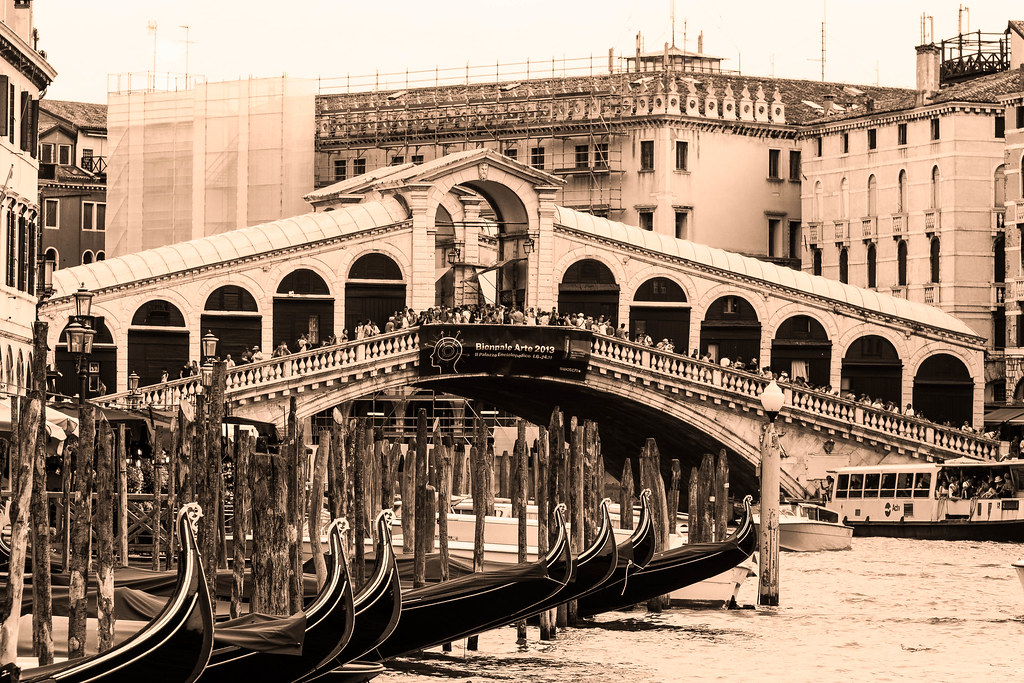
Venice’s Rialto Bridge is the city’s oldest and most famous crossing over the Grand Canal. The current stone bridge, completed in 1591, replaced a series of wooden ones that repeatedly collapsed.
Antonio da Ponte’s design beat out Michelangelo’s—quite literally “out-bridging” one of history’s greatest artists. For centuries, the Rialto has been a bustling market hub where traders and tourists mingle.
Its elegant arch and row of shops have made it one of Venice’s most photographed—and beloved—icons.
Like Go2Tutors’s content? Follow us on MSN.
Si-o-Se Pol
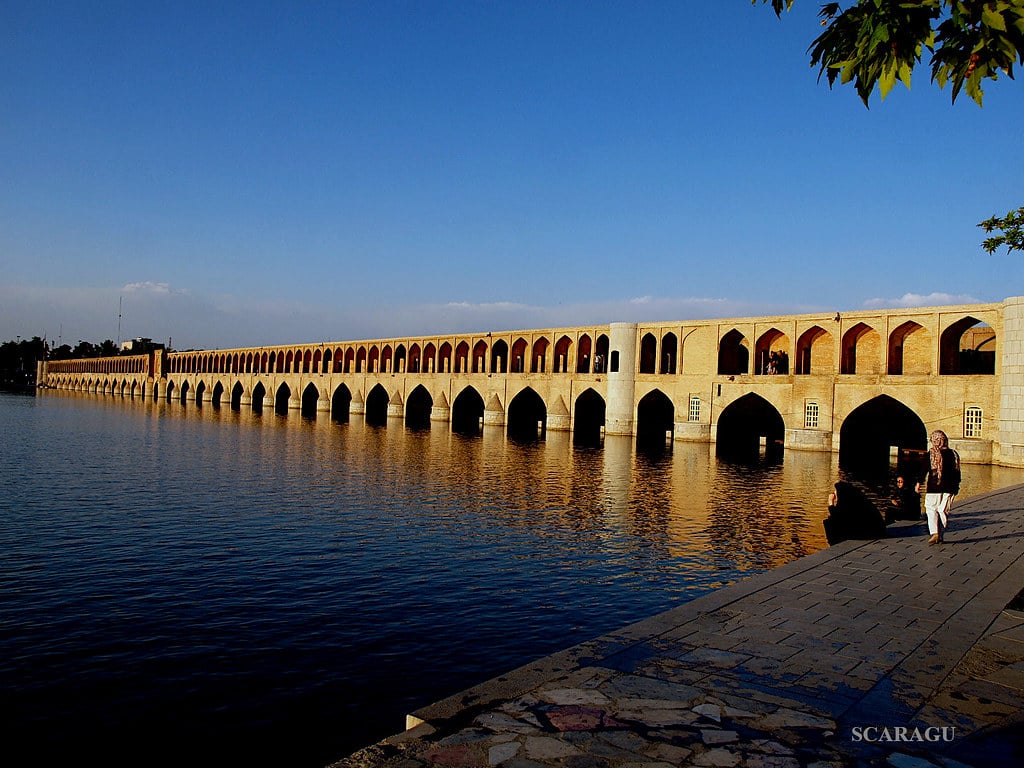
Spanning the Zayandeh River in Isfahan, Iran, Si-o-Se Pol—“the bridge of 33 arches”—is both a masterpiece of Safavid architecture and a gathering place for locals. Built between 1599 and 1602, it served not only as a bridge but also as a dam and festival venue.
Its reflection on the river, when full, creates a mesmerizing double image. Even as the water has faded in recent years due to drought, the bridge remains alive with conversation and laughter—a timeless meeting point of history and humanity.
Akashi Kaikyo Bridge
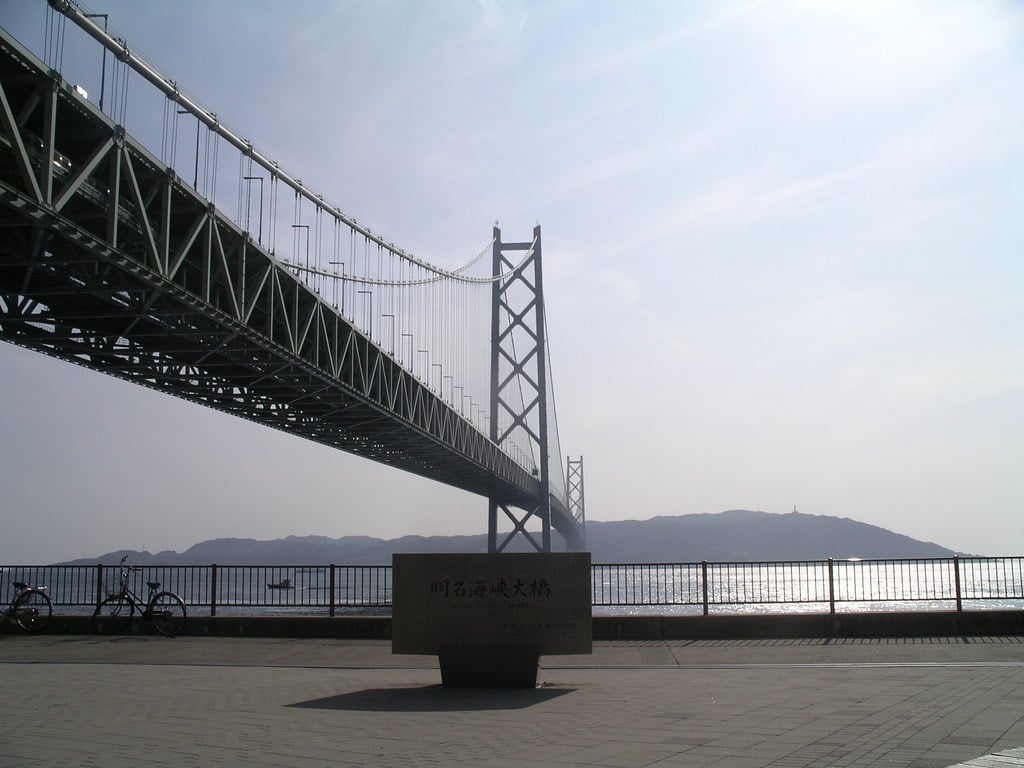
Known as the “Pearl Bridge,” Japan’s Akashi Kaikyo Bridge is a feat of precision. Stretching nearly 1.2 miles across the Akashi Strait, it holds the record for the longest central span in the world.
Construction began after a tragic ferry accident in 1955, and the bridge was engineered to withstand earthquakes and typhoons. When a 7.2 magnitude quake struck during construction, the towers shifted but didn’t fall—a testament to Japanese resilience and meticulous design.
Completed in 1998, it remains a symbol of safety, innovation, and national pride.
Bosphorus Bridge
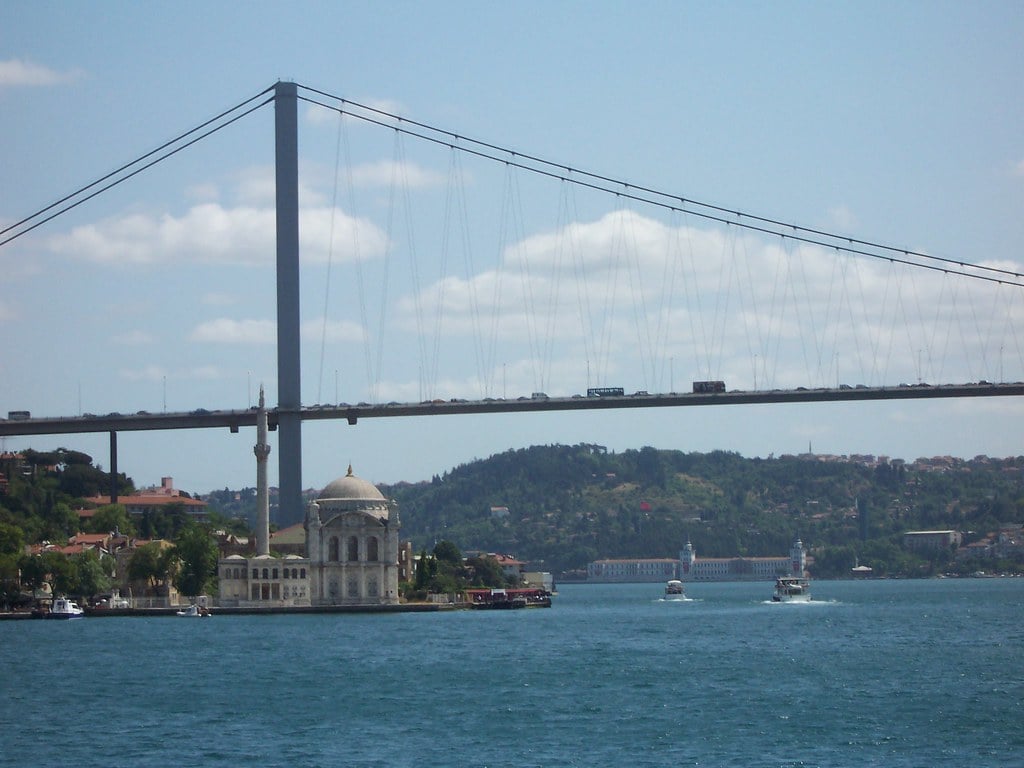
The Bosphorus Bridge in Turkey quite literally connects two continents—Europe and Asia. Completed in 1973, it transformed Istanbul from a city divided by water into one unified metropolis.
The bridge’s graceful silhouette has become a defining image of modern Turkey, blending tradition with progress. Each year, runners cross it during the Istanbul Marathon, proudly saying they ran from one continent to another in a single race.
Like Go2Tutors’s content? Follow us on MSN.
Millau Viaduct
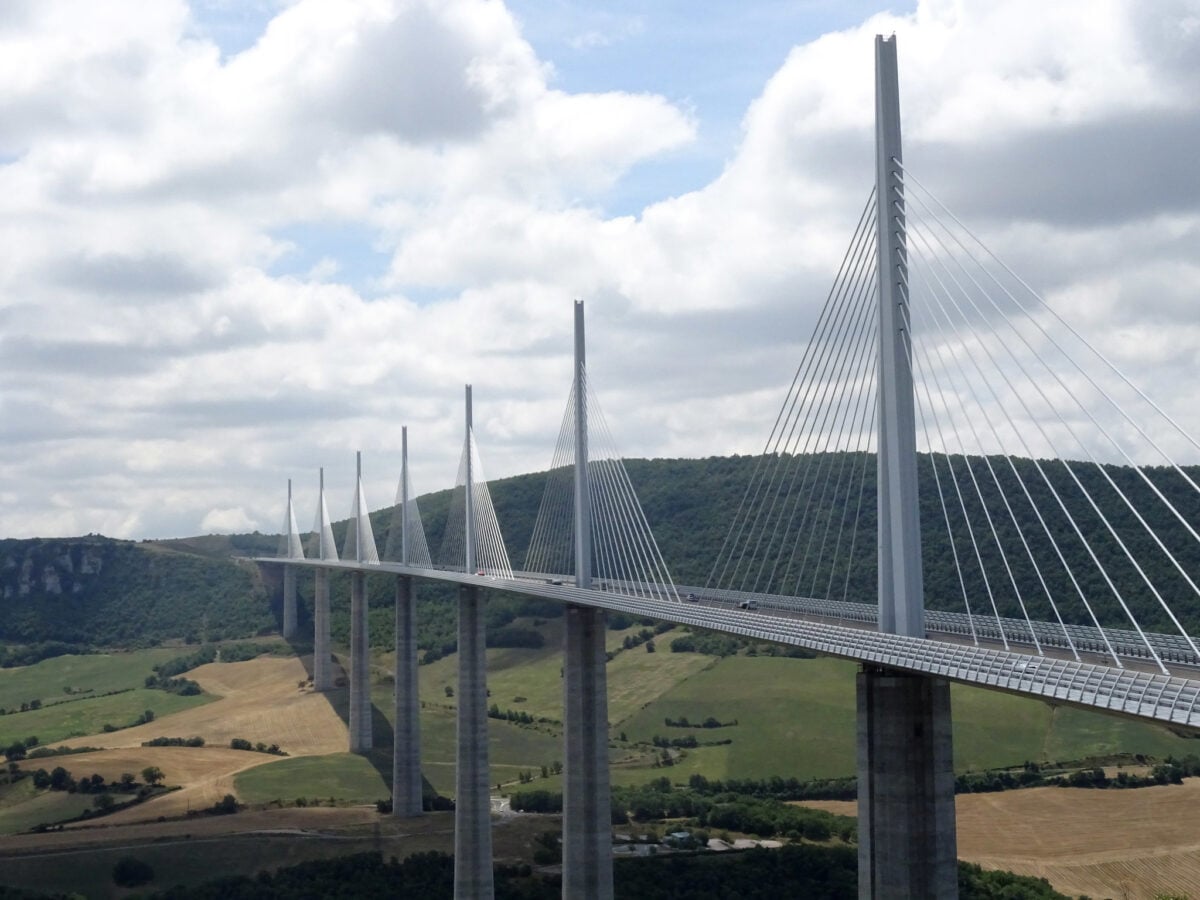
France’s Millau Viaduct doesn’t just cross a valley—it seems to float through the clouds. Opened in 2004 and designed by architect Norman Foster, it’s the tallest bridge in the world, taller even than the Eiffel Tower.
Drivers often slow down just to take in the view, prompting officials to reduce the speed limit. The Viaduct perfectly captures France’s blend of elegance and engineering genius—proof that even the most practical structures can be works of art.
Øresund Bridge
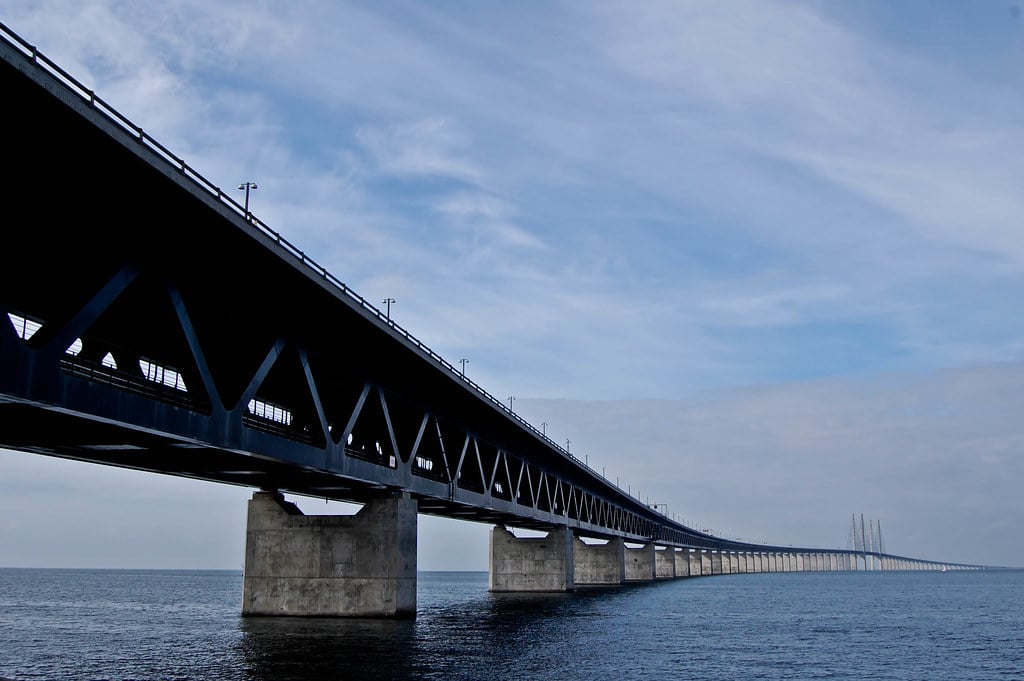
Linking Denmark and Sweden, the Øresund Bridge is a triumph of modern cooperation. The bridge-tunnel combo, completed in 2000, created the first fixed link between Scandinavia and mainland Europe.
What used to require a ferry now takes minutes by car or train. It also starred in the popular TV series The Bridge, which helped make it internationally recognizable.
More than infrastructure, it’s a statement of unity—showing how nations can literally build connections across divides.
Pont du Gard
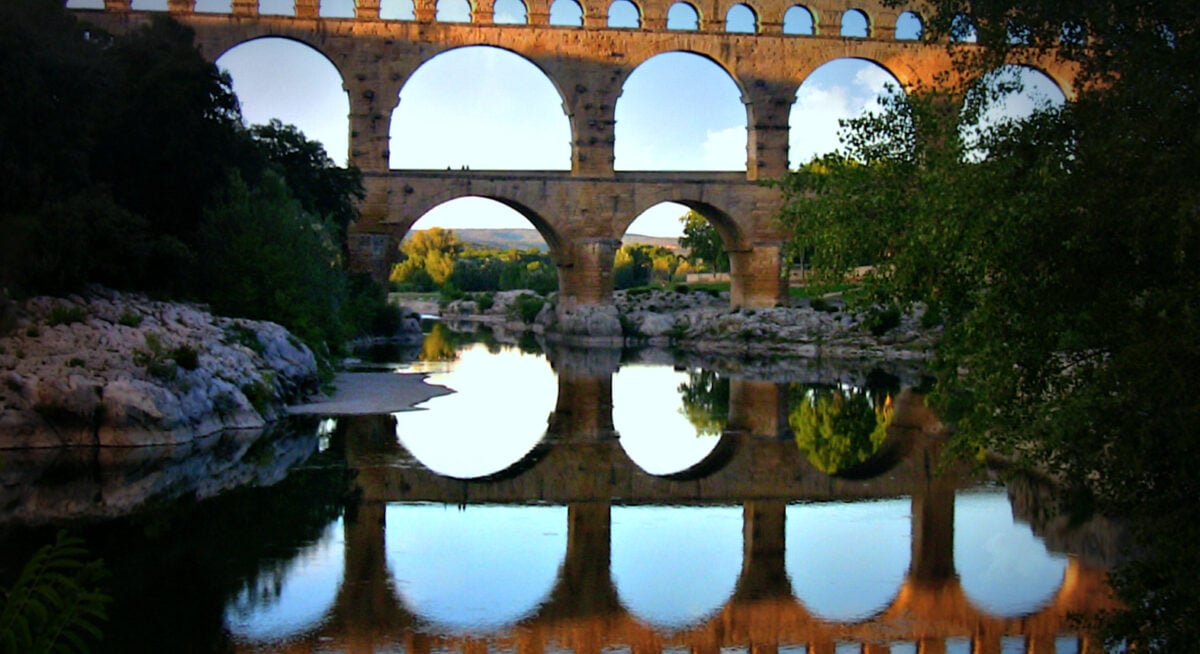
Long before skyscrapers or steel, the Romans were building bridges that still stand today. France’s Pont du Gard, constructed in the first century AD, carried water to Nîmes and remains the tallest Roman aqueduct still intact.
Built entirely without mortar, it’s a masterclass in ancient engineering precision. Nearly 2,000 years later, it’s still here—weathered but magnificent—a reminder that true craftsmanship can outlast empires.
When Stone and Steel Become National Identity
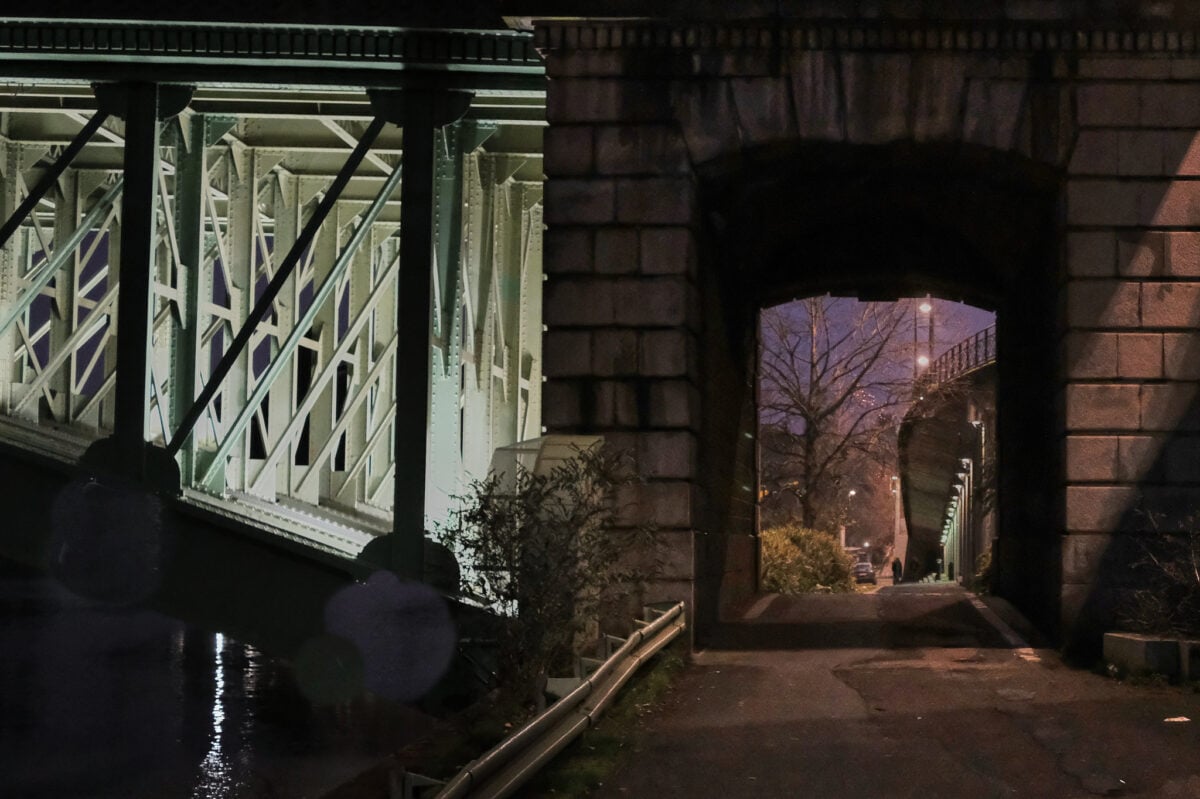
Each of these bridges tells a story that goes beyond design or function. They’ve seen wars, revolutions, festivals, and love stories unfold upon them.
They appear on banknotes, in paintings, and in people’s memories as symbols of connection and endurance. The world keeps building new bridges, but only a few ever reach this level of meaning—where they stop being just structures and start becoming part of a nation’s soul.
More from Go2Tutors!

- 16 Historical Figures Who Were Nothing Like You Think
- 12 Things Sold in the 80s That Are Now Illegal
- 15 VHS Tapes That Could Be Worth Thousands
- 17 Historical “What Ifs” That Would Have Changed Everything
- 18 TV Shows That Vanished Without a Finale
Like Go2Tutors’s content? Follow us on MSN.