16 toy trends born in cereal boxes
For decades, opening a new cereal box meant more than just accessing your morning breakfast. It was like unwrapping a present, complete with the anticipation of discovering what treasure lay buried beneath all those crunchy flakes or colorful loops.
These tiny plastic prizes became cultural phenomena, launching playground trading economies and creating some of the most memorable childhood moments of the 20th century. From the early 1900s through the early 2000s, cereal companies transformed simple breakfast foods into must-have items by including everything from miniature figurines to glow-in-the-dark gadgets.
Moving Picture Books

W.K. Kellogg was the first to introduce prizes in boxes of cereal with the Funny Jungleland Moving Pictures Book in 1909. This book featured a unique design with a tri-fold outer cover and interior pages divided into vertical strips, allowing children to mix and match different animal heads, bodies, and feet.
By 1912, Kellogg’s had distributed 2.5 million Jungleland books, with the promotion running until 1937.
Pin-Back Buttons

In 1945, Kellogg inserted pin-back buttons into each box of Pep cereal, featuring U.S. Army squadrons as well as characters from newspaper comics. There were five series of comic characters and eighteen different buttons in each set, with a total of ninety in the collection.
These small collectibles turned kids into walking advertisements while giving them something to trade with friends.
3D Sports Cards
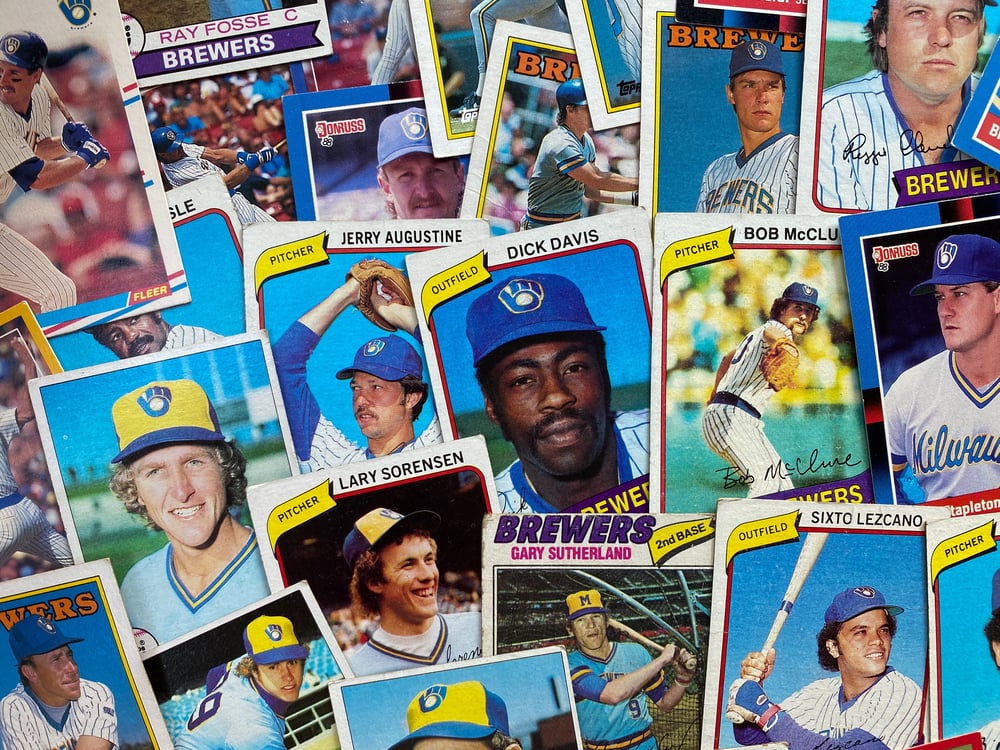
Kellogg’s 3D Baseball and Football Cards produced by Optigraphics were a big hit from 1970 to 1983 in packages of Kellogg’s cereals, initially Corn Flakes and later other brands. These weren’t your ordinary trading cards – they featured a special 3D effect that made the players appear to jump right off the card.
Kids would tilt them back and forth, watching their favorite athletes seem to move in three dimensions.
Mini License Plates
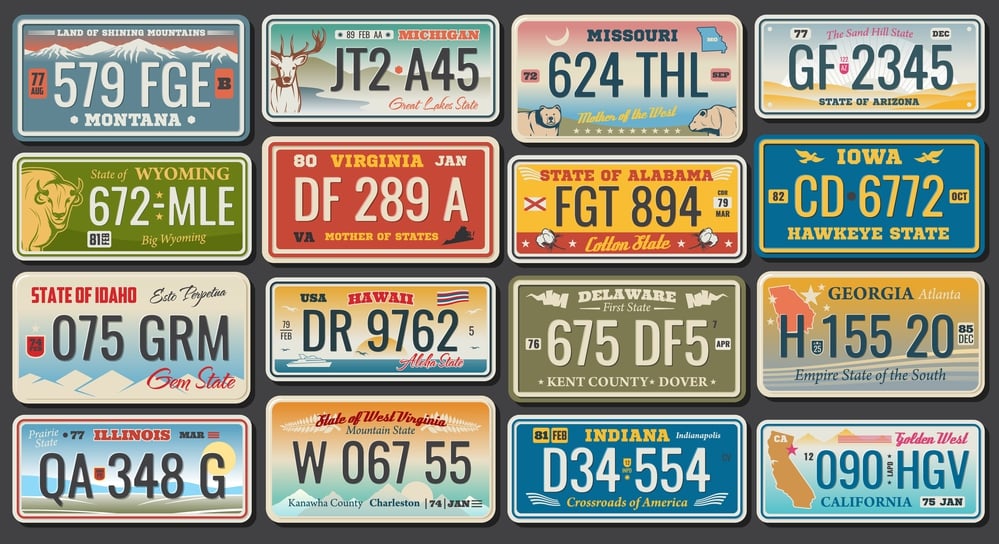
General Mills started the trend by putting the plates in Wheaties boxes in the 1950s. Each plate featured the name of a different U.S. state, and they quickly became collectible items.
Thirty years later, Post revived the trend, placing license plates in boxes for cereals like Alpha-Bits and Honeycomb, with sayings that reflected each state’s culture, like ‘AMERICA’S DAIRYLAND’ for Wisconsin.
Monster-Themed Toys
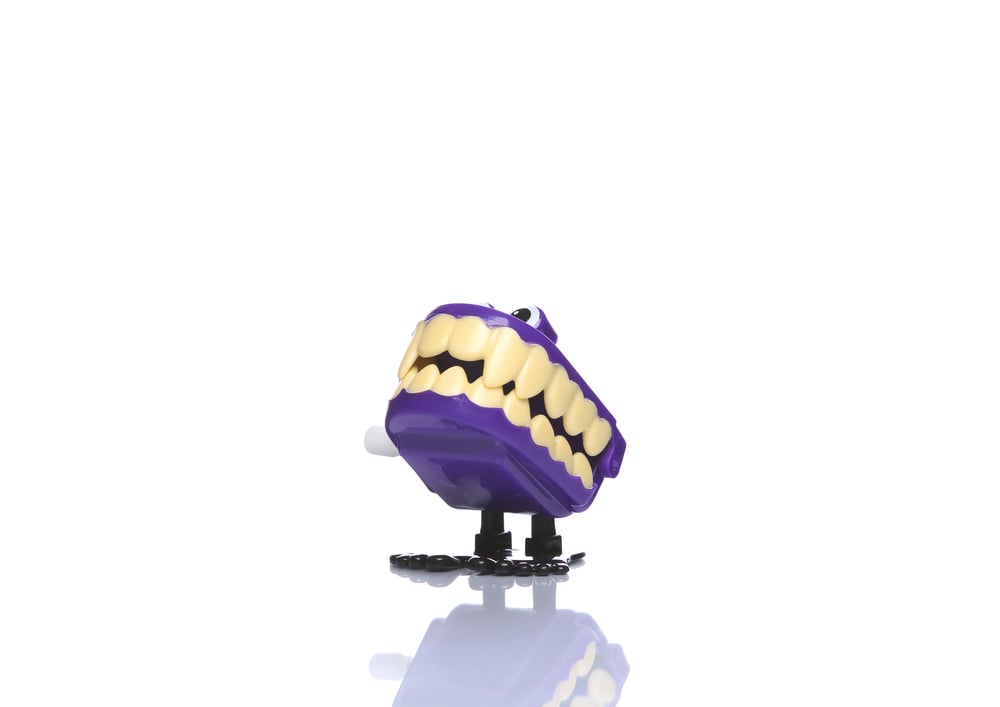
The 1970s brought us some truly memorable monster mascot merchandise. Monster Mitts were found in Honey-Comb cereal in 1974 – cheap plastic gloves with ghoulish designs, including one that looked like skin unzipping to expose bones and another with blue veins and an eyeball.
Around 1975, there were four bike spinners available in boxes of Count Chocula, Franken Berry, Boo Berry and Fruit Brute that you would snap onto handlebars.
Stretch Pets
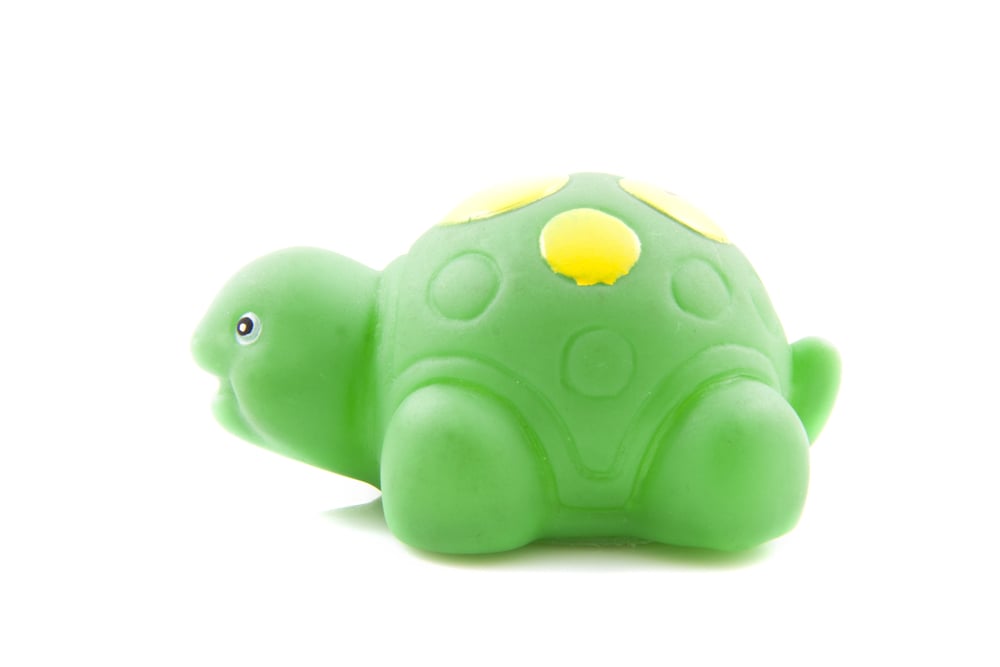
In the 1970s, Kellogg’s introduced stretch pets to its lineup of in-box gifts, found in Ricicles, Apple Jacks, and Sugar Pops cereals. There were eight plastic animals in the series, each standing just an inch and a half tall, including a dog, buzzard, cat, elephant, monkey, rhinoceros, alligator, and fish.
The prizes had connecting parts that allowed them to stretch and bend thanks to their accordion-like mechanism.
Wacky WallWalkers
Around 1986, Kellogg’s Froot Loops and Corn Pops offered what is sometimes sold in toy stores as Wacky Tacky Octopus Wall Walkers in four glow-in-the-dark colors. These sticky toys could be thrown at walls where they would slowly tumble and crawl downward.
The glow-in-the-dark feature made them perfect for nighttime entertainment, and collecting all four colors became a mini obsession for many kids.
Pirate Treasure Chests
In the 1970s, Quaker Oats included a small plastic treasure chest inside Cap’n Crunch cereal boxes containing tiny gold coins and other pirate-themed trinkets. These toys perfectly matched the adventurous spirit of Cap’n Crunch’s maritime theme.
Kids would dig through their cereal like real treasure hunters, and the tiny gold coins became valuable currency in playground economies.
Dissolving Dino Eggs

In the 1980s, Post’s Fruity Pebbles introduced Dino Eggs as a cereal box prize – small plastic eggs containing miniature dinosaur figures that would slowly dissolve when placed in water, revealing the dinosaur inside. This toy capitalized on kids’ fascination with both dinosaurs and The Flintstones cartoon that promoted the cereal.
The anticipation of waiting for the egg to dissolve added an element of suspense to the toy experience.
Transforming Robots

Kellogg’s Starbots were small robot toys that could transform into various shapes, inspired by the booming popularity of Transformers in the 1980s. These miniature transformers gave kids a taste of the larger, more expensive toys that dominated toy stores.
Though simple in design, they satisfied the desire to have something that could change from one form to another.
Digital Watches
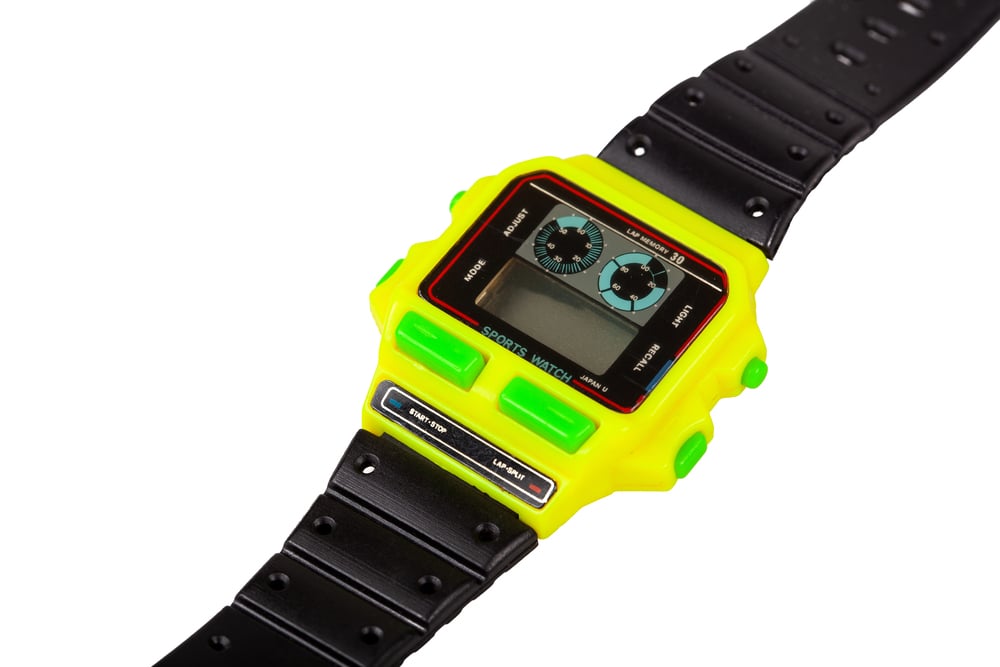
When Swatch watches were wildly popular in the 1980s, Honeycomb jumped on the bandwagon with its own line of plastic-banded watches that displayed the date and time in bright colors with graphic designs. These weren’t just toys – they were functional timepieces that kids could actually wear to school.
The digital displays made them feel futuristic and grown-up.
Glow Tubes
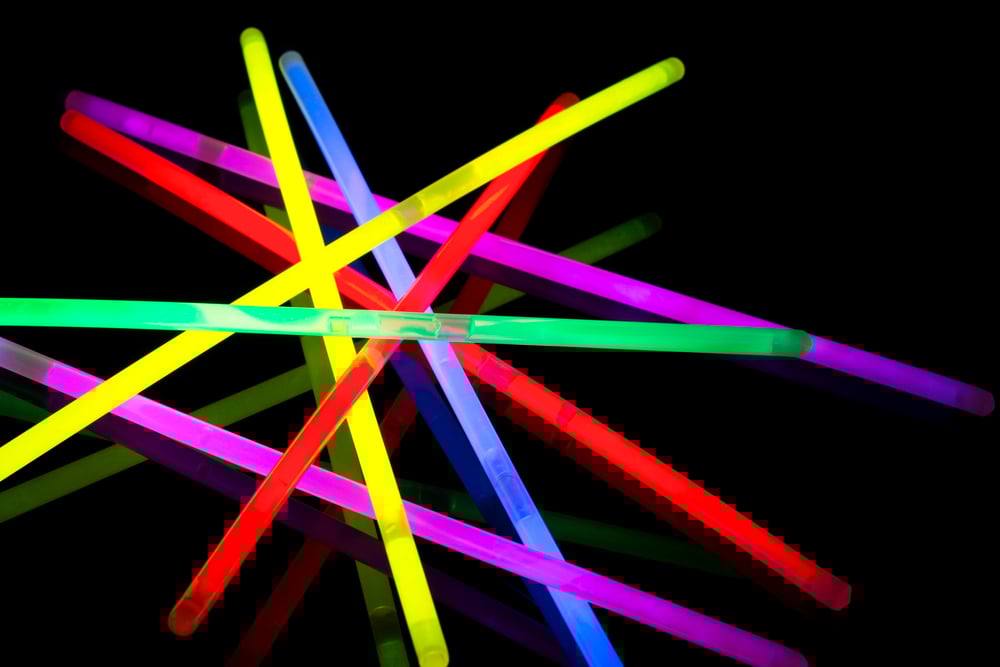
Kellogg included a small, bracelet-sized version of the tubes in some of its cereals, tapping into the popularity of the toy as well as kids’ love for anything that would shed a little light in their darkened bedrooms. These simple plastic tubes contained glow-in-the-dark material that would charge up during the day and emit an eerie green light at night.
They were perfect for reading under the covers or creating spooky shadow effects.
Bike Reflectors
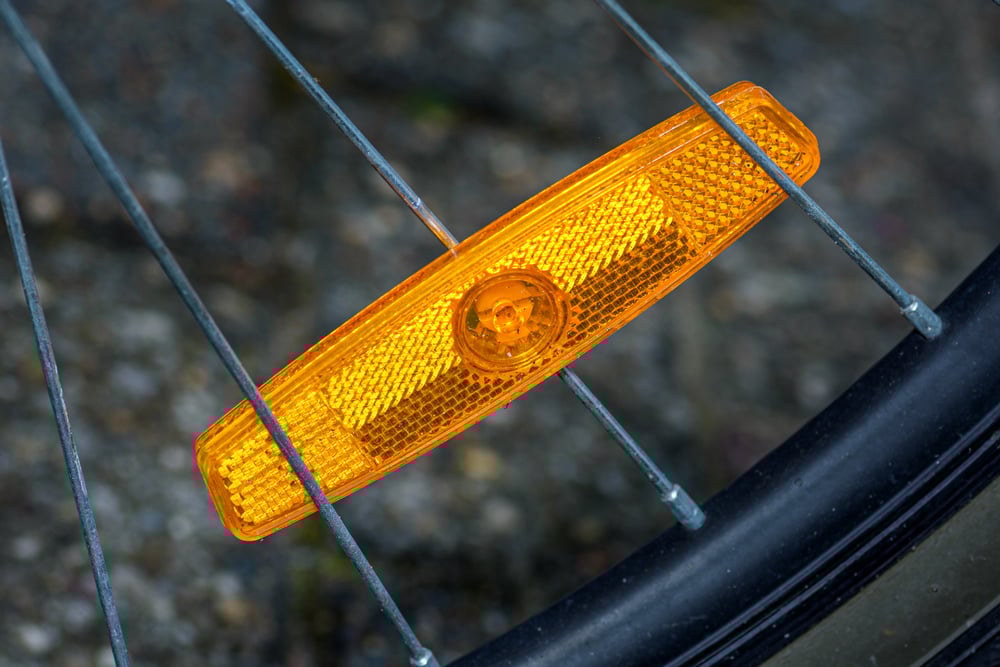
Around 1976, Post Super Sugar Crisp cereal offered a two-sided bike reflector in the shape of Sugar Bear that looked like he was gripping the spokes of a bike tire. The Garfield bike reflector became one of the most coveted cereal prizes, combining kids’ love of Garfield with their fascination for anything that glowed in the dark.
These served the practical purpose of bike safety while being genuinely cool accessories.
Vinyl Records

Cereal lovers got both breakfast and an audio track pressed onto a 45 RPM ‘flexi-disc’ attached to the back of cereal boxes in 1979, featuring monster mascots belting out their scary tales. General Mills released tracks like ‘The Monsters Go Disco,’ ‘Monster Adventures in Outer Space,’ and ‘Count Chocula Goes to Hollywood’.
These actual vinyl records could be played on real turntables, making breakfast time a multimedia experience.
Movie and TV Tie-In Collectibles
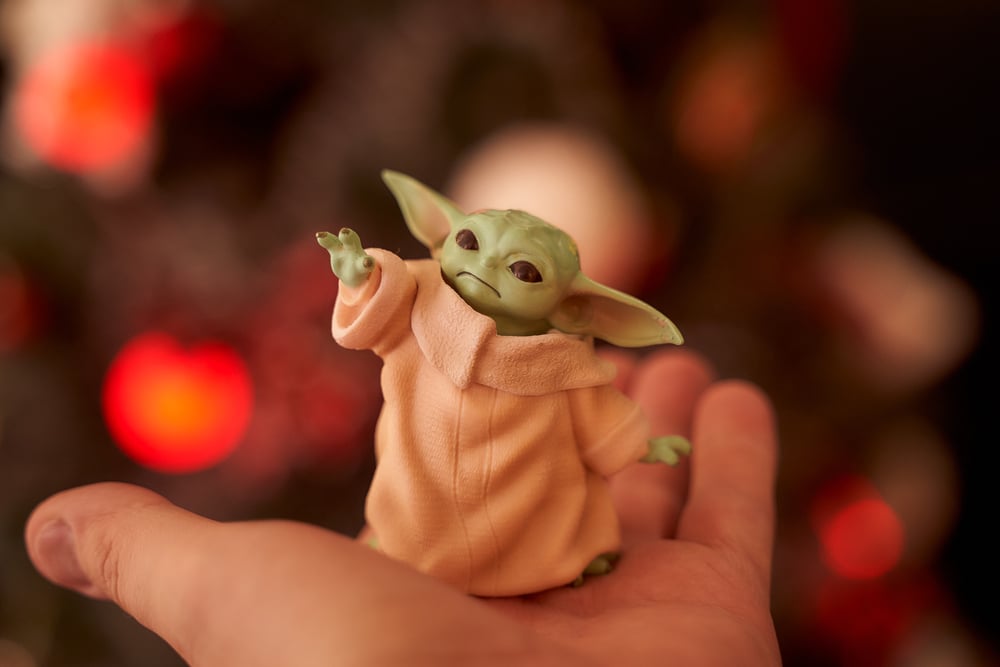
Post partnered with Hanna-Barbera to include miniature figurines of Fred Flintstone and Barney Rubble from ‘The Flintstones’ in boxes of Fruity Pebbles. The 1980s saw an explosion of licensed character toys, with cereals featuring everything from Star Wars to E.T. to Pac-Man themed prizes.
In 2015, General Mills put Minion Buddy figurines in boxes of Honey Nut Cheerios and other cereals to coincide with the release of the film Minions.
Atomic Age Novelties

Perhaps the most shocking cereal prize in history was the atomic bomb ring found in boxes of Kix cereal in 1947, which actually contained polonium-210, a toxic radioactive isotope. The ring featured a silver warhead, red tailfin, and an adjustable gold band with lightning bolts, and it glowed in the dark due to radioactive decay.
While obviously inappropriate by today’s standards, this prize reflected the atomic age fascination of post-World War II America.
When Simple Breakfast Became Cultural Currency

The decline of cereal box toys in the early 2000s marked the end of an era where a simple breakfast food could spark nationwide collecting crazes and playground economies. Safety concerns, environmental issues, and the Children’s Food and Beverage Advertising Initiative of 2005 all contributed to their disappearance.
Today, vintage cereal toys can sell for over $100 on eBay, proving that what once cost nothing but a box of cereal has become genuine treasure for collectors who remember the thrill of digging through their breakfast for that perfect little prize.
More from Go2Tutors!

- The Romanov Crown Jewels and Their Tragic Fate
- 13 Historical Mysteries That Science Still Can’t Solve
- Famous Hoaxes That Fooled the World for Years
- 15 Child Stars with Tragic Adult Lives
- 16 Famous Jewelry Pieces in History
Like Go2Tutors’s content? Follow us on MSN.