Most Influential Video Games of the 1980s
The 1980s weren’t just about big hair, neon clothes, and cassette tapes. It was also the decade when video games exploded into living rooms, arcades, and pop culture.
These early games laid the foundation for everything the gaming world has become today. Some were simple, others more complex, but each one left a mark that’s still felt now.
Let’s go back to the days of joysticks and pixelated screens. Here are the games that didn’t just entertain—they helped shape the future of gaming.
Pac-Man
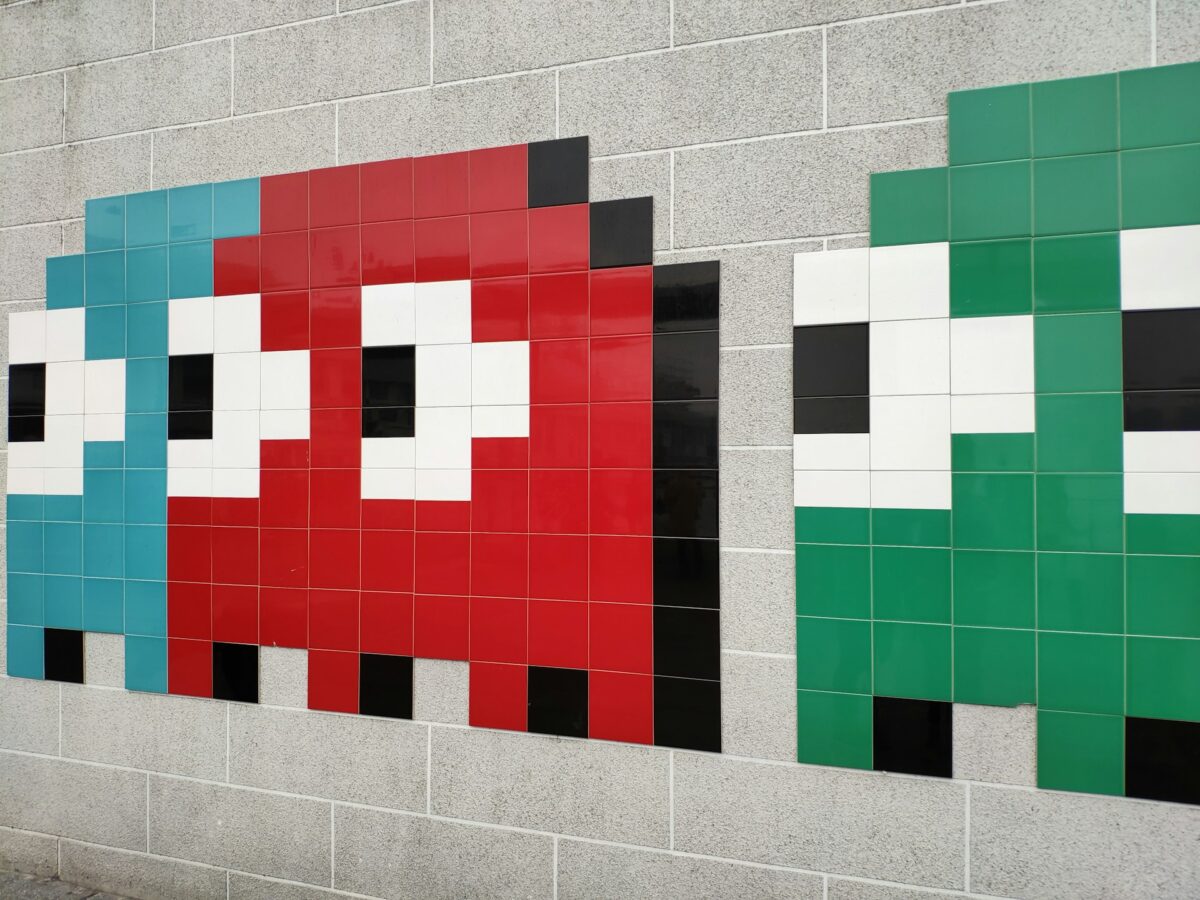
Pac-Man wasn’t just a game. It was a worldwide hit that brought arcade machines into every pizza place and corner store.
With its colorful maze and easy-to-learn gameplay, it grabbed attention fast. It also appealed to a broader crowd, including people who had never played games before.
Pac-Man became a symbol of the whole arcade era.
Super Mario Bros.
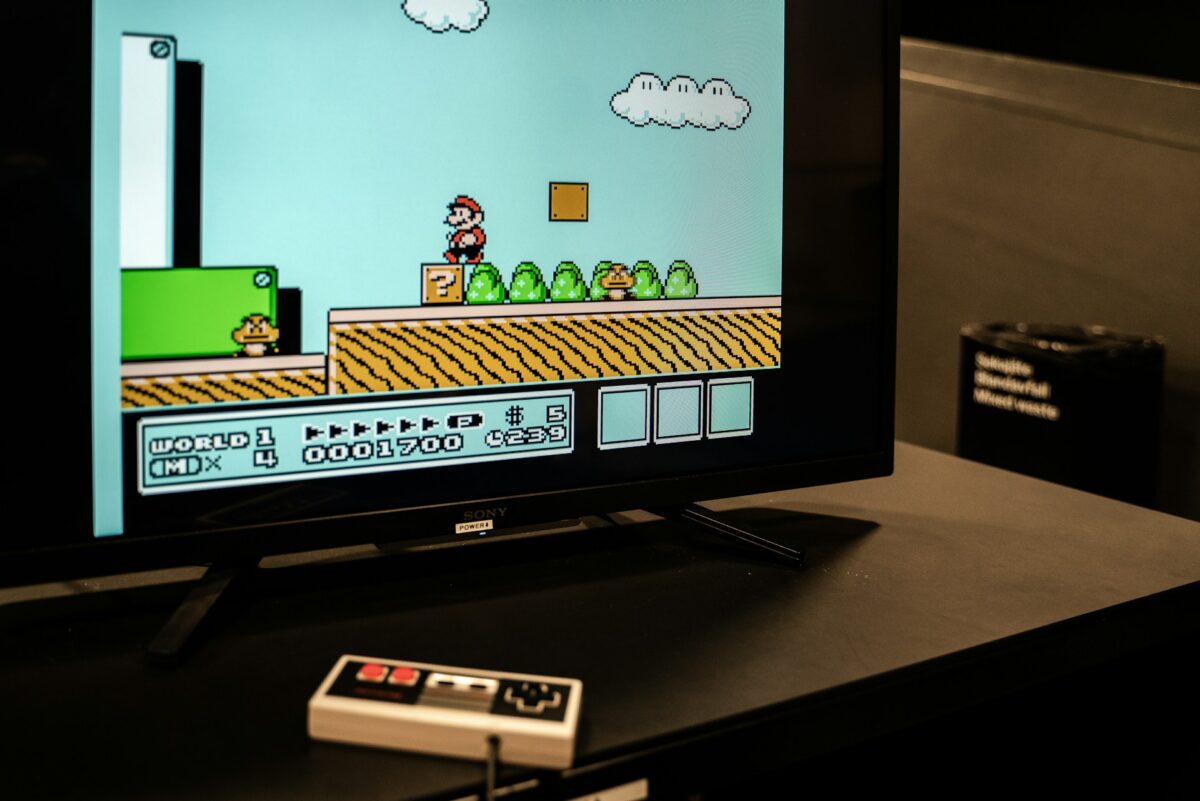
When Super Mario Bros. hit the NES in 1985, it changed everything. It brought smooth side-scrolling action and clear goals to home consoles.
The game had secrets, power-ups, and catchy music that players still remember. It helped save the home gaming industry after the 1983 crash.
Mario quickly became one of the most recognizable characters in the world.
Like Go2Tutors’s content? Follow us on MSN.
Tetris
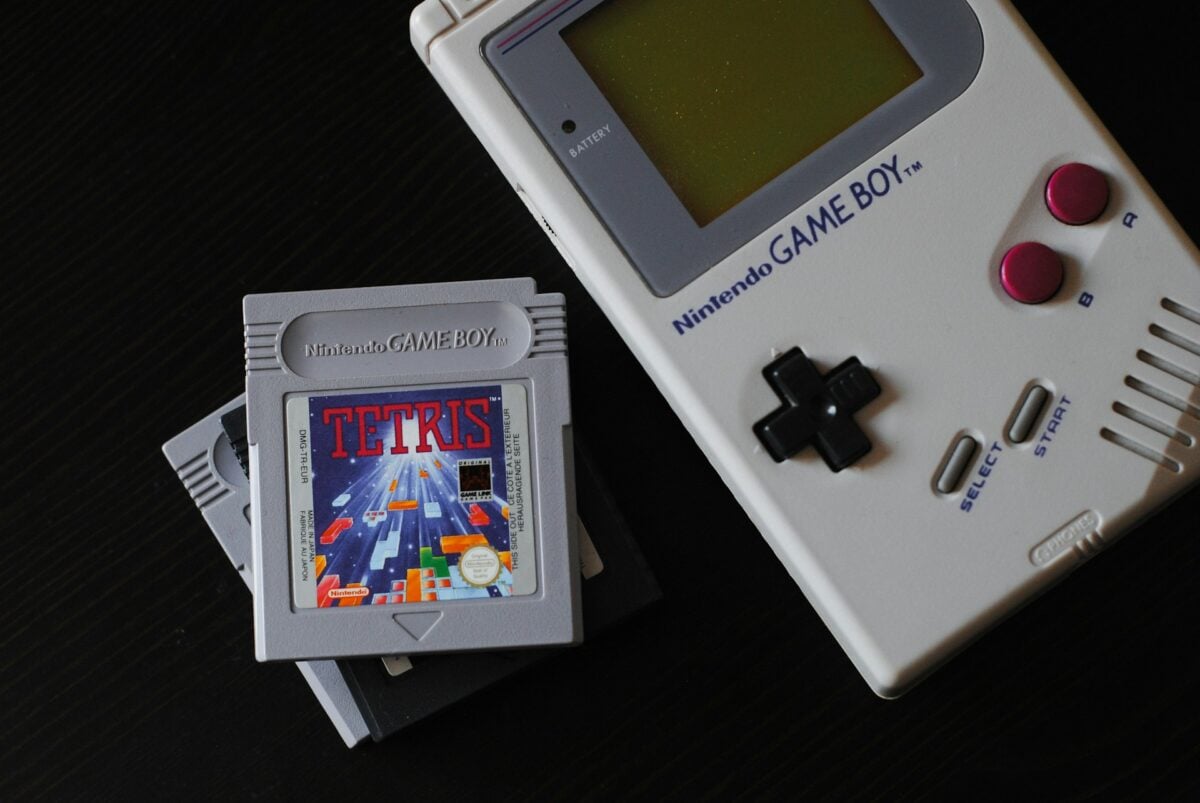
Tetris didn’t need a story or characters to become addictive. Its falling blocks and simple controls made it easy to pick up but tough to master.
The game came from the Soviet Union and spread quickly after being bundled with the Game Boy. Tetris showed that puzzle games could be just as exciting as action ones.
Even today, it’s hard to find someone who hasn’t played it at least once.
The Legend of Zelda
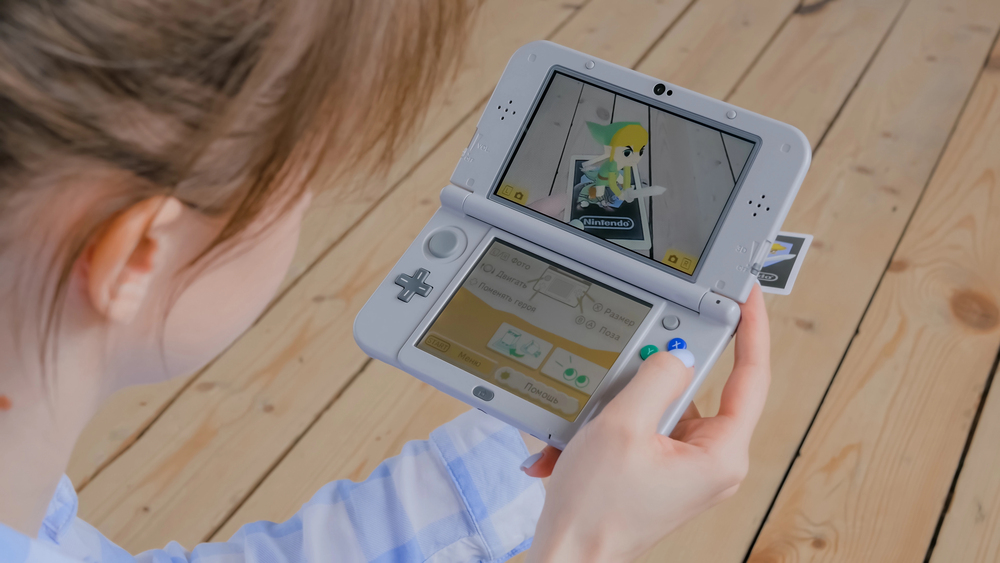
Zelda mixed action, adventure, and exploration in a way that felt fresh in 1986. Players had to find hidden paths, solve puzzles, and defeat bosses—all without being told exactly where to go.
It made players think and explore instead of just reacting. The battery save feature also let players continue their journey later, which was a big deal back then.
Donkey Kong
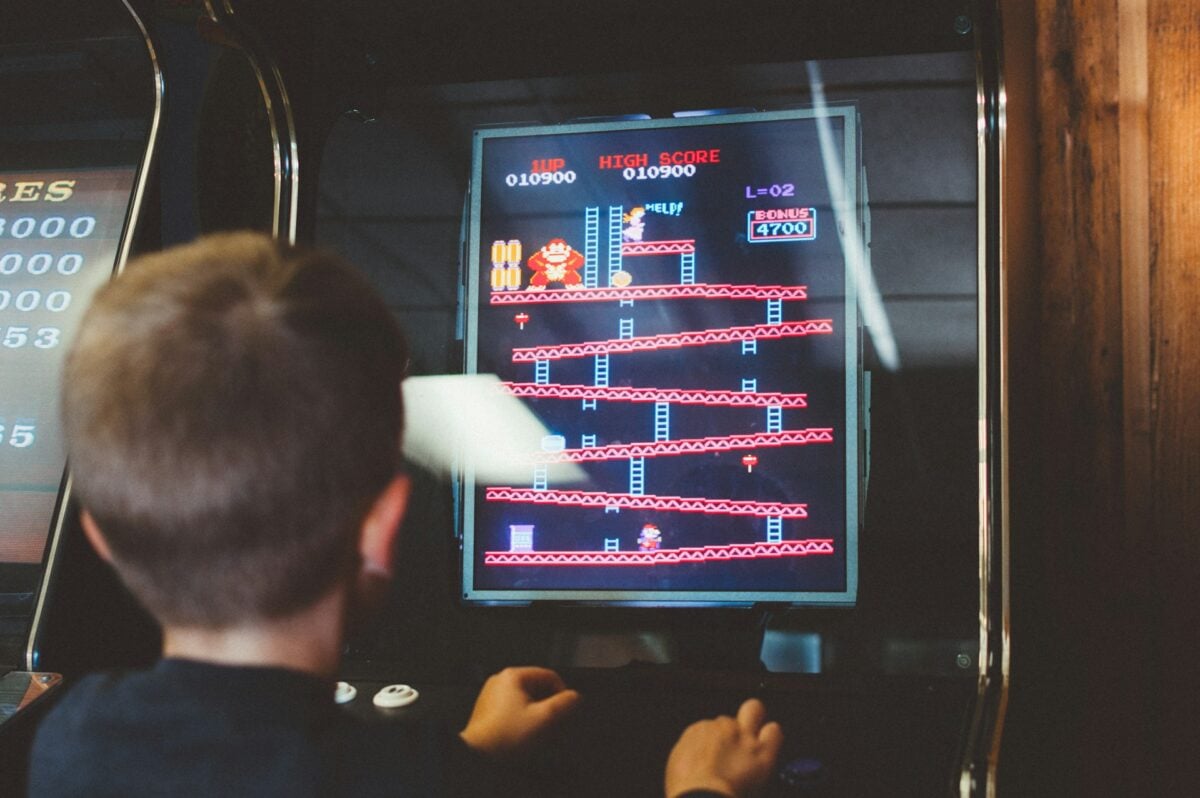
Before Mario was saving Princess Peach, he was jumping over barrels in Donkey Kong. This game introduced both Mario and his early rival, a giant ape named Donkey Kong.
It had a simple story and tough gameplay that drew players in. Donkey Kong helped set the stage for future platformers.
It also showed how games could have personality with just a few pixels.
Like Go2Tutors’s content? Follow us on MSN.
Space Invaders
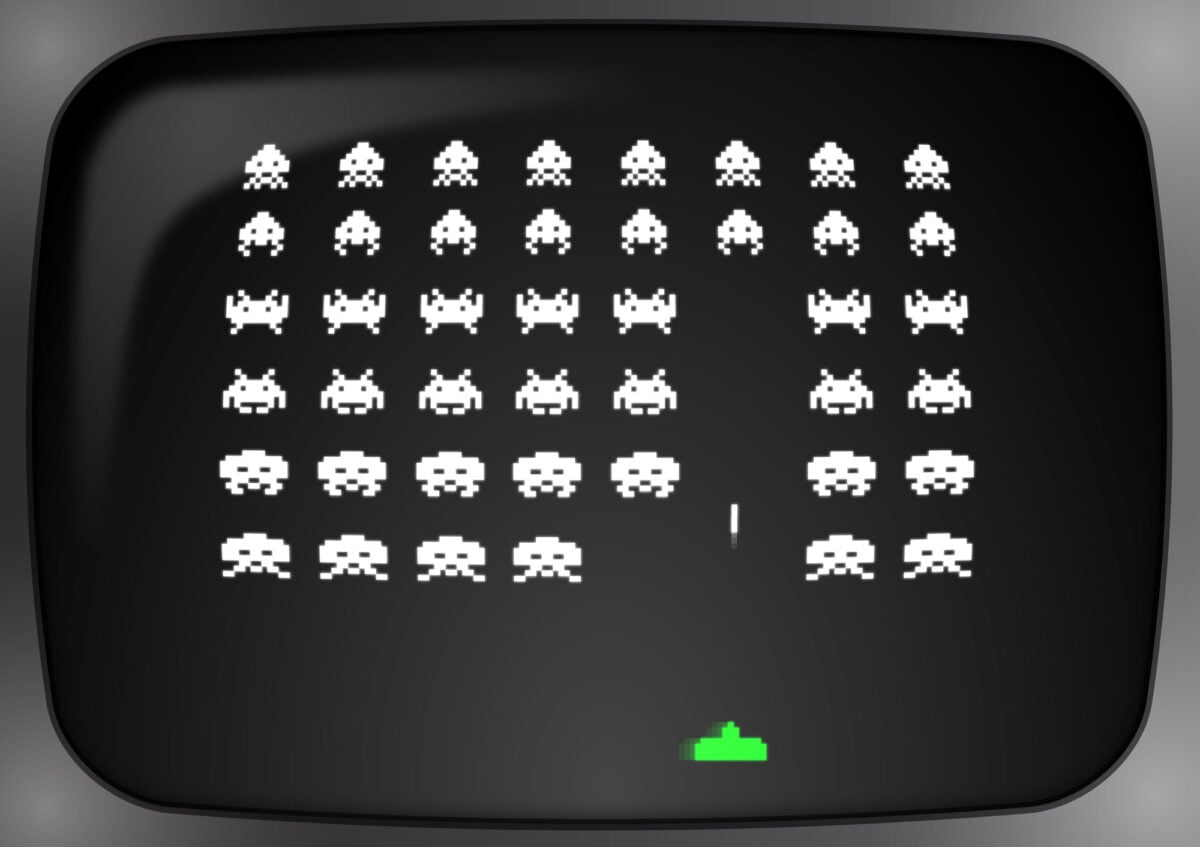
Launched in the late ’70s but booming in the early ’80s, Space Invaders helped start the golden age of arcades. The game’s slow-building intensity made players keep dropping coins to try again.
Its success even caused a shortage of coins in Japan for a while. It wasn’t just fun—it was a big business shift for gaming.
Metroid
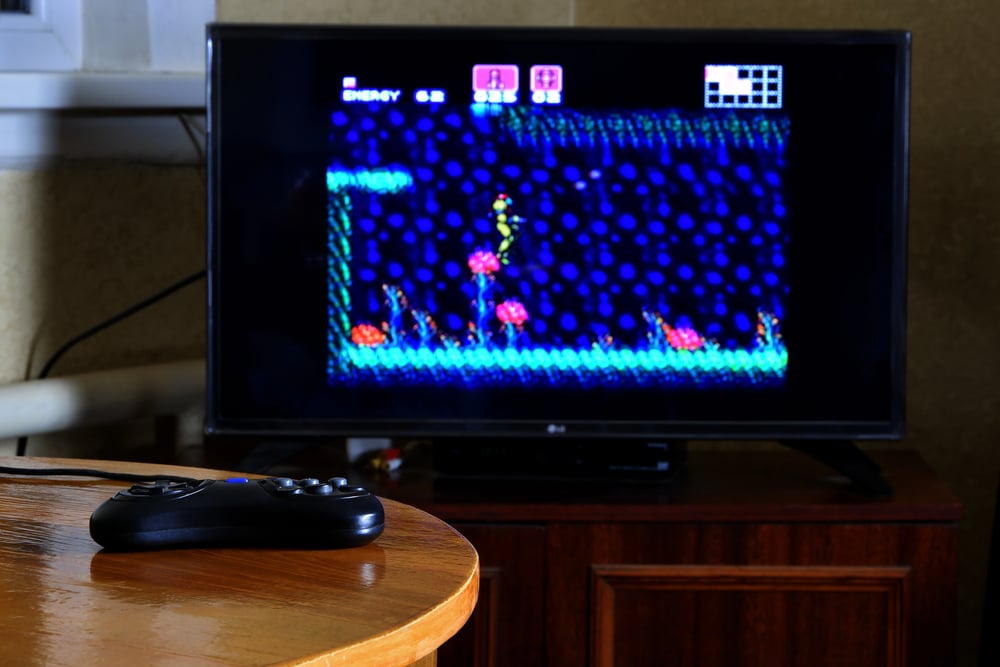
Metroid came out in 1986 and offered something different. It had a dark setting, a mysterious story, and a big world to explore.
What made it stand out was that players had to backtrack and find new ways through places they had already seen. It gave a new kind of depth to games.
Plus, revealing the main character was a woman surprised a lot of players in a good way.
Duck Hunt
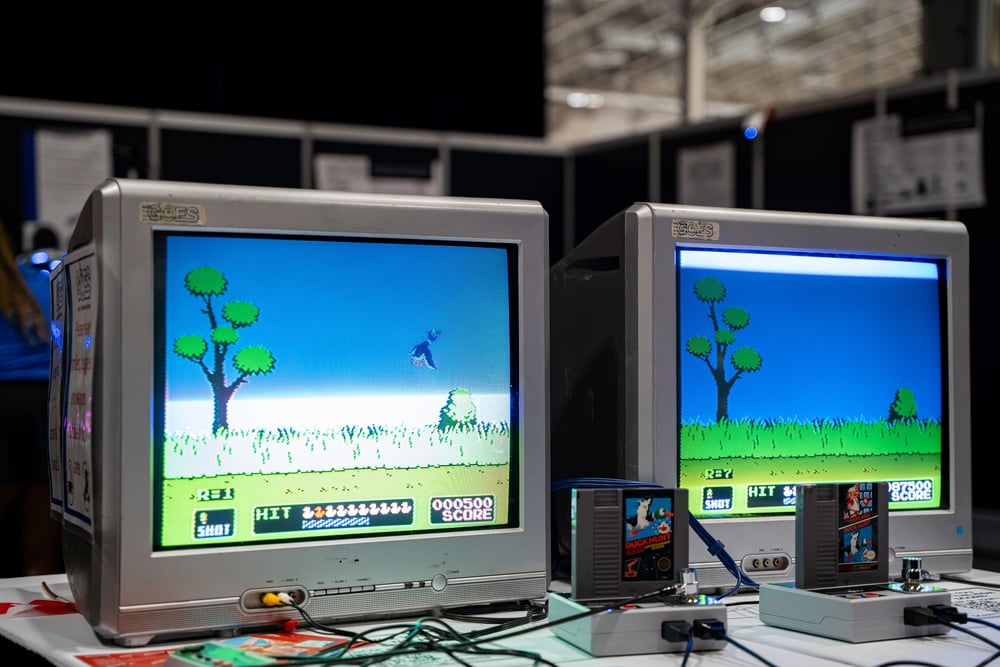
Almost everyone who owned an NES remembers the orange light gun and that laughing dog. Duck Hunt used special tech that let players aim at the screen to shoot flying ducks.
It was simple, but it felt new and fun. It made home gaming more interactive at a time when most games used just buttons and joysticks.
Like Go2Tutors’s content? Follow us on MSN.
Frogger
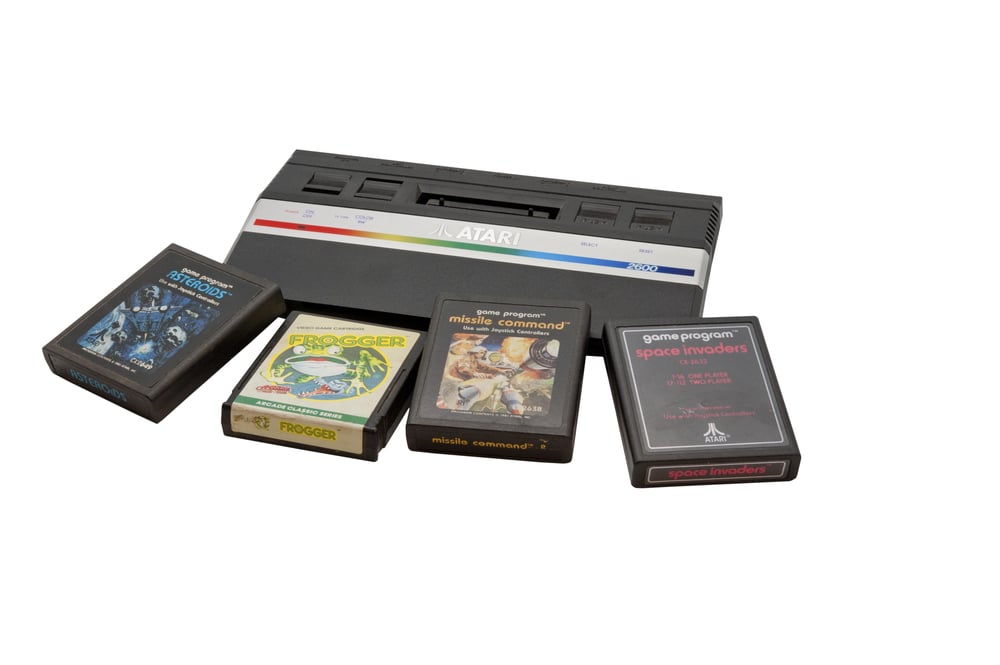
Frogger turned crossing the road into a challenge that took perfect timing. The goal was simple—get the frog across a busy street and a river.
But the moving cars, logs, and alligators made it harder than it looked. The game’s catchy music and colorful style made it easy to love.
It showed how small ideas could turn into big hits.
Punch-Out!!
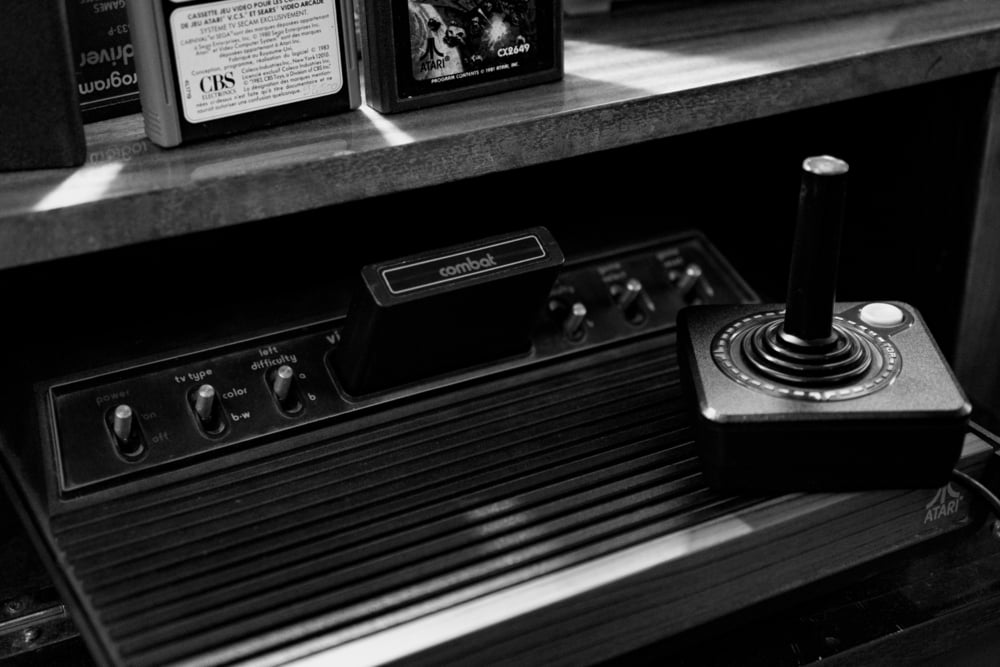
Punch-Out!! mixed rhythm and pattern memory into a boxing match. Players faced off against bigger and tougher opponents, each with their own quirks.
The animations were lively, and the challenge was just right to keep people playing. It added personality to sports games in a way that stood out at the time.
Castlevania
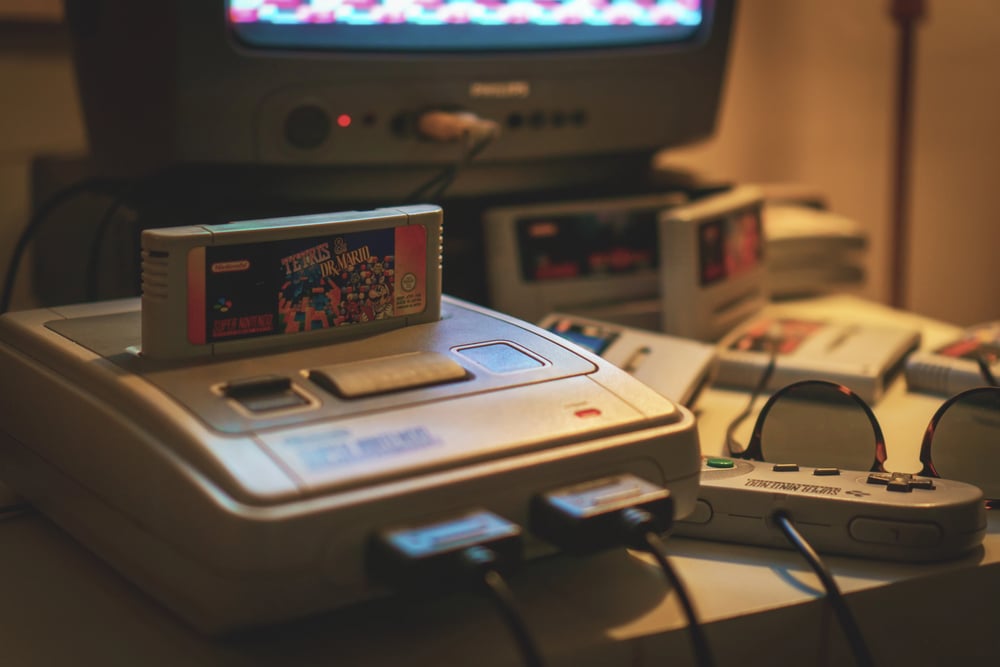
Castlevania brought action and horror together in 1986. Players battled ghosts, skeletons, and Dracula himself with a trusty whip.
It was known for its high difficulty and gothic style. Castlevania helped set up the kind of dark, serious stories many games use today.
It also laid groundwork for a whole new game genre years later.
Like Go2Tutors’s content? Follow us on MSN.
Dragon Quest
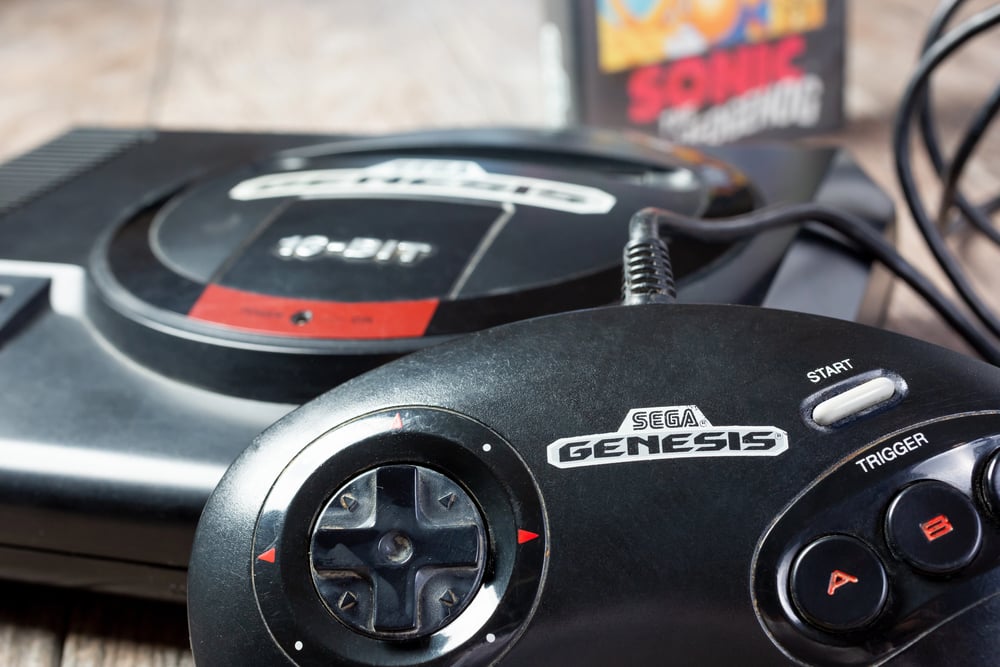
Before big fantasy games became common, Dragon Quest was one of the first to do it right. It gave players a large world, characters to meet, and turn-based battles.
Released in 1986, it inspired many role-playing games that came after it. Without Dragon Quest, there might not be Final Fantasy or Pokémon today.
Final Fantasy
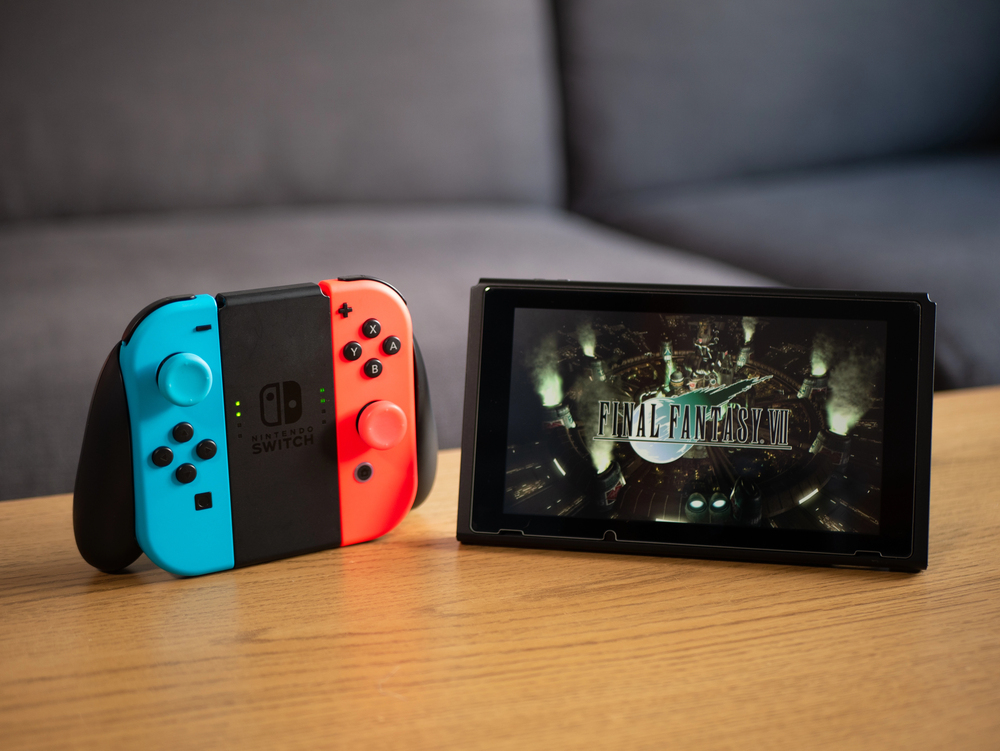
Final Fantasy began as a last attempt by its creators to stay in business. It became a huge hit and started one of the longest-running game series ever.
With its story, music, and world design, it helped raise the bar for what video games could offer. Each version since has added something new, but the roots go back to this original game.
Double Dragon
Double Dragon brought the beat-’em-up genre to a new level. Players could fight together on the same screen, side by side.
It had gritty street fights, combo moves, and even a surprise twist at the end. This kind of cooperative gameplay became a standard in arcades and homes after that.
Like Go2Tutors’s content? Follow us on MSN.
Pitfall!

Pitfall! was one of the earliest platformers on the Atari 2600. It had players jumping over pits, swinging on vines, and dodging creatures.
For its time, it was incredibly ambitious. It showed that home consoles could offer deep gameplay, not just simple shooters.
It’s one of the reasons people saw the Atari as more than a toy.
Gauntlet
Gauntlet let up to four players play at once, which was rare in arcades. Each player picked a unique character like a warrior or wizard.
The game had fast action, voice lines, and huge levels. It encouraged teamwork and friendly competition, which helped it stand out.
Gauntlet brought more social energy into arcades.
Why these games still matter today
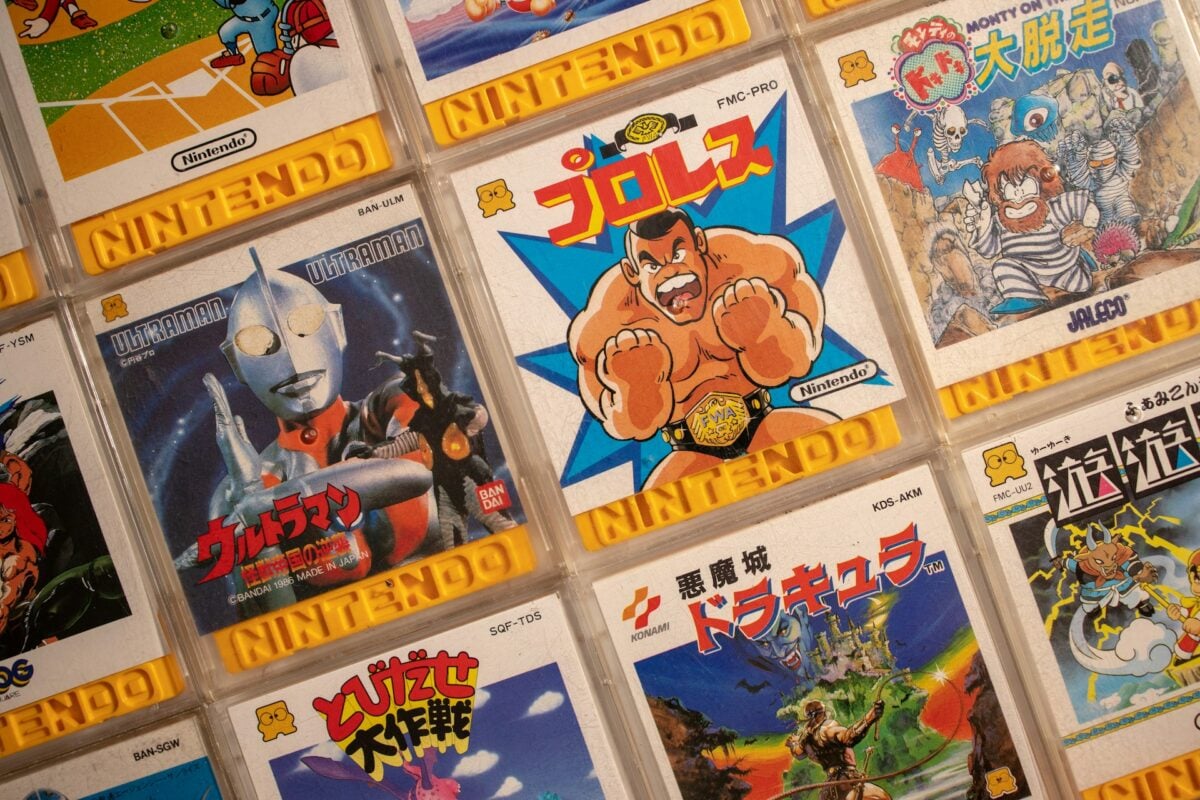
These games weren’t just popular—they were game changers. They shaped how future games were made and what players came to expect.
From story-driven adventures to fast-paced puzzles, the variety in the 1980s built the base for today’s gaming world. The tech has changed, but the ideas behind these classics still show up in games now.
It’s clear that the 1980s didn’t just play games—they defined them.
More from Go2Tutors!

- 16 Historical Figures Who Were Nothing Like You Think
- 12 Things Sold in the 80s That Are Now Illegal
- 15 VHS Tapes That Could Be Worth Thousands
- 17 Historical “What Ifs” That Would Have Changed Everything
- 18 TV Shows That Vanished Without a Finale
Like Go2Tutors’s content? Follow us on MSN.