Tech and Media Firsts You Didn’t Know
History in tech and media isn’t always about the loud moments. Sometimes it’s the small, almost unremarkable “firsts” that end up shaping everything that follows. A short text. A blurry photo. A clunky little game. Here’s a list of surprising beginnings that changed the way people talk, share, and connect.
First Website
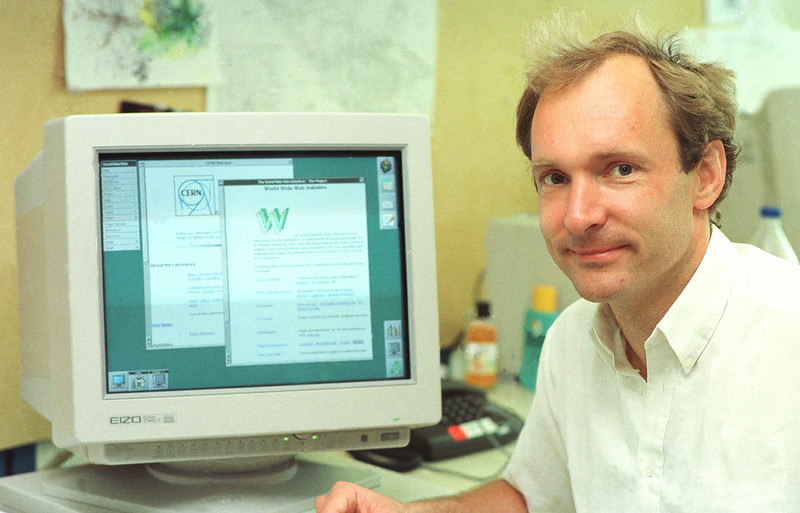
The very first website went live in 1991. Tim Berners-Lee built it to explain the World Wide Web itself — what it was, how to use it, and why it mattered. Plain text, blue links, no pictures. A skeleton of what the internet would become.
First Text Message

In December 1992, the first SMS lit up a screen with two words: “Merry Christmas.” That was it. No emojis, no abbreviations, no predictive text. Hard to believe the endless streams of chatter that followed began with something so simple.
First YouTube Video
— Photo by AllaSerebrina
“Me at the Zoo” made its debut in April 2005. Just 18 seconds long, filmed in front of elephants. The sound quality wasn’t great. Still, this shaky clip cracked open a new era — one where anyone could upload a video and share it with the world. Cat videos, tutorials, music covers. The flood began here.
First Email

Ray Tomlinson sent the first email in 1971, testing a system he had developed. He picked the “@” symbol to connect user and host. A small decision with massive consequences. The exact message? Lost to time. Something forgettable, ironically.
First Radio Broadcast
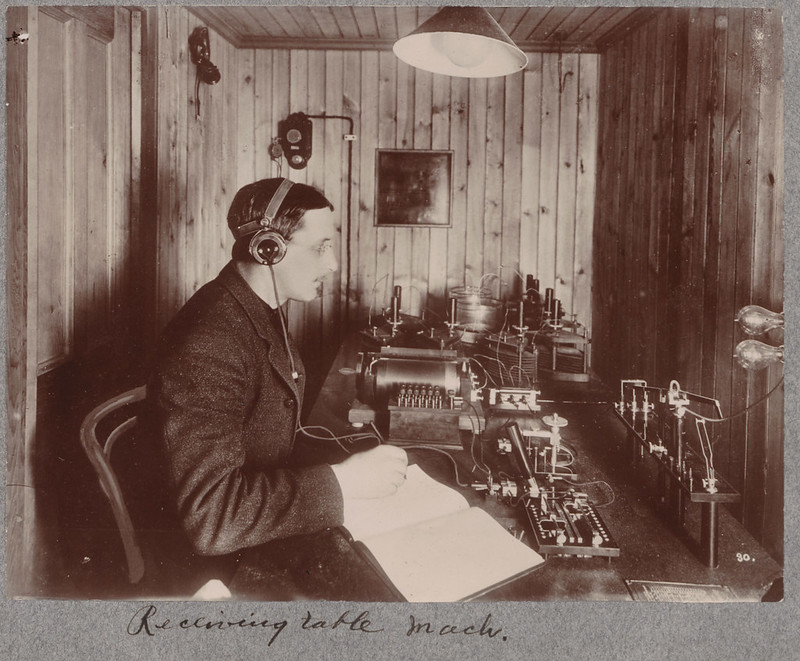
Christmas Eve, 1906. Instead of the expected bursts of code, listeners at sea heard a violin playing and a Bible passage. Reginald Fessenden had sent voice and music over radio waves for the first time. Imagine the shock — music from nowhere.
First Social Media Site

Long before the big names, Six Degrees arrived in 1997. It let users build profiles and link up with friends. It didn’t last — gone by 2001. Still, the seed was planted. Every “friend request” and “follow” traces back to that moment.
First Video Game
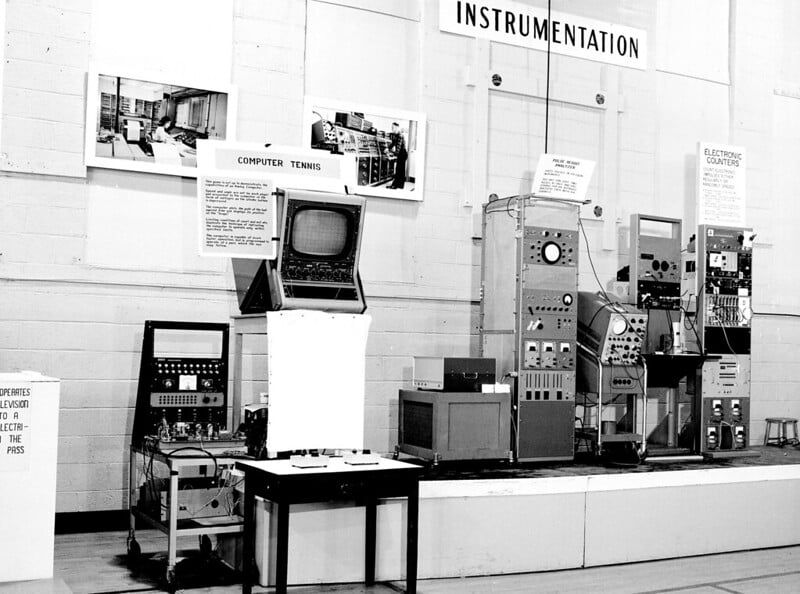
In 1958, “Tennis for Two” appeared on an oscilloscope screen. Two glowing dots, one line. No color, no sound, nothing fancy. Yet it entertained visitors at a science lab and quietly opened the door to decades of gaming that followed.
First Online Purchase

August 1994. The very first secure online transaction was made: a Sting CD bought on NetMarket. Not glamorous, not expensive. But it proved people could safely buy and sell on the internet. And so, the age of online shopping was born.
First Photograph
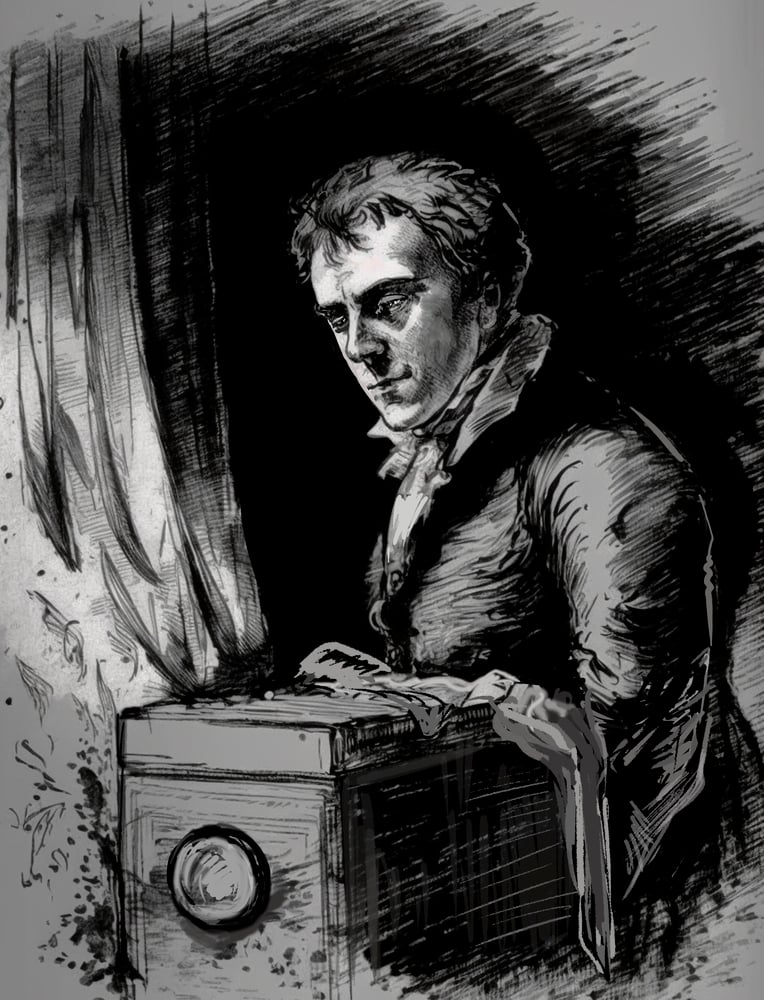
Joseph Nicéphore Niépce took the first permanent photograph in 1826. The subject? The view from his window. Grainy rooftops, washed-out light. Not much to look at, but it lasted — unlike earlier attempts that faded away. The ancestor of every phone snapshot.
First Podcast

Podcasts began in 2004 when audio files were distributed through RSS feeds. A simple workaround that lets people subscribe and listen. Today there are millions of podcasts. Some are short and sharp. Others stretch for hours — good luck finishing those in one commute.
First Online News Site

In 1994, The Palo Alto Weekly became the first newspaper to publish online. The site was basic, with little more than plain text. Still, it marked the shift from print to digital news — a change that would turn the industry upside down.
Small Steps, Big Echoes

None of these firsts seemed extraordinary at the time. They were plain, even dull. Yet from them grew the systems people now use daily — proof that history doesn’t always announce itself loudly. Sometimes it whispers in the form of a short text, a grainy photo, or a shaky video clip.
More from Go2Tutors!

- The Romanov Crown Jewels and Their Tragic Fate
- 13 Historical Mysteries That Science Still Can’t Solve
- Famous Hoaxes That Fooled the World for Years
- 15 Child Stars with Tragic Adult Lives
- 16 Famous Jewelry Pieces in History
Like Go2Tutors’s content? Follow us on MSN.