Secrets Behind the Most Successful Toy Brands
The toy industry looks like it’s all about fun and games, but behind every beloved toy is a story of smart business decisions, lucky breaks, and sometimes total accidents. The companies that dominate toy stores didn’t get there just by making cool products.
They figured out how to market to kids, win over parents, and create trends that lasted for generations. Some toys became hits because of clever advertising, while others succeeded despite their creators having no idea what they were doing.
The gap between a toy that flops and one that makes millions can be surprisingly small. Here’s what really happened behind the scenes at the toy companies that shaped childhood for millions of kids.
Mattel created Barbie after watching a daughter play
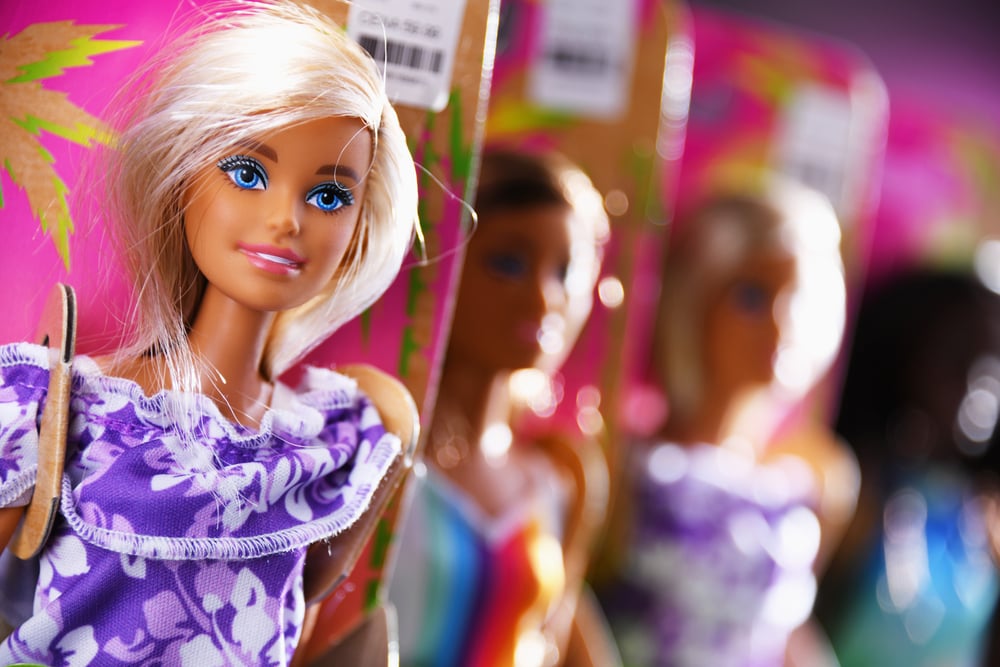
Ruth Handler noticed her daughter Barbara liked playing with paper dolls and giving them adult roles rather than baby or child roles. Most dolls at the time were babies that kids pretended to take care of, but Handler saw that children wanted something different.
She pushed Mattel to create an adult-figured doll despite resistance from her male business partners who thought it was a terrible idea. The doll launched in 1959 and became the best-selling toy in history, proving that Handler understood kids better than the so-called experts.
LEGO almost went bankrupt in the early 2000s
By 2003, LEGO was losing nearly a million dollars every single day and came close to shutting down completely. The company had expanded too fast, creating too many different products and losing focus on what made their building blocks special.
New leadership came in and cut the product line drastically, got rid of theme parks, and went back to basics. They also embraced licensing deals with Star Wars and Harry Potter, which older executives had resisted.
The turnaround worked so well that LEGO became one of the most profitable toy companies in the world within just a few years.
Hasbro bought the rights to G.I. Joe for almost nothing
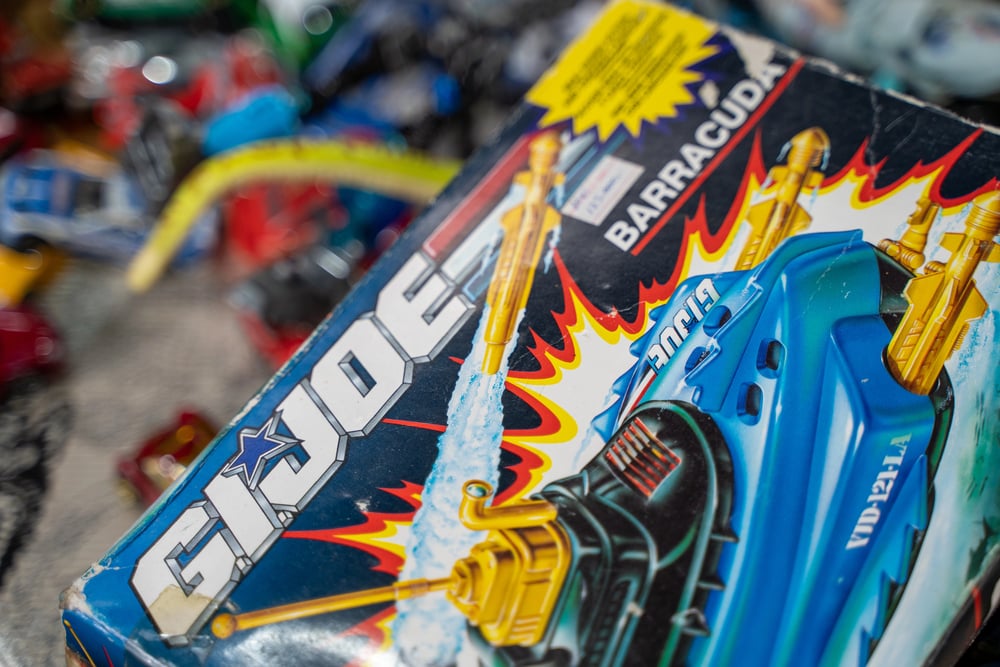
The action figure that made Hasbro a powerhouse almost didn’t happen because executives worried about making war toys during the Vietnam era. Creator Don Levine had to fight internal resistance and convinced the company by avoiding the word ‘doll’ and calling it an ‘action figure’ instead.
The name change worked, and boys who would never play with dolls lined up to buy G.I. Joe. Hasbro paid inventor Stan Weston just $100,000 for the concept, which turned into billions in sales over the decades.
Play-Doh started as wallpaper cleaner
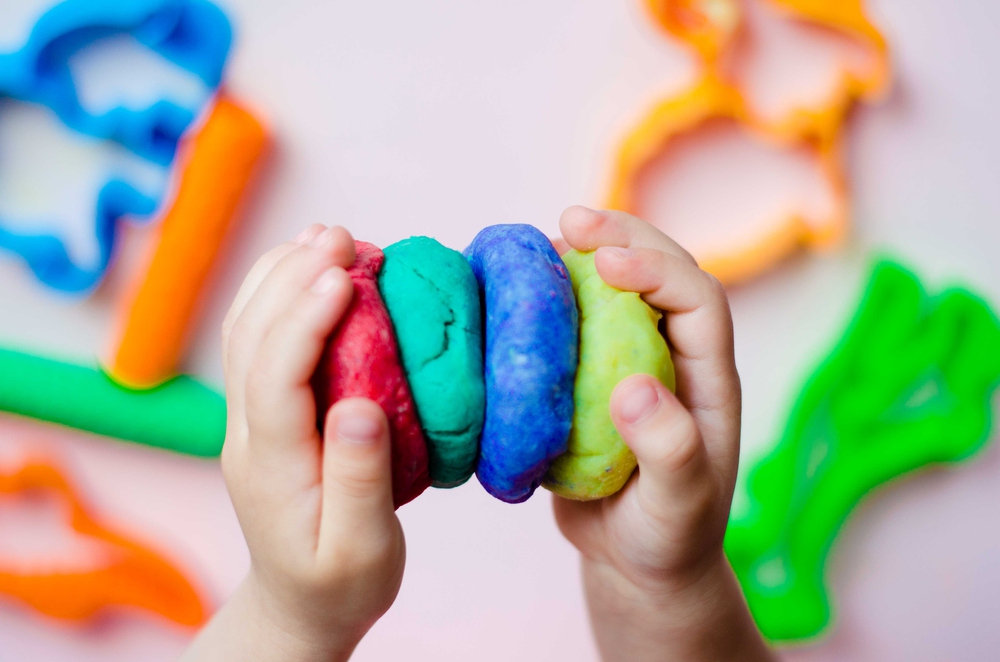
The squishy modeling compound that generations of kids have played with was originally designed to clean coal residue off wallpaper in the 1930s. When natural gas heating replaced coal furnaces, the product became obsolete and the company nearly folded.
A family member working as a teacher noticed kids loved playing with the stuff and suggested marketing it as a toy instead. The switch saved the company, and Play-Doh became a toy box staple, even though it still uses basically the same formula as the wallpaper cleaner.
Hot Wheels were created to compete with Matchbox
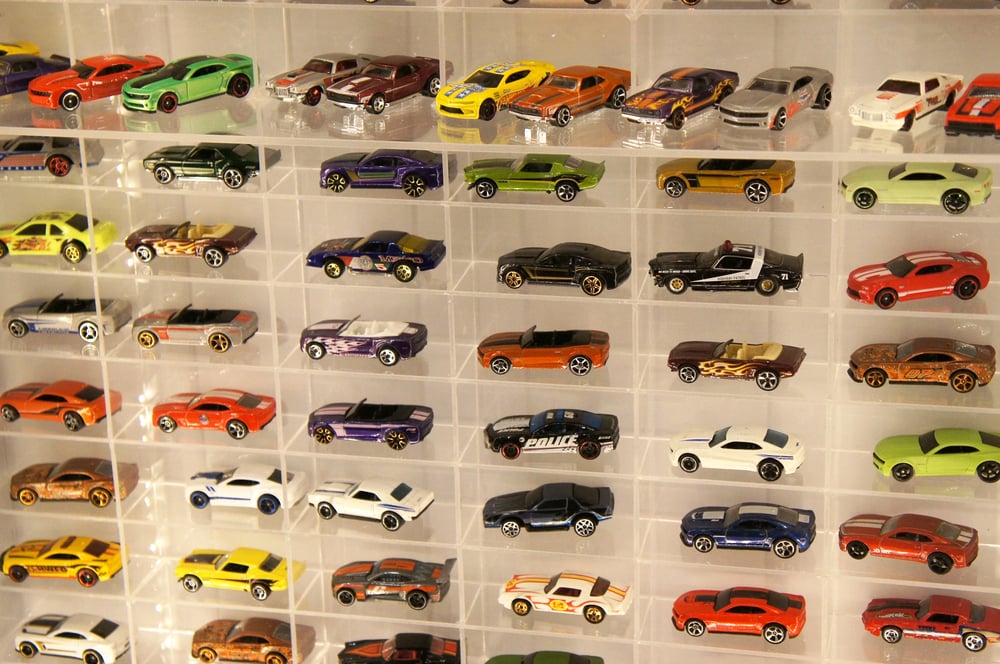
Mattel co-founder Elliot Handler got tired of watching British company Matchbox dominate the toy car market. He ordered his team to design cars that were faster, cooler, and more exciting than anything Matchbox made.
The designers created cars with special wheels that had minimal friction, allowing them to zoom down the orange tracks faster than any competitor. Hot Wheels launched in 1968 and outsold Matchbox within two years by focusing on speed and style rather than realistic replicas.
Nerf accidentally created the indoor orb
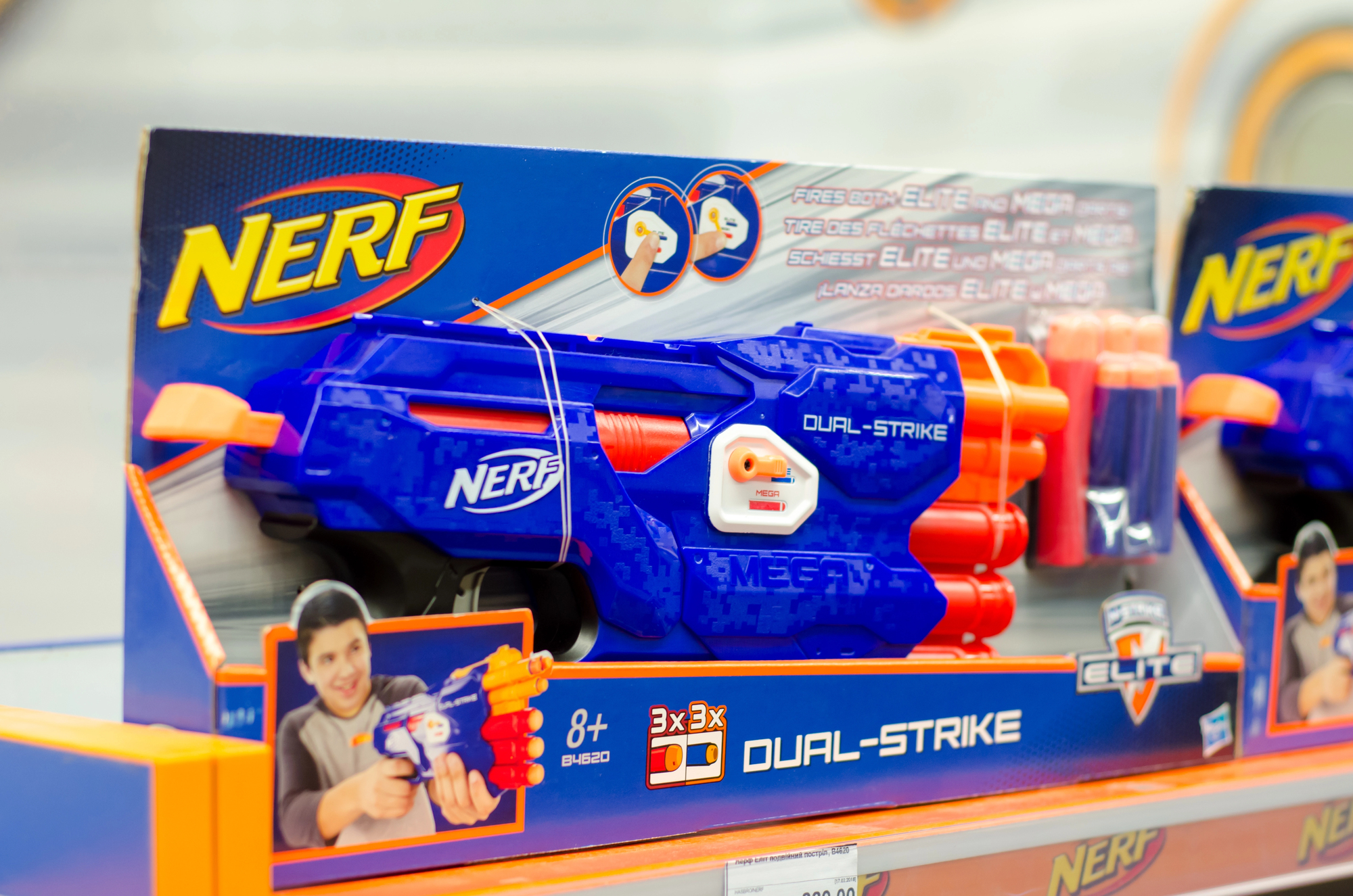
Parker Brothers chemist Reyn Guyer was trying to develop a game when he created a foam material that was perfect for throwing around indoors. The company initially rejected it, thinking parents wouldn’t buy something designed to be tossed inside the house.
Guyer kept pushing and eventually convinced them to test it, leading to the tagline ‘Throw it indoors; you can’t damage lamps or break windows!’ The first Nerf product was a simple foam sphere, but it opened the door to an entire line of foam toys that made millions.
Monopoly was stolen from its original creator
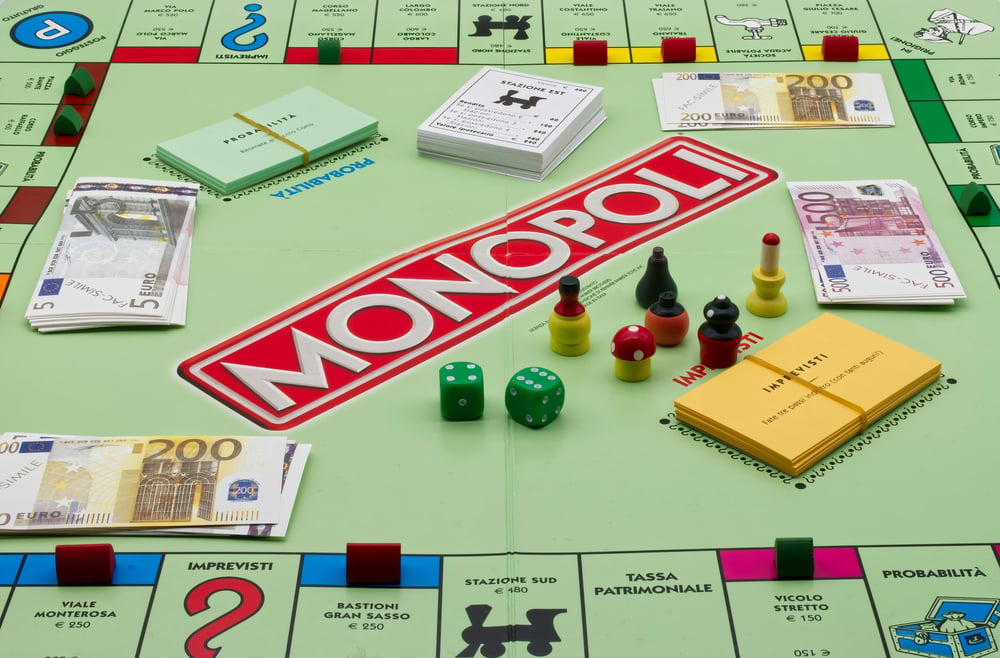
A woman named Elizabeth Magie patented The Landlord’s Game in 1904 to teach people about economic inequality. Charles Darrow copied her game, made some changes, and sold it to Parker Brothers as his own invention called Monopoly.
Parker Brothers bought Magie’s patent for just $500 and no royalties, then gave Darrow all the credit and made him wealthy. The company hid the true origin story for decades while Monopoly became the best-selling board game ever.
Magie died broke and largely forgotten while Darrow became famous as a supposed rags-to-riches success story.
Fisher-Price tests every toy with actual children
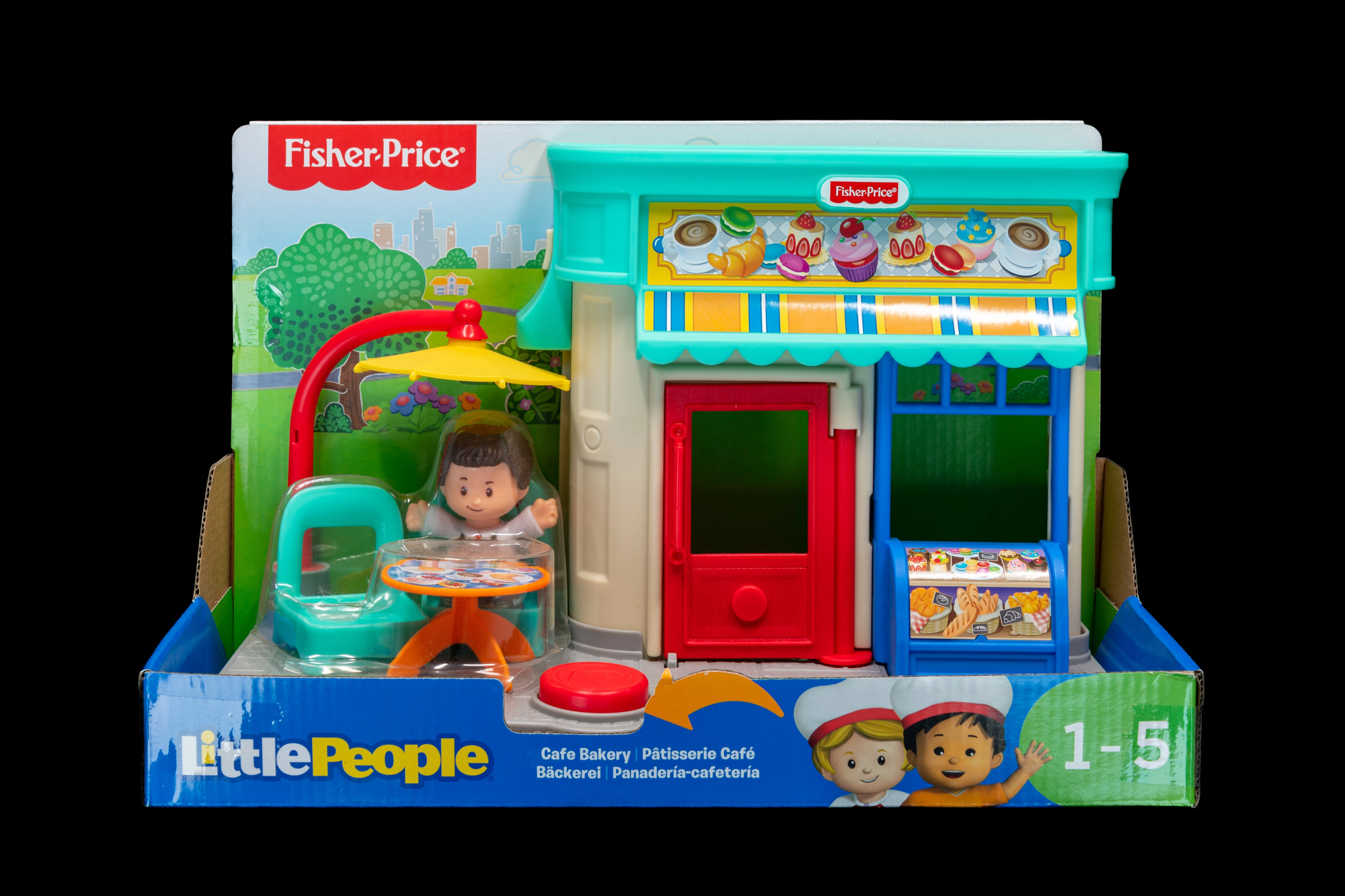
The company runs a full-time preschool on its campus where kids play with prototype toys while researchers watch and take notes. This testing ground has been operating since the 1960s and helps Fisher-Price figure out what actually works before spending millions on production.
Toys that kids ignore or use wrong get redesigned or scrapped completely. The company learned early that adults often have no clue what kids will actually enjoy, so they stopped guessing and started observing.
Cabbage Patch Kids caused shopping riots
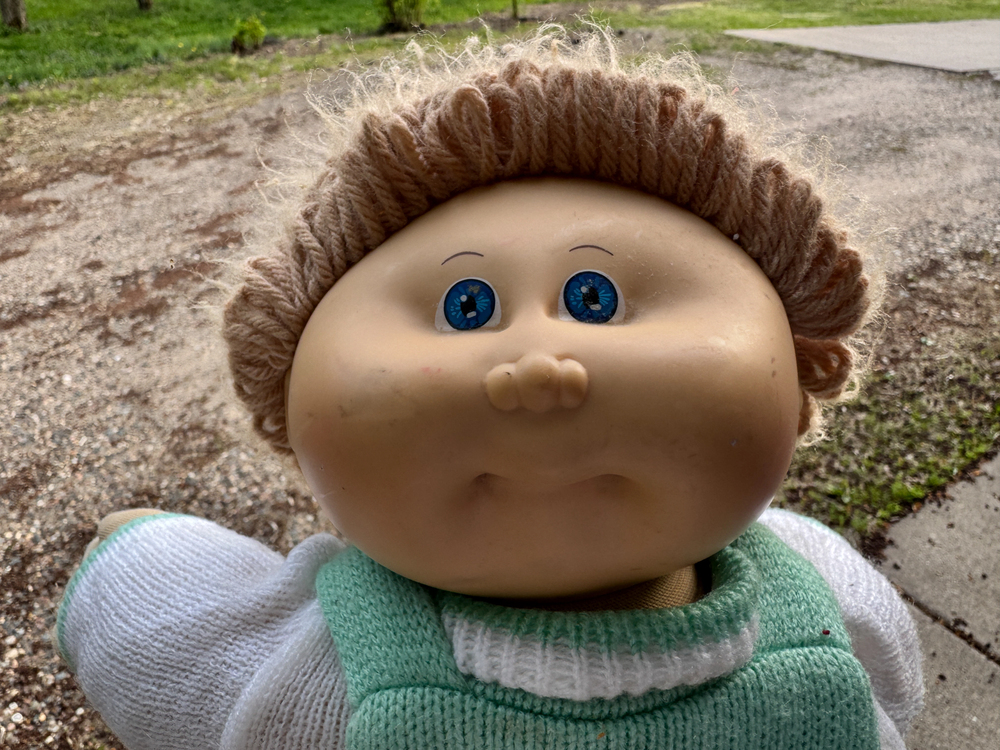
When these odd-looking dolls hit stores in 1983, parents went absolutely wild trying to get them for Christmas. Stores reported fistfights, injuries, and complete chaos as adults fought over the limited supply.
Creator Xavier Roberts had originally sold the dolls at craft fairs as ‘Little People’ before licensing them to Coleco. The manufactured scarcity was somewhat intentional as the company couldn’t produce enough to meet demand, but the resulting frenzy created even more desire.
News coverage of the riots became free advertising that made the dolls even more popular.
Rubik’s Cube took a month to solve the first time
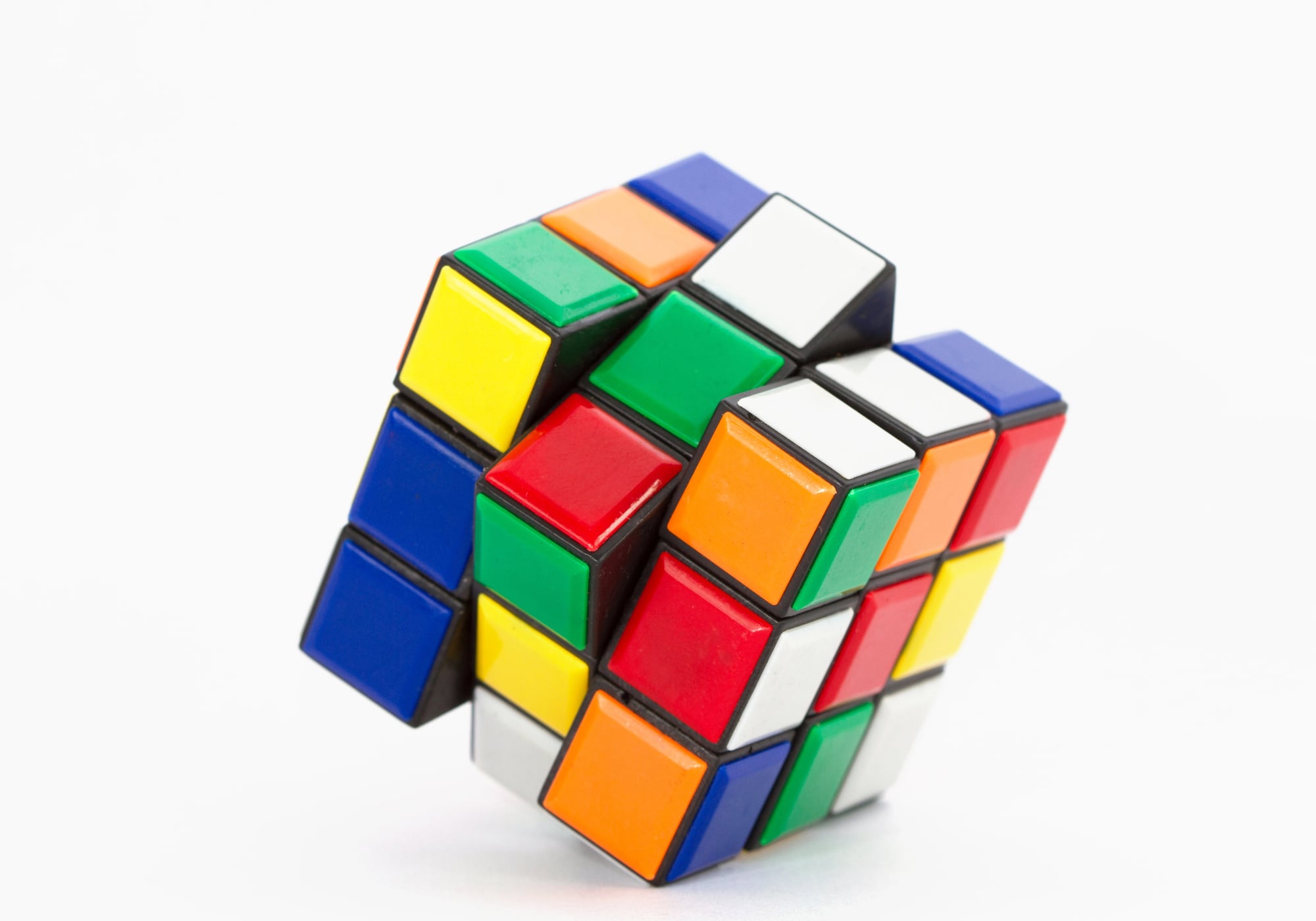
Hungarian professor Erno Rubik invented the puzzle in 1974 but couldn’t figure out how to solve it after scrambling the colors. He spent about a month working on it before finally cracking the solution, proving the puzzle was actually solvable.
The cube sat around Hungary for years before a toy agent discovered it and brought it to the West in 1980. It became the best-selling puzzle toy in history, though Rubik’s communist government took most of his earnings until he could negotiate better terms later.
Tonka started by making garden tools
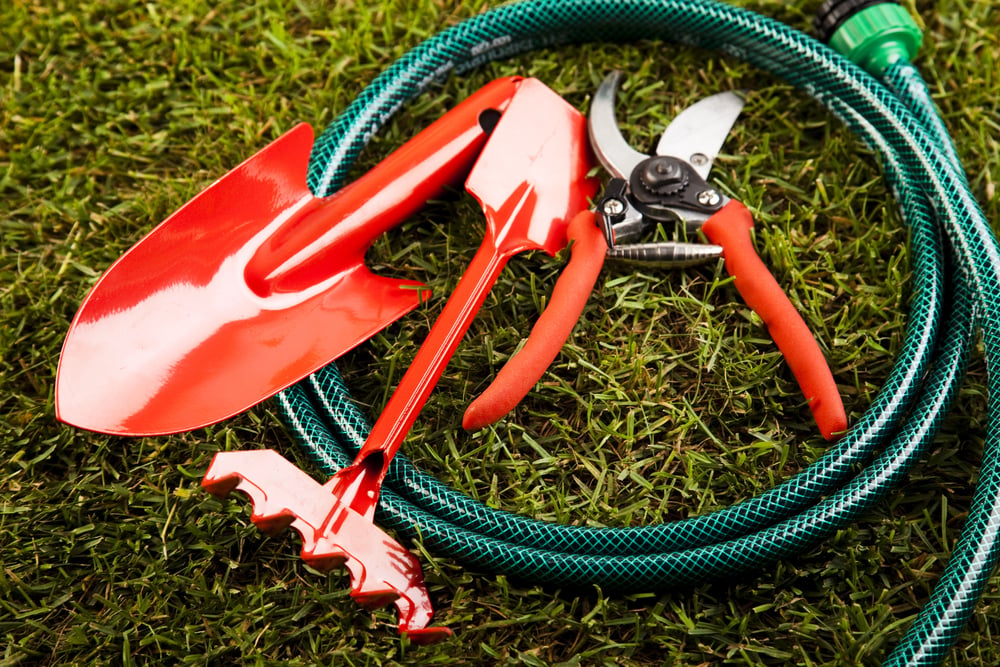
The company began in Minnesota making metal garden implements and only got into toys when they had leftover steel after World War II. They created a steam shovel toy from the scrap metal and discovered it sold better than their actual tools.
Tonka pivoted entirely to making tough metal toy trucks that could survive rough play. The name comes from Lake Minnetonka near their original factory, and their trucks became known for being nearly indestructible.
Ty Warner made Beanie Babies deliberately scarce
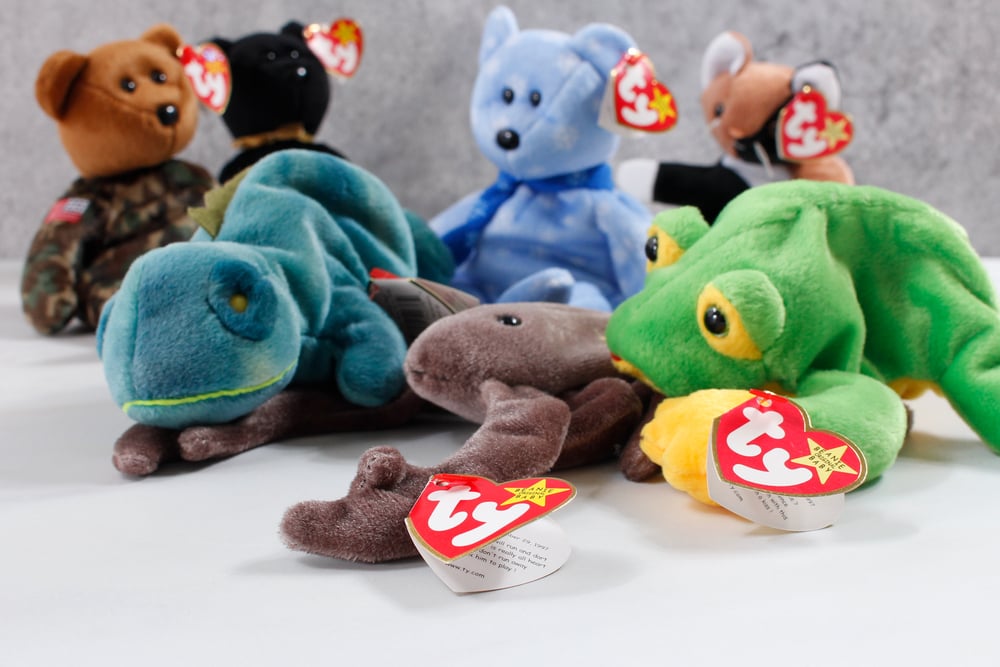
The creator of Beanie Babies constantly retired designs and created limited editions to drive collecting mania in the 1990s. Warner refused to sell his toys in major chains, forcing customers to hunt through small gift shops and creating artificial scarcity.
He also spread rumors about which Beanies would become valuable, turning kids’ toys into speculative investments. The strategy worked incredibly well until the bubble burst around 2000, leaving people with attics full of stuffed animals worth far less than they paid.
Milton Bradley was a person, not just a company name
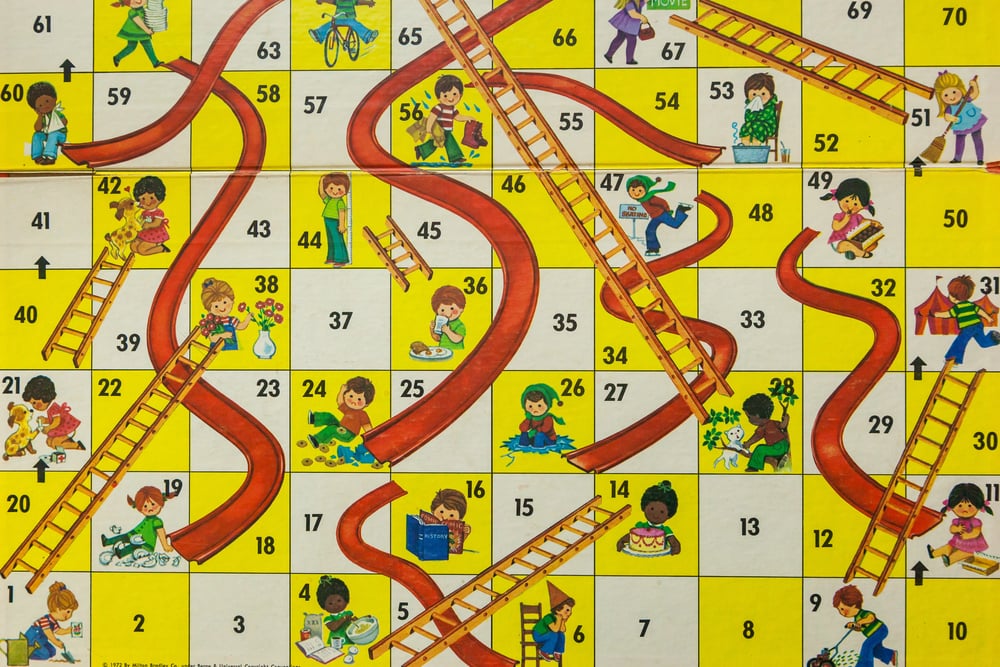
The actual Milton Bradley was a lithographer who started making board games in the 1860s after his portrait business failed. His first game, The Checkered Game of Life, sold 45,000 copies in its first year, which was huge for that era.
Bradley believed games should teach morals and values, not just entertain, which influenced how his company designed products for over a century. The company he founded lasted until Hasbro bought it in 1984, but the name stuck around on game boxes for years afterward.
Transformers were Japanese toys rebranded for America
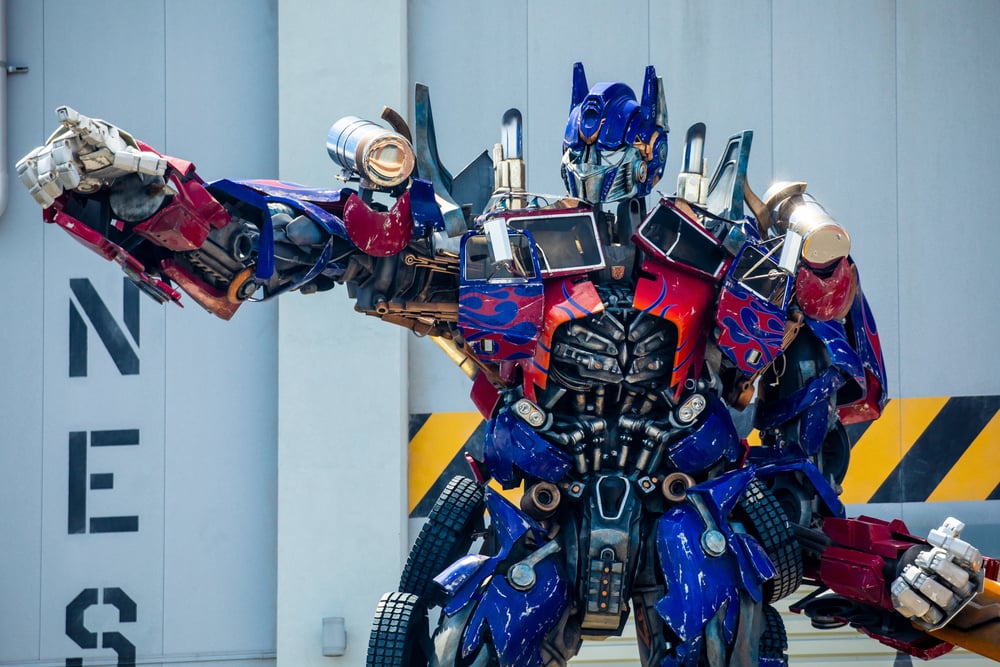
Hasbro didn’t invent the robots that change into vehicles but instead licensed existing Japanese toys and created a new story around them. The company worked with Marvel Comics to develop characters and hired Sunbow Productions to make a cartoon that was essentially a 30-minute commercial.
This strategy of building a narrative universe around toys became the blueprint for launching products in the 1980s. Transformers became a massive hit, while the original Japanese toys remained relatively unknown outside Asia.
Wham-O employees invented the Frisbee name

The company’s founders bought the rights to a flying disc called the Pluto Platter, which wasn’t selling well. Employees noticed college kids on the East Coast played with pie tins from the Frisbie Pie Company and called them ‘Frisbies.’
Wham-O changed the spelling slightly and rebranded the toy, creating one of the most recognizable product names ever. The Frisbie bakery went out of business, but the toy named after their pie tins became a worldwide phenomenon.
Crayola crayons started as industrial markers
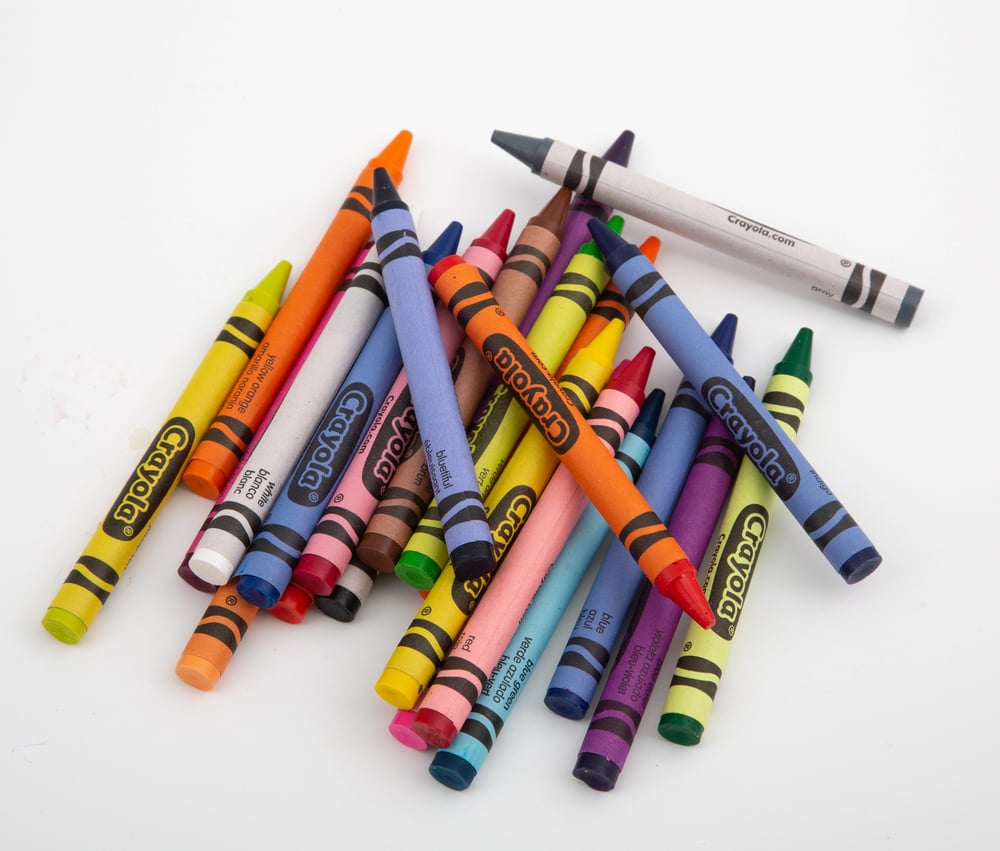
Before making colorful crayons for kids, the Binney & Smith company produced industrial pigments and markers for factories and warehouses. They noticed teachers needed safe, affordable art supplies for students and developed dustless chalk first.
The crayon line followed in 1903, sold in boxes of eight colors for a nickel. Crayola has now produced over 100 billion crayons, but they still make industrial products that most people don’t know about.
Slinky was discovered by accident during warship work
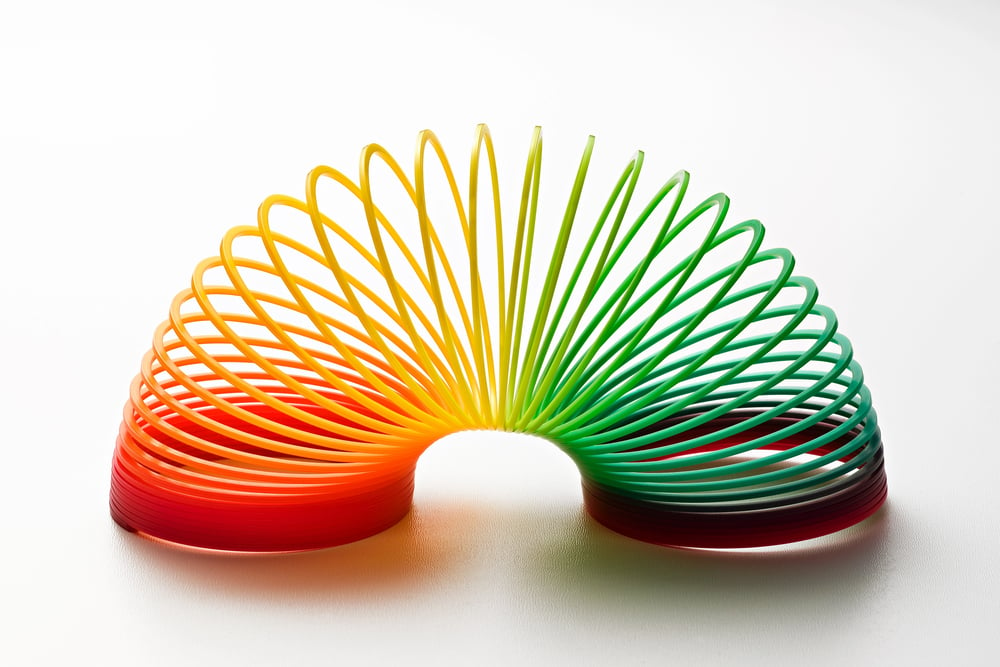
Naval engineer Richard James was developing springs to stabilize equipment on ships when he knocked one off a shelf. He watched it ‘walk’ down instead of just falling, and his wife Betty suggested it could be a toy.
The couple borrowed $500 to produce the first batch and sold 400 in 90 minutes at a Philadelphia department store. Richard later abandoned his family to join a religious cult in Bolivia, leaving Betty to run the company and make it the success it became.
Why these brands still dominate toy aisles
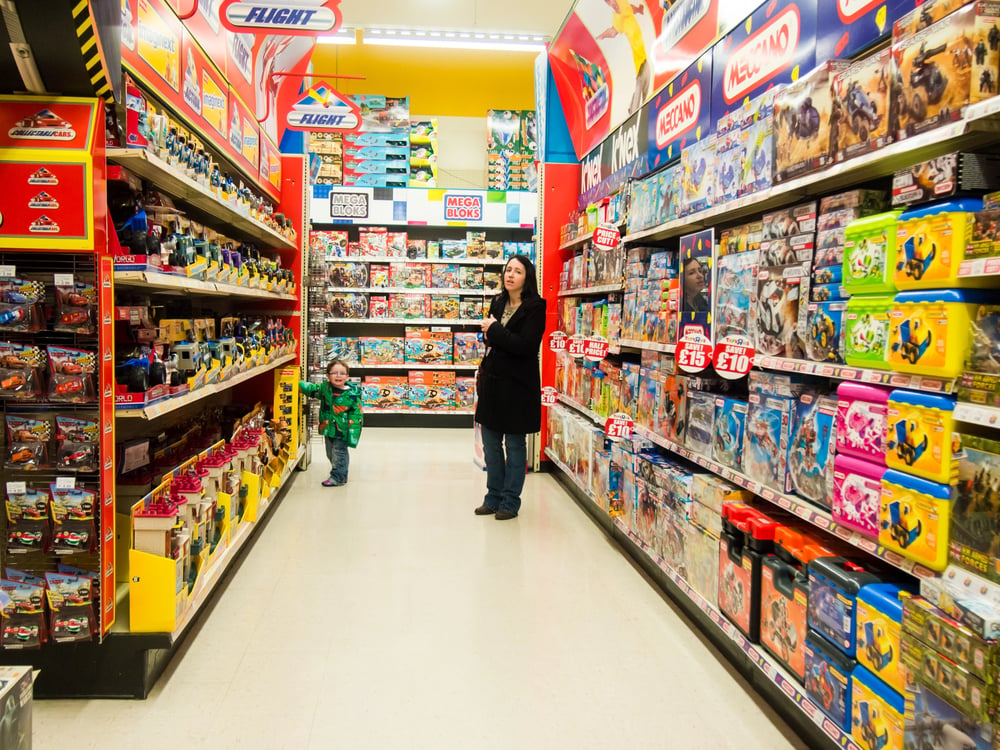
The toy companies that survived understood something important about childhood that goes beyond just making fun products. They learned to create emotional connections, build anticipation, and turn simple objects into must-have items that defined entire generations.
More from Go2Tutors!

- The Romanov Crown Jewels and Their Tragic Fate
- 17 Halloween Costumes Once Considered Taboo
- Famous Hoaxes That Fooled the World for Years
- 15 Child Stars with Tragic Adult Lives
- 16 Famous Jewelry Pieces in History
Like Go2Tutors’s content? Follow us on MSN.