20 Most Influential Architects Ever
Architecture shapes how we live, work, and gather.
The greatest architects reimagined space, structure, and beauty.
They pushed boundaries, redefined cities, and inspired generations.
They didn’t just design buildings.
They changed how humanity inhabits the world.
Here are twenty visionaries whose influence continues to shape the built environment.
Imhotep

The world’s first known architect, Imhotep designed Egypt’s Step Pyramid at Saqqara around 2630 BCE.
He transformed simple tombs into monumental stone structures.
As architect, engineer, and physician to Pharaoh Djoser, he pioneered the concept of large-scale construction in stone.
His Step Pyramid became the model for all that followed.
It proved architecture could embody divine and civic ambition.
The Egyptians later deified him.
It was fitting for the man who literally invented monumental architecture.
Andrea Palladio
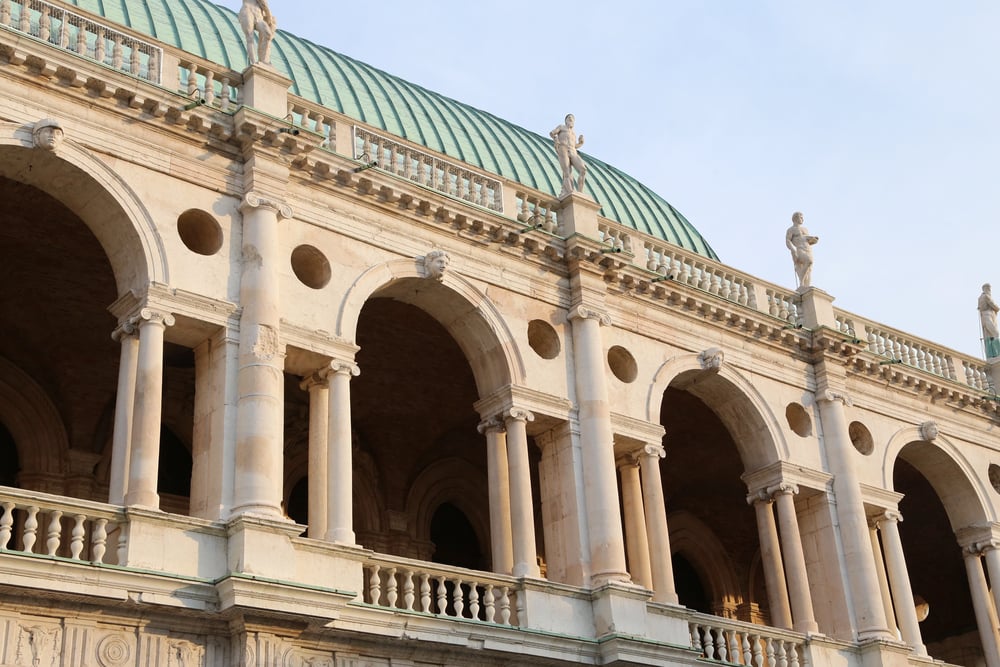
The 16th-century Italian master wrote The Four Books of Architecture, the most influential text in Western architectural history.
His villas in northern Italy embodied perfect symmetry and classical proportion.
They created an enduring visual language.
Palladio’s ideals shaped European and American architecture alike.
Thomas Jefferson’s Monticello and countless civic buildings trace their lineage to his serene order.
His blend of reason and beauty became the template for centuries of design.
Michelangelo
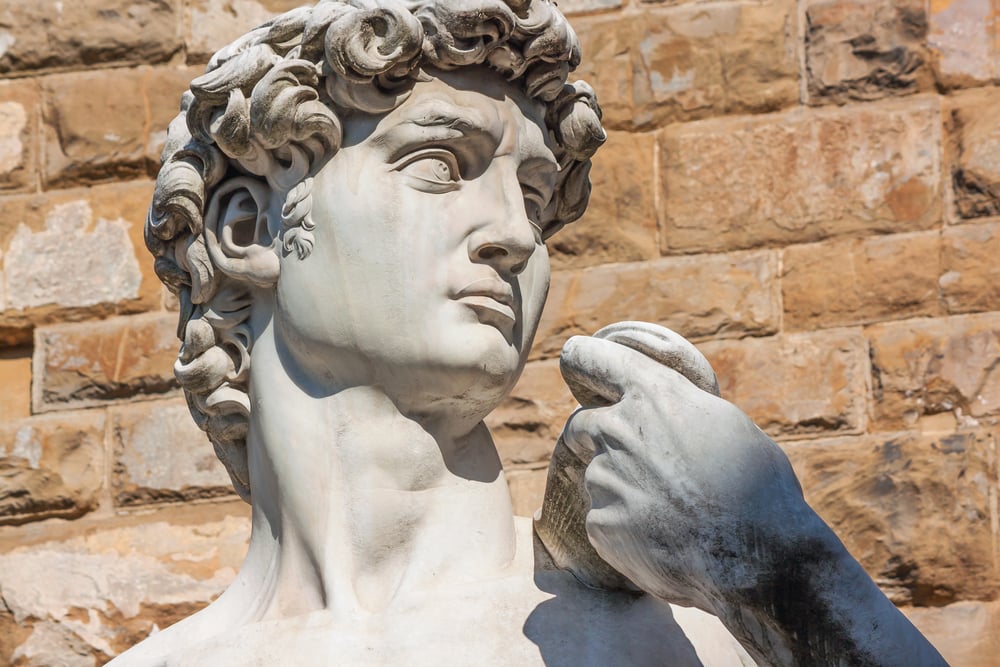
Better known for painting and sculpture, Michelangelo revolutionized architecture with the dome of St. Peter’s Basilica.
It remains one of the world’s most recognizable silhouettes.
He approached buildings as living sculptures, blending dynamic form and emotion.
His Laurentian Library staircase twisted classical rules into bold, expressive motion.
Michelangelo proved that architecture could be both structural and spiritual.
He united intellect and artistic intensity, influencing Baroque and beyond.
Christopher Wren
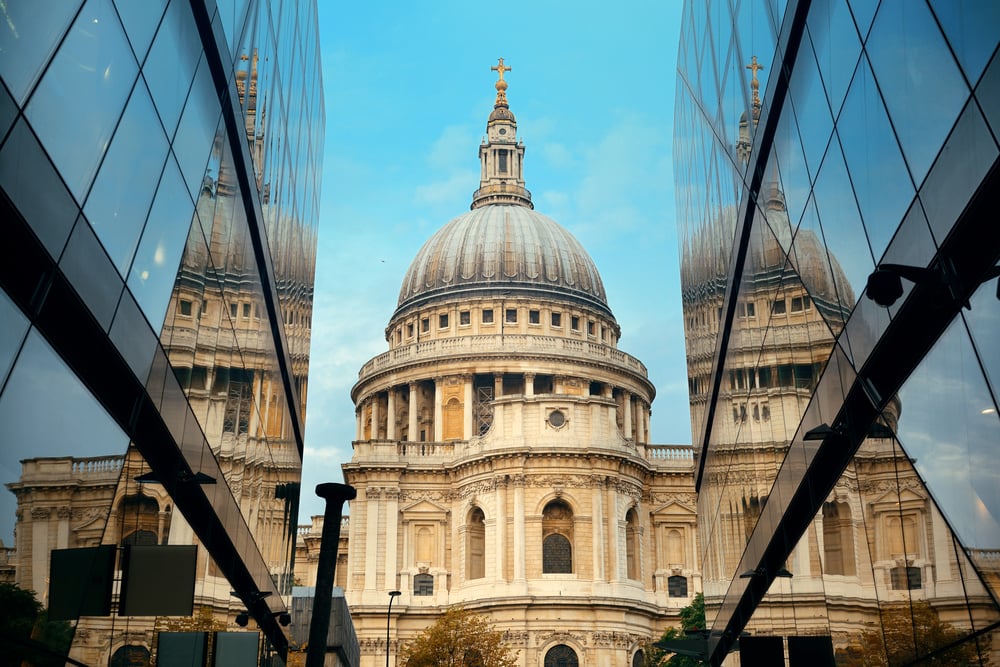
After London’s Great Fire of 1666, Wren rebuilt the city, designing 51 churches and the monumental St. Paul’s Cathedral.
A scientist and mathematician, he married rational design with Baroque grandeur.
He created a distinctly English classicism.
His mastery of light and space reshaped the skyline.
His influence crossed the Atlantic, as colonial America adopted his balanced, dignified style.
Wren showed that architecture could heal a city and symbolize renewal.
Louis Sullivan
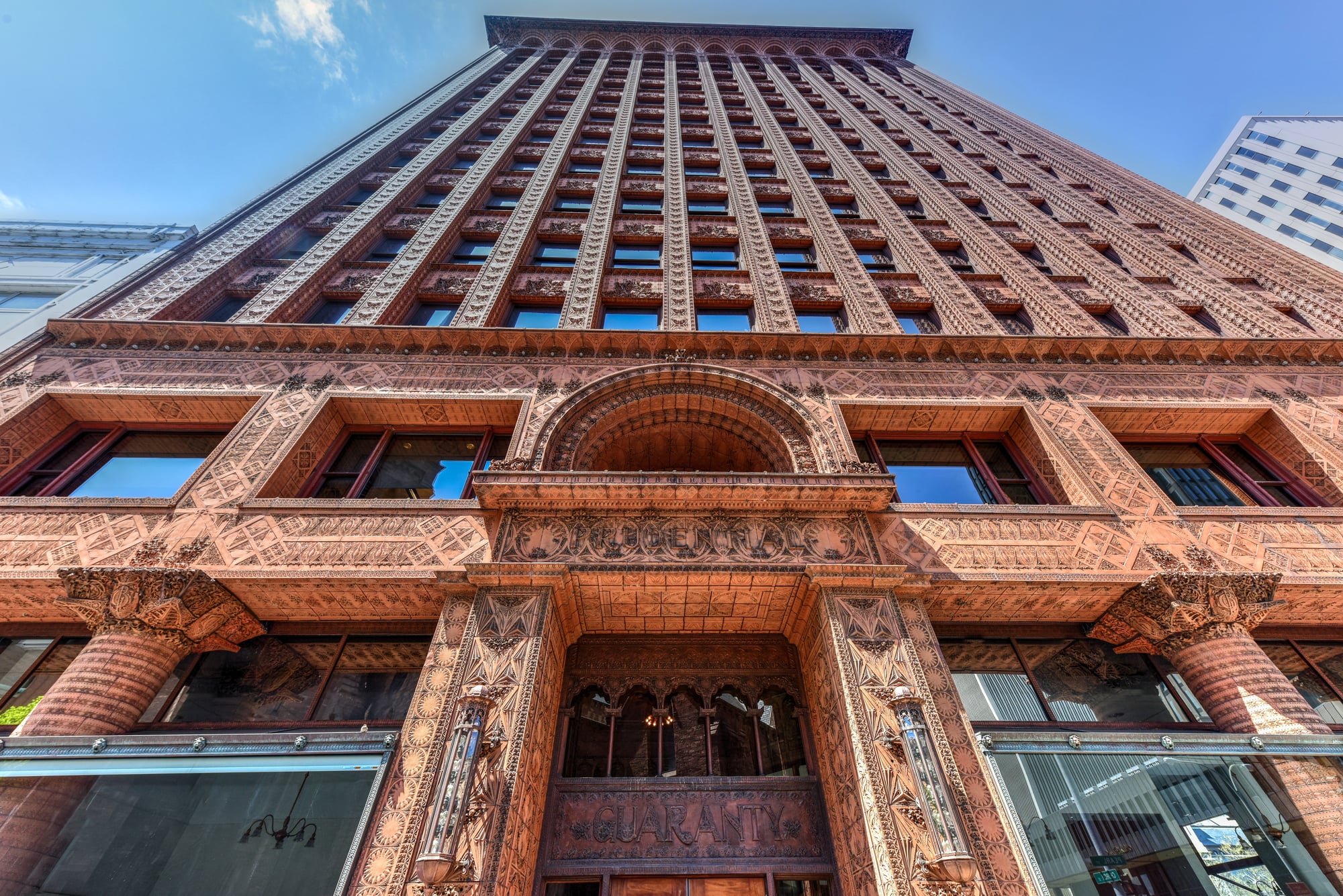
The father of the skyscraper, Sullivan coined “form follows function.”
In late-19th-century Chicago, his Wainwright and Guaranty Buildings pioneered vertical architecture.
Their soaring facades celebrated height rather than disguising it.
They were ornamented with organic terracotta motifs.
Sullivan gave America its first modern architectural identity and mentored Frank Lloyd Wright.
He proved functionalism and beauty could coexist in the urban age.
Frank Lloyd Wright
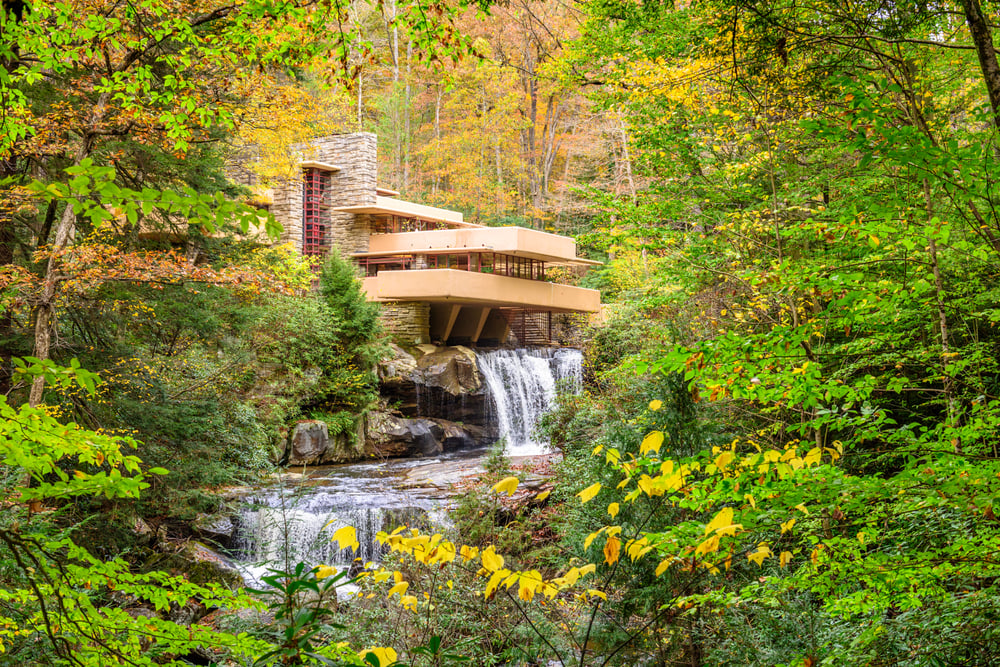
Wright reshaped modern living.
His Prairie houses with open plans and low lines integrated homes into their landscapes.
Fallingwater merged architecture and nature like never before.
Later, the spiral Guggenheim Museum redefined how we experience art.
Over a 70-year career, he produced more than 1,000 designs and championed the idea that buildings should grow organically from their sites.
His vision of harmony between humanity and environment still defines American design.
Le Corbusier
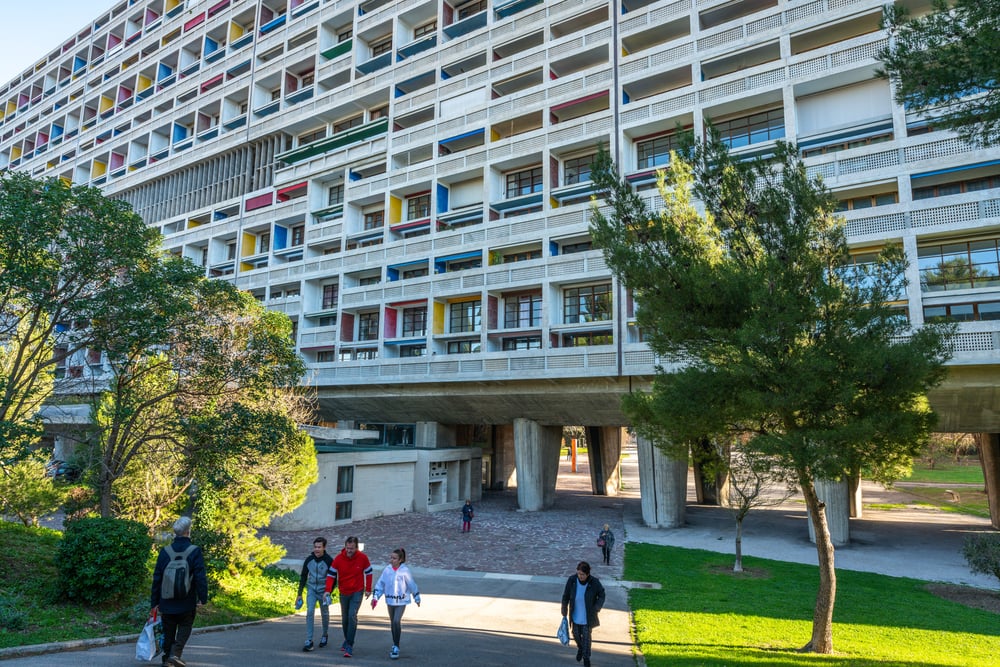
The Swiss-French visionary formulated modernism’s manifesto in his “Five Points of Architecture.”
These included pilotis, free plan, free façade, ribbon windows, and roof garden.
His Villa Savoye exemplified this purity.
As an urban planner and theorist, Le Corbusier reshaped cities worldwide.
He later broke his own rules with the sculptural chapel at Ronchamp.
Declared a UNESCO World Heritage figure, he turned architecture into both art and ideology.
His work was functional yet profoundly human.
Ludwig Mies van der Rohe
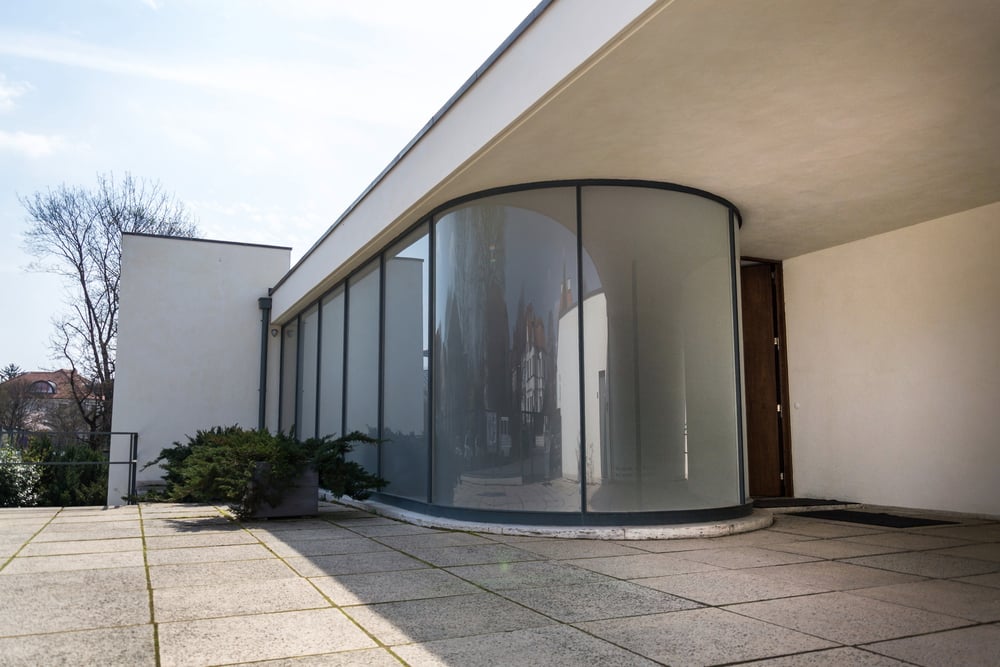
“Less is more,” said Mies, whose minimalist precision defined the International Style.
The Barcelona Pavilion distilled modernism into serene planes of glass, steel, and marble.
In America, his Seagram Building and Farnsworth House became icons of clarity and proportion.
Mies taught that beauty lies in restraint and that structure itself can be art.
His influence dominates the modern skyscraper skyline to this day.
Antoni Gaudí
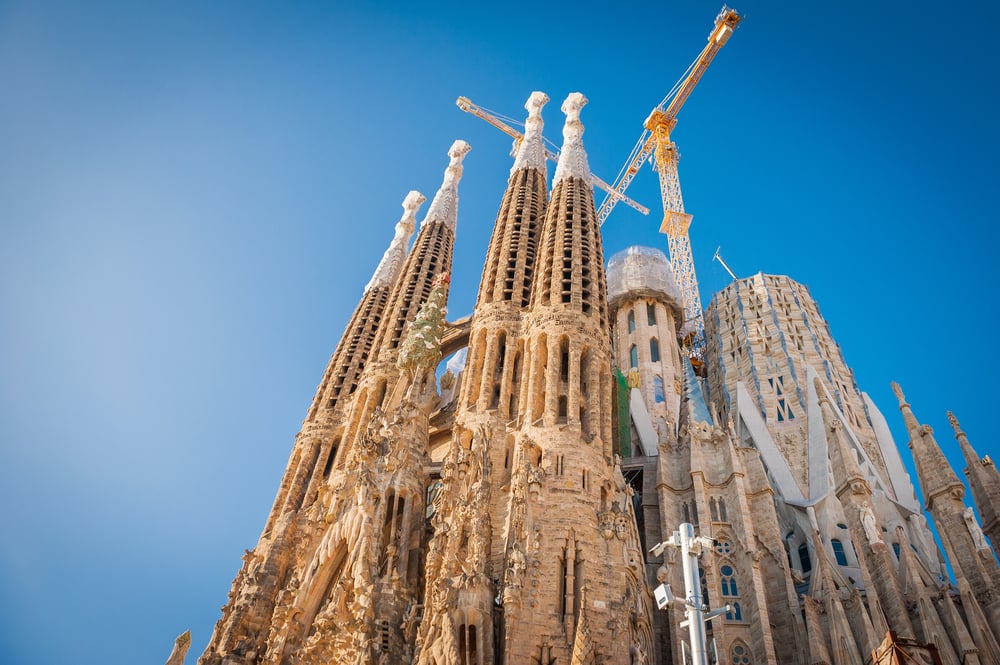
Barcelona belongs to Gaudí.
His fantastical Sagrada Família fuses Gothic ambition with organic forms inspired by nature.
Casa Batlló, Casa Milà, and Park Güell turned architecture into sculpture.
They are buildings that seem to grow rather than be built.
A deeply spiritual man, Gaudí treated creation as devotion, using geometry and color to evoke the divine.
His singular style proved that rationality isn’t architecture’s only path.
Imagination can also build cathedrals.
Walter Gropius

Founder of the Bauhaus in 1919, Gropius unified art, craft, and technology into a philosophy that reshaped design education worldwide.
His clean, functional buildings expressed the school’s ideals of clarity, utility, and honesty of materials.
After emigrating to the U.S., he taught at Harvard, spreading Bauhaus principles globally.
Gropius’s greatest creation wasn’t a single building but a movement.
He believed in design for everyone, rooted in simplicity and purpose.
Oscar Niemeyer
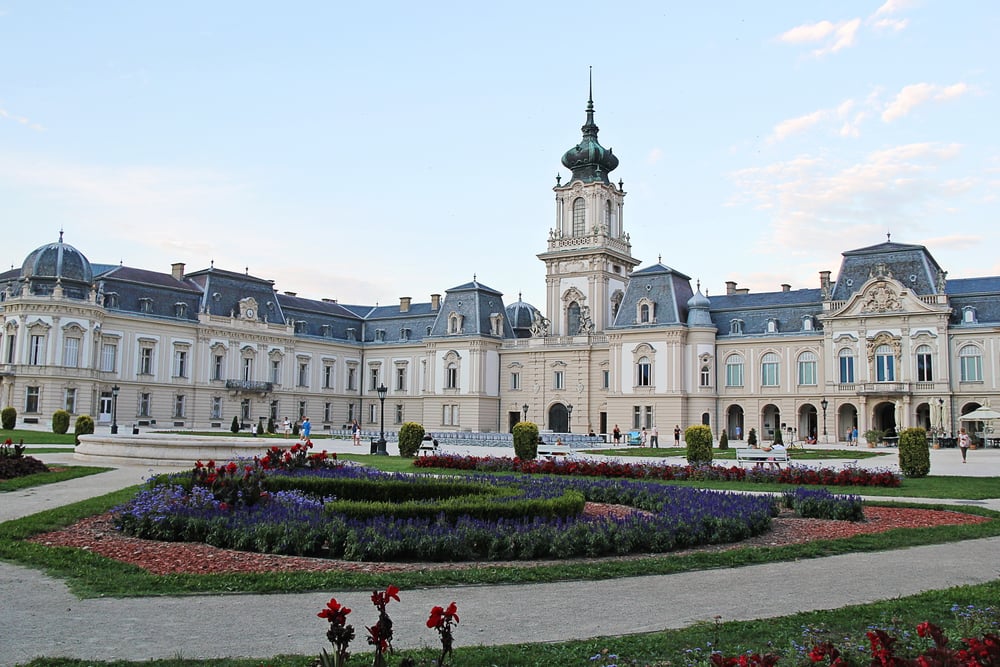
Niemeyer transformed Brazil’s modernist capital, Brasília, into a living sculpture.
His sinuous forms like the National Congress, the Cathedral, and the Palace of Dawn turned reinforced concrete into poetry.
Rejecting the austerity of European modernism, he embraced curves inspired by the female body and the Brazilian landscape.
Niemeyer showed modern architecture could be sensual and joyful.
His century-long career made him a symbol of creativity unconstrained by rigidity.
Eero Saarinen

Saarinen’s TWA Terminal at JFK captures the optimism of the Jet Age.
It is architecture as flight frozen in concrete.
His Gateway Arch in St. Louis and Dulles Airport’s sweeping roof embody structural daring and sculptural grace.
Known for solving each project uniquely, Saarinen blurred the line between engineering and art.
Though he died at 51, his futuristic forms helped define mid-century modernism’s expressive spirit.
I. M. Pei
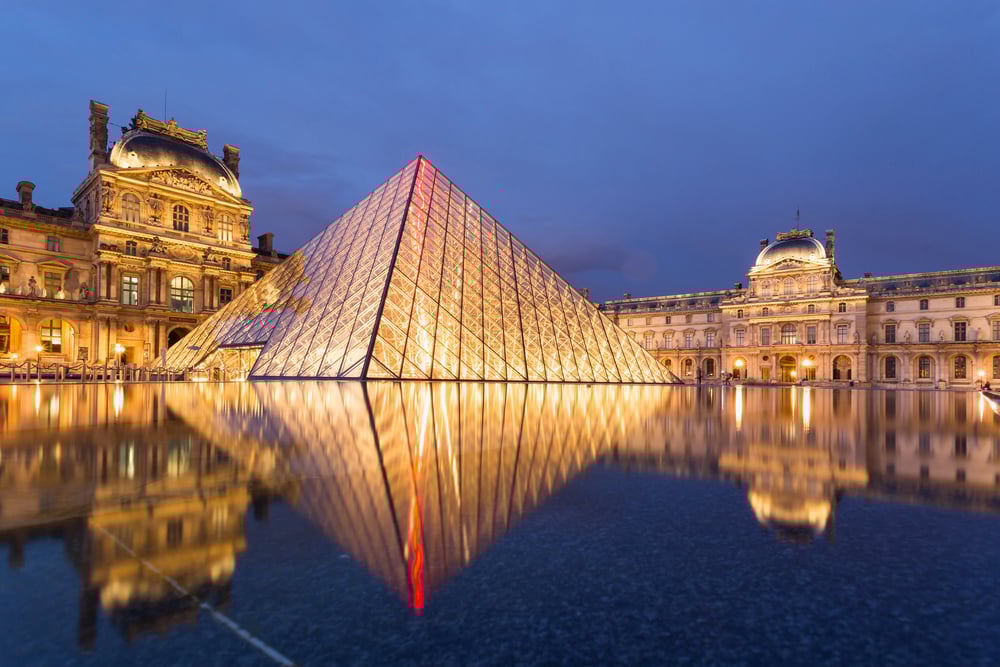
Pei’s geometric precision gave modernism warmth and elegance.
His Louvre Pyramid, once controversial, now feels inevitable—a dialogue between history and innovation.
The Bank of China Tower and the Rock and Roll Hall of Fame display his crystalline clarity and structural confidence.
Winner of the Pritzker Prize in 1983, Pei fused modernist rationalism with timeless harmony.
His work proved that contemporary design could complement rather than clash with the past.
Philip Johnson
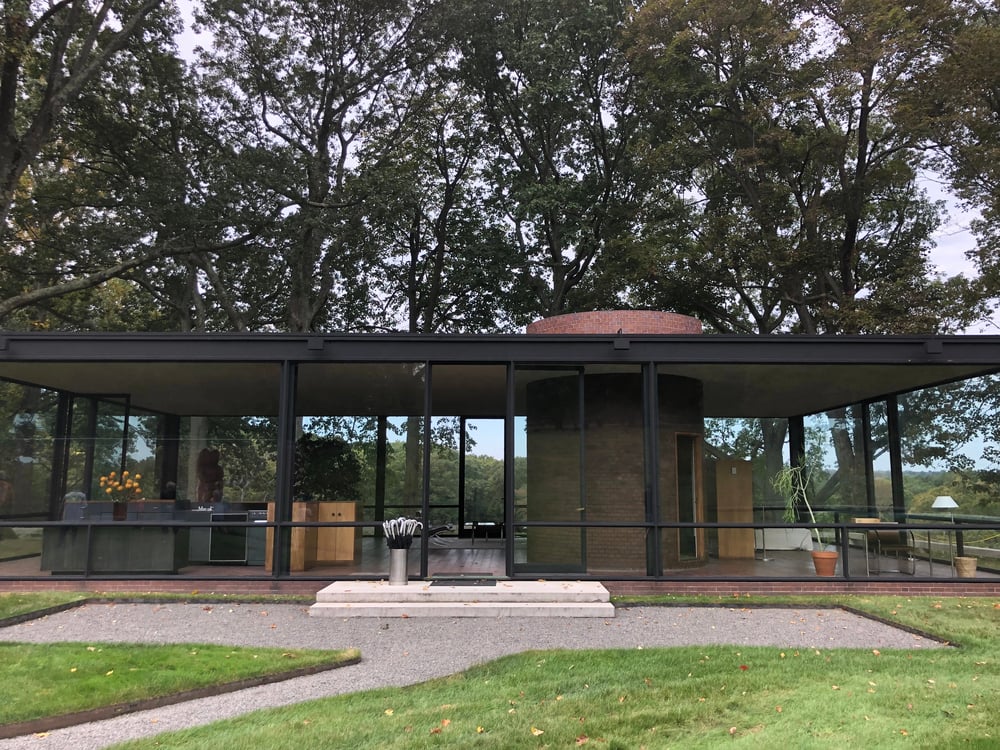
Johnson’s Glass House, a transparent pavilion in Connecticut, became a modernist icon of purity and proportion.
As a MoMA curator, he introduced Americans to the International Style.
As an architect, he continually reinvented himself—from modernist disciple to postmodern provocateur.
His collaboration with Mies on the Seagram Building cemented his legacy.
Controversial but undeniably influential, Johnson bridged eras and shaped architectural discourse for half a century.
Frank Gehry
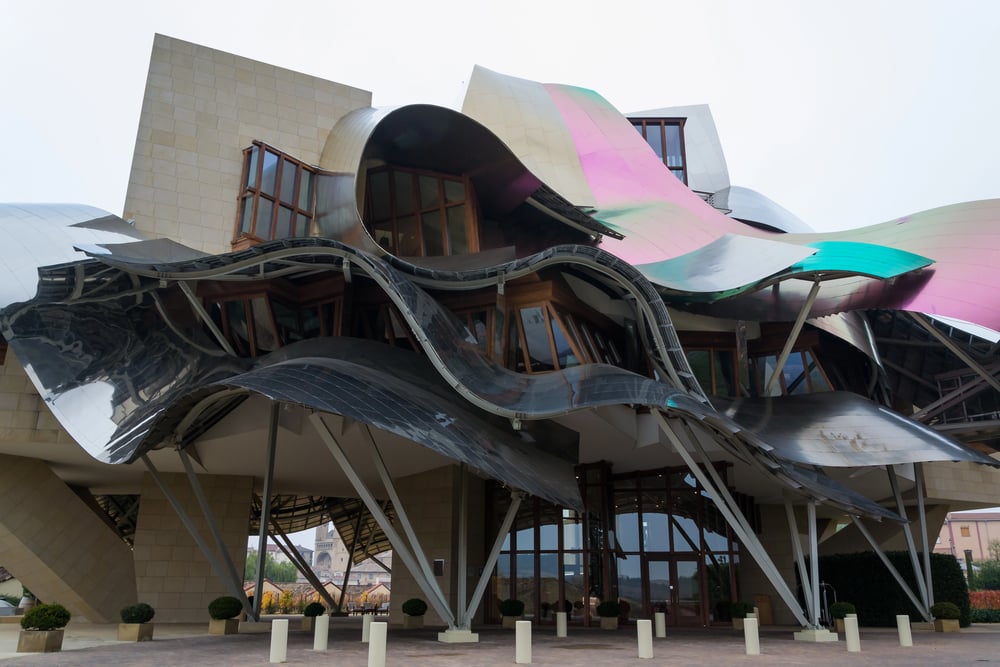
Gehry turned architecture into spectacle.
His Guggenheim Museum Bilbao revived a city and redefined cultural architecture with its swirling titanium forms.
Buildings like Walt Disney Concert Hall and the Dancing House exemplify his deconstructivist vision.
His style was chaotic yet precise, emotional yet engineered.
Gehry’s computer-aided methods revolutionized design, allowing form to follow imagination.
Whether loved or criticized, he proved architecture could be as expressive as art itself.
Zaha Hadid
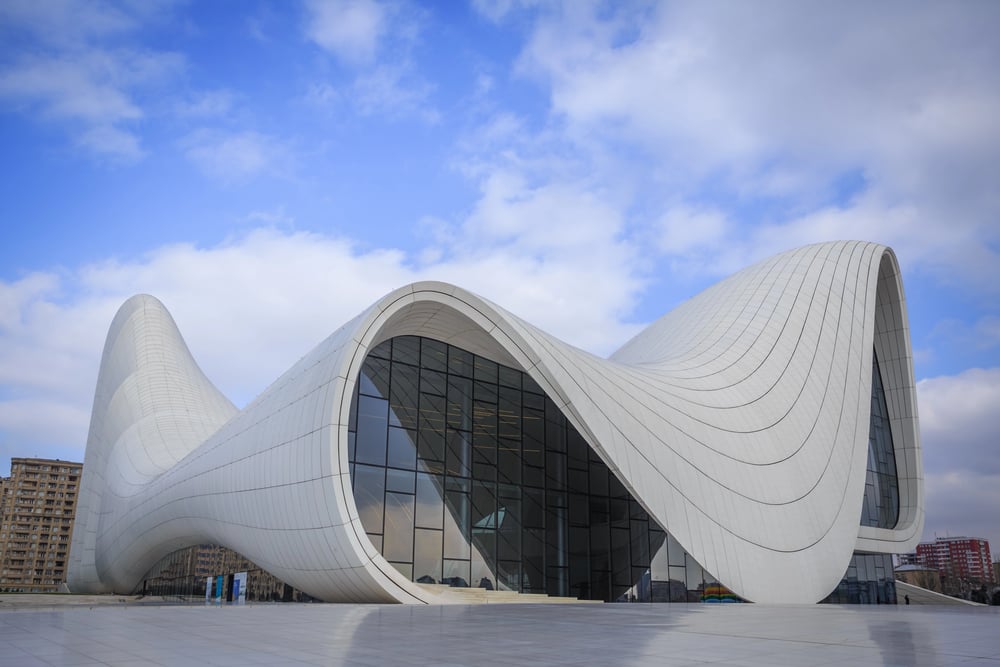
The first woman to win the Pritzker Prize, Hadid broke every mold.
Her fluid, futuristic buildings like the Heydar Aliyev Center, MAXXI Museum, and London Aquatics Centre embody movement and digital innovation.
She pioneered parametric design, using algorithms to create forms impossible by hand.
Dismissed early as “paper architecture,” she became one of the century’s most visionary figures.
Hadid redefined architectural possibility and expanded the role of women in design leadership.
Norman Foster
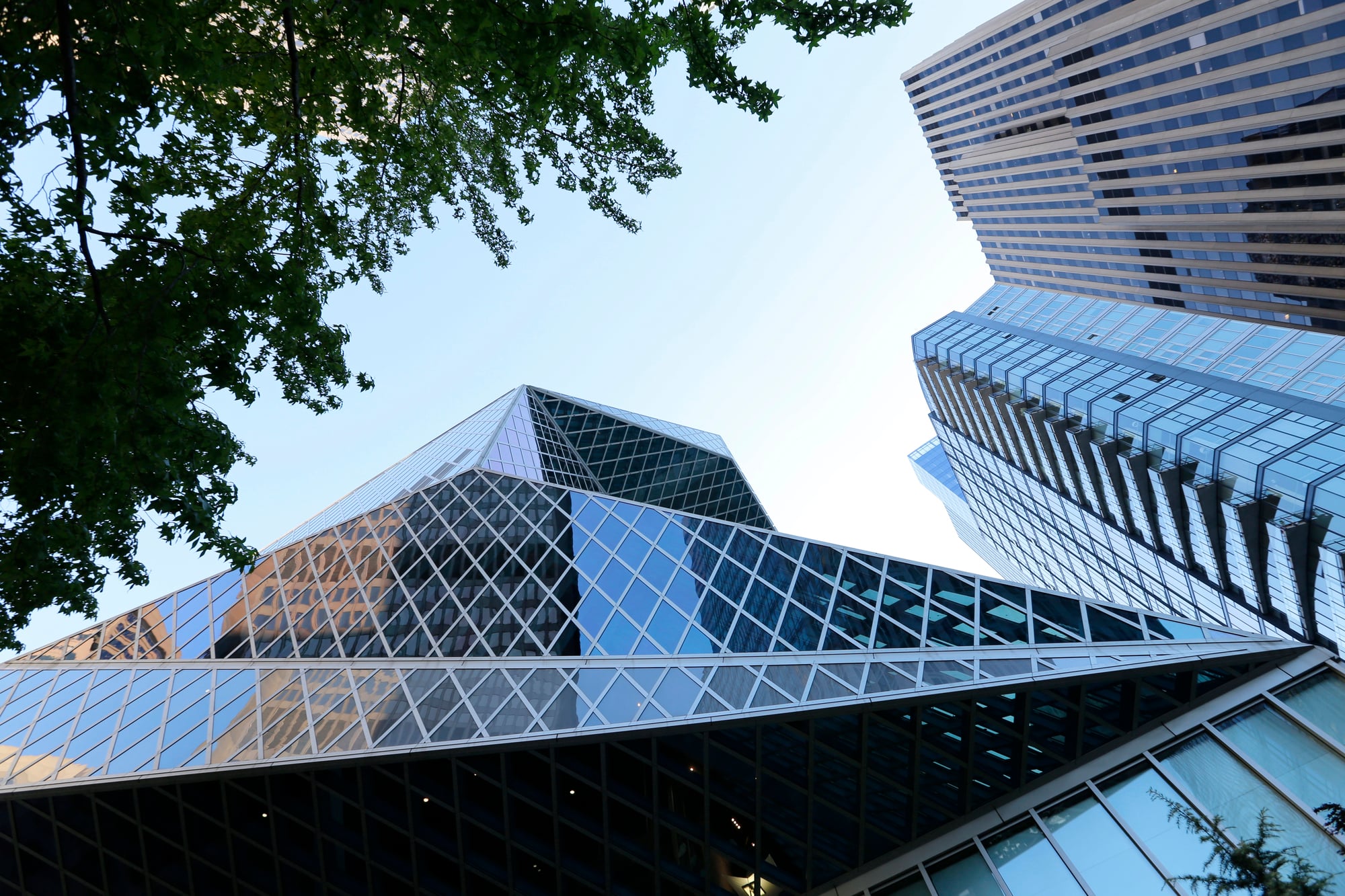
Foster’s high-tech architecture celebrates engineering elegance.
The Gherkin in London, the Reichstag Dome in Berlin, and the HSBC Building in Hong Kong fuse sustainability with technological precision.
His firm’s projects—airports, bridges, and skyscrapers across the globe—emphasize transparency, lightness, and environmental awareness.
Foster proved that advanced technology and humanistic design could coexist.
He redefined modern architecture for the ecological age.
Rem Koolhaas
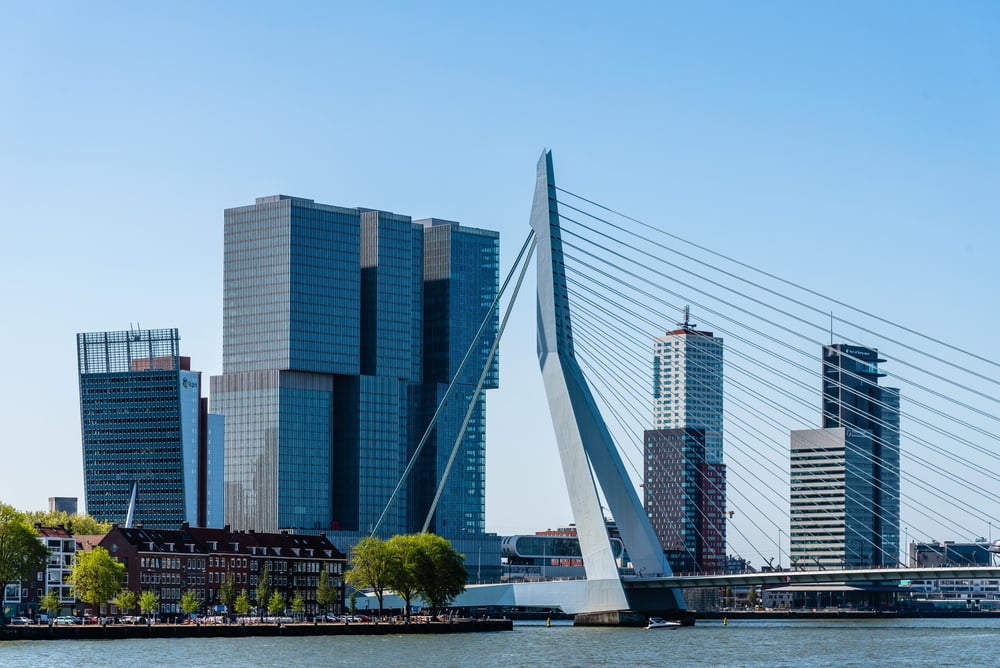
Architect, theorist, and provocateur, Koolhaas reimagines architecture as cultural critique.
His Delirious New York celebrated urban chaos as creativity.
Through his firm OMA, he produced radical landmarks like the Seattle Central Library and Beijing’s looping CCTV Headquarters.
He challenged conventions of form and function.
Koolhaas’s restless intellect reshaped architectural thinking.
He treated buildings as ideas in dialogue with society.
He made architecture as conceptual as it is physical.
Renzo Piano

Piano’s Pompidou Centre, designed with Richard Rogers, turned architecture inside out, exposing its structure in playful color.
Later works like the Shard in London and the Whitney Museum in New York refined that spirit into serene transparency.
A Pritzker laureate, Piano balances innovation with sensitivity.
He uses light, proportion, and context to humanize technology.
His buildings are optimistic—machines for living that breathe and glow rather than dominate.
Shigeru Ban
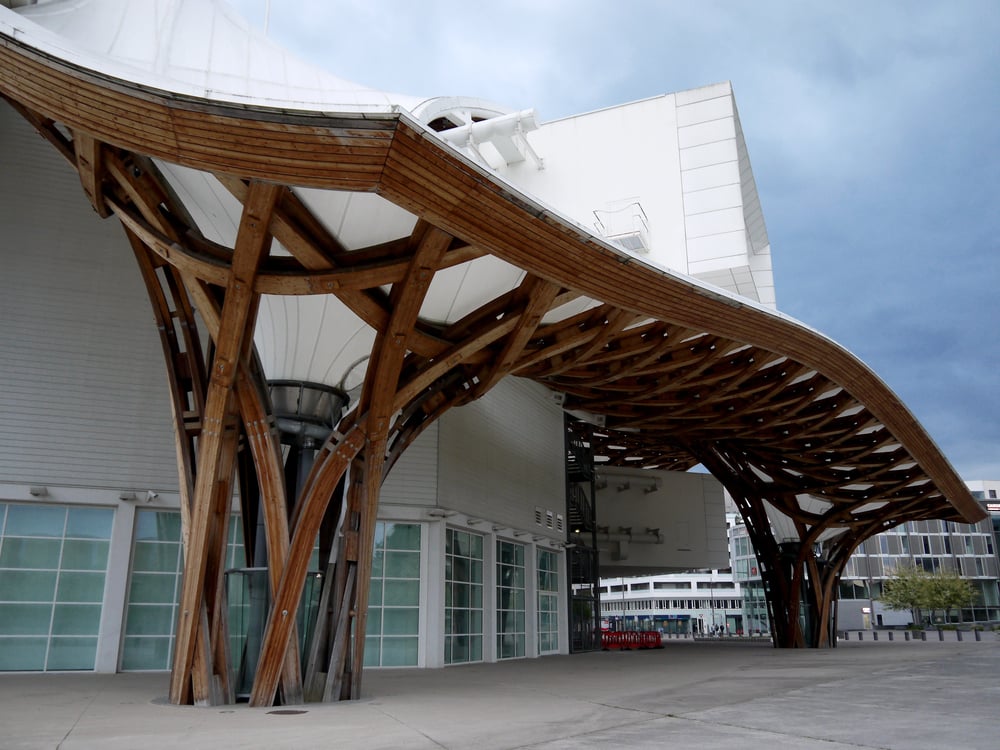
Ban combines innovation with compassion.
Famous for his paper-tube and cardboard structures used after natural disasters, he redefined what sustainable architecture can be.
His Cardboard Cathedral in New Zealand and the timber-roofed Centre Pompidou-Metz show technical brilliance and ethical purpose.
Ban’s work bridges emergency relief and refined design.
He reminds the profession that architecture serves humanity first.
He proves beauty and responsibility are not mutually exclusive.
Where We Build From Here

These architects span four millennia, from Egypt’s first pyramid to today’s digital designs.
Their styles differ—classical, modernist, organic, deconstructivist—but all share a refusal to accept limits.
They saw architecture as more than shelter, a cultural language expressing who we are and who we aspire to be.
Whether through new materials, bold forms, or humane ideals, they transformed the built environment into a record of human imagination.
Their legacy surrounds us in every skyline and dwelling.
It is a continuous conversation across centuries about how humans shape space, and how space, in turn, shapes us.
More from Go2Tutors!

- The Romanov Crown Jewels and Their Tragic Fate
- 13 Historical Mysteries That Science Still Can’t Solve
- Famous Hoaxes That Fooled the World for Years
- 15 Child Stars with Tragic Adult Lives
- 16 Famous Jewelry Pieces in History
Like Go2Tutors’s content? Follow us on MSN.



