Evolution of Personal Computing Interfaces
The way humans interact with computers has never stayed still. From blinking lights and humming machines to sleek glass screens and invisible assistants, each leap forward changed not just how people used computers—but how they thought about them.
Below are the key interfaces that redefined personal computing through touch, voice, vision, and beyond.
Command Line Interfaces
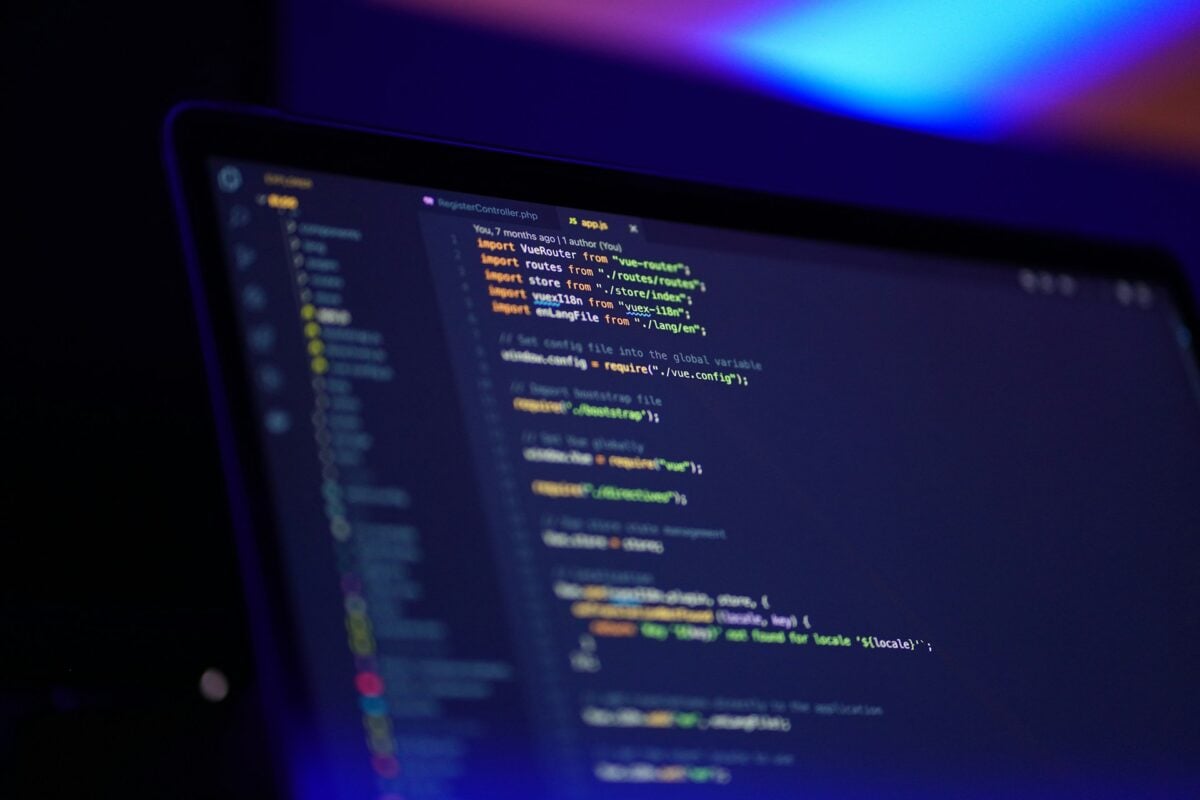
Once upon a time, computers spoke only in text. Early users typed precise commands—no mouse, no icons, no forgiveness.
Each word had to be perfect. Still, there was power in that simplicity: every action spelled out, every output immediate.
The blinking cursor was both an invitation and a challenge. A quiet little dare to get it right.
Graphical User Interfaces (GUI)
Then came windows, icons, menus, and pointers—literally called WIMP. The mouse turned computing into something visual, almost playful.
Instead of typing “copy,” users dragged and dropped. Clicking replaced coding. And though GUIs made computers accessible to millions, purists grumbled that it softened discipline. Maybe.
But it also made creativity possible for anyone with a hand steady enough to double-click.
Touchscreens

Tapping replaced clicking, and suddenly fingers became the interface. Early touchscreens were clunky, slow to respond.
Then came capacitive glass and gestures—swipe, pinch, zoom. Even toddlers could navigate them.
There’s something oddly primal about it: direct contact with information. So close you could almost feel the pixels hum.
Voice Interfaces

Speaking to a machine once felt like science fiction. Now it’s routine—asking for weather, reminders, music.
The microphones listen, the algorithms translate, and somehow meaning appears. Accuracy still slips.
Misheard names, wrong playlists. Not great.
Yet the ease of speaking instead of typing reshaped accessibility. Hands-free became a habit.
Gesture Controls
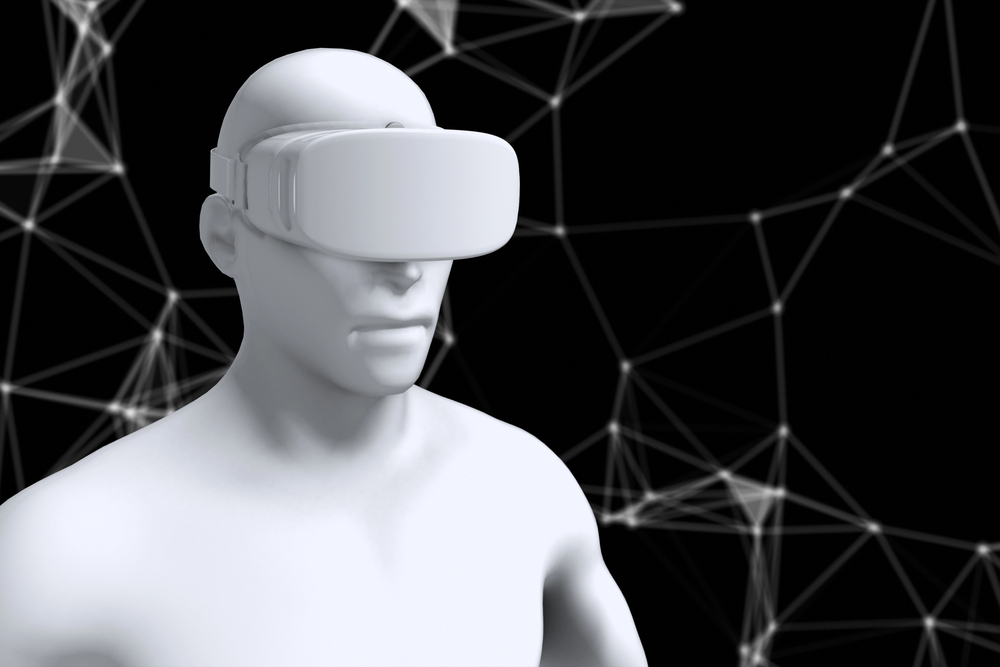
For a brief, ambitious moment, waving at screens seemed like the future. Motion sensors tracked arms, hands, even fingers in midair.
It felt cinematic—until people realised holding an arm out for minutes was exhausting. Even so, gesture control found its niche in gaming and VR, where movement feels less like work and more like play.
Mobile Keyboards

Tiny screens demanded reinvention. On-screen keyboards arrived, shrinking letters to thumb-sized targets.
Auto-correct became both saviour and menace. Still, people adapted—developing lightning-fast texting speeds, half-glances, full sentences typed with muscle memory alone.
There’s something almost musical about it. Tap-tap-pause.
Stylus and Pen Input

The stylus bridged the gap between hand and screen—precise, familiar, elegant. Artists embraced it for drawing; note-takers for scribbling ideas as they once did on paper.
The best versions understood pressure, tilt, even hesitation. That brief moment when pen meets glass feels oddly satisfying.
A whisper instead of a click.
Voice Assistants and AI Companions
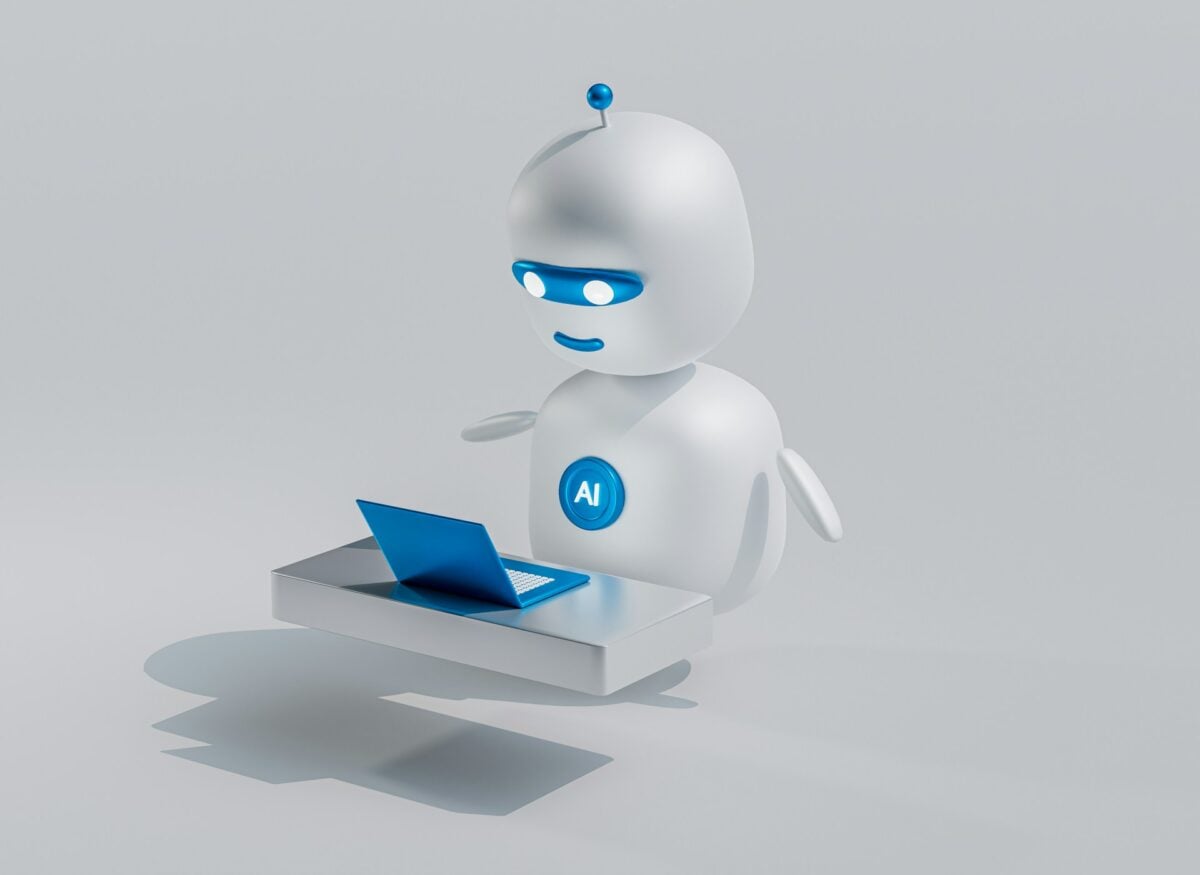
The line between interface and personality started to blur. Digital assistants learned tone, rhythm, and humour.
They became companions of sorts, capable of conversation—or at least convincing imitations of it. Still, there’s an uncanny edge.
The feeling that the machine might know too much, answer too fast, or sound a little too human.
Augmented and Virtual Reality
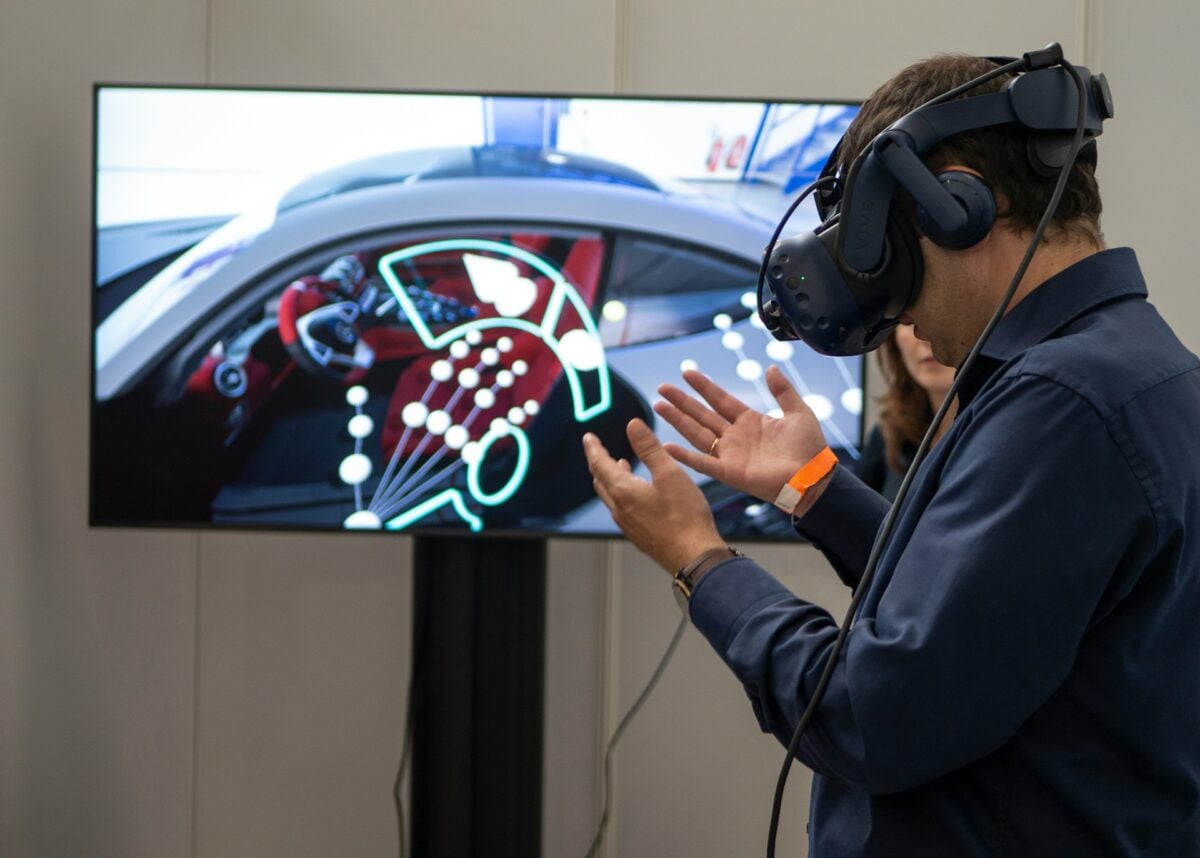
Now the interface wraps around the user. In virtual and augmented spaces, windows become rooms, icons become objects you can reach for.
It’s immersive, sometimes overwhelming. A single gesture opens worlds.
And while still in its early stages, the idea of computing as a place rather than a tool feels inevitable.
From Cursor to Consciousness
Each generation of interface brings the computer closer to human instinct—less typing, more touching, more seeing, more feeling. One day, the next step might not involve screens or keys at all. Just thought.
Quiet, seamless, and invisible.
More from Go2Tutors!

- The Romanov Crown Jewels and Their Tragic Fate
- 17 Halloween Costumes Once Considered Taboo
- Famous Hoaxes That Fooled the World for Years
- 15 Child Stars with Tragic Adult Lives
- 16 Famous Jewelry Pieces in History
Like Go2Tutors’s content? Follow us on MSN.