15 Real Stories That Got Overshadowed by a More Marketable Version
History isn’t always what we’re taught in textbooks or see in popular media. Often, the complex, nuanced truth gets simplified, sensationalized, or completely rewritten to create a more compelling narrative. These alterations might make for better entertainment, but they frequently overshadow the actual events and people behind the stories.
Here is a list of 15 historical events and figures whose authentic stories were pushed aside in favor of more marketable, simplified, or dramatized versions that captured public imagination but diverged from reality.
The Real Boston Tea Party
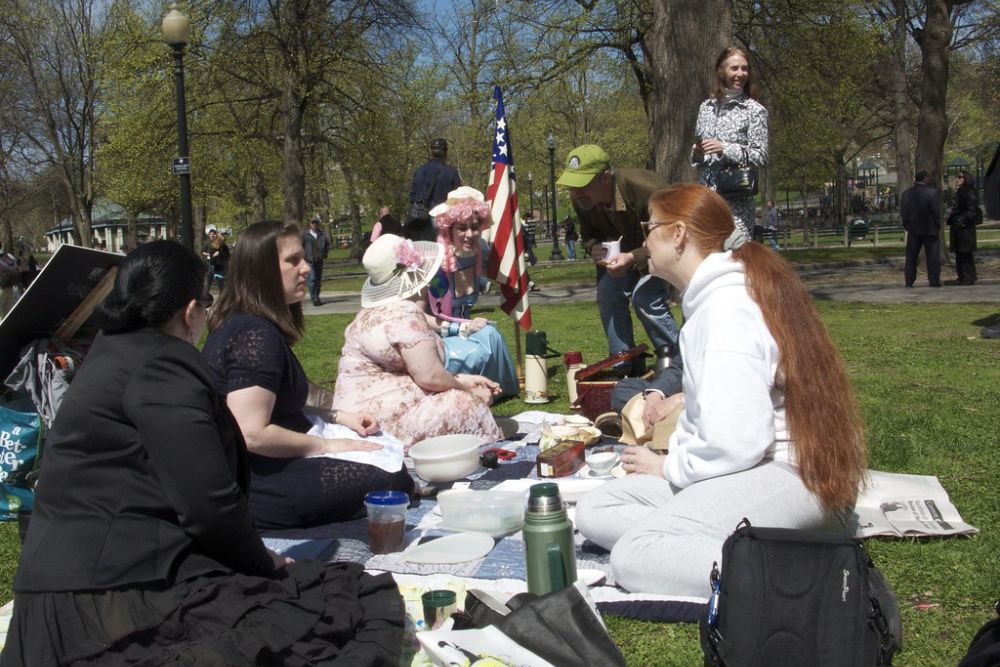
The popularized version depicts patriotic colonists dressed as Native Americans dumping tea into Boston Harbor as a bold protest against taxation. In reality, it was a carefully planned operation by local merchants whose businesses were threatened by the Tea Act.
Many participants weren’t disguised at all, and several prominent colonists later condemned the destruction of private property. The event was relatively orderly—participants even swept the decks of the ships clean afterward.
Pocahontas and John Smith
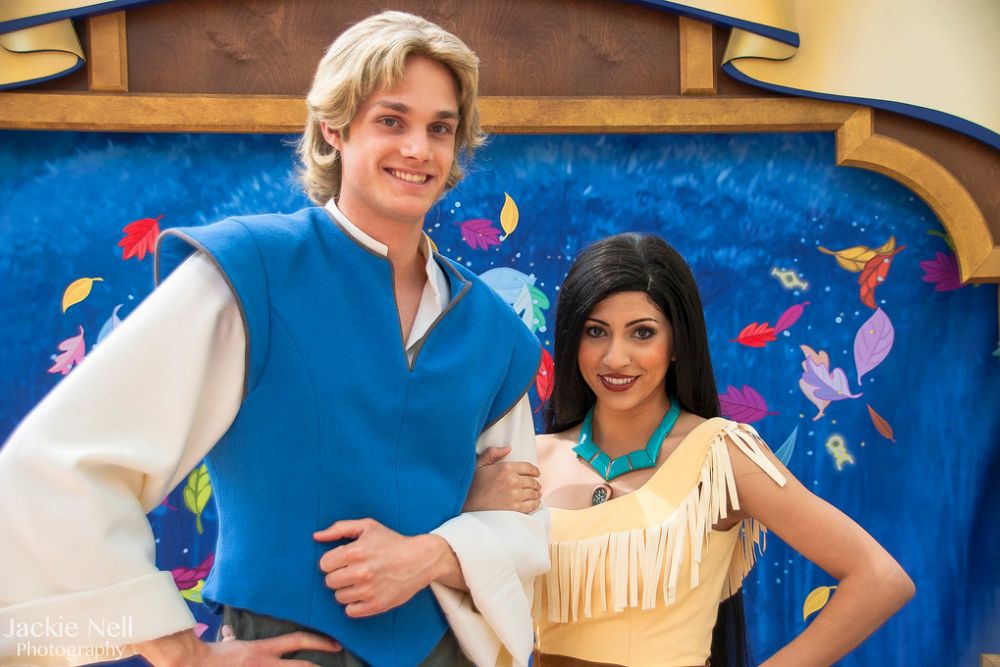
Disney’s romantic tale bears little resemblance to historical events. Pocahontas was only about 10-12 years old when she met Smith, and there’s no credible evidence she saved him from execution.
Smith had a habit of claiming young women saved his life in various adventures. The real Pocahontas was later captured by colonists, converted to Christianity, renamed Rebecca, married tobacco planter John Rolfe (not Smith), and died in England at about age 21.
The War of the Worlds Panic
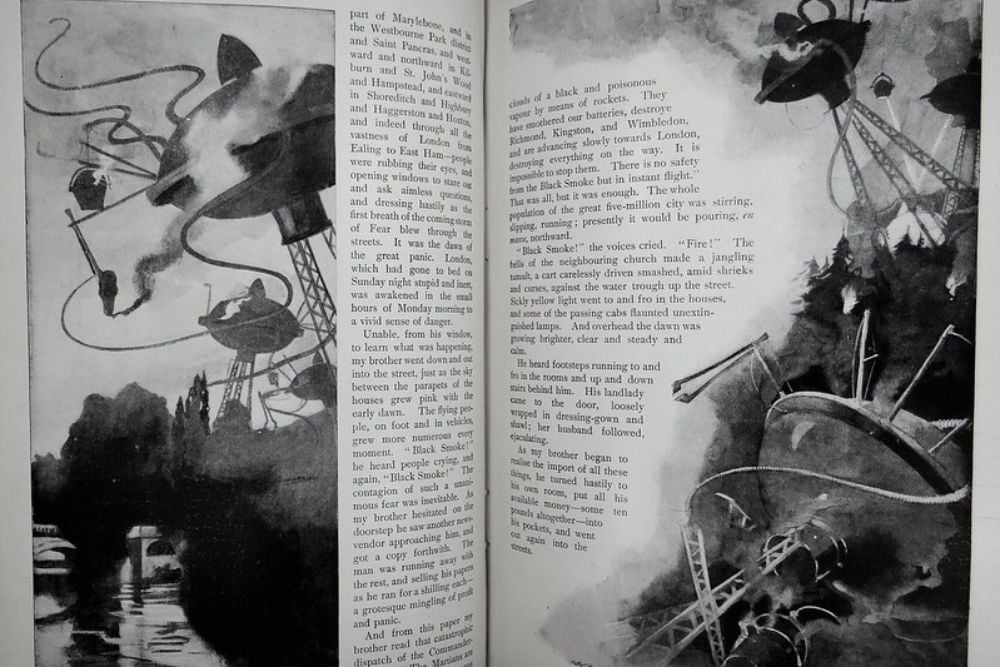
Reports of mass hysteria following Orson Welles’ 1938 radio broadcast have been greatly exaggerated. Newspaper articles at the time dramatically overstated the panic, likely to discredit radio as a competing news medium.
Research shows most listeners either recognized the broadcast as fiction or missed the introduction and changed stations when they realized it wasn’t music. The few who were genuinely frightened typically called police or family members rather than fleeing their homes.
Christopher Columbus’s Voyages
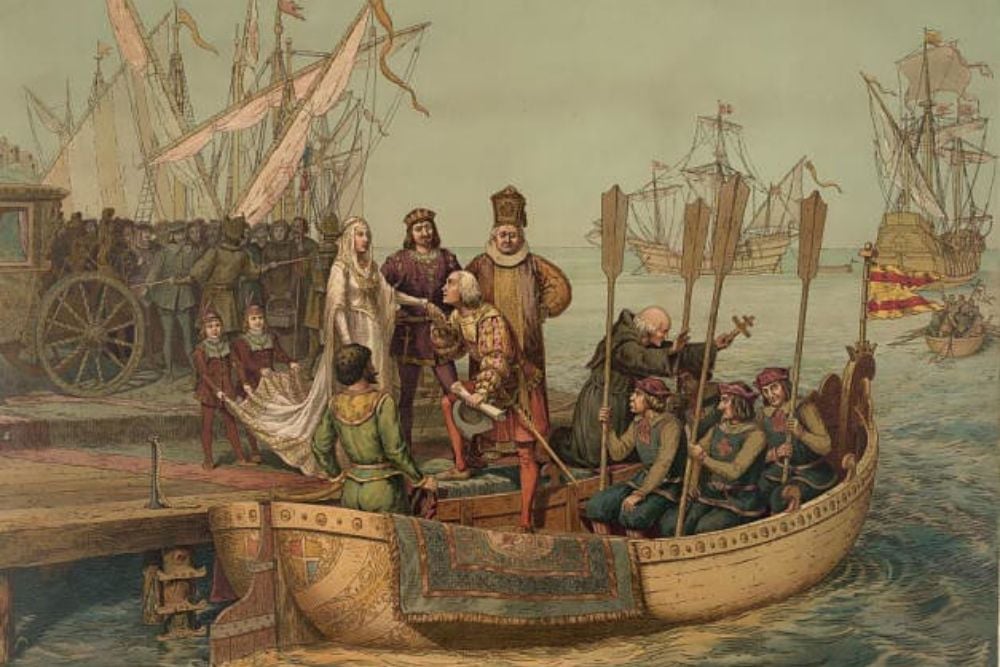
Elementary school lessons often portray Columbus as a visionary who proved the Earth was round against widespread belief it was flat. In truth, educated Europeans had known Earth’s spherical shape since ancient Greek times. Columbus actually miscalculated Earth’s size and would have perished had the Americas not been in his path.
Far from being a hero, his governance of Hispaniola was marked by brutal exploitation of indigenous peoples, leading to his arrest and removal from power by Spanish authorities.
The Real Lone Ranger
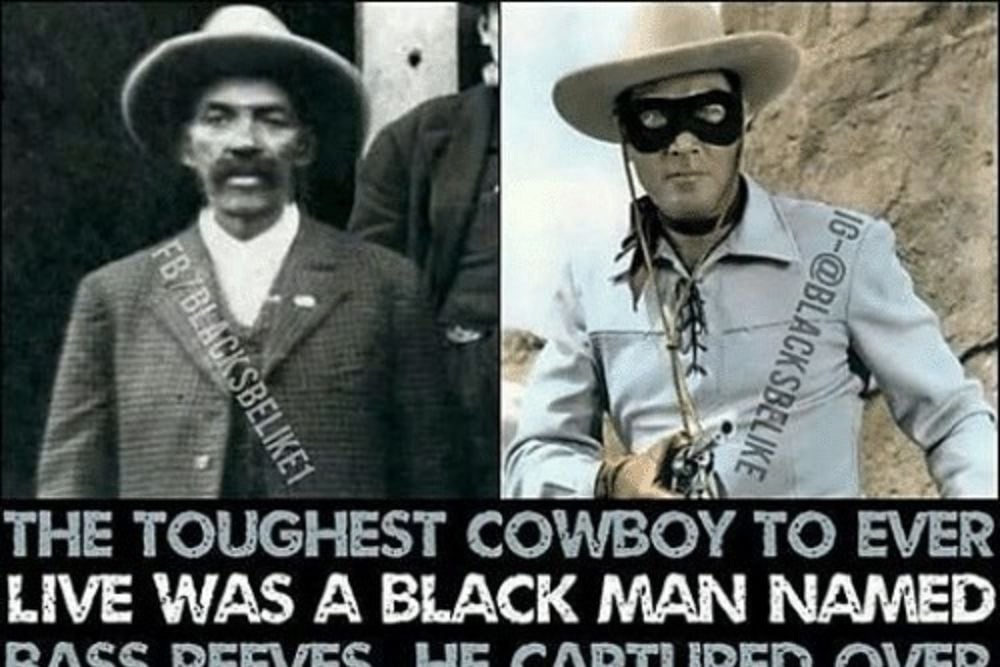
The popular radio and TV character was likely inspired by Bass Reeves, a formerly enslaved man who became one of the first Black deputy U.S. marshals west of the Mississippi. Reeves arrested over 3,000 criminals during his career and was known for his shooting skills, disguises, and issuing silver coins as calling cards.
Unlike the fictional character who worked solo except for Tonto, Reeves led posses and worked with multiple partners throughout his distinguished 32-year career in law enforcement.
The Mutiny on the Bounty
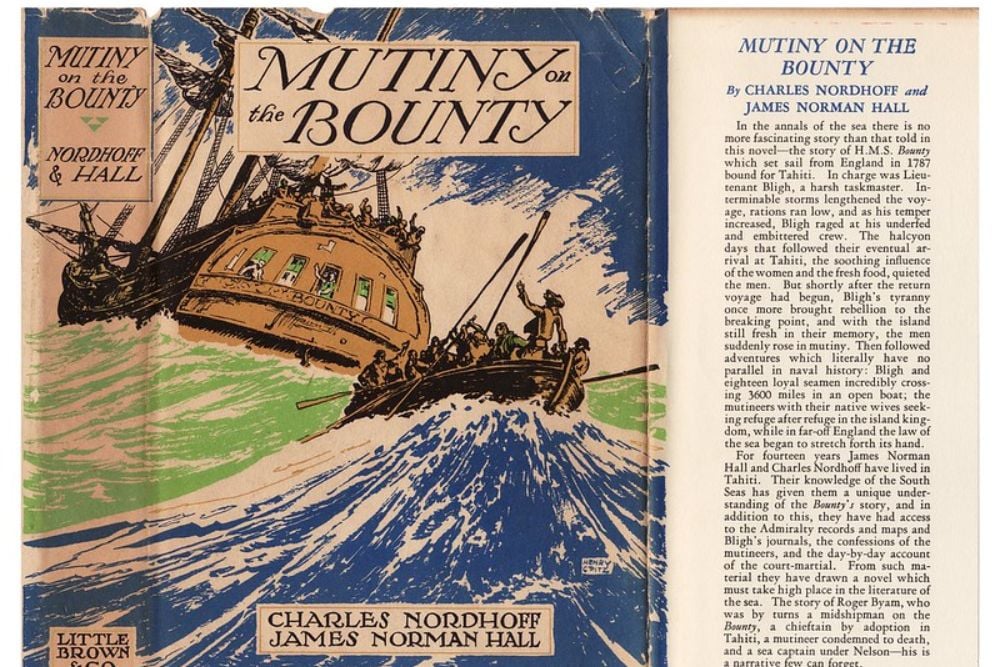
Films depicting the event focus on Captain Bligh’s supposed cruelty driving his crew to mutiny. Historical records suggest Bligh was actually less violent than typical captains of his era.
The primary cause of the mutiny was likely the crew’s desire to return to the comfortable life they’d experienced during their five-month stay in Tahiti. After the mutiny, Bligh performed one of history’s most impressive feats of navigation, successfully guiding a small open boat with 18 loyal crew members over 3,600 miles to safety.
Lady Godiva’s Ride
The popular tale describes an 11th-century noblewoman riding naked through Coventry to protest her husband’s oppressive taxation of townspeople. This romantic version emerged nearly 200 years after her death. While Lady Godiva was a real person who advocated for tax relief, the naked ride almost certainly never happened.
The “peeping Tom” element was added even later, in the 17th century, further distancing the legend from the actual historical figure who was known for her piety and charitable works.
Nero Fiddling While Rome Burned
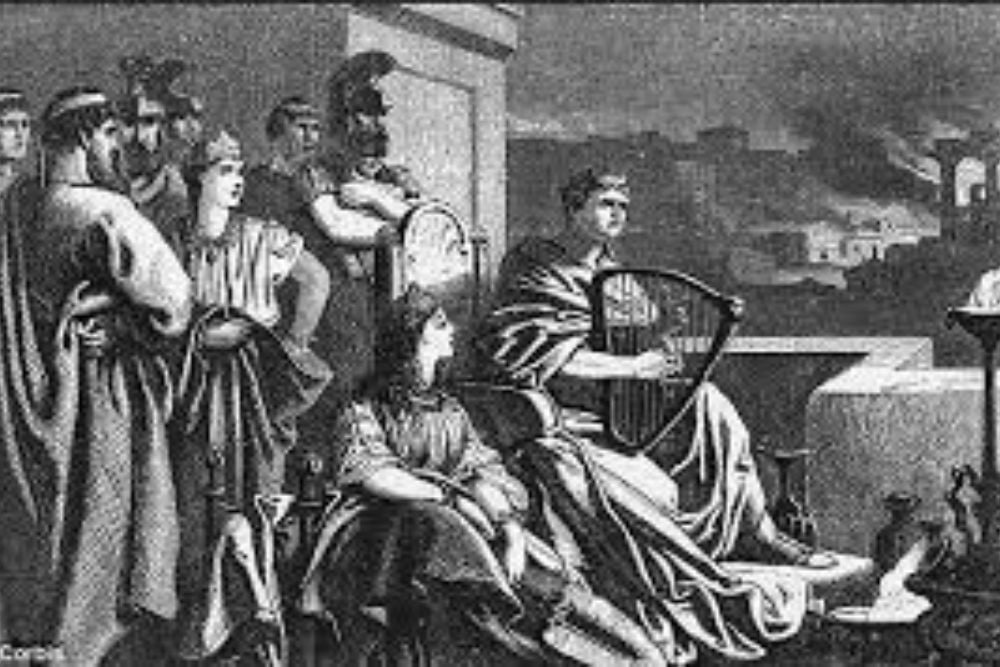
The image of Emperor Nero playing music while Rome burned in 64 CE makes for a powerful metaphor but is historically dubious. Violins didn’t exist in ancient Rome, and contemporary accounts place Nero 35 miles away in Antium when the fire began.
He reportedly rushed back to organize relief efforts, opening his gardens to the homeless and implementing fire safety reforms. The negative portrayal originated with later historians hostile to Nero, who used the fire to criticize his rule and extravagant building projects that followed the disaster.
The First Thanksgiving
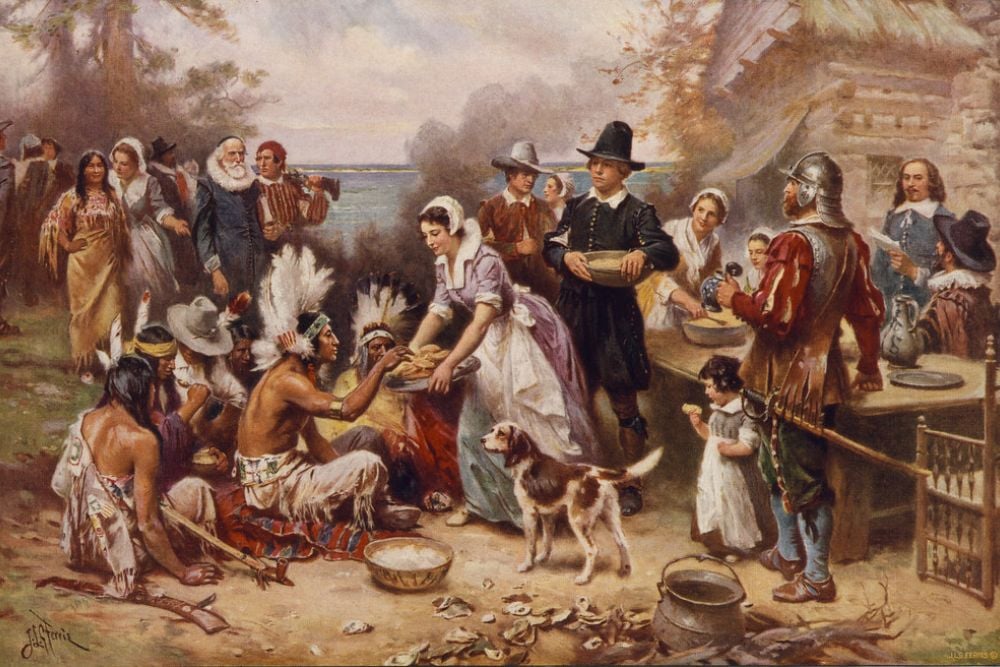
The idealized image of Pilgrims and Wampanoag Native Americans sharing a peaceful harvest meal barely resembles historical events. The actual 1621 gathering wasn’t called “Thanksgiving” by participants, lasted three days, and featured competitive games and military displays.
Relations between colonists and Native Americans were already tense, and within a generation, they would be at war. Thanksgiving didn’t become a regular national holiday until Abraham Lincoln proclaimed it during the Civil War, over 200 years later.
The Wright Brothers’ First Flight
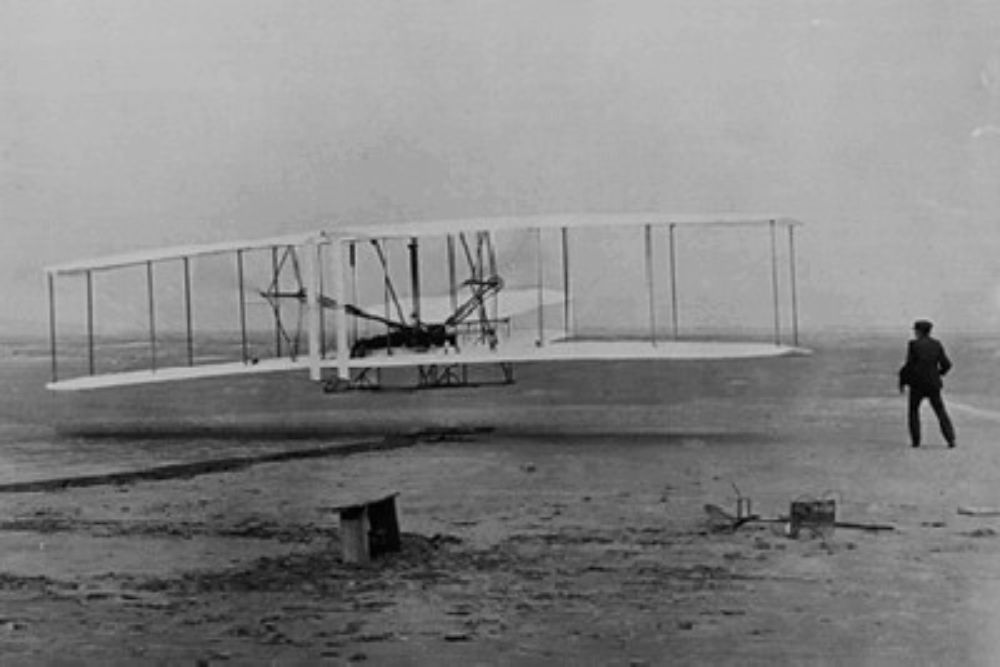
While the Wright brothers deserve credit for their achievement at Kitty Hawk, they weren’t working in isolation. Aviation pioneers worldwide were making significant advances, including New Zealander Richard Pearse, who may have achieved powered flight months before the Wrights.
The iconic photo of their first flight actually shows their fourth attempt that day, which traveled 852 feet. The brothers’ secretiveness about their invention after this success, avoiding public demonstrations for years, allowed competing narratives and claims to emerge.
Marie Antoinette’s “Let Them Eat Cake”

The infamous phrase attributed to the French queen was never actually spoken by her. The line “let them eat brioche” appeared in Jean-Jacques Rousseau’s ‘Confessions,’ written when Marie Antoinette was only a child.
Revolutionary propagandists later attached the callous statement to her to portray the monarchy as out of touch with the common people’s suffering. Despite her flaws, historical evidence suggests she was more compassionate toward the poor than her popular image indicates.
The Wild West Gunfight Culture
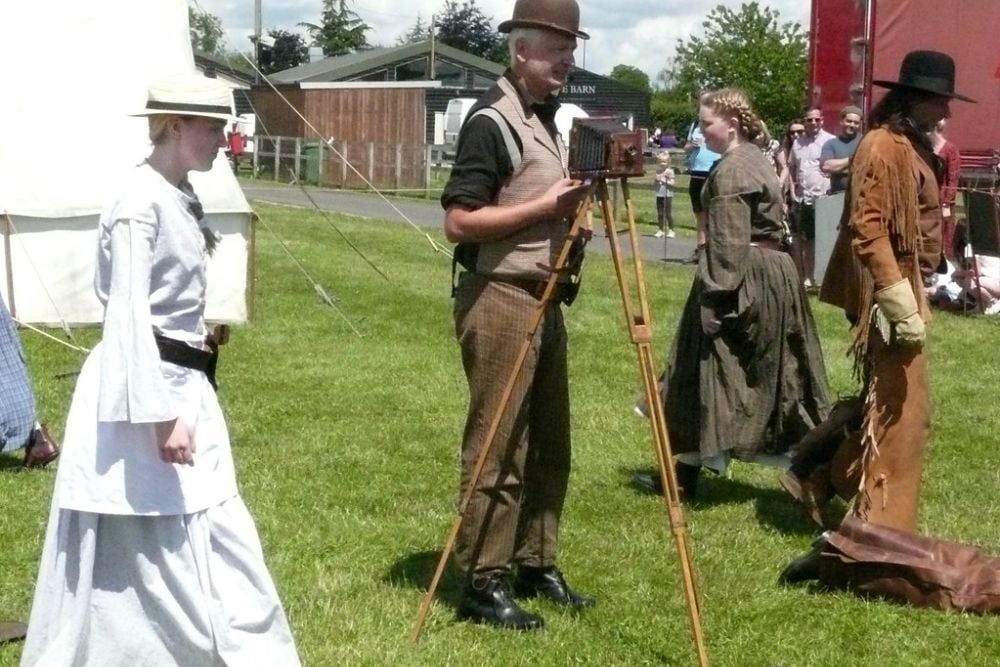
Hollywood westerns portray gunfights as common occurrences with gunslingers facing off in dusty streets. In reality, the “Wild” West was far less violent than depicted. The famous 1881 Gunfight at the O.K. Corral lasted just 30 seconds and was unusual enough to become legendary.
Most towns had strict gun control ordinances requiring visitors to surrender weapons while in town limits. Law enforcement was generally effective, and most conflicts were resolved through legal channels rather than vigilante justice.
Einstein’s School Struggles
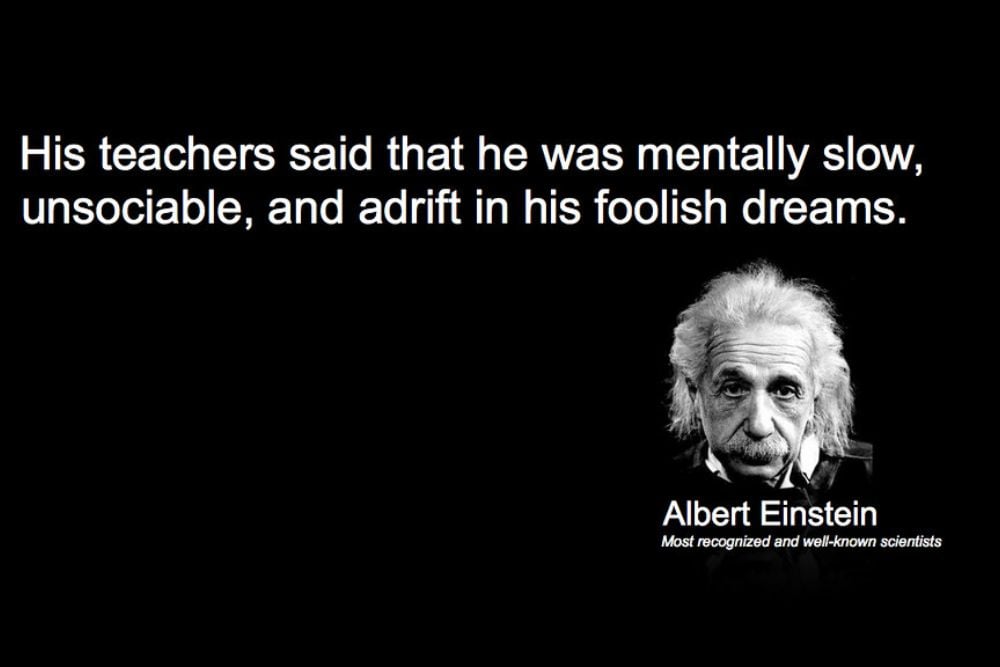
Popular accounts claim Albert Einstein failed mathematics as a student before becoming a brilliant physicist. School records show he actually excelled in math from an early age.
The misconception may stem from changes in the Swiss grading system or Einstein’s conflicts with authoritarian teaching methods. This marketable narrative of the “failed student turned genius” persists because it offers hope to struggling students and fits neatly into underdog story patterns, despite contradicting the historical record.
George Washington’s Wooden Teeth
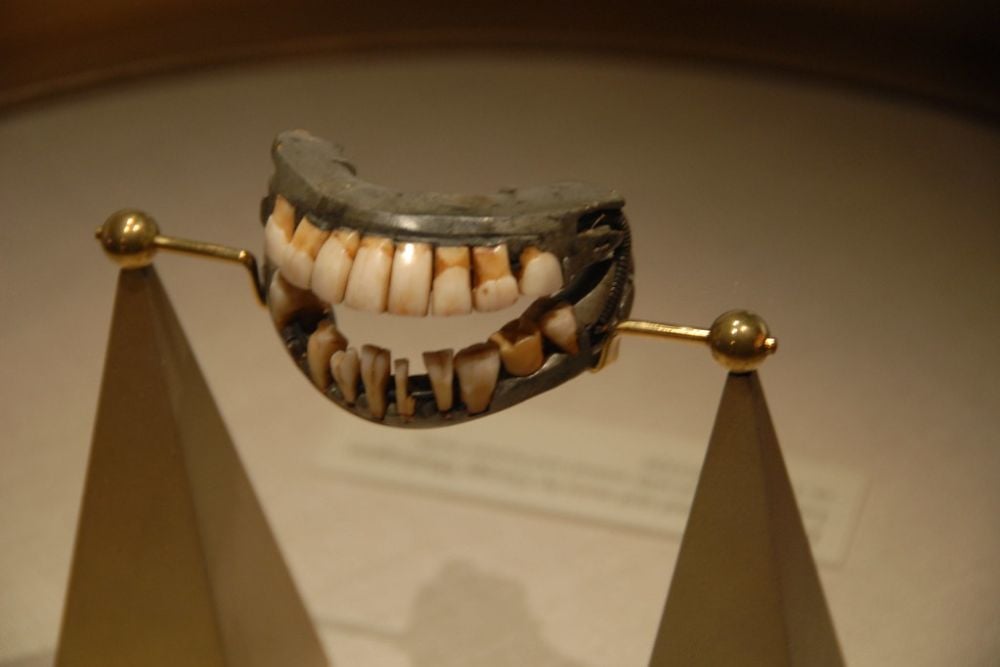
The first U.S. president did suffer from dental problems throughout his life and wore several sets of dentures, but none were wooden. His false teeth were made from materials including hippopotamus ivory, gold, lead, and human teeth (likely purchased from enslaved people or poor individuals).
The wooden teeth myth emerged as a simplification of his dental struggles that was easier to communicate to schoolchildren than the uncomfortable reality of his prosthetics’ origins.
The Signing of the Declaration of Independence
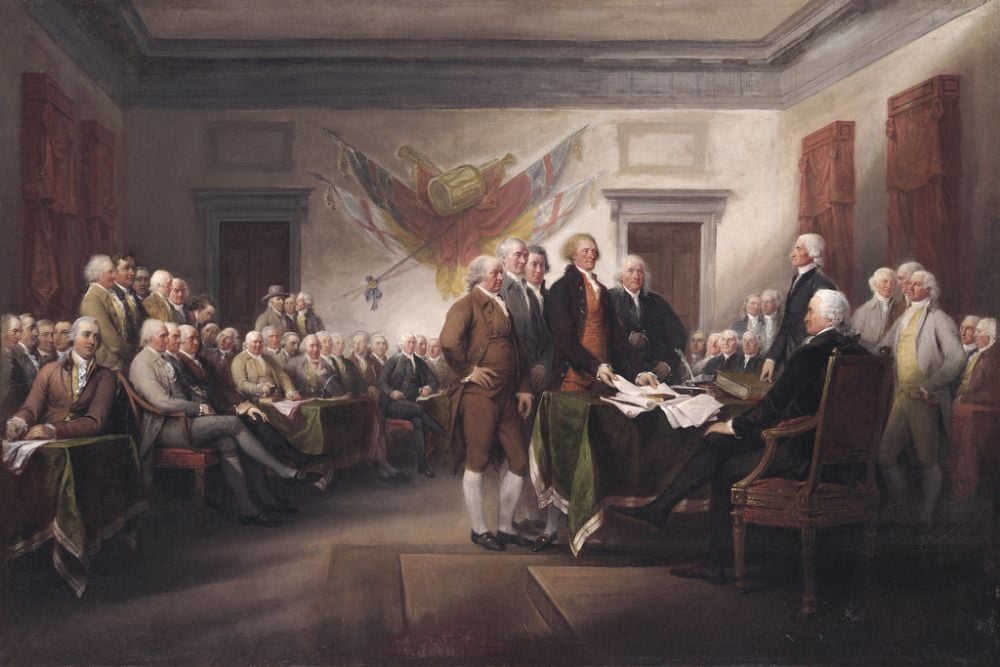
The iconic image of all founding fathers signing the document together on July 4, 1776, is historically inaccurate. The Continental Congress approved the declaration on July 4, but the document wasn’t fully signed until August 2, with some signatures added even later.
John Hancock and Charles Thomson signed on July 4, but most delegates signed weeks later. The dramatic unified signing scene emerged as part of national myth-building in the early 19th century, simplifying a more complex political process into a single patriotic moment.
History’s Complex Layers
The gap between historical reality and popular perception reminds us to approach conventional narratives with healthy skepticism. These sanitized or dramatized versions often serve specific cultural, political, or commercial purposes that can obscure the nuanced truth.
By examining primary sources and considering multiple perspectives, we can develop a richer understanding of history’s complexities while appreciating why certain simplified versions became culturally dominant in the first place.
More from Go2Tutors!

- The Romanov Crown Jewels and Their Tragic Fate
- 13 Historical Mysteries That Science Still Can’t Solve
- Famous Hoaxes That Fooled the World for Years
- 15 Child Stars with Tragic Adult Lives
- 16 Famous Jewelry Pieces in History
Like Go2Tutors’s content? Follow us on MSN.