Things That Used to Be Cool but Aren’t Anymore
Remember when certain trends felt like they’d last forever? Cultural shifts have a funny way of making yesterday’s must-haves feel completely outdated. What seemed cutting-edge or stylish just a decade or two ago now often triggers nostalgia mixed with a bit of embarrassment.
Here is a list of things that used to be cool but aren’t anymore.
BlackBerry Phones
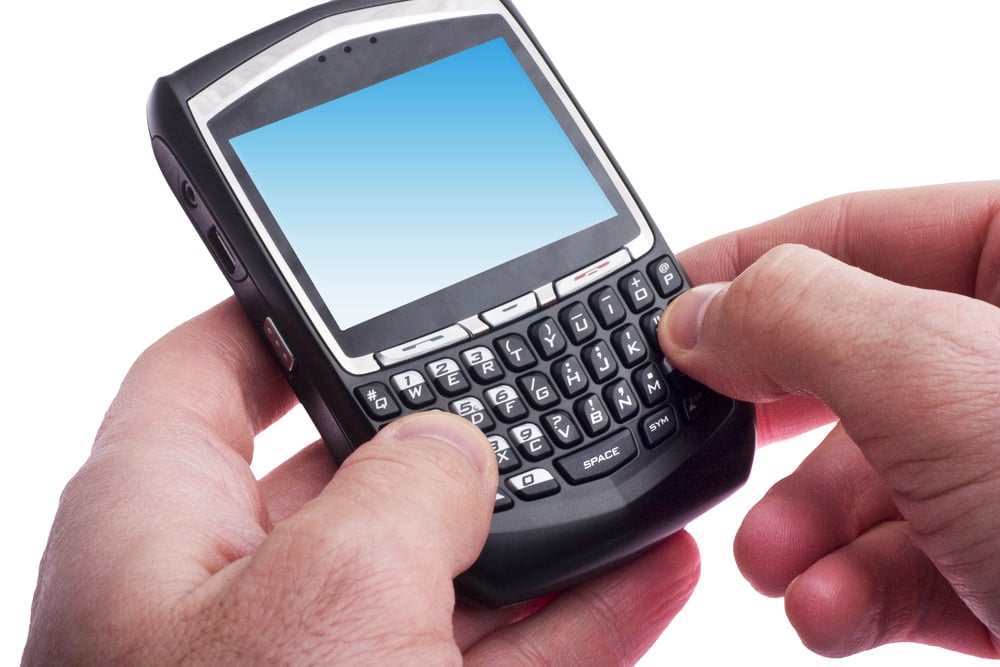
BlackBerry devices were the ultimate status symbol in the mid-2000s, especially among business professionals and politicians. The physical keyboard and BBM messaging made people feel incredibly productive and connected.
When touchscreen smartphones arrived with better apps and interfaces, BlackBerry’s appeal vanished almost overnight, and holding onto one became a sign of being behind the times rather than ahead of it.
Popped Collars

Preppy fashion in the early 2000s made popped collars on polo shirts a widespread trend, particularly on college campuses and in nightlife scenes. Guys would layer multiple polos with all the collars popped, thinking it projected confidence and style.
The look eventually became so associated with a specific type of perceived arrogance that it turned into a punchline, and people quickly abandoned the practice.
Trucker Hats

Around 2003, trucker hats with mesh backs became a genuine fashion statement thanks to celebrities and the Von Dutch brand. People paid premium prices for what were essentially free promotional caps from farming supply companies.
The trend burned out fast when it became clear the ironic coolness had been commercialized to death, and now wearing one non-ironically feels like a time capsule moment.
MySpace Profile Customization

MySpace let users completely personalize their profiles with custom backgrounds, music players, and glittery graphics, which felt revolutionary for self-expression online. Spending hours coding HTML to get your page just right was a badge of honor, and your Top 8 friends list carried serious social weight.
Facebook’s cleaner, uniform interface won out because it turned out people valued connection over chaotic customization, making MySpace’s aesthetic feel cluttered and juvenile.
Planking

Lying face-down in unusual locations and posting photos online became a bizarre global phenomenon around 2011. People planked on everything from shopping carts to rooftops, competing for the most creative or dangerous spots.
The trend faded quickly because it was inherently limited—there’s only so many ways to lie flat—and it got associated with attention-seeking behavior rather than genuine humor.
Low-Rise Jeans
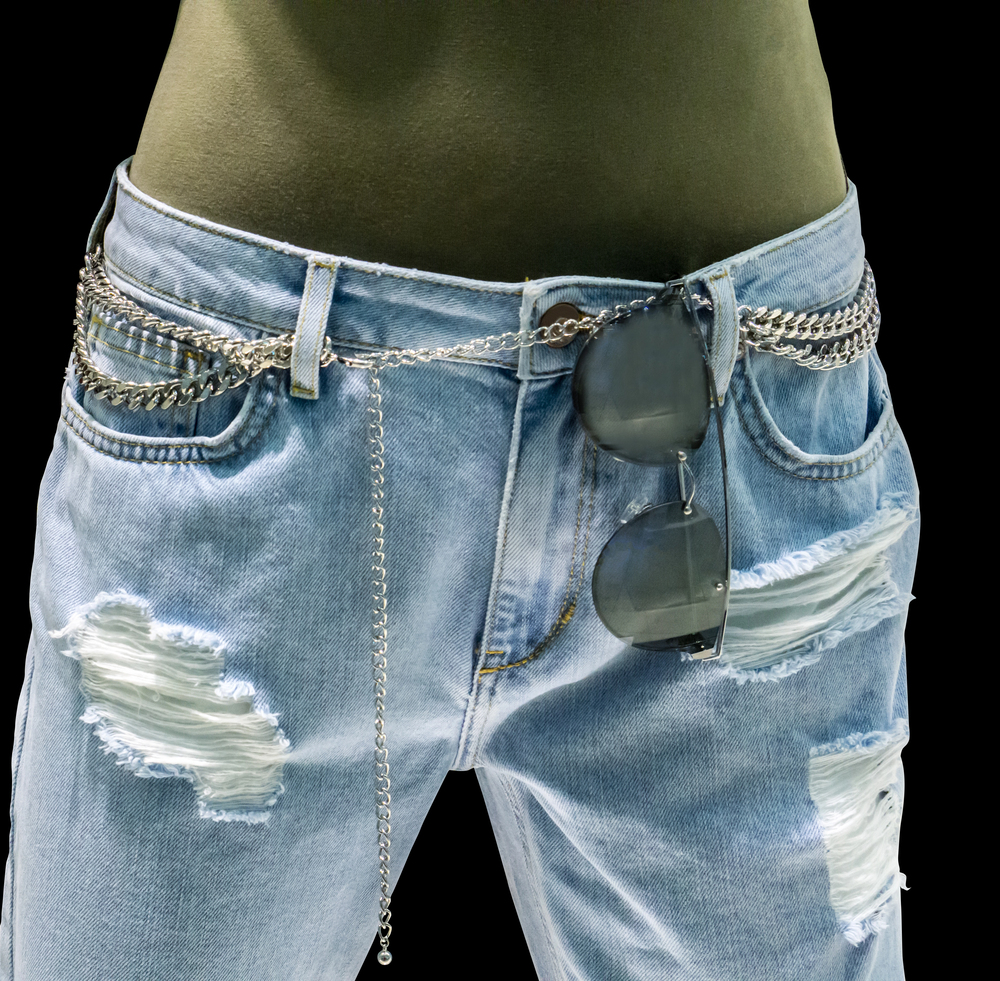
The late ’90s and early 2000s saw jeans with waistbands that sat several inches below the navel dominate fashion for both men and women. Paired with visible thong straps or long belts, low-rise denim defined an era of style.
Comfort and body positivity movements shifted preferences toward high-waisted options, and low-rise jeans now represent a period most people would rather forget, though they’re attempting minor comebacks among Gen Z.
Livestrong Bracelets
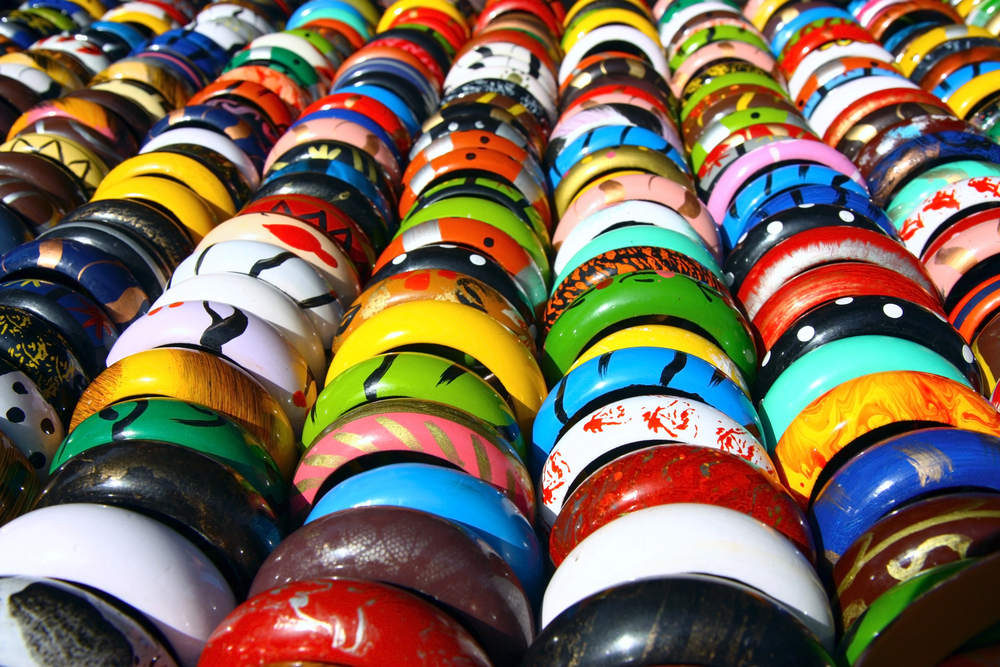
Lance Armstrong’s yellow silicone wristbands raised millions for cancer research and became ubiquitous symbols of charitable awareness in the mid-2000s. People wore them stacked up their arms, and countless organizations created their own colored versions for different causes.
Armstrong’s doping scandal tainted the original bracelet’s meaning, and the sheer oversaturation of cause bracelets made them feel less meaningful and more like performative activism.
Flip Phones
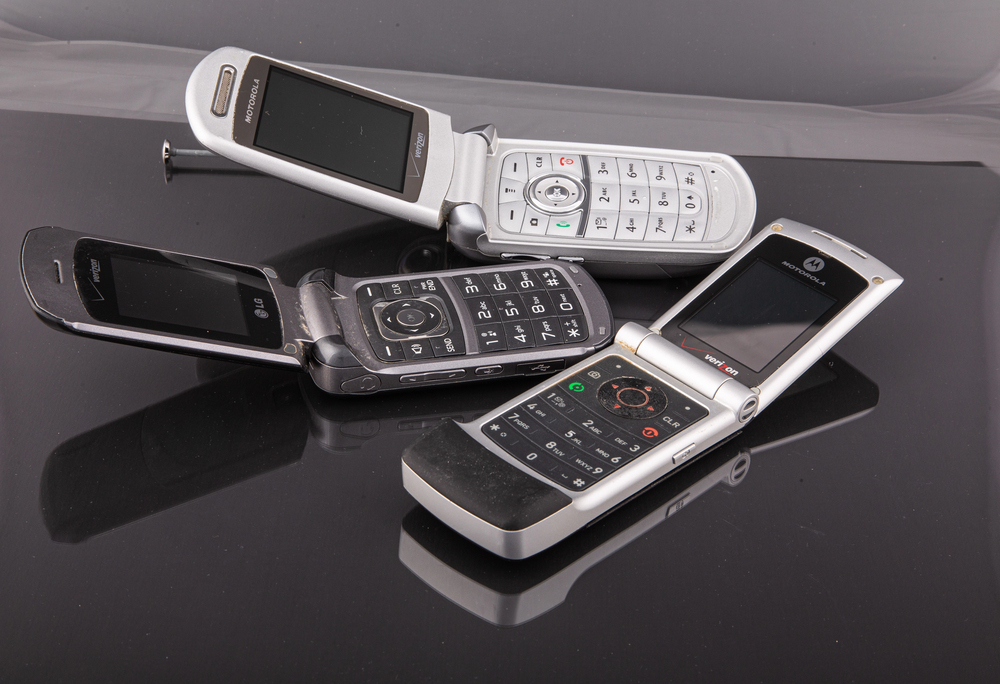
Before smartphones dominated, flip phones were sleek, compact, and immensely satisfying to snap shut after ending a call. Models like the Motorola RAZR represented the pinnacle of mobile phone design and desirability.
Touchscreen technology made flip phones obsolete practically overnight, though some people miss the physical satisfaction and the clear boundary they created between being available and being disconnected.
Ed Hardy Clothing
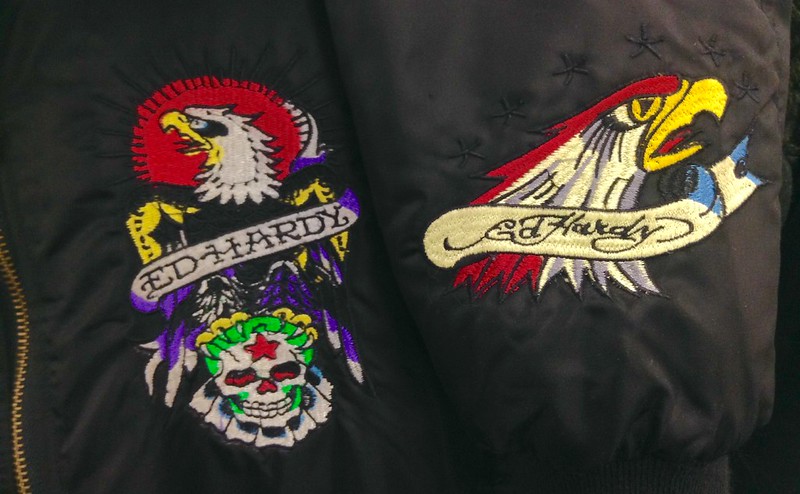
Christian Audigier’s Ed Hardy brand brought tattoo-inspired designs to mainstream fashion in the mid-2000s, with rhinestone-covered shirts and hoodies fetching high prices. Celebrities embraced the bold, flashy aesthetic, making the eagle and skull designs seem edgy and exclusive.
Overexposure and association with a specific type of nightclub culture caused the brand to crash hard, and wearing Ed Hardy became shorthand for trying too hard.
Wallet Chains
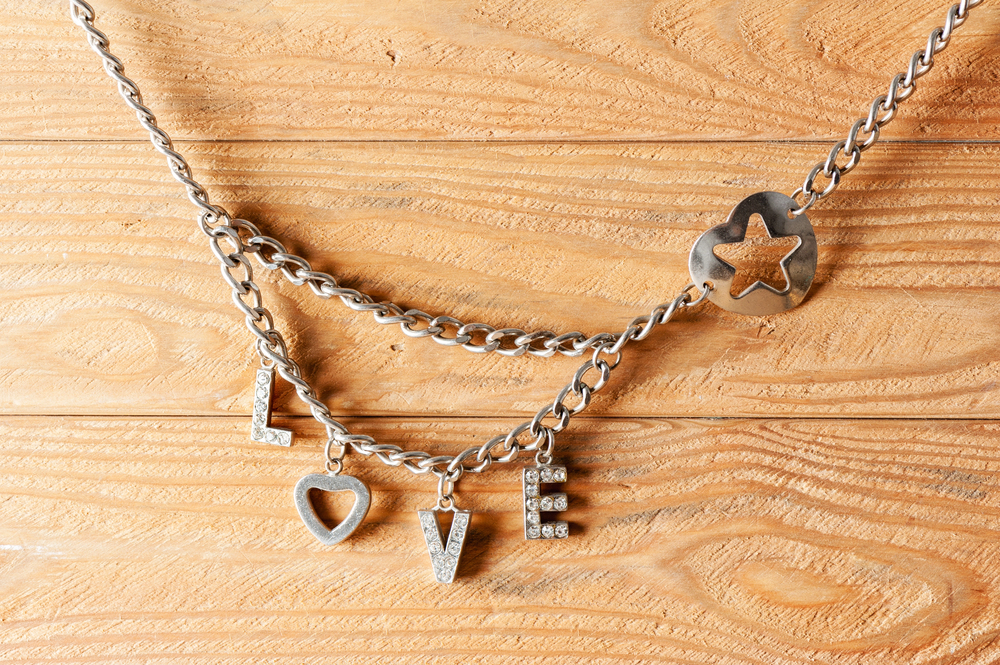
Punk and alternative subcultures made wallet chains a practical and rebellious accessory throughout the ’90s and early 2000s. The long metal chains prevented theft while making a statement about not conforming to mainstream fashion.
As skinny jeans replaced baggy pants and digital payments reduced the need for bulky wallets, the chains lost both their function and their edge, becoming more costume than style choice.
Von Dutch Merchandise
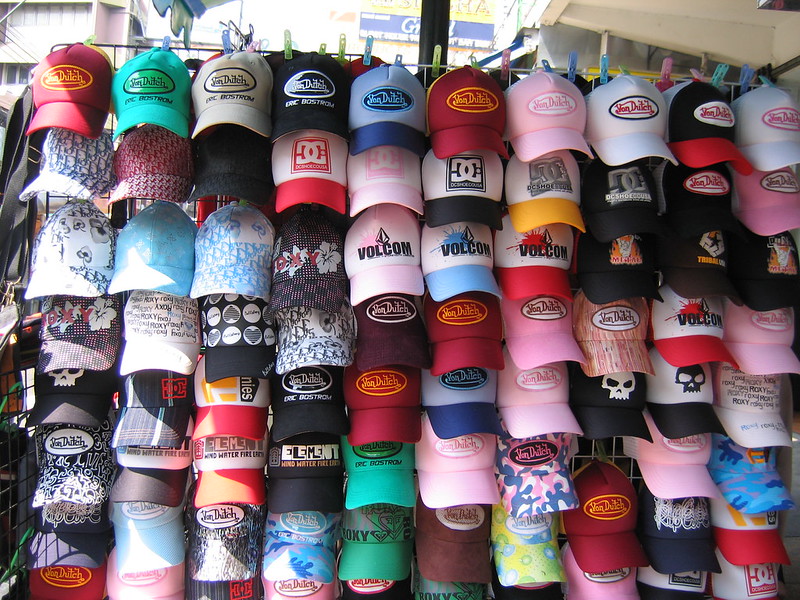
The Von Dutch brand represented peak early-2000s celebrity culture, with its trucker hats and graphic tees worn by Paris Hilton and Ashton Kutcher. The distinctive logo became synonymous with a particular moment in pop culture excess.
Like many trends that explode too quickly, Von Dutch collapsed under its own ubiquity, and the brand now serves as a reference point for discussing how trends can go from everywhere to nowhere.
Bedazzled Everything
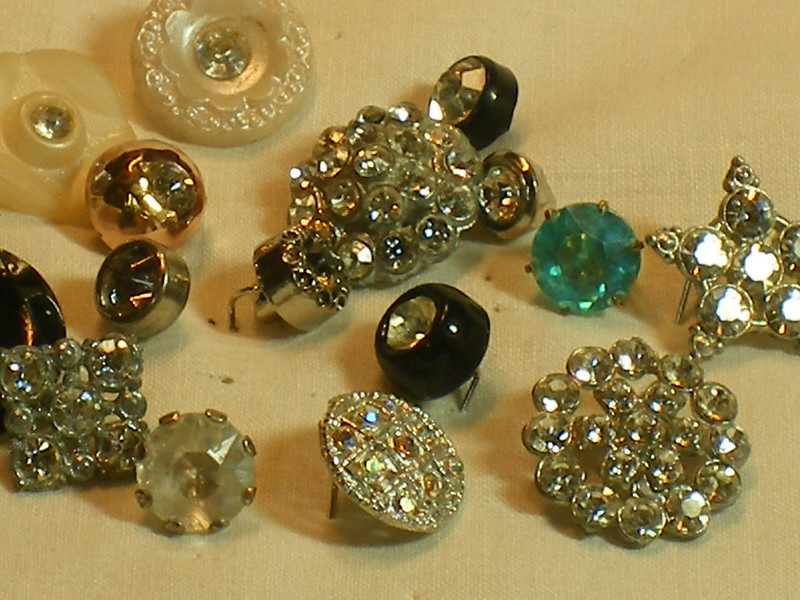
Rhinestones and crystals on phones, jeans, purses, and pretty much any surface defined a particular aesthetic in the 2000s. The sparkly maximalism felt glamorous and attention-grabbing, especially on reality TV shows.
Minimalist design trends took over, making bedazzled items look dated and excessive, though some elements have cycled back in modified forms with Y2K nostalgia.
Typing LiKe ThIs

Alternating caps in random patterns was a way to show sarcasm or mockery online before mocking SpongeBob memes codified the format around 2017. People used it extensively in instant messages and early social media to convey a specific tone.
The technique became so overused and associated with a particular type of internet argument that it lost its impact, though the SpongeBob meme gave it a brief second life.
Bumper Stickers as Personality Statements
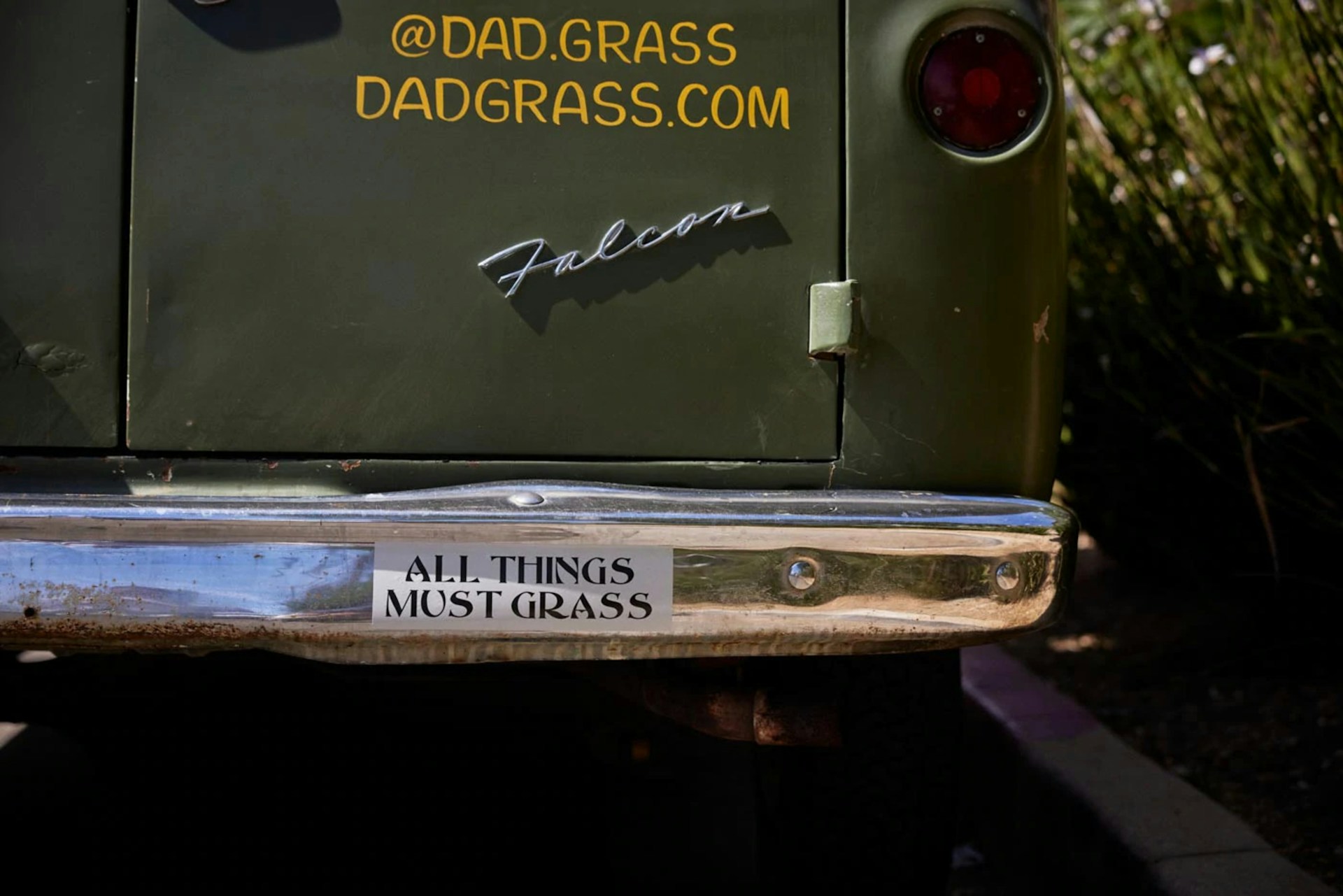
Cars covered in witty, political, or lifestyle bumper stickers used to communicate the owner’s identity and beliefs to other drivers. Collections of stickers from national parks, bands, or causes turned vehicles into mobile billboards of personality.
The practice declined as people became more privacy-conscious and worried about road rage or judgment, plus the permanence of adhesive stickers on expensive cars fell out of favor.
Energy Drink Mixers at Bars
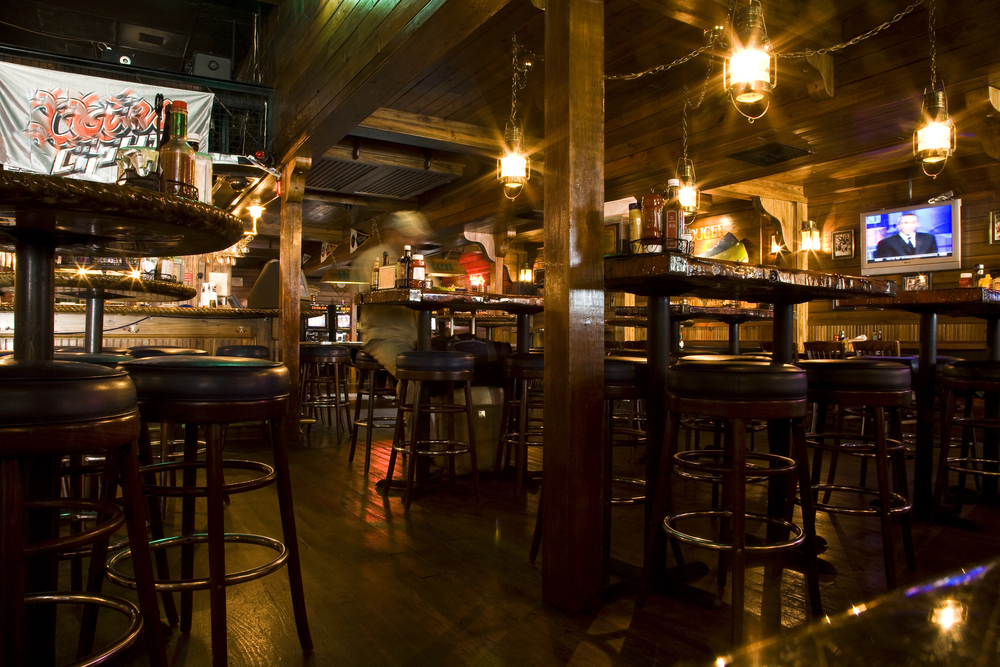
Mixing Red Bull or similar energy drinks with vodka became the go-to club drink in the early 2000s, promising to keep people alert while drinking. Bars stocked energy drinks specifically for this purpose, and the combination defined a particular nightlife culture.
Health concerns about mixing stimulants with alcohol gained attention, and tastes shifted toward craft cocktails and quality ingredients, making energy drink mixers seem unsophisticated and potentially dangerous.
The Evolution of Cool

Cultural trends move faster now than ever before, compressed by social media’s ability to spread and exhaust ideas in months rather than years. What made something cool in previous decades—exclusivity, rebellion, or novelty—now faces instant scrutiny and rapid oversaturation.
The things that fall out of favor often share a common thread: they prioritized appearance over substance, or they became so widespread that they lost their original meaning. Understanding what used to be cool helps us recognize that today’s trends are equally temporary, and maybe that’s what makes cultural moments worth appreciating while they last.
More from Go2Tutors!

- The Romanov Crown Jewels and Their Tragic Fate
- 13 Historical Mysteries That Science Still Can’t Solve
- Famous Hoaxes That Fooled the World for Years
- 15 Child Stars with Tragic Adult Lives
- 16 Famous Jewelry Pieces in History
Like Go2Tutors’s content? Follow us on MSN.