Most Poisonous Flowers Discovered
Gardens full of beautiful blooms seem like the safest, most peaceful places on earth. Flowers represent love, celebration, and natural beauty in nearly every culture around the world.
But hidden among these pretty petals and sweet fragrances lurk some of nature’s deadliest toxins, capable of causing anything from mild stomach upset to complete organ failure and death. Here are the most dangerous flowering plants that prove beauty and danger often grow on the same stem.
Oleander kills with a single leaf
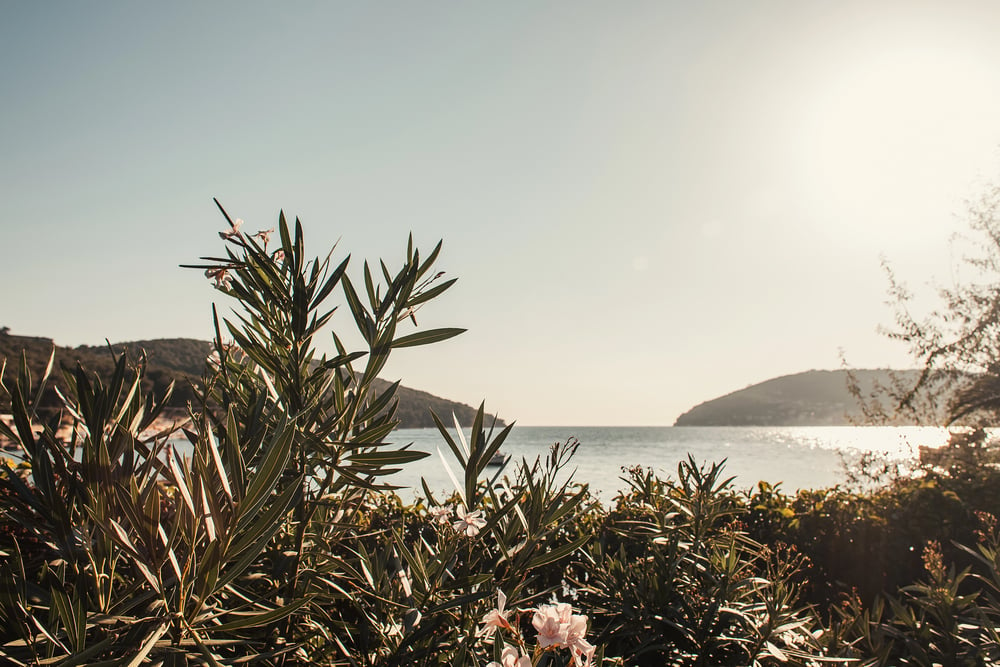
This Mediterranean shrub produces gorgeous pink, white, or red flowers that brighten gardens across warm climates. Every single part of the oleander contains cardiac glycosides that interfere with heart function.
Eating just one leaf can kill an adult human, and even burning the wood releases toxic smoke. Ancient armies reportedly poisoned enemy water supplies by throwing oleander branches into wells.
Despite its deadly nature, people continue planting oleander as decorative hedges because the flowers look so appealing.
Lily of the valley stops hearts completely
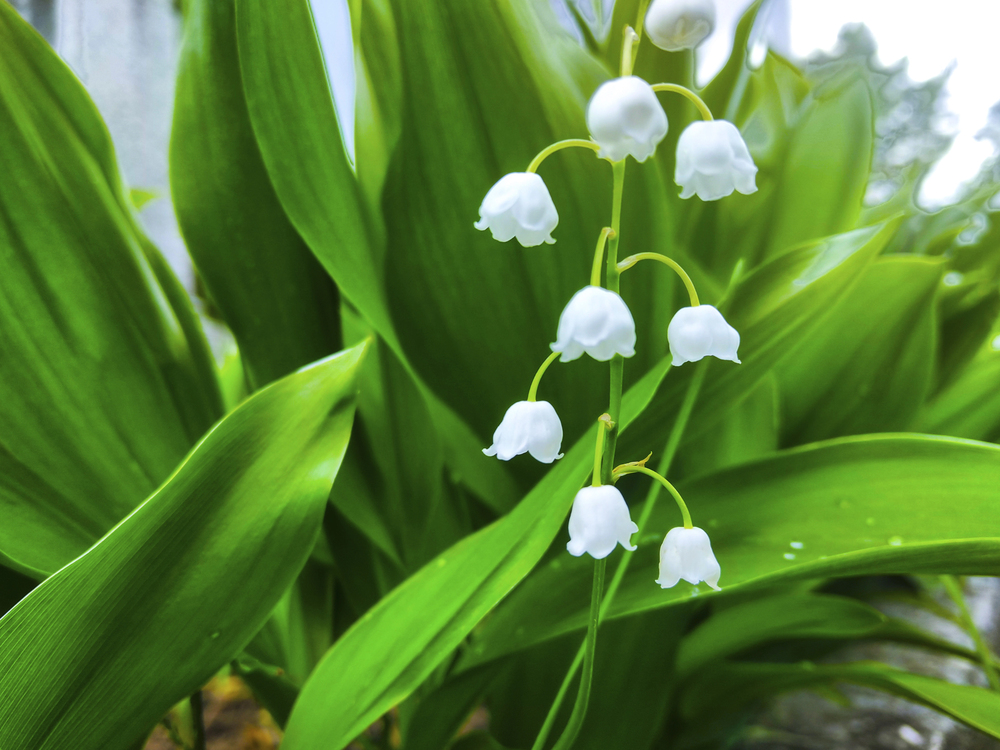
Those delicate white bell-shaped flowers that smell absolutely wonderful contain convallatoxin and other compounds that affect the heart. The entire plant poses danger, from roots to berries to flowers.
Small children have died after drinking water from vases holding lily of the valley bouquets. The toxins cause irregular heartbeat, confusion, and eventually cardiac arrest if consumed in sufficient quantities.
Gardeners love these plants for their sweet scent and shade tolerance, never suspecting the danger lurking in their pretty spring blooms.
Foxglove gave us medicine and death
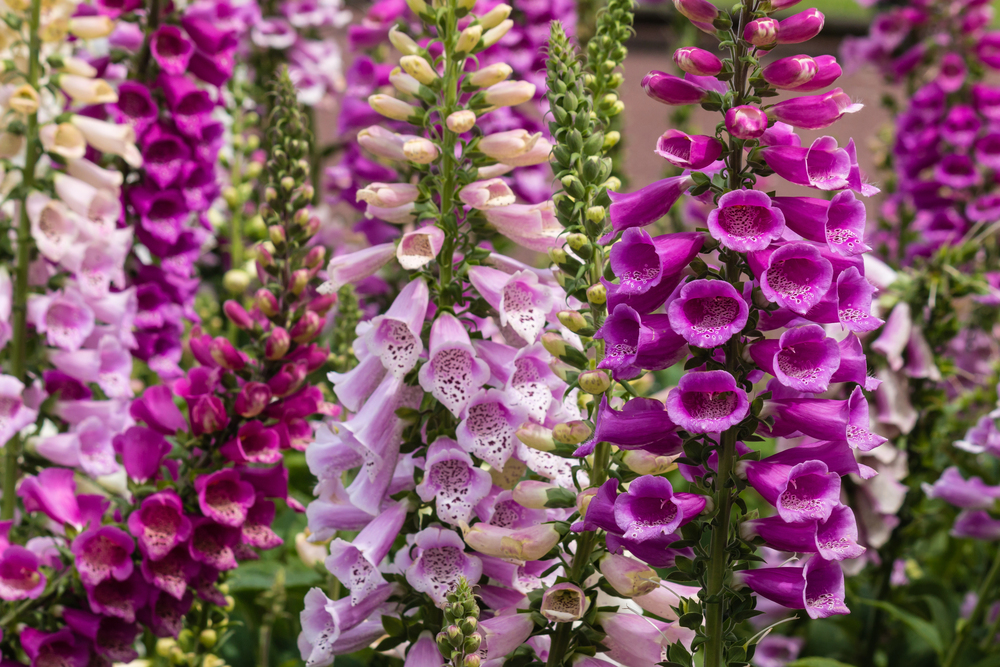
Tall spikes of tubular purple, pink, or white flowers make foxglove a cottage garden favorite. The plant contains digitalis, which doctors use in controlled doses to treat heart conditions.
In uncontrolled amounts, the same compound causes nausea, hallucinations, and fatal heart rhythm problems. Victorian-era murderers used foxglove to poison victims because symptoms mimicked natural heart failure.
Modern pharmaceutical companies still extract digitalis from foxglove, but amateur foragers should never experiment with this plant.
Angel’s trumpet lives up to its ominous name
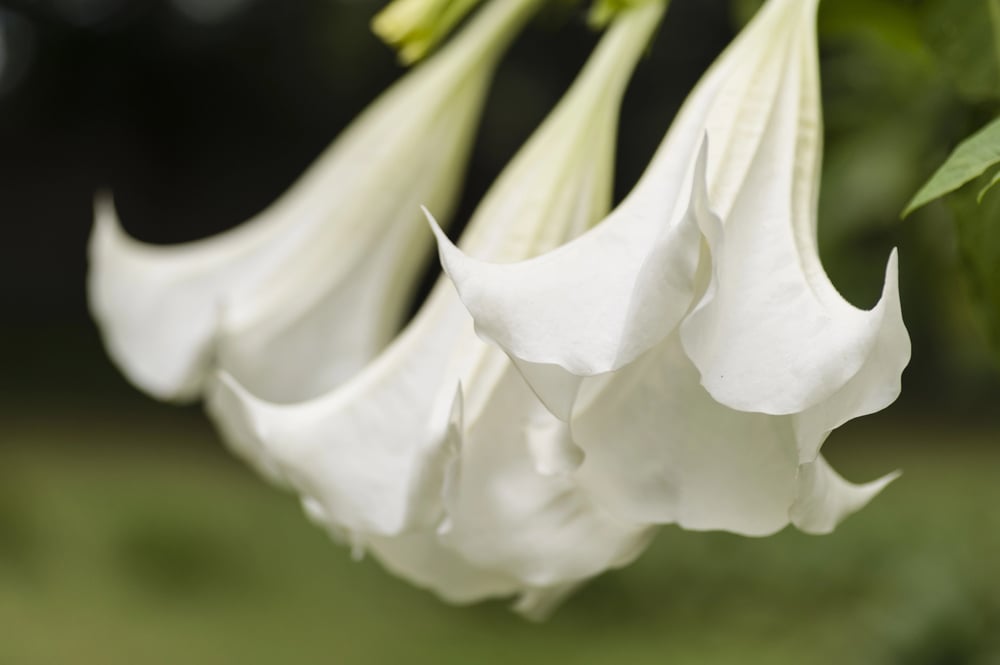
These South American plants produce enormous trumpet-shaped flowers in shades of white, yellow, pink, and orange. Every part contains scopolamine, atropine, and hyoscyamine, which cause delirium, paralysis, and death.
Some cultures used angel’s trumpet in shamanic rituals, accepting the risk for supposed spiritual experiences. Teenagers occasionally experiment with the plant as a recreational drug, often with tragic results.
The flowers smell sweet at night, attracting moths while warning nothing about the danger to curious humans.
Autumn crocus destroys organs systematically
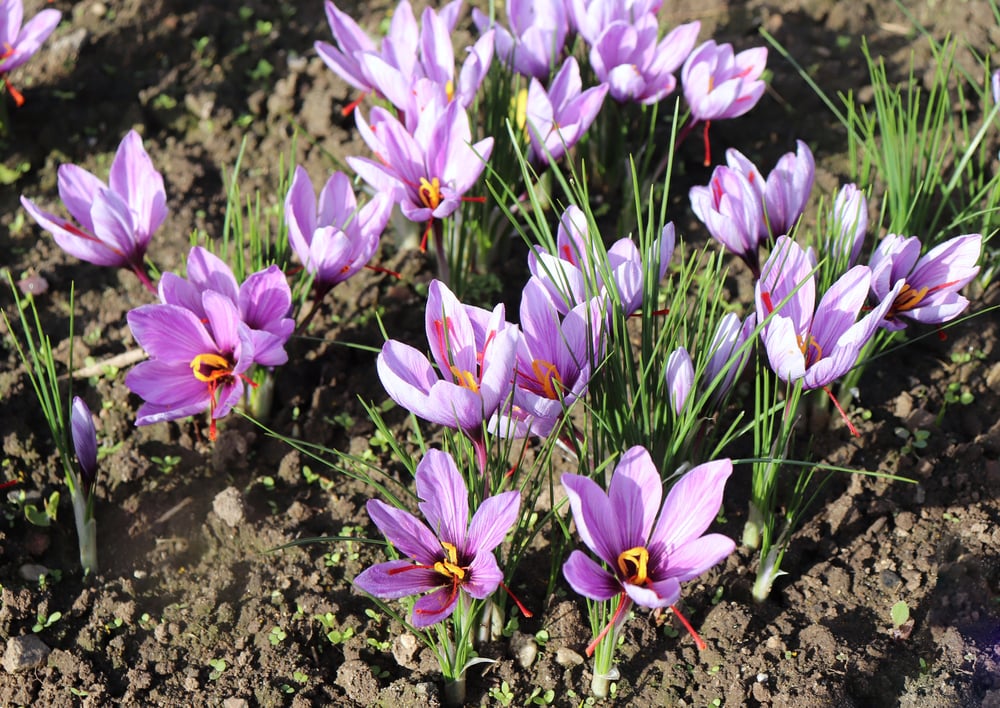
This fall-blooming flower resembles spring crocuses but belongs to a completely different and far more dangerous family. Autumn crocus contains colchicine, which shuts down cell division and destroys organs one by one.
No antidote exists for colchicine poisoning, and death occurs slowly over several days. People have mistaken autumn crocus bulbs for onions or garlic with fatal consequences.
Even handling the plant can cause skin irritation, though serious poisoning requires ingestion.
Castor bean plants make ricin
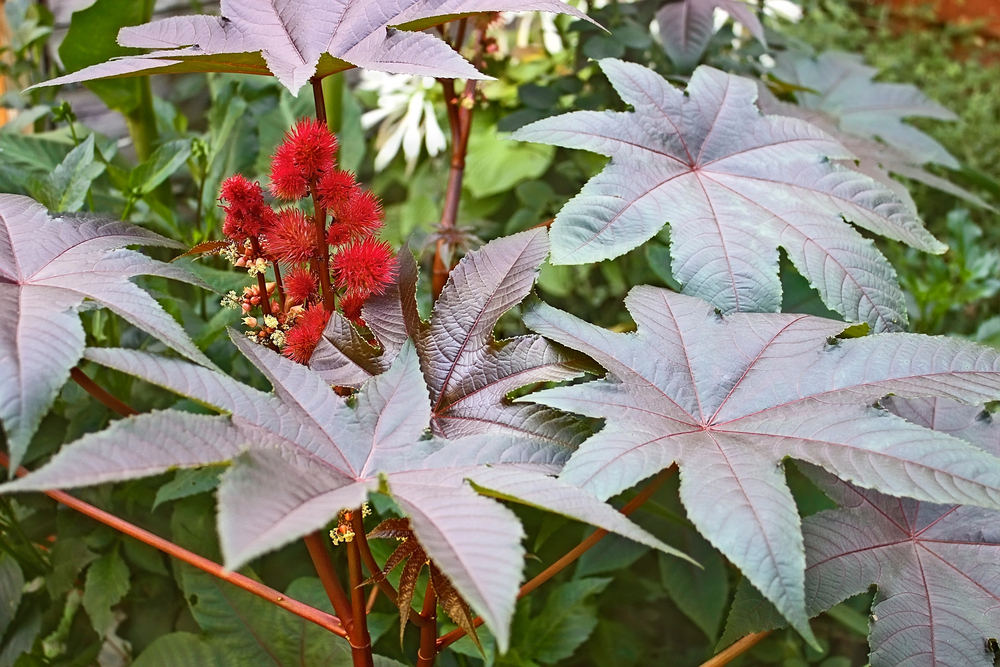
The castor plant produces clusters of red, spiky seed pods that look almost ornamental. These pods contain ricin, one of the most toxic substances known to science.
A dose the size of a few grains of salt can kill an adult human by shutting down protein synthesis in cells. Intelligence agencies have used ricin as an assassination tool because it’s so deadly and hard to detect.
Castor oil comes from pressing the seeds, but the manufacturing process removes the ricin, making the oil safe for use.
Rhododendrons contain grayanotoxin
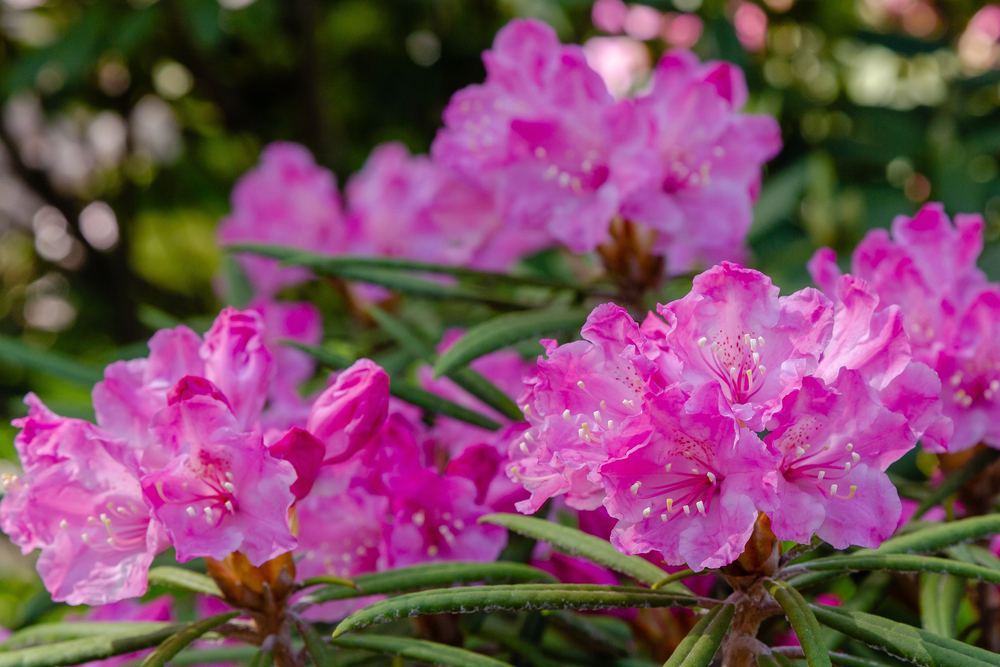
These popular landscape shrubs produce stunning clusters of flowers in nearly every color imaginable. The leaves and nectar contain grayanotoxin, which affects sodium channels in cell membranes.
Honey made from rhododendron nectar, called mad honey, has poisoned people throughout history. Symptoms include drooling, vomiting, low blood pressure, and potentially death.
Ancient armies reportedly used mad honey as a weapon, leaving it out for invading forces to find and consume.
Water hemlock kills within hours
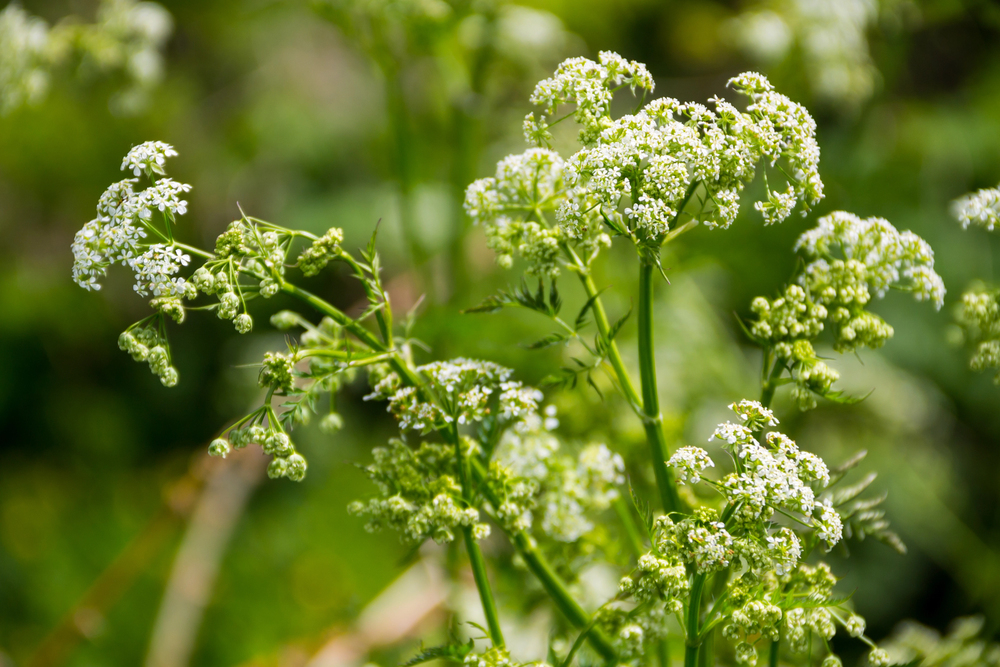
This North American wildflower grows near streams and wetlands, producing clusters of small white flowers. Water hemlock ranks as possibly the most violently toxic plant in North America.
The roots contain cicutoxin, which causes violent seizures starting within 15 minutes of ingestion. No effective treatment exists once symptoms begin.
Foragers have fatally mistaken water hemlock roots for wild parsnips or other edible plants.
Belladonna earned the name deadly nightshade
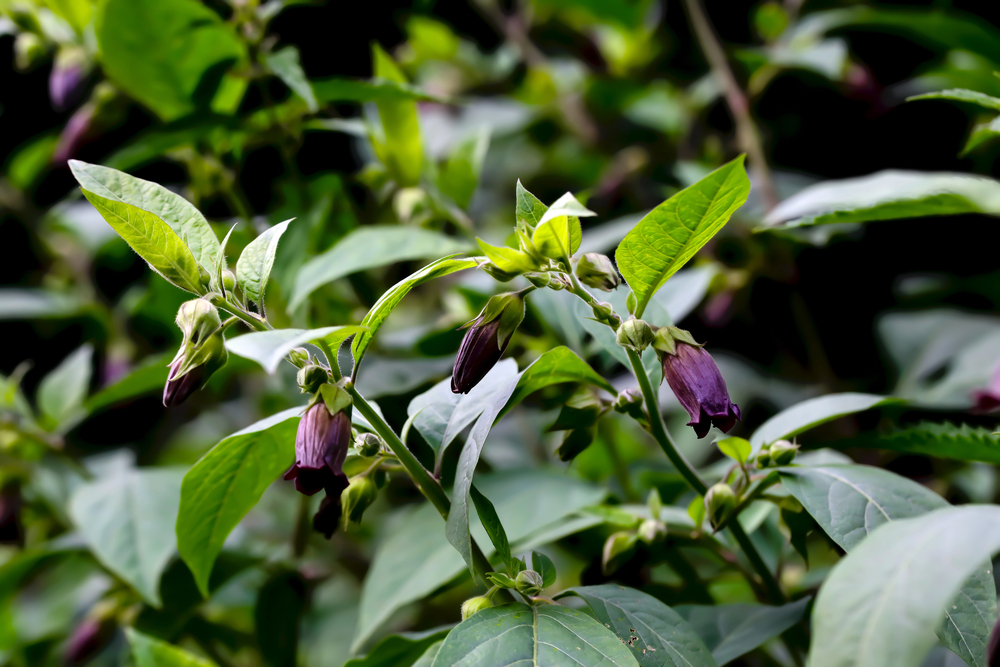
This European plant produces purple bell-shaped flowers followed by shiny black berries that look tempting to children. The entire plant contains atropine, scopolamine, and hyoscyamine.
Just a few berries can kill a child, while adults might survive slightly larger amounts. Renaissance women used diluted belladonna drops to dilate their pupils, achieving a wide-eyed look considered attractive.
Modern medicine still uses belladonna compounds, but only in precisely measured pharmaceutical preparations.
Mountain laurel decorates and destroys
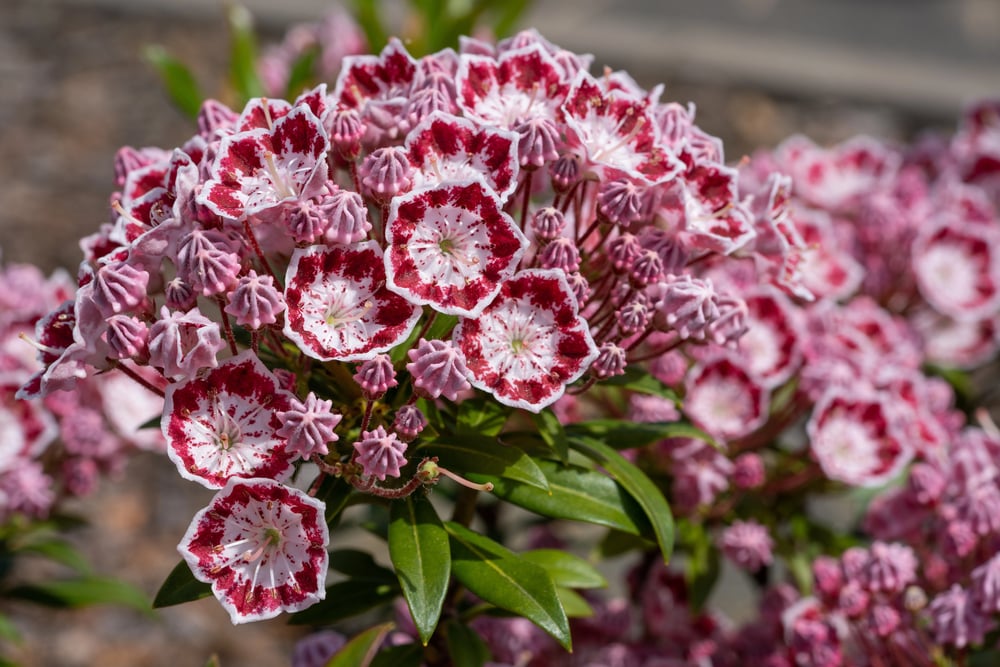
This evergreen shrub native to eastern North America produces beautiful pink and white flower clusters in late spring. All parts of the plant contain grayanotoxins similar to those in rhododendrons.
Early American settlers lost livestock that grazed on mountain laurel during harsh winters. Symptoms of poisoning include excessive salivation, vomiting, diarrhea, and potential heart failure.
The plant grows wild in many state parks where hikers admire it without realizing its toxic nature.
Monkshood contains instant-acting poison
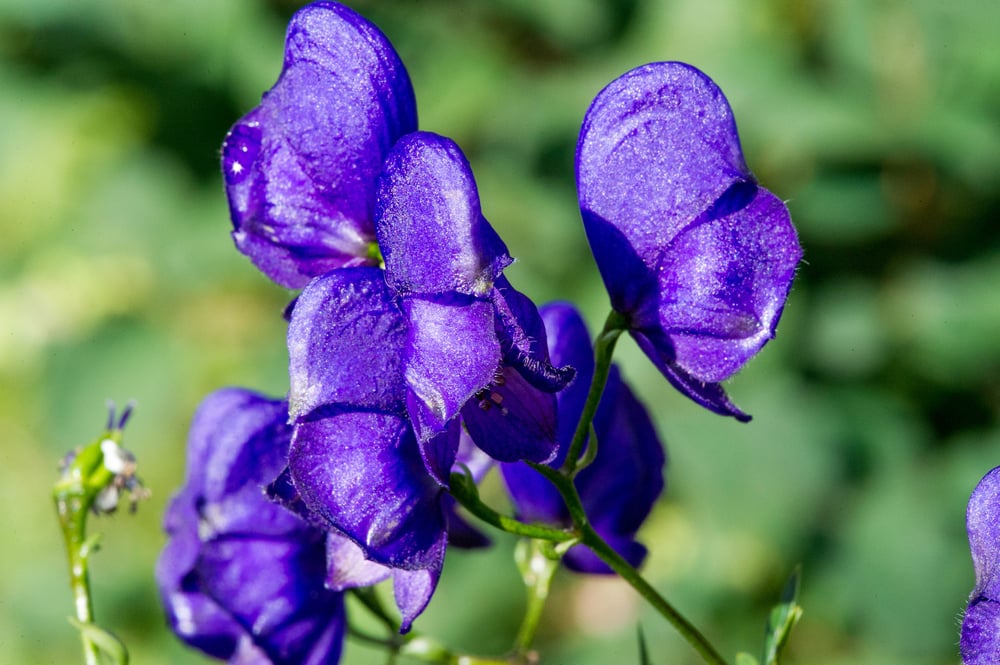
The deep blue or purple hooded flowers of monkshood look striking in shade gardens. This plant contains aconitine, one of the fastest-acting plant toxins discovered.
Poisoning can occur through ingestion or even through unbroken skin. Symptoms include numbness, nausea, and cardiac arrest that can happen within hours.
Ancient hunters reportedly dipped arrows in monkshood extract to create more effective weapons for taking down large game.
Hydrangeas hide cyanide compounds
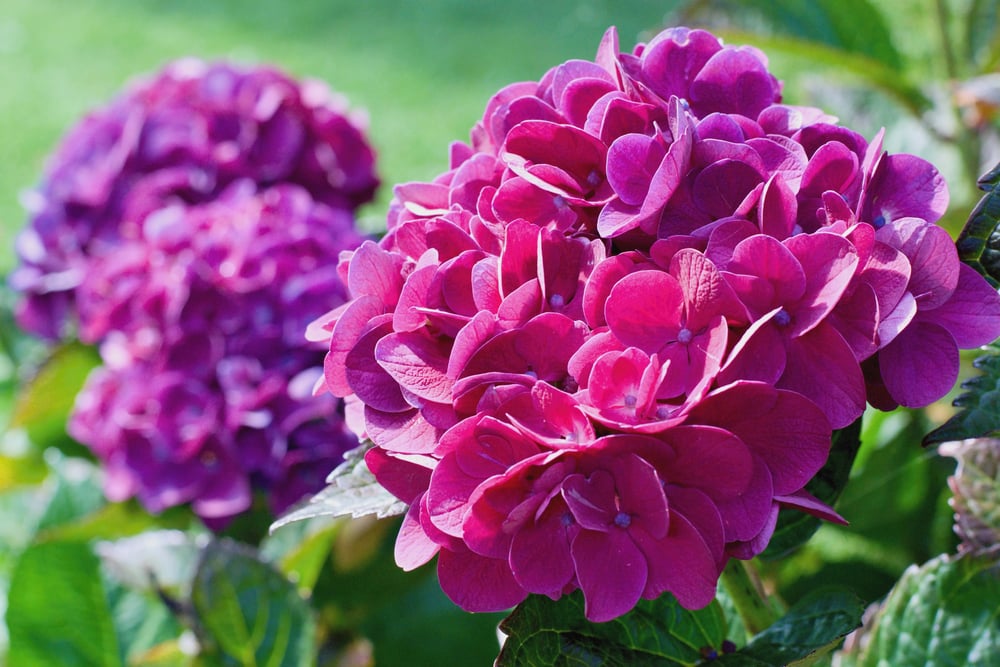
These popular garden shrubs with their big flower clusters in blue, pink, or white seem completely harmless. The leaves and buds contain cyanogenic glycosides that release cyanide when chewed.
Eating hydrangea parts in quantity can cause dizziness, shortness of breath, and rapid pulse. Most poisonings occur when curious children nibble leaves or flower buds.
Luckily, the bitter taste usually stops people from consuming enough to cause serious harm.
Daffodils contain toxic alkaloids
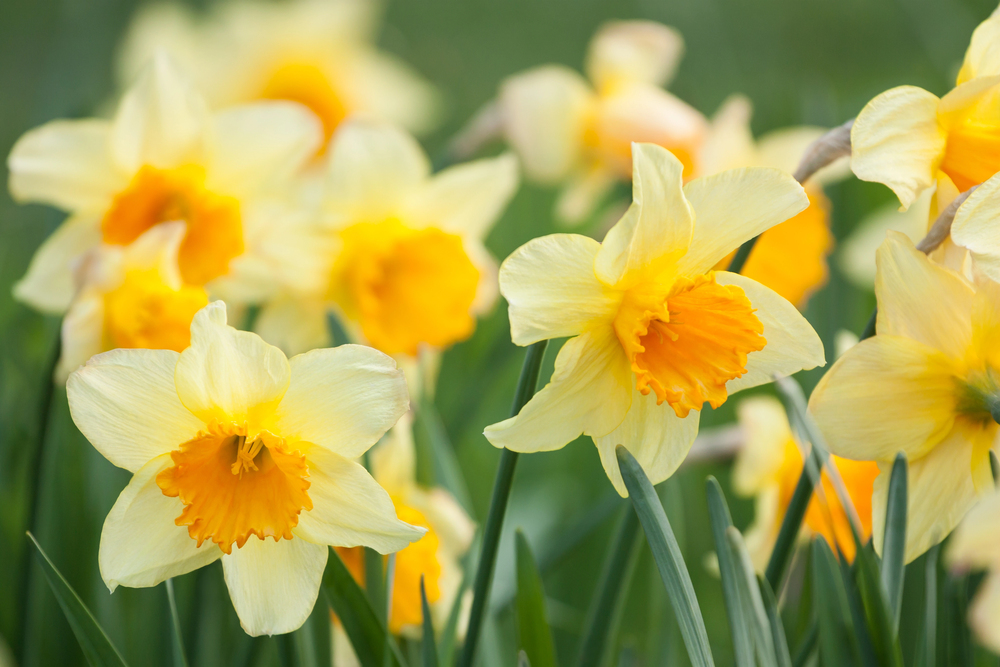
These cheerful yellow spring flowers brighten gardens and seem totally innocent. The bulbs contain lycorine and other alkaloids that cause severe digestive distress if eaten.
People have mistaken daffodil bulbs for onions with painful results. Even florists who handle daffodils regularly can develop skin irritation called daffodil itch.
The flowers themselves contain lower toxin levels but can still cause problems if consumed in quantity.
Azaleas poison with andromedotoxin
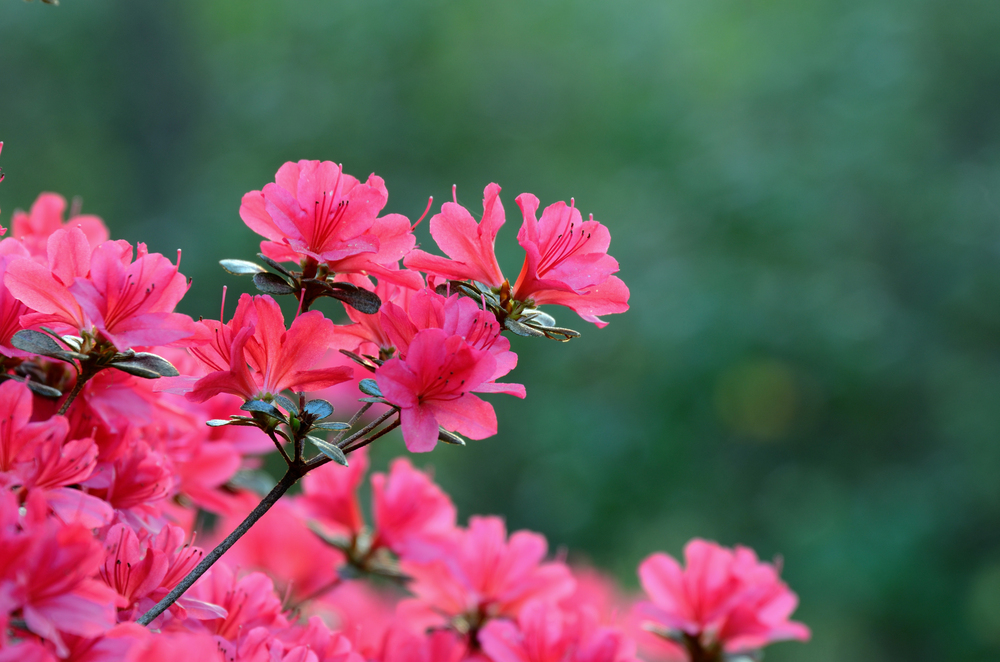
These spring-blooming shrubs covered in colorful flowers are staples of southern landscapes. Azaleas belong to the rhododendron family and contain similar grayanotoxins.
Goats and sheep have died from eating azalea leaves during food shortages. Honey made from azalea nectar causes the same mad honey poisoning as rhododendron.
The toxins remain potent even in dried leaves and flowers, making all parts dangerous year-round.
Wisteria vines strangle and poison
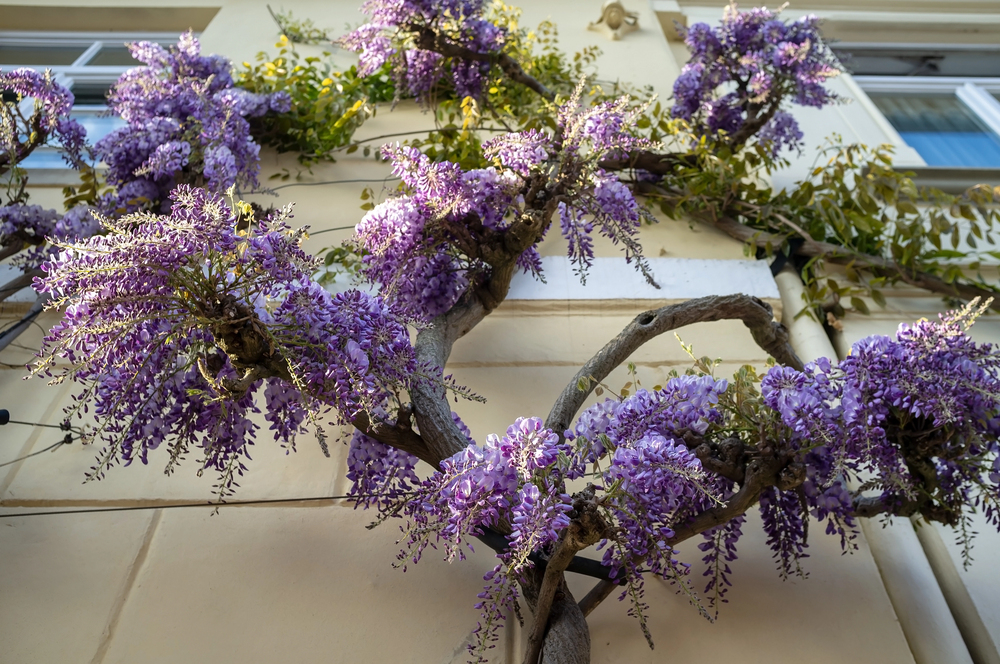
Those gorgeous purple, blue, or white cascading flower clusters that drape over arbors contain toxic compounds throughout the plant. The seeds and pods prove especially dangerous, though all parts can cause problems.
Children have gotten sick from making toy pea shooters from wisteria seed pods. Burning wisteria wood releases toxic smoke that causes respiratory problems.
The plant’s beauty hides its dual threat of both physical strangulation and chemical poisoning.
Yellow jessamine South Carolina’s poisonous state bloom
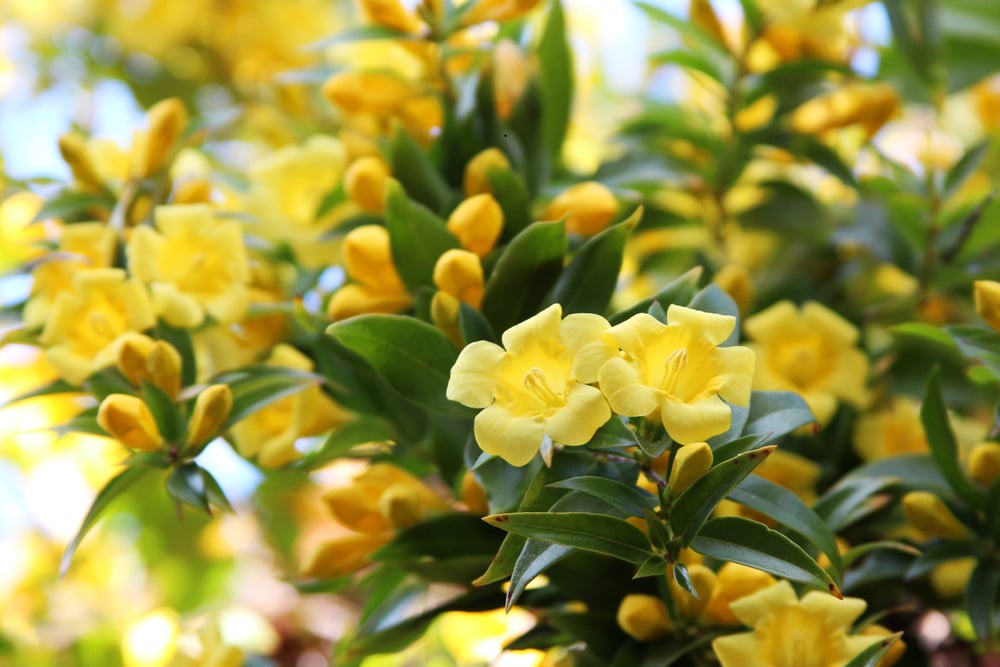
A sweet-smelling vine with bright yellow blooms holds the title of South Carolina’s state flower – though every part can poison. Its toxins, like gelsemine, target nerve signals, quietly disrupting body functions.
Bees turning its nectar into honey have unknowingly harmed those who ate it. Weakness in muscles shows first, then breathing slows, sometimes ending in death.
Picking something so risky as a symbol seemed to raise no alarms back when leaders decided.
Sweet peas cause skeletal damage
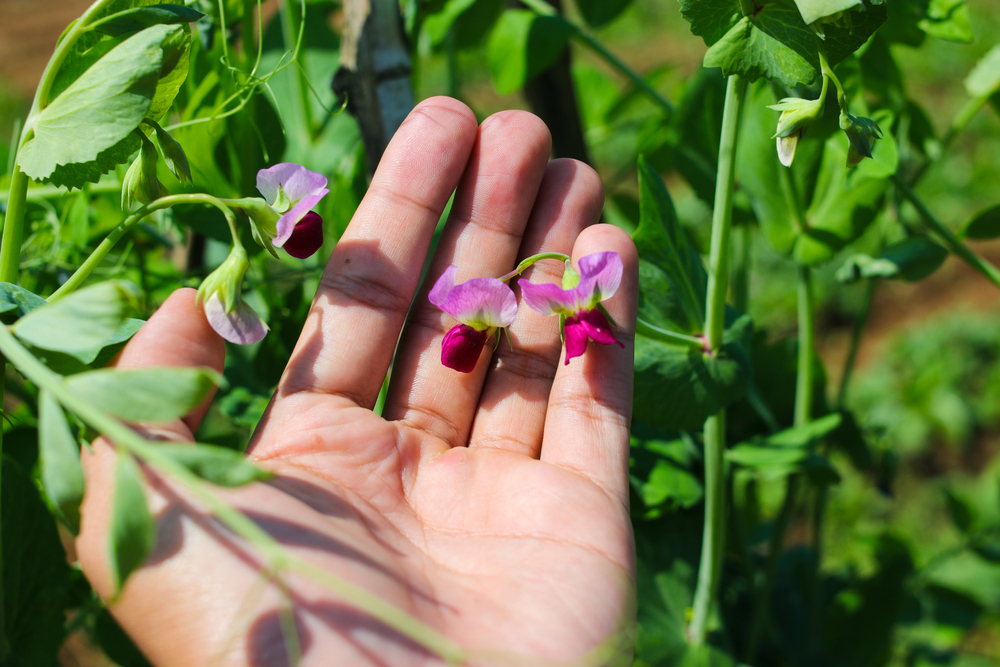
Flowers with frilly petals and a soft scent come in every shade you can imagine. Though they look innocent, common sweet peas carry mild toxins inside.
Not these exactly, yet related plants – everlasting and grass varieties – pack a dangerous punch. Eating those leads to lathyrism over time.
That illness eats away at nerves and bones alike. Starving communities once used grass pea flour as food, only to face lifelong immobility afterward.
Pretty blooms in gardens won’t poison easily, true enough – but never taste them just because they’re called sweets.
Beauty remains dangerous
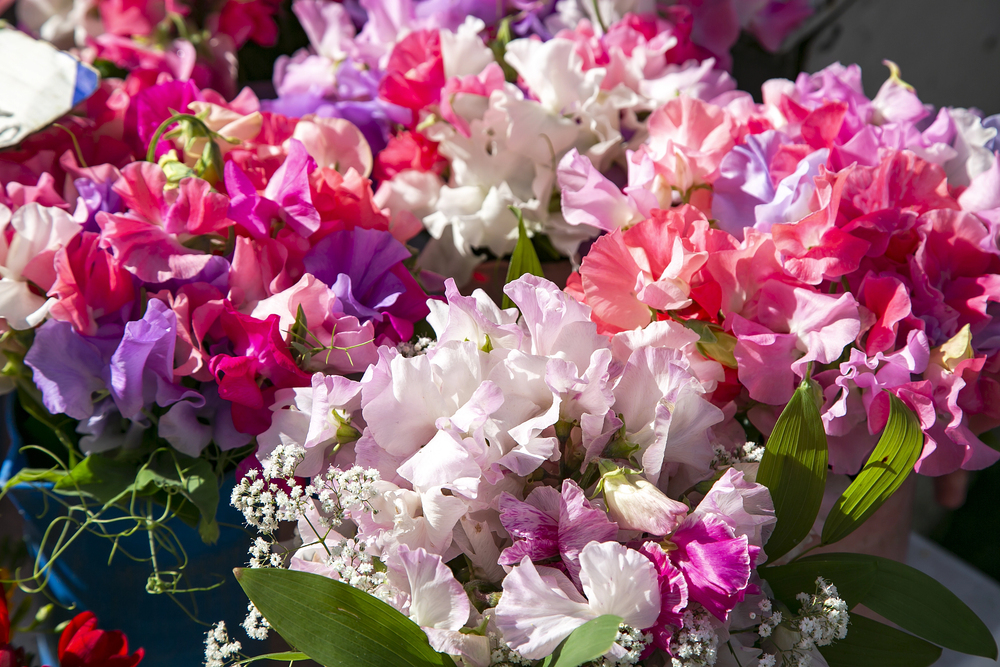
For centuries, humans grew poisonous blooms while chasing beauty despite the danger. Walk through any yard, you will find greenery that could do real damage – still, few suffer from it.
What turns healing into harm? It is usually how much gets used, why it is taken, and whether someone knows what they’re handling.
Beauty out there does not promise kindness; looking harmless means nothing when leaves or petals carry toxins. Mistaking loveliness for safety has ended badly before.
Anyone tending soil or admiring blossoms ought to recognize the risky ones, particularly where kids or animals explore by mouth.
More from Go2Tutors!

- The Romanov Crown Jewels and Their Tragic Fate
- 13 Historical Mysteries That Science Still Can’t Solve
- Famous Hoaxes That Fooled the World for Years
- 15 Child Stars with Tragic Adult Lives
- 16 Famous Jewelry Pieces in History
Like Go2Tutors’s content? Follow us on MSN.