Small Movie Details That Reveal the Ending
There’s something deeply satisfying about rewatching a movie and catching all the breadcrumbs the filmmakers left for you the first time around. That split-second shot, the weird line of dialogue that seemed off, the color that keeps popping up—suddenly it all clicks.
You realize the ending was hiding in plain sight the whole time, and you just feel kind of betrayed and impressed at the same time. Directors love doing this.
Some are subtle about it (Shyamalan on a good day), others basically hand you the twist on a silver platter and trust you won’t notice (you won’t). Here’s a look at those sneaky little details that were screaming the truth at you.
The Sixth Sense’s Red Objects
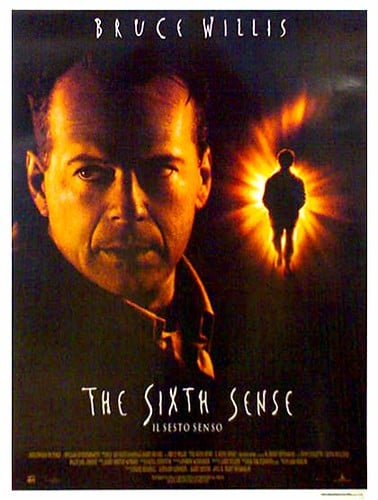
Okay, everyone knows the twist by now (if you don’t, where have you been?), but the red color theory still blows my mind. Every time something red appears on screen—a doorknob, a balloon, a dress at the funeral, the tent—it signals a connection to the spirit world.
M. Night Shyamalan literally color-coded the supernatural elements throughout the entire film. Bruce Willis’s character never interacts with anything red. Not once.
Meanwhile, the kid is surrounded by it constantly. It’s such a deliberate choice that once you see it, you can’t unsee it (and you’ll spend the entire rewatch going “RED! There’s another one!”).
Fight Club’s Tyler Durden Flashes

Tyler appears in four separate frames before the narrator “meets” him at the airport. He’s standing in the doctor’s office, he’s outside the testicular cancer support group, he shows up as a waiter, and he’s on the moving walkway.
Single. Frame. Insertions.
This isn’t some fun Easter egg either—it’s literally telling you that Tyler is already in the narrator’s head from the beginning. The movie is being completely honest about what’s happening.
Plus, every time Tyler and the narrator are supposedly in the same scene with other people, watch who actually gets addressed directly (spoiler: not Tyler).
The Prestige and Christian Bale’s Mannerisms
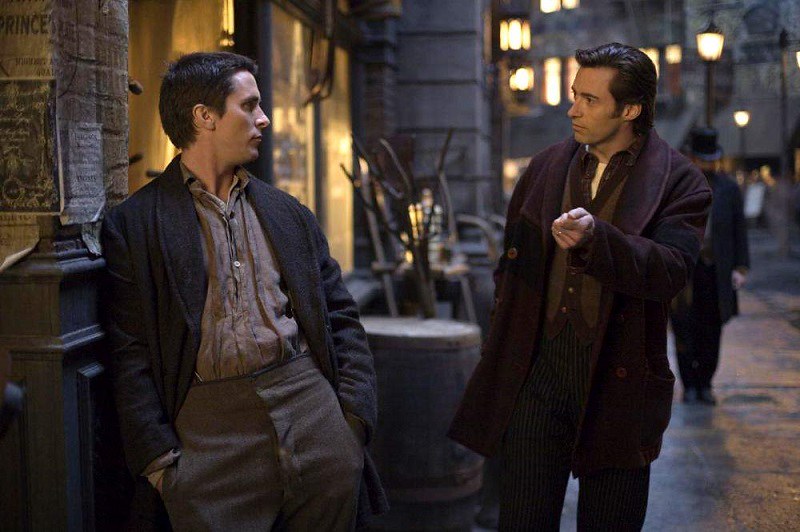
Borden’s character is inconsistent throughout the film, but you assume it’s just Christian Bale being intense in his Christian Bale way. He’s alternately loving and cold with his wife. His knot-tying skills mysteriously vary.
Sometimes he seems genuinely concerned about his rival, other times he’s needlessly cruel. The film even has Michael Caine’s character straight up say “You’re a bit inconsistent, aren’t you?” But sure, that’s just character complexity, right? Wrong.
It’s literally two different people switching off (twins, if that wasn’t clear), and the movie banks on you thinking it’s moody characterization instead of the actual answer.
Get Out’s Picture Wall
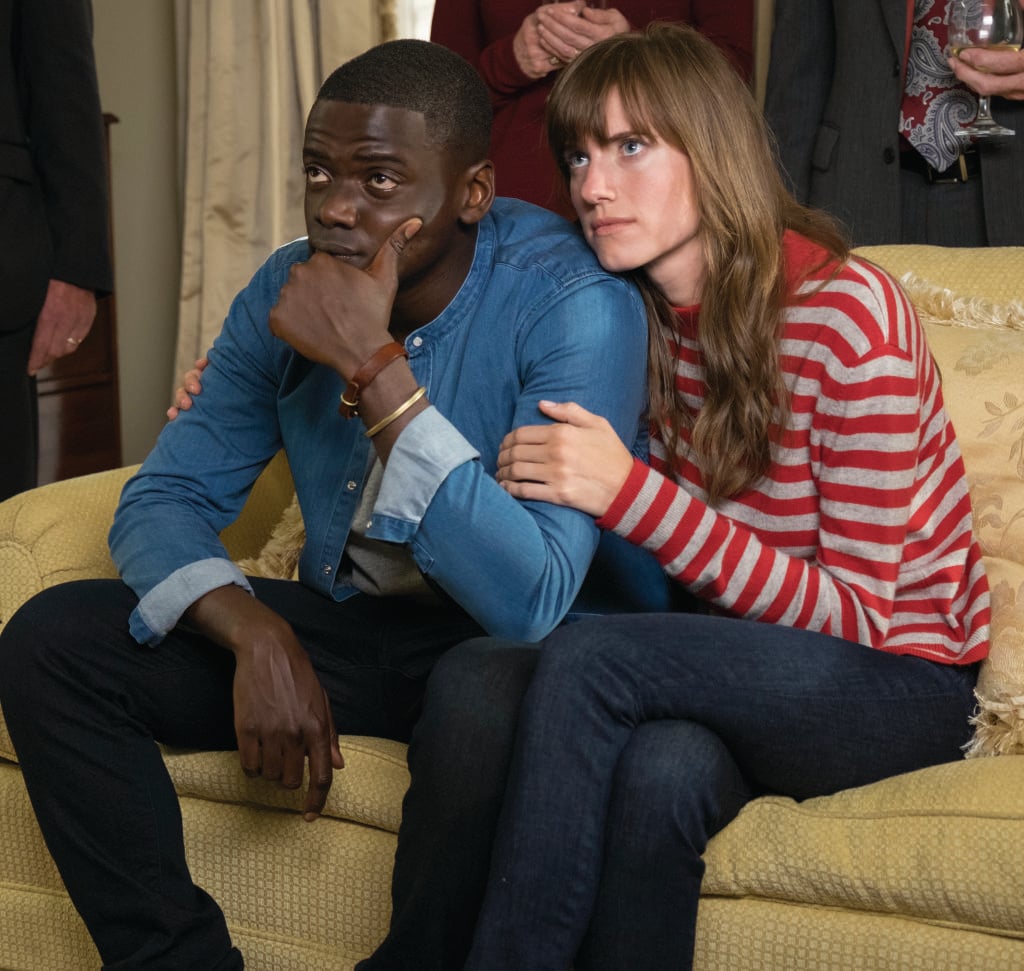
Rose has a whole wall of photos in her room showing her with various Black partners. The camera lingers on it.
And Chris sees it. And the audience sees it.
But it just seems like casual set dressing about Rose’s dating history until you realize—oh god, she’s been doing this the whole time. Those aren’t ex-boyfriends.
Those are victims. The movie literally shows you her trophy wall in the first act and you think nothing of it because why would you? (That’s actually kind of brilliant.)
Psycho’s Opening Credits
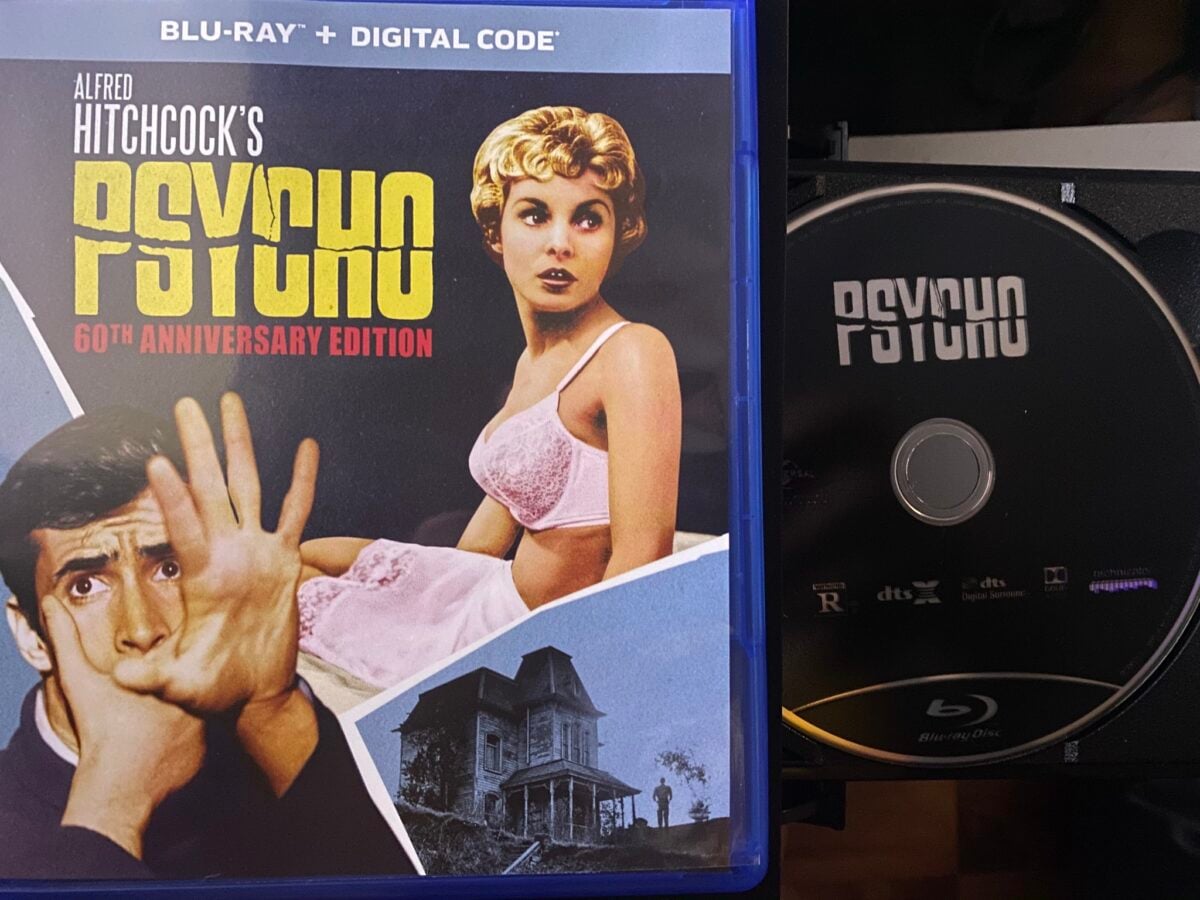
The opening title sequence features horizontal and vertical lines that slice through the frame, cutting everything into sections. Bodies, dismemberment, fragmentation—the entire visual language of the film is laid out before the story even starts.
Plus Marion Crane, the apparent protagonist, is literally introduced to us while she’s in a bra in the middle of a workday tryst. Nothing about her narrative follows conventional protagonist rules, she steals money impulsively, and she’s dead forty minutes in.
The movie telegraphs its structural rule-breaking from frame one.
Arrival’s Opening Montage

The whole heartbreaking sequence about Louise’s daughter dying isn’t a flashback. It’s shown at the beginning in a dreamy, memory-like way, so you naturally assume it’s her past.
But she doesn’t have a daughter yet. The film shows you the ending—or at least the future—right at the start and trusts that you’ll misinterpret it as backstory.
When you rewatch it knowing Louise experiences time non-linearly, every moment she seems distracted or emotional suddenly makes sense. She’s already living her daughter’s entire life while simultaneously experiencing the present (which sounds exhausting, honestly).
The Usual Suspects and Verbal’s Glances
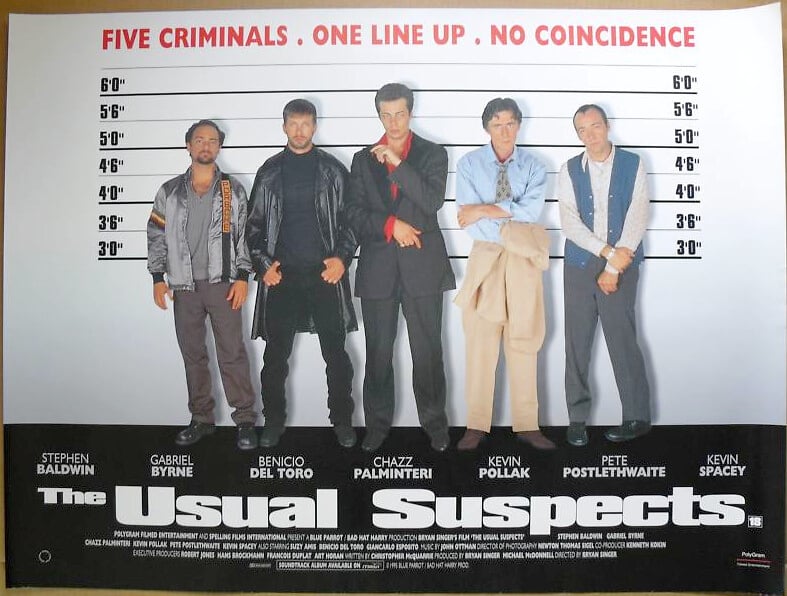
Watch what Verbal Kint’s eyes do during the interrogation. He’s constantly scanning the room, looking at the bulletin board, glancing at the bottom of the coffee mug, checking out random objects on the detective’s desk.
The camera even follows his gaze sometimes. Kevin Spacey is literally showing you that he’s improvising the entire story from the junk in the office, and it still works because who’s paying attention to where a nervous suspect is looking?
You’re too busy following the elaborate heist narrative he’s spinning.
Knives Out’s Blood Drops
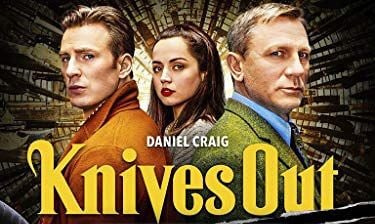
There are spots of blood on Marta’s shoe after Harlan dies. In a movie where blood is a major plot point (the whole vomiting-when-lying thing), and in a shot that deliberately shows her feet, those drops matter.
Rian Johnson isn’t being subtle. He’s showing you physical evidence that contradicts Marta’s memory of events.
The movie is playing fair—here’s proof something else happened—but you’re not in detective mode yet, you’re still in “wait, what’s happening” mode during the first watch.
Shutter Island’s Water
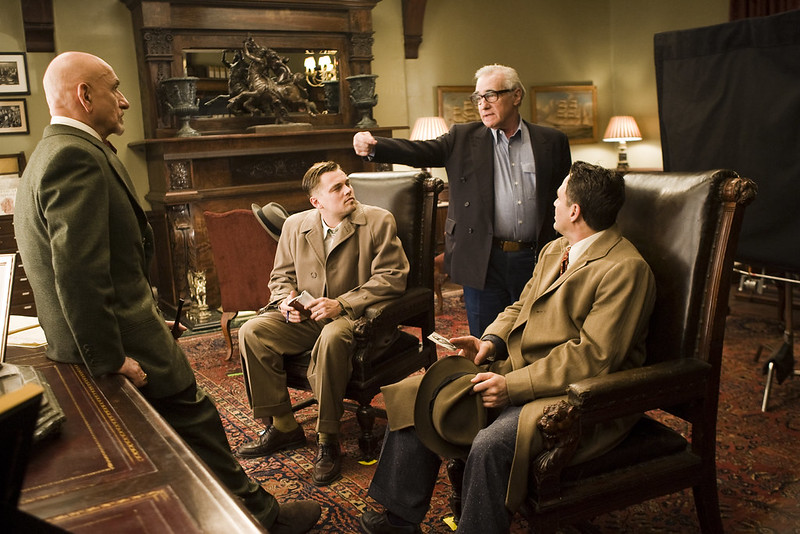
Teddy can’t drink water, he can’t light matches that work properly, and water appears as a recurring nightmare motif. Why? Because he’s stuck in a psychological prison created by his trauma, and water represents both the literal drowning of his children and his mind’s inability to process reality.
Also, his “partner” Chuck is nervous around guns and doesn’t know how to handle them (weird for a U.S. Marshal). And basically everyone treats Teddy like a patient rather than an investigator if you’re actually paying attention to the power dynamics in each scene.
The Others and Missing Reflections

There are no mirrors in the house. None. The family avoids them, they’re covered, or they’re conveniently absent from scenes where you’d expect them.
Nicole Kidman’s character claims it’s because of the children’s photosensitivity to light, but really, it’s because ghosts don’t have reflections in traditional ghost story logic—though this movie flips that on its head since they ARE the ghosts. Also, there are no photographs of the children despite the mother’s obsession with preserving their lives exactly as it was.
Hereditary’s Cult Symbols

The symbol of Paimon is literally everywhere from the start. It’s on the telephone pole where the daughter dies, it’s in the mom’s artwork, it’s carved into the tree house, it’s in the patterns on fabrics and wallpapers throughout the house.
The grandmother’s belongings include occult books that are clearly visible. The weird people at the support group aren’t just eccentric grievers—they’re in on it.
Ari Aster puts the demonic cult conspiracy in plain sight and trusts that you’re too distracted by the family’s traumatic grief to notice you’re watching a supernatural horror film.
Memento’s Tattoo Inconsistencies
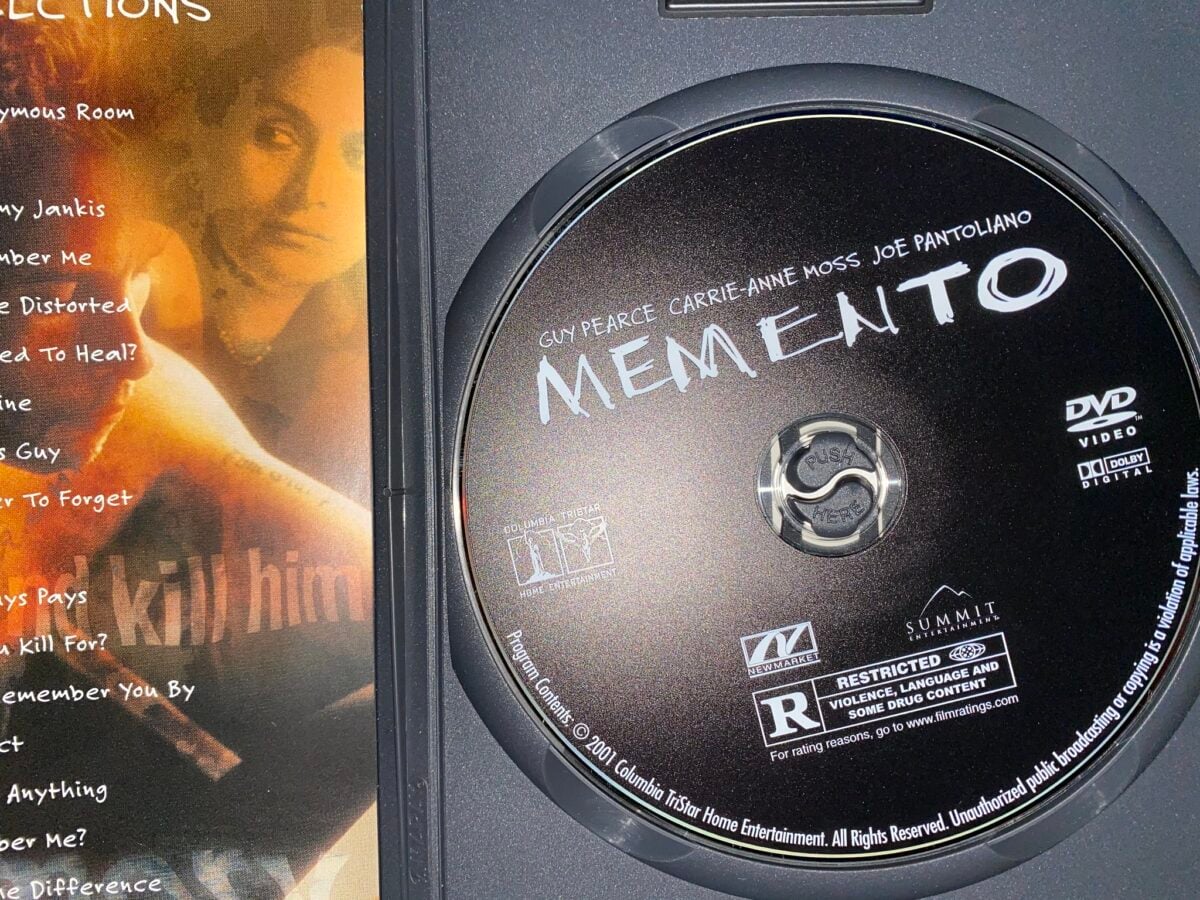
Leonard’s tattoos change slightly between scenes, and his Polaroids contradict each other in subtle ways. Some of the “facts” he’s written down are crossed out and rewritten.
The movie is explicitly about an unreliable narrator with no short-term memory, and it still manages to fool you by showing you the evidence that Leonard is manipulating himself. Teddy tries to tell him the truth multiple times.
The movie literally plays scenes in reverse to make you experience Leonard’s confusion, but it’s also being completely fair about what’s actually happening.
Se7en’s Library Investigation
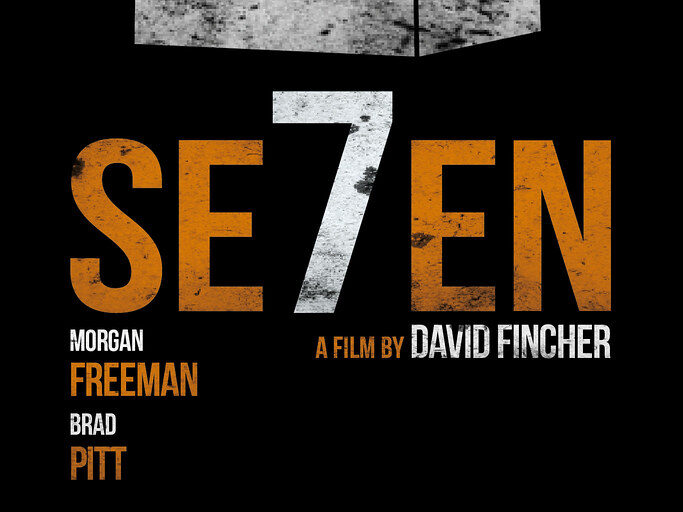
When Somerset researches Dante’s Inferno and Milton at the library, the camera lingers on the sign-in sheet. John Doe’s name is right there.
He’s been checking out the same books, studying the same references Somerset is now pursuing. The killer isn’t some random psychopath—he’s been meticulously planning this with literary precision, and he’s probably been watching Somerset for a while.
The movie shows you that Doe is educated, methodical, and specifically interested in the detective’s intellectual approach to the case. You just don’t know yet that he’s been orchestrating Somerset’s involvement from the beginning (and that the final two sins are still coming).
Parasite’s Basement Clues
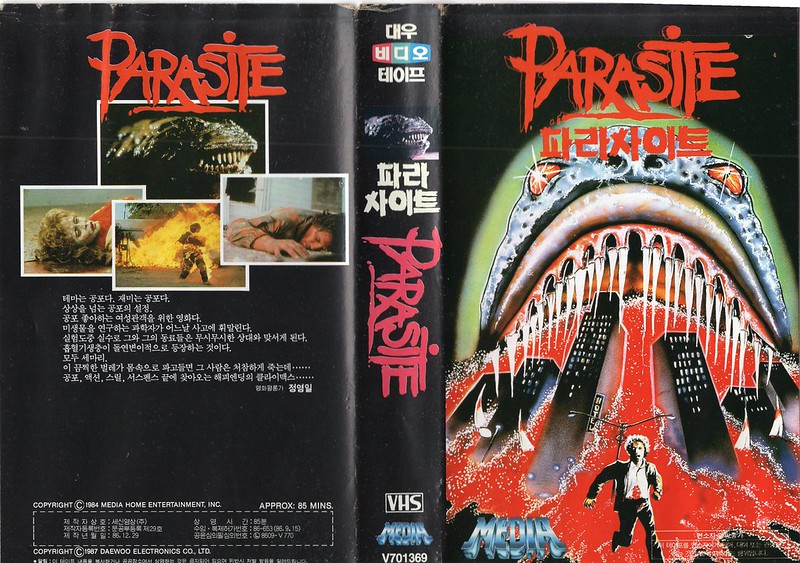
The former housekeeper is weirdly obsessed with the basement. She mentions it, she fusses about it, she insists on coming back specifically to check on something down there.
Bong Joon-ho isn’t being sneaky—she’s practically holding a sign that says “THERE’S A SECRET IN THE BASEMENT.” Also, the Parks’ young son keeps talking about seeing a “ghost” and having traumatic experiences in the house.
Kids in movies always know what’s up. But you’re too caught up in the con artistry of the Kim family infiltrating the household to properly process these warnings.
The Invisible Threads We Miss

All these bits were sitting in plain sight. Directors, along with camera crews and cutters, put effort into placing hints on screen – some flashed briefly, others stuck around the whole way through. Yet we overlook them since our attention’s caught by what we assume the plot is, rather than what it really says.
Here’s the cool part, right? Top directors get where you’re focused – then slip secrets just beyond it (counting on you to replay later and think, “Wait, I missed that?”). These films keep things honest. They lay everything out. It’s just that we don’t see how strong our hand is till someone shouts “plot flip” – then we scramble to double-check what happened.
More from Go2Tutors!

- The Romanov Crown Jewels and Their Tragic Fate
- 13 Historical Mysteries That Science Still Can’t Solve
- Famous Hoaxes That Fooled the World for Years
- 15 Child Stars with Tragic Adult Lives
- 16 Famous Jewelry Pieces in History
Like Go2Tutors’s content? Follow us on MSN.



