Heaviest Insects Recorded
Most bugs seem almost weightless. Whirring past your ear, darting between leaves – gone before you blink.
But some break the mold entirely. A few defy what we expect from tiny bodies held up by shells and spindly limbs.
Not merely big for their kind. Thick-bodied, packed with strength, solid in ways that surprise. Heavy enough to make you pause.
Peering into nature’s odd corners reveals bugs that grew surprisingly large. What shaped these weighty critters?
Clues hide in ancient climates, slow metabolisms, competition for resources. Survival often meant growing bigger than rivals.
Some thrived where predators were scarce. Others tapped rich food sources unavailable elsewhere.
Flightlessness opened paths to bulkier bodies. Oxygen levels long ago played a quiet role.
Not every massive insect lives today – many vanished quietly. Size brings trade-offs few consider.
Each heavy species tells a story of balance between risk and advantage.
Goliath Beetles

Goliath beetles are widely regarded as the heaviest insects on Earth. Native to parts of Africa, adult specimens can reach weights of around 3.5 ounces when fully developed.
Their mass comes from a thick exoskeleton and powerful internal structure rather than length alone.
Much of their weight is accumulated during the larval stage, when they consume protein-rich material and grow rapidly. As adults, they are surprisingly agile for their size, capable of flight despite their heft.
Their sheer density sets them apart from other large insects that rely more on wingspan than weight.
Giant weta

The giant weta of New Zealand rivals Goliath beetles for mass, with some recorded individuals weighing over 2.5 ounces. One specimen famously outweighed a small bird.
Unlike beetles, giant wetas are flightless, allowing more of their body mass to be devoted to muscle and internal tissue.
Their bulk is partly a result of island evolution. With fewer mammalian predators historically present, there was less pressure to remain small.
That freedom allowed size to increase over generations, producing one of the most astonishingly heavy insects known.
Elephant Beetles
Elephant beetles are another heavyweight contender, particularly in their larval form. While adults are impressive, larvae can weigh significantly more during development, storing energy to support metamorphosis.
Adult elephant beetles are densely built, with thick armor and powerful limbs. Their weight reflects a trade-off between defense and mobility.
Though capable of flight, they are slower and more deliberate than lighter beetles, relying on strength rather than speed.
Titan Beetle

The titan beetle is best known for length, but it also ranks among the heaviest insects recorded. Adults can weigh over 2 ounces, combining size with remarkable strength.
Their mandibles are powerful enough to snap small branches, adding to their reputation.
Unlike insects that grow heavy through bulk alone, titan beetles are long and dense, distributing weight across an elongated frame.
Their mass supports defensive capability, allowing them to deter predators without relying on camouflage or speed.
Atlas moth caterpillars

While adult atlas moths are known for wingspan rather than mass, their caterpillars are among the heaviest insect larvae ever recorded. At peak size, they can weigh more than many adult insects, storing energy for their brief adult stage.
This weight is temporary, but it plays a crucial role. The caterpillar phase does nearly all the feeding and growth, while the adult moth emerges with no need to eat.
The extreme mass of the larva reflects this one-sided energy strategy.
Hercules beetles

Hercules beetles are closely related to elephant beetles and share similar weight characteristics. Adult males are particularly heavy due to their enlarged horns and reinforced bodies.
Their mass supports intense physical competition, as males grapple for access to mates.
The additional weight provides leverage and stability, turning bulk into an advantage rather than a liability.
Though not the heaviest overall, they remain among the most solidly built insects known.
Giant stick insects
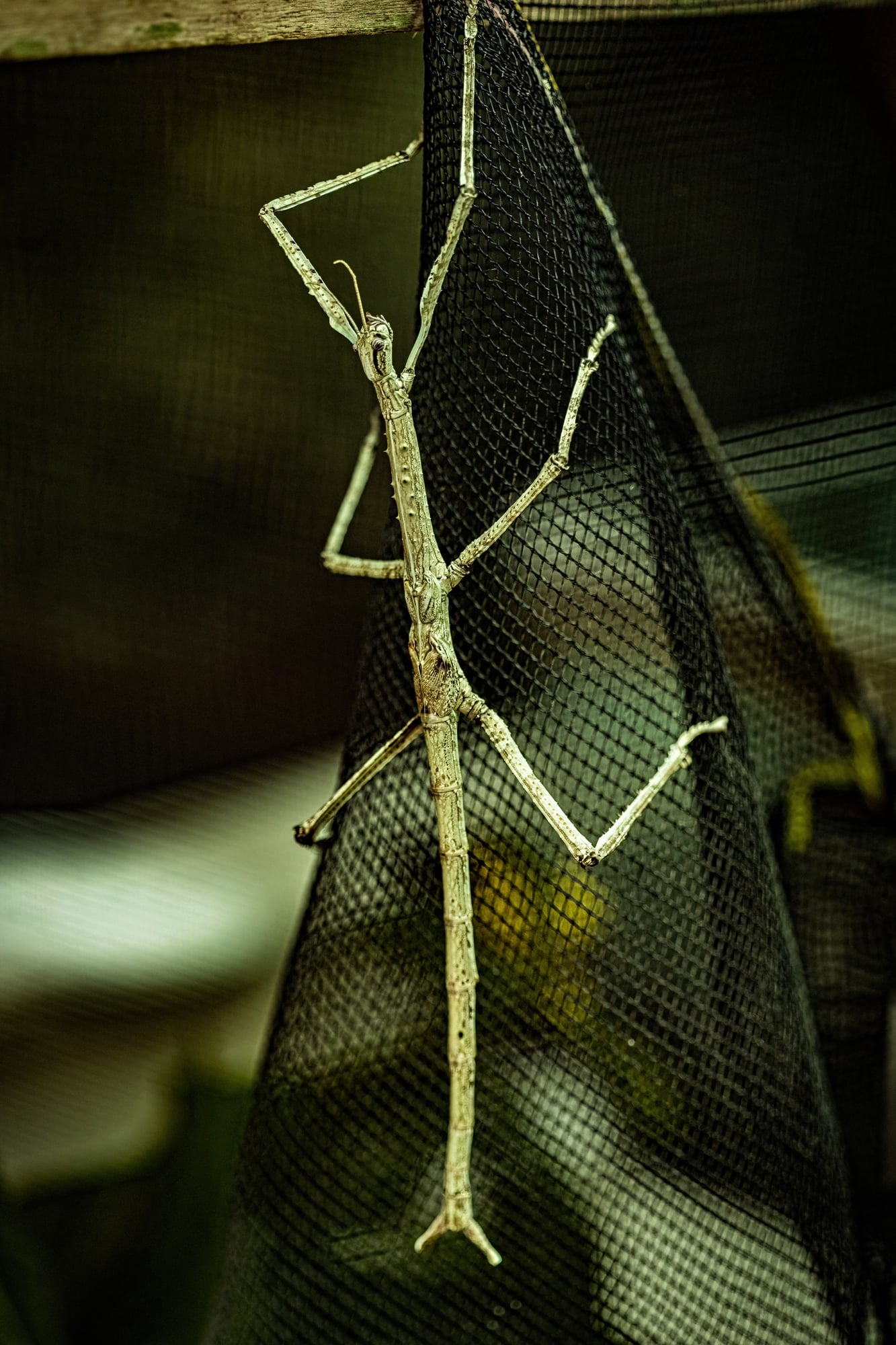
Some giant stick insects, particularly species from Southeast Asia and Australia, rank among the heaviest insects when measured by total mass rather than length alone. Their bodies are thick and muscular, despite their reputation for slenderness.
Their weight is carefully distributed to maintain balance while climbing vegetation. Rather than relying on flight, these insects invest in strength and camouflage, allowing them to grow heavier without compromising survival.
Megasoma beetles

The Megasoma genus includes several of the world’s heaviest beetles. These insects are compact, muscular, and armored, designed more like tanks than flyers.
Their weight supports defensive strategies rather than mobility. Thick outer shells protect them from predators, while strong legs allow slow but determined movement.
Though capable of flight, it is used sparingly due to the energy cost imposed by their mass.
Giant burrowing cockroaches

Australia’s giant burrowing cockroach, often called the rhinoceros cockroach, is among the heaviest cockroaches ever recorded. Adults can weigh more than 1 ounce, which is extraordinary for the group.
Their weight comes from a robust body adapted for digging rather than speed.
Flightlessness allows them to retain dense tissue and thick armor, making them one of the most solid insects relative to size.
Large praying mantises

Some of the largest mantis species achieve notable mass, particularly gravid females. Their weight fluctuates significantly depending on feeding success and reproductive state.
The mass supports powerful forelimbs used for hunting. While mantises are not the heaviest insects overall, certain individuals reach impressive weights that challenge assumptions about predatory insects remaining lightweight.
Giant katydids
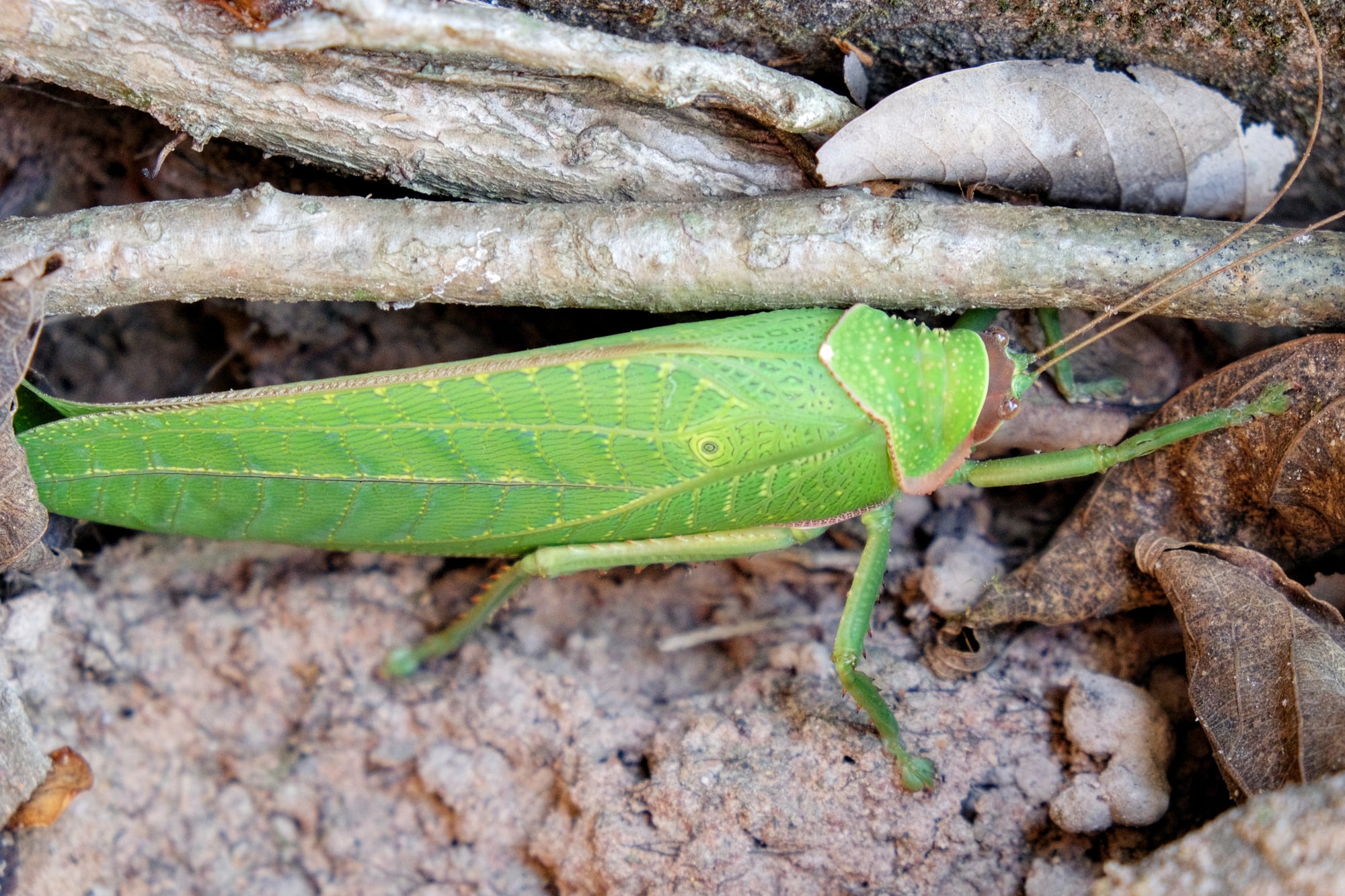
Large katydid species from tropical regions can reach surprising weights, supported by thick bodies and strong legs. Unlike grasshoppers built for jumping, these insects are heavier and more deliberate.
Their mass aids camouflage and endurance rather than explosive movement.
This slower, heavier build allows them to occupy niches where stealth matters more than speed.
Large rhinoceros beetles

Rhinoceros beetles as a group include several species that reach substantial weights. Their bodies are compact and reinforced, optimized for pushing and lifting rather than flight efficiency.
Their mass supports both defense and competition, particularly among males.
The trade-off is reduced agility, but in their ecological context, strength matters more than quick escape.
Palm weevils

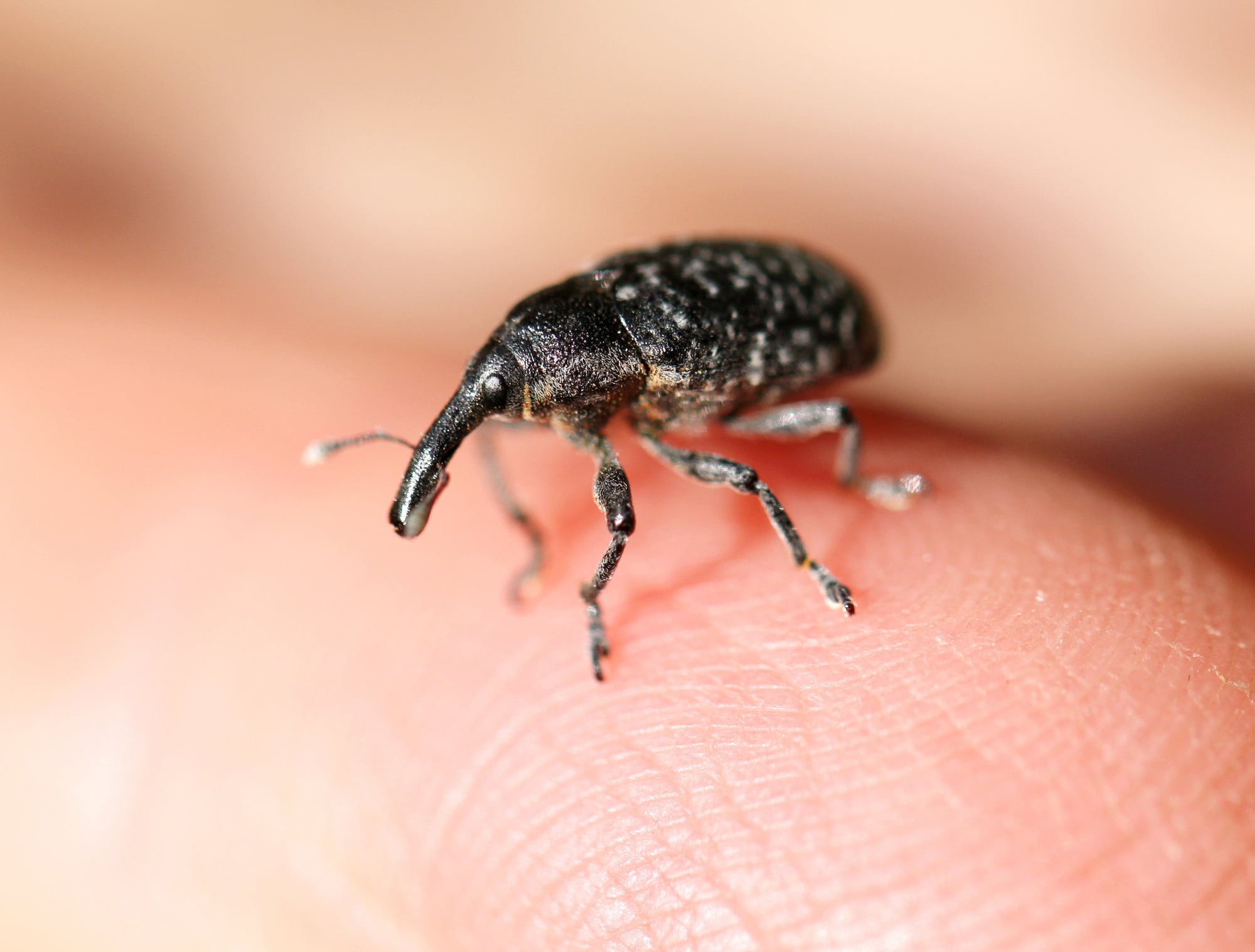
Palm weevils are not visually imposing, but they are surprisingly heavy for their size. Their dense bodies allow them to burrow into plant tissue, where weight becomes an advantage rather than a hindrance.
Larvae are especially massive relative to length, storing energy efficiently.
Their weight reflects a lifestyle focused on feeding and concealment rather than movement.
Large cicadas

Heavy adults start life as tiny nymphs tucked beneath soil. After long stretches below ground, they emerge – full grown, thanks to slow-fed stores built over time.
Size comes not fast, but sure, fueled by years of quiet waiting.
Brief as their grown stage may be, cicadas carry a bulk shaped by years below ground. Built heavy not for long flights, but for loud calls that split summer air.
Strength goes where flight would waste it – sound rules instead of distance.
When heaviness becomes strategy
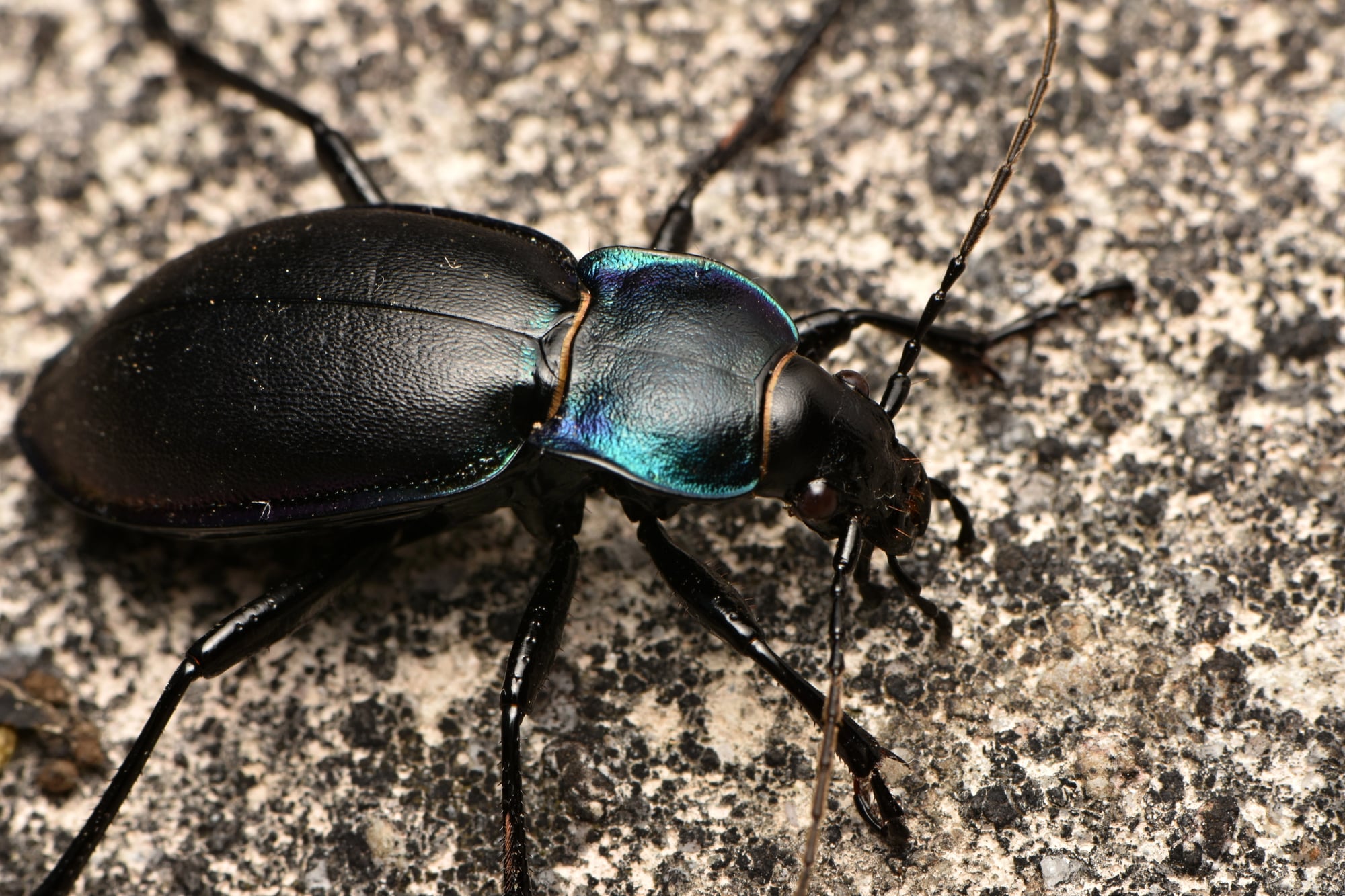
Surprisingly large bugs tend to follow a trend. Usually their size isn’t random.
When flying matters less, danger from hunters fades, or strength plays a bigger role in staying alive – then bulk begins to help. Sometimes it acts like armor.
Other times it gives an edge in fights. Or simply helps them last longer instead of moving fast.
Most bugs get called lightweight, yet here we see a different story unfold.
Weight, if the habitat allows it and structure backs it up, turns into strength of its own kind – revealing how tiny beings sometimes thrive under loads you would not expect.
More from Go2Tutors!

- The Romanov Crown Jewels and Their Tragic Fate
- 13 Historical Mysteries That Science Still Can’t Solve
- Famous Hoaxes That Fooled the World for Years
- 15 Child Stars with Tragic Adult Lives
- 16 Famous Jewelry Pieces in History
Like Go2Tutors’s content? Follow us on MSN.



