Historical Figures Who Were Nothing Like the Movies
Hollywood loves a good story, and sometimes the truth gets a little makeover in the process. Historical films can be visually stunning and emotionally powerful, but they often take serious liberties with the facts.
Costumes get modernized, timelines get shuffled, and entire personalities get rewritten to fit a more dramatic narrative. The real people behind these famous characters were often far more complex, sometimes more interesting, and occasionally completely different from what ended up on screen.
When filmmakers sit down to create a historical epic, they’re not usually aiming for a documentary. They want romance, conflict, clear heroes and villains, and a story that fits neatly into two hours.
Here is a list of historical figures who got the Hollywood treatment and came out looking nothing like their actual selves.
William Wallace

Mel Gibson’s Braveheart turned William Wallace into a dirt-poor farmer fighting for freedom after his wife was murdered by the English. The real Wallace was actually from the lesser nobility, well-educated, and probably accompanied by his own chaplain.
He wasn’t some scrappy underdog pulling himself up by his bootstraps. Wallace was a landowner who likely spoke Latin and French, engaged in diplomatic correspondence with foreign cities, and was eventually appointed Guardian of Scotland.
The film erases his actual social standing to create a more appealing everyman hero, but the truth is he was already part of the Scottish gentry before he ever picked up a sword.
Pocahontas

Disney’s animated version depicts Pocahontas as a young woman who falls in love with John Smith, complete with wind-painting and romantic duets. In reality, Pocahontas was about ten years old when she met the nearly thirty-year-old Smith, which makes the whole romance angle pretty uncomfortable.
The real Pocahontas was later kidnapped by English colonists as a teenager, forced to convert to Christianity, and married off to John Rolfe. She was essentially used as a diplomatic tool and curiosity, eventually dying of illness in England in her early twenties.
The actual story is far darker than anything Disney was willing to show kids on a Saturday morning.
Antonio Salieri
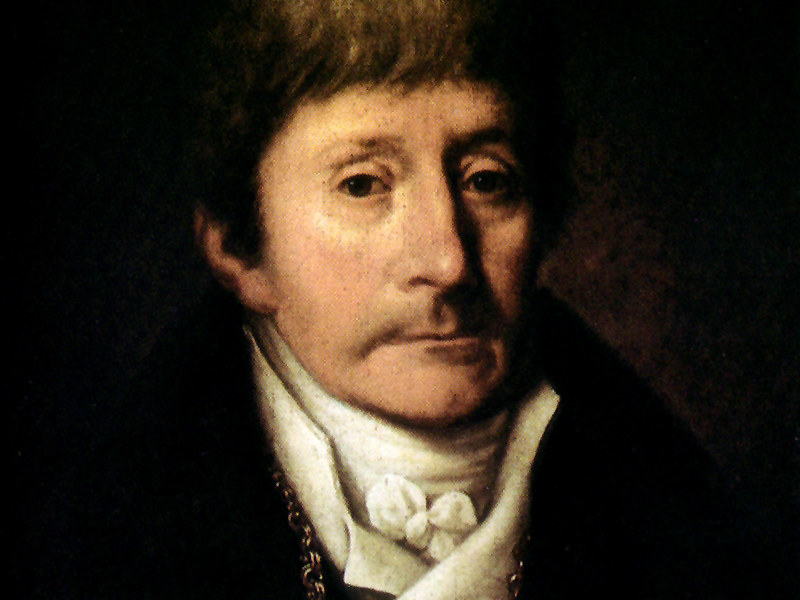
Amadeus created one of cinema’s most memorable rivalries between Salieri and Mozart, portraying Salieri as a mediocre composer consumed by jealousy who plots Mozart’s murder. The real Salieri was actually a successful and respected composer in his own right who had a perfectly cordial professional relationship with Mozart.
They even collaborated on a musical piece together, and Salieri later gave piano lessons to Mozart’s son. The whole murder plot was based on a rumor that started decades after Mozart’s death, likely stemming from confused ramblings during Salieri’s later battle with dementia.
Salieri was married with eight children, not the celibate bachelor the film depicts.
Christopher Columbus
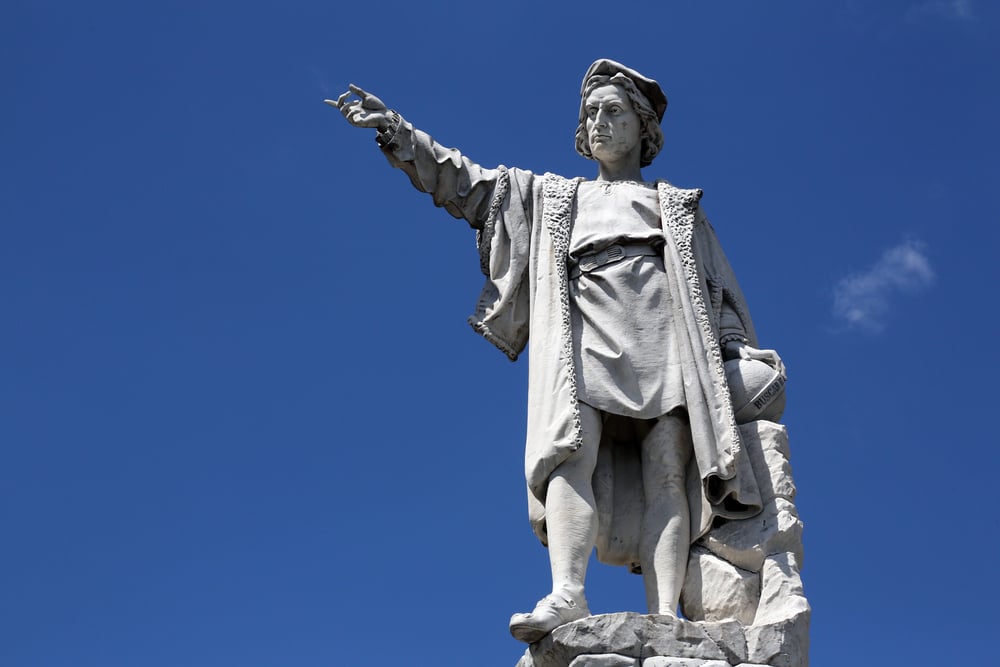
Films like 1492: Conquest of Paradise paint Columbus as a noble visionary and friend to indigenous peoples, respectful of native cultures and opposed to slavery. The historical record tells a very different story.
Columbus personally enslaved the Taíno people, instituted brutal punishments including cutting off hands for those who didn’t deliver enough gold, and was directly responsible for atrocities that led to genocide. The movie shifts blame for these actions to fictional villains or other colonizers, creating a sanitized hero out of a man whose legacy involved mass death and exploitation.
His actual behavior was so harsh that he was eventually recalled to Spain and stripped of his governorship.
Marie Antoinette

Sofia Coppola’s Marie Antoinette portrays the French queen as a shallow, oblivious teenager obsessed with shopping and parties, unaware of the political turmoil around her. The real Marie Antoinette was politically savvy and well aware of the cutthroat world she inhabited.
She had her own political interests and actively participated in court intrigue. While she certainly enjoyed luxury, she wasn’t the airheaded fashionista the film suggests.
She also probably never said ‘Let them eat cake,’ which is one of history’s most persistent misattributions.
Alan Turing
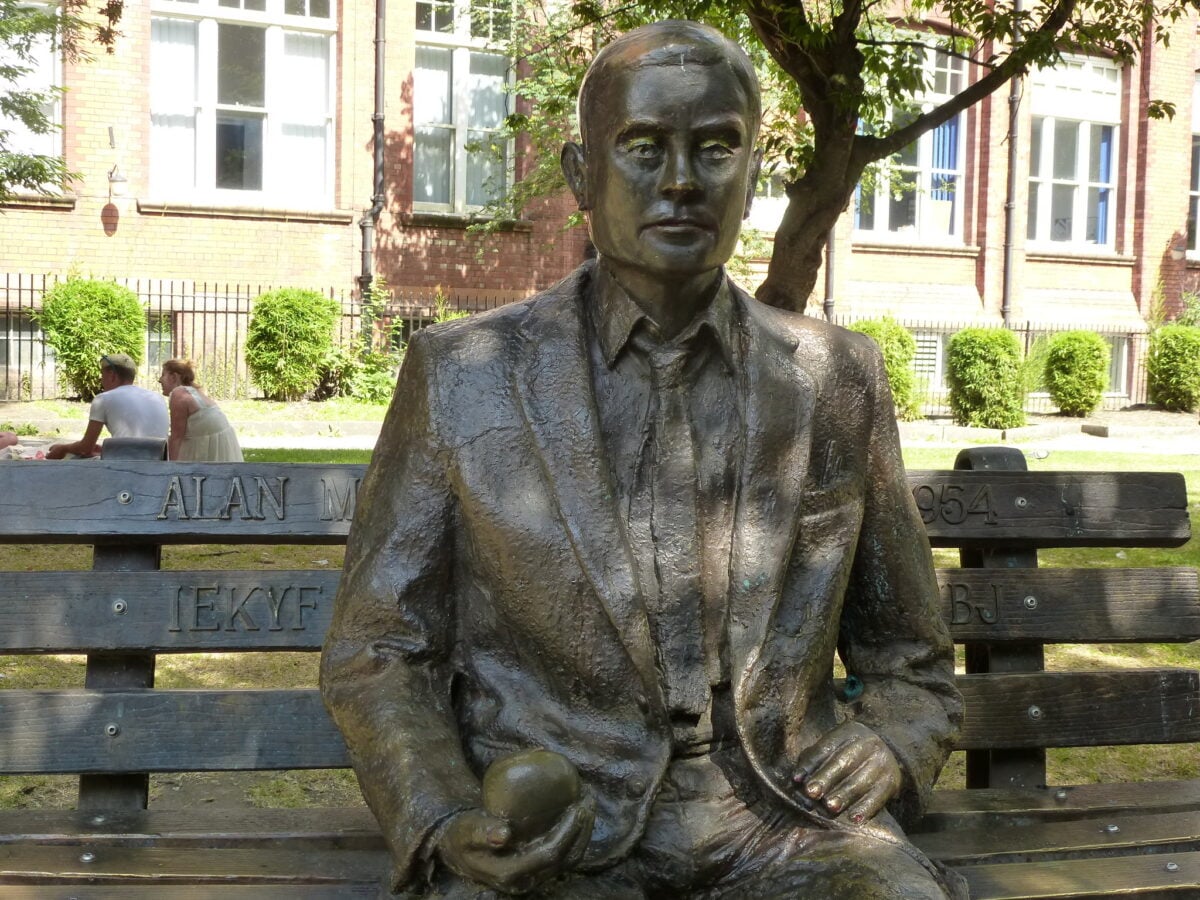
The Imitation Game shows Turing as a socially awkward loner who single-handedly cracked the Enigma code and named his machine ‘Christopher’ after his childhood love. In reality, Turing was part of a large team effort that included Polish cryptanalysts who had already made significant progress years earlier.
He was also much more sociable and had a better sense of humor than the film suggests. The movie exaggerates his romantic feelings for his fiancée Joan Clarke to downplay his homosexuality, when in fact he was quite open about his identity with friends and colleagues.
The real Turing was a brilliant team player, not a lone genius working in isolation.
John Nash

A Beautiful Mind depicts Nash’s schizophrenia through visual hallucinations of people who don’t exist, including a dramatic government conspiracy storyline. The real Nash’s symptoms manifested very differently, primarily through auditory hallucinations and delusional thinking rather than seeing full people who weren’t there.
His actual treatment and recovery process was also far more complex than the film’s relatively tidy resolution suggests. The movie simplified his mental illness to make it more cinematically compelling, but ended up misrepresenting how schizophrenia actually works for most people who experience it.
King Leonidas

300 turns Leonidas and his Spartans into freedom-loving heroes standing against barbaric Persian hordes. The historical reality was pretty much the opposite.
Spartans were supported by thousands of other Greek soldiers at Thermopylae, not just 300 men. More importantly, Spartan society was built on the brutal enslavement of the Helots, who they could legally kill for any reason, including being too smart.
The Spartan ‘rite of passage’ wasn’t killing a wolf but rather sneaking out to murder a slave without getting caught. Meanwhile, the Persian Empire under Xerxes was actually quite tolerant of different cultures and religions compared to most ancient empires.
Francis Marion
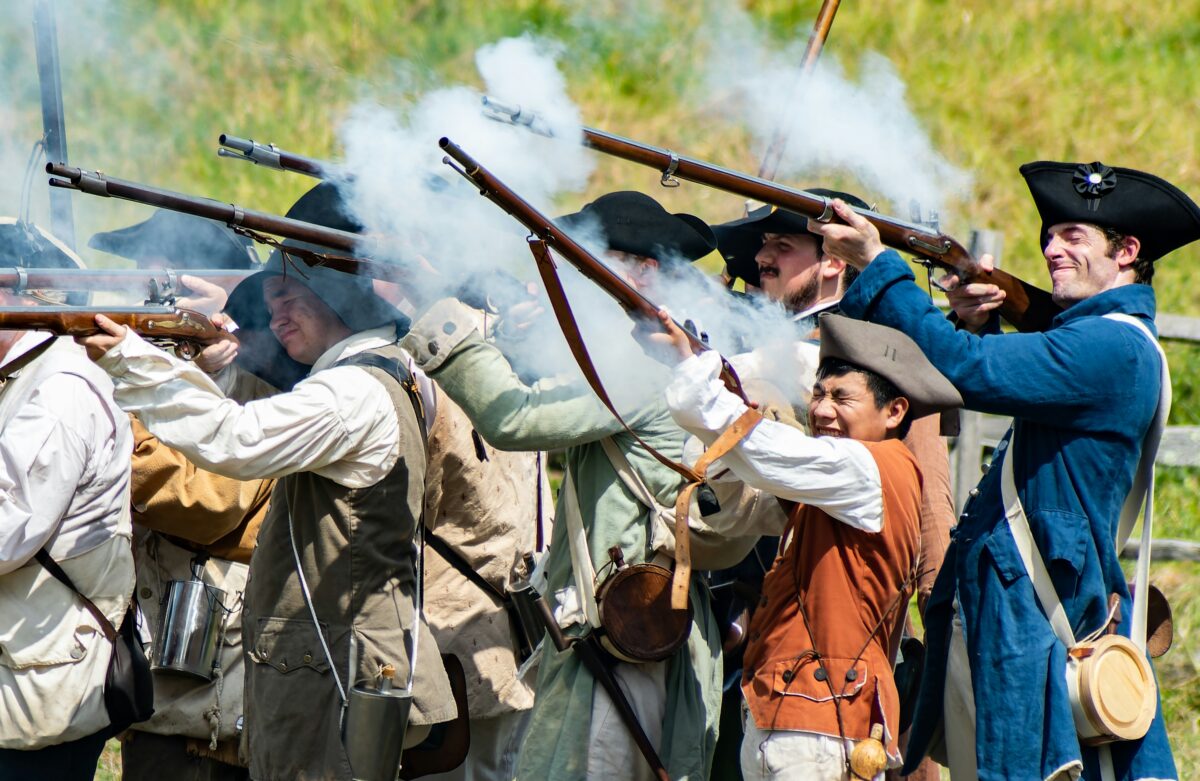
Mel Gibson’s character Benjamin Martin in The Patriot is based largely on Francis Marion, portrayed as a loving father and reluctant warrior. The historical Marion was known for hunting Native Americans for sport and reportedly assaulted enslaved women on his plantation.
The film completely sanitizes these aspects to create a sympathetic protagonist. The movie also invents atrocities committed by the British, like burning civilians in a church, which never happened.
Meanwhile, it downplays the harsh realities of slavery during the Revolutionary War, showing enslaved people as relatively content when the truth was far more brutal.
Marcus Aurelius
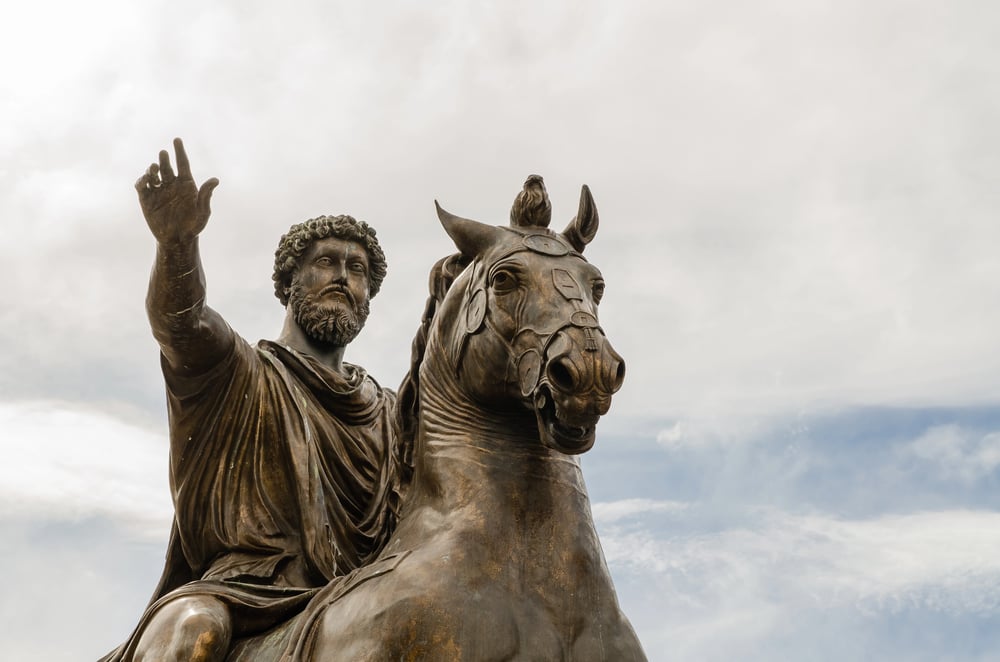
Gladiator shows Marcus Aurelius as a wise emperor who wanted to restore the Roman Republic and was murdered by his son Commodus. In reality, Marcus Aurelius died of natural causes, likely chickenpox or plague, and he had actually made Commodus his co-emperor years before his death.
There’s no evidence he wanted to end the imperial system or that Commodus killed him. Marcus Aurelius was a Stoic philosopher-emperor, but he wasn’t secretly plotting to dismantle the empire his family had ruled for decades.
The whole father-son murder plot was invented for dramatic tension.
Elizabeth I
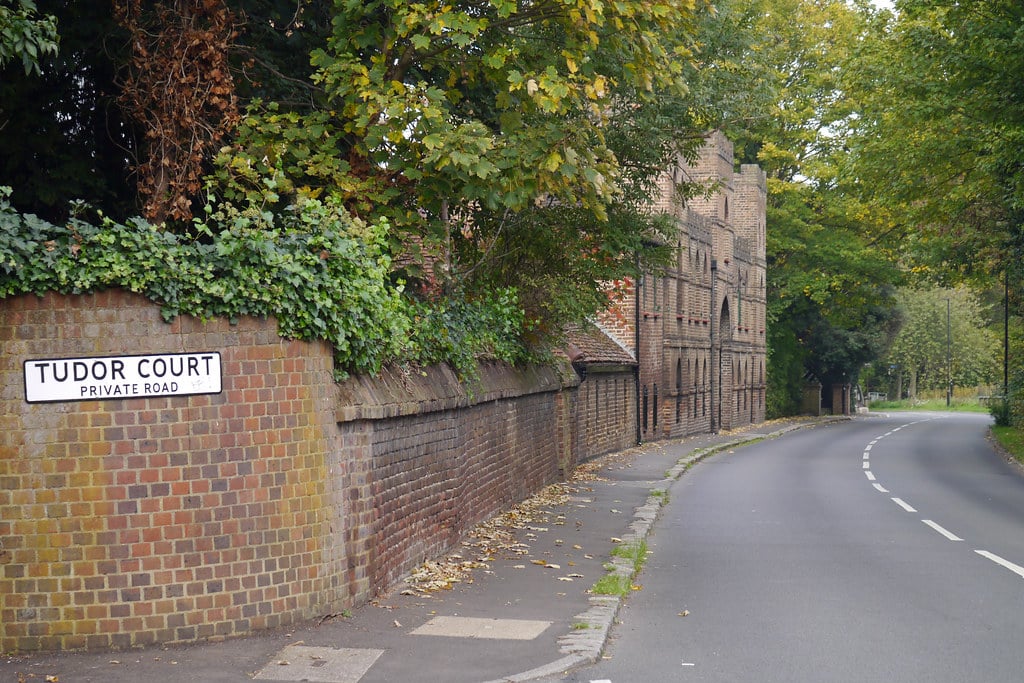
The 1998 film Elizabeth portrays the young queen as naive and weak, easily manipulated by those around her. The real Elizabeth I was politically astute from the start, having survived a dangerous childhood where one wrong move could have meant execution.
The movie also shows her love interest Robert Dudley as a traitor who conspired against her, when in reality he remained her loyal supporter until his death. Elizabeth knew perfectly well that Dudley was married and wasn’t the innocent depicted on screen.
The film also gets basic facts wrong, like showing her imprisoned at Hatfield House when she was actually at Woodstock Palace.
Henry VIII
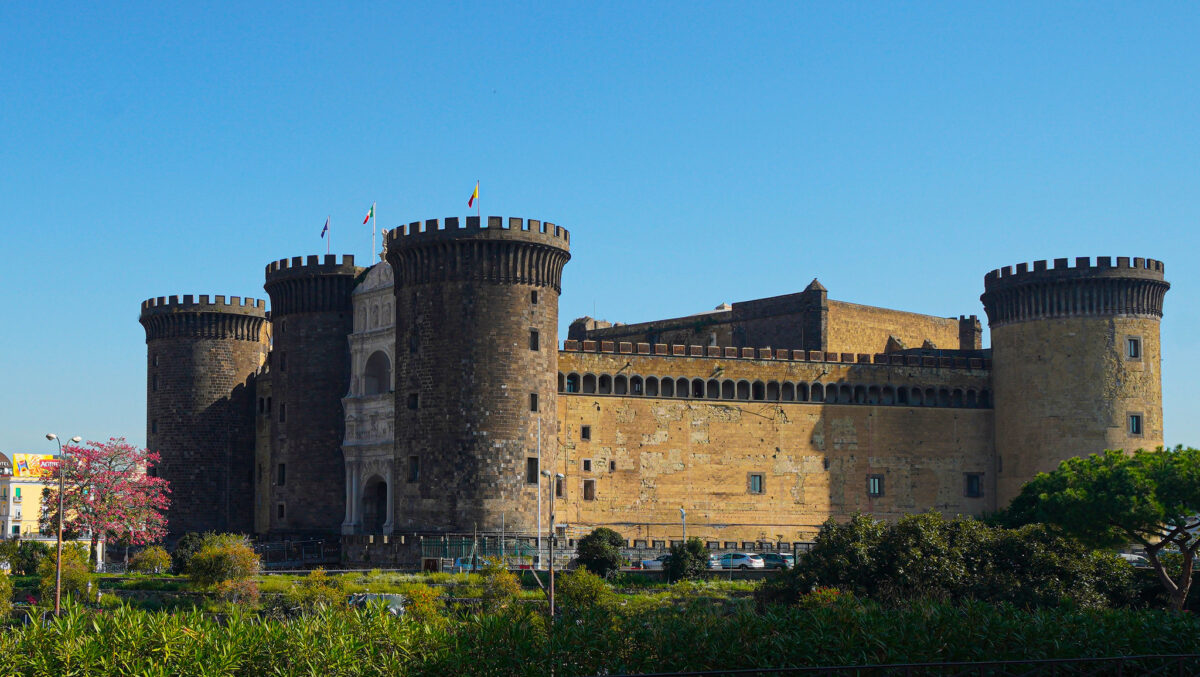
The Private Life of Henry VIII depicts the king as a jolly, gluttonous womanizer constantly flirting with ladies at court. The real Henry VIII actually prided himself on discretion and had relatively few publicly known affairs.
He took his royal dignity seriously and wasn’t the perpetual party animal Hollywood made him out to be. The film also claims his fourth wife Anne of Cleves wanted to divorce him to marry a lover, when it was actually Henry who initiated the divorce.
Anne never remarried and seemed quite content with her generous divorce settlement. Henry’s actual personality was far more complex, combining genuine religious devotion with ruthless political calculation.
Robert the Bruce
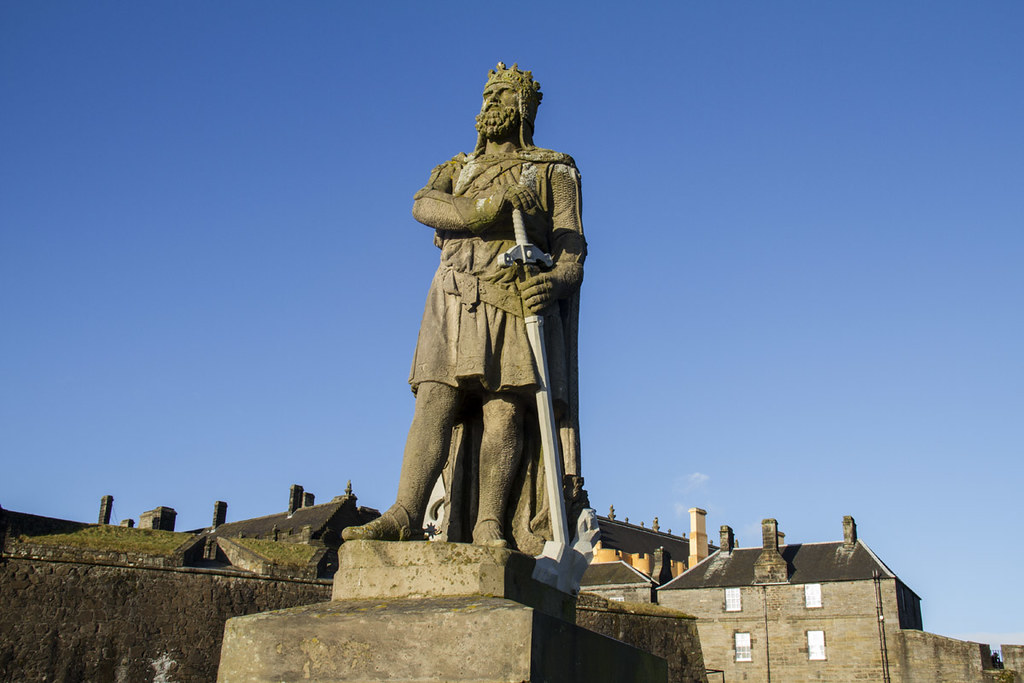
Braveheart portrays Robert the Bruce as a cowardly traitor who repeatedly betrayed Wallace, including at the Battle of Falkirk. There’s no historical evidence Bruce was even at Falkirk, and he certainly didn’t betray Wallace there.
Bruce’s actual relationship with Wallace and the independence movement was complicated by the fact that he had legitimate claims to the Scottish throne and lands on both sides of the border. He was playing a complex political game, not acting as a simple villain.
Bruce went on to secure Scottish independence at Bannockburn and became one of Scotland’s greatest kings, which the film acknowledges but only after spending most of its runtime making him look terrible.
John Quincy Adams
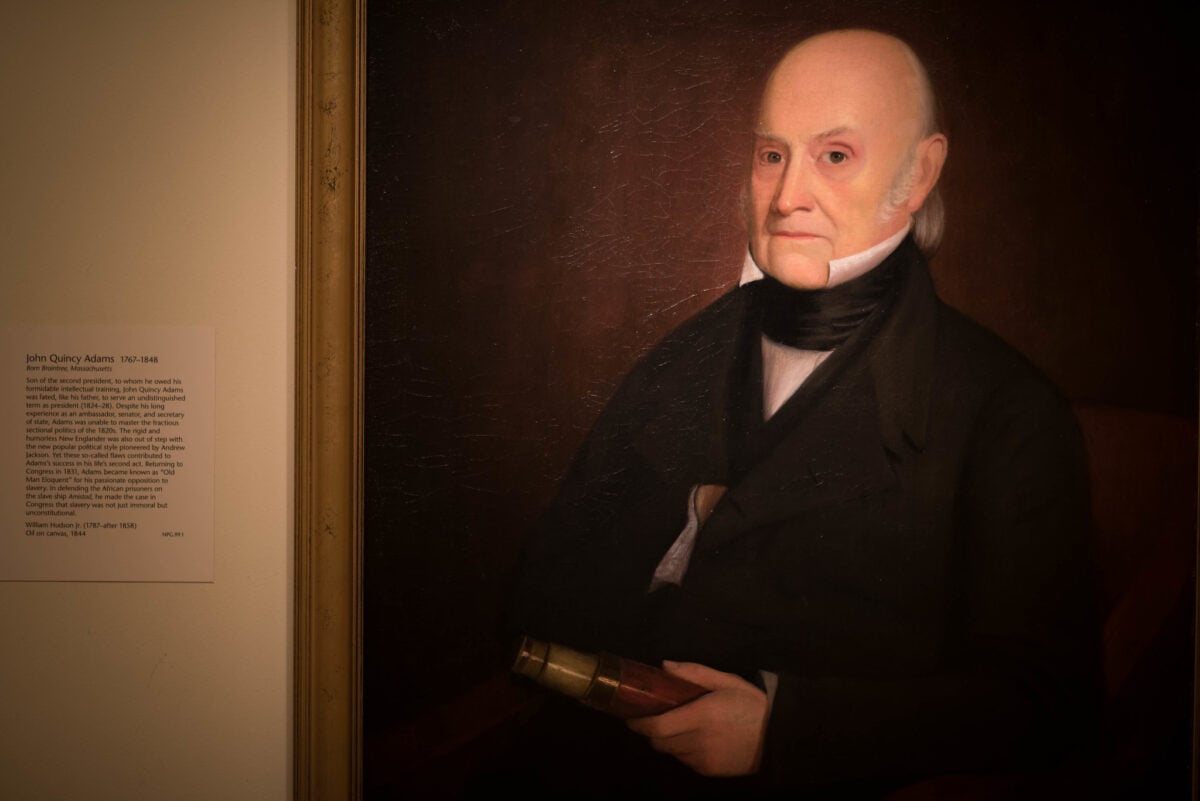
Amistad shows Adams as a passionate abolitionist who courageously argued for African refugees’ freedom before the Supreme Court. While Adams did argue the case in real life, his actual antislavery positions were more wishy-washy and politically calculated than the film suggests.
The movie creates a white savior narrative where Adams is the hero, when the reality involved many more people and far more moral complexity. The film also conveniently omits the fact that thousands of white people paid money to gawk at the Africans while they were imprisoned awaiting trial, treating them as a tourist attraction.
The real story had far more uncomfortable truths about American racism than made it into the final cut.
The Spartans at Thermopylae
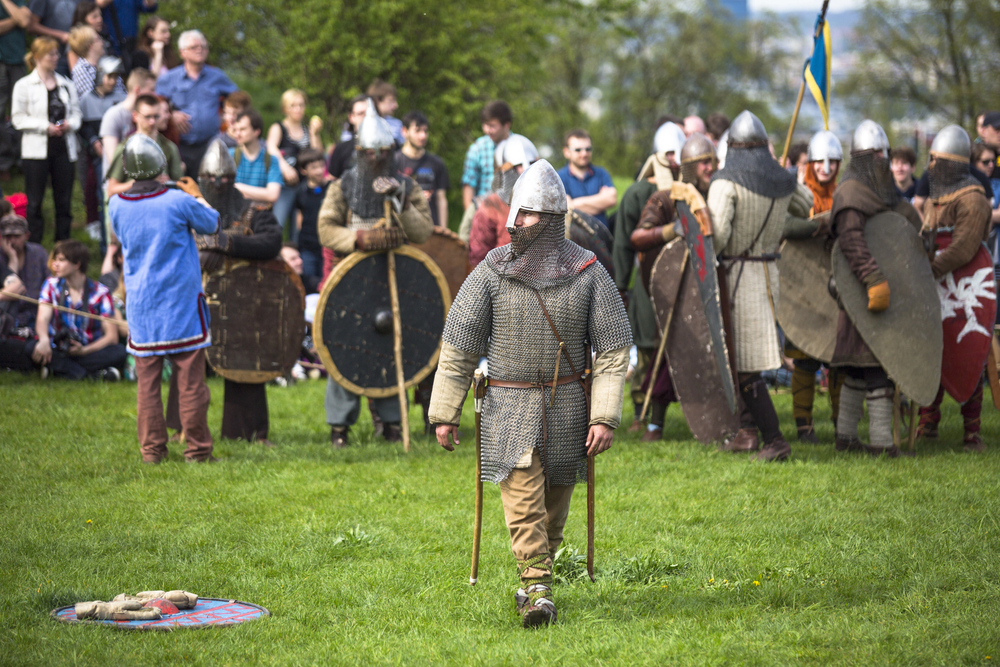
Beyond Leonidas himself, 300 gets pretty much everything wrong about the Spartans at Thermopylae. The movie shows 300 Spartans fighting alone, when the actual battle involved somewhere between 5,000 and 7,000 Greek soldiers from various city-states.
The film completely erases the crucial role of Andrew de Moray at Stirling Bridge, wait, that’s the wrong movie. At Thermopylae, the Spartans weren’t using innovative tactics, they were employing standard hoplite warfare of the era.
The famous blue war paint never existed in that time period and the notion that Spartans fought in their underwear rather than proper armor is pure Hollywood fantasy designed to show off actors’ physiques.
Princess Isabella
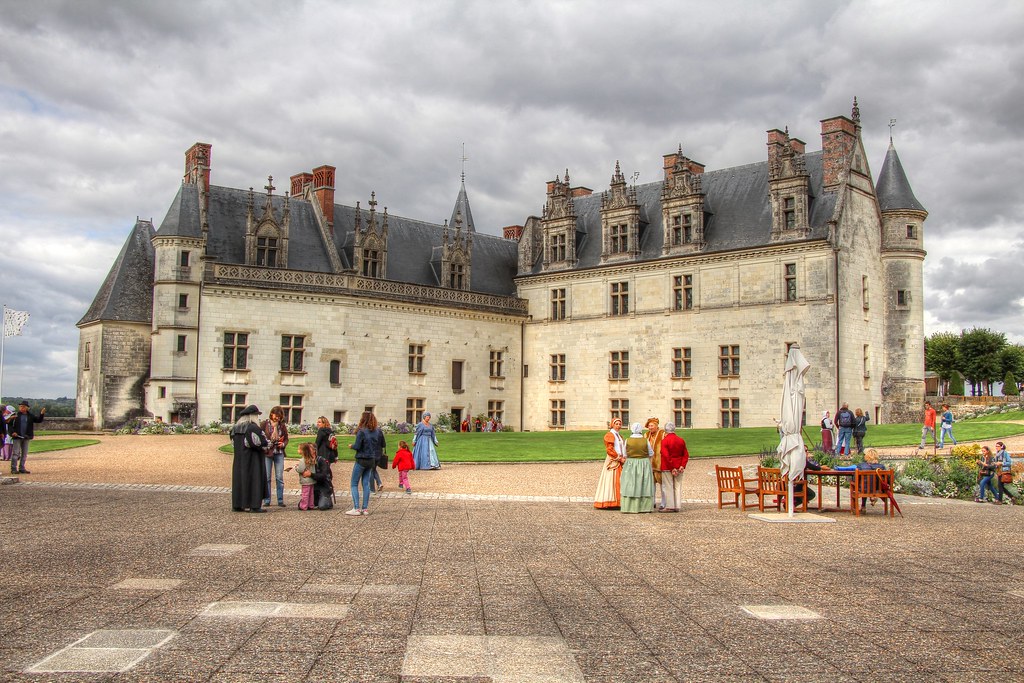
Braveheart features a romance between William Wallace and Princess Isabella of France, including scenes suggesting she became pregnant with his child. This is historically impossible because Isabella was only three years old when Wallace died.
She didn’t marry Edward II until after Wallace’s execution, and their first meeting was years away. The entire romantic subplot was fabricated to add a love interest to the story.
The real Isabella did eventually turn against her husband, but that had nothing to do with William Wallace and happened much later in her life.
The Mayans

Apocalypto portrays the Maya civilization as bloodthirsty savages obsessed with mass human sacrifice and on the verge of collapse. The real Maya were actually a sophisticated civilization with advanced mathematics, astronomy, and architecture.
While they did practice some ritual sacrifice, it was nowhere near the scale or savagery depicted in the film. The movie essentially took Aztec practices and costumes, mixed them up, and slapped them onto the Maya.
The film also shows Spanish conquistadors arriving just as Maya civilization is collapsing, but this is off by about 400 years. The actual Maya were still thriving when the Spanish showed up.
The Battle of Stirling Bridge

Braveheart’s portrayal of the Battle of Stirling Bridge manages to leave out the bridge, which was kind of the whole point of the battle. Wallace’s brilliant tactical victory came from forcing the English to cross a narrow bridge where they couldn’t use their numerical advantage.
The film just shows open-field combat with no bridge in sight. More importantly, it completely erases Andrew de Moray, who co-led the Scottish forces and probably masterminded the tactical plan.
Moray died shortly after the battle from wounds received there, but the movie pretends he never existed. Wallace didn’t invent the use of spears against cavalry as the film suggests; this was an ancient tactic used by military forces for centuries.
When History Meets Hollywood
The gap between historical figures and their movie versions tells us as much about our own time as it does about the past. Filmmakers reshape these stories to fit modern expectations, adding romance where there was none, creating heroes and villains from more complicated people, and sometimes completely inverting the truth.
These inaccuracies matter because millions of people form their understanding of history from films rather than books. The real William Wallace, Pocahontas, and Columbus were far more interesting than their Hollywood counterparts, but their true stories don’t always fit neatly into two hours of screen time.
What we get instead are myths dressed up as history, entertaining but ultimately misleading about who these people actually were.
More from Go2Tutors!

- The Romanov Crown Jewels and Their Tragic Fate
- 13 Historical Mysteries That Science Still Can’t Solve
- Famous Hoaxes That Fooled the World for Years
- 15 Child Stars with Tragic Adult Lives
- 16 Famous Jewelry Pieces in History
Like Go2Tutors’s content? Follow us on MSN.