16 Unusual Schools from Centuries Ago
Schools today might seem pretty normal—desks, teachers, books. But long ago, learning happened in some very different places and ways. The idea of school wasn’t always like it is now.
Let’s go back in time and check out 16 unusual schools from centuries ago. Some may surprise you, some might seem strange, but all show how people valued learning in their own ways.
The one-room schoolhouse in rural America

These small schools often had just one room where kids of all ages learned together. One teacher took care of teaching reading, writing, and math to everyone. There were no fancy materials, so students used slates and chalk and helped each other. It was a simple place with a strong sense of community. These schools were important, especially in farming areas where children also worked at home.
The monastic schools of medieval Europe

Back then, monasteries were more than places to pray—they were centers for learning. Monks taught boys how to read, write, and study religious texts. Students spent hours copying books by hand, helping save many old works. The place was quiet and strict to keep focus. These schools helped keep knowledge alive when others were rare.
Like Go2Tutors’s content? Follow us on MSN.
The gurukul system in ancient India

Instead of buildings, learning took place in the teacher’s home or a small hut outside. Students lived with their teacher and learned through talking, stories, and daily tasks. It wasn’t just about books but also life lessons and values. The close time spent together created a strong bond. This made learning personal and more than just facts.
The Koranic schools in the Islamic world

In many Muslim communities, kids gathered in mosques or small rooms to memorize the Koran. Teaching focused on repeating verses until students learned them by heart. They recited often and learned devotion alongside education. These schools built strong memory skills and deep respect for tradition.
The Viking runic schools
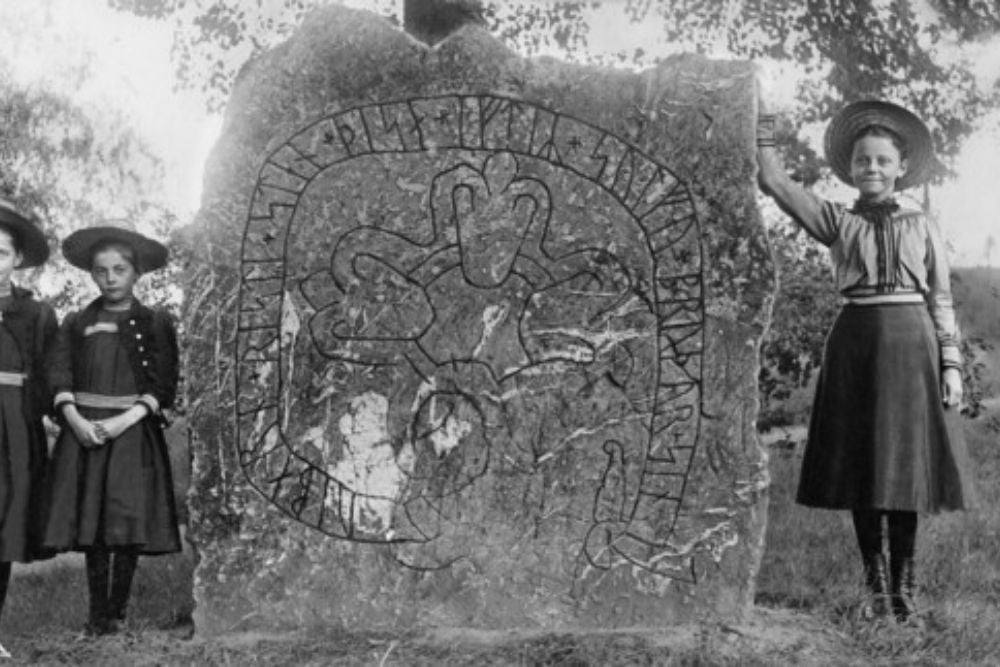
Before writing was common, Vikings used runes—symbols carved into wood or stone. These schools taught how to read and carve runes. It was a practical skill needed for communication and trade. Lessons were hands-on and focused on everyday needs. Education was tied closely to daily life.
Like Go2Tutors’s content? Follow us on MSN.
The imperial academy in ancient China

China’s imperial schools prepared young men for government jobs through tough exams. Students studied classic texts, poetry, and philosophy for many years. The pressure was high since passing meant a respected career. Many lived away from home, focusing only on study. This system shaped China’s leaders and culture.
The medieval university lecture halls
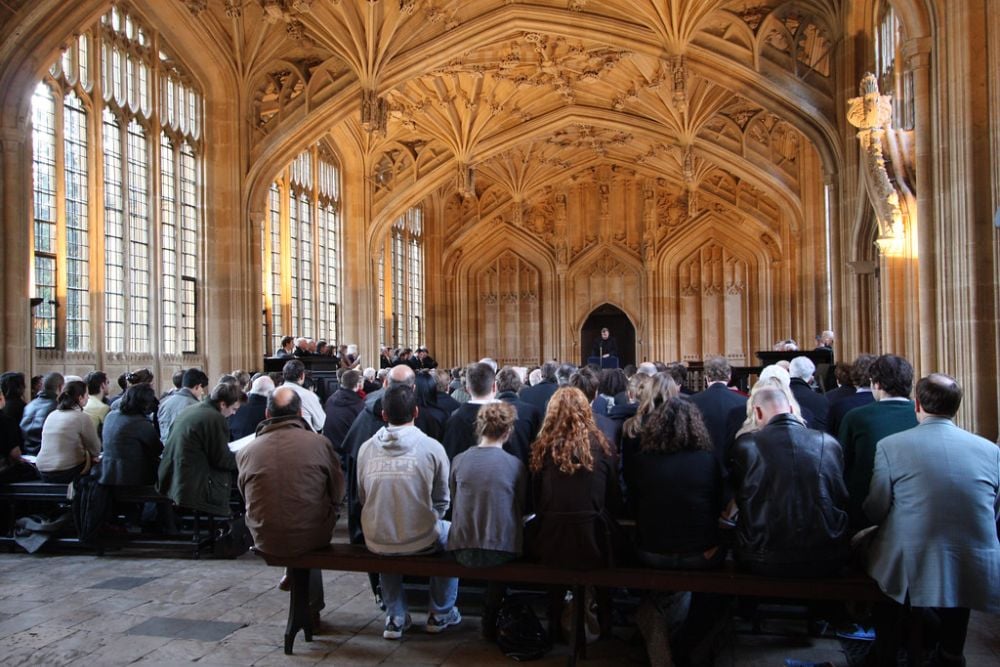
Early universities were very different from today. Classes took place in large halls inside churches or rented rooms. Professors gave long talks while students wrote notes by hand. Debate came later outside class. These schools focused on subjects like theology and law, laying the foundation for modern universities.
The Inca quipu schools

The Incas didn’t have written language as we know it but used quipus—knotted strings—to record information. Special teachers learned to read and use these knots. Their schools taught this skill, important for managing the empire. This shows education can work without books.
Like Go2Tutors’s content? Follow us on MSN.
The apprenticeships in Renaissance Europe
Instead of schools, many young people learned trades by working with masters. Apprentices spent years training in painting, metalwork, or tailoring. They worked alongside skilled craftsmen, learning practical skills. This hands-on training helped them earn while they learned.
The dog school in 17th-century France

Oddly enough, some schools trained dogs using methods like human schools. Trainers used lessons, routines, and rewards to teach dogs. This showed that “school” could mean more than teaching people. It was an early way of training animals patiently and carefully.
The shipboard schools for sailors

On long sea trips, boys and young men learned navigation, math, and weather on ships. These schools had no classrooms; lessons happened on deck or in tight spaces below. Students studied while dealing with the rocking ship and noise. It was tough but necessary for life at sea.
Like Go2Tutors’s content? Follow us on MSN.
The Sunday schools of 18th-century England
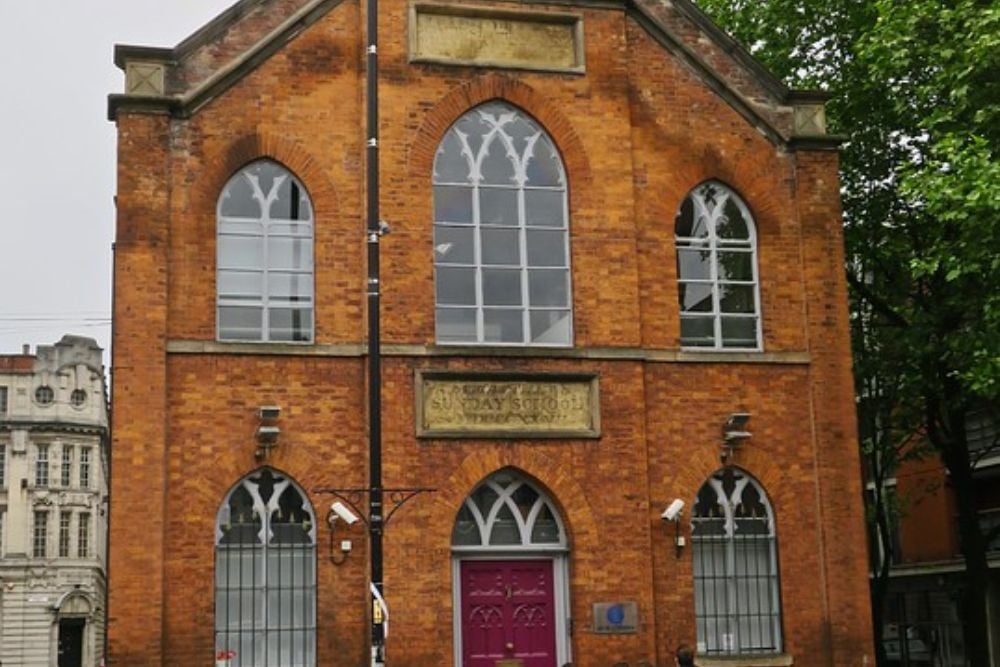
Sunday schools started to teach poor children basic reading and writing on their one day off work. Often run by volunteers in churches, these schools were crowded and had few supplies. Still, they gave education to children who had no other chances. Sunday schools helped spread reading and writing.
The Talmudic yeshivas

Jewish boys studied religious law in yeshivas with long hours of study and debate. They didn’t just memorize; they asked questions and argued ideas. This trained sharp thinking and understanding. The schools focused on logic and reasoning as much as knowledge.
The samurai schools in feudal Japan
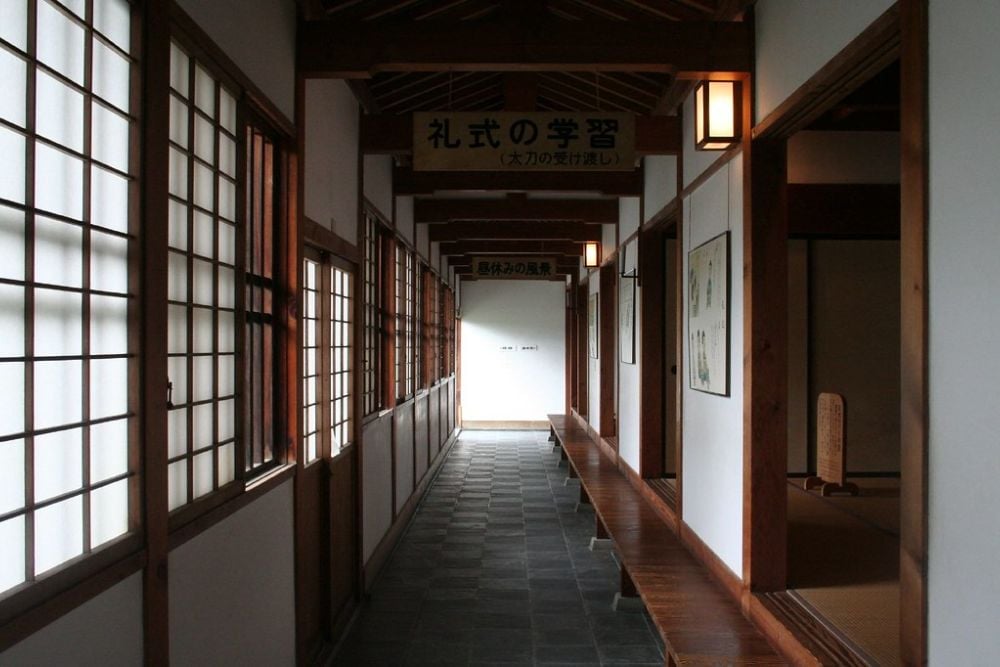
Samurai kids learned martial arts, reading, writing, and ethics at special schools. Discipline was strict, and physical training was important. The schools prepared them to be warriors and leaders. Education combines body and mind, focusing on honor and loyalty.
Like Go2Tutors’s content? Follow us on MSN.
The medieval cathedral schools

Before universities, cathedral schools taught future priests and church leaders. They focused on Latin grammar, religious studies, and some basic arts. Attached to big churches, these schools mixed learning with worship. They helped spread literacy and education through the church.
The schools for noble children in Renaissance Europe
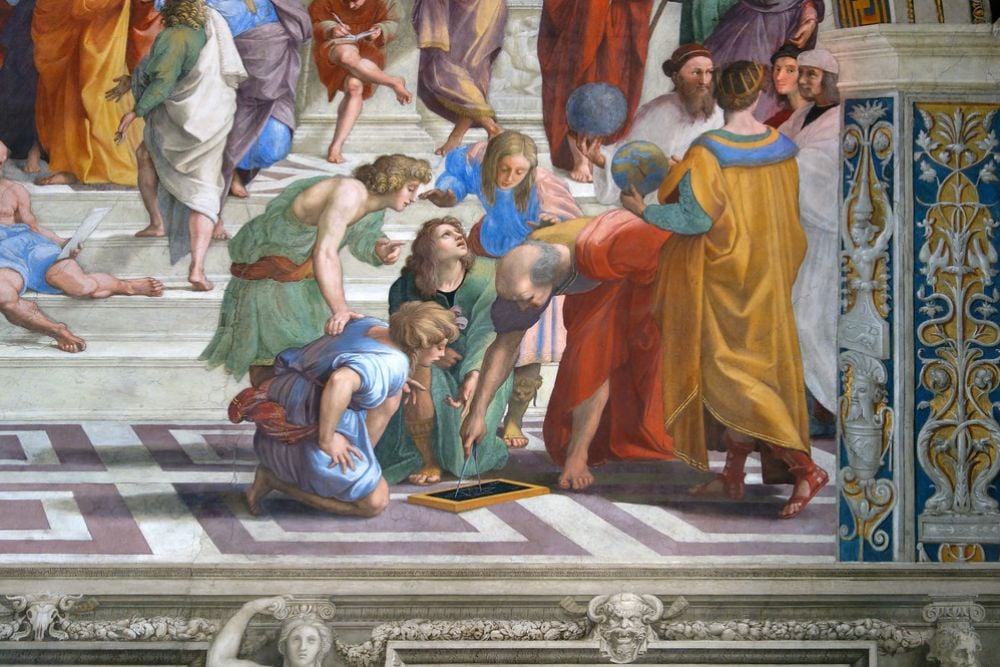
Noble children attended special schools that mixed academic subjects with lessons on manners, music, and horseback riding. The goal was to prepare them for roles in court or government. Tutors often traveled with them or taught at home. These schools combined knowledge with social skills for future leaders.
From strange past to familiar present: how education grew

Looking back, schools long ago often matched what people needed in their time. Whether in monasteries, ships, or homes, learning adapted to what mattered most. Today’s schools come from these early efforts, showing education keeps changing but always stays important. The ways people have shared knowledge link the past with the present.
Like Go2Tutors’s content? Follow us on MSN.
More from Go2Tutors!

- 16 Historical Figures Who Were Nothing Like You Think
- 12 Things Sold in the 80s That Are Now Illegal
- 15 VHS Tapes That Could Be Worth Thousands
- 17 Historical “What Ifs” That Would Have Changed Everything
- 18 TV Shows That Vanished Without a Finale
Like Go2Tutors’s content? Follow us on MSN.