The Real Reasons Behind Famous City Rivalries
City rivalries are more than just friendly competition between neighbors. They’re built on centuries of grudges, economic battles, cultural clashes, and enough pettiness to fill a history book.
From New York sneering at Boston to Barcelona loathing Madrid, these urban feuds run deep, and they didn’t start with sports teams trash-talking each other. The truth is that city rivalries often emerge from legitimate historical conflicts that get passed down through generations like family recipes.
Economic dominance, political ideology, and regional pride all stir the pot. Here are real reasons why cities can’t seem to get along.
Colonial Competition
The rivalry between New York and Boston stretches back over 400 years to when New Amsterdam was still Dutch and Boston was still Puritan. The Dutch and English colonists fought over territory, fur trading rights, and basically everything else they could argue about.
This wasn’t friendly competition either—these colonial powers literally went to war multiple times, and their settlements in America reflected that hostility.
The Capital City Snub
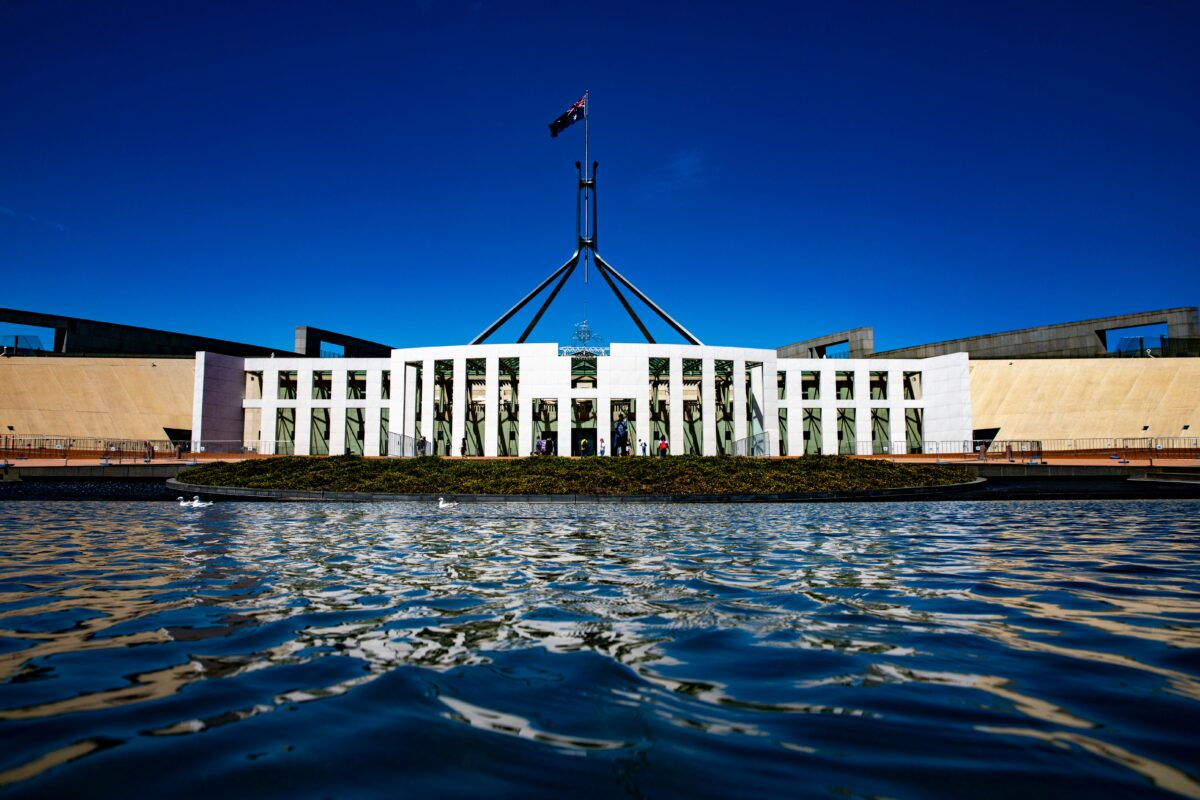
When Australia needed a federal capital, both Sydney and Melbourne wanted the honor so badly that neither would accept the other winning. The rivalry was so fierce that the government basically said ‘fine, neither of you gets it’ and created Canberra as a compromise.
It’s like when siblings fight over who gets the front seat, so the parents make them both sit in the back.
Trade Policy Wars

Melbourne and Sydney weren’t just arguing about which city had better beaches. After the 1850s gold rush, Victoria imposed import duties to protect its manufacturing base and keep miners employed locally, while New South Wales championed free trade.
These opposing economic philosophies shaped each city’s identity—Sydney became the finance and media capital, while Melbourne grew into the fashion and culture capital.
Population Contests
Chicago and New York got into such intense population competitions in the late 1800s that cities started playing dirty. During the 1890 census, St. Paul police literally kidnapped seven Minneapolis census-takers because the population count mattered that much for civic pride.
Chicago annexed surrounding suburbs in 1889 partly just to claim the title of ‘Second City’ behind New York.
Political Oppression and Identity
The Barcelona versus Madrid rivalry isn’t just about football—it’s about centuries of Catalonian identity being suppressed by Spanish centralism. During Franco’s dictatorship, Real Madrid became the regime’s favorite team and Spain’s international ambassador, while Barcelona represented Catalan resistance.
The infamous 11-1 match in 1943 was reportedly influenced by military pressure on Barcelona’s players, turning a game into a political statement.
Infrastructure Game-Changers

The Erie Canal basically destroyed Boston’s economic hopes when it opened in 1825. This engineering marvel connected Albany to Buffalo and the Great Lakes, making New York the gateway to America’s frontier.
Boston couldn’t compete and had to pivot its economy toward shipbuilding, fishing, and candy manufacturing (which explains why Boston still makes a ton of candy today).
Cultural Superiority Complexes
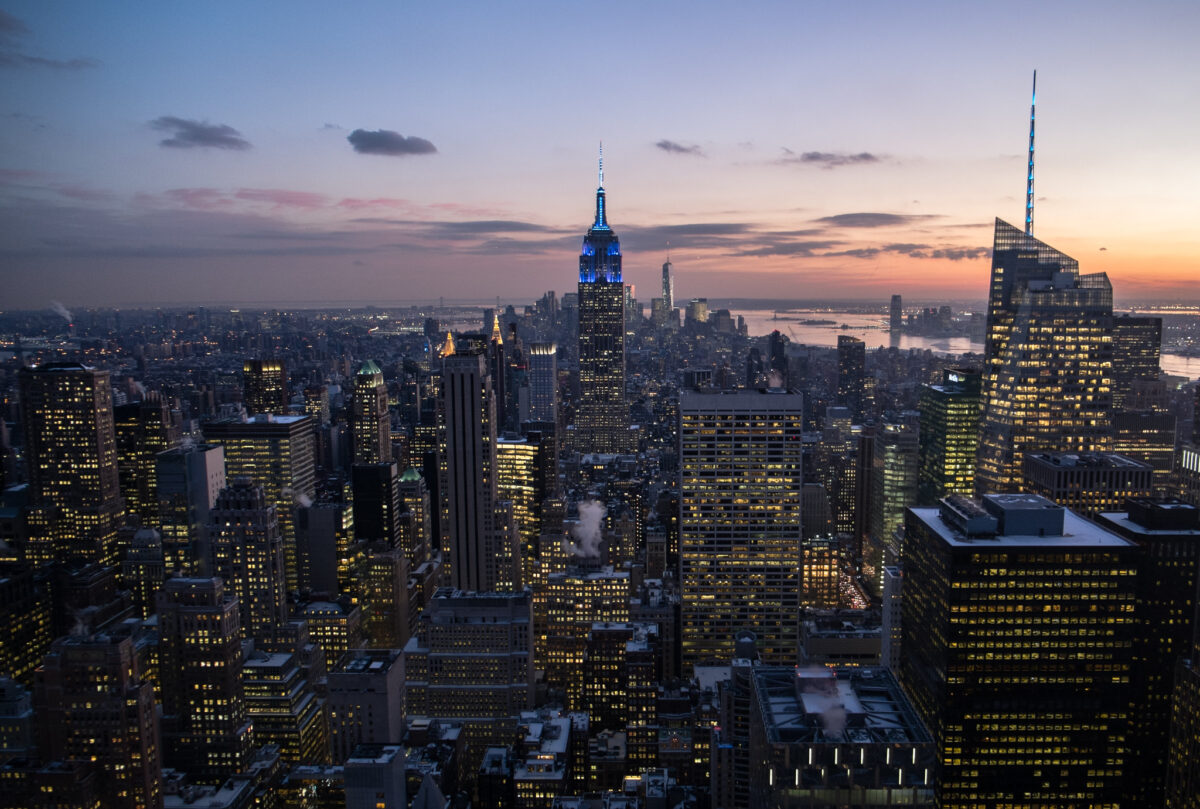
A.J. Liebling, a New York writer, published a book in 1952 called ‘Chicago: The Second City’ that absolutely roasted Chicago as inferior to New York. Chicagoans were so annoyed by this insult that they eventually embraced it, even naming their famous comedy troupe ‘The Second City.’
The nickname stuck, and the one-sided rivalry persists—Chicagoans obsess over New York, while New Yorkers barely think about Chicago.
Regional Climate and Lifestyle
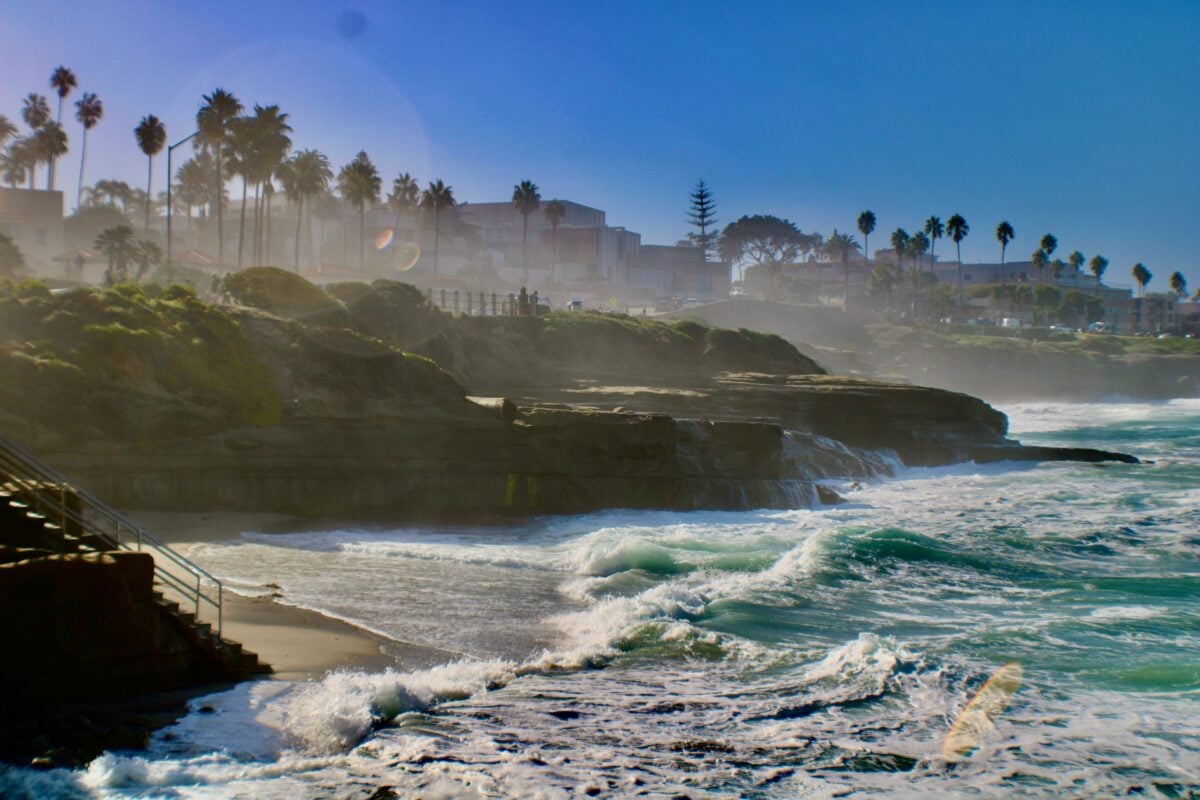
Los Angeles and San Francisco represent two completely different California experiences. LA offers year-round sunshine, beaches, and palm trees, while San Francisco brings fog, chilly weather, and a more European vibe.
These climate differences shape everything from the culture to the pace of life, with LA being sprawling and car-dependent while San Francisco is compact and walkable.
Entertainment Versus Tech
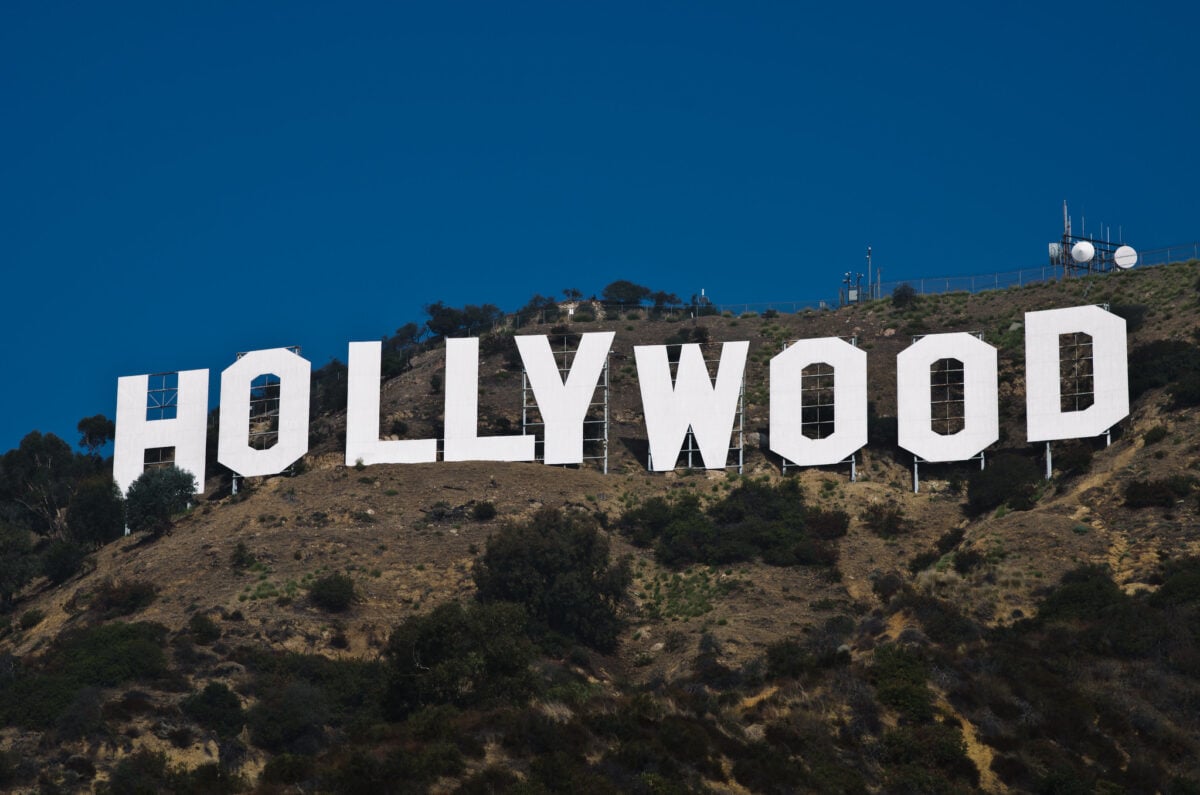
Southern California built its identity around Hollywood, movies, and celebrity culture, while Northern California eventually became the tech capital of the world with Silicon Valley. This created natural tension between LA’s entertainment industry and San Francisco’s innovation economy.
Both cities compete for talent, investment, and the title of California’s most important metropolitan area.
Sports as Proxy Wars
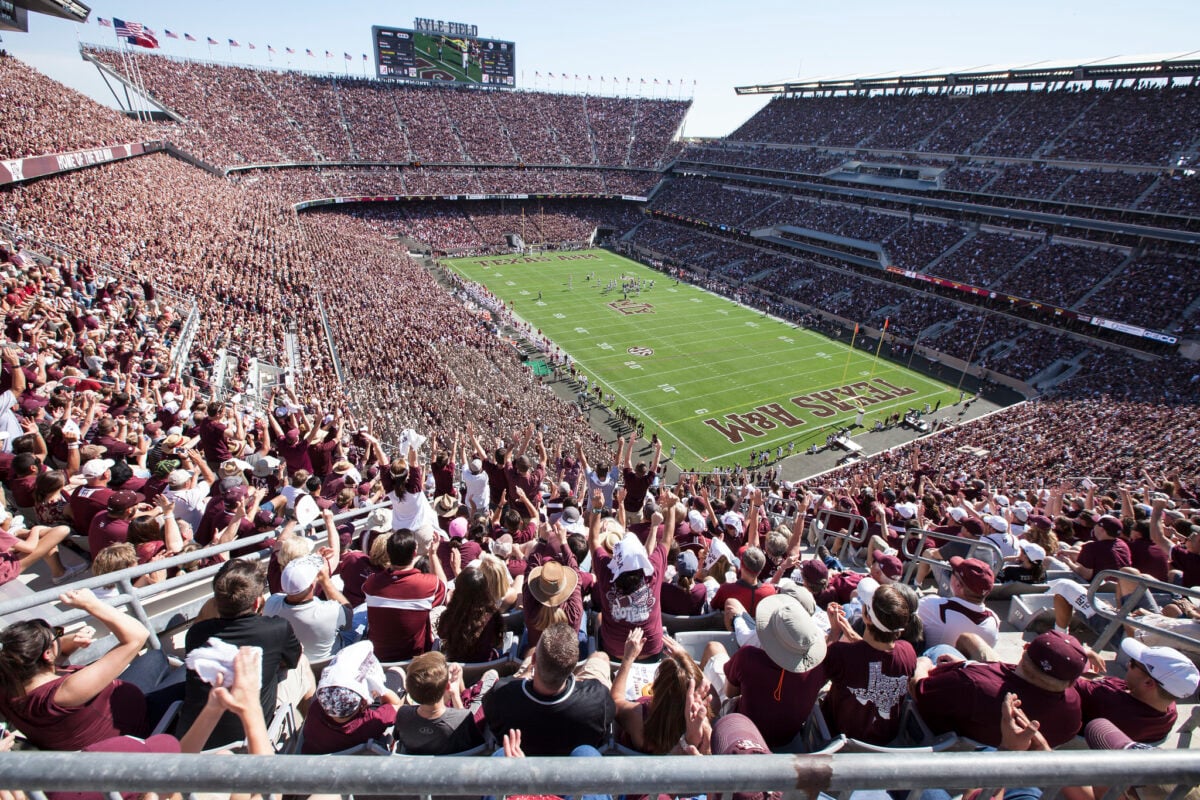
City rivalries that already existed for economic or political reasons found the perfect outlet through professional sports. The Yankees-Red Sox rivalry amplifies the existing New York-Boston tension, while Melbourne’s AFL and Sydney’s rugby league became ways to express regional pride.
Sports didn’t create these rivalries, but they gave them a stadium to play out in front of millions of fans.
Historical Grievances That Never Die
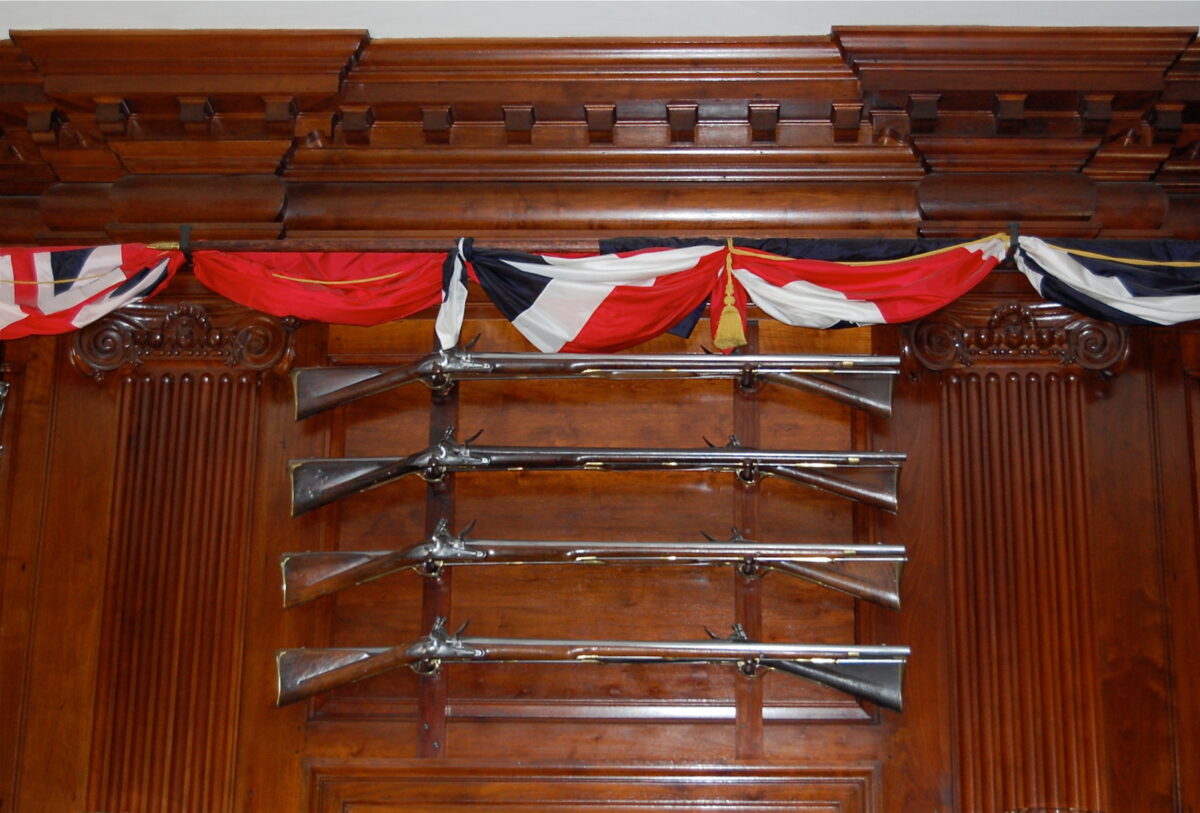
New York traders were accused by New Englanders of selling weapons to Native American tribes in exchange for furs during colonial times. These weapons were then allegedly used against New England settlements.
This kind of historical grievance—whether entirely accurate or not—gets remembered and retold, adding layers to rivalries that last centuries.
Immigration and Cultural Values

New Amsterdam (later New York) was founded as a mercantile colony by the Dutch West India Company and showed tolerance for different religions and nationalities. Boston was founded by Puritans with strict religious conformity.
These fundamentally different cultural values from the 1600s still influence how the cities see themselves today—New York as diverse and cosmopolitan, Boston as traditional and principled.
The Baseball Rules War
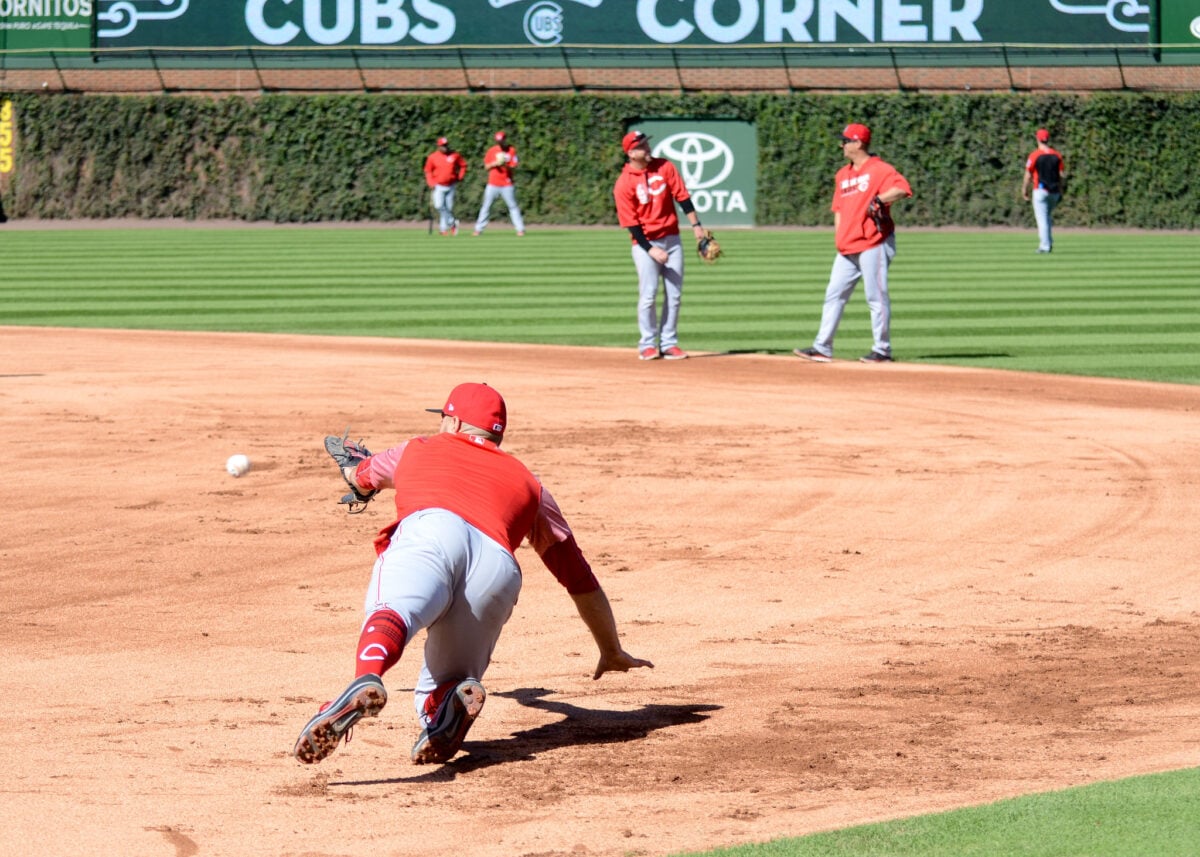
Before the rivalry was about the Yankees and Red Sox, New York and Boston literally played different versions of baseball with different rules. The ‘Massachusetts Game’ had no foul territory and teams played to 100 runs, while the ‘New York rules’ (Knickerbocker style) played to 21 runs with three outs per inning.
The New York version eventually won and became modern baseball, which Boston probably still resents.
Literary and Cultural Competitions

In the 1820s, New York’s literary circles actively competed with Boston’s established cultural elite to become America’s intellectual capital. Manhattan’s Mercantile Library Association was founded specifically to rival Boston’s version.
This cultural one-upmanship extended to everything from theater to fashion, with each city trying to prove it was more refined than the other.
Geographical Constraints
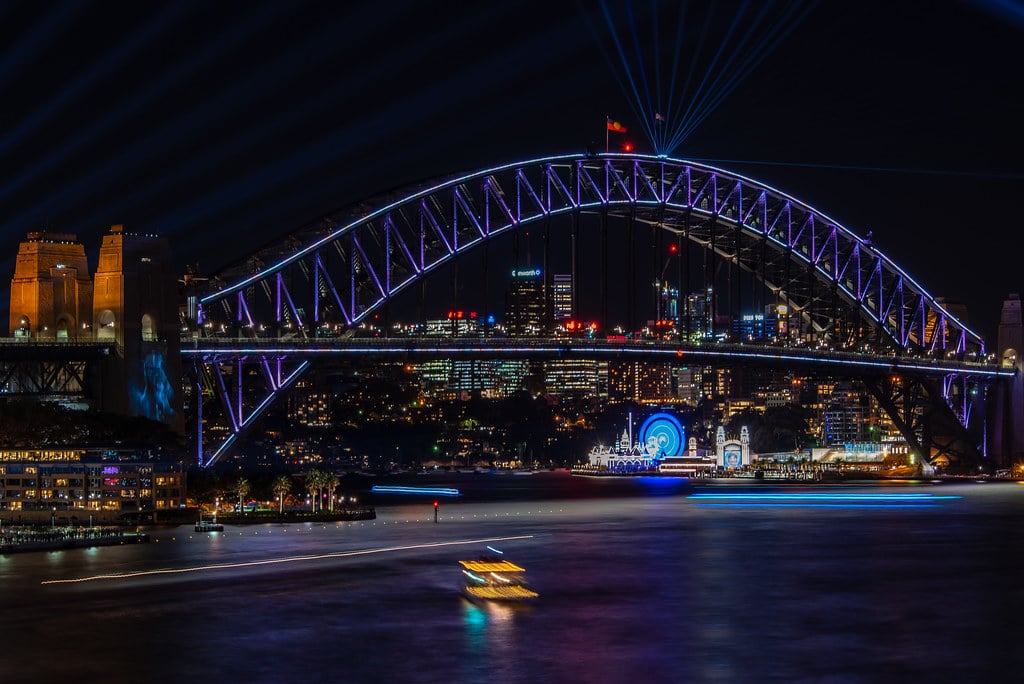
Sydney’s infrastructure development has always been hampered by its challenging geography—the harbor is beautiful but creates transportation headaches. Melbourne, with its flatter terrain, could spread out more easily and plan its city more efficiently.
This geographical advantage contributed to Melbourne being called ‘Marvellous Melbourne’ during its golden age in the late 1800s.
The ‘Second’ Label as Motivation
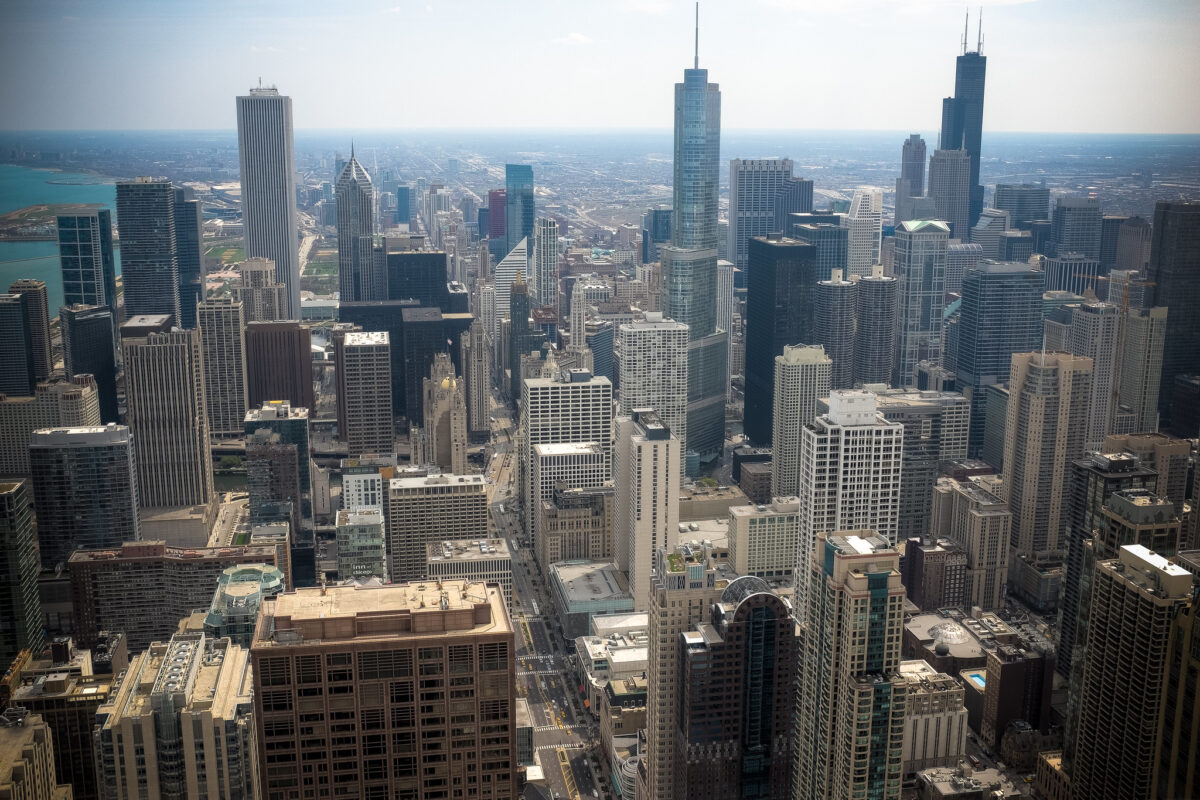
Being labeled second place can drive a city to achieve more. Chicago’s ‘Second City’ status motivated civic leaders to enthusiastically adopt the ambitious Burnham Plan of 1909, which reshaped the city’s landscape.
Without the need to prove itself against New York, Chicago might never have pushed so hard to build impressive architecture and infrastructure.
When Rivalries Reshape Nations
Sometimes city rivalries literally change borders and create new cities. The Melbourne-Sydney feud resulted in Canberra becoming Australia’s capital, fundamentally altering the nation’s political geography.
New York’s annexation of Brooklyn and other boroughs in 1898 was partly motivated by the need to compete with Chicago’s growing population, turning New York into the massive metropolis it is today.
The Grudges That Built Modern Cities
City rivalries might seem petty, but they’ve driven innovation, infrastructure investment, and cultural achievement for centuries. New York built its financial empire partly to stay ahead of Boston and Chicago.
Melbourne created its world-famous cafe culture and livability in response to Sydney’s iconic beauty. Chicago developed its architectural legacy to prove it was more than just New York’s younger sibling.
These competitions pushed cities to become better versions of themselves, even if the motivation was sometimes just spite. The next time you hear someone from Sydney dismiss Melbourne or a New Yorker ignore Chicago, remember there’s 200 years of history behind that shade.
More from Go2Tutors!

- The Romanov Crown Jewels and Their Tragic Fate
- 13 Historical Mysteries That Science Still Can’t Solve
- Famous Hoaxes That Fooled the World for Years
- 15 Child Stars with Tragic Adult Lives
- 16 Famous Jewelry Pieces in History
Like Go2Tutors’s content? Follow us on MSN.