Myths About Bats You Probably Still Believe
Walking through a park at dusk, you might catch a glimpse of something darting overhead — quick, erratic movements against the sky. For most people, that fleeting encounter with a bat represents their entire relationship with one of nature’s most misunderstood creatures.
Hollywood movies, old wives’ tales, and centuries of superstition have painted bats as sinister creatures lurking in the shadows, waiting to tangle themselves in your hair or drain your blood.
The truth about bats couldn’t be more different from these persistent myths. These remarkable mammals serve as nature’s pest control, plant pollinators, and seed dispersers — yet misconceptions about them run so deep that entire species face extinction partly due to human fear and misunderstanding.
All Bats Are Blind
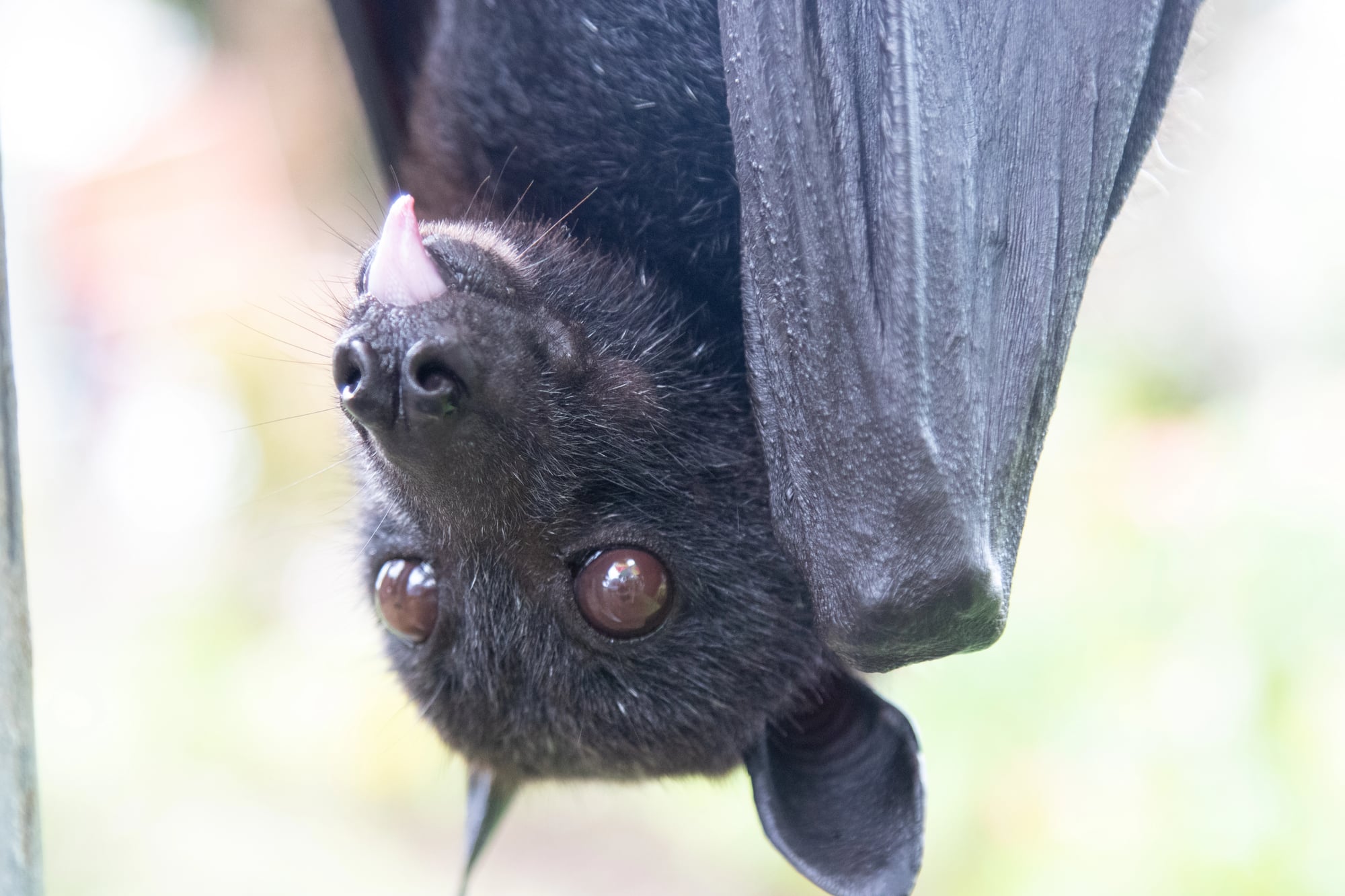
Bats see just fine. The phrase “blind as a bat” makes about as much sense as “silent as a rock concert.”
Most bats have perfectly functional eyes, and some species see better than humans in low-light conditions.
Bats Will Get Tangled In Your Hair
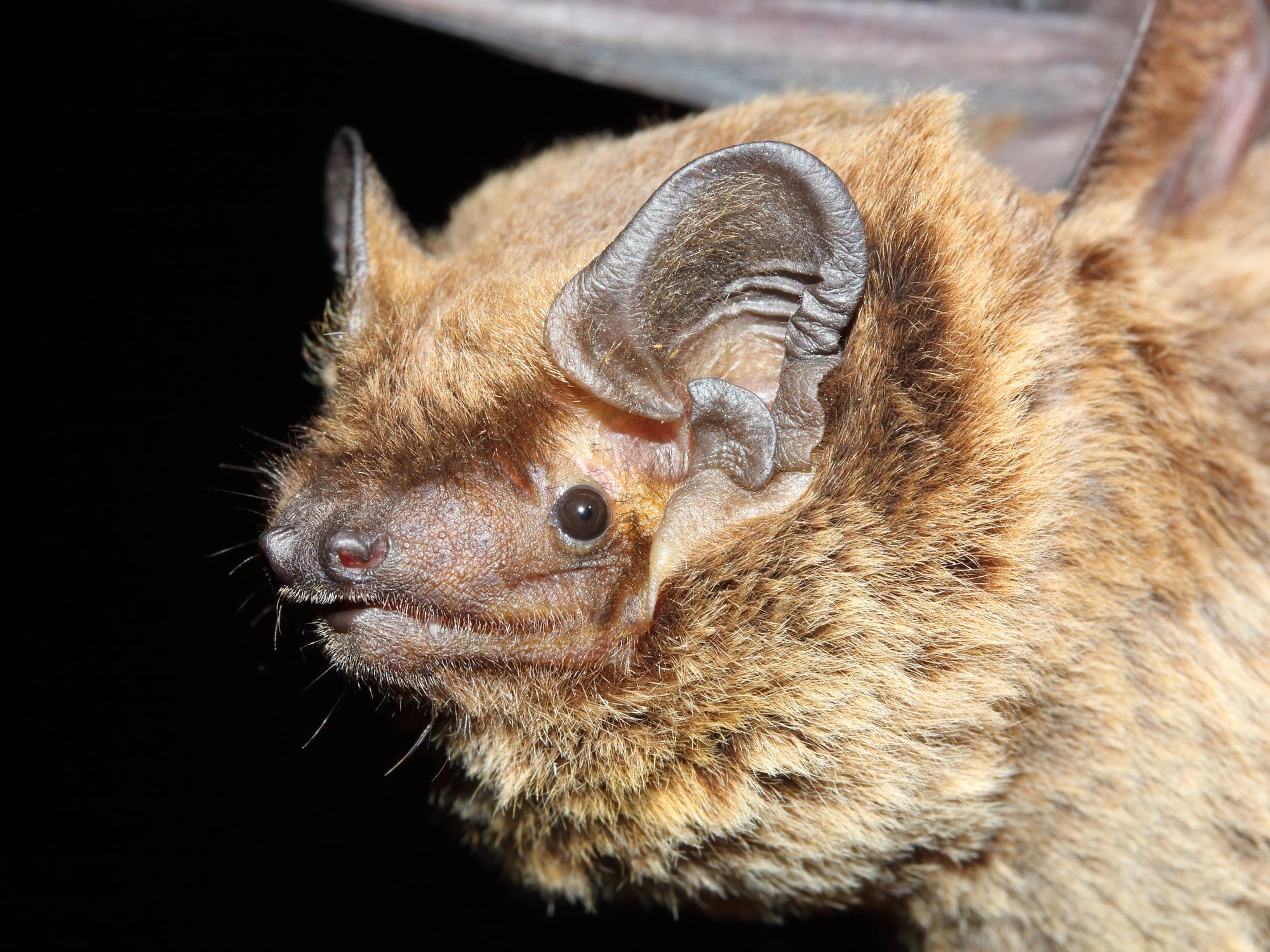
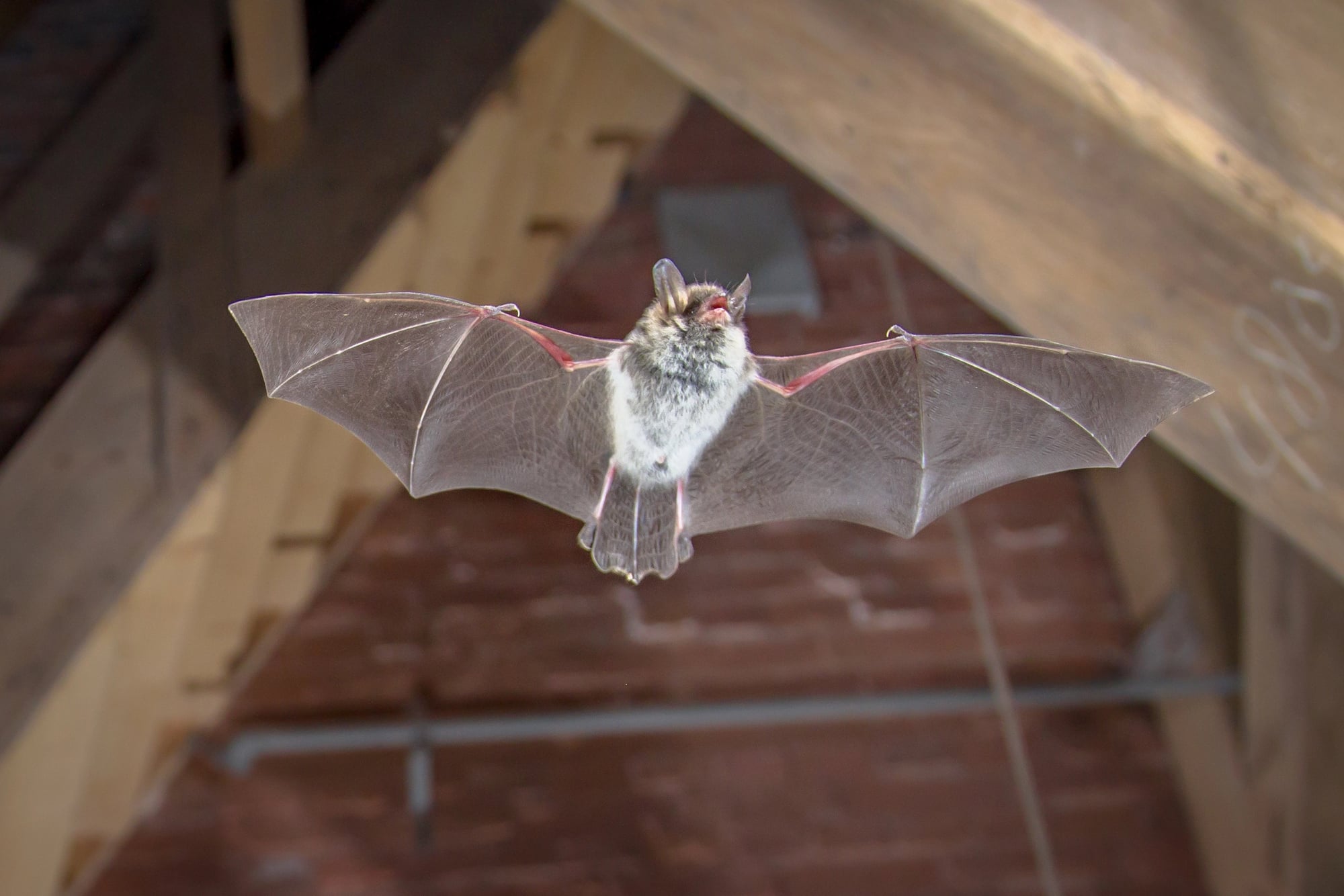
This myth refuses to die despite being completely backwards. Bats possess echolocation systems so precise they can detect objects as thin as human hair and avoid them effortlessly.
Getting tangled in your hair would be like a fighter pilot accidentally flying into a billboard.
The whole idea probably started because bats sometimes swoop near people (hunting insects that are attracted to body heat), and nervous humans assumed the worst. Your hair poses zero threat to a bat’s navigation system.
All Bats Drink Blood
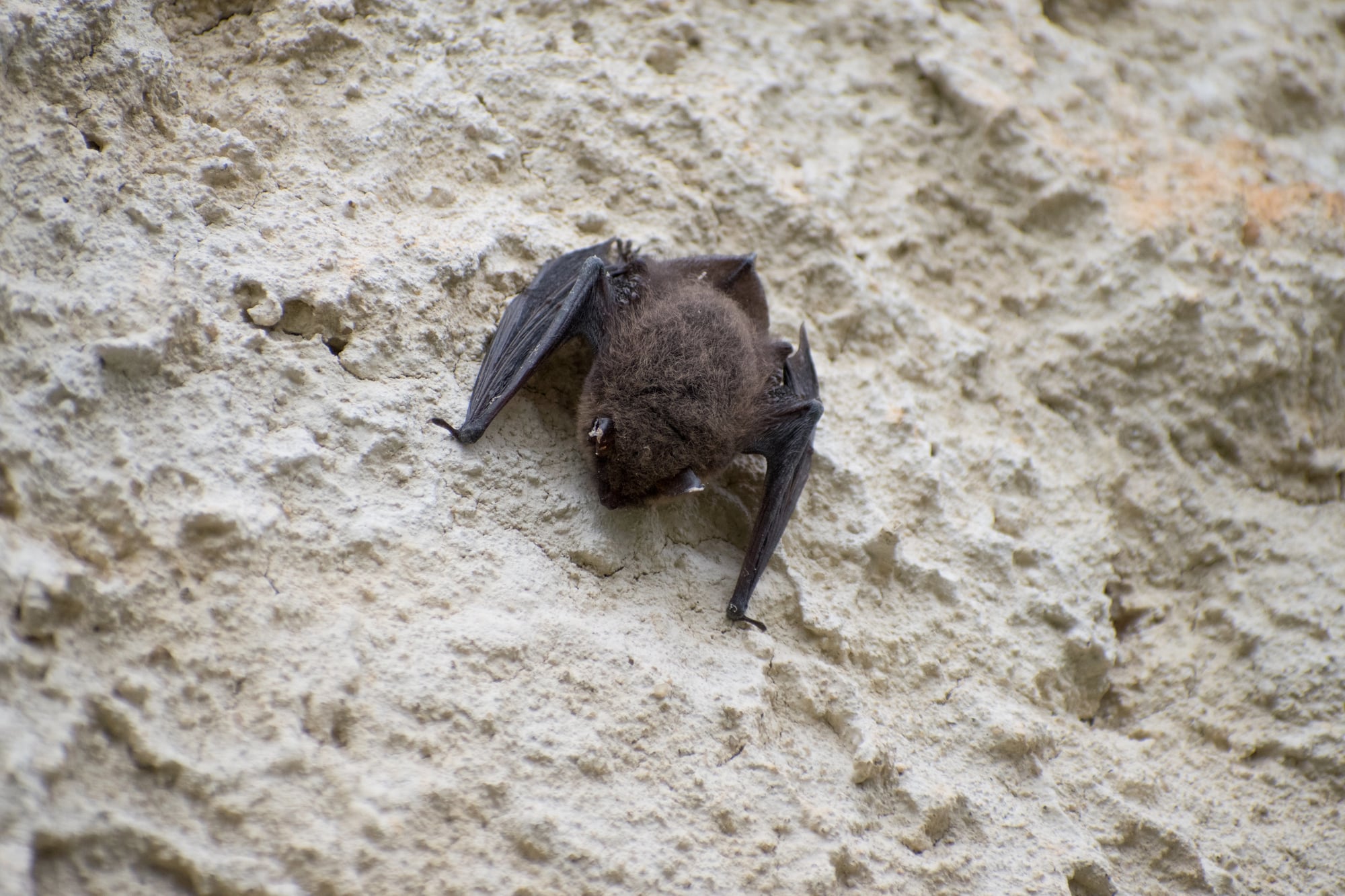
Here’s where centuries of vampire folklore have done their damage, creating this sweeping assumption that transforms every bat into a miniature Dracula. Only three species out of over 1,400 bat species actually drink blood — and even those vampire bats (which live in Latin America) prefer livestock to humans, making tiny cuts that the animal barely notices before lapping up a small amount.
Most bats eat insects, fruit, or nectar; some catch fish or small mammals, and others sip flower nectar like airborne hummingbirds. So the overwhelming majority of bats are either helping your garden by eating pests or pollinating the plants you depend on for food.
And yet this myth persists, probably because the idea of a blood-drinking flying mammal captures the imagination in ways that “mosquito-eating pest controller” simply doesn’t.
Bats Are Just Flying Mice
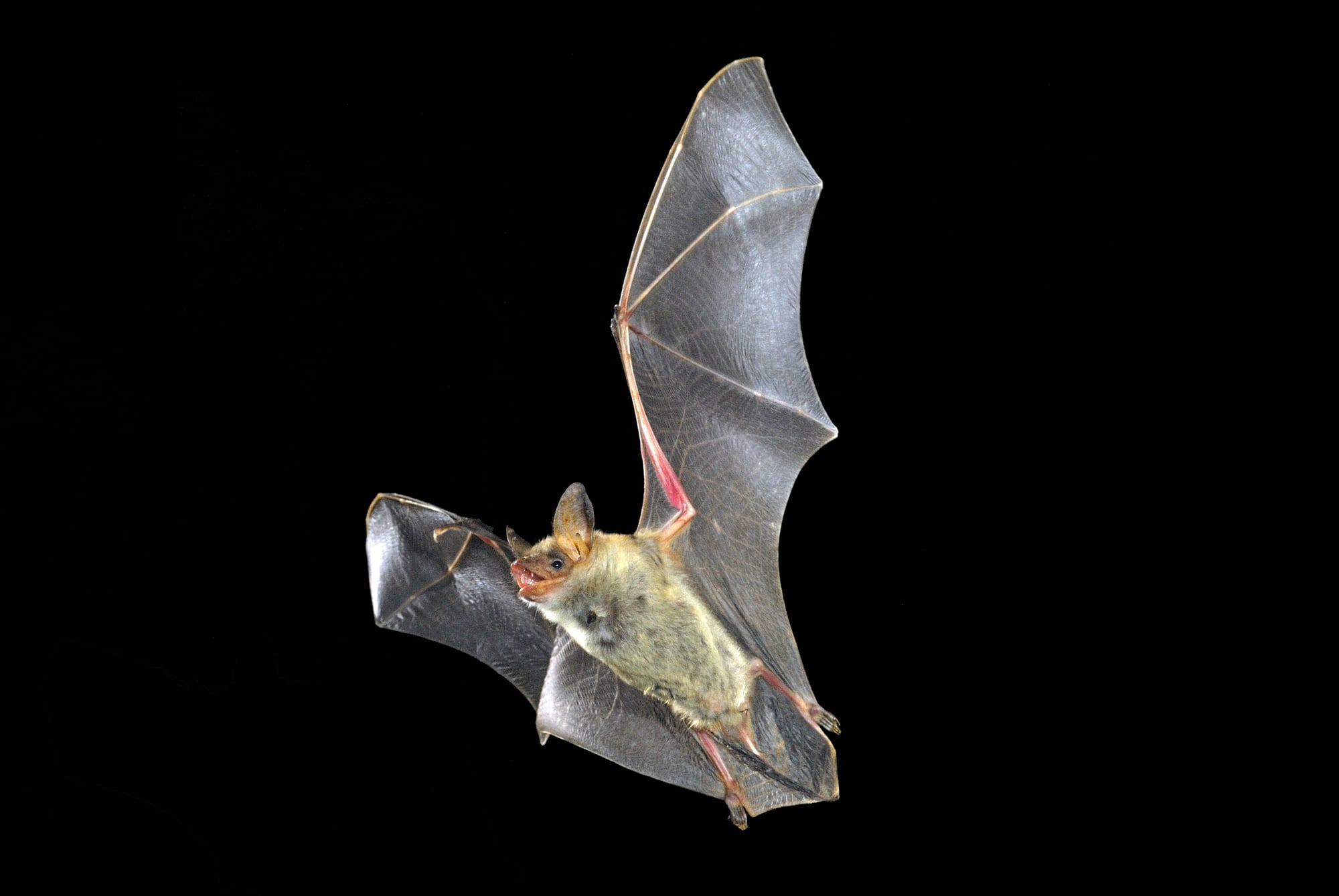
The resemblance ends at “small” and “furry.” Bats belong to their own order — Chiroptera — and share more evolutionary history with primates than with rodents.
Their wing structure resembles a human hand more than a bird’s wing.
Calling a bat a flying mouse makes about as much biological sense as calling a whale a swimming elephant. The comparison falls apart the moment anyone examines bat anatomy, behavior, or genetics.
Bats Carry Rabies More Than Other Animals
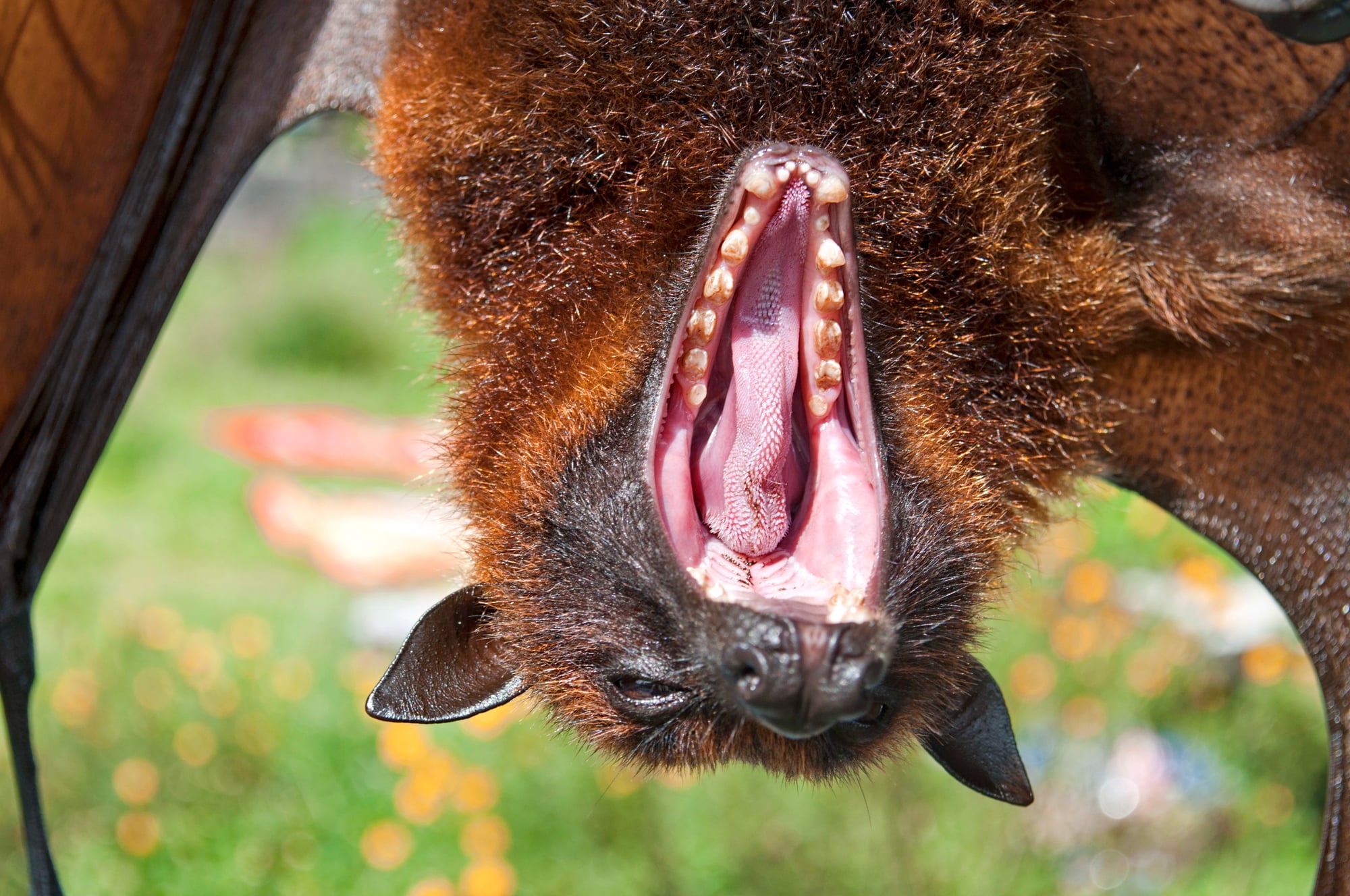
This misconception has turned bats into public health villains when they should be celebrated as pest control heroes. The reality reads like a statistics lesson that most people skip: less than one percent of bats carry rabies, which puts them on par with most other mammals.
Raccoons, skunks, and foxes actually pose higher rabies risks in most areas. But bats get the reputation because they’re more likely to be tested when found (since they’re unusual to encounter), which skews the data.
A sick bat is also more likely to be found by humans because illness affects their flight — healthy bats stay hidden during the day and hunt efficiently at night, so you rarely see them. The irony cuts deep: the bats you’re most likely to encounter are the ones least representative of the healthy population that’s quietly keeping mosquito numbers manageable in your backyard.
Bats Attack Humans
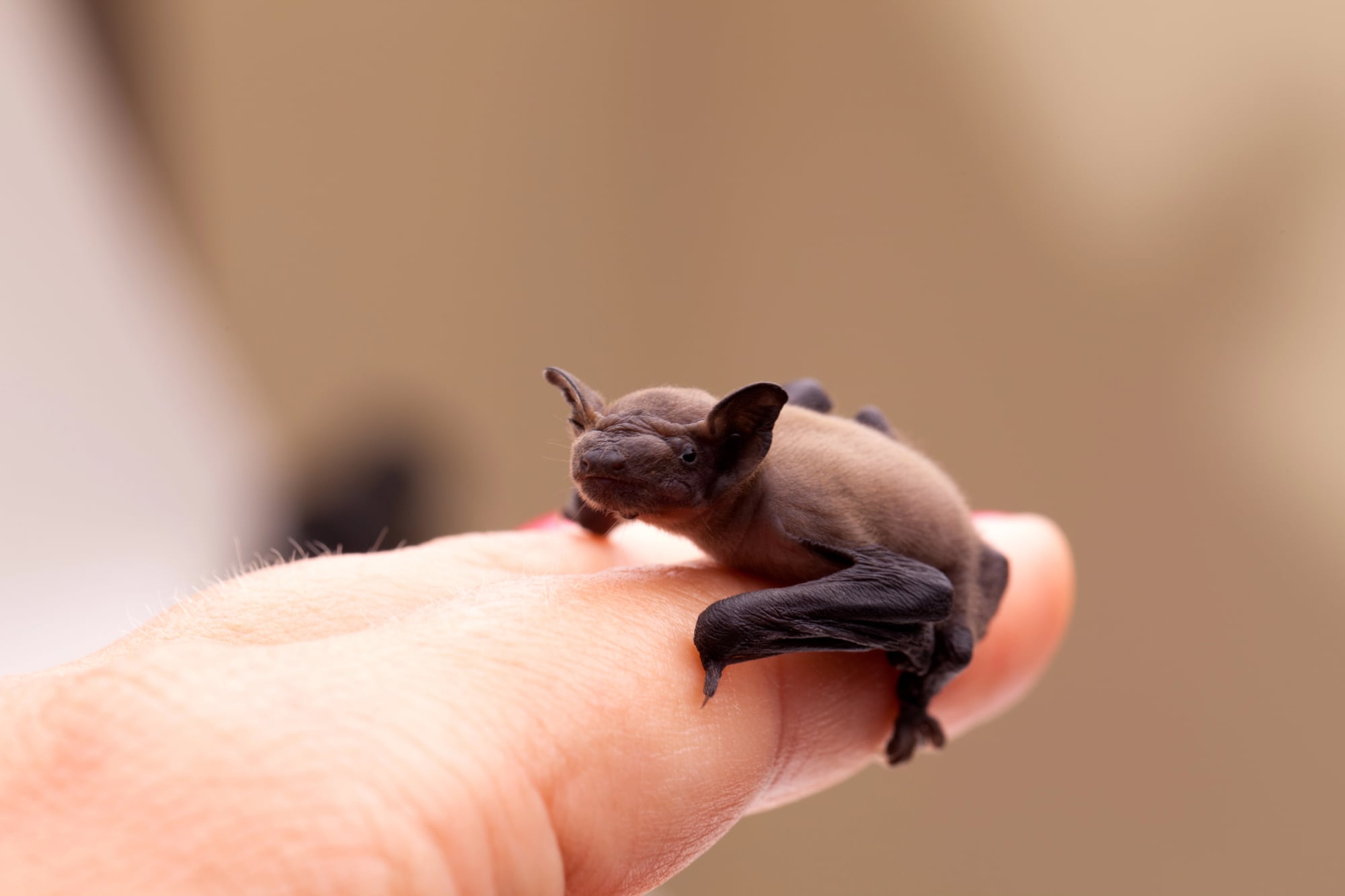
Bats want nothing to do with humans. They’re small, vulnerable creatures whose survival depends on avoiding larger animals — including people.
When bats do come near humans, they’re chasing insects, not planning an attack.
The closest thing to “aggressive” behavior occurs when mother bats protect their young, but even then, they’re more likely to flee than fight. A bat that seems aggressive is usually sick, injured, or defending babies.
All Bats Live In Caves
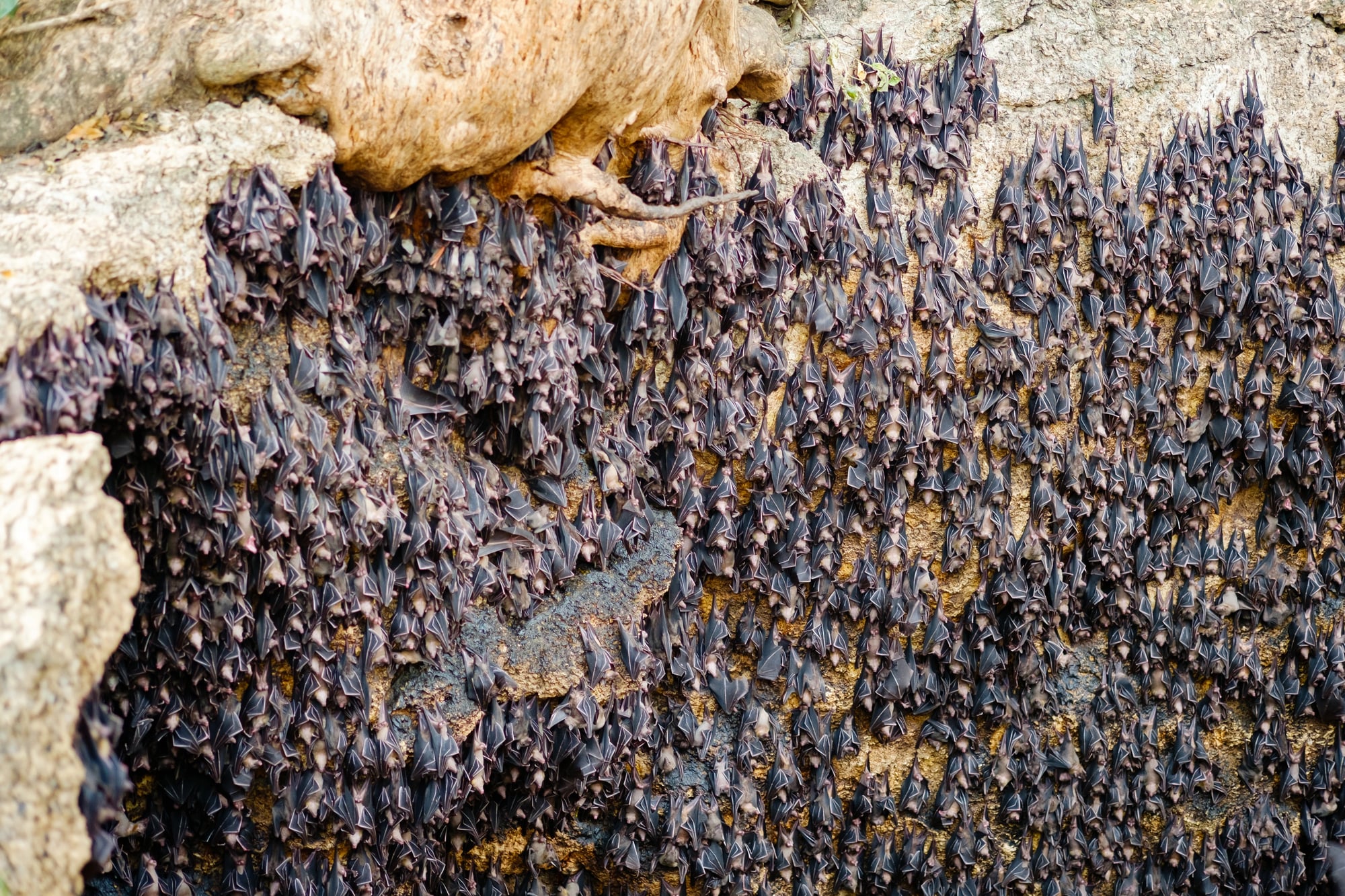
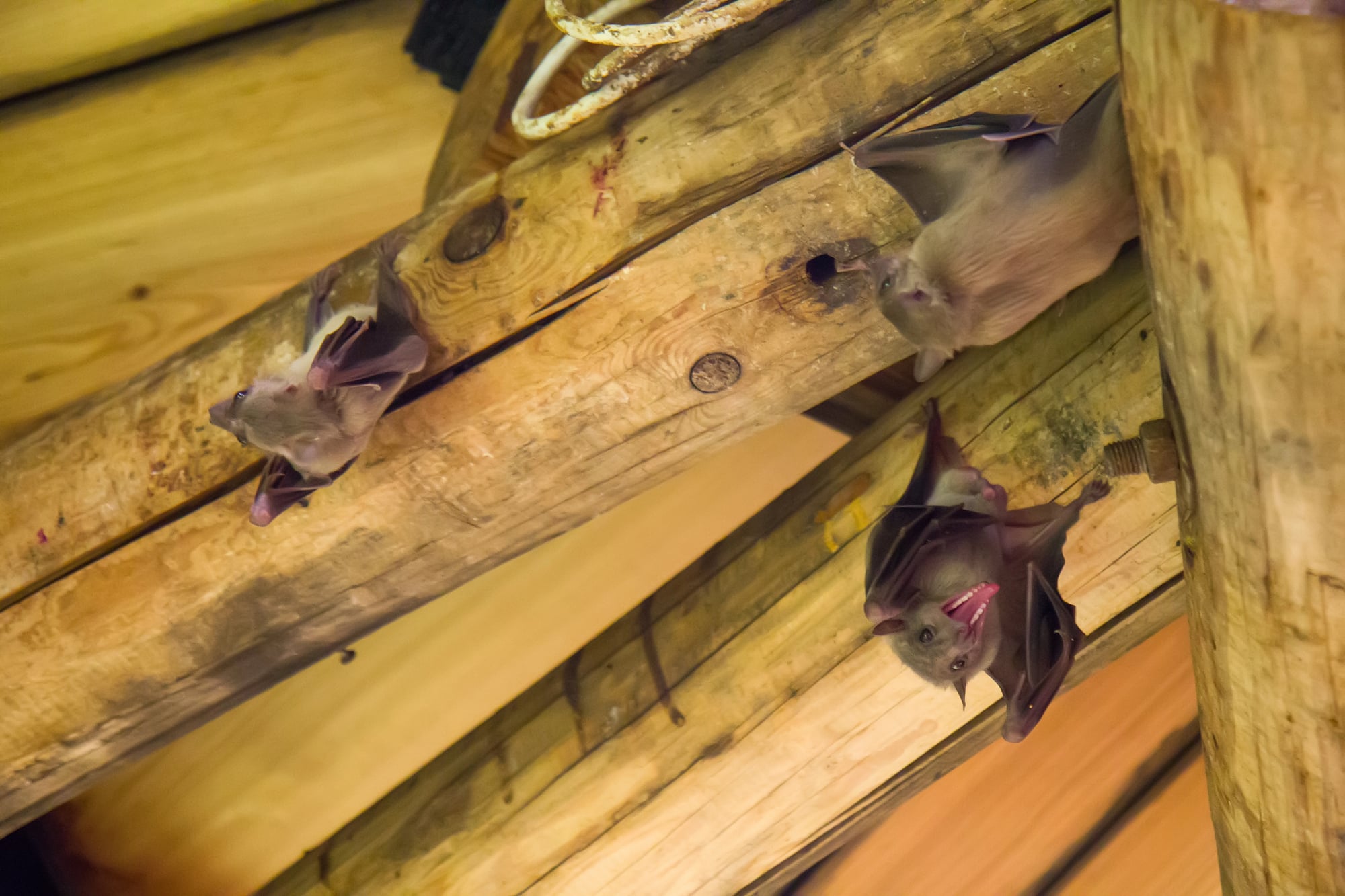
Cave-dwelling bats get the most attention, but plenty of species prefer trees, buildings, or other roosts. Some bats live under bridges, in abandoned buildings, or even in specially designed bat houses that people install in their yards.
Fruit bats often roost in trees where they’re closer to their food sources. The assumption about caves probably comes from the most visible bat colonies — large groups in obvious locations that humans actually notice.
Bats Are Dirty And Disease-Ridden
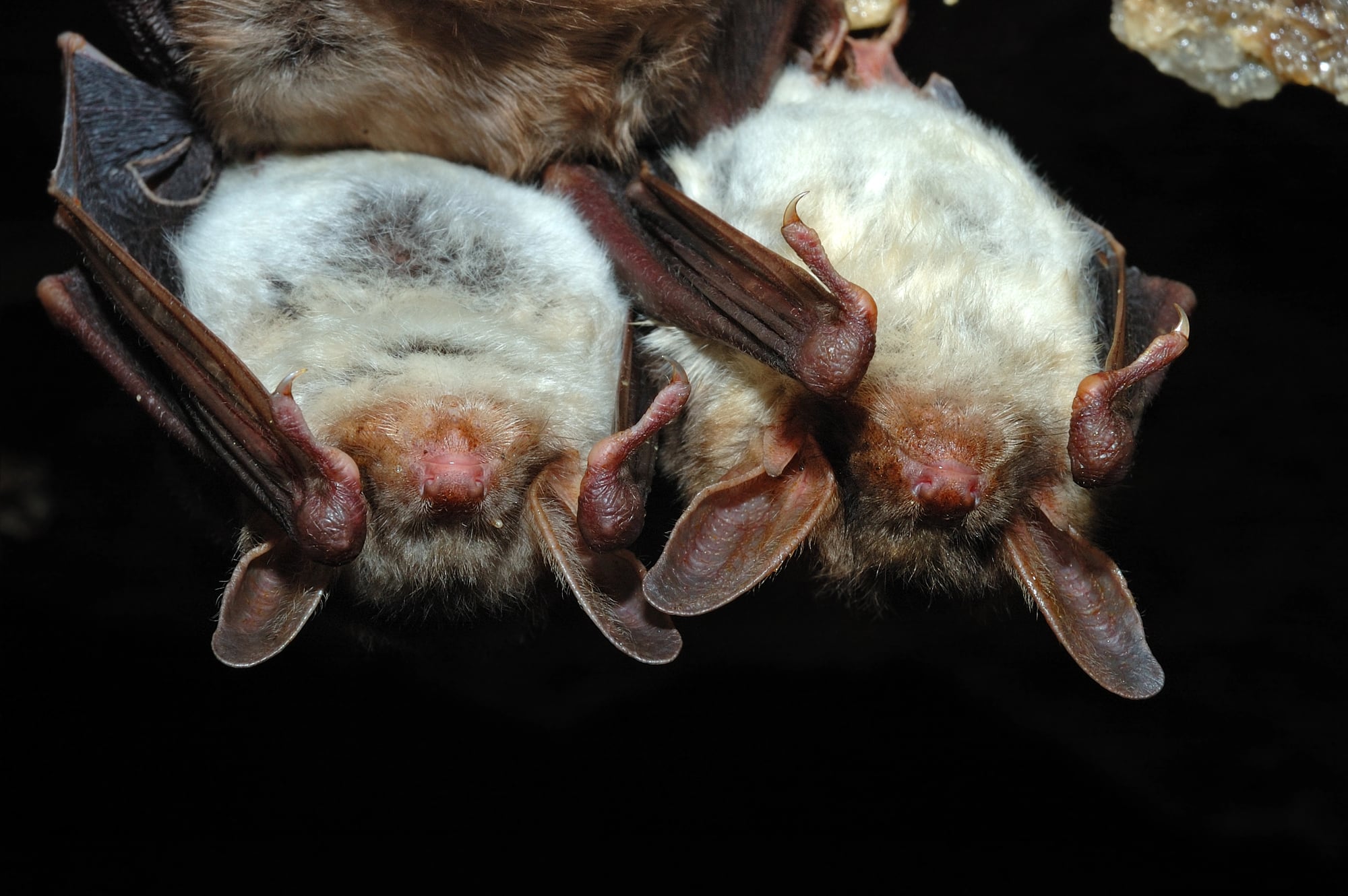
Clean freaks of the animal kingdom, bats spend considerable time grooming themselves. Watch a bat roost during the day and you’ll see constant preening, cleaning, and maintenance.
They’re more hygienic than most mammals.
The disease reputation comes partly from their role as reservoir hosts for some viruses — but this makes them valuable for medical research, not dangerous for casual encounters. Bats have robust immune systems that handle pathogens differently than other mammals.
Bats Are Bad Omens Or Evil
Superstition dies hard, especially when it’s been centuries in the making. Different cultures have painted bats as everything from harbingers of death to symbols of good fortune, but biology doesn’t care about folklore.
Bats are simply nocturnal mammals trying to make a living in a world that largely happens during daylight hours.
Their association with darkness, caves, and Halloween imagery has cemented their reputation as creatures of ill omen in Western culture, even though they’re more likely to be saving your summer barbecue by eating the mosquitoes that would otherwise be feasting on your guests. The ecological services they provide — pest control worth billions of dollars annually in agriculture alone — should have elevated them to beneficial status long ago.
Instead, they remain trapped in cultural narratives that have nothing to do with their actual behavior or impact on human welfare.
You Can’t Get Bats Out Of Your House Once They’re In
Professional pest control companies love this myth because it brings in business, but most bats that enter houses are lost juveniles or accidental visitors who want to leave as much as you want them gone. Opening windows and doors while turning off lights usually solves the problem.
Bats that roost in attics or walls require more effort to exclude, but it’s straightforward work. The key involves waiting until they leave for the night, then sealing entry points.
Most “bat infestations” are actually small groups that can be managed with basic exclusion methods.
Bats Are Aggressive Toward Other Animals
Bats occupy their own ecological niche and rarely compete directly with other animals. They’re more likely to be prey than predator for most wildlife encounters.
Birds, snakes, and larger mammals pose threats to bats — not the other way around.
Even when sharing roosting spaces, bats tend to coexist peacefully with other species. They’re not territorial in the aggressive sense that leads to conflicts.
All Bats Hang Upside Down

Most bats do hang upside down when roosting, but not all species follow this pattern. Some bats roost in tree bark crevices, hollow logs, or even on the surface of leaves.
Tent-making bats create shelters from large leaves and may roost right-side up.
The upside-down position works well for quick takeoffs — bats can simply release their grip and fall into flight. But it’s not universal behavior across all 1,400+ species.
Bats Are Recent Evolutionary Developments

Ancient flyers, bats have been around for over 50 million years. Fossil evidence shows they achieved powered flight before most bird lineages diversified.
They’re one of the oldest mammalian orders still thriving today.
Their echolocation abilities evolved independently from dolphin sonar, making them examples of convergent evolution. Bats mastered acoustic navigation tens of millions of years before humans figured out radar.
Separating Folklore From Fact

These myths persist because bats live largely hidden lives, emerging when most people are indoors and roosting in places humans rarely see. The gap between reality and reputation has real consequences — bat populations face threats from habitat loss, climate change, and human persecution based on unfounded fears.
Understanding what bats actually do rather than what stories claim they do might be the difference between preserving these remarkable creatures and losing them to our own misconceptions.
More from Go2Tutors!

- The Romanov Crown Jewels and Their Tragic Fate
- 13 Historical Mysteries That Science Still Can’t Solve
- Famous Hoaxes That Fooled the World for Years
- 15 Child Stars with Tragic Adult Lives
- 16 Famous Jewelry Pieces in History
Like Go2Tutors’s content? Follow us on MSN.