Failed Sports Leagues With Wild Backstories
Professional sports leagues come and go, but some crash and burn in ways that make you wonder what anyone was thinking. The typical story involves bad timing, poor funding, or market oversaturation.
Then there are the leagues that fail for reasons so bizarre, so completely unexpected, that their demise becomes more memorable than anything that happened on the field. These are the ones that make you laugh, cringe, or just shake your head in disbelief.
The XFL’s Vince McMahon Spectacle
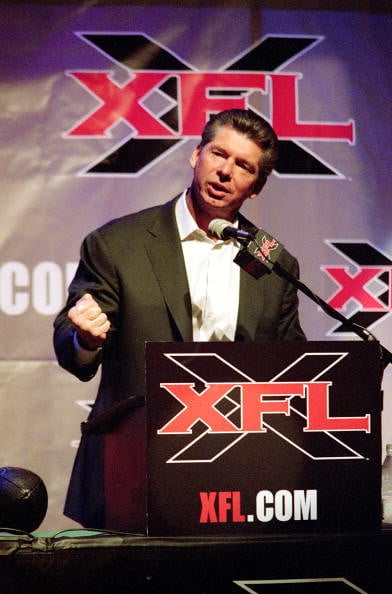
Vince McMahon thought he could reinvent football in 2001 by mixing WWE-style entertainment with actual sports. Players had nicknames on their jerseys instead of their real names.
Cameras followed cheerleaders into locker rooms. The opening game featured a scramble for the football to determine possession instead of a coin toss, which immediately resulted in a separated shoulder.
The product on the field was genuinely terrible. Players weren’t NFL-caliber, and it showed.
McMahon promised smashmouth football with fewer rules, but what viewers got was sloppy play combined with gimmicks that felt forced. NBC lost roughly $35 million on the venture.
The league folded after one season, though McMahon would try again nearly two decades later with slightly better results. The league folded after one season, though McMahon would try again nearly two decades later with slightly better results.
When Roller Derby Got a TV Makeover
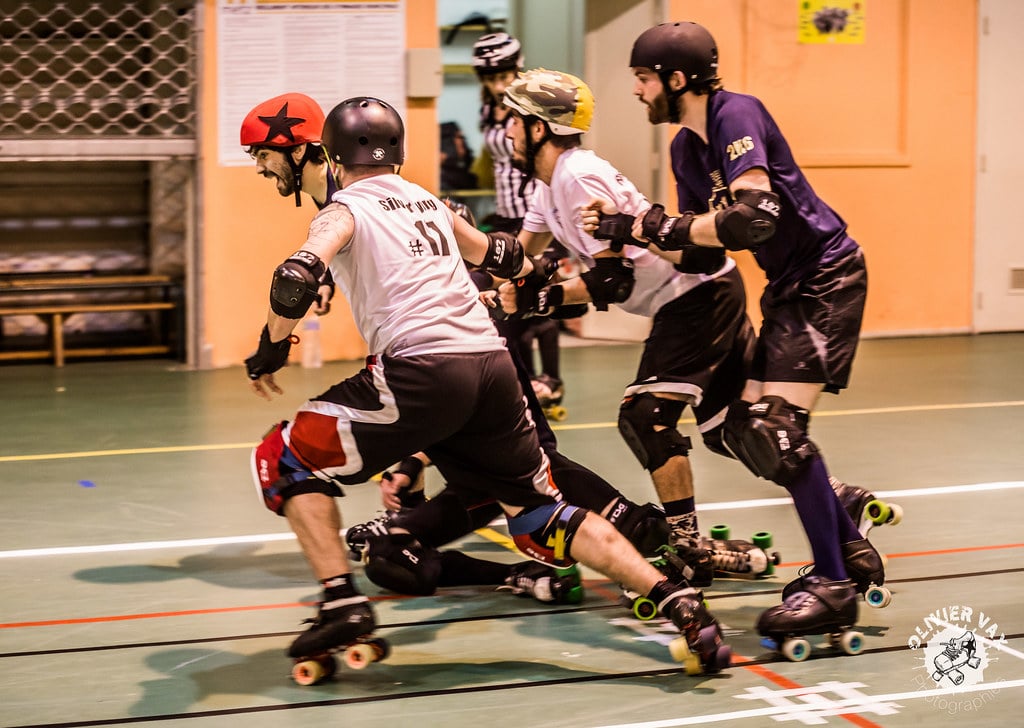
Roller Derby had existed as entertainment for decades, but in 1999 someone decided to give it a television-friendly update. RollerJam launched with storylines and drama intact, but tried to make the athletic competition more prominent alongside the entertainment elements.
The problem? The format couldn’t quite figure out what it wanted to be. It kept the theatrical aspects but tried to emphasize real competition, creating something that satisfied neither traditional fans nor potential new audiences. Ratings declined steadily.
The network pulled the plug after two seasons. The show struggled to find its identity in an era before reality TV had fully established how to blend genuine competition with manufactured drama.
The United States Football League’s Downward Spiral

The USFL started strong in 1983 as a spring football league. Teams had decent talent, including future NFL stars like Jim Kelly, Steve Young, and Reggie White.
For three years, things looked promising. Then Donald Trump bought the New Jersey Generals in 1984.
He immediately started pushing the league to move to a fall schedule to compete directly with the NFL. Other owners resisted, but Trump’s influence eventually won.
The league voted to switch to fall for the 1986 season and filed an antitrust lawsuit against the NFL, hoping for a massive settlement. They won the lawsuit.
The jury found the NFL guilty of monopolistic practices. The USFL was awarded one dollar in damages—tripled to three dollars under antitrust law.
But the collapse stemmed from multiple problems: excessive spending on player salaries, overexpansion, poor television contracts, and several teams already facing bankruptcy. Trump’s push for a fall schedule accelerated the inevitable, but the financial foundation was already crumbling.
Professional Pillow Fighting’s Soft Landing

The Pillow Fight Championship had been developing its concept for years, but 2022 marked its first major televised event with genuine ambitions. Fighters would compete in a ring with specialized pillows, and judges would score based on clean hits.
The organization secured investors, hired professional fighters, and booked venues. The first events generated viral social media clips because watching grown adults swing pillows at each other looks inherently ridiculous.
But after the novelty wore off—which took about fifteen minutes—nobody cared. The athletic element couldn’t overcome the fundamental absurdity.
Viewers wanted either real fighting or comedy, not something awkwardly in between. The league hasn’t officially disbanded, but events stopped happening regularly after the first year.
Investors quietly stopped returning calls. The championship now exists mainly in highlight reels that pop up when people need examples of ideas that probably sounded better in the pitch meeting.
Minor League Basketball’s Shady Operators

Minor league basketball has always attracted questionable ownership, but some situations crossed into criminal territory. Various leagues faced scandals involving owners who failed to pay players, misappropriated funds, or ran teams as side ventures to other business operations of dubious legality.
The problem wasn’t limited to one league or one era. The loose oversight in minor league sports created opportunities for people who had no business running professional teams.
Players would sign contracts only to discover their paychecks bounced or never arrived. Teams would fold mid-season, sometimes leaving athletes stranded in unfamiliar cities.
These situations highlighted how little protection existed for athletes in lower-tier leagues. Without union representation or strong league governance, players had limited recourse when owners behaved unethically.
The basketball was real, but the business operations were often anything but professional.
Slamball’s Trampolines and Inevitable Problems

Slamball combined basketball with trampolines built into the court. Players bounced high into the air for spectacular dunks.
It looked incredible on television when it launched in 2002. Spike TV ate it up.
Then reality set in. The injury rate was notably high—higher than traditional basketball—and insurance costs became a concern.
But the 2003 suspension came down to multiple factors: Spike TV shifted its programming strategy away from niche sports, production costs were substantial, and maintaining the specialized courts proved expensive. The league suspended operations in 2003, returned briefly in 2008, then died again.
A 2023 revival attempt has shown marginally more success, mostly because streaming platforms offer different economic models than cable networks did twenty years ago. The original version failed because the spectacular visuals couldn’t overcome the practical challenges of running a sustainable sports property.
The Lingerie Football League’s Identity Crisis

Starting as a Super Bowl halftime gimmick in 2004, the concept eventually evolved into the Lingerie Football League, which formally launched in 2009. Women played tackle football in underwear.
The league insisted it was about athletic competition, not objectification, which nobody believed. Athletes who actually wanted to play football were forced into an impossible situation.
Some genuinely talented players participated because there were so few opportunities for women in tackle football. But the league’s marketing made it clear what was really being sold.
After years of criticism, the league rebranded as the Legends Football League in 2013 and put players in performance uniforms that covered more skin. Turns out the audience only cared about the original concept.
Attendance and viewership plummeted. The league suspended operations in 2020, with COVID-19 providing a convenient excuse to shut down what was already circling the drain.
Arena Football’s Repeated Attempts
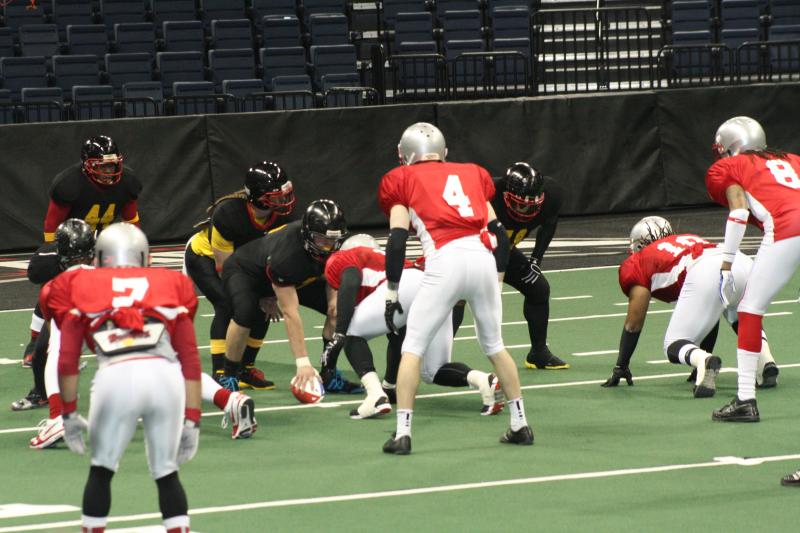
Arena Football kept trying and failing across multiple decades. The original Arena Football League started in 1987, filed for bankruptcy in 2009, relaunched in 2010, suspended operations in 2019, and relaunched again in 2024.
Multiple competing indoor football leagues popped up during the gaps, most lasting only a season or two. The sport itself was fine—fast-paced, high-scoring, entertaining.
The problem was always money. Arena venues are expensive to rent.
Television deals never paid enough to cover costs. Expansion happened too quickly without sustainable business models.
The current version might survive, but history suggests otherwise. Indoor football has proven repeatedly that you can create an interesting product and still fail if the economics don’t work.
Sometimes passion projects need to stay passion projects.
The International Fight League’s MMA Miscalculation

The IFL launched in 2006 during the early MMA boom, trying to differentiate itself by using a team format. Fighters would compete for franchises in different cities, and team scores would determine winners.
MMA fans hated it. They wanted individual fights with personal stakes, not manufactured team rivalry.
The format made no sense for a sport built around one-on-one combat. Casual viewers were confused by the scoring system.
The league also made expensive mistakes like guaranteeing fighter salaries regardless of performance and locking in pricey television production deals. When the 2008 financial crisis hit, investors pulled out.
The IFL folded after two years, having burned through approximately $20-30 million depending on various reports.
Major League Lacrosse’s Long Decline
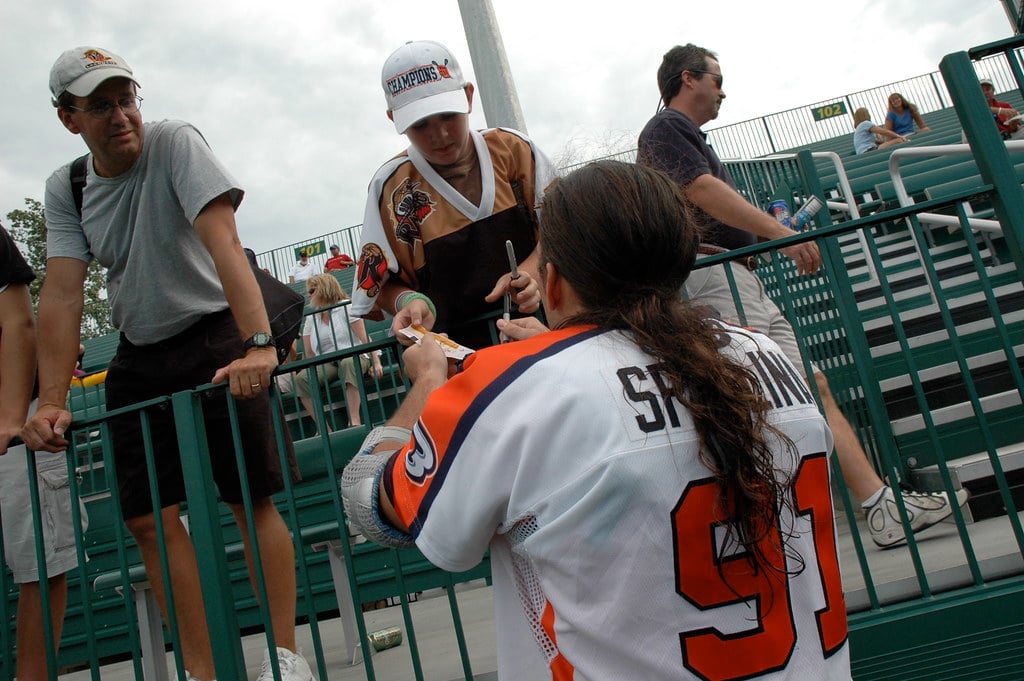
Major League Lacrosse started in 2001 with genuine optimism. Lacrosse was growing at the youth and college levels.
Professional opportunities were limited. The timing seemed right.
For nearly two decades, MLL hung on despite never turning a profit, though it steadily lost teams and markets along the way. Players worked regular jobs during the week and played games on weekends.
Salaries were so low that participation was essentially charitable. Attendance at games rarely exceeded a few thousand people.
In 2020, the rival Premier Lacrosse League—which had launched just two years earlier with better funding and a touring model—acquired MLL. The deal was framed as a merger, but the reality was clearer: PLL absorbed MLL’s remaining assets and history.
Sometimes a sport just isn’t ready for professional viability, no matter how much people want it to be.
The Alliance of American Football’s Slow-Motion Collapse
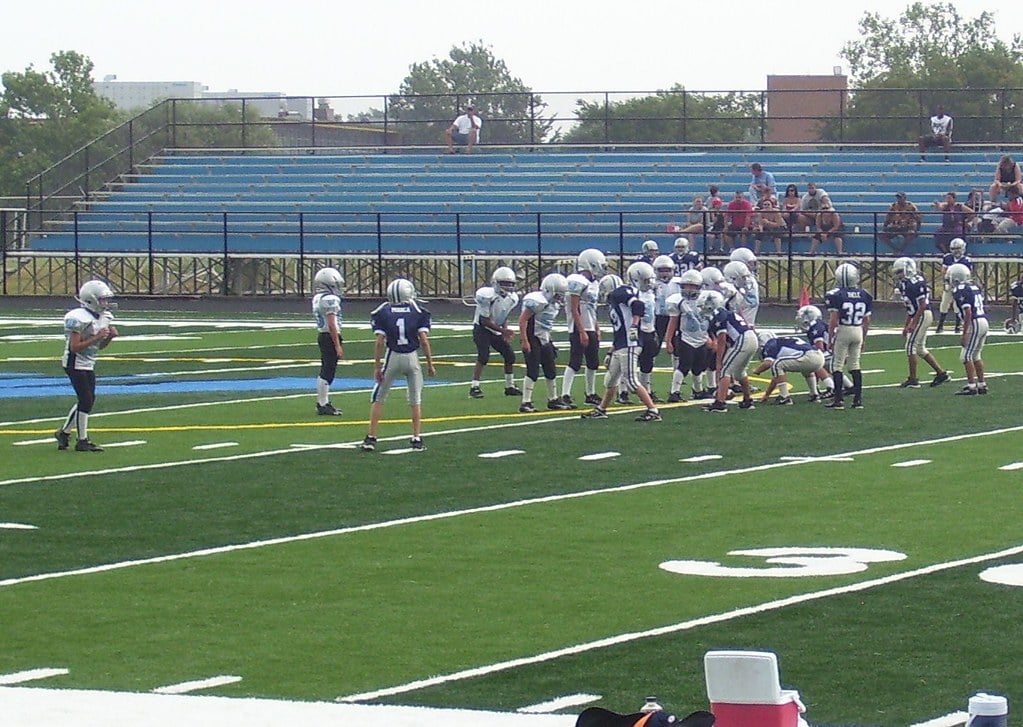
The AAF launched in February 2019 with substantial buzz. CBS was broadcasting games.
Rosters featured recognizable college players. Initial viewership was promising—over 2 million people watched the first game.
Then the money evaporated. The league’s primary investor was Tom Dundon, owner of the NHL’s Carolina Hurricanes.
He had offered to fund up to $250 million to keep the league operating but only invested around $70 million before pulling the plug after eight weeks. While Dundon publicly cited the NFL’s refusal to partner on a developmental agreement, multiple reports pointed to cash-flow insolvency and fundamental mismanagement as the primary causes.
Players found out the league was folding via Twitter. Some were stranded in cities without return transportation.
Paychecks bounced. The whole operation collapsed in days.
The AAF lasted just eight weeks, making it one of the fastest implosions in sports history.
When Professional Tag Tried to Happen

World Chase Tag started around 2011 as a parkour-family hobby event in the UK. Over time, it became more commercialized with elaborate courses where athletes tried to avoid being tagged for as long as possible.
The concept eventually attracted some American interest. The sport worked reasonably well as a YouTube curiosity.
Athletes performed impressive feats of agility and strategy. But attempts to monetize it through ticket sales and sponsorships mostly failed.
Mainstream sports networks weren’t interested. The audience remained niche.
Several American ventures tried to create professional tag leagues, offering prize money and championship belts. None gained traction.
Tag works as a children’s game or an occasional exhibition, but the viewing experience couldn’t sustain prolonged attention. The format didn’t translate to compelling television, and without that, professional viability was impossible.
The American Basketball Association’s Chaos Era

The modern ABA—not to be confused with the 1970s league that merged with the NBA—has been running since 2000 as a wild west of minor league basketball. Teams come and go constantly.
Some last one season. Some fold mid-season.
Some just stop showing up to games without explanation. The league has minimal oversight and almost no standards for team ownership.
Anyone with money for the franchise fee can start a team, which means you get owners who are incompetent, unethical, or both. Players often don’t get paid.
Arenas are sometimes booked without confirmation, leading to teams showing up for games at locked facilities. The ABA technically still exists, making it more of a perpetual failure than a complete collapse.
The lack of standards, unpaid salaries, and inconsistent operations create an environment where legitimate basketball happens alongside organizational chaos. Teams occasionally produce players who move up to higher leagues, which gives the organization just enough credibility to keep operating despite its fundamental structural problems.
Where Ambition Meets Reality

These leagues share common threads despite their different sports and eras. Most underestimated how difficult it is to build sustainable fan interest.
Some had funding problems. Others had leadership problems.
A few had both, plus federal investigations. But the wild backstories matter because they reveal something about human optimism and delusion.
Someone genuinely believed professional pillow fighting would work. Someone thought people wanted to watch football in their underwear for the athleticism.
Someone convinced Tom Dundon to invest $70 million in a league that folded two months later. The failures teach us that passion alone doesn’t build successful ventures.
Market research matters. Financial planning matters.
Sustainable business models matter. Yet people keep trying, keep launching new leagues, keep believing this time will be different.
And occasionally, it is.
More from Go2Tutors!

- The Romanov Crown Jewels and Their Tragic Fate
- 13 Historical Mysteries That Science Still Can’t Solve
- Famous Hoaxes That Fooled the World for Years
- 15 Child Stars with Tragic Adult Lives
- 16 Famous Jewelry Pieces in History
Like Go2Tutors’s content? Follow us on MSN.