Photos Of Weird Museums You Must Visit
Most museums follow a formula. Big halls, hushed voices, placards explaining things you half-read before moving on.
But scattered around the world — in basements, back alleys, converted homes, and underground caves — there are museums that operate on a completely different wavelength. These are the places that make you pause, tilt your head, and wonder how they got funding.
They’re also, almost without exception, completely unforgettable. Here are some of the strangest, most wonderful museums worth putting on your travel list.
The Museum Of Bad Art — Somerville, Massachusetts
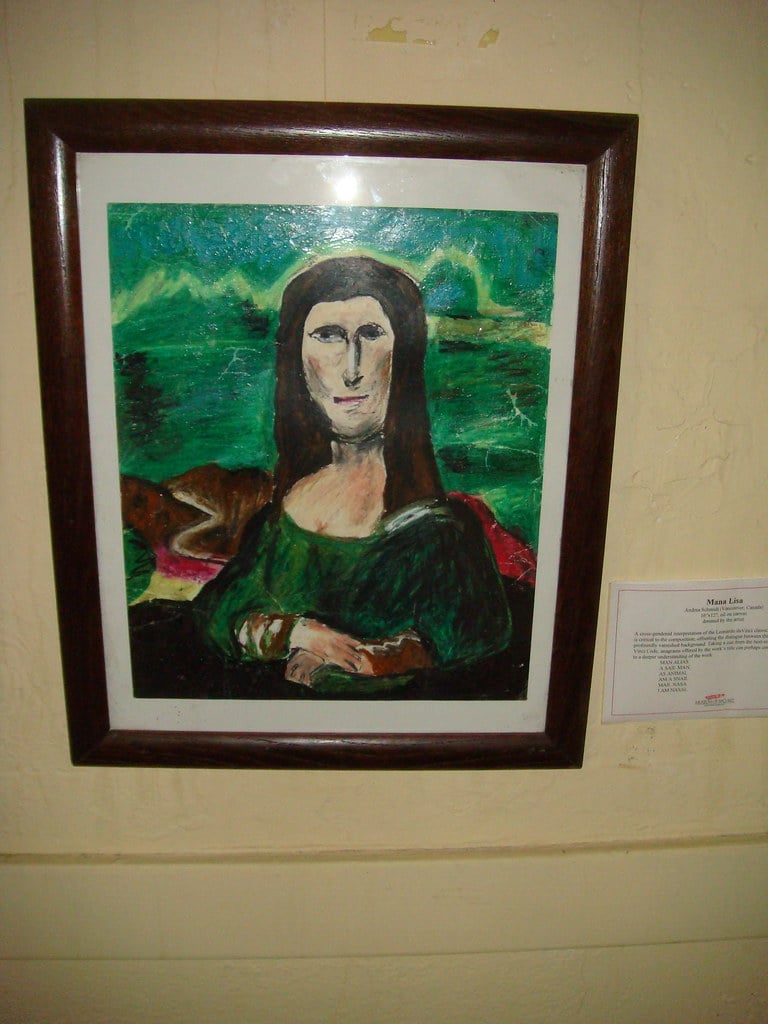
Bad art has never looked so good. The Museum of Bad Art, or MOBA, is exactly what it sounds like: a dedicated collection of paintings, prints, and drawings that are genuinely, spectacularly bad.
Not offensive. Not controversial.
Just sincerely, earnestly awful in the most endearing way possible.
The collection was started in 1993 when a man found a discarded painting in the trash near Boston and couldn’t stop thinking about it. Today MOBA holds hundreds of pieces, all selected for their “earnest but misguided” artistic ambition.
The descriptions on the wall plaques are deadpan and hilarious. The whole experience walks a line between mockery and genuine appreciation — and somehow lands on the side of love.
International Cryptozoology Museum — Portland, Maine
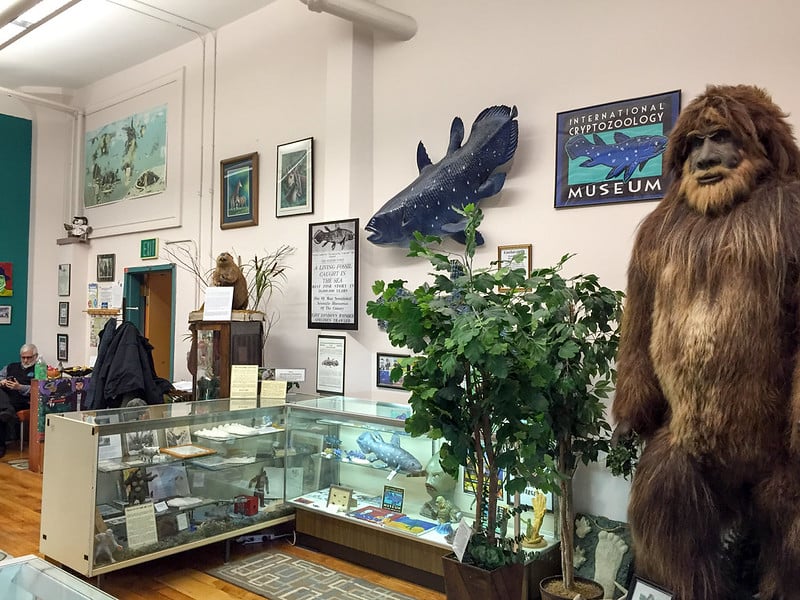
If you’ve ever half-believed in Bigfoot, this is your place. The International Cryptozoology Museum is the only institution in the world dedicated entirely to creatures that may or may not exist — Bigfoot, the Loch Ness Monster, the Mothman, the Chupacabra, and dozens more.
Founder Loren Coleman has spent decades collecting physical casts of alleged footprints, eyewitness accounts, cultural artifacts, and life-size reproductions of creatures from folklore and reported sightings. The museum doesn’t ask you to believe.
But it does ask you to consider. And by the time you leave, you’re doing a lot of considering.
Sulabh International Museum Of Toilets — New Delhi, India
Toilets have a history. A surprisingly rich, fascinating, and occasionally luxurious history.
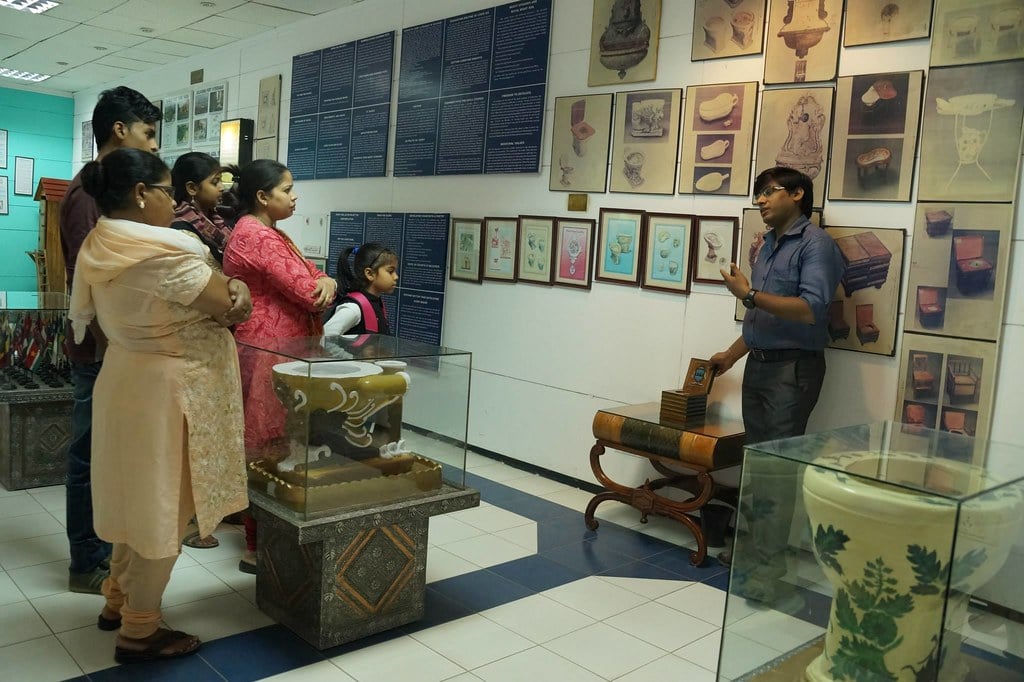
The Sulabh International Museum of Toilets in New Delhi documents the evolution of the toilet from 2500 BCE to the present day, spanning ancient civilizations, medieval innovations, Victorian obsessions, and modern sanitation.
There are ornate commodes that once belonged to royalty, illustrated manuscripts describing ancient latrine customs, and a section dedicated to toilet humor throughout history. The museum was founded by social activist Dr. Bindeshwar Pathak as part of a broader campaign for sanitation access.
It manages to be both deeply educational and, yes, frequently funny.
Museum Of Broken Relationships — Zagreb, Croatia
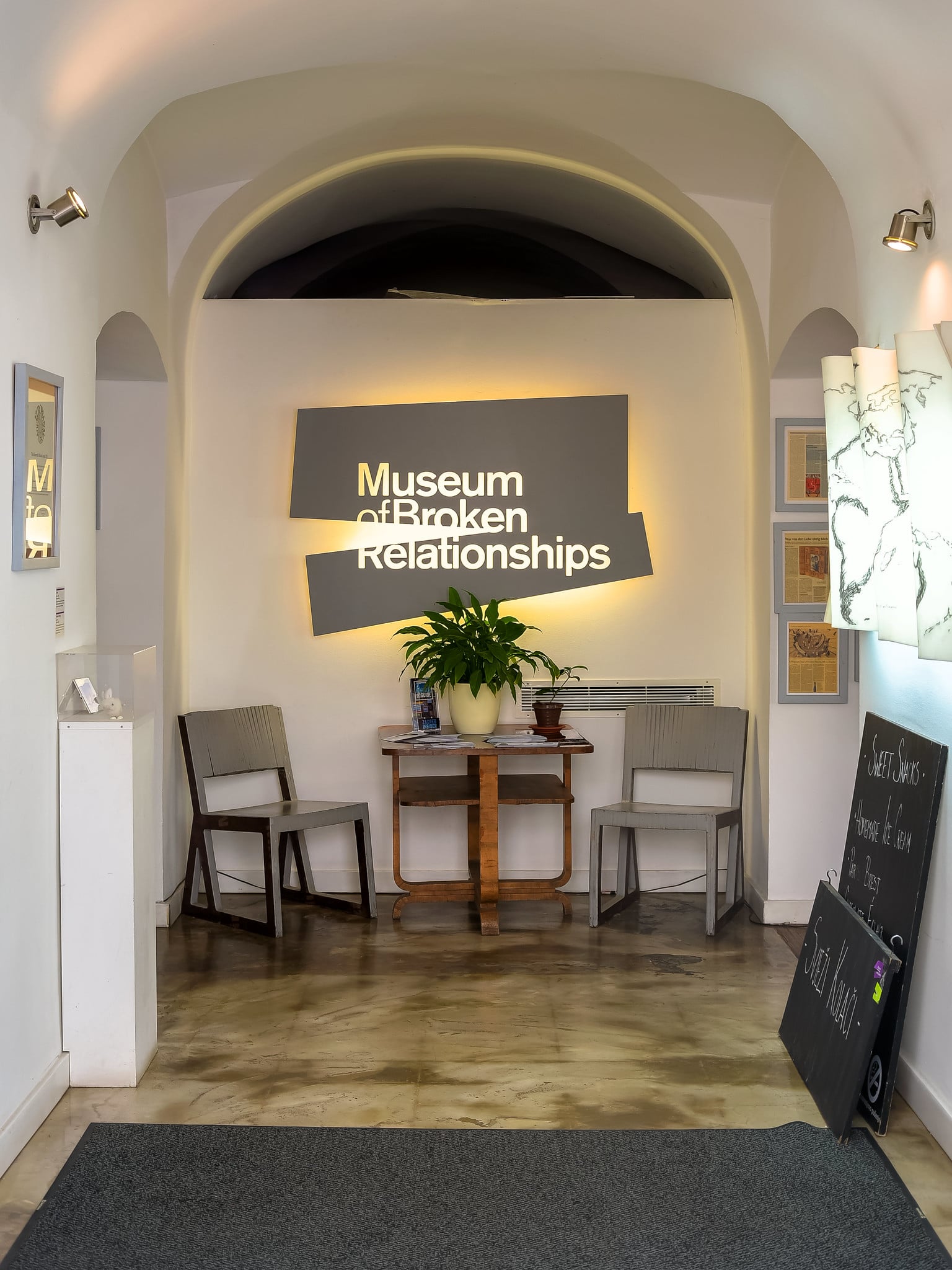
Every object in this museum came from someone who went through a breakup and couldn’t figure out what to do with what was left behind. A toaster.
A pair of ski boots. A gnome.
A wedding dress, still in its bag.
Each item is displayed with a short description written by the person who donated it — explaining who gave it to them, what it meant, and what happened. The result is one of the most emotionally affecting museum experiences anywhere in the world.
It started as a touring exhibition in 2006 and eventually found a permanent home in Zagreb. There’s also a location in Los Angeles.
Whatever you’re expecting, this place goes deeper.
Meguro Parasitological Museum — Tokyo, Japan
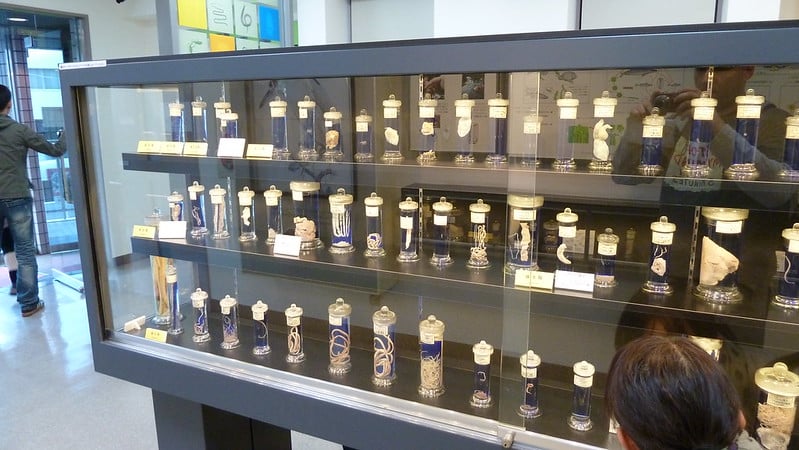
Tokyo’s Meguro Parasitological Museum is free to enter, run by researchers, and completely serious. It contains over 300 specimens of parasites preserved in glass, accompanied by detailed scientific information about their life cycles, hosts, and behavior.
The centerpiece is a 8.8-meter tapeworm preserved in a glass case — the longest ever removed from a human body. The gift shop sells parasite-themed keychains and tote bags, which are somehow very popular.
This is a real research institution that also happens to be one of the most bizarre places you’ll ever visit.
Mütter Museum — Philadelphia, Pennsylvania
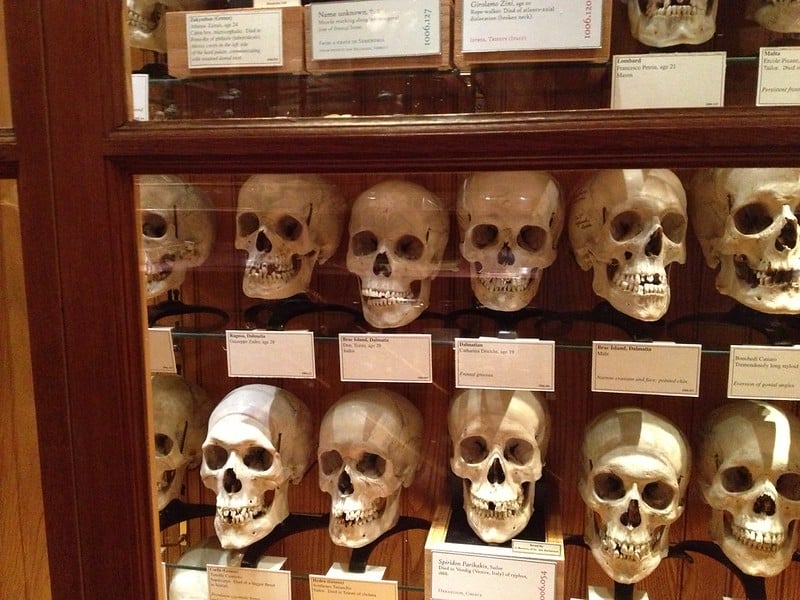
The Mütter Museum belongs to the College of Physicians of Philadelphia, and it exists because 19th-century medicine was both fascinating and deeply strange. The collection includes thousands of anatomical specimens, medical instruments, and pathological models collected to help train doctors in an era before imaging technology existed.
What you’ll find inside: a wall of skulls from across Europe, conjoined livers from the famous Chang and Eng Bunker, a slice of Albert Einstein’s brain, and the skeleton of a woman whose body turned to soap after death — a process called saponification. The museum is thoroughly serious in its approach.
But the material itself is unlike anything you’ll encounter in a conventional institution.
Icelandic Phallological Museum — Reykjavik, Iceland
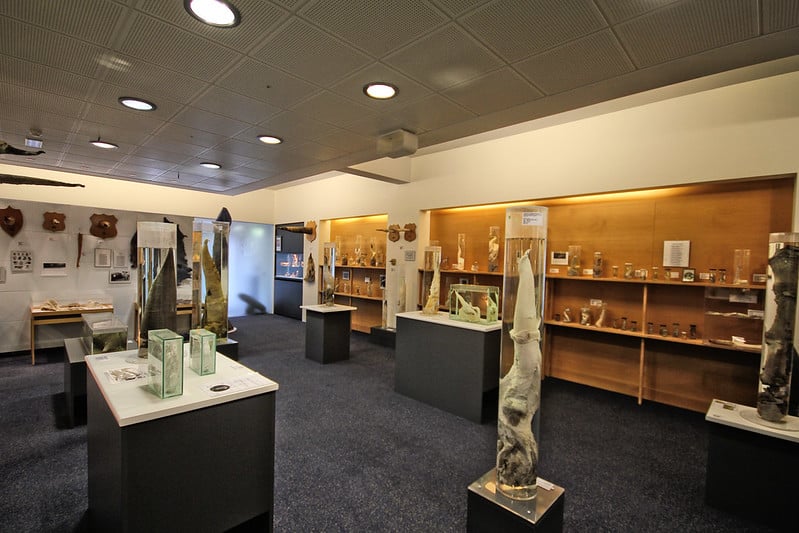
The Icelandic Phallological Museum has been collecting phallological specimens from Icelandic mammals since 1974. It now holds over 280 specimens from more than 90 different species — including polar bears, walruses, sea lions, and various whale species.
The museum is run with complete scientific sincerity and a dry sense of humor that feels distinctly Icelandic. There are legal documents, artistic depictions, and folklore exhibits alongside the biological specimens.
It sounds like a joke. It is genuinely excellent.
Thousands of visitors come every year, and almost none of them leave disappointed.
Museum Of Failure — Various Locations (Originated In Helsingborg, Sweden)
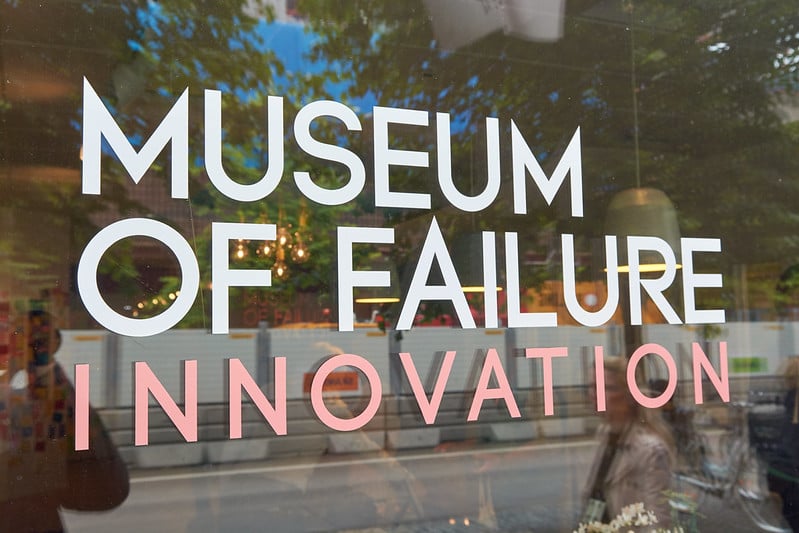
The Museum of Failure started in Sweden in 2017 with a simple premise: collect the most spectacular product and corporate failures in modern history and put them on display. The Betamax tape.
The Bic pen is designed “for women.” Crystal Pepsi.
Google Glass. The Nokia N-Gage gaming phone.
Each exhibit comes with context about why the product launched, why it flopped, and what the company learned (or didn’t learn) from the experience. The museum has since traveled to cities across North America and Europe.
It’s funny, but it’s also a sharp look at how organizations think — and how badly they can misjudge their audiences.
Vent Haven Museum — Fort Mitchell, Kentucky
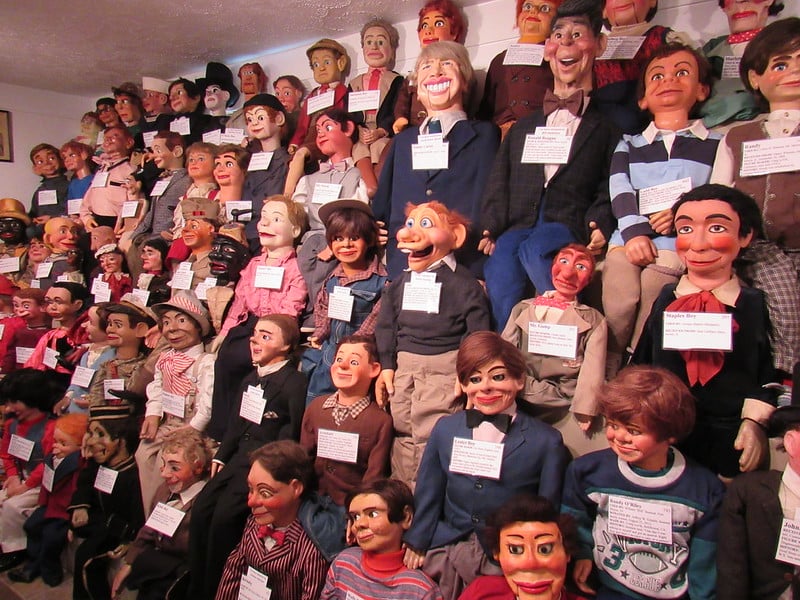
There are over 900 ventriloquist figures in this museum. They sit in chairs, hang on walls, and stare out from glass cases — hundreds of painted wooden faces with hinged mouths, all in permanent silence.
The collection was started by William Berger, a Cincinnati businessman who became obsessed with ventriloquism in the early 20th century. After his death in 1972, his home became the museum it is today.
It’s open only by appointment, which adds to the sense that you’re entering somewhere private and slightly off-limits. The figures range from historically significant to deeply unsettling.
Often both at once.
Salt And Pepper Shaker Museum — Gatlinburg, Tennessee
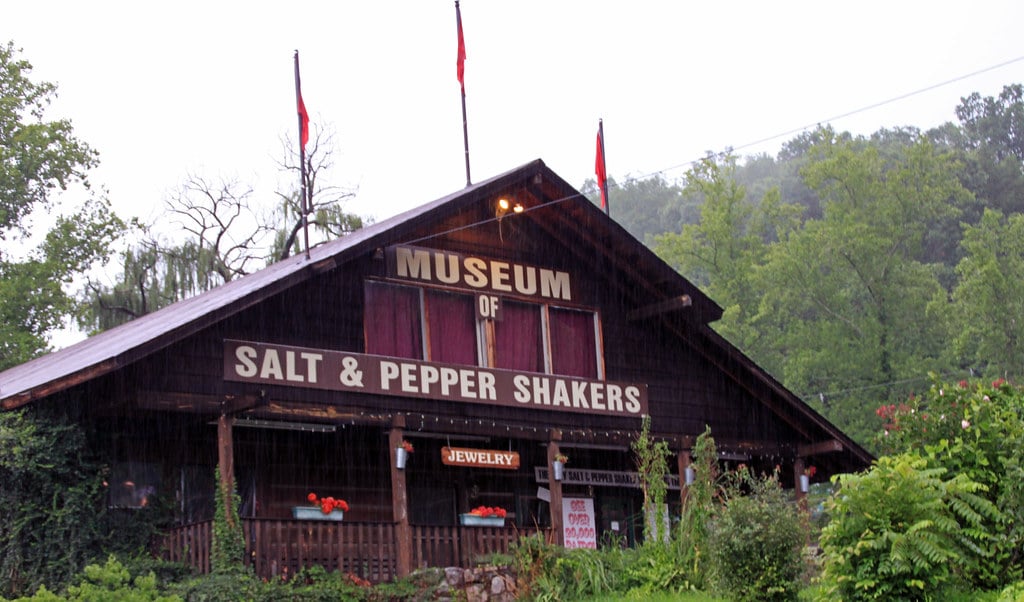
This one does exactly what it says. Over 20,000 salt and pepper shaker sets are on display in a small building in Gatlinburg, Tennessee.
Sets shaped like shoes, animals, celebrities, food items, cartoon characters, national monuments, and things that genuinely defy category.
The museum was founded by Andrea Ludden, who began collecting as a hobby and eventually ran out of house. The sheer volume of the collection makes it oddly hypnotic.
You keep thinking you’ve seen everything, and then you turn a corner. Admission is a few dollars, and you can donate your own set if you’re clearing out a collection.
Avanos Hair Museum — Avanos, Turkey
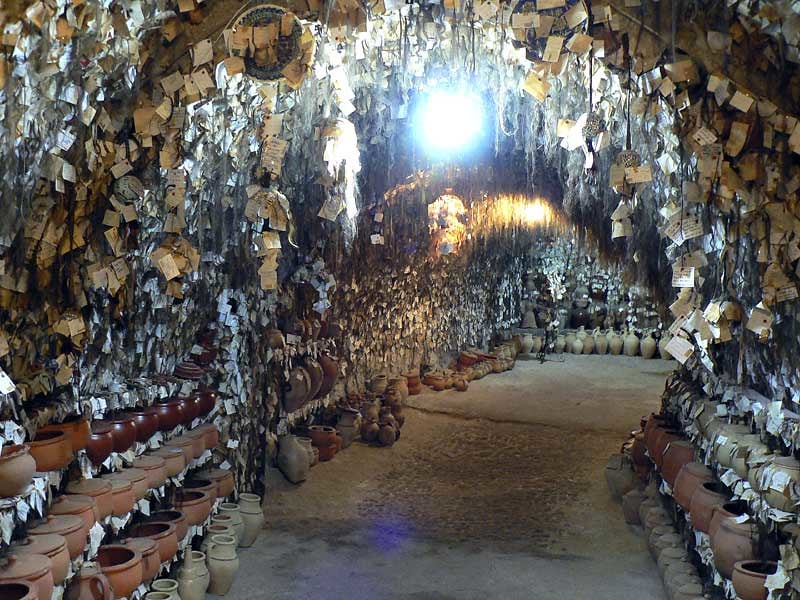
In a cave beneath a ceramics shop in the Cappadocia region of Turkey, there are locks of hair from over 16,000 women hanging from the ceiling, walls, and every available surface. The hair museum started in 1979 when a potter named Chez Galip asked a departing friend to leave a piece of herself behind.
She cut a lock of hair and left it with him.
Word spread. Women started leaving their hair voluntarily, attaching their name and address to each lock.
The cave is dim, the collections dense, and the atmosphere unlike anywhere else on earth. Twice a year, Galip draws names and invites winners back for a pottery workshop.
It’s strange, personal, and strangely moving.
Museum Of Medieval Torture Instruments — Prague, Czech Republic
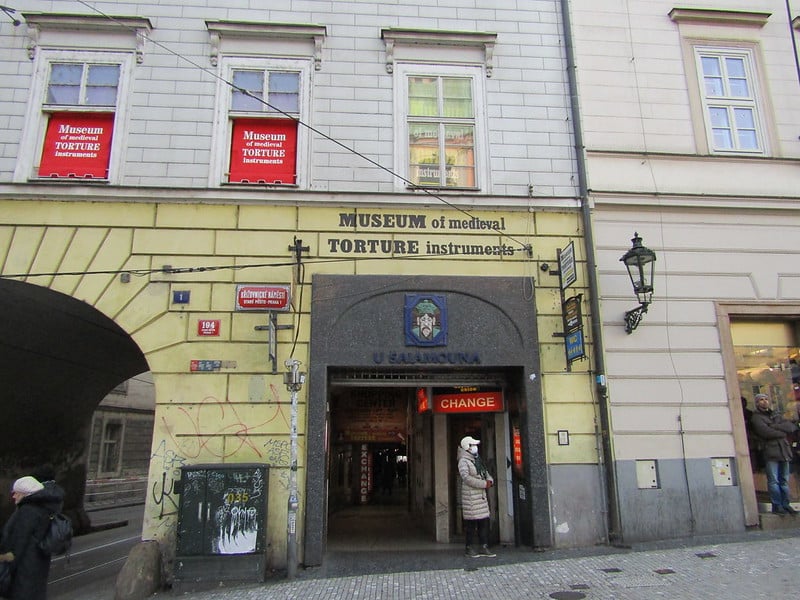
Prague has no shortage of history, and this museum leans into the darker parts of it. The Museum of Medieval Torture Instruments contains over 100 authentic and replica devices used across Europe between the 10th and 18th centuries, displayed with detailed historical context.
The collection includes devices used by the Inquisition, tools from secular criminal courts, and instruments that were as much about public spectacle as punishment. The museum doesn’t shy away from describing what each device did.
It’s a frank look at how power worked — and how societies enforced it — during one of history’s most complicated eras.
Dog Collar Museum — Leeds Castle, Kent, England
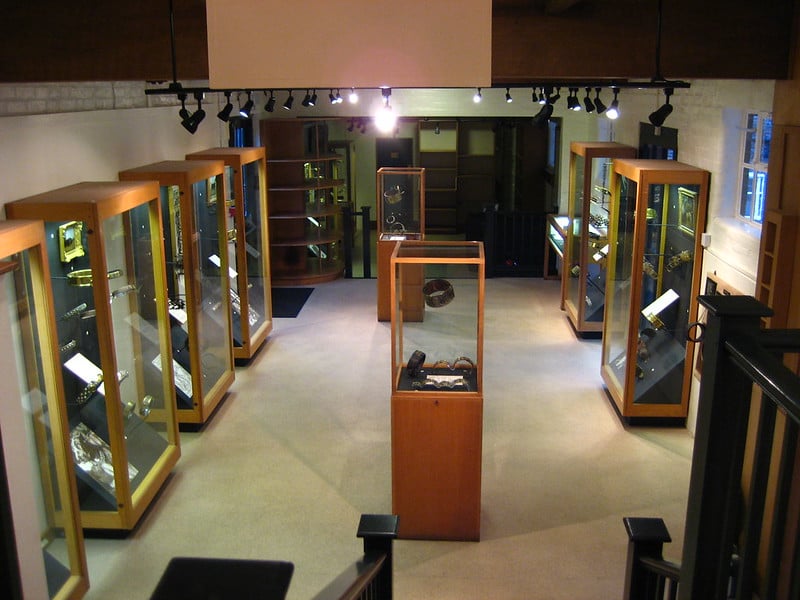
Tucked inside the grounds of Leeds Castle in Kent, the Dog Collar Museum holds a collection of over 130 historic dog collars spanning five centuries. The oldest dates to the 15th century.
Some are spiked iron bands designed to protect hunting dogs from wolves. Others are ornate velvet pieces made for pampered aristocratic pets.
Each collar tells a story about the era it came from — what dogs were for, how they were treated, and what their owners valued. It sounds like the most English thing imaginable, and it is.
But the craftsmanship in some of these pieces is extraordinary, and the history they carry is genuinely interesting.
The World Deserves More Museums Like These
The best strange museums aren’t strange for the sake of it. They exist because someone cared enough about something unusual to spend real time and money collecting, preserving, and sharing it.
Behind every bizarre exhibit is a person who thought the world needed to know about this. And more often than not, they were right.
These are the museums you remember for years. Not because of what they taught you from a textbook, but because of how they made you feel — puzzled, delighted, unsettled, or unexpectedly moved.
If you’re ever near one of these places, make the detour. You won’t regret it.
More from Go2Tutors!

- The Romanov Crown Jewels and Their Tragic Fate
- 13 Historical Mysteries That Science Still Can’t Solve
- Famous Hoaxes That Fooled the World for Years
- 15 Child Stars with Tragic Adult Lives
- 16 Famous Jewelry Pieces in History
Like Go2Tutors’s content? Follow us on MSN.