Secrets Behind Iconic Old Libraries
Walking into an old library feels different from stepping into any other building. The smell of aged paper, the weight of silence, the way light filters through tall windows—these spaces hold something beyond books.
They’ve witnessed centuries of human curiosity, survived wars and fires, and adapted to technologies that once seemed impossible. But behind their grand facades and reading rooms, these libraries hide stories that most visitors never hear.
The Hidden Manuscripts That Changed History
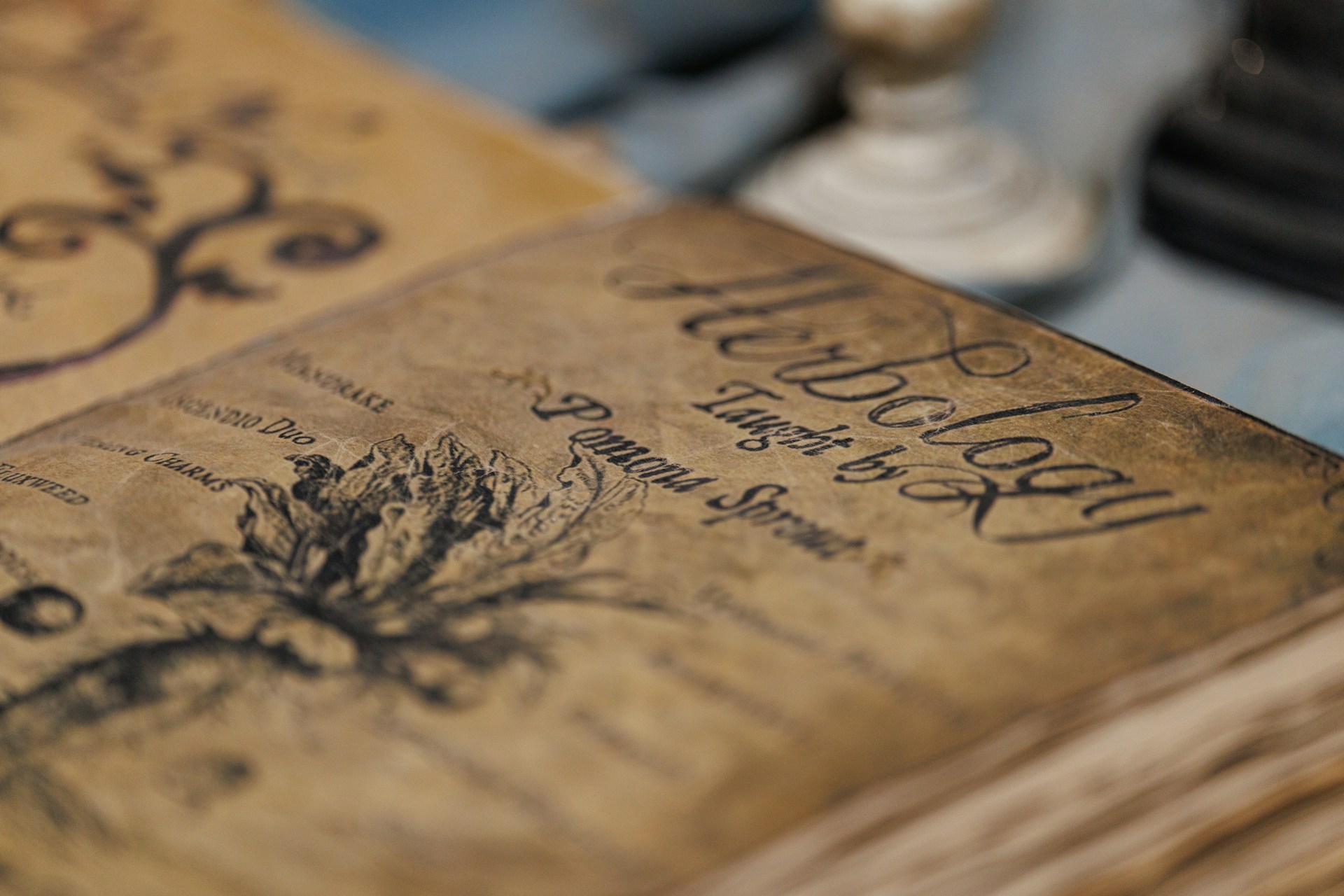
Every year, thousands of tourists take pictures of the Book of Kells, which is kept behind glass at Dublin’s Trinity College Library. However, manuscripts that researchers haven’t yet thoroughly studied are kept in the back rooms, away from the crowds.
While they wait for someone who can read their faded Latin or Arabic script, medieval texts on philosophy, astronomy, and medicine collect dust. Some of these records include information that existed centuries before the printing press, such as dye recipes that are no longer in production, architectural methods that builders have forgotten, and city maps that are no longer in existence.
The Vatican Apostolic Library functions on a completely different scale. Their collection, which includes 1.6 million printed books and more than 80,000 manuscripts, covers almost every written language in human history.
The majority of people are unaware, though, that you cannot simply stroll in and peruse. Scholars must apply months in advance, be specific about the texts they wish to view, and demonstrate that they are qualified to handle Roman Empire-era materials.
The library employs its own team of conservators who dedicate their entire careers to fixing documents that are literally crumbling in their hands, and some sections are still closed to qualified scholars.
The Architecture Tells Stories Too
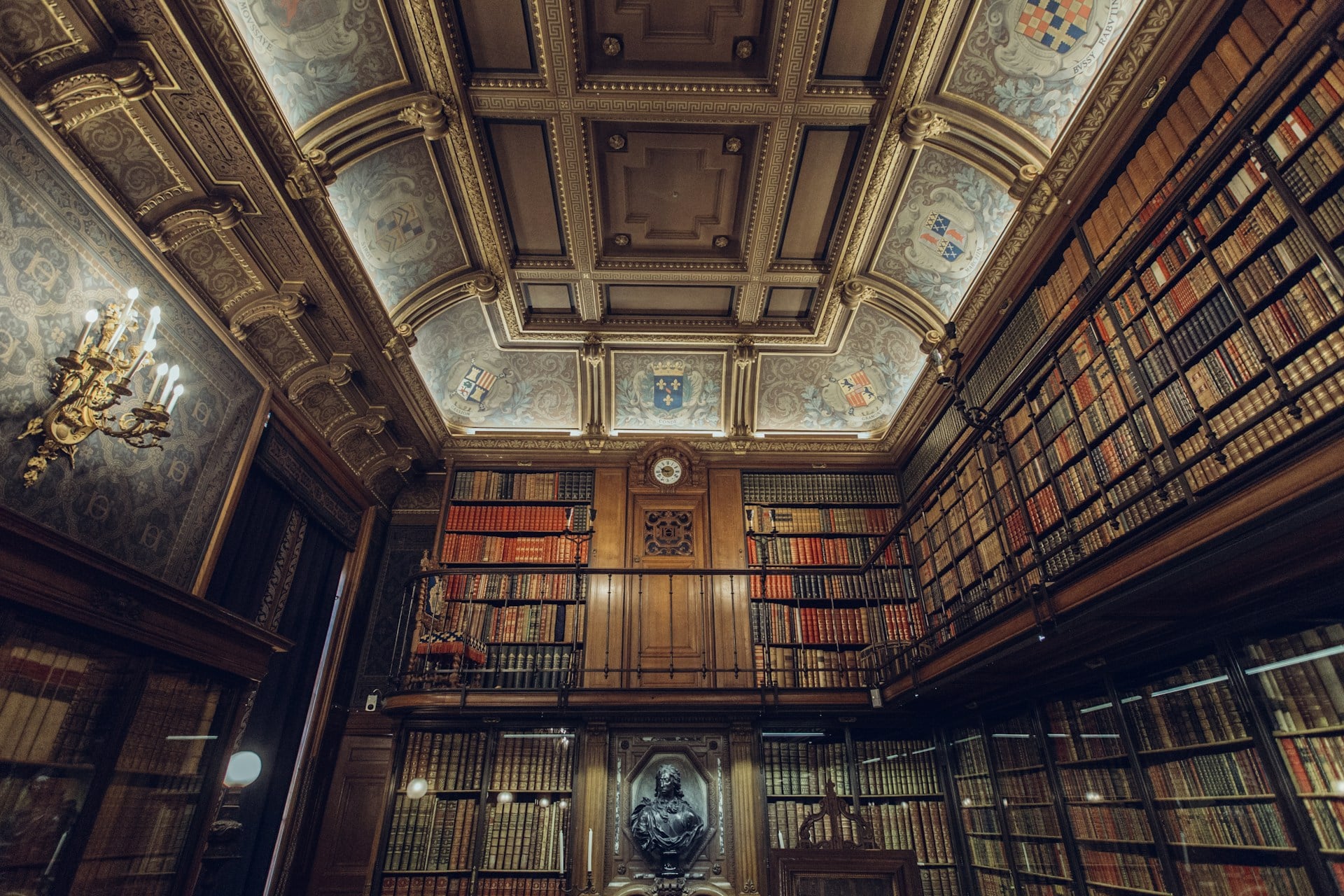
The Biblioteca Joanina at the University of Coimbra in Portugal looks like a baroque palace from the outside. Inside, the shelves are made from exotic woods imported from Brazil, and the ceiling frescoes depict allegories of knowledge and wisdom.
But the real secret lies in the thickness of the walls. Built in the early 18th century, the library was designed to maintain a constant temperature and humidity level without any modern climate control.
The stone walls are several feet thick, and the windows are positioned to minimize direct sunlight on the books. This passive cooling system still works perfectly today, keeping the interior stable even during hot Portuguese summers.
Bats live in the Joanina library. Yes, actual bats.
The library keepers allow them to stay because they eat the insects that would otherwise damage the books. At night, after the tourists leave and the doors close, the bats emerge from behind the shelves and hunt through the darkness.
In the morning, staff members cover all the furniture with leather sheets to protect it from bat droppings. It’s not glamorous, but it’s been working for over 200 years.
The Accidental Discoveries
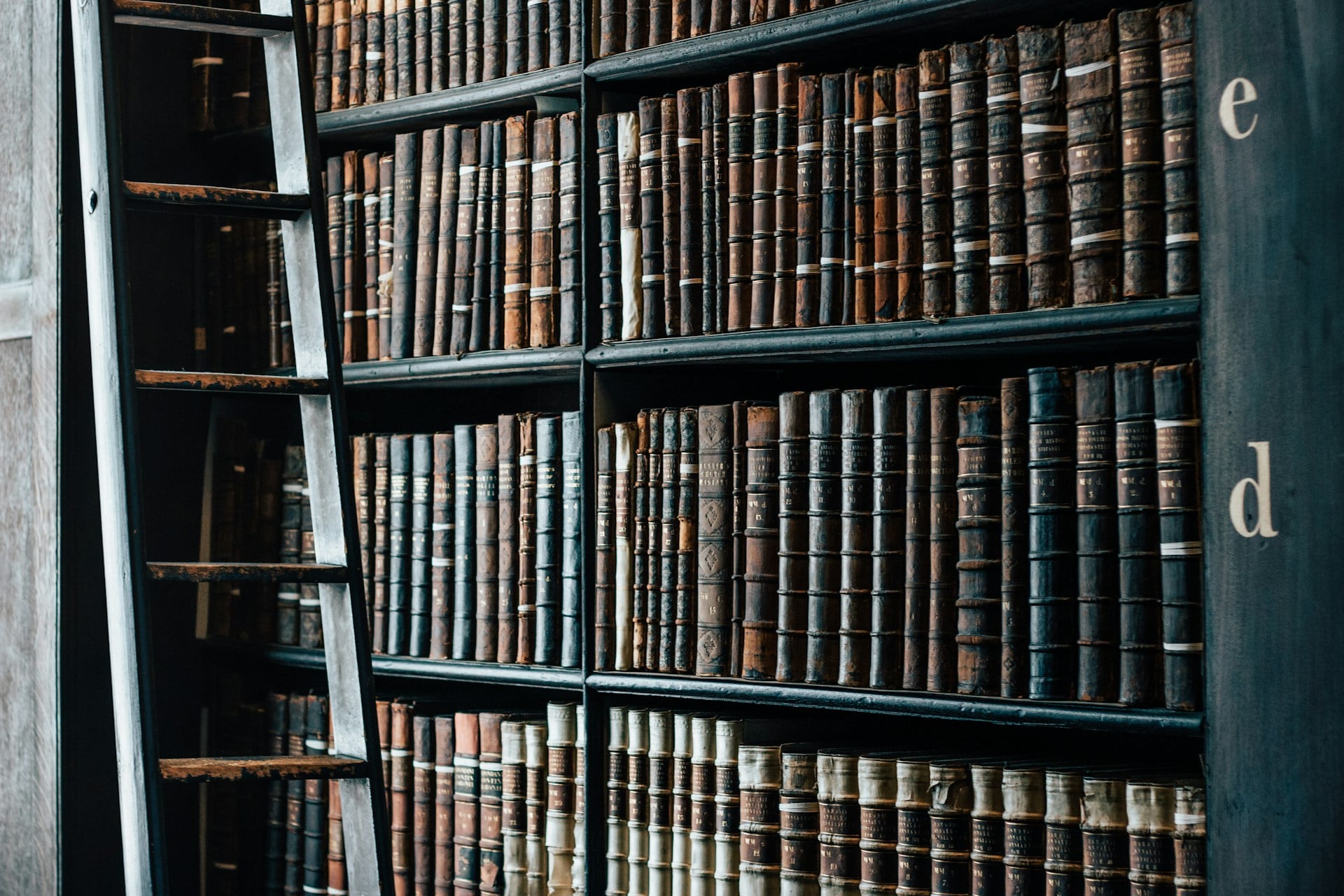
The Bodleian Library at Oxford has a problem that most institutions would envy: too many books and not enough space to catalog them all. In 2012, a librarian doing inventory work in one of the storage areas found a bundle of letters wrapped in cloth and shoved behind some shelves.
They turned out to be correspondence between members of the Royal Society from the 1660s, including notes from Robert Boyle about his early chemistry experiments. Nobody had seen these letters in over 300 years.
This happens more often than you’d think. Old libraries acquired books faster than they could process them, especially during periods when entire private collections were donated at once.
Some items got registered in ledgers that are themselves now too fragile to handle. Others were stored in areas that later became structurally unsound, making them inaccessible for decades.
Every few years, someone finds a manuscript that scholars thought was lost forever, just sitting on a shelf in a room that nobody bothered to check.
The Librarians Who Saved Books From War
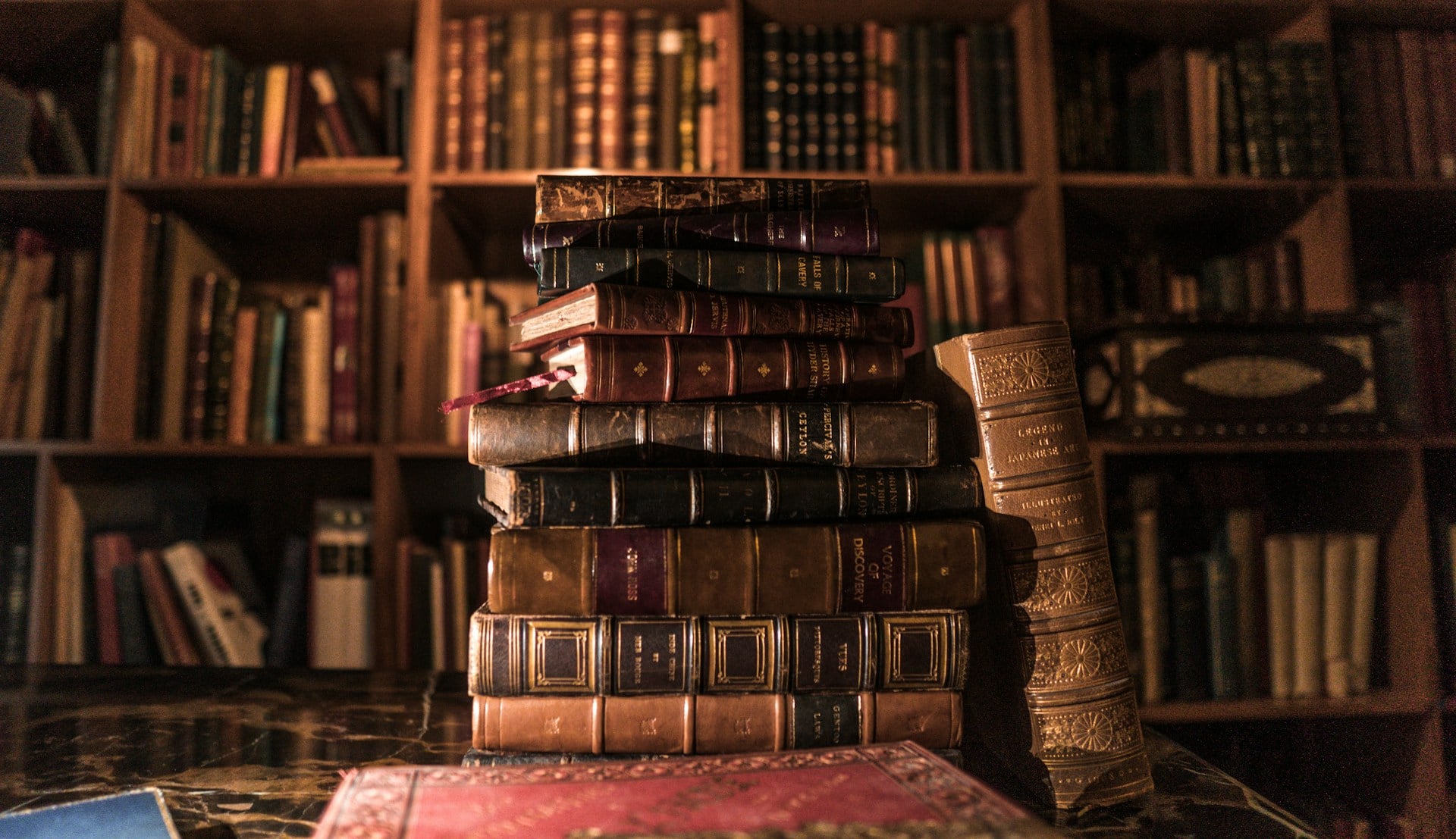
When World War II began, librarians across Europe faced an impossible decision: which books to save and which to leave behind. The British Museum Library moved its most valuable items to quarries in Wales, packing them in crates and hauling them hundreds of miles away from London.
But they couldn’t move everything. Some librarians slept in the building during air raids, ready to fight fires if bombs fell nearby.
They did fall, and parts of the collection were destroyed, but the librarians saved far more than they lost.
In Saint Petersburg, then called Leningrad, librarians at the National Library of Russia faced a different challenge during the 900-day siege. With no food, no heat, and constant bombardment, they still showed up to work.
They died at their desks from starvation, but they protected the books. When Soviet forces finally broke the siege, they found librarians who weighed less than 80 pounds, too weak to walk, but still cataloging new acquisitions.
The library never officially closed during the entire war.
The Secret Societies and Private Collections
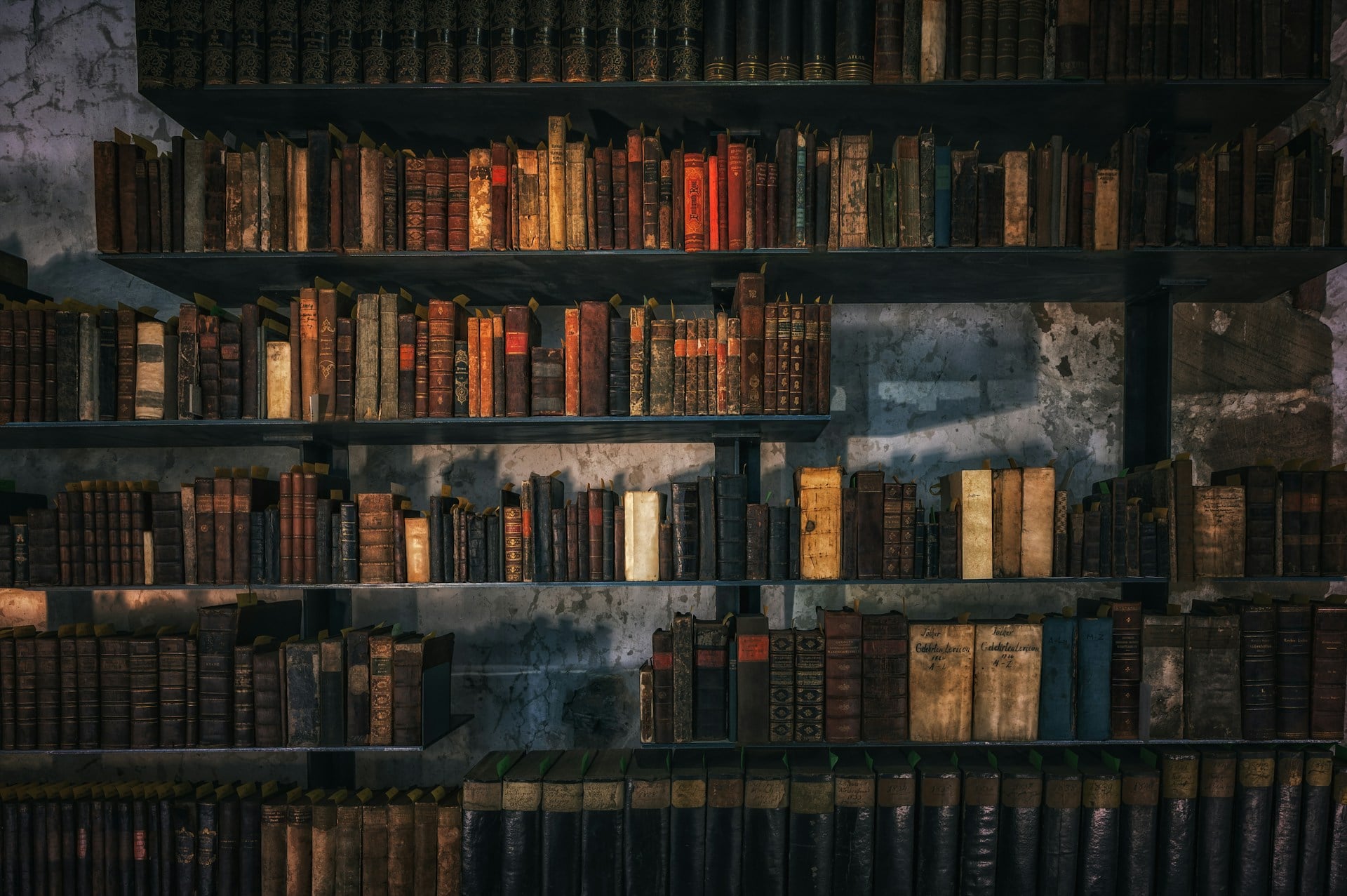
Some old libraries started as private collections that wealthy individuals opened to select guests. The Marciana Library in Venice began as the personal collection of Cardinal Bessarion, who donated his books to the city in 1468.
But access was restricted for centuries. You had to know someone, have the right credentials, or belong to certain intellectual circles.
Even today, many historic libraries maintain special collections that aren’t listed in their public catalogs. You have to ask about them specifically, and even then, you need a good reason to see them.
The Wren Library at Trinity College Cambridge contains Isaac Newton’s personal papers, including his early notes on gravity and calculus. But it also holds his writings on alchemy and biblical prophecy—subjects he spent more time on than physics.
For centuries, scholars ignored or downplayed this work because it didn’t fit the image of Newton as a purely rational scientist. The library kept these manuscripts anyway, and now historians use them to understand how Newton actually thought.
Turns out he was just as interested in turning lead into gold as he was in explaining planetary motion.
The Restoration Work Nobody Sees
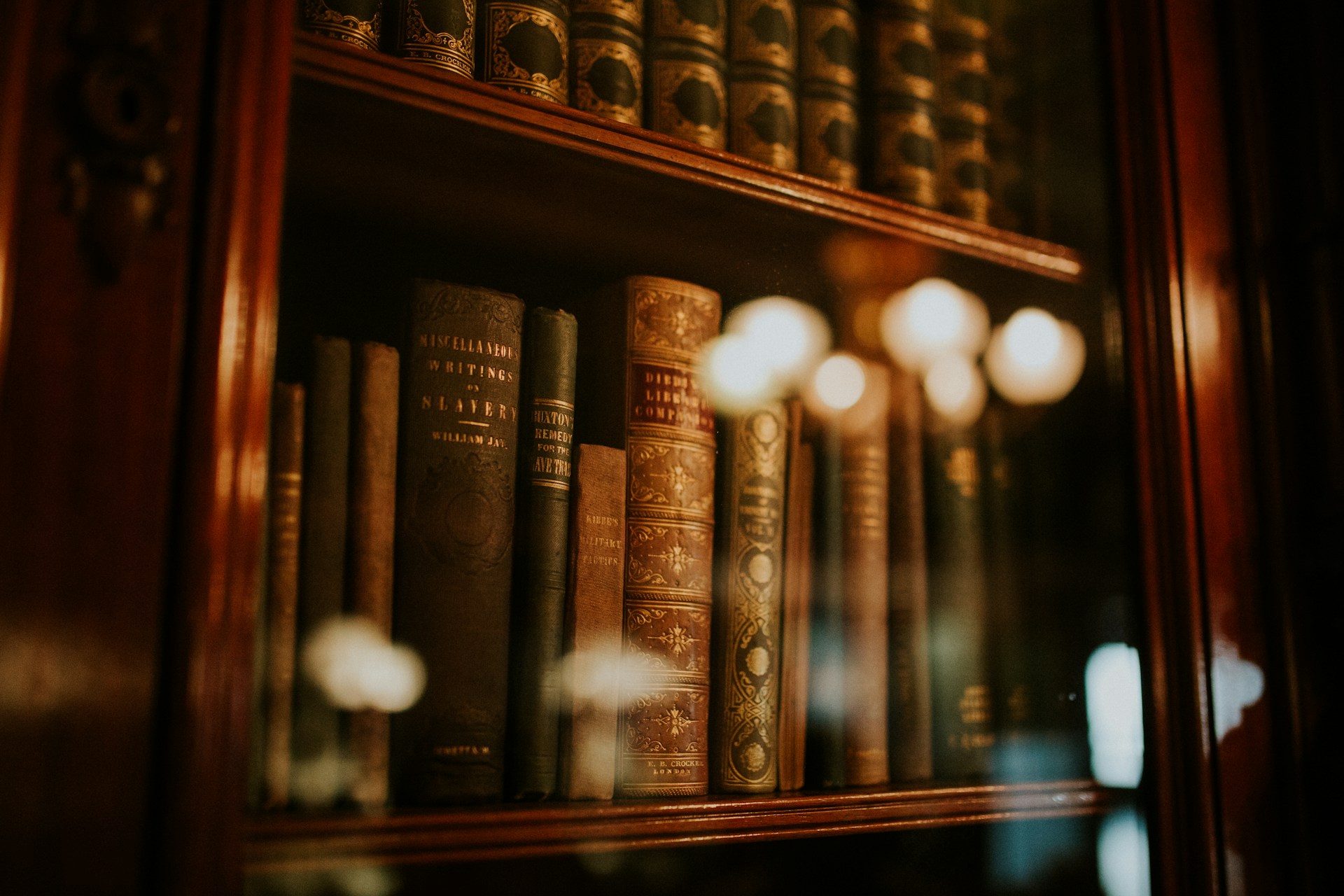
Under the New York Public Library’s main branch, conservators work in climate-controlled rooms repairing books that are falling apart. They use techniques that haven’t changed much since medieval monasteries: Japanese tissue paper, wheat paste, and endless patience.
A single page can take hours to repair if it’s badly damaged. The conservators learn to recognize the different types of mold that grow on books, the insects that eat binding glue, and the chemical reactions that cause paper to turn brown and brittle.
Some repairs are essentially impossible with current technology. When paper becomes acidic—which happens naturally over time—it starts to break down at the molecular level.
You can neutralize the acid and slow the process, but you can’t reverse it. This means that some 19th and early 20th-century books are in worse shape than manuscripts from the 1400s, because early printers used cheap paper made from wood pulp instead of the rag paper that older books used.
Libraries are in a race against time to digitize these crumbling volumes before they become too fragile to handle at all.
The Classification Systems and Their Quirks
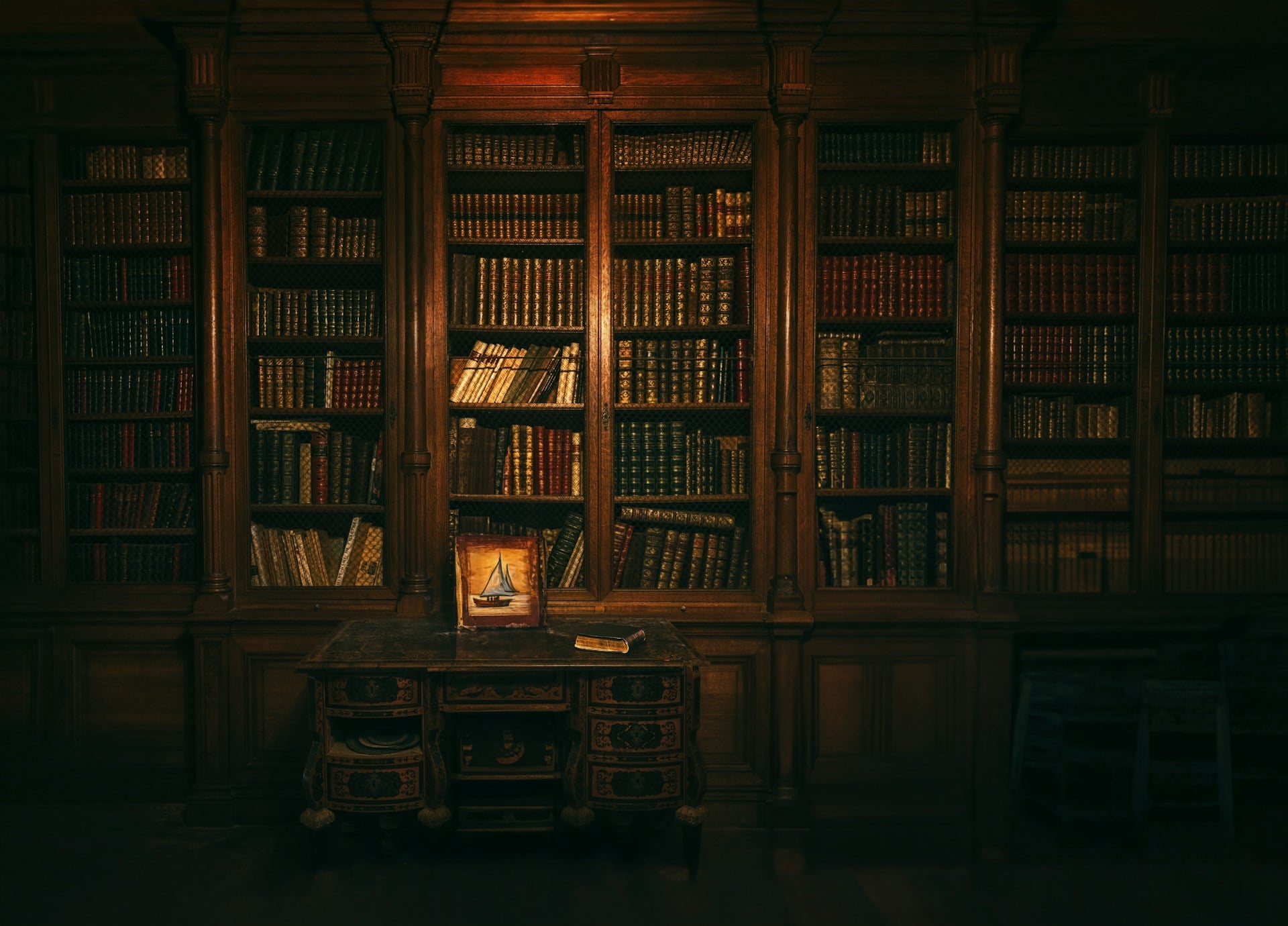
Every library has its own organization system, and the old ones developed their methods long before anyone thought about standardizing them. The Library of Congress classification system didn’t exist until 1901.
Before that, libraries made up their own systems based on whatever logic seemed sensible at the time. The Bodleian Library originally organized books by size—big books went on the bottom shelves, small books on top.
This made sense for structural reasons, but it meant that all the books on a single subject could be scattered across different floors and rooms.
The Bibliothèque Nationale de France kept its books in the order they were acquired for hundreds of years. If you wanted to find something, you had to know when it entered the collection.
They eventually reorganized everything in the 20th century, but some librarians complained that the old system actually worked better because it preserved the historical context of how the collection developed. When you put all the astronomy books together, you lose the information about which ones arrived together because they came from the same scholar’s estate.
The Ghost Catalogs and Lost Indexes
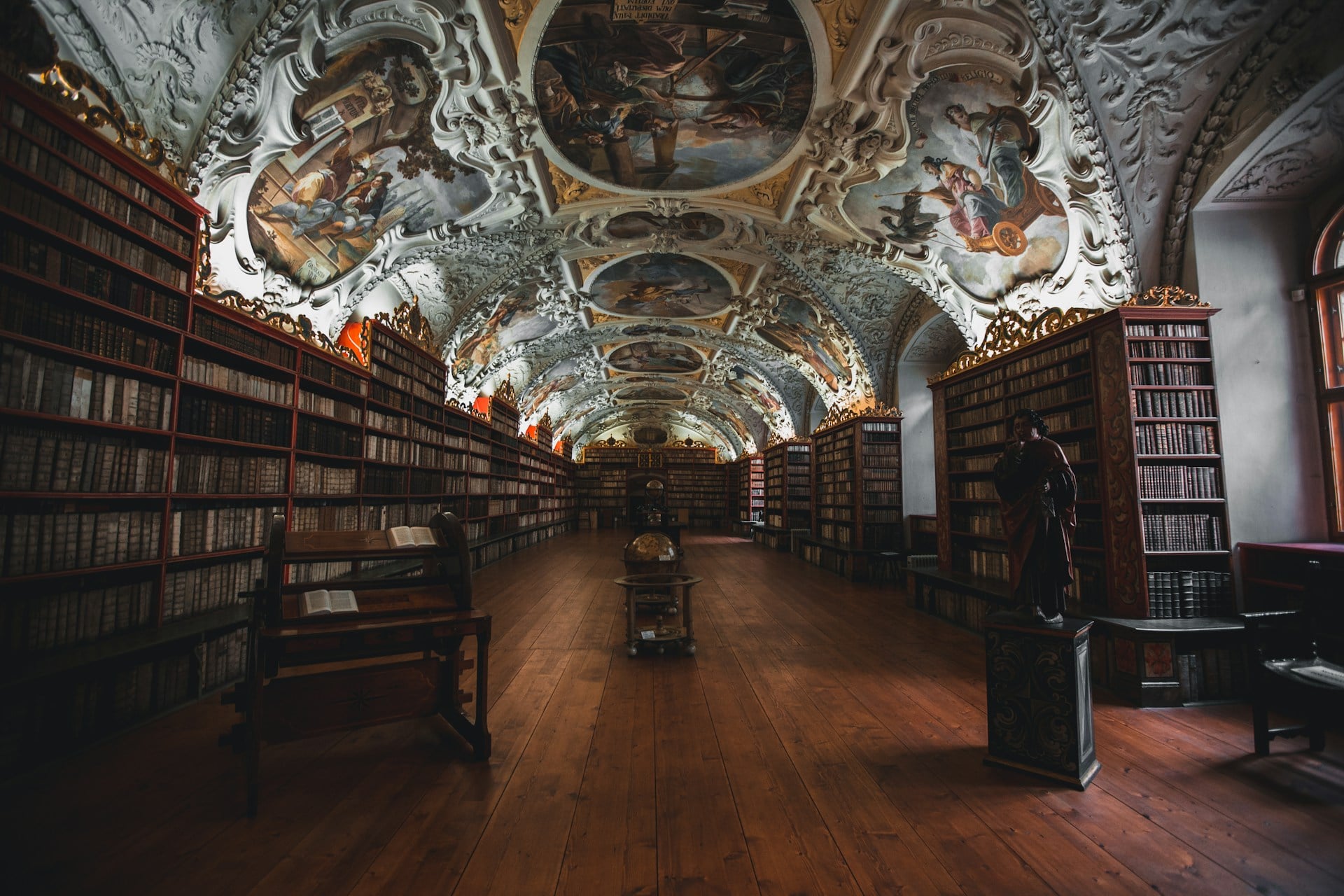
The Alexandria Library in Egypt is famous for burning down, supposedly destroying ancient knowledge that we’ll never recover. But historians now think that many of those texts survived because they had been copied and distributed to other libraries across the Mediterranean.
The real tragedy isn’t what burned—it’s that we lost the catalog. Alexandria’s librarians had created detailed indexes of their holdings, and those indexes told scholars what existed and where to find copies.
Without them, we don’t even know what we’re missing.
Modern libraries face a similar but opposite problem. They have books they can’t find because the catalogs are incomplete or inaccurate.
Card catalogs deteriorate, librarians make filing errors, and books get misshelved and then buried as new acquisitions pile up around them. The British Library estimates that roughly one percent of its collection is effectively lost—they know they own certain books because the acquisition records exist, but the books themselves are somewhere in miles of shelving and nobody knows exactly where.
Finding them would require physically checking every single shelf, which would take years.
The Reading Rooms That Shape Thoughts
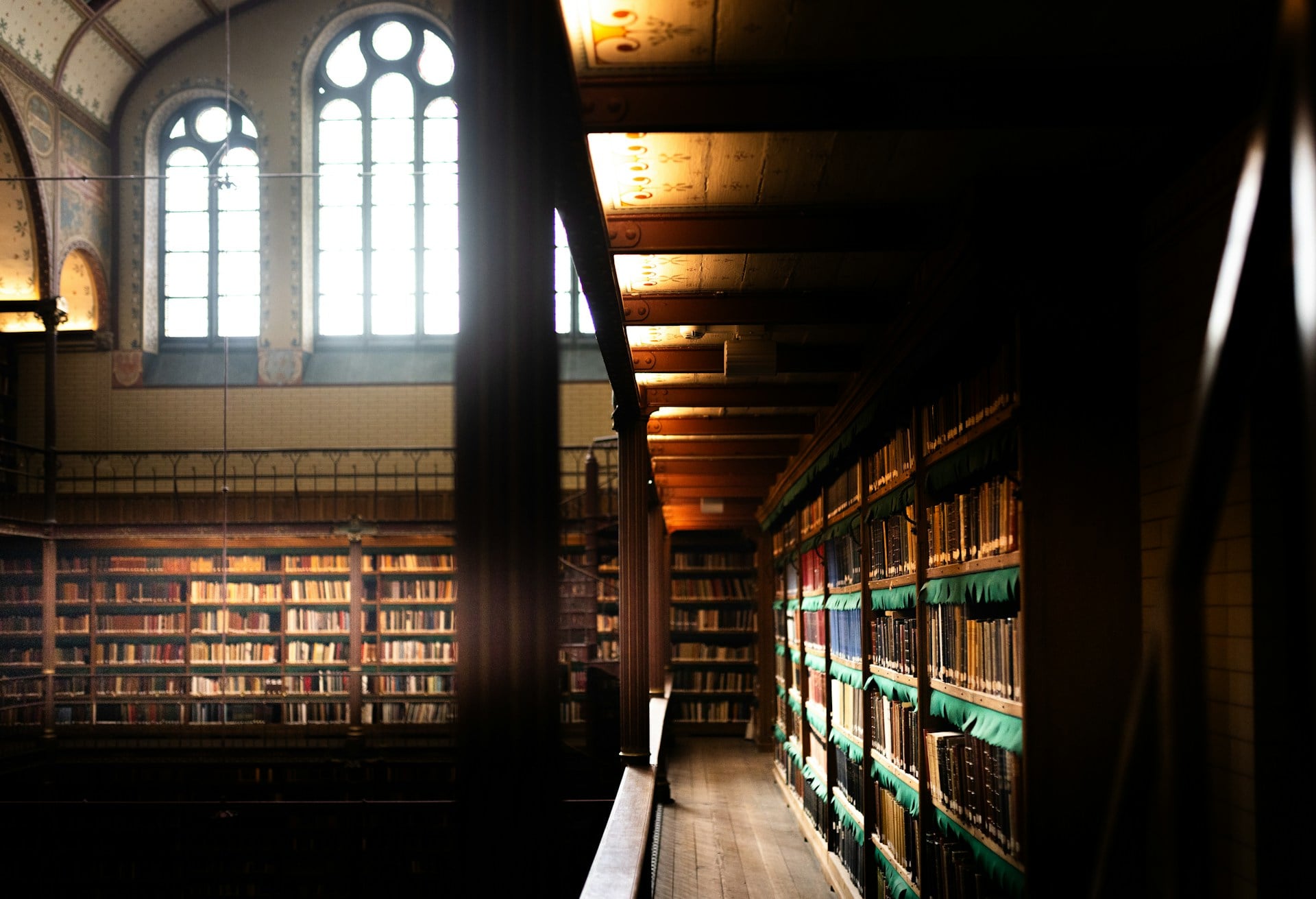
The reading room at the Library of Congress has a domed ceiling painted with allegorical figures representing different branches of knowledge. When you sit at one of the desks and look up, you see Philosophy, Art, History, Commerce, Religion, Science, Law, and Poetry all arranged in a circle around you.
This wasn’t just decoration. The architects believed that the physical environment affected how people thought, and they designed the space to inspire intellectual ambition.
Writers throughout history have talked about how certain libraries helped them work. Karl Marx did most of his research for Das Kapital at the British Museum Library.
Virginia Woolf wrote about the difference between studying in her own room versus working in a library where other people’s concentration became infectious. The reading room’s silence isn’t empty—it’s full of other people’s focus, and somehow that makes it easier to concentrate on your own work.
Modern libraries try to recreate this atmosphere with quiet zones and study carrels, but the old reading rooms had a quality that’s hard to quantify. Maybe it was the high ceilings, or the natural light, or just the accumulated weight of centuries of scholarship happening in the same space.
The Smell of Old Books and What It Means
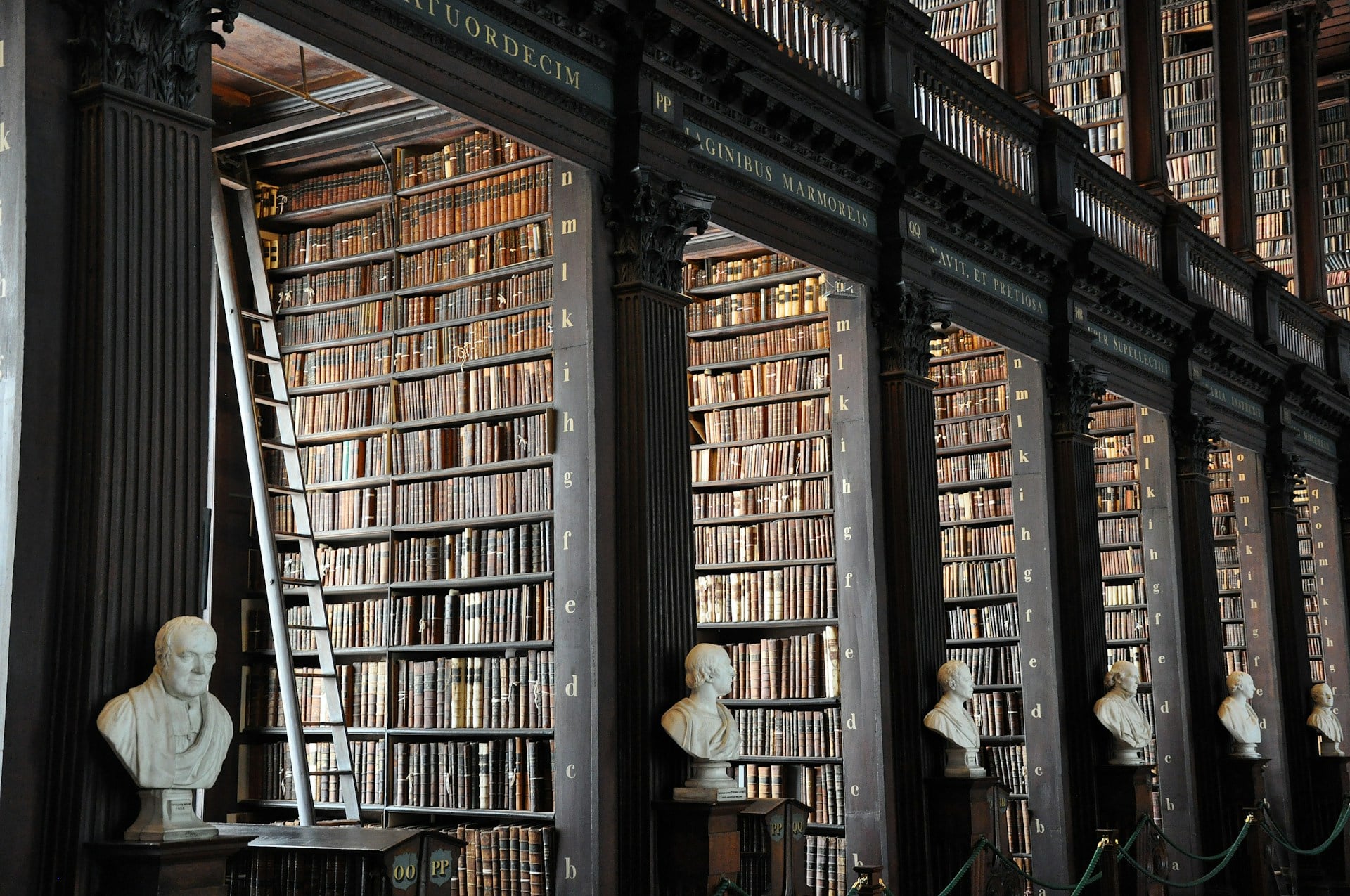
That distinctive smell of old books comes from the paper breaking down. As organic compounds in the paper degrade, they release hundreds of different volatile organic compounds—the scientific term for chemicals that evaporate at room temperature.
Different papers create different smells depending on what they were made from and how they’ve been stored. Lignin, which gives plants their structure, breaks down into vanillin, which is why some old books smell vaguely like vanilla.
Other compounds create hints of almond, grass, or must. Chemists at University College London developed a test that can determine a book’s condition by analyzing these compounds.
They call it “material degradomics.” By identifying which chemicals are present and in what concentrations, they can predict how many years a book has left before it becomes too fragile to handle.
This helps conservators prioritize their work—they fix the books that are in the worst shape first, before they deteriorate beyond repair. The smell that seems so romantic and nostalgic is actually the book slowly dying.
The Digital Dilemma
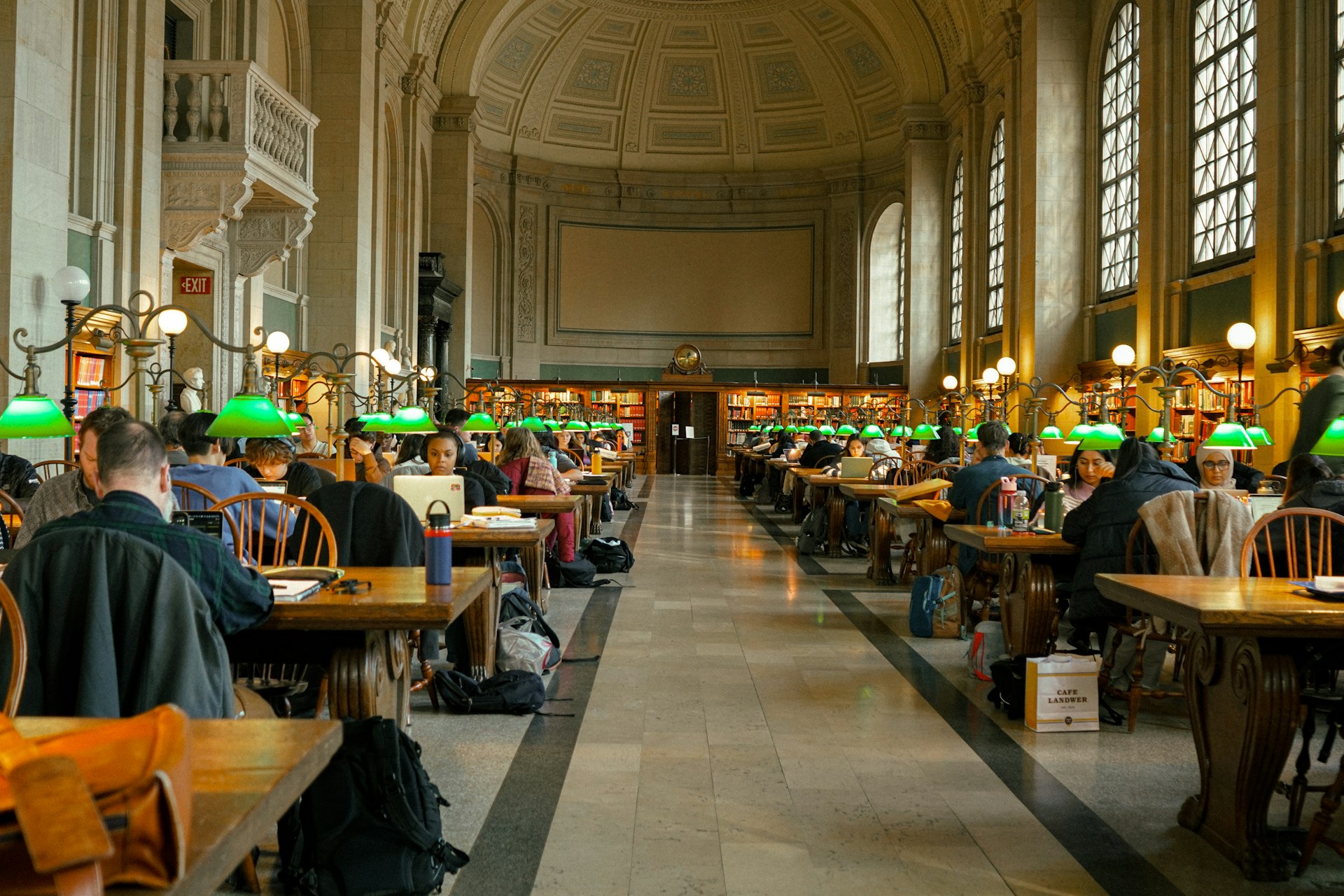
In 2004, Google began scanning books from large libraries with the goal of making the world’s knowledge available to everyone. Millions of books have been digitized fifteen years later, but copyright disputes and technical difficulties have caused the project to stall.
The simple part is scanning. It is much more difficult to make the scans searchable and useful, particularly for older books where the printing quality varies greatly from page to page.
The Internet Archive manages its own scanning operation and has found issues that no one had anticipated. Some books are so brittle that they get damaged even when they are gently placed on a scanner.
Some bindings are unable to open flat without shattering. It can take hours to photograph and process a single page of an illuminated manuscript because they require such high-resolution scans.
Then there’s the issue of what to do with books that are falling apart: do you digitize them knowing that the scanning process will destroy them, or do you preserve the physical object at the expense of access?
The Future Written in the Past
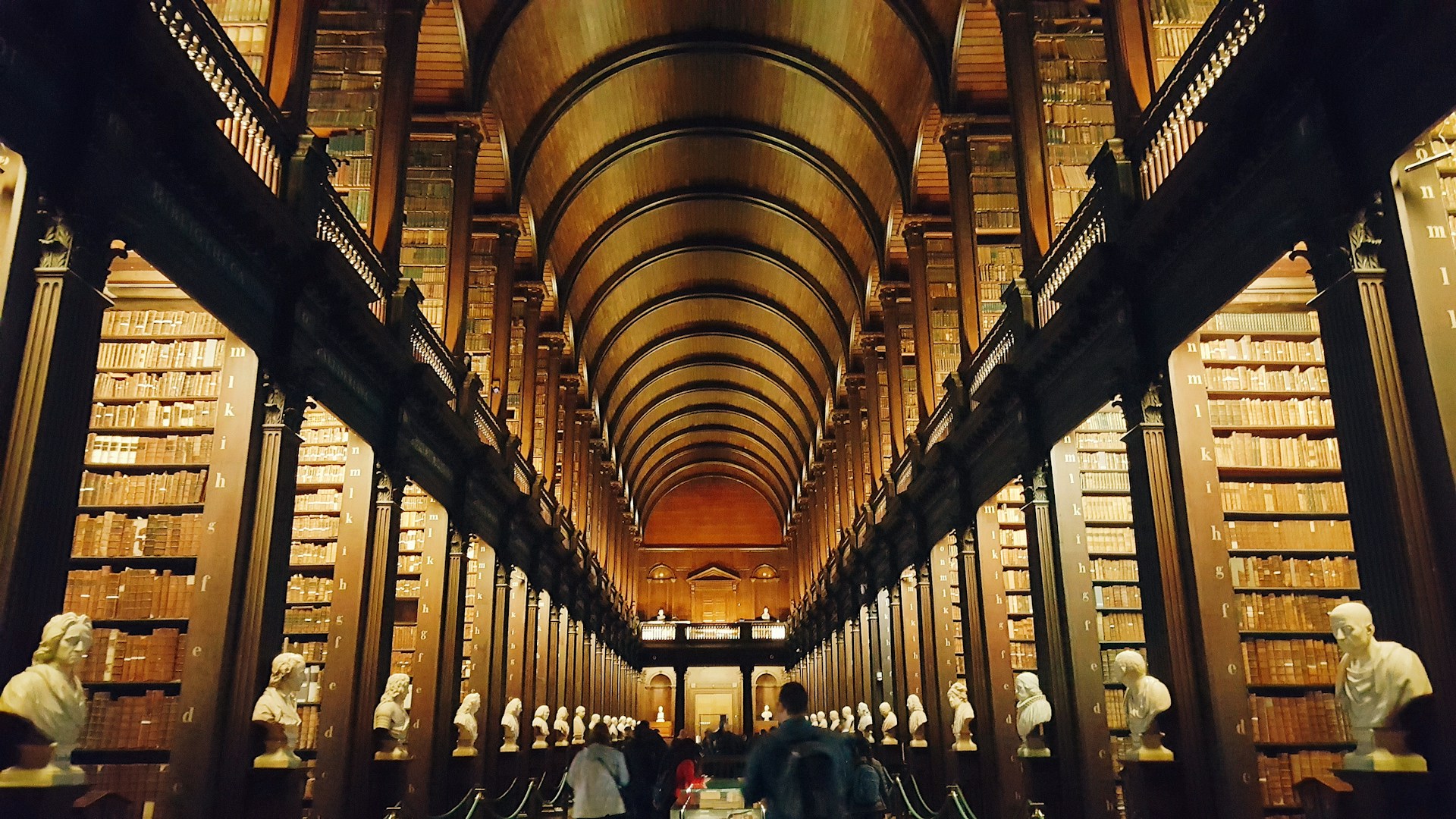
These days, libraries are attempting to serve as makerspaces, archives, community centers, and peaceful reading areas. This identity crisis never affected the older libraries.
They were aware that they were repositories of information that required effort to access. You didn’t get the books. You visited them, and while you were there, you abided by their rules.
When everything is instantly available, something is lost. A different relationship with information was formed by making the effort to visit a library, ask for a book, and then sit down to read it without interruptions.
Because you had to work for it, you valued it more. This was understood by the ancient libraries. They weren’t attempting to be practical or easy to use.
They were hallowed places where knowledge was accorded the respect it merited.
However, for the majority of history, they were also unfinished, prejudiced, and unavailable to the majority of people. Because they were written on sturdy materials, because they were in the right location when everything around them was destroyed, or because a powerful person believed they were significant, the manuscripts that survived did so in part by accident.
Most likely, we have lost more knowledge than we have gained. These libraries serve as monuments to both our knowledge and ignorance.
Where Words Rest
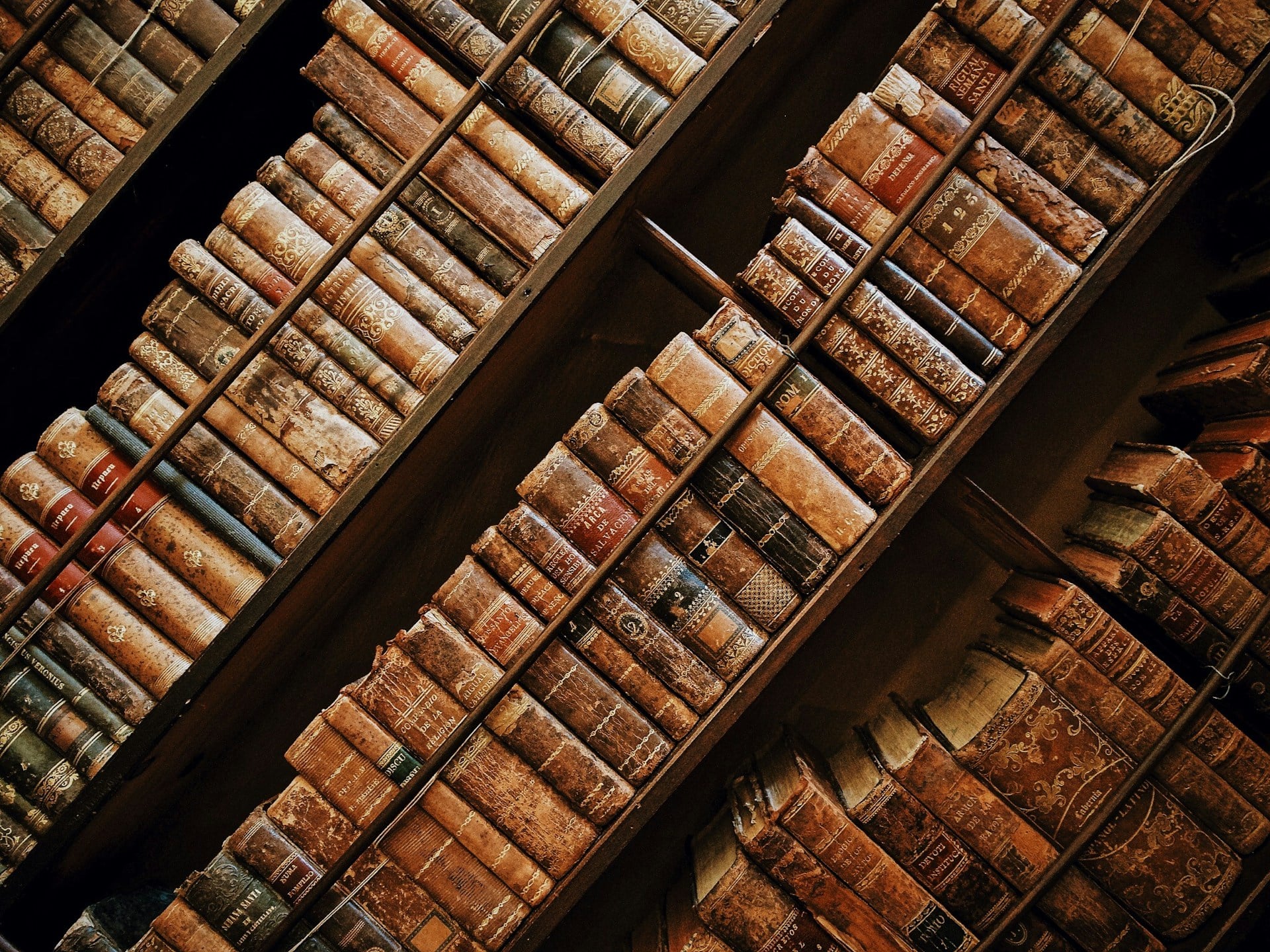
The evening light comes through old windows at a particular angle, hitting dust particles that float above the reading tables. Someone sneezes, too loud in the silence, and people look up from their books with expressions that forgive but also remind.
The clock on the wall ticks but nobody checks it anymore. Time moves differently here, measured not in minutes but in pages turned and thoughts followed to their conclusions.
Outside, the world updates itself every second, refreshing feeds and pushing notifications, demanding attention and offering nothing worth remembering. Inside, words that were written centuries ago still mean what they meant, still teach what they always taught, still connect one human mind to another across impossible distances of time and space.
The libraries keep them safe, these thoughts made permanent, these conversations that never quite end. And they’ll keep them safe for as long as anyone cares enough to remember why they matter.
More from Go2Tutors!

- The Romanov Crown Jewels and Their Tragic Fate
- 13 Historical Mysteries That Science Still Can’t Solve
- Famous Hoaxes That Fooled the World for Years
- 15 Child Stars with Tragic Adult Lives
- 16 Famous Jewelry Pieces in History
Like Go2Tutors’s content? Follow us on MSN.