Historic Buildings Hiding Secret Passageways
There’s something inherently thrilling about secret passageways. Maybe it’s because we all grew up reading mystery novels or watching Scooby-Doo, but the idea that a bookshelf might swing open to reveal a hidden staircase or that an ordinary-looking wall could conceal an escape tunnel just never gets old.
The thing is, these aren’t just the stuff of fiction—historic buildings all over the world actually have secret passages, hidden rooms, and concealed tunnels that were built for reasons ranging from practical to paranoid to downright sinister. Some were escape routes for royalty, others hid persecuted priests or smuggled goods, and a few were just wealthy people being eccentric (because if you have enough money, why not build a secret passage?).
Here are some of the most fascinating examples.
Edinburgh Castle’s Hidden Tunnels, Scotland
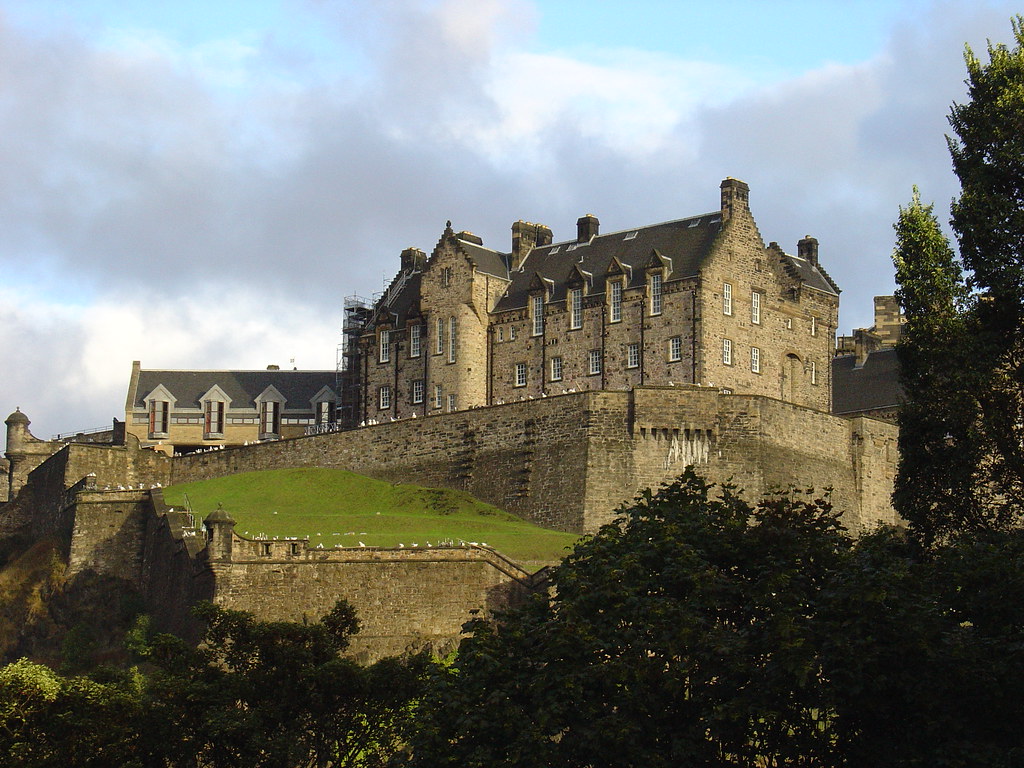
Beneath Edinburgh Castle lies a network of tunnels, and the stories surrounding them are genuinely creepy. One legend tells of a piper who was sent into the tunnels to map them by playing his bagpipes as he walked, so people above ground could track his progress.
Halfway down the Royal Mile, the music stopped. He was never seen again. Whether that story is true or just Edinburgh being Edinburgh (the city loves a good ghost story), there are definitely tunnels under the castle.
Some connected different parts of the fortress, others may have been escape routes or ways to move supplies during sieges. Portions have collapsed over the centuries, and nobody’s entirely sure how extensive the network is (or was).
The castle sits on an extinct volcano, so the tunnels were carved through volcanic rock, which probably made construction both easier and more terrifying depending on your perspective.
The Winchester Mystery House, California
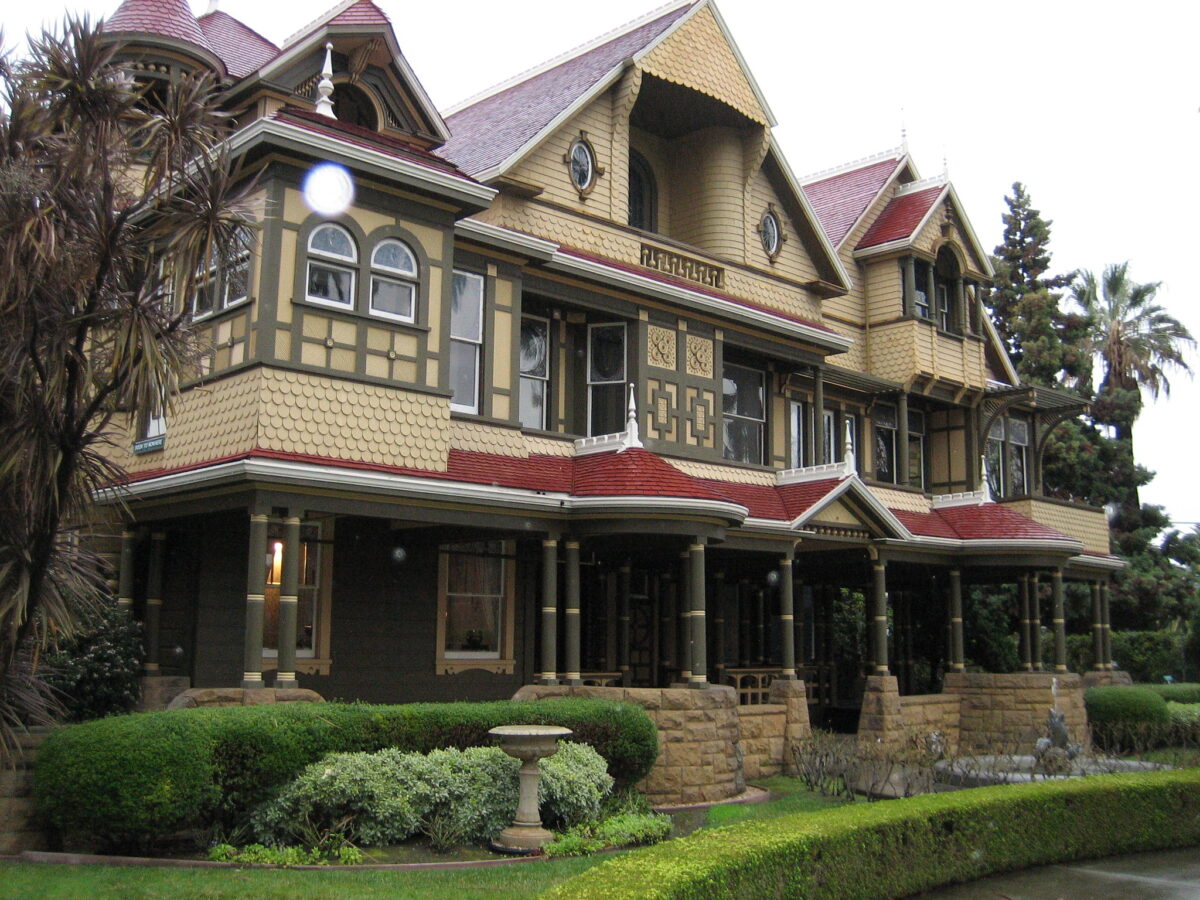
Sarah Winchester, heir to the Winchester rifle fortune, spent 38 years continuously building and rebuilding her Victorian mansion in San Jose, supposedly to confuse ghosts. The result is architectural chaos: staircases that lead to ceilings, doors that open onto walls, and yes, secret passageways everywhere.
The house has around 160 rooms (the exact number is disputed because of the constant renovations), including hidden passages Sarah used to move through the house unseen and supposedly to escape malevolent spirits. Some passages are narrow, barely wide enough for one person. Others have multiple turns and dead ends.
There’s a séance room accessible only through hidden doors where Sarah allegedly consulted spirits nightly for building instructions. The whole place feels like a maze designed by someone who was either terrified, eccentric, or both.
After the 1906 San Francisco earthquake damaged the house, Sarah had the front 30 rooms sealed and never used them again—just moved on to building other parts.
Torre de Belém, Portugal
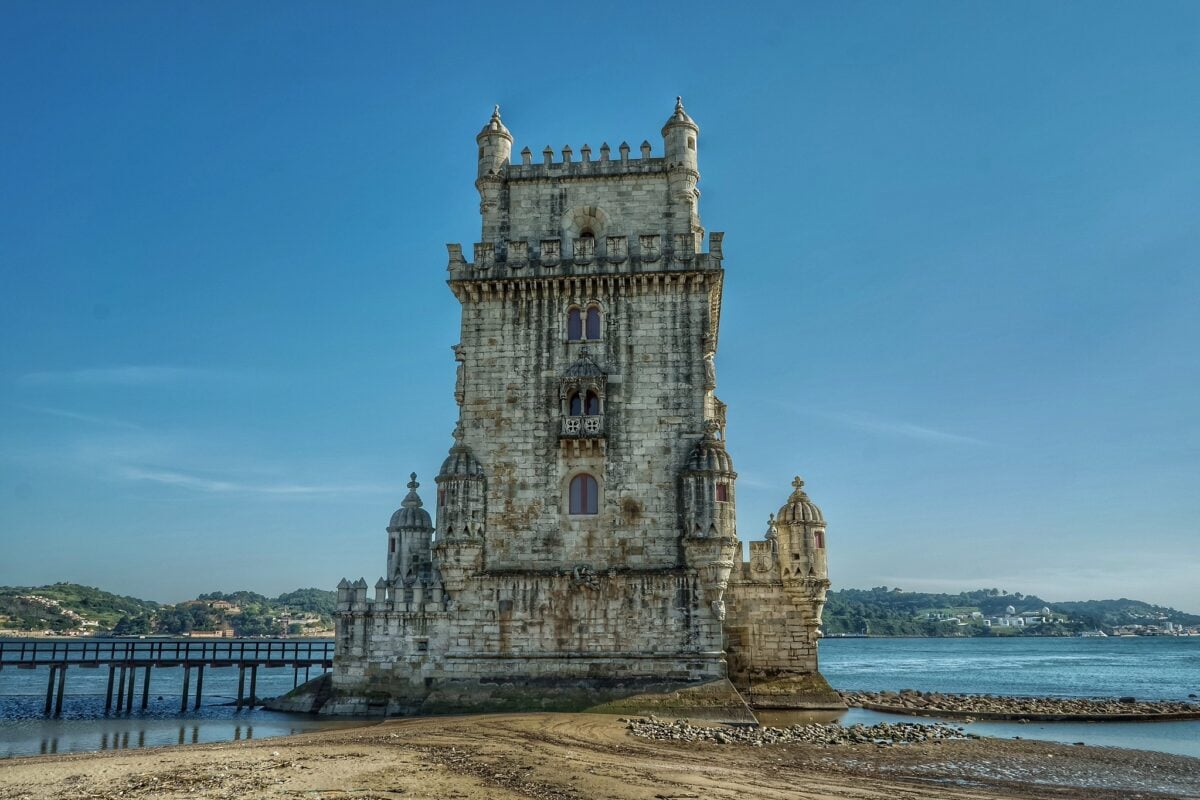
This 16th-century fortress on the Tagus River in Lisbon has dungeons that would flood at high tide, which is grim enough, but it also has secret passages connecting different levels of the structure. Built between 1514 and 1520, it served as both a defensive fortification and a ceremonial gateway to Lisbon.
The passages allowed guards and soldiers to move between floors without being seen and provided escape routes if the tower was breached. Some passages are so narrow you have to turn sideways to fit through.
The tower also has what’s called a “rhinoceros sculpture” on one of the turrets—supposedly the first representation of a rhinoceros in European art, though it looks nothing like an actual rhinoceros because the sculptor had never seen one and worked from descriptions.
The White House, Washington D.C.
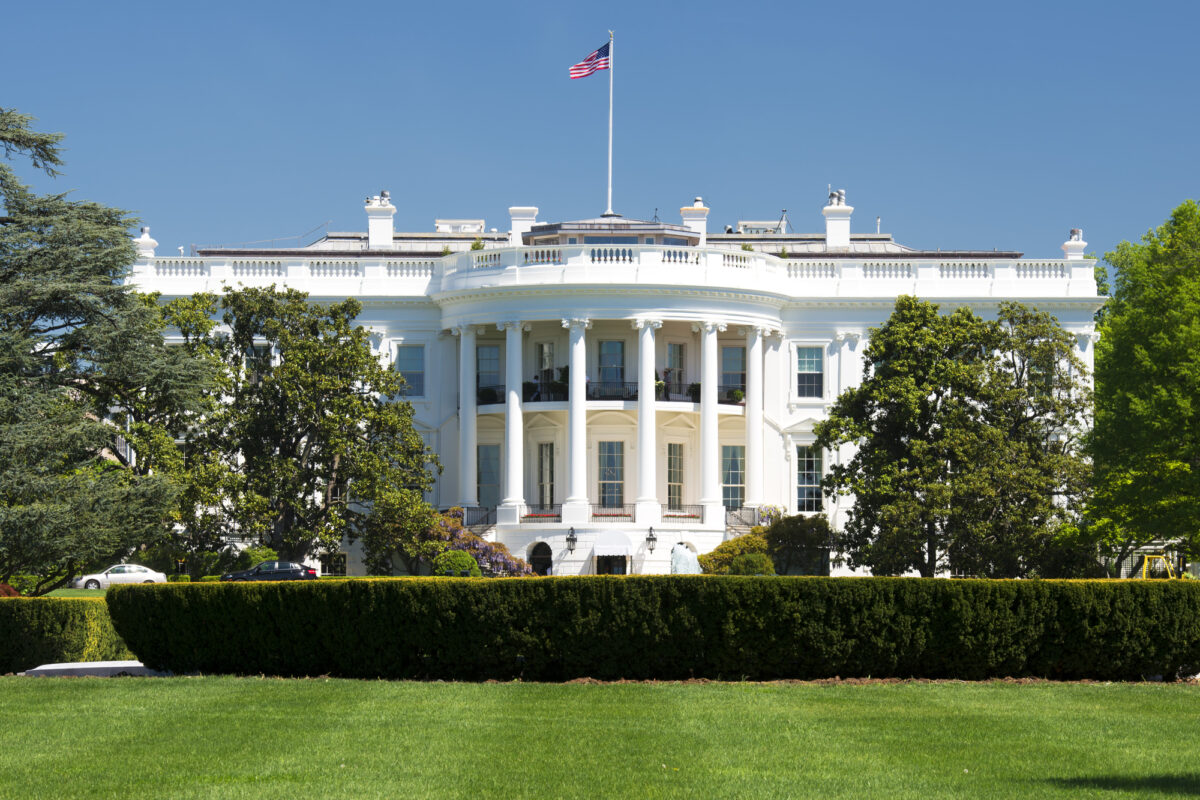
Everyone knows the White House has the Situation Room and the Presidential Emergency Operations Center (the bunker), but it also has a network of tunnels connecting it to other buildings. There’s a tunnel to the Treasury Building next door, another to the Eisenhower Executive Office Building across the street, and classified passages to other locations.
Some tunnels date back decades, others are more recent, and their exact locations and purposes are (unsurprisingly) not public information. There are also hidden doors throughout the White House itself—servants’ passages that allow staff to move through the building without being seen, secret stairways, and concealed rooms.
The house has been renovated and rebuilt so many times since 1800 that the original structure is basically gone, but the tradition of adding secret passages apparently continued with each renovation.
Bran Castle, Romania
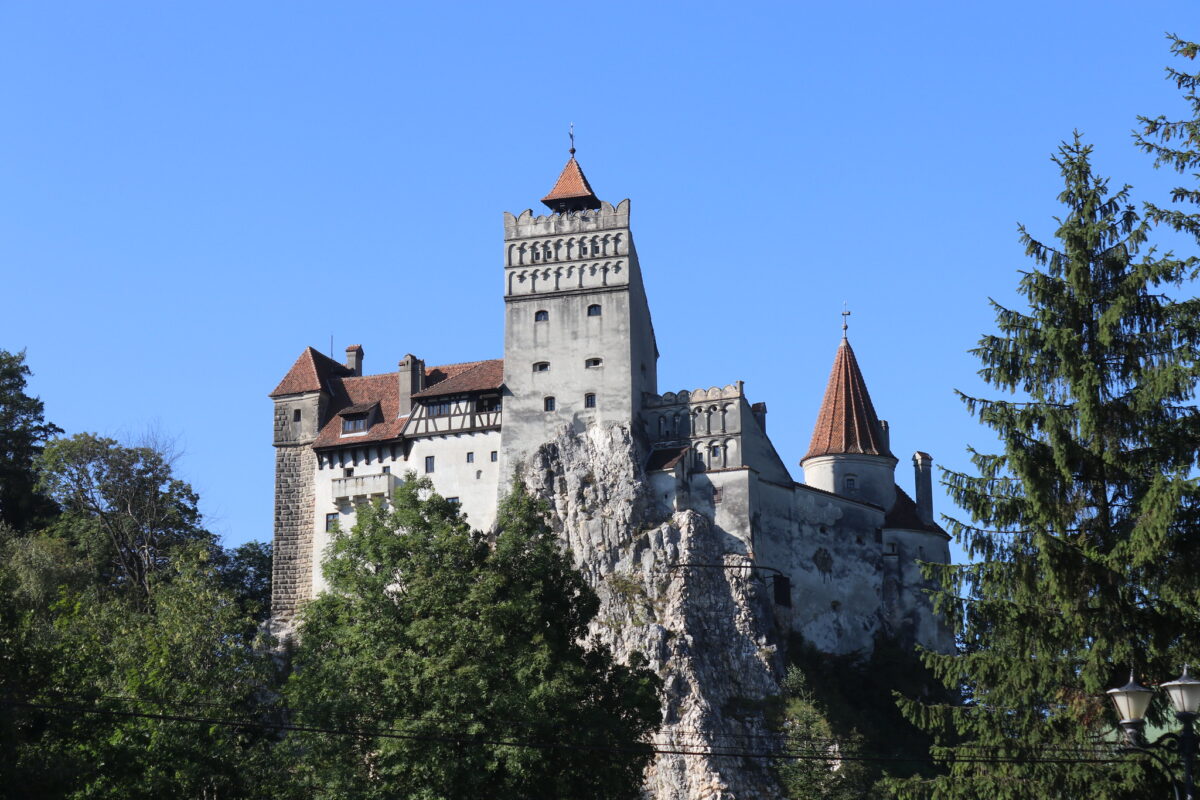
Marketed as “Dracula’s Castle” (though Vlad the Impaler probably never actually lived there), Bran Castle in Transylvania has a secret passage connecting the first and third floors, hidden behind a fireplace. This passage allowed the royal family or castle defenders to move between floors without using the main staircases, which would be crucial during an attack.
The castle also has a narrow, hidden staircase leading from the queen’s chambers to the garden, which some say was an escape route and others claim was used for secret romantic meetings (because every castle tour guide loves a good romance story). Built in the 14th century, the castle’s architecture is a maze of narrow corridors, steep staircases, and rooms at odd angles—the secret passages almost blend in with the generally confusing layout.
The castle is now a museum and honestly plays up the Dracula connection way more than the actual history, but the secret passages are real enough.
Westminster Palace, London
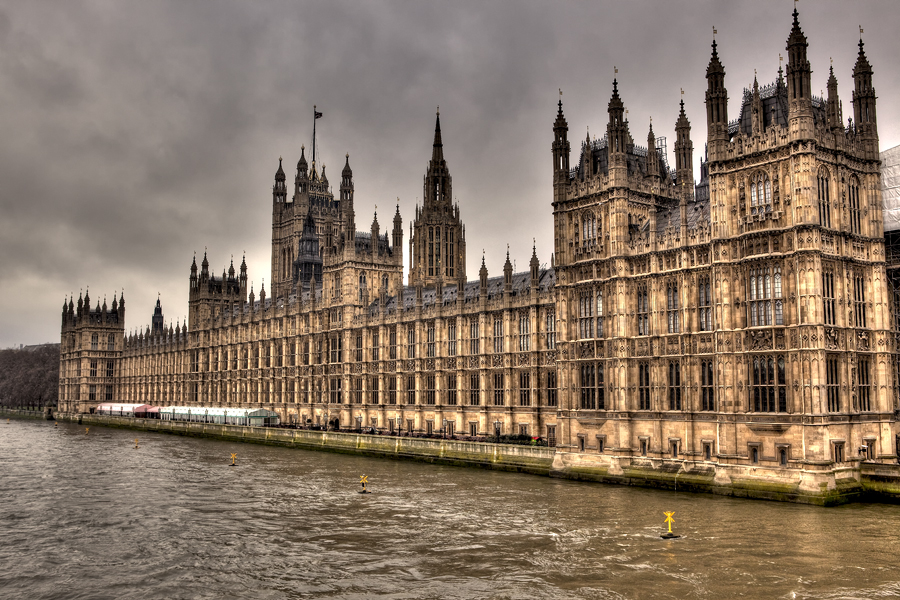
The Houses of Parliament have numerous hidden passages and priest pits from when being Catholic in England could get you executed. During the reigns of Elizabeth I and subsequent Protestant monarchs, Catholic priests hid in concealed chambers and moved through secret passages to avoid detection.
The most famous is probably the passages used during the Gunpowder Plot of 1605, when Guy Fawkes and conspirators attempted to blow up Parliament. They rented a cellar directly beneath the House of Lords and filled it with 36 barrels of gunpowder, accessing it through passages that have since been sealed or destroyed.
The building has been rebuilt multiple times (most significantly after a fire in 1834), but portions of the medieval palace remain, including some of the original passageways. There are also modern tunnels connecting Westminster to other government buildings, because apparently every government loves tunnels.
Château de Brissac, France
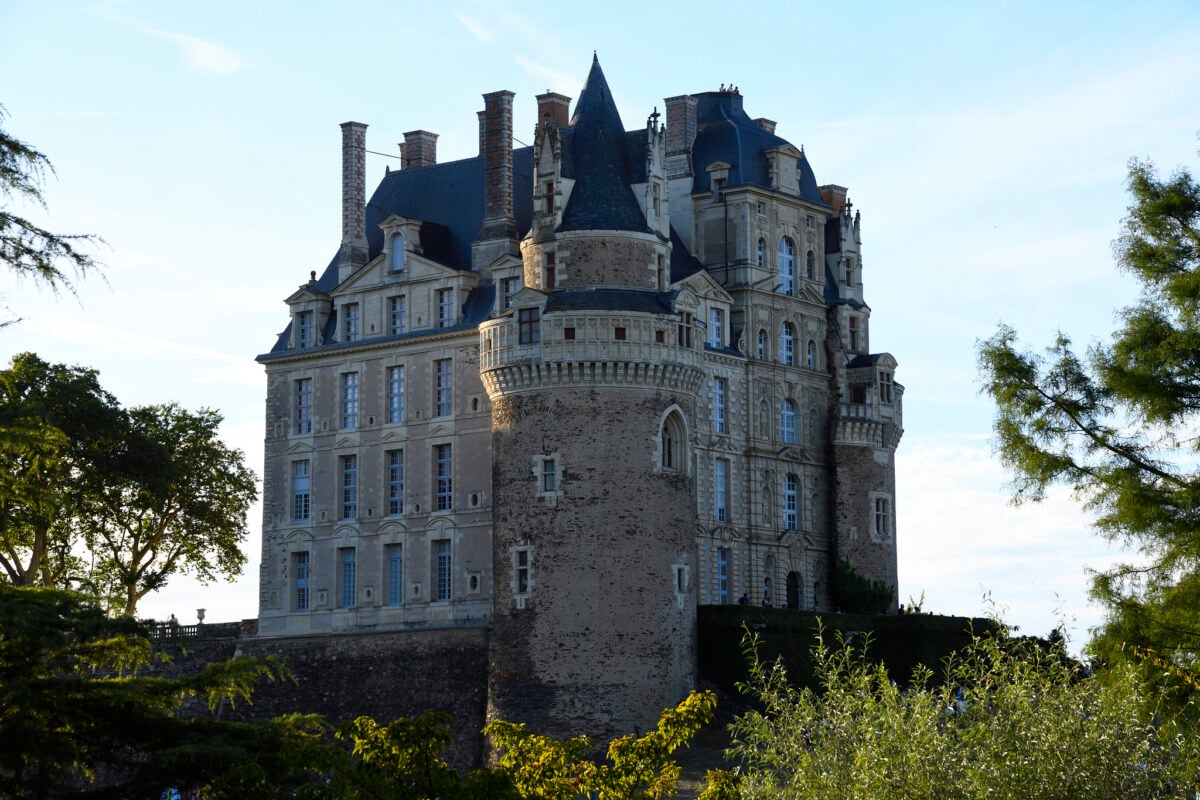
France’s tallest château (seven stories) has a reputation for being haunted, but it definitely has a hidden passageway in one of the bedrooms that leads to a concealed chapel. The passage was likely used during the Wars of Religion in the 16th century when Protestants and Catholics were killing each other with enthusiasm.
The château has been owned by the same family since 1502, which is honestly impressive (502 years of continuous family ownership). The hidden chapel would have allowed the family to practice their religion in secret if the political situation made their particular denomination unfashionable.
The passage is narrow and dark, and you can tour it now if you visit, though parts of the château remain private family quarters.
Prohibition-Era Buildings in American Cities
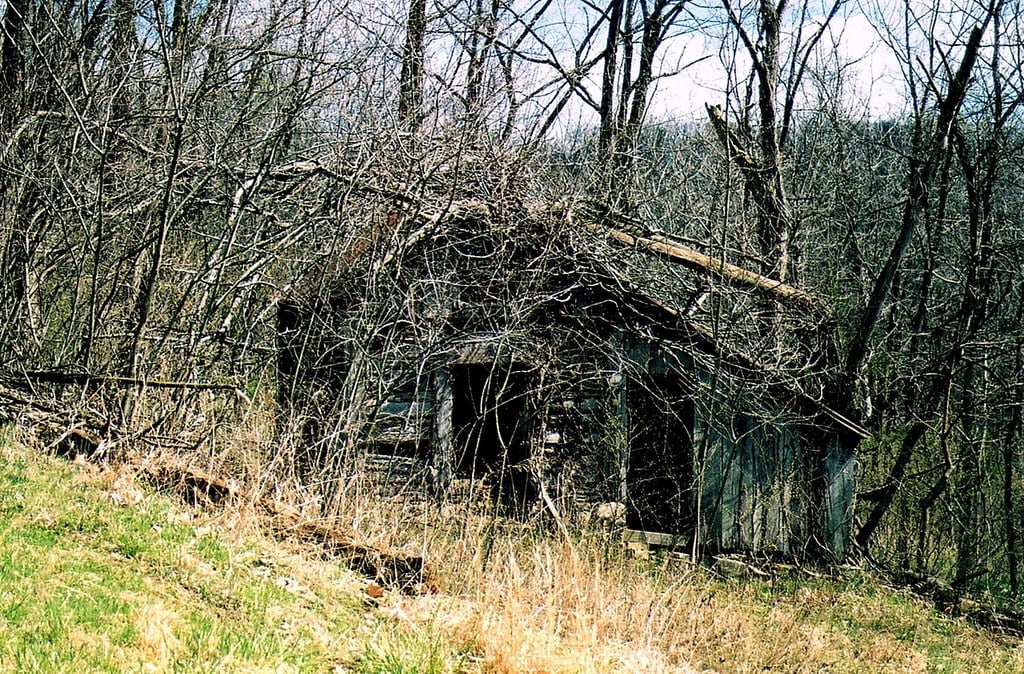
During Prohibition (1920-1933), countless American buildings were retrofitted with hidden rooms, concealed doors, and secret passages to hide speakeasies, smuggle alcohol, and provide escape routes when the police raided. These weren’t ancient castles—these were ordinary buildings in cities like New York, Chicago, and San Francisco that suddenly needed to hide illegal activities.
Some speakeasies had hidden doors behind bookshelves or inside phone booths, others had tunnels to neighboring buildings for quick escapes. There were trap doors, revolving walls, you name it. Many of these passages still exist.
In Chicago, tunnels connected speakeasies to the Chicago River for smuggling. In New York, some basements in Manhattan still have the remains of passages between buildings.
The 21 Club in New York had a system that could dump bottles down a chute to a sewer if police came knocking, and a secret wine cellar behind a two-and-a-half-ton door that looked like a wall.
Fontainebleau Palace, France
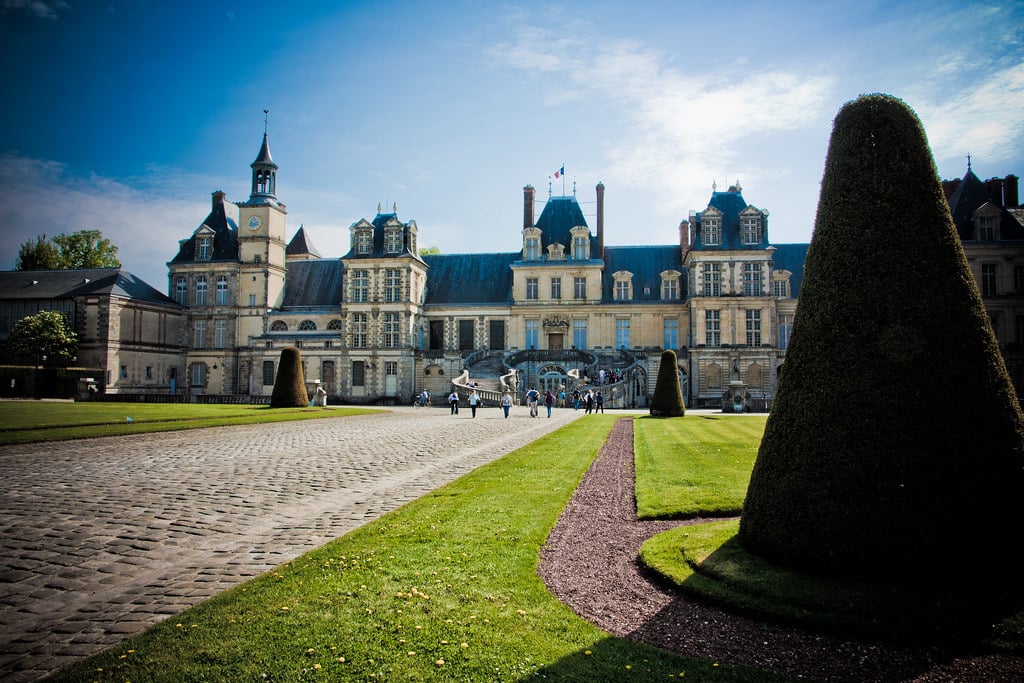
This royal château southeast of Paris was a favorite residence of French kings from Francis I to Napoleon III. It has numerous hidden passages, including some used by Catherine de’ Medici, who was apparently paranoid enough to have secret stairways and passages installed throughout her apartments.
Can’t really blame her given the political situation in 16th-century France. One famous passage connects the king’s bedchamber to other parts of the palace, allowing for discreet movements (read: affairs) without being seen by servants or courtiers.
Another connects to the gallery where royal guards were stationed. Napoleon also used these passages, and supposedly he had additional secret rooms built for storing documents.
The palace covers 130 acres and has over 1,500 rooms, so there’s probably still passages nobody knows about.
Edinburgh Vaults, Scotland
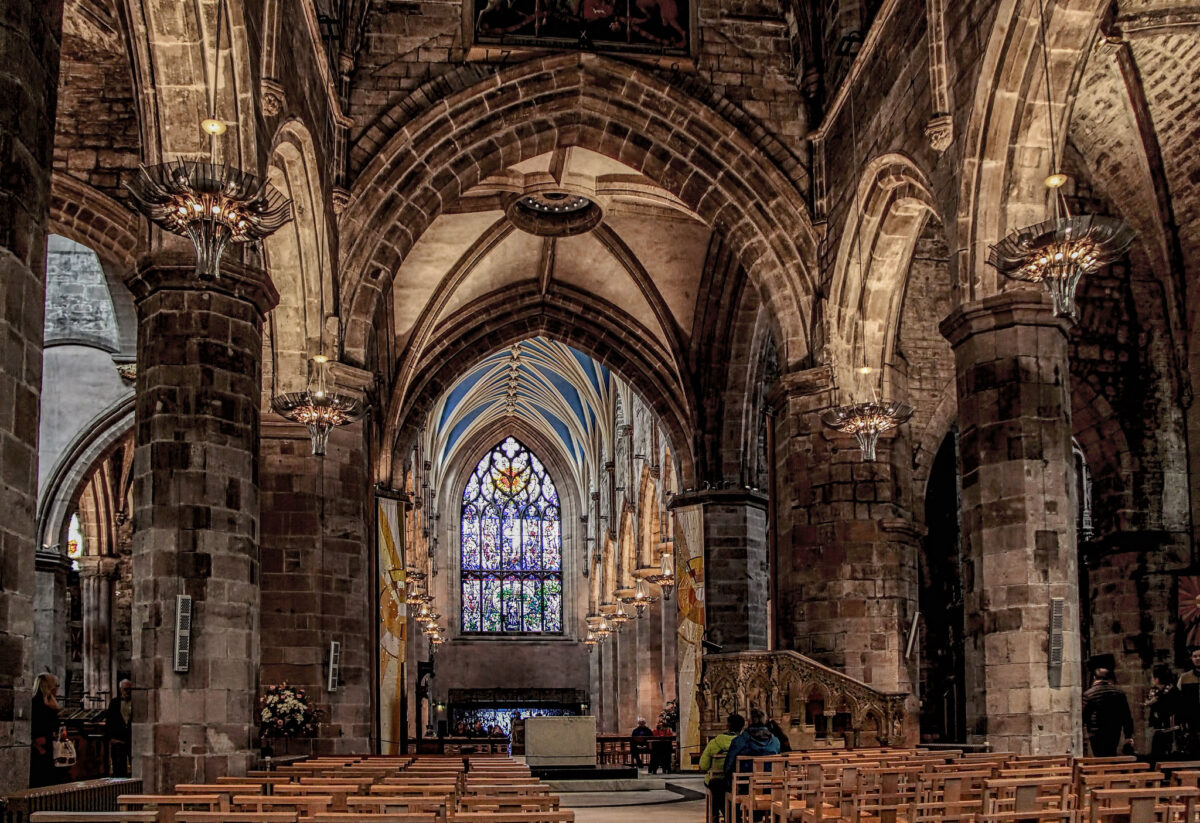
Beneath the South Bridge in Edinburgh are a series of underground vaults that were built in the late 18th century and were originally used by merchants and taverns. The bridge has 19 arches, and the vaults were created in the enclosed archways below street level.
They were eventually abandoned because they were damp and prone to flooding, after which they became a slum area housing Edinburgh’s poorest residents, and later were used for illicit activities (smuggling, illegal gambling, allegedly even murder). The vaults were sealed in the mid-19th century and forgotten for about 150 years until they were rediscovered in the 1980s.
Now you can tour them, and tour guides will tell you they’re extremely haunted (which might just be good marketing, but the vaults are definitely creepy even if you don’t believe in ghosts). Some vaults connect to other underground passages beneath the Old Town, forming a network that hasn’t been fully explored.
Priest Pits Throughout England
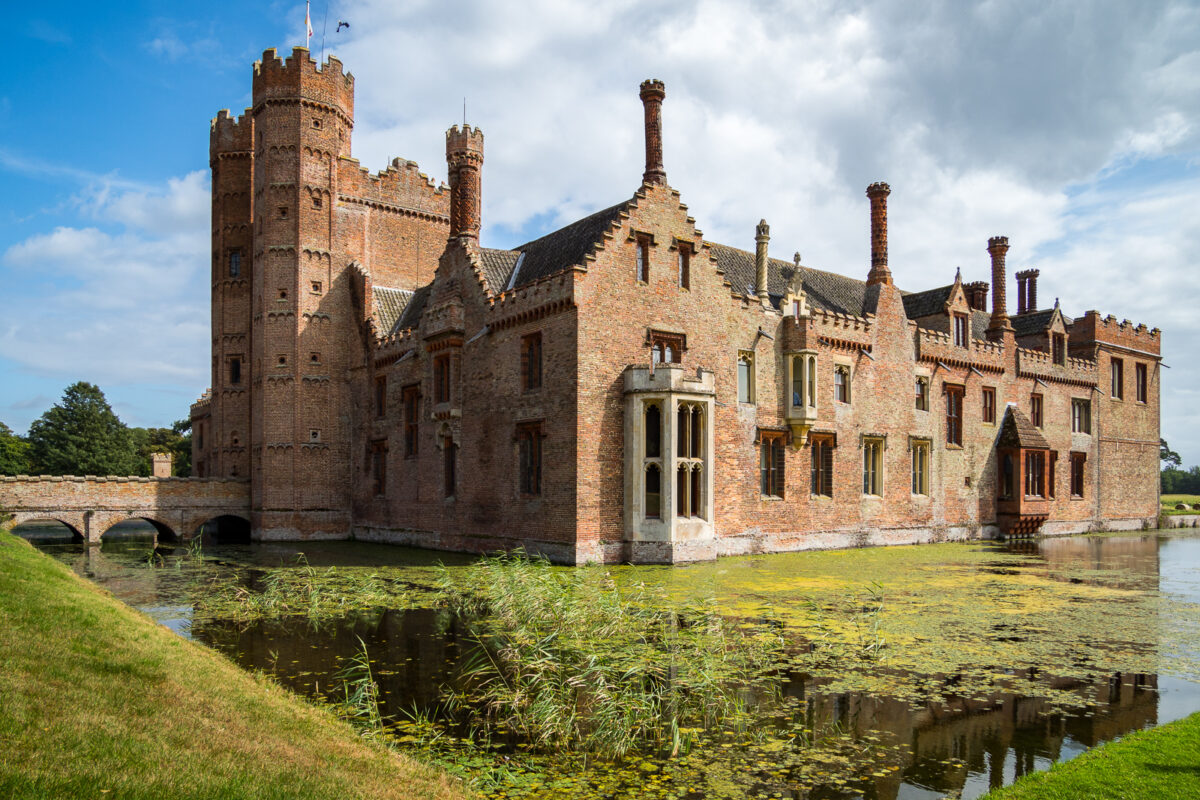
During the persecution of Catholics in England (roughly 1558-1660s), a Jesuit lay brother named Nicholas Owen designed and built secret chambers and passages in numerous country houses to hide priests. These “priest pits” were often incredibly clever—concealed in walls, under staircases, behind fireplaces, or in chimneys.
Many were barely large enough for one person and had to be able to hide someone for days during searches. Owen was eventually captured in 1606 and tortured to death without revealing the locations of the priest pits he’d built (he was canonized as a saint in 1970).
Some of his constructions have never been found. Houses known to have priest pits include Harvington Hall, Baddesley Clinton, and Stonyhurst College. The hiding places were so well-designed that some weren’t discovered until the 20th century during renovations.
The Breakers, Rhode Island
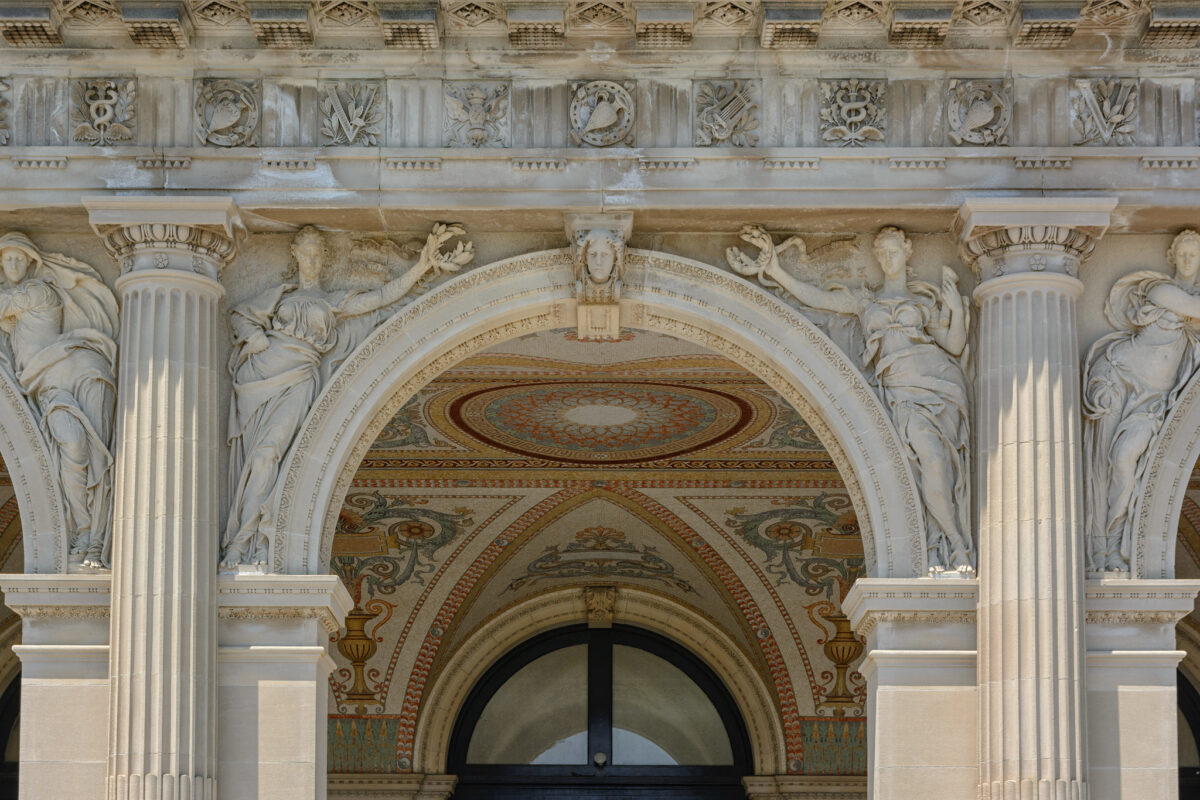
This Vanderbilt mansion in Newport has secret passages that are surprisingly mundane compared to medieval castles—they were built so servants could move through the house without being seen by the family or guests. This was standard practice in Gilded Age mansions because wealthy people apparently didn’t want to be reminded that actual humans were cooking their food and cleaning their rooms.
The Breakers have narrow corridors hidden behind walls connecting different parts of the house, allowing servants to appear and disappear as if by magic. Built in 1895, the mansion has 70 rooms (including 33 for the family and guests, the rest for servants). The service areas and passages are plain and functional—no fancy decoration, because why bother if the family never sees them?
You can tour both the public rooms and the servants’ areas now, which provides an interesting contrast between how the rich lived and how the people working for them lived (spoiler: it was very different).
Sarajevo Tunnel, Bosnia and Herzegovina
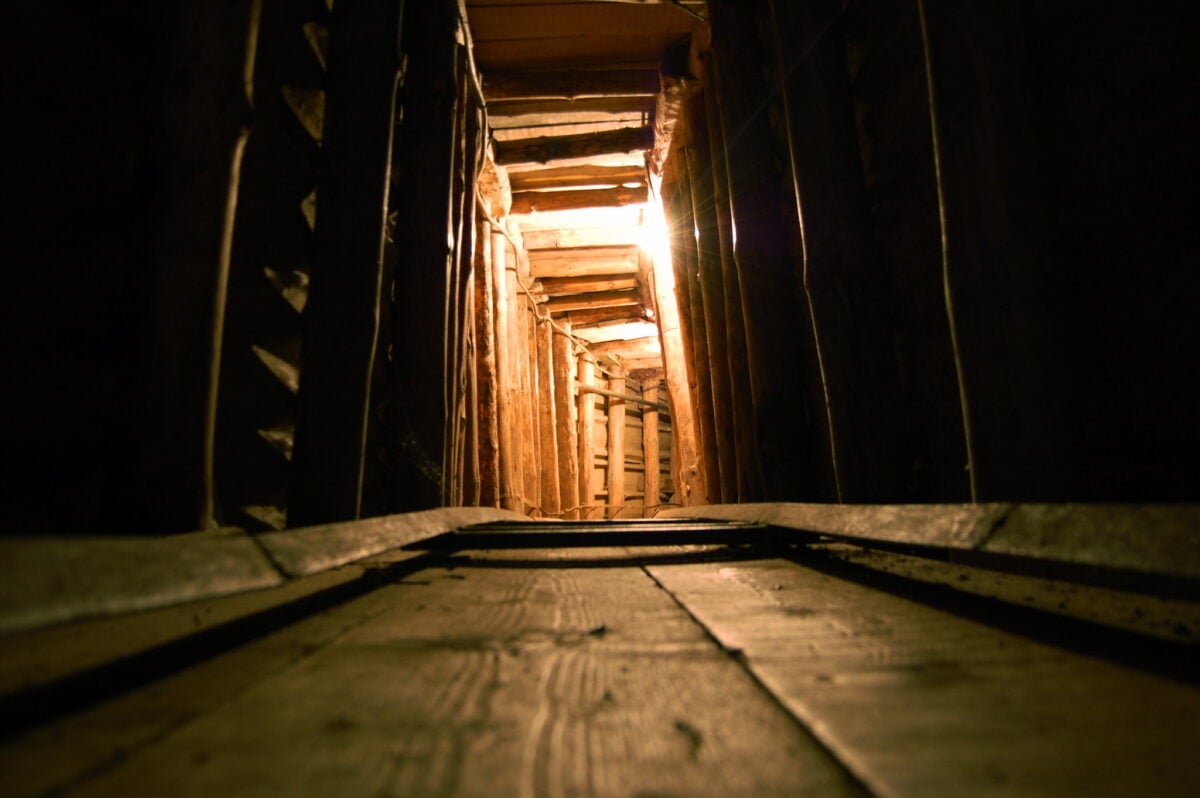
During the Siege of Sarajevo (1992-1996), citizens dug a tunnel under the airport runway to connect the besieged city with Bosnian-held territory, allowing food, supplies, and people to move in and out. The tunnel was about 800 meters long, roughly 1 meter wide, and 1.5 meters high—you had to crouch or crawl through most of it.
It took four months to dig, working from both ends simultaneously, using hand tools and improvised equipment. The tunnel saved the city, literally. Without it, Sarajevo would have been completely cut off.
Around 4,000 people per day passed through it at peak usage, along with supplies, fuel, weapons, and even livestock. Sections of the tunnel still exist and there’s a museum at one entrance. This isn’t ancient history—this was the 1990s—but it shows that even in modern times, secret passages can be the difference between survival and disaster.
Passages We’re Still Finding
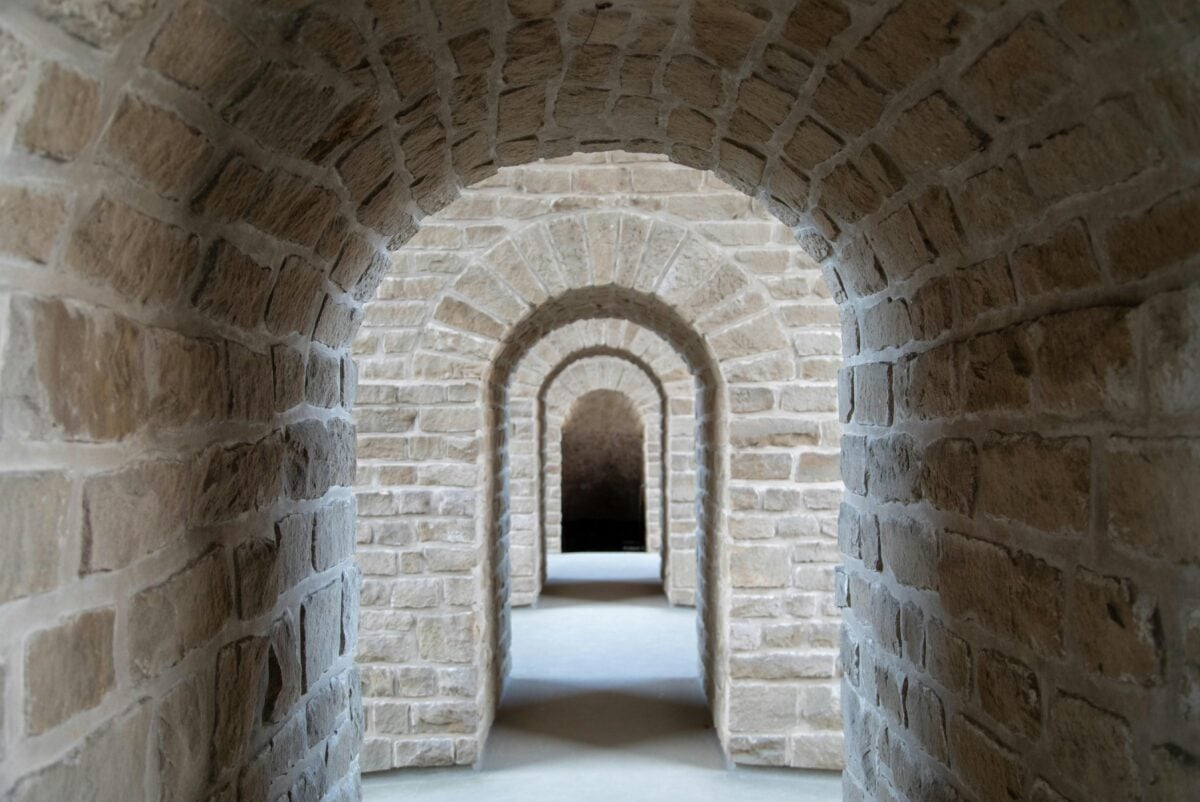
The interesting thing about secret passages is that we keep discovering new ones. Building surveys using ground-penetrating radar, thermal imaging, and laser scanning regularly find hidden rooms and passages in historic buildings.
In 2016, a scan at Herstmonceux Castle in England found two previously unknown rooms. In 2020, archaeologists in Jerusalem found a hidden passage beneath the Western Wall. These discoveries happen constantly.
Which makes you wonder what else is out there, sealed behind walls or buried underground, waiting for someone with the right equipment or just dumb luck to find it. The secret passages we know about are probably just a fraction of what was actually built, because by definition, if they were really secret, nobody would know about them unless they’re rediscovered by accident.
More from Go2Tutors!

- The Romanov Crown Jewels and Their Tragic Fate
- 13 Historical Mysteries That Science Still Can’t Solve
- Famous Hoaxes That Fooled the World for Years
- 15 Child Stars with Tragic Adult Lives
- 16 Famous Jewelry Pieces in History
Like Go2Tutors’s content? Follow us on MSN.