Worst Political Scandals Of All Time
Out of nowhere, secrets start leaking when authority piles up. Oversight slips away just as quietly.
Behind locked rooms, choices brew until they spill into headlines. Not every mess burns down institutions.
Some fires die fast. Others ignite shifts that redraw leadership maps.
Trust once broken might never look the same again. A fresh view into history’s most damaging political scandals shows more than just outrage – what stands out is how deeply they reshaped nations.
Power shifted quietly after each collapse, often without warning. One decision, then another, spiraled beyond control.
Trust faded fast when leaders lied under oath. Behind closed doors, deals twisted facts into weapons.
Fallout stretched years, sometimes decades, into the future. Lives changed suddenly – not through war, but paper trails and whispers.
Some events began small, grew massive overnight. The public learned too late what insiders hid early on.
Watergate
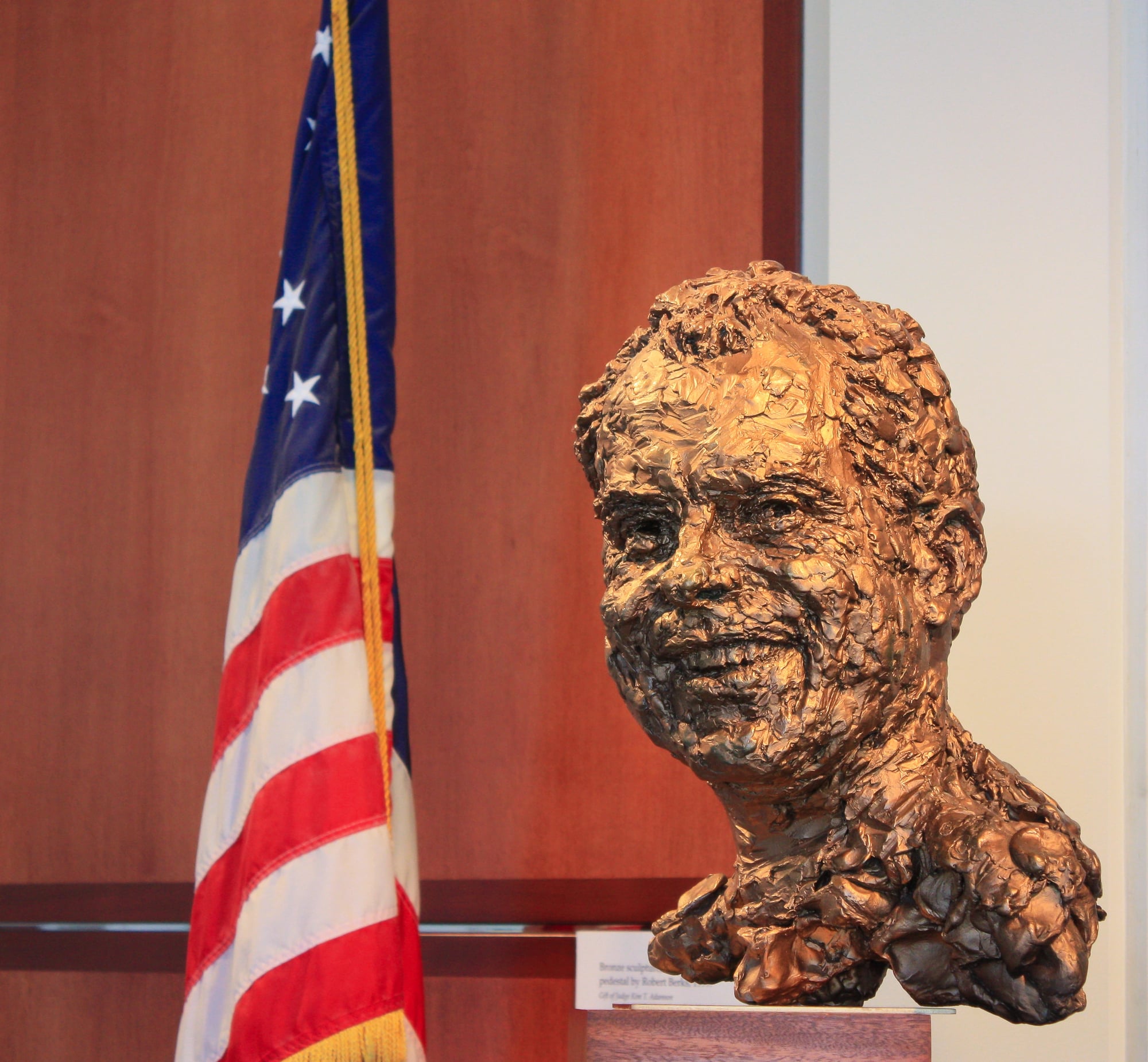
Scandals do not come any bigger than Watergate, a name that has become synonymous with political corruption. In 1972, men connected to President Nixon’s presidential reelection campaign were caught burglarizing the headquarters of the Democratic National Committee in Washington, D.C.
What started out as a burglary investigation quickly escalated into a cover-up of corruption and abuse of power. Tape recordings from the Oval Office revealed Nixon’s involvement in the cover-up of a crime, and he resigned in 1974 to avoid being impeached.
The Iran-Contra Affair
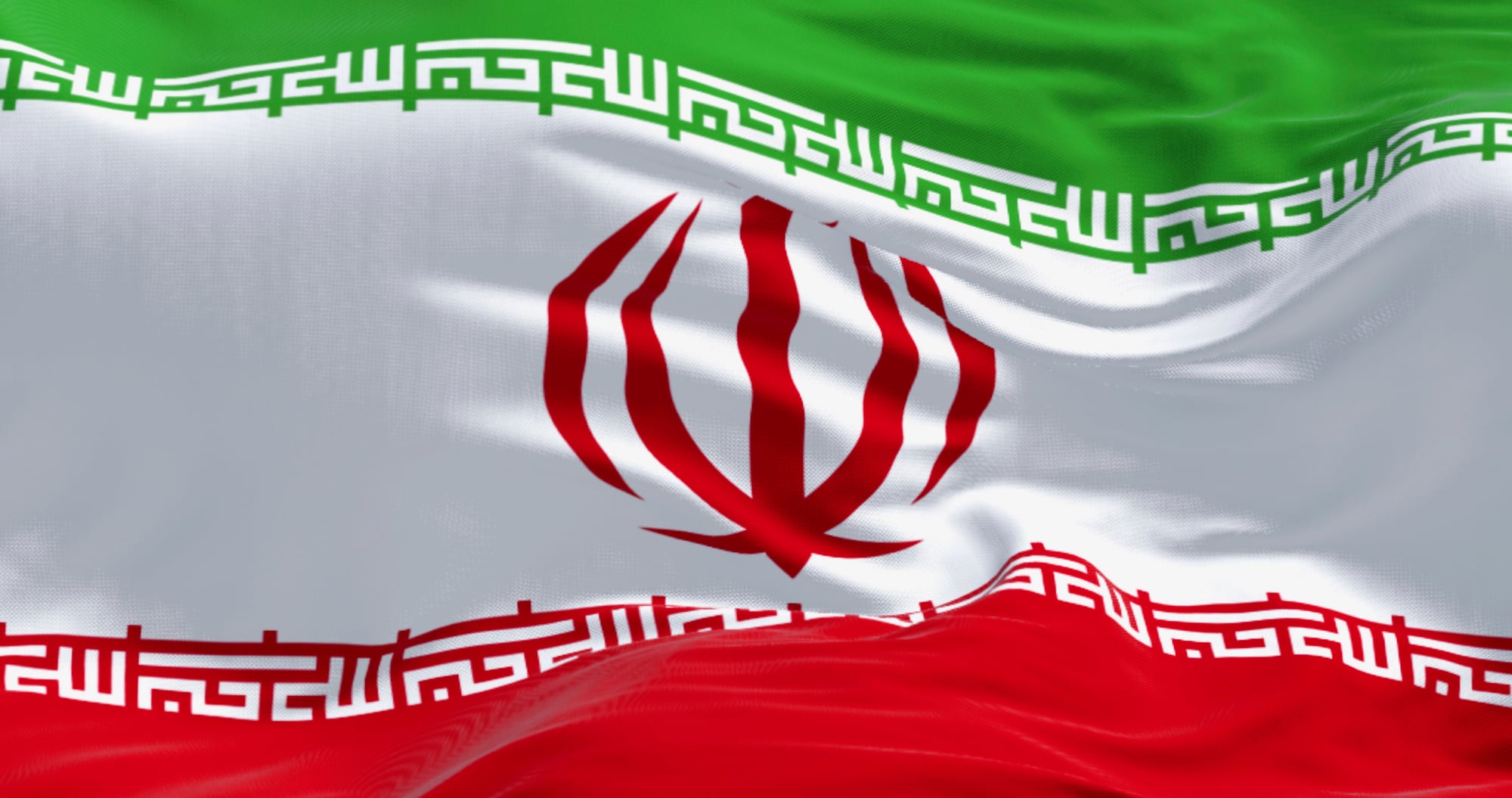
In the 1980s, senior officials within the Reagan administration secretly facilitated arms sales to Iran, which was under an arms embargo. Profits from those sales were then directed to support Contra rebels in Nicaragua, despite congressional restrictions.
The exposure of the operation triggered congressional hearings and multiple convictions, though several were later overturned or pardoned. The affair underscored tensions between executive power and legislative oversight, reinforcing the importance of checks and balances in democratic systems.
The Profumo Affair
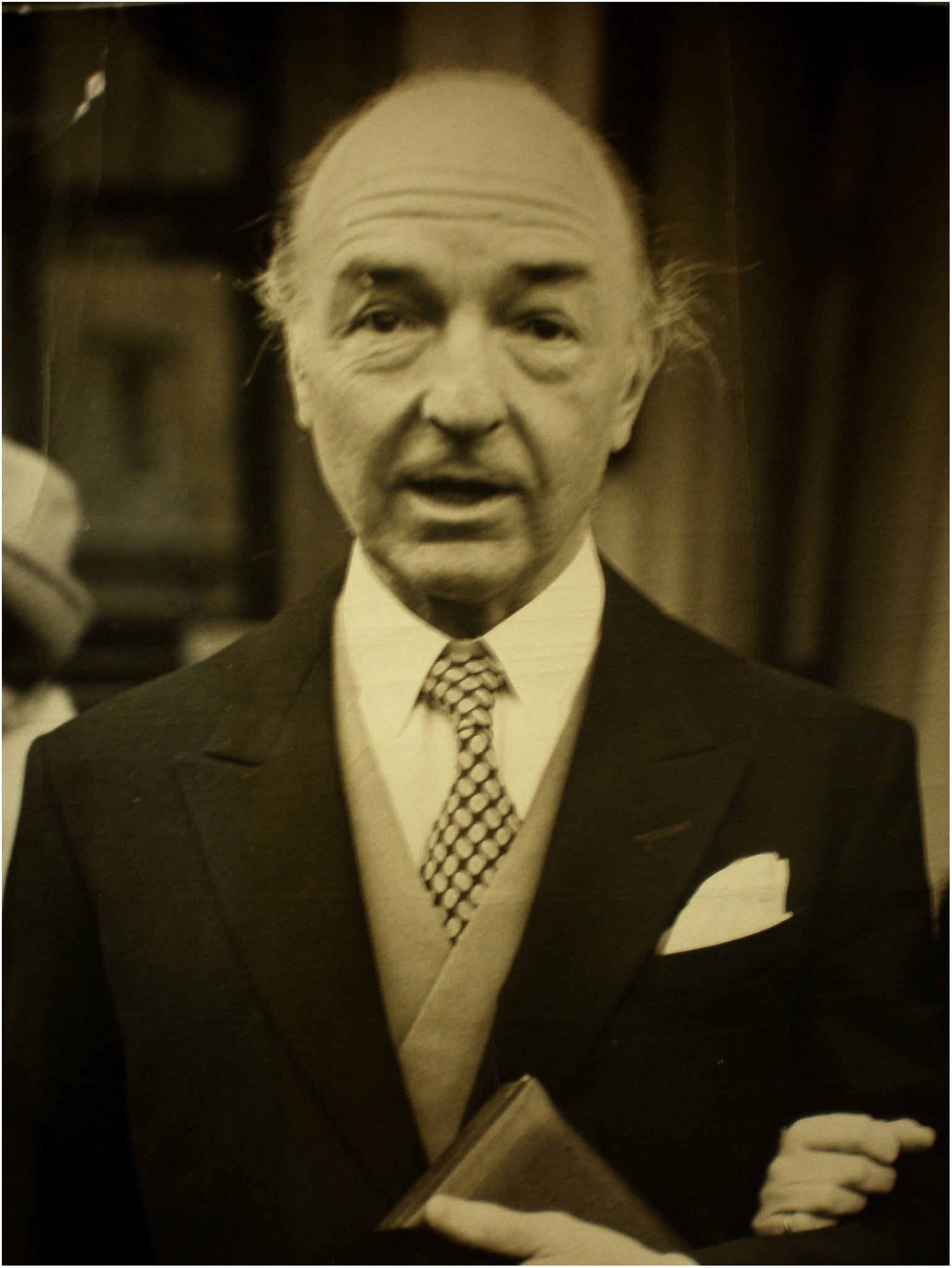
In 1963, British Secretary of State for War John Profumo admitted to an affair with Christine Keeler, who was also linked to a Soviet naval attaché. Initially denying the relationship in Parliament, Profumo later confessed, prompting his resignation.
While the personal aspect drew headlines, the larger concern involved national security and truthfulness to Parliament. The scandal damaged public confidence in the British government and contributed to broader political shifts during the decade.
The Teapot Dome Scandal

In the early 1920s, U.S. Secretary of the Interior Albert Fall secretly leased federal oil reserves at Teapot Dome, Wyoming, to private companies without competitive bidding. In return, he received personal loans and gifts.
The scandal resulted in Fall’s conviction for bribery, making him the first former U.S. cabinet member to serve prison time. Teapot Dome became a benchmark for corruption in public office and reinforced the need for transparency in government resource management.
The Petrobras Scandal
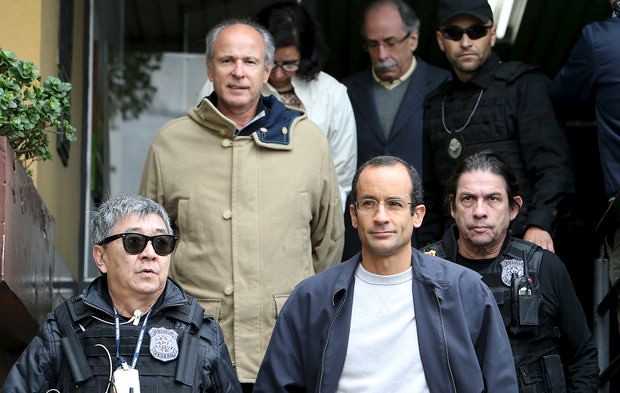
Brazil’s Petrobras scandal, uncovered in 2014, revealed a massive corruption scheme involving inflated contracts and kickbacks tied to the state-controlled oil company. Politicians and business leaders across party lines were implicated.
The investigation, known as Operation Car Wash, led to dozens of convictions and significant political upheaval. It played a role in the impeachment of President Dilma Rousseff and reshaped Brazil’s political landscape for years.
The Lockheed Bribery Scandals

In the 1970s, aerospace company Lockheed admitted to paying millions of dollars in bribes to foreign officials to secure aircraft contracts. Investigations revealed payments in countries including Japan and the Netherlands.
The scandal led to high-profile resignations and convictions abroad. In the United States, it contributed to the passage of the Foreign Corrupt Practices Act in 1977, which established stricter rules against bribery of foreign officials.
The Dreyfus Affair
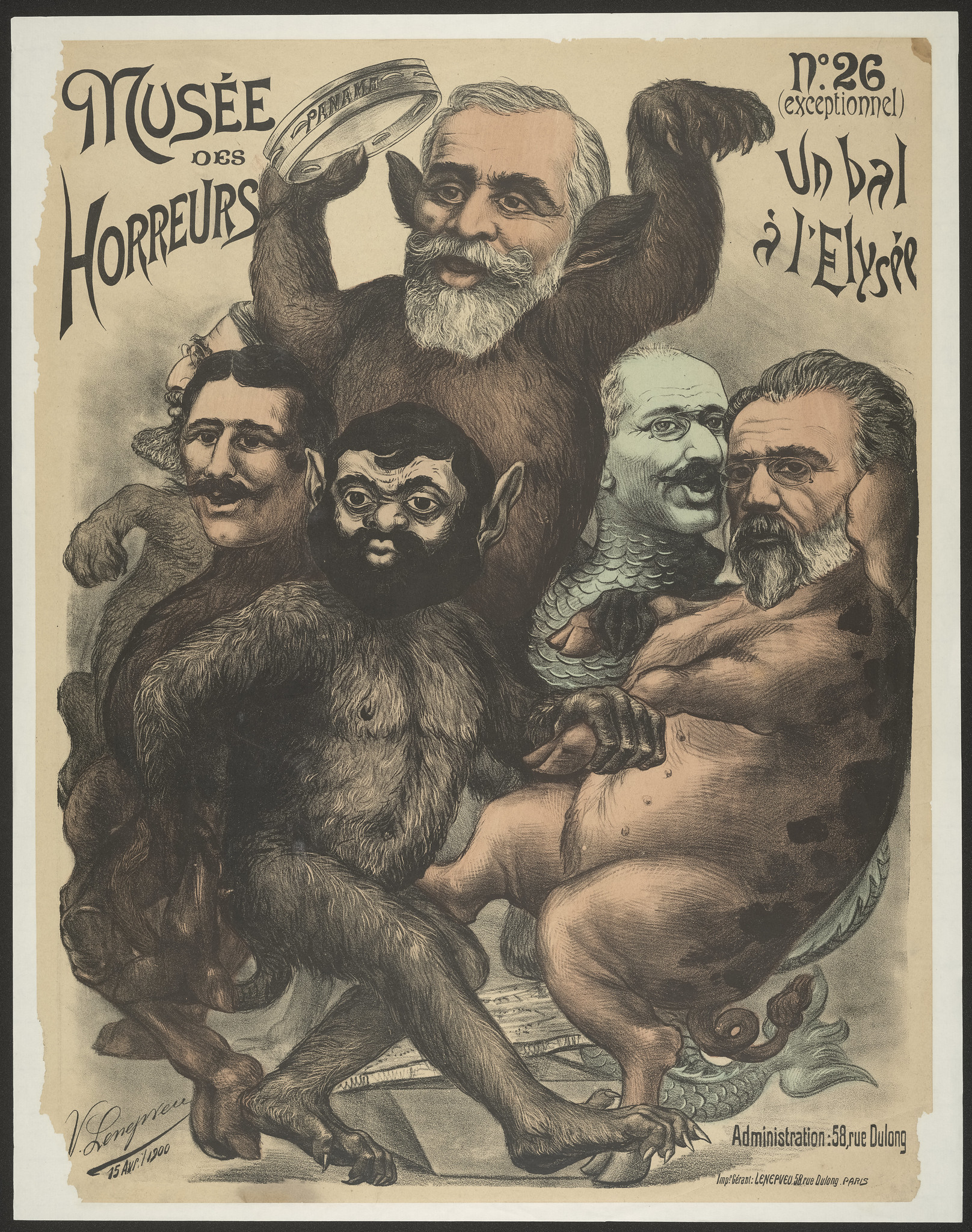
In late nineteenth-century France, army officer Alfred Dreyfus was falsely accused and convicted of treason. The case was fueled by forged documents and antisemitic sentiment within segments of the military establishment.
Public outcry and investigative journalism eventually exposed the miscarriage of justice. The affair deeply divided French society and remains a powerful example of how political institutions can fail when prejudice and secrecy override evidence.
The Bofors Scandal

During the 1980s, allegations emerged that bribes were paid in connection with an arms deal between India and Swedish manufacturer Bofors. The controversy implicated high-ranking political figures and sparked intense public debate.
Though legal proceedings stretched on for years, the scandal significantly influenced Indian electoral politics. It highlighted concerns about defense procurement transparency and the role of intermediaries in government contracts.
The Credit Mobilier Scandal
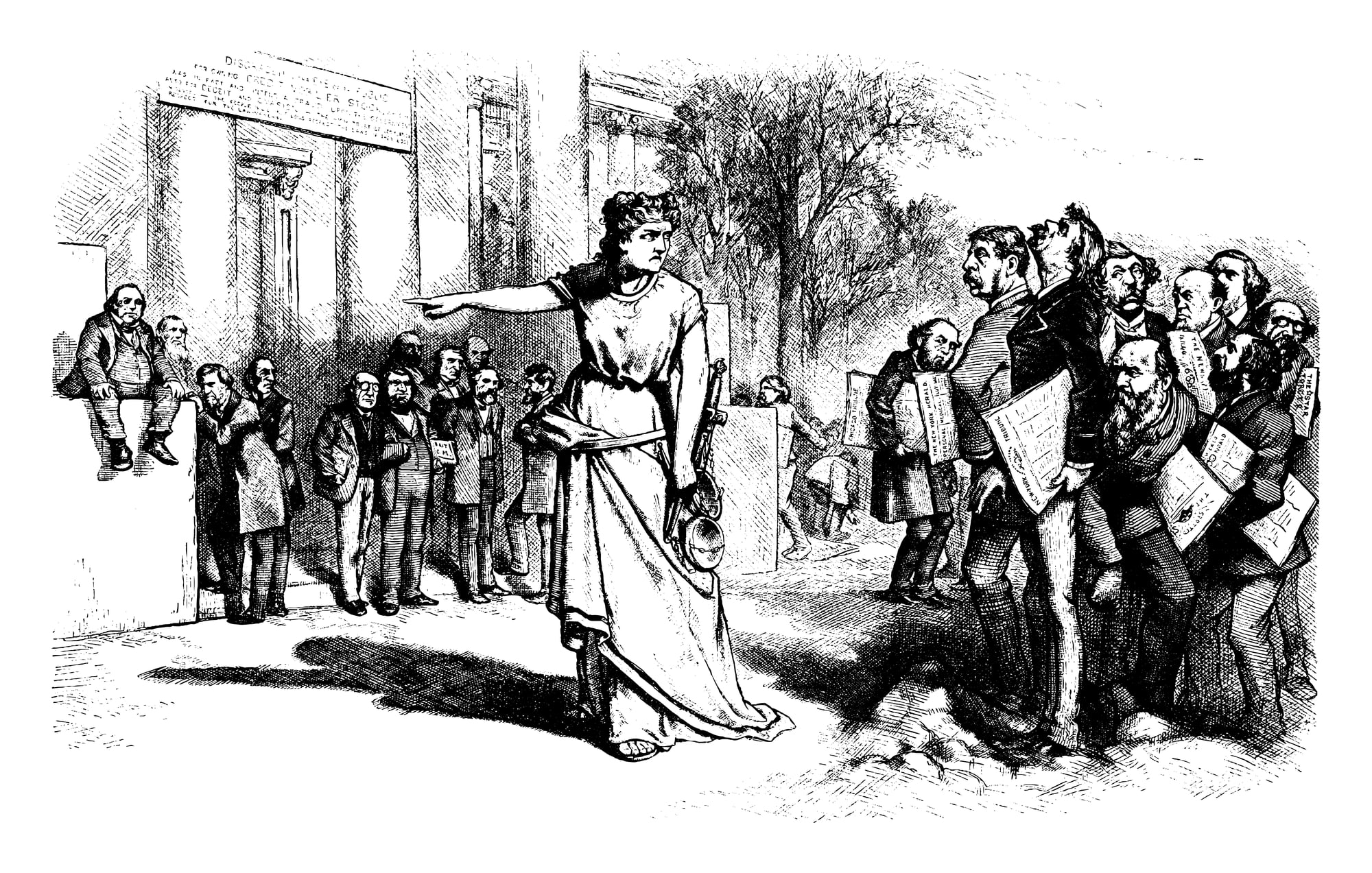
In the United States during the 1870s, executives of the Union Pacific Railroad created a construction company called Credit Mobilier and awarded themselves inflated contracts for building the transcontinental railroad. Members of Congress were offered discounted shares in exchange for political support.
When the scheme became public, it tarnished numerous political careers. The episode exposed vulnerabilities in public-private partnerships during rapid industrial expansion.
The Panama Papers
In 2016, a massive leak of financial documents revealed how wealthy individuals and public officials worldwide used offshore entities to conceal assets. The documents, sourced from a Panamanian law firm, sparked investigations across multiple countries.
Several political leaders resigned or faced legal scrutiny. The leak intensified global conversations about financial transparency and the regulation of offshore tax structures.
The Cash-For-Honours Scandal

In the United Kingdom during the mid-2000s, allegations surfaced that political donors were nominated for peerages in exchange for financial contributions. While no criminal charges were ultimately brought, the investigation drew significant public attention.
The controversy reinforced concerns about political funding practices and the perception of influence tied to wealth. It prompted renewed discussion about reforming appointment processes.
The Tammany Hall Corruption
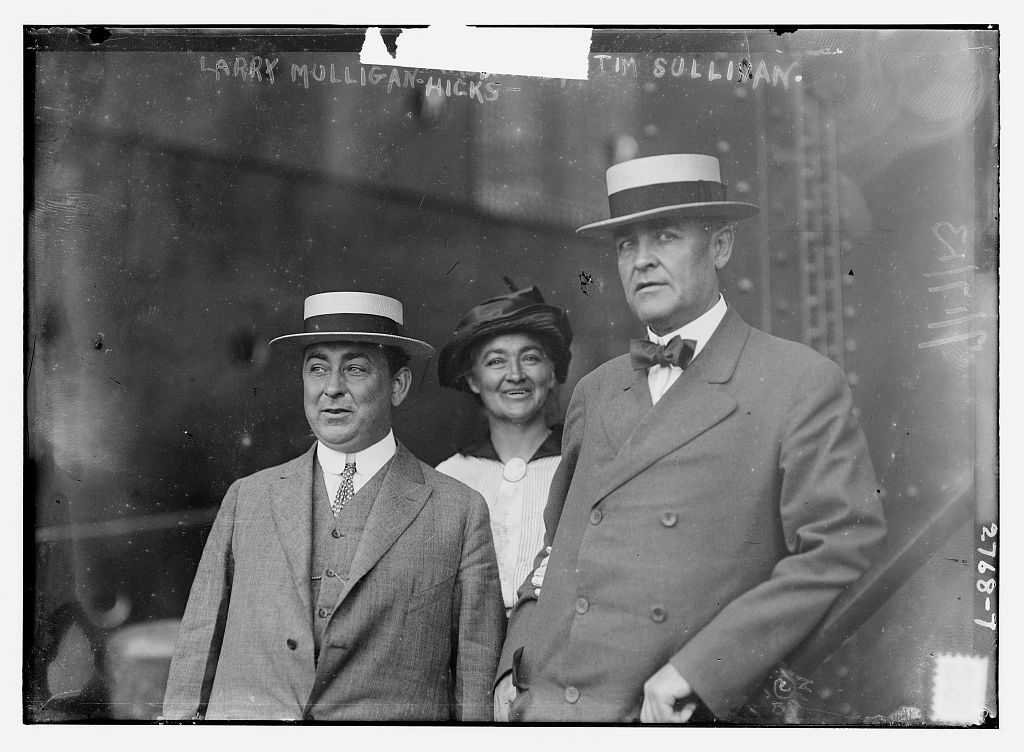
In nineteenth-century New York City, Tammany Hall operated as a powerful political machine. Under the leadership of William ‘Boss’ Tweed, public funds were siphoned through inflated contracts and fraudulent accounting.
The eventual exposure of the scheme led to prosecutions and reforms in municipal governance. Tammany Hall became a symbol of urban political corruption in the United States.
The Marconi Scandal

In 1912, British ministers were accused of insider trading after purchasing shares in a company connected to a government contract for wireless telegraphy. Though a parliamentary inquiry cleared the officials of criminal wrongdoing, the perception of impropriety lingered.
The episode fueled debate about ethical standards in public office and the appearance of conflicts of interest.
The Chappaquiddick Incident
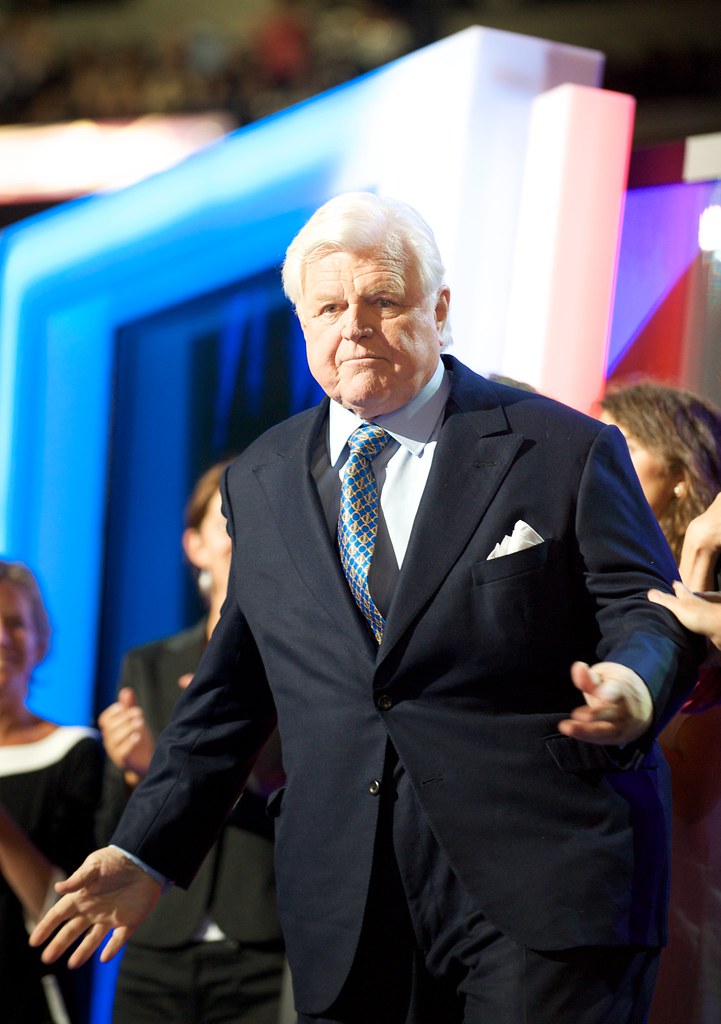
In 1969, Senator Edward Kennedy’s car drove off a bridge on Chappaquiddick Island, resulting in the death of Mary Jo Kopechne. Kennedy did not immediately report the accident, leading to widespread scrutiny.
Though it did not result in severe legal consequences, the incident significantly affected Kennedy’s political future. It remains one of the most discussed controversies in modern American politics.
The Impeachment Of Park Geun-Hye
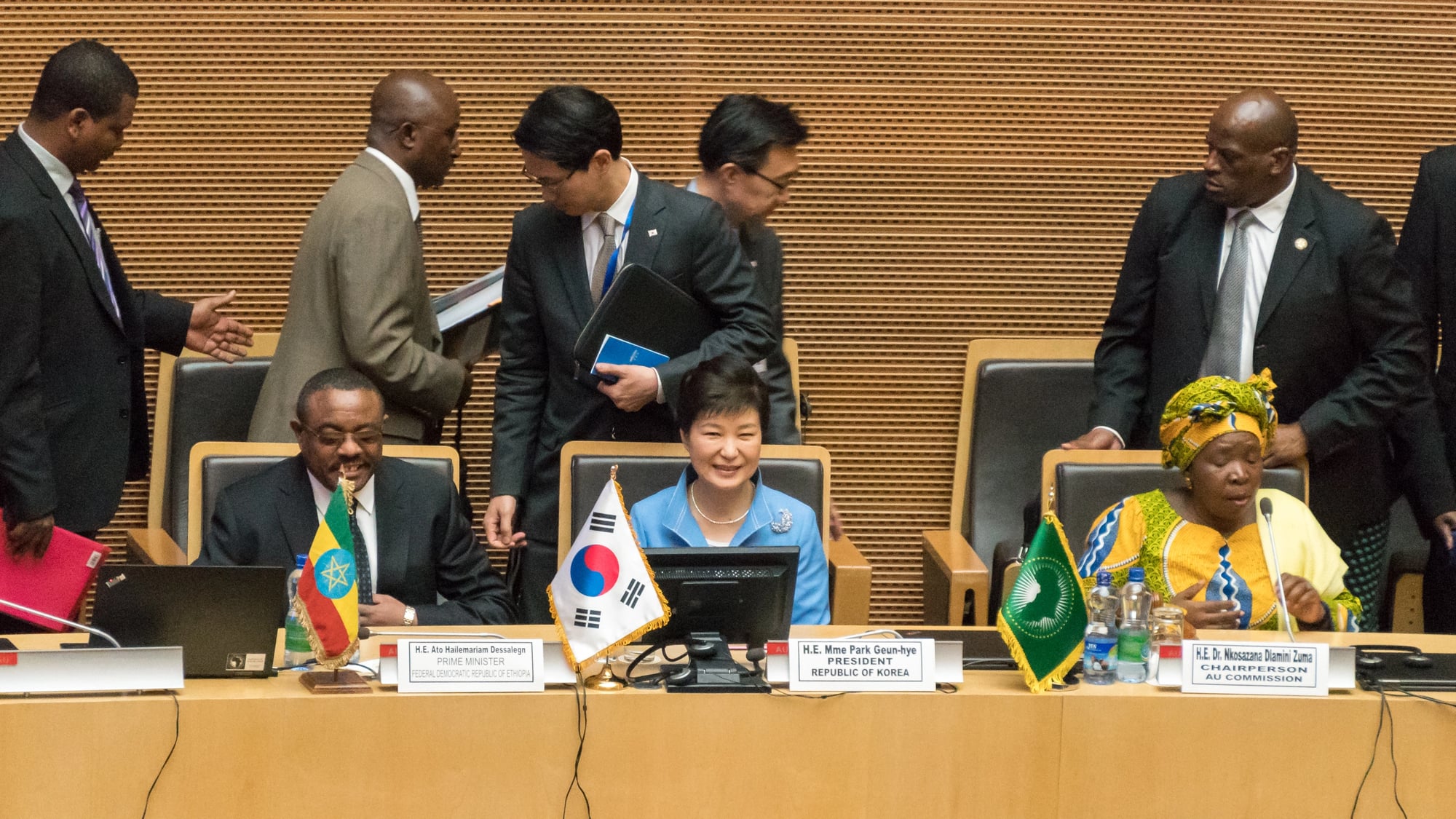
In 2016, South Korean President Park Geun-hye was impeached after revelations that a close confidante exerted undue influence over state affairs and solicited corporate donations. Massive public protests followed.
Park was removed from office and later convicted on corruption charges. The scandal demonstrated the power of civic mobilization and the strength of constitutional mechanisms in South Korea.
The FIFA Corruption Scandal
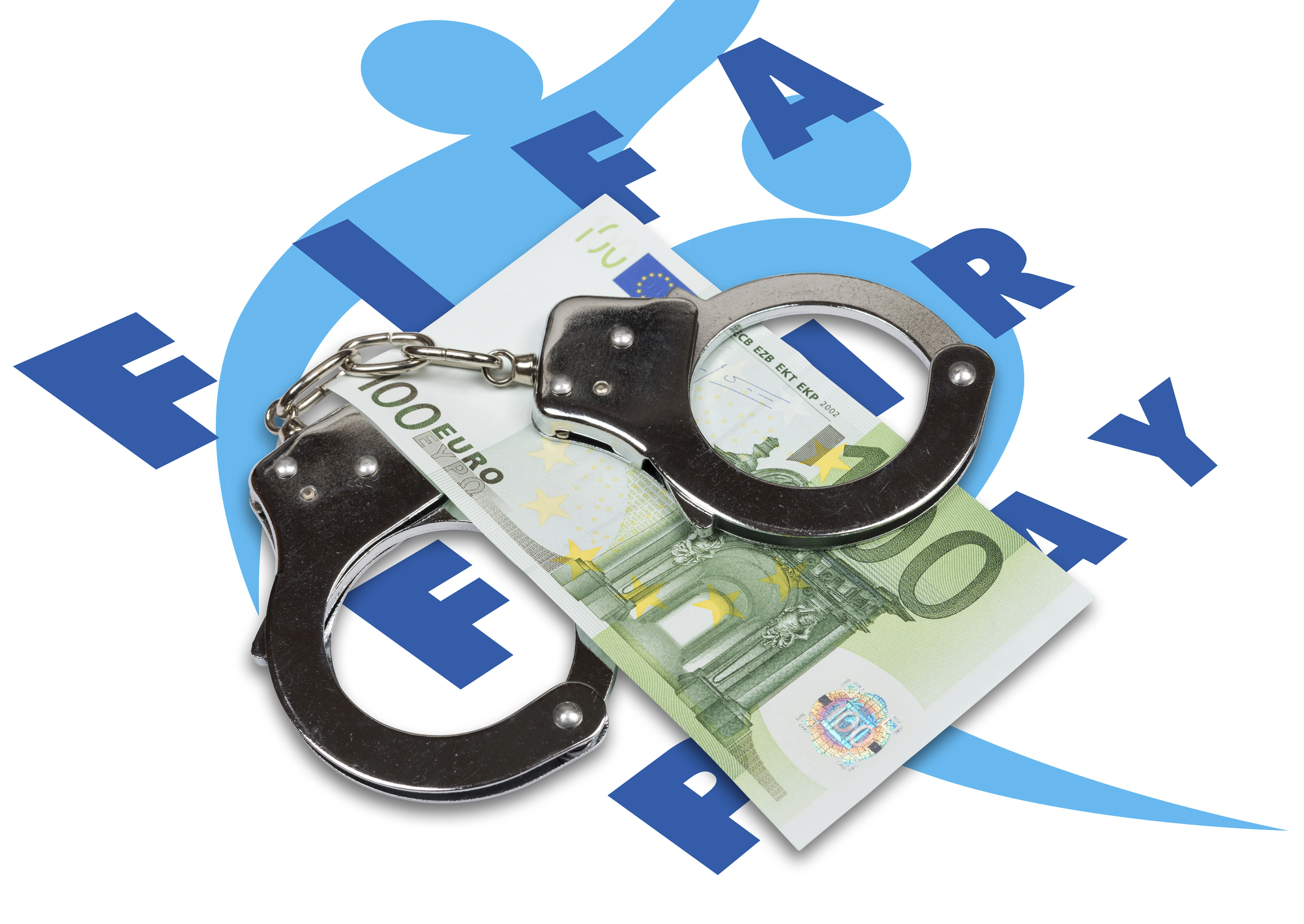
Although centered on a global sports organization rather than a national government, the FIFA corruption scandal involved allegations of bribery and racketeering tied to international sporting events. Multiple officials were arrested following investigations led by U.S. authorities.
The scandal revealed the extent to which financial misconduct can intersect with political influence, particularly when large international contracts are involved.
The Arms Deal Scandal In South Africa
In the late 1990s and early 2000s, a number of issues were brought to light regarding the billions of dollars spent on the country’s arms procurement program. Investigations were conducted, leading to court cases involving top political leaders.
The issues impacted the country’s elections. It brought to light the impact procurement issues have on political instability.
The Legacy Of Scandal
When news moves on, fallout stays. Reforms follow, officials step down, rules change – trust often frays.
These moments stretch democracy’s bones, showing where it bends, how it heals. Though facts change from place to place, one thing stays true everywhere – light shines where trust holds firm.
When watchful eyes look away, trouble creeps in behind closed doors. What sticks around isn’t just the mistake itself, but how people rebuild fences after the horse has gone.
More from Go2Tutors!

- The Romanov Crown Jewels and Their Tragic Fate
- 13 Historical Mysteries That Science Still Can’t Solve
- Famous Hoaxes That Fooled the World for Years
- 15 Child Stars with Tragic Adult Lives
- 16 Famous Jewelry Pieces in History
Like Go2Tutors’s content? Follow us on MSN.