Struggles Only Left-Handed People Get
About ten to twelve percent of people write with their left hand, which means the majority designed pretty much everything. You notice it most when you’re trying to use a can opener or write in a spiral notebook.
The world just wasn’t built with you in mind, and that creates daily friction in ways most right-handed people never consider.
Spiral Notebooks Turn Into Torture Devices
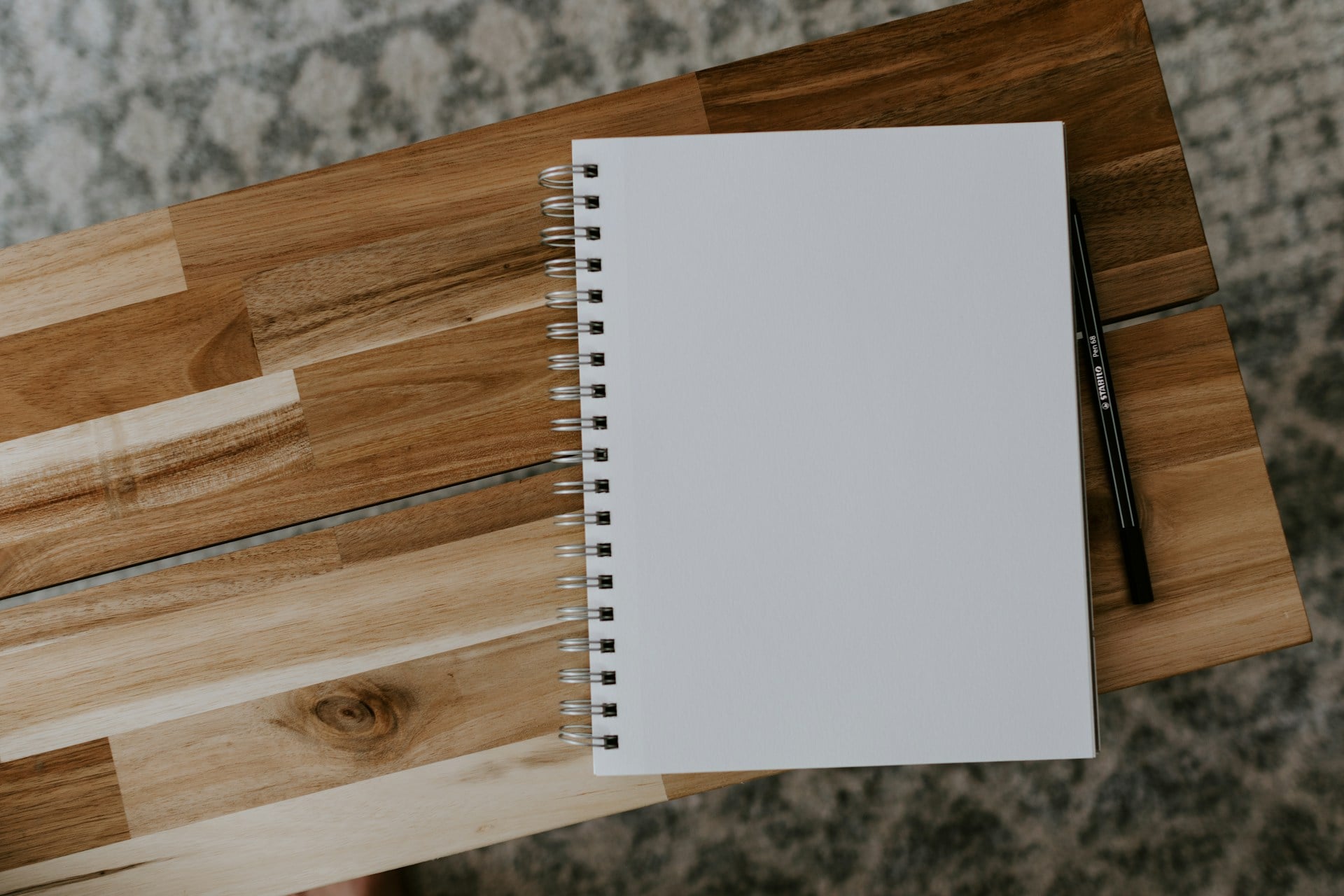
The metal spiral sits exactly where your hand needs to rest while writing. Right-handed people glide across the page without obstruction.
Left-handed writers have to either hover their hand awkwardly above the spiral, angle their paper in weird ways, or just accept the painful indentations across their palm and wrist. By the end of class, your hand looks like someone pressed it against a radiator grill.
Scissors Feel Backwards
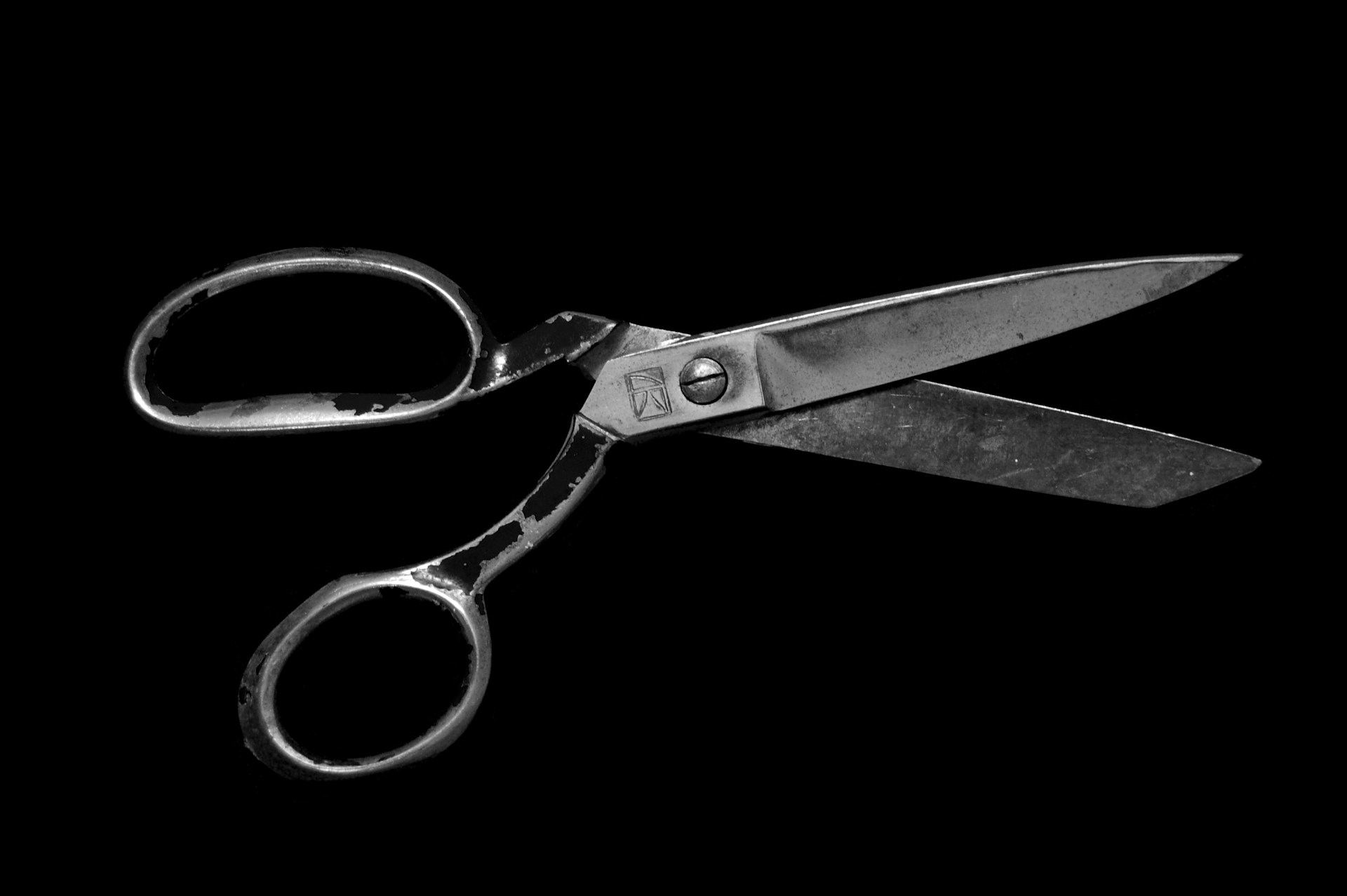
Regular scissors aren’t just uncomfortable for left-handed people—they actually don’t work properly. The blades need pressure in a specific direction to cut cleanly.
When you use right-handed scissors with your left hand, the blades push apart instead of together, creating jagged cuts or just bending the paper. You can find left-handed scissors, but good luck remembering to bring your own pair everywhere you go. Most left-handed people just learn to cut awkwardly with their right hand.
Ink Smears Across Everything You Write
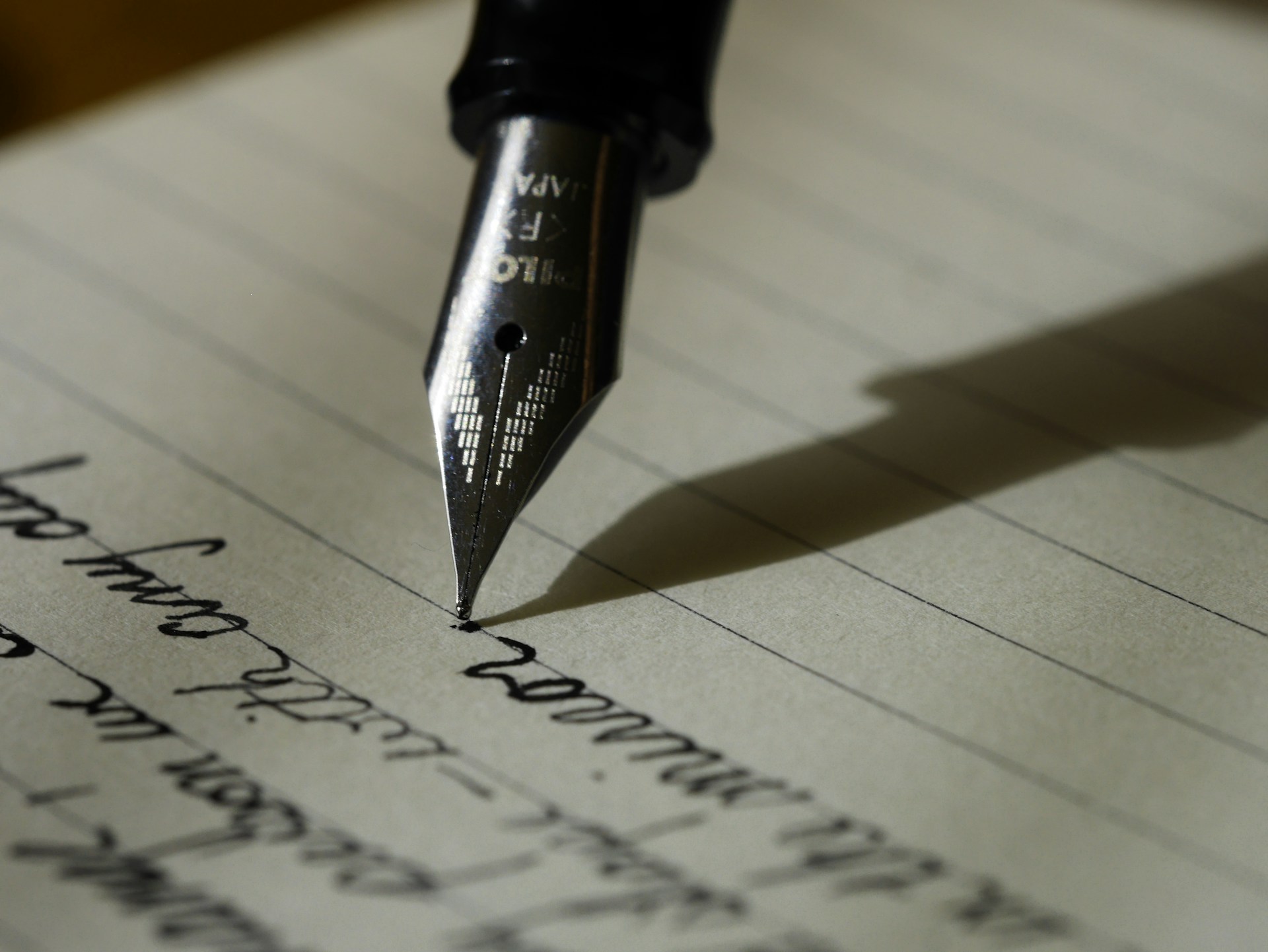
Right-handed people pull the pen across the page as they write. Left-handed people push it, which means your hand drags directly over fresh ink.
By the time you finish a sentence, there’s a grey smudge across your palm and the side of your pinky finger. Your handwriting looks great until someone points out the smear marks all over the page. Gel pens and markers are the worst offenders.
Can Openers Feel Ergonomically Awkward
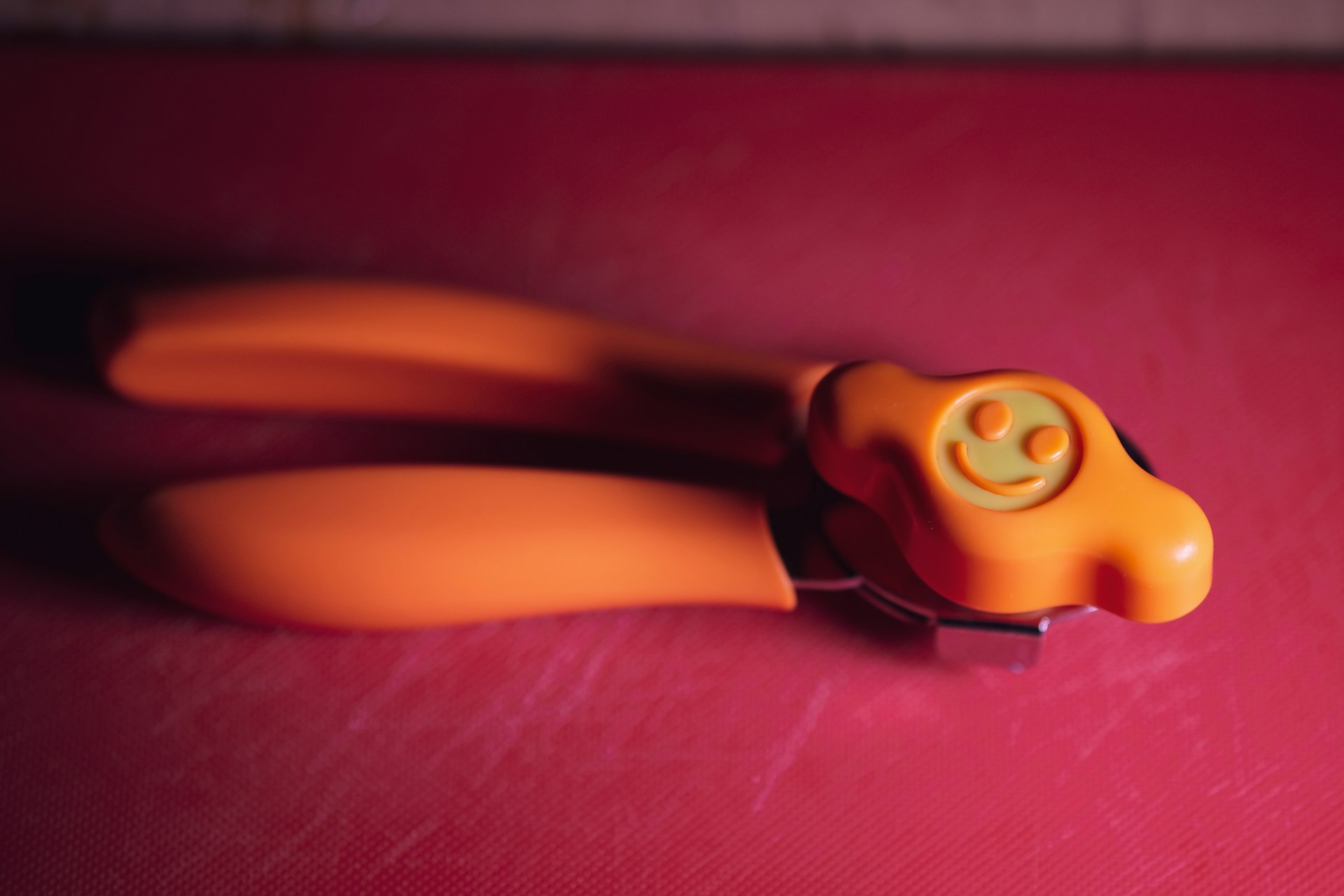
Standard can openers are designed to be held in the left hand while you crank with your right, which works fine mechanically for left-handed people but feels backwards ergonomically. You’re using your non-dominant hand for the precise work of turning the crank, which creates an awkward feeling even though the can opener functions properly.
It’s not that you can’t use it—it just never feels quite natural. Left-handed can openers exist and flip this dynamic, but most kitchens don’t have them.
Desks in School Make Taking Notes Impossible

Those combination chair-desk units almost always have the writing surface attached to the right side. Left-handed students have to twist their entire body to write, creating back pain and making it harder to see the board.
Some schools have a few left-handed desks, but there are never enough, and they’re usually broken or stuck in the back corner. You spend your entire education sitting in furniture designed to make your life harder.
Measuring Cups Show Numbers on the Wrong Side

Pour something into a measuring cup with your left hand, and the measurement markings face away from you. You have to either turn your wrist at an uncomfortable angle to read them or pour with your right hand and hope for the best.
The same goes for measuring spoons with markings on the handle—they’re designed to be read when held in the right hand.
Credit Card Readers Assume Everyone Is Right-Handed

The stylus attaches to the right side of the payment terminal. The signature pad sits at an angle that makes sense for right-handed people.
You end up reaching across your body awkwardly or contorting your arm to sign your name. Your signature looks nothing like the one on your card because you’re signing at a forty-five-degree angle while standing off to the side.
Binders and Three-Ring Folders Create the Same Problem as Notebooks
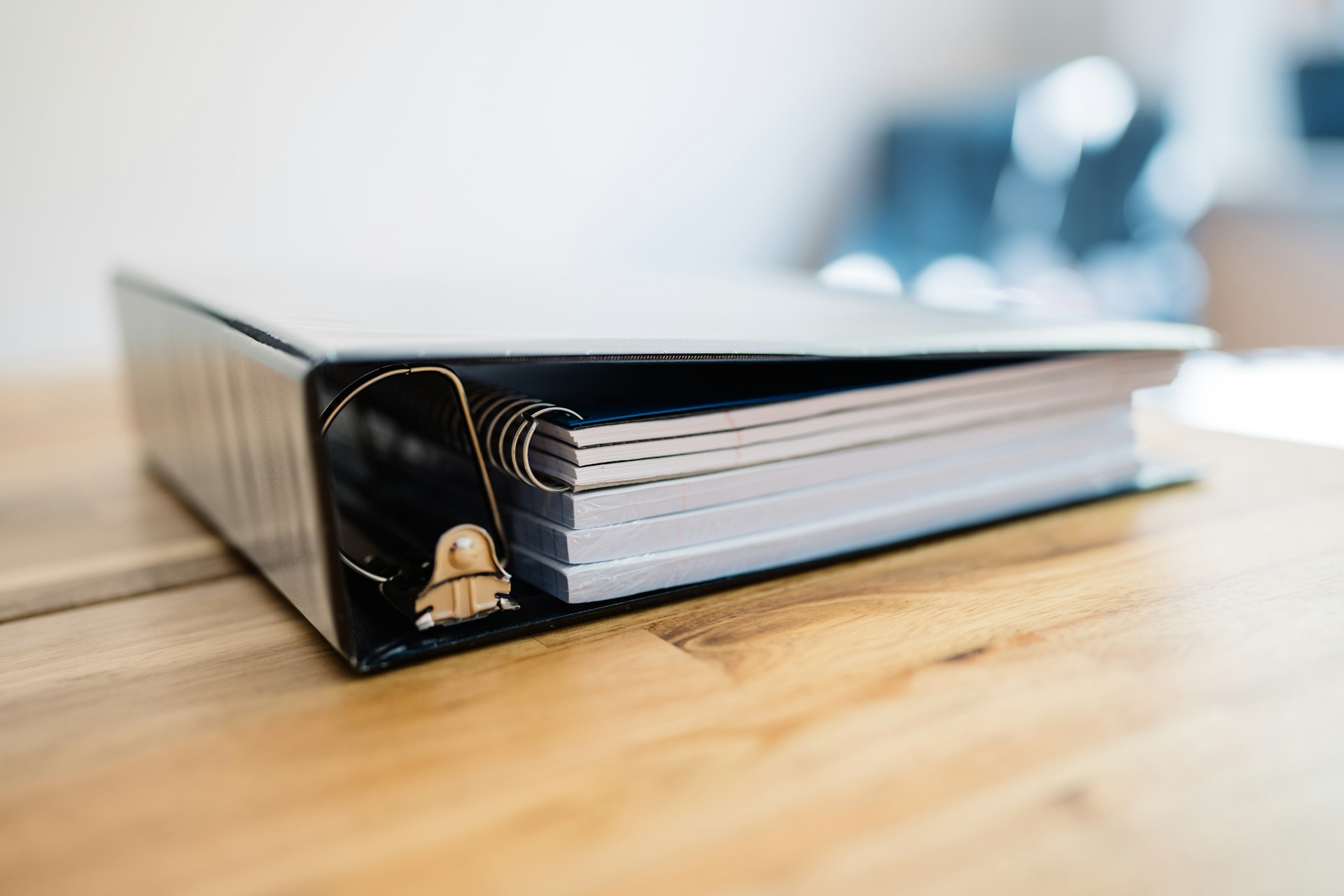
The rings sit on the left side, which is exactly where left-handed people need their hand to be while writing. You get the same choice as with spiral notebooks: hover your hand, angle the paper weird, or accept the discomfort.
Some people flip the binder upside down, but then the pages are in reverse order, which creates its own problems.
Coffee Mugs Sometimes Hide Their Designs

Many manufacturers put sayings and images on mugs facing outward when held in the right hand. When left-handed people pick up these mugs, the design faces away from them.
Not all mugs follow this pattern—some are designed to show the image to the drinker, and others have designs all around—but enough do that you notice it. It’s a small thing, but it reminds you that the default assumption was someone else holding the mug.
Some Kitchen Tools Ignore Your Existence

Certain kitchen tools favor right-handed users more than others. Single-spout ladles pour better from one side, though many manufacturers make double-sided versions.
Some vegetable peelers have angled blades that work better in one hand, though Y-peelers tend to be ambidextrous. Single-bevel knives like some Japanese-style blades are designed for right-handed use, while most standard kitchen knives have double-beveled edges that work either way. Ice cream scoops with release levers positioned for right thumbs create awkward grip angles. It’s not every tool, but enough of them that you notice the pattern.
Computer Mice Live on the Wrong Side
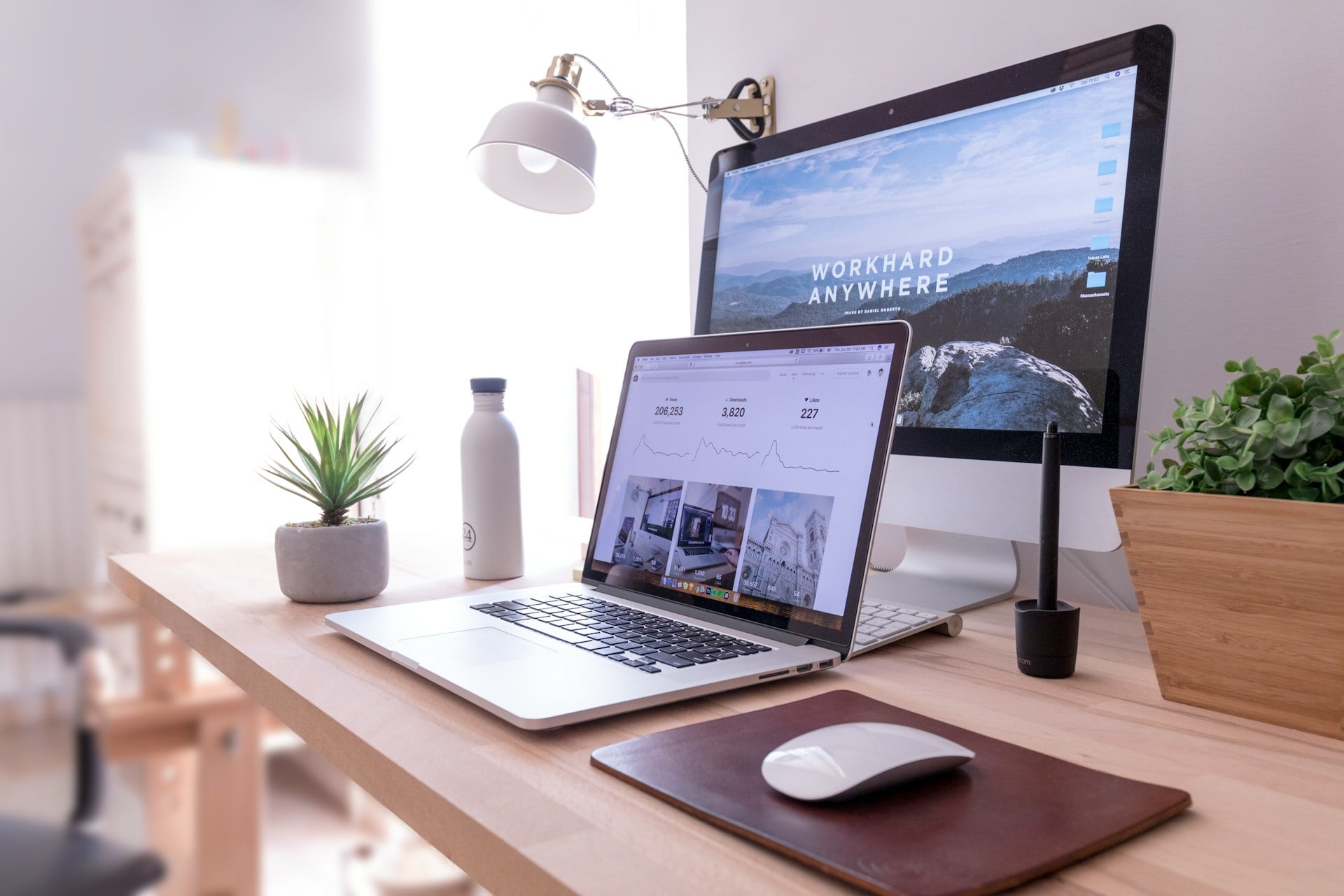
The mouse sits to the right of the keyboard by default. You can move it to the left side and reverse the buttons in software, which helps, but it still creates complications when sharing computers or using someone else’s setup.
Some left-handed people just learn to use the mouse with their right hand, which feels unnatural but beats reconfiguring settings on every machine you encounter. The physical act of mousing left-handed works fine once configured—it’s the constant need to adjust settings that becomes tiresome.
Watch Crowns Dig Into Your Wrist
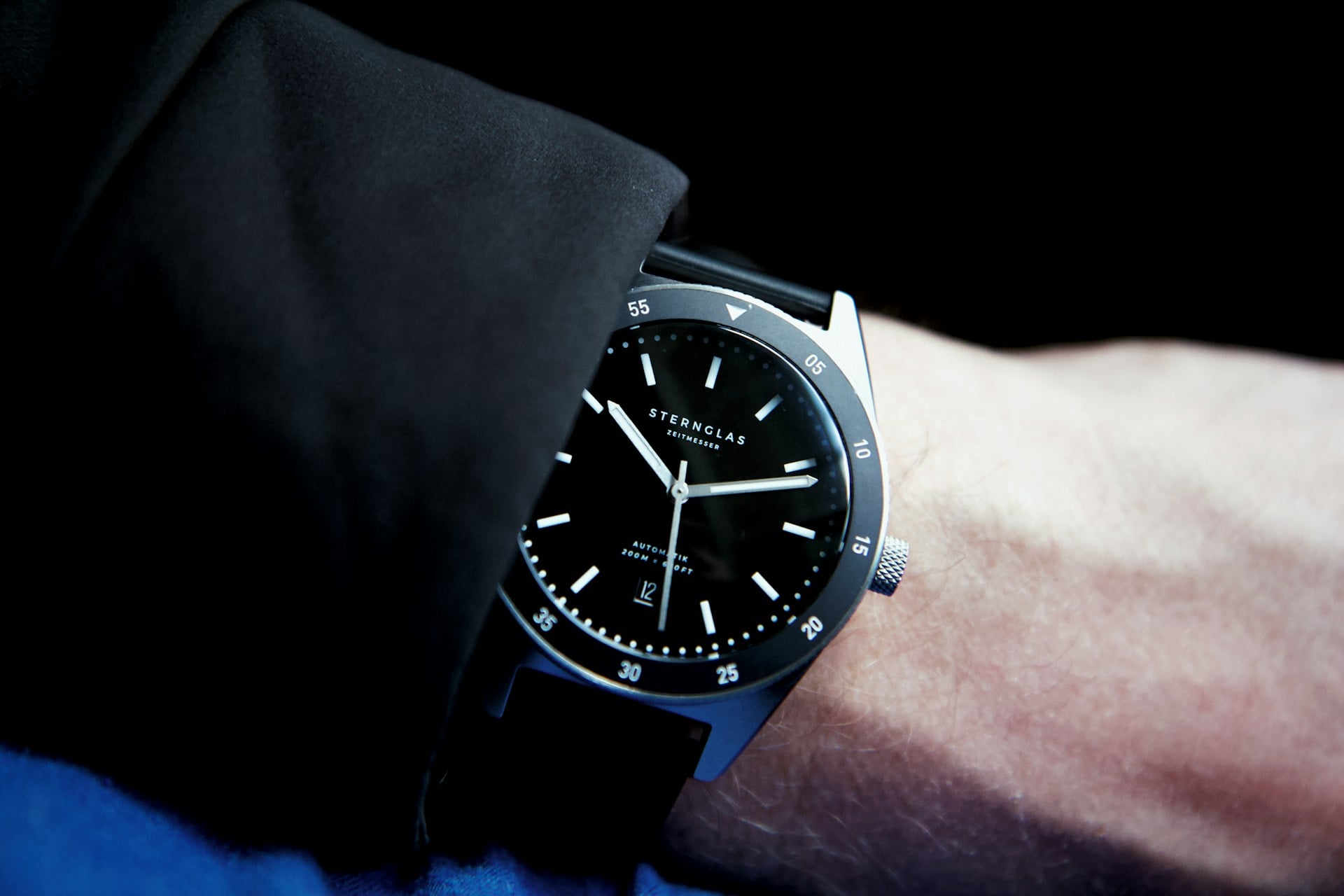
Watch manufacturers put the crown—the little knob for adjusting time—on the right side of the watch face. This makes sense for the standard practice of wearing a watch on your left wrist and adjusting it with your right hand.
Left-handed people often prefer wearing watches on their right wrist for comfort while writing, which means the crown digs into the back of your hand whenever you bend your wrist. You can find left-handed watches with the crown on the left side, but the selection is tiny and expensive.
Power Tools Assume Right-Hand Operation
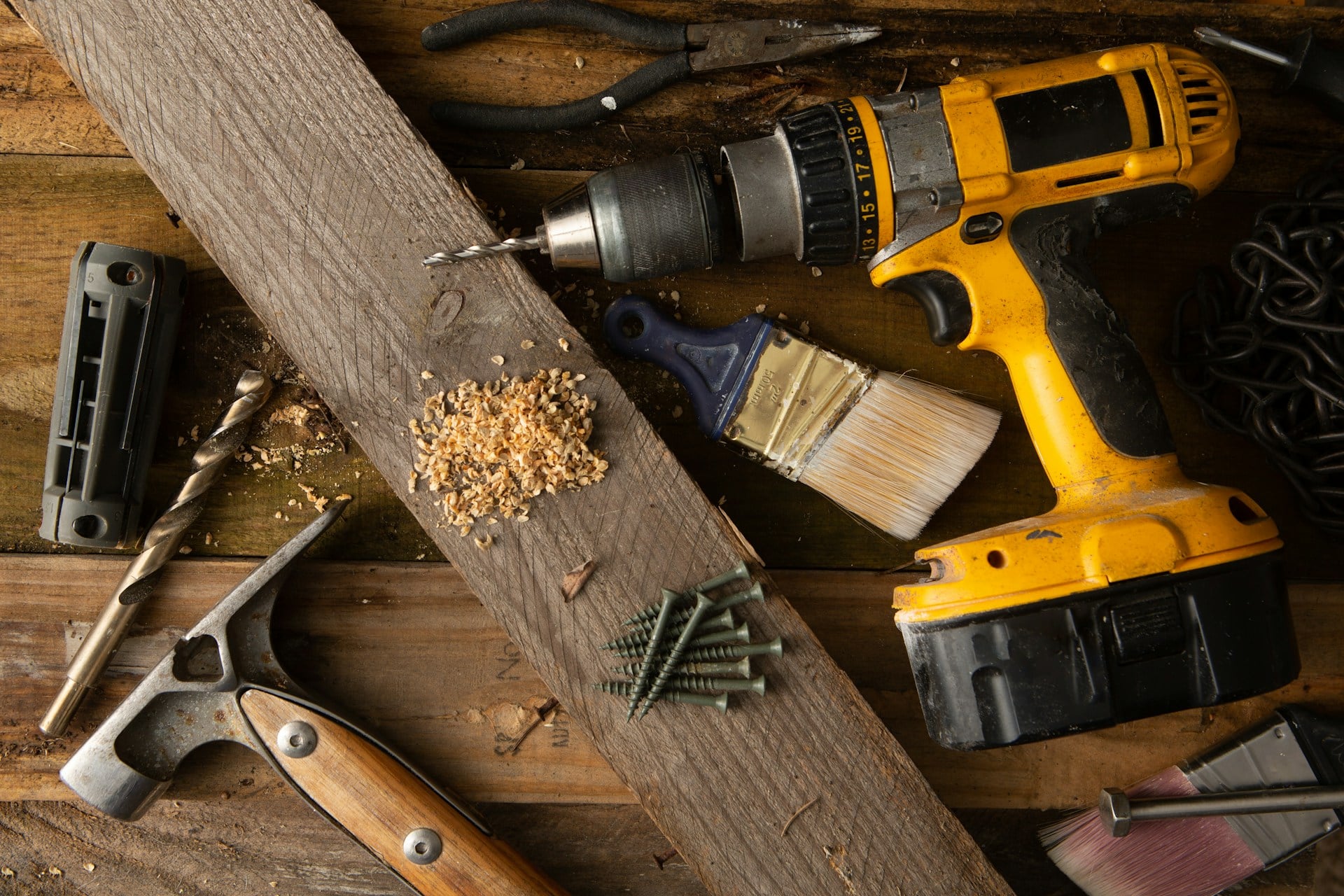
The safety switches, triggers, and controls on power tools are positioned for right-handed users. Operating them left-handed means either reaching across with your right hand to access controls or holding the tool in an uncomfortable position.
This isn’t just annoying—it can actually be dangerous when you’re working with something that spins or cuts.
Restaurant Booths and Tight Spaces Create Elbow Battles
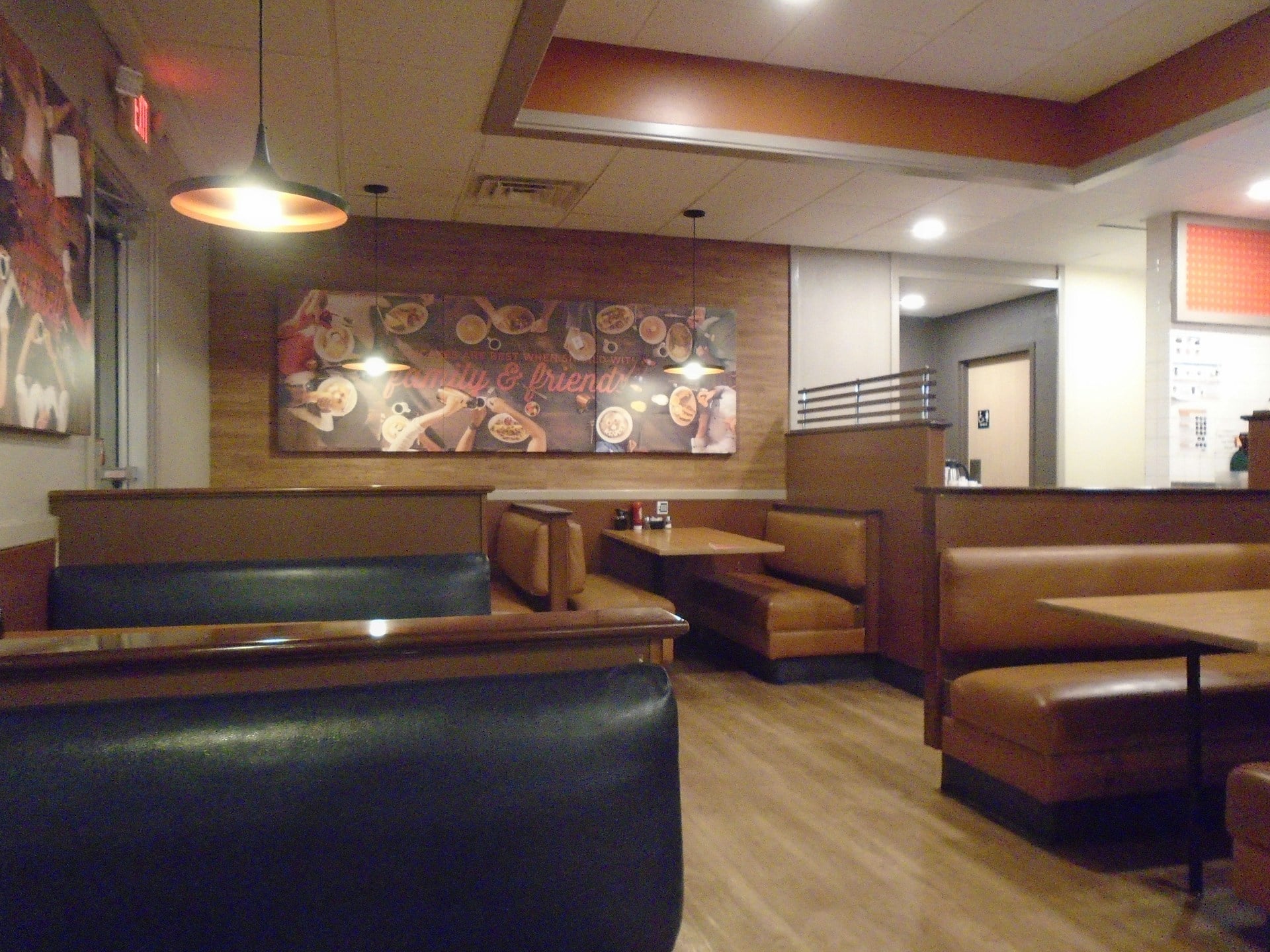
Sit on the left side of a booth or at a crowded table, and your left elbow constantly bumps into the right elbow of the person next to you while eating. Left-handed people learn to either sit on the end or accept that meals with others involve a constant dance of trying not to hit elbows.
Right-handed people rarely notice this because they naturally sync up with each other.
A World Built for Someone Else

Being left-handed means constantly adapting to a world that forgot you exist. Every tool, every piece of furniture, every casual assumption about how humans interact with objects—they’re all calibrated for the majority.
You develop workarounds and learn to laugh about it, because what else can you do? But there’s something exhausting about starting every task with a small disadvantage that ninety percent of people never have to think about. The world keeps spinning to the right, and you just keep adjusting.
More from Go2Tutors!

- The Romanov Crown Jewels and Their Tragic Fate
- 13 Historical Mysteries That Science Still Can’t Solve
- Famous Hoaxes That Fooled the World for Years
- 15 Child Stars with Tragic Adult Lives
- 16 Famous Jewelry Pieces in History
Like Go2Tutors’s content? Follow us on MSN.