18 Famous Forums That Shaped Online Discussions
Online forums have been the backbone of internet culture for decades, creating communities that sparked movements, launched memes, and changed how we communicate. From the earliest bulletin board systems to modern discussion platforms, these digital gathering places transformed strangers into communities and ideas into cultural phenomena.
Long before social media dominated our screens, forums were where people gathered to share knowledge, debate ideas, and form lasting friendships. Here is a list of 18 famous forums that fundamentally shaped how we discuss, argue, and connect online.
Usenet

Usenet, established in 1980, was developed from the general-purpose Unix-to-Unix Copy (UUCP) dial-up network architecture by Tom Truscott and Jim Ellis. Think of it as the grandfather of all online discussions.
People would post messages to different newsgroups covering everything from computer programming to cooking recipes. The system worked like a giant relay race, with messages spreading from server to server across the globe.
What made Usenet special was its decentralized nature – no single company controlled it, making it feel like a true digital democracy.
Delphi Forums

Delphi has had a lot of ups and downs since the company originally launched back in 1981, when it was created by Wes Kussmaul as Kussmaul Encyclopedia. Starting as an online encyclopedia, Delphi evolved into one of the first commercial online services with forum capabilities.
The platform survived multiple ownership changes and business model shifts, proving that good community features can outlast corporate chaos. Users could join interest-based groups and engage in threaded conversations that felt more organized than the free-for-all nature of early internet discussions.
The WELL

The WELL, which stands for the Whole Earth ‘Lectronic Link, launched back in 1985 and is still thriving today. Founded by Larry Brilliant and Stewart Brand, this forum became famous for attracting intellectuals, writers, and early internet pioneers.
Some of the long-time members went on to create other organizations and communities, such as Craigslist and the Electronic Frontier Foundation. The WELL pioneered the idea that online communities could be more than just casual chat – they could be places for serious discourse and real-world action.
IRC

IRC was created by Jarkko Oikarinen in August 1988 to replace a program called MUT (MultiUser Talk) on a BBS called OuluBox at the University of Oulu in Finland. Internet Relay Chat brought real-time conversation to the masses, creating chat rooms where people could talk instantly with others around the world.
Unlike forums with their threaded discussions, IRC was immediate and ephemeral – conversations happened in the moment and then disappeared into the digital ether. This platform became the breeding ground for internet slang, emoticons, and the rapid-fire communication style that would later influence social media.
Slashdot

Launched in 1997, Slashdot became the go-to destination for tech news and commentary with its tagline ‘News for Nerds, Stuff that Matters.’ The site pioneered user-driven content moderation, where community members could vote comments up or down based on quality.
This system helped filter signals from noise in ways that traditional forums couldn’t match. Slashdot also introduced the concept of getting ‘slashdotted’ – when a small website would crash from the massive traffic surge after being featured on the front page.
GameFAQs

Had no idea that GameFAQs was around since 1995. What started as a simple repository for video game guides evolved into a massive gaming community with active discussion boards.
GameFAQs became the place where gamers would argue about everything from which console was superior to detailed strategy discussions for specific games. The site’s longevity came from serving both casual players looking for walkthrough help and hardcore enthusiasts wanting deep technical discussions about their favorite titles.
AnandTech

AnandTech is one of the most active communities where you can discuss building your own PC. However, it started up long ago, back in 1997, when 14-year-old Anand Shampi started the site on Geocities.
Beginning as a motherboard review site, AnandTech grew into the definitive resource for PC hardware enthusiasts. The forums became legendary for their detailed technical discussions and helpful community members who would guide newcomers through their first computer builds.
This platform helped democratize PC building knowledge, turning what was once an expert-only hobby into something accessible to regular people.
Something Awful

Something Awful (SA) is an American comedy website hosting content including blog entries, forums, feature articles, digitally edited pictures, and humorous media reviews. It was created by Richard “Lowtax” Kyanka in 1999.
The forums have spread several Internet memes, such as “all your base belong to us.” Something Awful required users to pay a $10 registration fee, which helped keep out casual trolls and created a more committed community.
The forum’s users refer to themselves as “Goons.” This platform became a meme factory, launching countless internet jokes and cultural references that spread across the web.
MacRumors

MacRumors has a very active community of Apple users that discuss everything from purchasing decisions to technical aspects across the entire array of Apple products. This particular forum has been around since 2000.
The site became famous for its ability to predict Apple product launches and for heated debates about every design decision the company made. It is interesting to go back and read these old discussions and see, for example, how wrong initial consumer reactions can be.
MacRumors proved that dedicated product communities could become influential enough to shape public opinion about major tech releases.
NeoGAF

Originally founded in 2006, NeoGAF (Neo Gaming Age Forums) became one of the most influential gaming communities on the internet. The forum was known for its strict moderation, inside industry sources, and passionate discussions about video games.
NeoGAF members often included game developers, journalists, and industry insiders, making it a place where major gaming news would break first. The community’s influence grew so large that gaming companies would monitor the forums to gauge reaction to their announcements and products.
4chan

The site was launched as 4chan.net on October 1, 2003, by Christopher Poole, a then-15-year-old student from New York City using the online handle “moot.” When creating 4chan, Poole obtained Futaba Channel’s open source code and translated the Japanese text into English using AltaVista’s Babel Fish online translator.
Unlike most forums, 4chan allowed completely anonymous posting and automatically deleted old threads. This created a unique culture where ideas mattered more than usernames, but also led to both creative meme generation and controversial content.
4chan is responsible for many early memes and the site has received positive attention for its association with memes.

Reddit, a four-year-old news forum with far more educated, better-behaved users than either, but with a culture that somehow rides the middle between Digg’s slavery to the mainstream tastes of America’s teen males and 4chan’s obsession with inscrutable in-jokes and anti-humor. Founded in 2005, Reddit combined the voting mechanics of Digg with the community-driven content of traditional forums.
The site’s ‘subreddit’ system allowed users to create specialized communities for virtually any topic imaginable. Reddit got almost 300 million pageviews in July, compared to the 200 million Digg views in July that Digg founder Kevin Rose reported on his blog.
Digg

Launched in 2004, Digg pioneered the concept of social news aggregation where users could submit links and vote them up or down. The site’s front page became incredibly valuable internet real estate, capable of sending massive traffic spikes to featured websites.
Digg’s influence peaked in the mid-2000s when getting to the front page could crash smaller websites from the traffic surge. However, a controversial redesign in 2010 alienated many users, leading to a mass exodus that benefited competitors like Reddit.
Fark

Created by Drew Curtis in 1999, Fark became famous for its sarcastic headlines and bizarre news stories. The site operated on a submission system where users would find weird news articles and submit them with humorous headlines.
Fark’s commenting community developed its own culture of inside jokes and running gags that made the site feel like an exclusive club. The platform proved that news aggregation could be both informative and entertaining, influencing how many websites would later approach content curation.
Metafilter
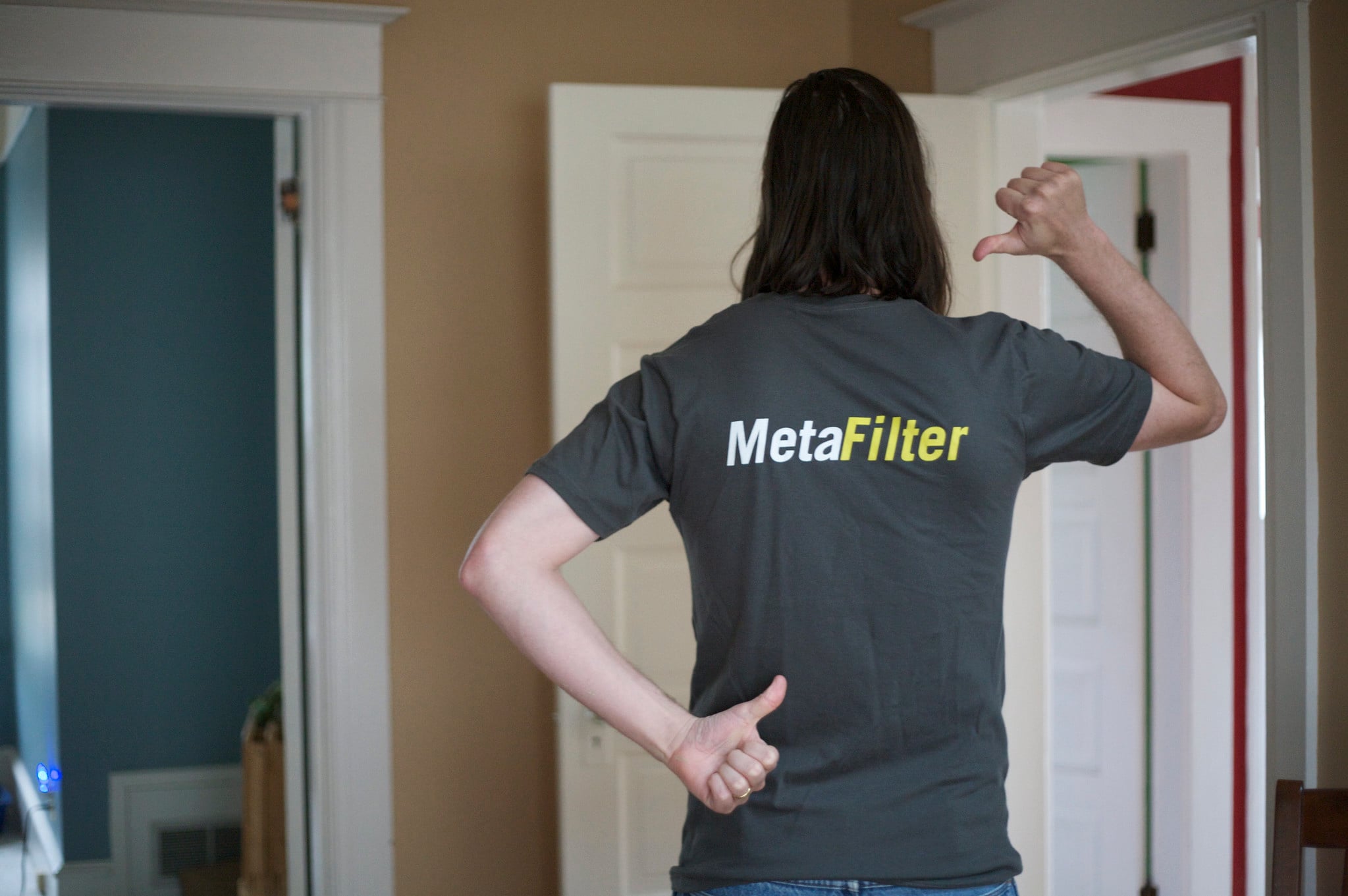
Founded in 1999 by Matt Haughey, Metafilter positioned itself as a more thoughtful alternative to other link-sharing sites. The community prided itself on high-quality discussions and well-researched posts, with users expected to provide context and analysis rather than just dropping links.
Metafilter’s $5 membership fee helped maintain a committed user base and reduced spam. The site became known for its intelligent discourse on topics ranging from politics to obscure cultural phenomena.
IGN Boards

The Internet Gaming Network’s forums became one of the largest gaming communities online, covering every gaming platform and genre imaginable. The forums were organized by gaming systems, with dedicated sections for PlayStation, Xbox, Nintendo, and PC gaming.
IGN Boards became notorious for their passionate console wars, where users would argue endlessly about which gaming system was superior. Despite the heated debates, the platform served as a central hub where millions of gamers could discuss their hobby.
GameSpot Forums

GameSpot’s discussion boards complemented the site’s game reviews and news coverage, creating a space where users could debate scores and share opinions about new releases. The forums became particularly active during major gaming events like E3, where users would dissect every announcement and trailer.
GameSpot’s community moderation system helped maintain quality discussions while still allowing for passionate disagreements about gaming topics.
Penny Arcade Forums
Starting as a companion to the popular webcomic, Penny Arcade’s forums grew into a significant gaming community in their own right. The forums reflected the comic’s irreverent humor while fostering serious discussions about gaming culture and industry trends.
Users appreciated the community’s blend of comedy and genuine gaming enthusiasm, making it a unique space where humor and serious gaming discussion coexisted naturally.
The Digital Revolution Lives On

These forums didn’t just host conversations – they created the template for how online communities function today. Their influence can be seen in everything from Reddit’s voting system to Discord’s chat channels to Twitter’s real-time discussions.
The passionate communities, inside jokes, and cultural movements that emerged from these platforms proved that the internet’s real power lies not in technology, but in bringing people together around shared interests. While many of these forums have evolved or faded, their impact on digital culture remains as strong as ever.
More from Go2Tutors!

- The Romanov Crown Jewels and Their Tragic Fate
- 13 Historical Mysteries That Science Still Can’t Solve
- Famous Hoaxes That Fooled the World for Years
- 15 Child Stars with Tragic Adult Lives
- 16 Famous Jewelry Pieces in History
Like Go2Tutors’s content? Follow us on MSN.



